
President Daniel Noboa announced Friday, March 13, 2026, that Ecuador and the United States of America signed the United States and Ecuador Reciprocal Trade Agreement (ART), which will eliminate tariff surcharges on Ecuadorian exports. Noboa shared the update to his official X account.
United States and Ecuador Sign Trade Agreement
The United States and Ecuador signing a reciprocal trade agreement is among the most trending topics related to this new trade policy.
The reciprocal trade agreement was negotiated to improve market access between Ecuador and the United States of America. Noboa wrote:
“We have just signed a Free Trade Agreement with the United States that eliminates the tariff surcharge that was affecting our products.”
The agreement removes tariff surcharges on 53% of Ecuador’s non-oil exports and will create new opportunities for additional Ecuadorian products to enter the U.S. market.
Here’s what the new trade agreement between Ecuador and the United States means for exporters.
- Increases Ecuadorian Export Market Access to the United States
- Tariff Surcharge Removed from Ecuadorian Exports Immediately
- President Noboa says the agreement takes effect immediately and will benefit Ecuadorian producers.
“The agreement benefits 53 percent of our non-oil exports, consolidates productive sectors that already generate thousands of jobs, and opens opportunities for new Ecuadorian products to access the U.S. market.”
The official Ecuadorian signing was handled by Luis Alberto Jaramillo, and Jamieson Greer signed for the Office of the United States Trade Representative. Ecuador and the United States finished negotiations earlier this month, in February 2026, after eight rounds of discussions.
The ART, or the United States and Ecuador Reciprocal Trade Agreement, officially improves Ecuadorian market access to the United States.
Key Ecuadorian Exports Included in the Agreement
The agreement immediately removes tariff surcharges on 53 percent of Ecuador’s exports to the U.S. that are not related to oil exports. Based on official trade statistics from 2025, this represents roughly $2.786 billion worth of goods.
The sectors that will see increased market access benefits include:
- Bananas & Plantains
- Pineapple & Mangoes
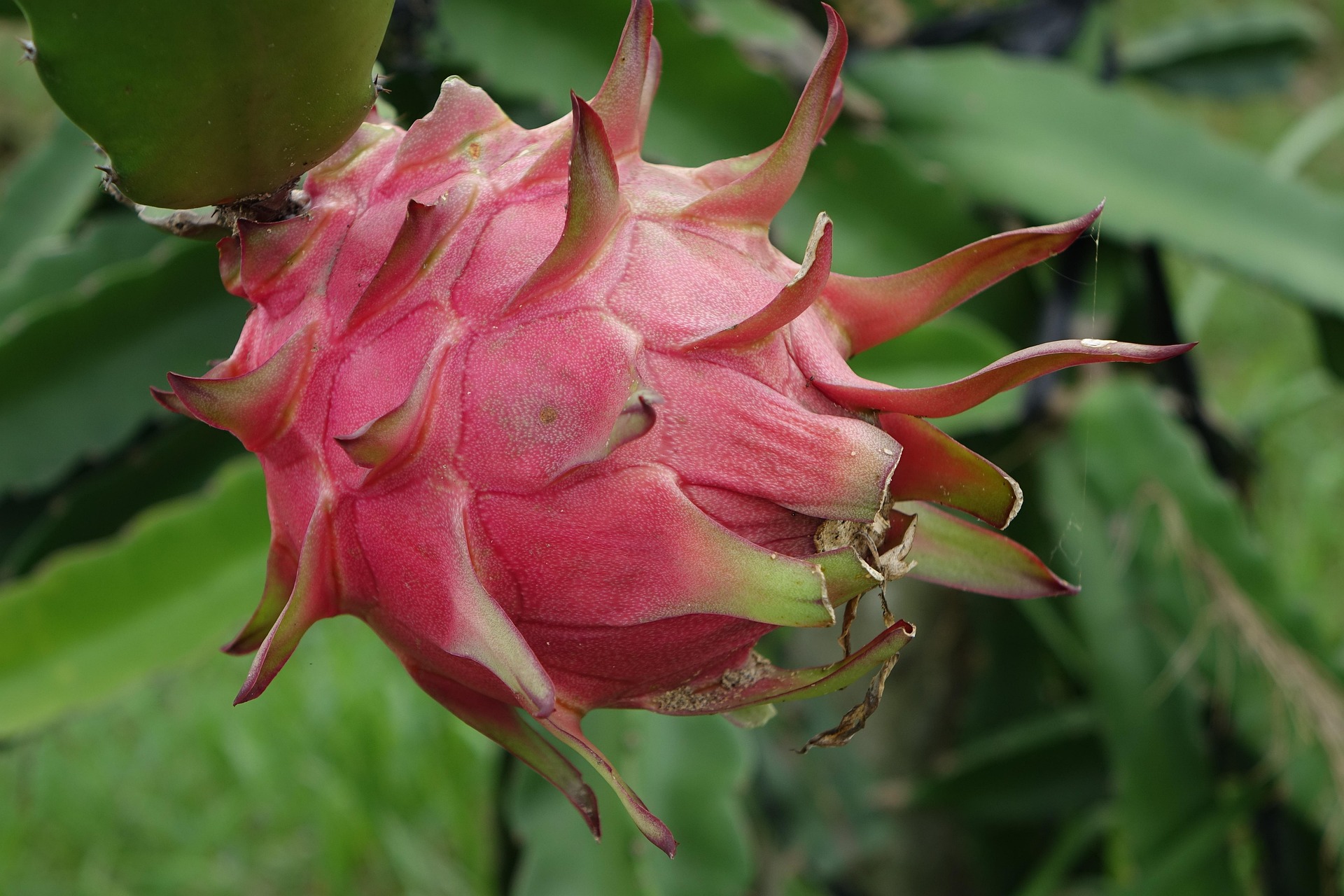
- Dragon Fruit or Pitahaya
- Ginger
- Chocolate & Cocoa Products
- Coffee – Green & Roasted
- Flowers & Floriculture Products
- Palm Hearts
- Fish & Seafood
- Processed seafood
The agricultural and agro-industrial sectors generate the majority of Ecuador’s non-oil exports and support tens of thousands of jobs nationwide, primarily in rural communities.
Minerals, including gold and copper, were also on the list of exports that will now have improved market access to the United States.
Gold and copper are vital minerals used in supply chains throughout the world, tied to green energy technology, electronics manufacturing, construction, and infrastructure projects.
Tariff surcharges will also be removed on an additional 1673 tariff subcategories. This will allow Ecuador to expand its export reach beyond these goods and into higher-value exports.
Reduces Costs for Imports
The reciprocal agreement also improves market access for goods entering Ecuador.
Many of the imports that will see reduced tariffs include capital goods and machinery that Ecuadorian companies need to improve productivity.
The new tariff structure took into consideration the need to modernize key sectors of Ecuador’s economy. Many imports will see tariffs reduced to zero within the agreement’s immediate implementation or over short transition periods.
Imports that will benefit include, but are not limited to:
- Farm machinery
- Construction machinery
- Industrial machinery
- Parts for manufacturing goods
- Raw materials & industrial inputs
These reductions will help businesses source capital goods at a lower price and should reduce costs for companies operating in Ecuador.
Improving access to capital goods also aligns with efforts by the government of Ecuador to improve industrial capacity and create a more efficient supply chain.
Financing and Investment
In addition to increasing Ecuadorian exports and reducing costs on imports, the agreement was negotiated with a focus on investment.
Government officials state the ART will provide Ecuador greater access to financing through institutions like:
- Exim Bank of the United States
- S. International Development Finance Corporation
The Exim Bank of the United States and USIDFC can offer financing for projects related to:
- Energy infrastructure projects
- Critical minerals
- Transportation infrastructure
- Digital technology
Government officials hope that improving Ecuador’s access to financing under this agreement will encourage investment from international partners.
Trade Facilitation
Trade facilitation is another important part of the new United States and Ecuador Sign Trade Agreement.
The central goal is to improve the way that goods enter and leave Ecuador. Simplifying customs procedures and reducing red tape will decrease transit times and decrease costs for businesses that export goods.
Provisions being rolled out include:
- Digitization of customs paperwork
- Accelerated customs clearance times at ports of entry
- Increased transparency across Ecuador’s regulatory framework
- Alignment of technical standards when possible
Supporting trade facilitation reforms ensures Ecuador can remain competitive in industries where time-sensitive shipping is crucial, such as agriculture and other perishable goods.
Intellectual Property Rights
The United States and Ecuador reciprocal trade agreement includes provisions to improve intellectual property rights protections in Ecuador.
Improvements to intellectual property regulations allow for trademark registration, patents, industrial designs, and copyrights to be protected under Ecuadorian law.
Stronger protections provide an incentive for innovation and allow Ecuador to develop competitive advantages in knowledge-intensive industries.
Labor & Environment
Labor rights are addressed within the trade agreement’s labor chapter. Environmental provisions are also included.
Ecuador’s labor provisions encourage:
- Improved workplace conditions
- Ability for workers to collectively bargain
- Adherence to international labor standards
Environmental protections outlined in the agreement focus on the sustainable use of Ecuador’s natural resources. Regulations include:
- Resource management
- Ecological protections
- Sanitary and phytosanitary standards for Ecuadorian agriculture
United States and Ecuador Take Steps Toward Sustainable Trade
Finally, the trade agreement includes provisions related to digital trade and regulatory cooperation.
Both of these components are designed to reduce the administrative burden associated with cross-border trade. They include:
- Regulatory coherence
- Support for ecommerce
- Alignment of technical regulations
Digital trade continues to grow around the world, and these provisions look to improve Ecuador’s access to digital trade sectors.
United States Ecuador Trade Agreement Creates Path Forward
Improved trade with the United States creates a pathway forward for Ecuador’s diversification efforts. The benefits of the agreement will be tangible for Ecuadorians and should strengthen the trade relationship between the two countries going forward.