
Argentina is preparing to undertake one of the most ambitious energy infrastructure projects in its history. YPF, Argentina’s national energy company, has announced its US$51 billion Argentina LNG project, the largest investment in the company’s history.
The project is expected to begin construction in 2027, with LNG exports projected to start around 2031. Beyond its enormous financial scale, the initiative could fundamentally change Argentina’s position in global energy markets by converting its vast natural gas resources into a major source of long-term export revenue.
According to YPF CEO Horacio Marín, the project could generate approximately US$10 billion in annual exports for 20 years, while creating an estimated 20,000 jobs.
A US$51 Billion Integrated Energy Project
The scale of Argentina LNG extends far beyond building an LNG plant. The initiative will require a coordinated expansion of natural gas production, processing capacity, pipelines, oil and liquids infrastructure, and export facilities.
The planned LNG production capacity is 12 million metric tons per year. Reaching that level will require extensive development of Argentina’s unconventional oil and gas resources, particularly those in the Vaca Muerta formation.
Marín explained that more than 150 wells will need to be drilled to reach peak production, with drilling potentially continuing until 2050 to maintain output.
The project’s projected economic impact is equally significant. By 2031, Argentina could be exporting approximately US$10 billion of energy products annually, providing a substantial new source of foreign currency for the country.
Infrastructure on an Unprecedented Scale
Developing Argentina LNG will require infrastructure unlike anything previously constructed in Argentina’s energy sector.
The key components include:
- More than 150 new wells to supply the necessary natural gas.
- A processing plant in Neuquén approximately four times larger than Argentina’s largest existing facility.
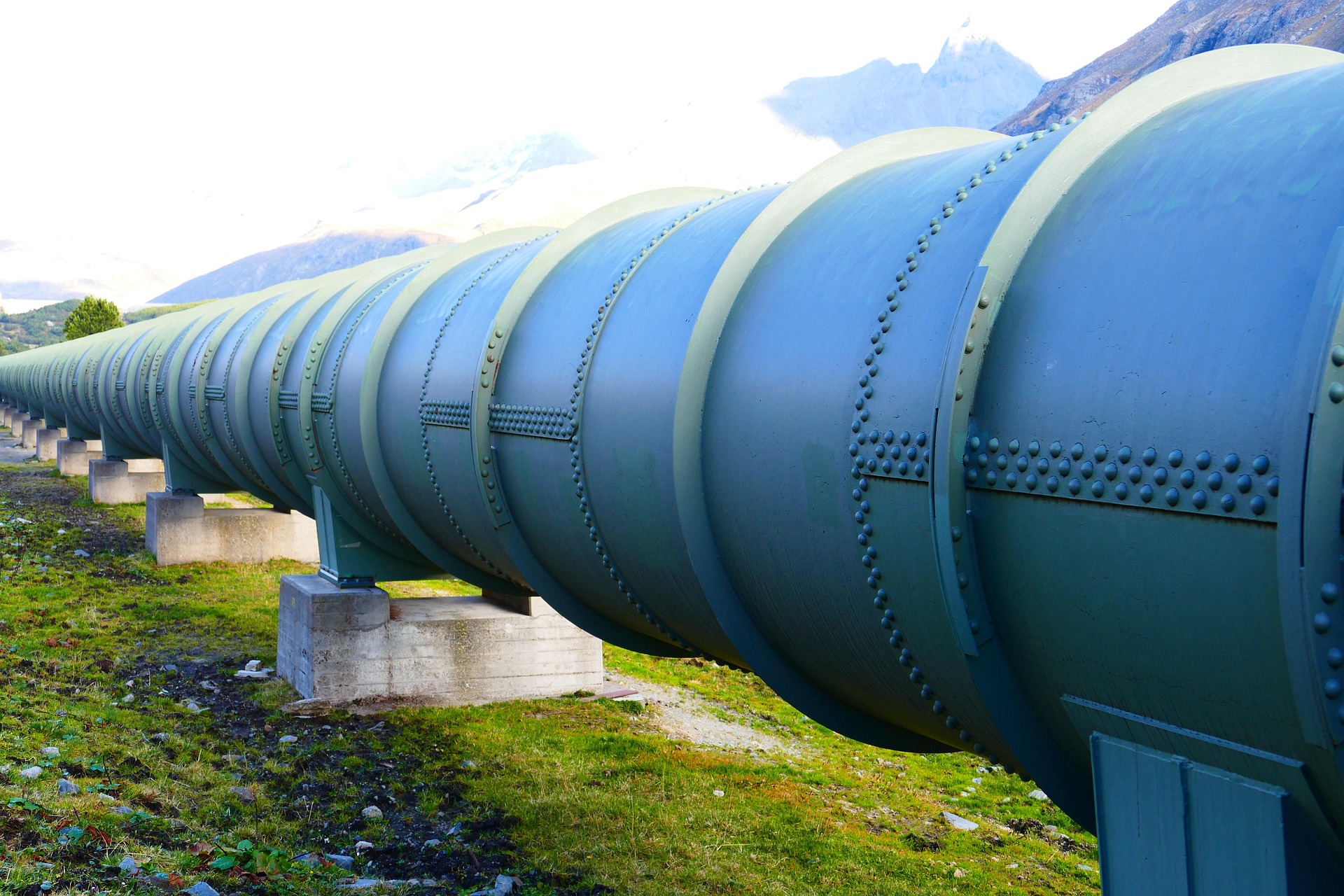
- A 48-inch natural gas pipeline, described by Marín as the largest gas pipeline in Argentina.
- An oil pipeline running parallel to infrastructure operated by Oldelval.
- A massive liquids and export facility covering approximately 200 hectares.
- An LNG plant potentially costing approximately US$9 billion.
Marín summarized the infrastructure challenge by saying: “First, we have to build a plant that is four times larger than the largest one currently operating in Argentina.”
The 48-inch gas pipeline will be particularly important because it will connect production areas with the project’s processing and export infrastructure. Together, these investments will create an integrated energy corridor capable of moving enormous volumes of hydrocarbons from Vaca Muerta to international markets.
Jobs, Exports and Industrial Development
The economic benefits of Argentina LNG are expected to extend well beyond direct energy production.
YPF estimates that the project will generate approximately 20,000 jobs, including opportunities associated with construction, engineering, drilling, transportation, logistics and energy services.
The project could also stimulate demand for domestic and international suppliers of:
- Industrial equipment
- Engineering and construction services
- Steel pipes and other infrastructure
- Electrical equipment
- Transportation and logistics
- Energy technology and services
- Construction materials
This creates the possibility of a broader industrial ecosystem developing around Argentina’s energy sector.
For Argentina, increasing energy exports is particularly important because higher hydrocarbon exports can generate foreign currency while strengthening the country’s trade balance. The project could therefore become an important component of Argentina’s long-term strategy to capitalize on Vaca Muerta and convert natural resource wealth into export revenue.
Argentina’s Emergence as a Global Energy Exporter
YPF expects the project to have an impact beyond LNG. According to Marín, Argentina could eventually become:
- The second-largest global exporter of ethane.
- The fifth-largest global exporter of petroleum liquids.
- A major long-term LNG supplier to international markets.
Europe is expected to be an important destination, while Asia could also become a potential market.
This diversification could give Argentina a larger role in global energy trade while reducing the country’s dependence on traditional export sectors.
International Partners and Foreign Capital
The investment is being developed in partnership with Italy’s Eni and XRG, the investment arm of Abu Dhabi-based ADNOC.
Despite YPF’s participation, Marín emphasized that much of the capital supporting the project will originate from international sources.
“This is pure foreign investment,” Marín said, explaining that even the capital YPF contributes will be financed through foreign banks.
Approximately US$29 billion is expected to be invested during the project’s first four years, making the availability of international financing critical to its execution.
Latin America’s Largest Private Project Financing
The financing structure could itself become a landmark transaction for Latin America. Approximately 70% of the project’s investment is expected to be covered through international credit.
The financing will involve export credit agencies (ECAs), which can provide guarantees that help international banks participate in projects requiring enormous amounts of capital.
YPF is working with SACE in Italy and Euler Hermes in Germany, reflecting the project’s international supply and financing structure.
Marín described it as “the largest financing that will exist in Latin America for a project,” involving a combination of export credit agencies and banks.
The ability to mobilize this level of international project finance could be particularly important for Argentina as it seeks to attract major foreign investment into capital-intensive industries.
RIGI: An Important Investment Incentive
Argentina LNG is also expected to benefit from the country’s Regime of Incentive for Large Investments (RIGI), designed to attract major capital-intensive investments.
For a project requiring US$51 billion in investment and decades of production, a stable and predictable investment framework is critical. RIGI is intended to improve the conditions for investors undertaking projects with substantial upfront capital requirements and long investment horizons.
The project therefore represents an important test of Argentina’s ability to combine investment incentives, infrastructure development and international financing to attract large-scale foreign direct investment.
Implications for Argentina’s Broader FDI Landscape
The significance of Argentina LNG could ultimately extend beyond the energy industry.
A project of this magnitude can create opportunities for international manufacturers and service providers seeking to establish a local presence. Companies supplying equipment, components, engineering services, logistics, and energy technologies could find opportunities to participate in the expanding industrial ecosystem.
Reliable energy infrastructure can also support other manufacturing investments, potentially making Argentina more attractive to companies evaluating locations for production and regional supply chains.
A Potential Turning Point for Argentina
The US$51 billion Argentina LNG project represents far more than YPF’s largest-ever investment. It is a long-term bet on Argentina’s ability to transform its vast hydrocarbon resources into sustained export growth.
If successfully executed, the project could deliver billions of dollars in annual exports, create thousands of jobs, generate major infrastructure investments and attract international capital.
With construction scheduled to begin in 2027 and production expected to continue for decades, Argentina has an opportunity to move from being primarily a major hydrocarbon producer toward becoming a significant global energy-exporting nation.
The success of the project could also demonstrate that Argentina can mobilize international capital on an unprecedented scale—and use its natural resources, investment framework, and infrastructure to become a more important participant in the global energy economy.