
+1 (520) 780-6269 investment@latamfdi.com
Milei Scores Another Success with the End of Currency Controls in Argentina: Inflation Falls Again

Milei Scores Another Success with the End of Currency Controls in Argentina: Inflation Falls Again

President Javier Milei of Argentina has made yet another critical move, which aims to reshape the struggling economy of the nation through a bold action that attracted high scrutiny. The lifting of currency controls in Argentina, which was widely viewed as a risky but essential move, has produced unexpectedly favorable outcomes for now. Despite widespread predictions of economic failure, liberalized capital flows did not bring about an economic collapse. The country has seen continued declines in inflation as investor confidence rises and risk indicators show signs of improvement.

A Risky Bet That Defied Expectations

Many economists and financial analysts viewed the elimination of currency controls in Argentina as the most perilous financial reform proposed by Milei’s economic plan. The termination of capital controls had the potential to trigger a massive flight of dollars while causing the peso to sharply lose value and driving inflation higher amid renewed turmoil in Argentina’s unstable financial markets, according to expert analysis.

These fears were rooted in recent history. The Argentine government implemented currency controls to protect against capital flight and maintain peso value while restricting foreign currency access during persistent balance of payments problems. Analysts predicted that removing these economic measures would create a surge of financial instability.

However, April 2025 defied those gloomy predictions. The monthly inflation rate in Argentina decreased from 3.7% in March to 2.8% in April rather than experiencing an inflationary spike. The government took another measure to work towards achieving price stability.

Inflation Slows Again as the Peso Stabilizes

Argentina’s macroeconomic trends go beyond surface-level changes, which account for the meaningful decline in inflation. Milei’s administration executed a substantial devaluation of the Argentine peso once they assumed office in December 2023. Argentina’s government launched extensive liberalization measures that involved fiscal tightening together with monetary discipline and the removal of longstanding currency controls.

The implemented reforms together played a fundamental role in stabilizing Argentina’s exchange rate. The government has implemented a managed float system that sets the peso value between 1,000 and 1,400 per U.S. dollar rather than letting it float freely without direction. Investors benefit from a clear framework while the currency retains its ability to react to market fluctuations.

The government’s remonetization measures, which include removing limitations on dollar transactions, have successfully drawn additional capital inflows. The Argentine government has allowed citizens and companies to freely conduct transactions in U.S. dollars, which eliminates major obstacles for economic activities and attracts foreign investments.

Country Risk Falls to Pre-2018 Levels

The rating of Argentina’s country risk serves as another major indication of investor trust. By April 2025, the indicator fell below 650 basis points for the first time since early 2018. The difference between Argentine and U.S. 10-year bonds decreased to approximately 1,000 basis points just months ago, reflecting severe investor apprehension.

The drastic decrease reflects both Argentina’s inflation reduction and its new $20 billion deal with the International Monetary Fund. Through this financial support arrangement Argentina strengthens its government credibility while demonstrating to international markets its institutional backing during its entrance back into the global financial system.

Argentina’s upgraded country risk rating should decrease its borrowing expenses while drawing in foreign investments now that it has removed currency restrictions. The removal of profit repatriation restrictions and dollar access limitations creates a more inviting business environment for investors who had previously stayed away.

Path to Long-Term Stability and Investment

Milei’s decision to terminate currency controls in Argentina stands as a potential landmark economic reform if today’s trends persist. Companies that can freely transfer capital across borders, together with stable exchange rates and stronger macroeconomic signals, create an environment ripe for increased foreign direct investment.

International research firms and banks have started updating their perspectives on Argentina. Analysts describe Argentina as a “new frontier market,” which offers high potential returns if the government upholds fiscal discipline and social order.

One of the most significant benefits of liberalizing the foreign exchange market is the message it sends to investors: Argentina is open for business. The Argentine government is boosting its global competitiveness by enabling profit repatriation in hard currency and cutting bureaucratic obstacles.

Social Challenges Remain

While macroeconomic progress has been achieved, Argentina’s decision to remove currency controls has brought about negative effects. The country faces growing tensions resulting from economic adjustments, with the public sector and lower-income households experiencing the most impact. Public discontent has surged alongside dropping approval ratings for the administration due to subsidy reduction and government job cuts, alongside trimmed social services.

The Milei government maintains that temporary economic difficulties are essential for establishing conditions that will lead to sustainable growth in the future. Government officials maintain that historic economic frameworks, which relied on unsustainable debt alongside populist spending and extensive state intervention, have experienced repeated failures. Argentina must implement structural reforms to break free from its recurring economic crises.

The administration has shown impressive dedication to economic liberalization by confronting political opposition and public unrest, which has earned international respect but faces domestic controversy.

Looking Ahead: A New Era for Argentina?

Removing currency controls may mark a pivotal shift in Argentina’s economic trajectory. President Milei has demonstrated bold confidence in Argentina’s economic capabilities by lifting capital controls, and the results show early signs of success.

This reform will succeed if the government manages to sustain stability while pursuing fiscal consolidation and maintaining investor trust. The government needs to carefully balance the social impacts of the reform to sustain public support.

The government plans to build up Central Bank reserves while negotiating trade agreements and integrating Argentina more deeply into global financial markets over the next few months. All these initiatives will gain from an open and transparent exchange system that has overcome the years of currency restrictions, which caused market distortions.

Conclusion

President Javier Milei took a dangerous step to remove currency controls in Argentina, which many believed might result in a catastrophe. The removal of currency controls resulted in unexpected strong outcomes through decreased inflation rates, while strengthening credit risk profiles and boosting investor confidence levels. The economic indicators demonstrate that, despite existing social tensions, the nation is progressing towards sustainable growth and stability.

The removal of currency controls in Argentina will be recognized as a daring yet effective decision if Milei continues this economic momentum, which unlocked the South American nation’s untapped potential.

Ceará Leads Industrial Growth in Brazil in Q1 2025 and Attracts R$ 9.4 Billion in Investments

Ceará Leads Industrial Growth in Brazil in Q1 2025 and Attracts R$ 9.4 Billion in Investments

Ceará stood out as Brazil’s economic leader by achieving the nation’s top industrial growth rate during the first quarter of 2025. The northeastern state’s industrial output rose by 3.5%, which surpassed both the national average growth of 0.4% and exceeded the Northeast region’s industrial decline of 2.6%. The outstanding performance of Ceará places it above traditional industrial leaders like São Paulo and Rio de Janeiro, confirming its growing attractiveness as an industrial center.

A Strategic Approach to Economic Development

The state of Ceará achieved its high performance through well-designed policies aimed at creating a business-friendly environment. Danilo Serpa, who leads the Ceará State Development Agency (Adece), attributes the strong growth to fiscal and asset-based incentives promoted by the state government. Serpa reported that the state attracted private investments exceeding R$ 9.4 billion at the start of this year and anticipates creating over 7,000 direct jobs in the near future.

The strategic investments made by Ceará demonstrate its enduring dedication to updating its industrial capabilities and broadening its economic base. Ceará leads industrial growth in Brazil by providing a policy framework model for other states that want to rejuvenate their manufacturing sectors.

Key Sectors Fueling Industrial Expansion

In the last year, Ceará achieved the highest quarterly growth rate in the nation while also ranking first in annual performance. The state achieved fifth position in industrial growth rankings among Brazilian states with its 5.2% year-over-year industrial production increase. Ceará’s industrial production growth exceeds the Northeast region’s average rate of 2.5% by more than double and surpasses the national rate of 3.1%.

The economic expansion of Ceará is driven by multiple high-performing industry sectors:

  • Textiles: The textile sector experienced a 36.4% growth rate because of rising demand alongside modernized facilities and improved export capabilities.
  • Metal Products: The sector experienced a 24% growth rate that demonstrates expanding construction activities along with infrastructure development.
  • Chemicals: The 21.6% growth demonstrates how effective policies have been at drawing high-value industries to the region.
  • Metallurgy: The metallurgy sector demonstrated an 18.3% growth which reflects Ceará’s ongoing industrial advancement.

These statistics demonstrate the state’s capacity for drawing new businesses while promoting growth among established industries. The industrial growth led by Ceará in Brazil is strengthened by sectoral diversification, which reduces economic vulnerability and promotes stable, long-term development.

Infrastructure as a Catalyst for Growth

The state of Ceará benefits from advanced infrastructure, with the Port of Pecém serving as a leading logistics hub that links northeastern Brazil to global markets. The port plays an essential role in attracting foreign direct investment to the state and enabling large-scale export activities.

The Port of Pecém plays a vital role in establishing Ceará’s growth, according to Domingos Filho, Secretary of Economic Development. The government’s efforts have been directed towards supporting industrial innovation and expansion in Ceará while drawing in new investors due to its strategic infrastructure and prime geographic location.

The integration of infrastructure development with innovative regulatory changes and workforce programs is essential for Ceará to spearhead sustainable and inclusive industrial progress throughout Brazil.

Record GDP Growth Reflects Momentum

Impressive macroeconomic indicators demonstrate the industrial surge occurring in Ceará. The GDP of the state expanded by 6.49% in 2024, which was almost double the national average growth rate of 3.4%. Ceará achieved its top economic performance since 2010 while achieving the fourth strongest growth since 2003.

Ceará leads industrial growth in Brazil by demonstrating that its economic expansion is yielding both immediate benefits and long-term structural transformation. The robust GDP growth strengthens investor trust while enabling the government to allocate more resources for educational improvement as well as healthcare and infrastructure development, all of which help build a stronger economic environment.

Incentive Programs Drive Investor Confidence

Ceará approved 80 requests for industrial tax incentives during April 2025. The incentives decrease operating expenses while simplifying administrative procedures and promoting technological advancement.

The state approved 19 new industrial projects, representing investments totaling R$6.8 billion and creating 2,221 new employment opportunities. The industrial expansion in Ceará emerges from both internal advancements together with its growing appeal to outside investors.

The state’s creation of an open and efficient investment framework ensures Ceará Leads Industrial Growth in Brazil both now and into the future.

Automotive Hub Marks a New Frontier

The establishment of the Ceará Automotive Hub (Pace) in the municipality of Horizonte marks a major development in Ceará’s industrial sector. The hub demonstrates a deliberate movement towards sophisticated manufacturing operations and is essential for broadening the state’s industrial portfolio.

The hub is slated to start its hiring process in July 2025, followed by an increase in vehicle production during subsequent months. At the Auto Shanghai 2025 trade fair in China, Comexport revealed their news, which brought together Ceará Governor Elmano de Freitas and several state officials.

The launch of this initiative demonstrates Ceará’s dedication to becoming a hub for innovative progress and international competitive strength. Ceará leads industrial growth in Brazil by making forward-thinking investments in electrification and automation, which match global sustainability movements.

The state of Ceará serves as a model for other regions aiming to boost their economic development through strategic policies.

Through its targeted policy initiatives and strategic infrastructure development, Brazil pursues economic recovery and regional development, while Ceará demonstrates successful investment promotion techniques that yield concrete benefits. Other regions can learn from this state’s successful methods to achieve industrial revitalization.

Several key lessons emerge from Ceará’s experience:

  • Proactive government policies have the capacity to draw billions from private investors.
  • Long-term success requires pairing incentive programs with strong infrastructure development.
  • Industrial diversification reduces vulnerability and drives resilience.
  • A partnership between government and private entities speeds up the transformation process.

Ceará leads industrial growth in Brazil and serves as an exemplary model for policymakers throughout Brazil and Latin America, thanks to its implementation of these guiding principles.

Conclusion: Ceará as a National Industrial Leader

The state of Ceará leads Brazil’s industrial development through its record industrial growth alongside increasing foreign investment and expanding infrastructure, which follows a sustainable and inclusive forward-looking development blueprint. The achievements of this region demonstrate that strategic planning and execution can establish national leadership even in areas previously perceived as marginal.

The progress of projects such as the Automotive Hub in Horizonte, alongside the realization of fiscal incentives, positions Ceará to maintain its leading role in Brazil’s industrial shift. Investors and entrepreneurs, along with policymakers, need to monitor this dynamic state because Ceará leads industrial growth in Brazil and is setting a bold path toward the future.

Paraguay and the Business Climate: A Regional Leader Despite Economic Headwinds

Paraguay and the Business Climate: A Regional Leader Despite Economic Headwinds

Latin America’s economic prospects weakened during the first quarter of 2025 because of slowing growth and increased uncertainty. Data from the Getulio Vargas Foundation (FGV) shows the Latin American Economic Climate Indicator (ICE) experienced a significant drop as almost all components indicated deteriorating business conditions. Despite experiencing regional instability, Paraguay remains ahead of its peers because its business environment demonstrates strong resilience and competitiveness within the challenging economic landscape.

FGV’s Economic Climate Indicator Shows Regional Weakness

FGV publishes the Latin American Economic Climate Indicator (ECI) quarterly to provide a respected standard for assessing both present and future business conditions in the region. The ECI comprises two sub-indices: The Current Situation Index (CSI) and the Expectations Index (EI) make up the ECI. The Current Situation Index and the Expectations Index provide data on today’s economic conditions and six-month future expectations, respectively.

The Latin America CSI decreased to 70.2 points in Q1 2025, which represented a decline of 7.7 points from the prior quarter and a decrease of 28 points from the same time last year. According to the report, multiple Latin American economies experienced a downturn because of declining current sentiment and negative future outlooks. The current economic downturn follows a trend that started in early 2024 and demonstrates persistent doubts among business executives and experts throughout the region.

The business environment in Paraguay experienced significant effects from regional economic trends.

Paraguay experienced the same regional pattern as other countries in Latin America. The country witnessed an 18.5-point ECI decline, which mainly resulted from a 25.1-point reduction in its Current Situation Index (CSI) as well as an 11.1-point decrease in its Expectations Index (EI). Despite businesses in Paraguay facing current operational difficulties, the nation has retained its top position in regional business climate rankings, which shows better performance than larger countries, including Argentina and Peru.

Paraguay and the business climate stand out especially due to the country’s small market size and restricted access to seaports. The country’s ability to maintain economic stability showcases its healthy macroeconomic foundations along with stable regulatory practices, which, together with investment attraction activities, support private sector development. International analysts have consistently recognized Paraguay’s business climate because of its prudent fiscal policies and openness to foreign investment.

Regional Comparison: How Paraguay Stands Out

The Argentine business climate continues to worsen because of persistent high inflation combined with currency fluctuations and uncertain government policies. Political instability together with a deceleration in export growth has caused investor sentiment to shift in Peru.

Even though Paraguay’s ECI components have decreased, Paraguay and the business climate continue to demonstrate strength through underlying fundamentals that provide a desirable business environment.

Stable Inflation: The inflation rate in Paraguay demonstrates stable control when contrasted with the rates found in neighboring countries.

Investment Incentives: Foreign investors remain drawn to the Maquila regime and Law 60/90, because of their tax and customs benefits.

Energy and Agriculture: Paraguay offers some of the world’s cheapest and largest clean energy supplies together with a successful agricultural industry sector.

Paraguay and the business climate remain attractive for regional and international investors during uncertain periods, because of these sustaining factors.

Interpreting the Drop in Expectations

The Expectations Index (EI) for Latin America experienced a small increase during Q1 2025 when it reached 77.8 points. The minimal improvement fails to alleviate worries about Latin America’s economic prospects in the near future. Expectations scores below 80 have typically indicated pessimistic sentiments, which is exactly what current levels demonstrate since they continue to trail behind pre-pandemic standards.

The 11.1-point decline in Paraguay’s expectations indicates rising concerns about external shocks such as restricted global financial conditions, decreased trade partner demand, and climate risks affecting agricultural production. Despite this decline, Paraguay maintains a stronger outlook compared to neighboring nations and shows cautious optimism for the latter half of the year.

Latin America’s Slowing GDP Growth

Expectations of reduced GDP growth in Latin America for 2025 intensify existing economic sentiment problems. FGV revised its regional GDP growth forecast down to 2.0% from the previous year’s estimate of 2.4%. The moderation stems from multiple interconnected factors, which include:

  • Geopolitical tensions and delayed economic recoveries in Europe and China contribute to slower global trade progress.
  • The elevated interest rates in developed nations have triggered capital flight and currency strain in Latin American markets.

Some nations continue to face ongoing structural issues including informality in the economy together with insufficient investment in their infrastructure and ineffective governance structures.

The business environment in Paraguay shows resilience despite the challenging environment. The government has worked on infrastructure development while keeping political stability and shifting economic focus away from agriculture.

What’s Driving the Resilience of Paraguay?

Multiple factors contribute to Paraguay’s sustained leadership in regional business sentiment. Several underlying factors help explain this resilience:

Sound Fiscal Management

Through disciplined budget practices and low public debt levels, Paraguay’s government sustains its financial stability. These policies act as a defense against external disruptions while helping preserve macroeconomic equilibrium.

Strategic Trade and Logistics

The landlocked country of Paraguay maintains efficient trade connections through regional routes that connect it to Brazil and Argentina using the Paraguay-Paraná waterway. Through its membership in Mercosur, Paraguay gains preferential treatment for entry into important export markets.

Proactive Investment Policy

Tax incentives, together with transparent property rights and dependable regulatory frameworks, create favorable conditions for foreign investors. Paraguay and the business climate stand out in Latin America as the government takes proactive measures to back agro-industry, manufacturing, and renewable energy sectors, thereby strengthening its business environment.

Youthful, Competitive Workforce

The demographic structure of Paraguay, which includes a young population and competitive wage levels, provides long-term workforce development advantages for labor-intensive industries.

Conclusion: Paraguay Remains a Beacon Amid Regional Volatility

The recent downturn in ECI numbers indicates that Paraguay is undergoing economic adjustment, yet these statistics require contextual analysis. Investors find Paraguay and the business climate most appealing despite regional instability, creating widespread uncertainty.

The initial three months of 2025 present contrasting results. Paraguay’s structural strengths and investor-friendly economic policies position it for future recovery despite current diminished confidence. For enterprises and investors targeting a stable position in Latin America, Paraguay and the business climate present a powerful mix of opportunity and resilience in the region.

Paraguay demonstrates that small economies can emerge as key players in regional development when they combine strong fundamentals with a strategic vision—even during times when other countries face economic challenges.

An In-Depth Overview of the Most Prominent Industrial Parks in Costa Rica

An In-Depth Overview of the Most Prominent Industrial Parks in Costa Rica

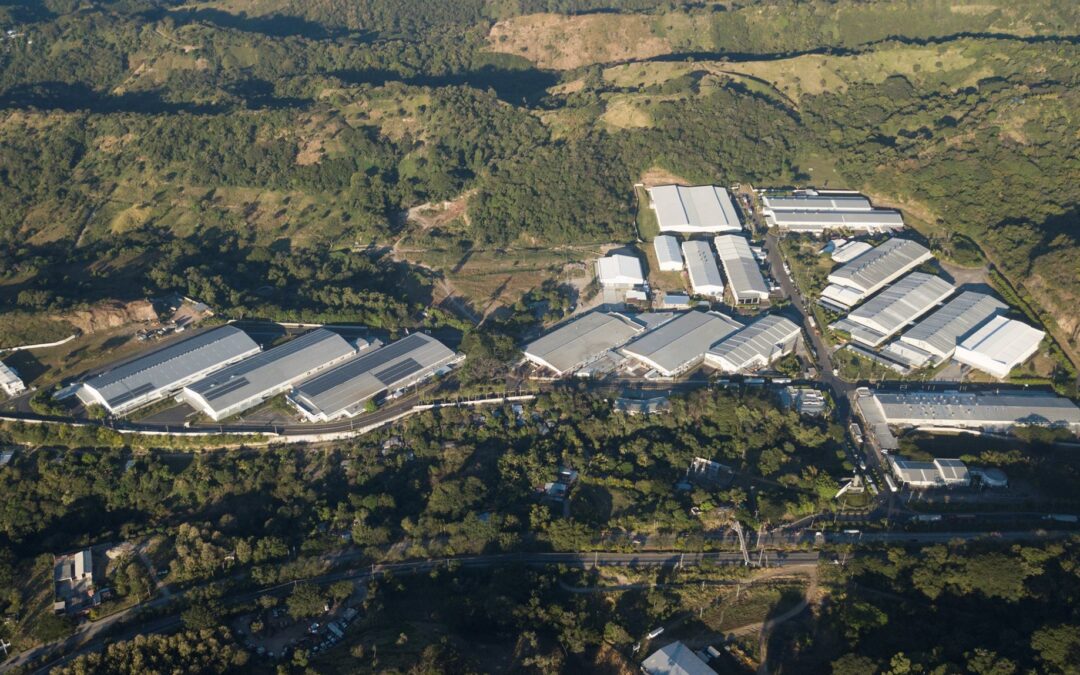
Latin America recognizes Costa Rica as the top destination for investment in advanced manufacturing, life sciences, and clean technology sectors. Multiple high-quality industrial parks in Costa Rica stand as a primary factor behind the nation’s success because they combine world-class infrastructure with a supportive regulatory environment. Multinational companies from North America, Europe, and Asia have established operations in these parks, focusing on medical devices, electronics, aerospace, and agribusiness sectors.

Strategic Access to Markets and Connectivity

Industrial parks in Costa Rica take advantage of their strategic position between North and South America and their access to both the Pacific and Caribbean coastlines. The Juan Santamaría International Airport near San José and the Limón container port on the Caribbean coast function as important logistics centers. Export operations from western and central Costa Rican companies take advantage of the Pacific port of Caldera.

Several free trade agreements exist between Costa Rica and major economies, including the United States (CAFTA-DR), the European Union, and China, to provide companies with beneficial access to major global markets. Industrial parks in Costa Rica hosting export-oriented firms receive expedited customs clearance, which leads to decreased shipping durations alongside diminished logistics expenses.

Notable Industrial Parks in Costa Rica

Coyol Free Zone (Alajuela)

The Coyol Free Zone stands as Costa Rica’s premier industrial park for the life sciences sector while serving as a home to multinational giants like Abbott, Medtronic, and Philips. The location near San José airport enables instant air freight access, essential for transporting valuable products needing quick delivery.

The park includes customized facilities along with round-the-clock security and on-site customs services. The combination of redundant power systems with fiber-optic internet and water treatment facilities helps to position it as one of the Americas’ leading free zones. Lease payments vary between $7 and $9 per square meter monthly based on facility specifications.

Zona Franca El Coyol (Heredia)

The park serves precision manufacturing and electronics companies through cluster benefits that emerge from multiple component suppliers and service providers. The nearby presence of Universidad Nacional alongside the Costa Rica Institute of Technology (TEC) improves access to skilled engineers and technical experts.

Boston Scientific and MicroVention represent the multinational microelectronics and medical devices companies that make up the tenant mix. The park implements effective waste management systems while adhering to ISO 14001 environmental standards.

Green Park (Alajuela)

The industrial park features sustainable construction with LEED-certified facilities, rainwater harvesting systems, and solar power options as key components. The park is located in proximity to both the General Cañas Highway and the main distribution centers.

Green Park serves small to mid-sized manufacturing firms with monthly lease rates between $6.50 and $8 per square meter while maintaining low common-area maintenance fees. Companies that focus on Environmental, Social, and Governance (ESG) objectives will find this location particularly attractive.

UltraPark I and II (Heredia)

Companies operating in IT, advanced manufacturing, and service industries trust UltraPark I and II for their proven support services. The parks provide direct access to trained professionals as well as educational facilities like Universidad Latina and INCAE Business School.

Class A infrastructure combined with redundant utilities and round-the-clock access control systems exists in both parks. The tenant roster includes Intel’s shared services center along with operations focused on electronic component assembly.

Zona Franca La Lima (Cartago)

This park serves as the perfect location for businesses that want access to the eastern labor market while remaining close to San José. Zona Franca La Lima provides facilities for both medium and heavy manufacturing, which has attracted multiple U.S. and European companies to set up operations in the area.

The region offers lower labor costs compared to the Greater Metropolitan Area (GAM), which makes it an economically advantageous location. Companies can expect lease rates of about $5.50 to $7 per square meter monthly and should consider operating expenses of $1.50 per square meter each month.

Labor Availability, Costs, and Workforce Development

Costa Rica provides access to a youthful workforce that boasts bilingual skills and high education levels. Literate individuals make up 97% of the population, while high school graduates account for over half of the workforce. Students can pursue engineering, biotechnology, and computer science degrees at both public and private universities, which helps build a large labor pool.

Productivity and skill levels justify wages that exceed those of some neighboring countries. The monthly wages for factory floor jobs stand between $600 and $800, while technical roles earn between $900 and $1,500 per month. Employers in Costa Rica spend an additional 35–40% of base pay on mandatory social security, workers’ compensation, and severance payments.

The labor laws establish clear protection for workers’ rights. The free trade zone sector features some level of union activity, which remains limited in scope. The majority of employers use internal worker councils along with direct worker interactions for handling labor relationships. The Instituto Nacional de Aprendizaje (INA), together with Costa Rica’s Ministry of Labor, provides specialized training programs in manufacturing, logistics, and IT—directly supporting staffing needs at industrial parks in Costa Rica.

Incentives and Ease of Doing Business

Costa Rica’s Free Trade Zone Regime (Régimen de Zonas Francas) industrial parks in Costa Rica provide substantial tax benefits to their operators:

  • 100% exemption on import duties
  • Businesses can enjoy complete corporate income tax exemption for a period ranging from eight to ten years.
  • Reduced income tax rates for subsequent periods

The tax benefits include full exemptions from VAT, as well as real estate transfer taxes and withholding taxes.

Foreign manufacturers find Costa Rica to be a prime destination because of its attractive incentives. The entry processes into FTZs operate smoothly under the management of Costa Rica’s PROCOMER, the country’s foreign trade agency.

The business environment in Costa Rica has improved notably through streamlined permit procedures and better transparency measures. Construction permitting and land registry processes still face bureaucratic obstacles.

Environmental and Infrastructure Considerations

Among Latin American countries, Costa Rica maintains some of the most rigorous environmental standards, which showcase the country’s deep dedication to sustainable development. Manufacturing firms must complete environmental impact assessments (EIAs) and adhere to national regulations for waste management and emissions control. Industrial parks in Costa Rica provide tenants with support for their environmental responsibilities through facilities like on-site waste treatment plants and compliance assistance.

The parks showcase top-tier infrastructure, while most provide:

  • Redundant electricity and backup power systems
  • Access to clean water and wastewater treatment
  • Fiber-optic telecommunications and IT redundancy
  • High-quality internal road networks and logistics support

Although the national road system receives upgrades, congestion and maintenance challenges remain particularly severe in the San José metropolitan area. The parks’ strategic locations ensure that lead times to ports and airports continue to be competitive.

Real Estate and Operational Costs

Costa Rica’s industrial park leases average between $6 and $9 per square meter monthly, with $0.75 to $1.50 extra for common area and maintenance fees based on each park. Long-term tenants can choose build-to-suit options when leasing space.

The construction expenses for light manufacturing buildings differ based on design details and material selections, costing between $750 and $1,200 for each square meter. The monthly expenses for facility management, combined with janitorial services and utilities, usually range from $1.50 to $2.50 per square meter.

Most parks include comprehensive security services within their standard entrance fees. Medical and chemical manufacturing areas receive waste management services from park operators and certified third-party organizations.

Logistics and Freight Costs

The cost of freight services changes based on the geographical positions of both suppliers and customers. The price for air shipping from San José to U.S. hubs like Miami, Houston, or Los Angeles usually ranges from $1.50 to $3 per kilogram, and delivery takes two to three days. The price for ocean freight to U.S. East Coast ports ranges between $2,500 and $3,500 for a 40-ft container based on seasonal variations.

The typical cost of inland trucking within Costa Rica ranges between $0.10 and $0.15 per ton-kilometer. Many parks provide their own logistics and customs services, which help to reduce transit times as well as costs. The consolidation of tenant operations enables reduced logistics expenses through shared suppliers and cooperative distribution networks.

Tenant Mix and Track Record

Industrial parks in Costa Rica host numerous international firms with a strong focus on high-tech industries and life science research. Notable tenants across various parks include:

  • Intel (electronics and R&D)
  • Boston Scientific (medical devices)
  • Baxter (pharmaceuticals)
  • VMware (software and IT services)
  • Amazon (customer service and logistics)
  • Abbott (medical equipment)
  • Edwards Lifesciences (biomedical engineering)

The nearby location of these companies leads to economies of scale across services, labor, and training sectors. Costa Rica’s industrial parks maintain high retention rates among tenants while expanding their facilities and gaining recognition for operational excellence.

Conclusion

Costa Rican industrial parks provide a favorable setting for manufacturing and service businesses that seek to enter global markets with maintained high operational standards. These parks maintain their ability to attract substantial foreign direct investment through their strong infrastructure alongside a talented workforce and beneficial tax and regulatory conditions. Companies seeking long-term growth find industrial parks in Costa Rica to be a strategic option thanks to the country’s stable political landscape and its focus on innovation.

The Panama Canal Plans to Invest $3 Billion in New Ventures to Boost Global Competitiveness

The Panama Canal Plans to Invest $3 Billion in New Ventures to Boost Global Competitiveness

Through ambitious investments, the Panama Canal is preparing for long-term sustainable growth as a vital element of global maritime trade. As an engineering wonder linking the Atlantic and Pacific Oceans, this critical route facilitates global shipping and connects over 180 maritime paths, 170 nations, and almost 1,920 ports worldwide. To maintain its competitive edge and broaden its service portfolio, the Panama Canal plans to invest billions of dollars in infrastructure projects during the upcoming five years.

Strategic Investment in Diversification and Sustainability

The Panama Canal plans to invest roughly $3 billion to establish new business opportunities through projects such as a gas pipeline. This project represents a segment of an $8.5 billion investment scheme designed to preserve the Canal’s status as a contemporary trade route that remains competitive while upholding environmental sustainability standards.

The agency released a statement through the Canal’s administration to highlight its dedication to expanding operational diversity. The gas pipeline project represents one of the Canal’s major new directions, which Canal Administrator Ricaurte Vásquez has identified as a strategic alternative that will enhance and expand Canal operations.

A Gas Pipeline to Complement Maritime Trade

The primary development project currently underway involves constructing a system for gas transportation. The Canal made public its plans on April 4 to tender a project for energy product transportation across its west bank, which will support existing maritime cargo operations. The administration has kept the timeline and cost estimates confidential. Still, this project demonstrates that the Panama Canal plans to invest in multimodal logistics systems to meet the evolving needs of global trade.

The Canal intends to allocate funds for new infrastructure development that will boost revenue while establishing Panama’s position as a key energy distribution center in the Americas. The timing of this initiative is advantageous because global trade patterns are changing while demands for energy transportation routes grow.

Enhancing Infrastructure for Long-Term Resilience

The Panama Canal plans to invest significantly in critical infrastructure improvements while already allocating $3 billion for new business ventures. These include:

  • $2.5 billion for general infrastructure upgrades: The planned upgrades will bring existing canal facilities into the modern era while enabling them to manage larger and more advanced ships.
  • $500 million for the maintenance of the Gatún Dam: The Gatún Dam serves as an essential component of the Canal’s system for managing water.
  • $700 million to replace tugboats: New tugboats will operate with greater efficiency and reduced environmental impact, which supports the Canal’s dedication to sustainability.
  • $1.6 billion for a new reservoir on the Indio River: The reservoir on the Indio River will meet the water needs of the Canal while enhancing its ability to withstand climate change.

Each of these demonstrates how the Panama Canal plans to invest not just in operations, but in resilience and environmental stewardship, ensuring the waterway remains viable over time while responding to changing international trade requirements. 

A History of Forward-Thinking Investment

The Canal’s administration maintains a history of executing substantial capital projects that preserve its position in international trade. Investment exceeding $15 billion has been directed toward maintaining the Canal’s operational usefulness and modern significance during the last 25 years.

The expansion project, finished in 2016, stands out as one of the most transformative initiatives, with a total cost exceeding $5.25 billion. The third lane addition transformed the waterway into a larger transit route that allows New Panamax ships and bigger vessels to move through while transporting liquefied natural gas (LNG). Larger ships’ access through the Canal has enabled its expansion into new market segments that were previously inaccessible.

The Panama Canal plans to invest in additional technological and infrastructural capabilities to maintain its competitive edge as trade volumes increase and ships become larger, building on this legacy of forward-thinking development.

Economic Benefits for Panama

Panama’s current five-year investment strategy benefits global shipping while delivering substantial economic gains to the country. The Panama Canal stands as a critical financial resource for the nation, creating thousands of employment opportunities while bringing substantial national revenue through tolls and related services.

Additionally, the Panama Canal plans to invest in sustainability and social impact initiatives. The government stresses that these initiatives strengthen Panama’s natural location benefits while creating economic wealth and advancing inclusive growth. The Canal’s investment strategy establishes Panama as a responsible trade partner through its focus on green logistics and environmental stewardship.

Future Projections and Global Impact

During fiscal year 2025, the Canal expects to produce $5.6235 billion in revenue, which will be 17.7% more than the budget for fiscal year 2024. The Canal’s growing significance in global supply chains stands validated through this projection, which confirms the value of its long-term investments.

The Panama Canal maintains its crucial role in global trade by serving the United States as its main customer and working with China and Japan as secondary partners. The Panama Canal plans to invest wisely to preserve its position by adapting to changing trade patterns while addressing climate change and increasing demands for environmentally efficient transportation routes.

Conclusion: Building a Sustainable and Competitive Future

The Panama Canal’s five-year investment plan aims to secure its position as a crucial component of international trade beyond mere infrastructure expansion. The Panama Canal plans to invest in strategic changes that will advance Panama while supporting the global shipping industry through innovative sustainability and diversification methods.

Each dollar spent on new gas pipelines, tugboat modernization, or water reservoir construction boosts the Canal’s market position. The Panama Canal is taking bold actions to maintain its essential and sustainable role in global shipping networks throughout the coming decades as world logistics evolve.