
+1 (520) 780-6269 investment@latamfdi.com
Innovation, Security, and Talent: Keys to Attracting Investment to Chile

Innovation, Security, and Talent: Keys to Attracting Investment to Chile

When investors think of Latin America, Chile has historically been one of the first countries that comes to mind. A land of stability, openness to trade, and stable legal frameworks, it is one of the most competitive regions for foreign direct investment (FDI) in the world. But as competition grows, and investor expectations change, Chile needs to confront domestic challenges that may hinder attracting investment to Chile.

Chile in the Global Investment Context

With the reawakening of American interest in Latin America as a trading partner and investment opportunity, attracting investment to Chile presents both an opportunity and a challenge. In a rapidly changing geopolitical and economic environment, Chile has proven itself as a reliable destination for mining, clean energy, tech, and agribusiness. However, it cannot afford to rest on its laurels.

“Chile is still seen as an innovation hub,” says Roberta Valenca, President of the Chilean-American Chamber of Commerce (AmCham). “We maintain strong ties with the US, which accounts for 33% of our FDI.”

But Valenca and other industry experts say the country needs to address three crucial aspects — security, institutional quality, and talent development — to maintain and grow its appeal to investors in order to continue attracting investment to Chile.

Investor concerns around public security

The other issues that investors are increasingly discussing is public security. In fact, business leaders across industries all agree that the quality of a country’s institutions — its ability to ensure safety and enforce the rule of law — are key factors when deciding to invest in Chile.

“The market’s image as a secure place to do business has been weakened as of late. Suppose we do not move forward on basic elements like the rule of law. In that case, we risk losing ground to a country like Argentina, which right now projects a better stability than we do in some indicators,” says Patricio Jarpa, General Manager of Nanotec Chile.

Although Chile still ranks relatively well compared to other countries in the region in terms of global governance indicators, a recent uptick in crime and street protests has already begun to chip away at investor perceptions of stability. Stronger law enforcement, more efficient courts, and government reforms that strengthen the country’s institutions are now critical to attracting investment to Chile. These improvements would contribute to more investment in Chile for global firms concerned with operational risks.

Human capital: A core foundation of a competitive economy

Apart from a sound physical infrastructure and regulatory framework, the country’s ability to develop and retain a talented workforce is a key factor in attracting investors to Chile. As the economy moves away from a natural resource and export-driven economy, toward a knowledge-based one, companies are looking for places with a trained and flexible workforce. This is particularly true in knowledge-intensive industries such as information technology, biotechnology, and green energy, where innovation and competitive advantage are key to business success.

“We have over 100,000 professionals in the technology sector, a solid foundation. However, there are productivity gaps and gaps in specialization that remain to be filled,” says Isaías Sharon, founder of Perzon AI. “Our labor productivity is still about 50% below the OECD average. Investors want competitive, malleable talent with a global perspective. If we do not work to strengthen that foundation, we will not be able to keep up in our efforts to continue attracting investment to Chile.” The development of human capital is essential to ensure a consistent influx of investment to Chile in these advanced and rapidly evolving sectors.

Updating Chile’s educational system and upskilling for the future

If Chile wants to increase the productivity and specialization of its labor force, it needs to re-envision its education and training system. Conventional universities and universities of applied sciences need to better align with market demands in areas like data science, software engineering, and clean energy.

But public-private partnerships could play a role as well, creating training programs and apprentice schemes in industries such as agritech or food production. Incentivizing greater access to technical education and continuing professional development will also enable more fluidity in the labor market, as well as a pipeline of talent for the high-value-added sectors of the future. This educational modernization will be instrumental in creating an even more attractive investment in Chile for companies that rely on specialized, adaptable labor.

Modernizing human resources management

Another element is how companies manage their human resources. Investors are not only looking at numbers, but at the overall culture of an organization, its processes, and its treatment of employees.

“We are no longer talking about a macroeconomic assessment. Investors want to see reliable work environments, efficient processes, and data-driven decision making. We need to use more technology in human capital management if we are to continue attracting investment to Chile,” says Sharon.

Digitizing human resources practices, from using AI and predictive analytics to automate HR processes, can improve talent attraction, better measure employee performance, and keep talent from leaving. Such investment in technology signals to global investors that Chilean companies are ready for the future of work and contribute to making Chile a more attractive investment option.

Chile’s strong infrastructural advantages

One area where Chile has long been lauded is in its physical infrastructure. The country boasts a state-of-the-art road and port network, high-quality airports, and advanced telecommunications. It has a long coastline along the Pacific Ocean and enjoys trade agreements with over 60 countries, including the U.S., China, and the EU, as well as being a major transport hub in South America. So, as an entrepôt, Chile connects companies to global markets.

It also has an advantage in the availability of renewable energy. With investments in solar and wind energy in the Atacama Desert and southern Patagonia, Chile is becoming a leader in clean energy in Latin America. For companies focused on environmental, social, and governance (ESG) goals, the investments increase Chile’s investment appeal.

However, as always, Chile must maintain and modernize its infrastructure. It needs to invest in smart logistics, deployment of 5G networks, and digitalization of services to stay ahead of its competitors in the region.

Policies and investor confidence

Along with infrastructure, the stability of Chile’s policies and regulations is also key to attracting investment to Chile. Chile has gone through a period of political polarization in the past decade, resulting in tax policy, environmental regulations, and labor laws with uncertain trajectories.

But by engaging with stakeholders in the public and private sectors, Chile can ensure open dialogue and a pro-investment environment. That includes streamlining administrative processes, digitalizing government services, and creating a clearer legal environment for the growing industries of the future, like fintech and green hydrogen.

Incentives for research and development (R&D), funding for innovation, and special economic zones could also serve as additional levers to attract high-tech companies and startups.

New high-value sectors poised for growth

The future of Chile, as it begins to navigate the future, has many sectors poised for growth that could attract new investors.

  • Green hydrogen: With its strong potential for renewable energy production, Chile aims to be a leading exporter of green hydrogen by 2030.
  • Fintech and digital services: Chile’s capital city Santiago is already establishing itself as a fintech hub in Latin America.
  • Advanced agribusiness: From precision farming to agri-tech startups, Chile’s advanced agricultural sector is attracting increasing interest from outside.
  • Health technology: The pandemic accelerated the development of healthtech solutions, and Chile’s relatively strong public health sector is well-positioned to evolve further.

Such sectors do not only offer potential for traditional investors but also for venture capital and impact investors seeking to promote sustainable and inclusive development.

Call for a coordinated approach

In the end, the challenges facing Chile are not insurmountable. But they do require a concerted effort. Agencies, companies, universities, and civil society must work together to build an investment ecosystem that can keep attracting investment to Chile.

This means updating outdated regulatory frameworks, investing in social cohesion, and bringing economic policy into line with long-term sustainability and innovation goals.

Conclusion: Future-proofing Chile’s attractiveness

In the end, Chile’s future remains bright. Its advantages in connectivity, clean energy, and open markets will continue to attract investors from around the world. But in a changing and unpredictable world, these advantages must be built on a firm foundation of institutions, security, and a trained workforce.

That’s the message for Chile. Chile’s attractiveness will not depend on the supply of natural resources or free trade agreements alone. In the future, it will be determined by Chile’s ability to offer security, train its people, and innovate at all levels of society — the core elements that make for an attractive investment in Chile in a 21st-century global economy.

Plan Mexico Attracts Billion-Dollar Private Sector Investments: Multiva Leads the Charge

Plan Mexico Attracts Billion-Dollar Private Sector Investments: Multiva Leads the Charge

In a massive show of support for Plan Mexico, the Multiva Financial Group has pledged over $8.9 billion in investments in infrastructure projects nationwide. This includes 11 states in which the bank operates. This plan seeks to build long-term support for Mexico’s economy by channeling the flow of private sector investment toward key sectors.

These include energy, transportation, water, and real estate, as outlined by Plan Mexico. As such, Multiva is supporting a series of projects that aim to modernize and improve Mexico’s infrastructure and deliver billions of dollars in economic benefits. This includes increased competitiveness, jobs, and other social gains.

Multiva’s Investment Plan in Mexico

As part of its investment strategy, the bank announced that it will invest over $8.9 billion. The bank will invest in infrastructure projects across the country, divided among several Mexican states in which it operates. Its investments will contribute to Plan Mexico’s economic goals and growth by channeling private sector investment towards a long-term goal of supporting Mexico’s economy.

The investments will cover projects in 11 states across Mexico, serving as a sign of economic growth outside of major cities and in more remote regions of the country.

“With our technological platform, we will invest over $36 million (more than 700 million Mexican pesos) from 2025 to 2027 to develop our new corporate identity and digital customer experience. This is to provide greater interaction with our users and improve our operational efficiency,” stated Javier Valadez, CEO of Grupo Financiero Multiva.

The organization made this declaration in announcing its investment plan and the start of its digital transformation. According to Valadez, “With the presentation of our new identity, we are embarking on a before and after in our history. This is more than a brand redesign; it is also an energetic announcement of the future we will create together with our clients, partners, and collaborators.”

Supporting key economic sectors

In addition to supporting economic growth, Multiva’s investments will go towards sectors of critical importance to Mexico. The key sectors identified by Plan Mexico, which Multiva will invest in, include:

  • Energy: Mexico’s emphasis on renewable energy and efficient power distribution are both areas in which the bank will assist through its investment funds. This will help Mexico modernize its infrastructure, including energy development and distribution, with a focus on boosting private sector development in the sector.
  • Mobility and transportation: Mexico is also looking to improve transportation and shipping connectivity across the country. Multiva’s investments will be used to develop infrastructure such as roads, ports, and rail lines, to help facilitate these initiatives.
  • Water and sanitation: Drought-prone areas will also receive assistance from Multiva, which will contribute to developing water systems and programs for resilience and efficiency in water delivery and consumption.
  • Real estate and urban development: Another key focus area for the Mexican government is urban and real estate development, and Mexico’s housing needs as it grows and develops. Multiva’s capital will be used for commercial, residential, and mixed-use development projects, to help meet housing demand.

Banco Multiva’s general director, Tamara Caballero, said, “With almost two decades of experience at Multiva, we are proud to be a bank with Mexican origins. It is precisely because of this that we know our clients, and we have developed a full and integral offer to attend to their financial needs.”

These key areas of focus will be used by Multiva to ensure that economic growth benefits Mexicans, including small and medium-sized enterprises, farmers, and the rest of the population, especially in these critical areas.

A profitable and competitive investment plan

Beyond its economic and development focus, Multiva’s business model is also drawing attention due to its digital innovation and targeted focus on the sector and specific needs of Mexican economic development.

In fact, according to Fitch Ratings, the United States credit rating agency, the bank has received a credit upgrade. It was upgraded from stable to positive due to its increased profitability and focused business model, among other factors.

The organization’s results speak for themselves: In the first quarter of 2025, Multiva reported a 23.7% year-on-year increase in revenue. In addition, its portfolio exceeded $3.67 billion (70 billion Mexican pesos), based on the increase in client demand for credits to invest in national projects.

The growth in these numbers over the last year also proves that the company’s results were double-digit increases in the three key financial measures, such as loans, deposits, and operating income.

Economic development and growth in the private sector

The plan of the bank also highlights its leadership in support of Plan Mexico. One of the most important elements of this plan is the role that private sector organizations play in promoting it. Through a collaboration with government institutions, private sector actors, and even civil society, the bank has initiated over 500 development projects in different sectors.

These projects contribute to long-term economic growth while addressing areas that have been left out of the financial system. As a result, financial services and tools are now available to underserved populations, making the country more inclusive and diverse.

Collaboration between private sector banks, the government, and civil society, such as that undertaken by Multiva, is one of the keys to ensuring that economic development works. In particular, through these collaborative efforts, the financial group can serve a wide range of populations and economies across the country.

This plan for collaboration in economic development will not only benefit businesses but also boost the local economies in different areas, enhancing growth and development in each region.

Digital transformation is a key element of the new corporate identity. Multiva has launched a technological transformation strategy to provide services that improve the user experience. These include platforms, products, and software, as well as online banking, designed to streamline the banking experience and provide valuable insights for users.

The digital transformation is in line with international trends and standards, and tailored to meet Mexico’s needs, as well as digital security and data security in particular. It also provides access to financial services to underserved and remote populations in Mexico.

Through the creation of mobile apps, an intelligent advisory platform, and the application of artificial intelligence for risk assessment, the private sector company has made digital changes. This digital transformation also allows the bank to evaluate the risk of loans more quickly and accurately, which helps speed up the process of granting credit to small and medium-sized companies.

An essential element of the development plan, these improvements in credit risk assessments contribute to the economic growth of small and medium-sized companies, another key area in Mexico’s long-term plan.

Private sector and Plan Mexico: Working together

It is no secret that private sector organizations and corporations are taking advantage of the growth opportunities presented by Plan Mexico. Several companies are aligning their business strategies with the national development program. From oil and energy to transport, logistics, and real estate, a variety of companies and sectors are looking to gain from the benefits of the plan.

As more private sector investment pours into the key sectors of the Mexican economy, the positive feedback loop becomes more pronounced. This includes improving public sector infrastructure, boosting investor confidence, and contributing to overall economic stability. This also makes Mexico more attractive to foreign direct investment (FDI), and in particular to North American, European, and Asian companies seeking to invest in Mexico’s workforce, location, and middle-class market.

Conclusion: The future is in your hands

With this massive investment plan, the Multiva Financial Group is one of the most influential private sector banks in Mexico. Its innovative business model and strategy, driven by a deep understanding of Mexican culture, provide an essential service to the economy and population of Mexico.

The bank’s investments in the nation’s key sectors, such as energy, transport, water, and real estate, highlight its understanding of the national development plan and commitment to growth. Multiva’s support for Mexico’s long-term economic goals is bolstered by the additional $8.9 billion in investments and the expansion of its technology and customer service offerings.

As the country moves forward with a development plan that includes sustainability, inclusion, and resilience, collaboration between the public and private sectors will be essential. With bold moves and a forward-thinking vision, Plan Mexico is well-positioned to create a new path to long-term economic success and competitiveness for the nation.

Overview of the Most Prominent Industrial Parks in Panama

Overview of the Most Prominent Industrial Parks in Panama

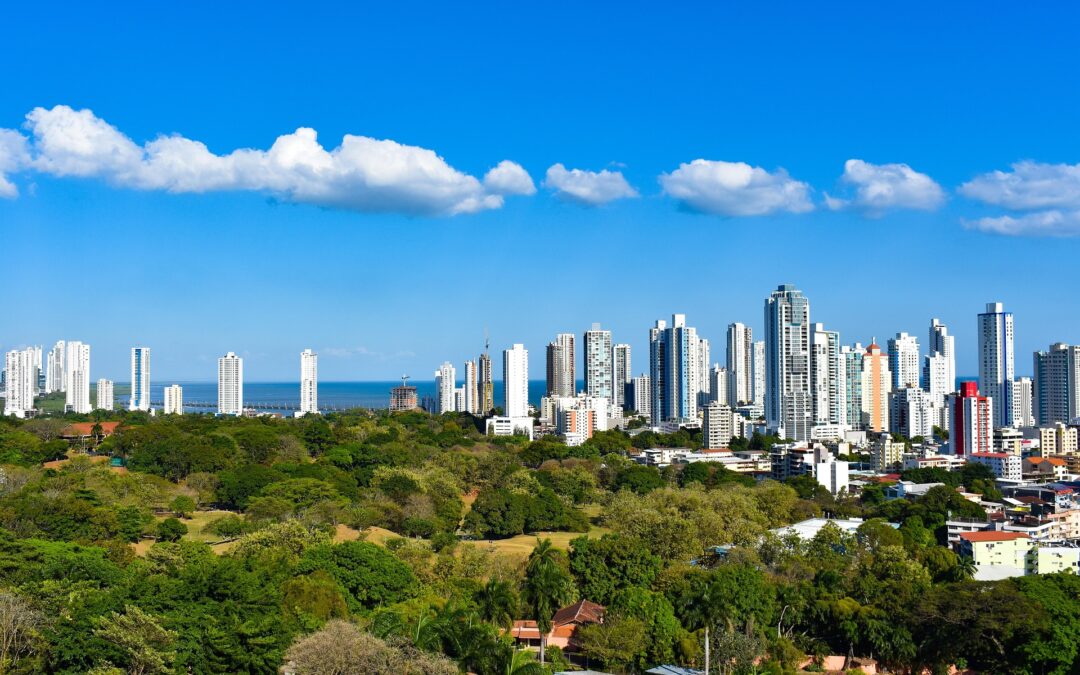
Panama has strategically positioned itself as a regional logistics and manufacturing hub, thanks to its location at the nexus of the Americas, its world-class maritime infrastructure, and its pro-business regulatory framework. The country’s industrial development is supported by a network of industrial parks in Panama that cater to a wide range of sectors, including logistics, manufacturing, food processing, pharmaceuticals, and electronics assembly. These industrial zones benefit from exceptional connectivity, competitive labor costs, and supportive government policies designed to attract foreign direct investment.

Key Industrial Parks in Panama

Some of the most prominent industrial parks in Panama include:

  1. Panama Pacifico

Located on the western side of the Panama Canal near Panama City, Panama Pacifico is a flagship mixed-use development and one of the most advanced industrial parks in Panama. It offers Class A infrastructure, including high-speed fiber-optic internet, redundant power systems, and logistics platforms designed to streamline distribution to markets across the Americas.

Panama Pacifico is home to global companies such as Dell, BASF, 3M, and Pepsico. It has strong access to the Tocumen International Airport and the Port of Balboa, facilitating efficient air and maritime shipping. Tenants enjoy benefits from Law 41, which includes tax holidays, expedited immigration services, and customs facilitation.

  1. Zona Libre de Colón (Colón Free Zone)

The Colón Free Zone is one of the largest duty-free zones in the world and a central pillar in Panama’s trade and re-export economy. Located near the Atlantic entrance of the Panama Canal, it primarily serves wholesale trade but also supports light assembly and manufacturing.

The zone’s tenant mix includes companies in electronics, textiles, automotive parts, and consumer goods. It offers 100% duty exemptions on imports and re-exports, along with income tax benefits and streamlined bureaucratic procedures. The area is well connected to the Port of Colón and benefits from dedicated customs facilities

  1. Panamá Norte Logistics Hub

Situated along the Panama-Colón corridor, this hub includes industrial parks like Parque Industrial Costa del Este and Parque Sur. It caters to logistics and light manufacturing operations and is highly attractive due to its proximity to both the capital and the Caribbean ports.

These industrial parks in Panama have attracted firms in the food distribution, pharmaceutical, and third-party logistics (3PL) sectors. Connectivity is strong via the Corredor Norte and Corredor Sur highways, and costs are competitive with average lease rates ranging from $6 to $9 per square meter per month for Class B and C warehouses.

  1. Howard Industrial Park

Also located in the Panama Pacifico area, Howard Industrial Park specializes in logistics and manufacturing, particularly for high-tech and aerospace clients. It benefits from its proximity to the former U.S. Howard Air Force Base is now a modern air logistics platform. The park offers ample space for build-to-suit facilities, and companies benefit from on-site customs clearance and bonded warehousing.

  1. City of Knowledge (Ciudad del Saber)

While not traditionally industrial, Ciudad del Saber is a scientific and technological park that supports innovation and sustainable development. It is particularly attractive for pharmaceutical, biotech, and IT companies. Its clustering of research institutions and partnerships with universities makes it a center for high-skill job creation and training.

Labor Availability, Cost, and Training

Panama boasts a labor force of over 1.7 million, with approximately 30% residing in the Panama City metropolitan area, where most industrial parks are situated. Labor costs are competitive compared to those in the U.S. and Western Europe. Minimum wages vary by sector but average around $2.90 to $3.75 per hour. Skilled labor for manufacturing and logistics is increasingly available in Panama due to the country’s investment in technical training programs.

The National Institute for Professional Training and Education for Human Development (INADEH) offers sector-specific training, including in logistics, welding, machinery operation, and IT. Additionally, partnerships between industrial parks and private technical schools have increased, especially in Panama Pacifico and Colón.

Labor laws in Panama are relatively strict and are governed by the Labor Code. These laws favor worker protection, with clear stipulations for wages, working hours, severance pay, and social security contributions. Union activity is prevalent, particularly in large logistics and manufacturing firms, but remains moderate in scale. Most industrial parks have collective agreements in place that ensure industrial peace.

Infrastructure: Transportation, Utilities, and Energy

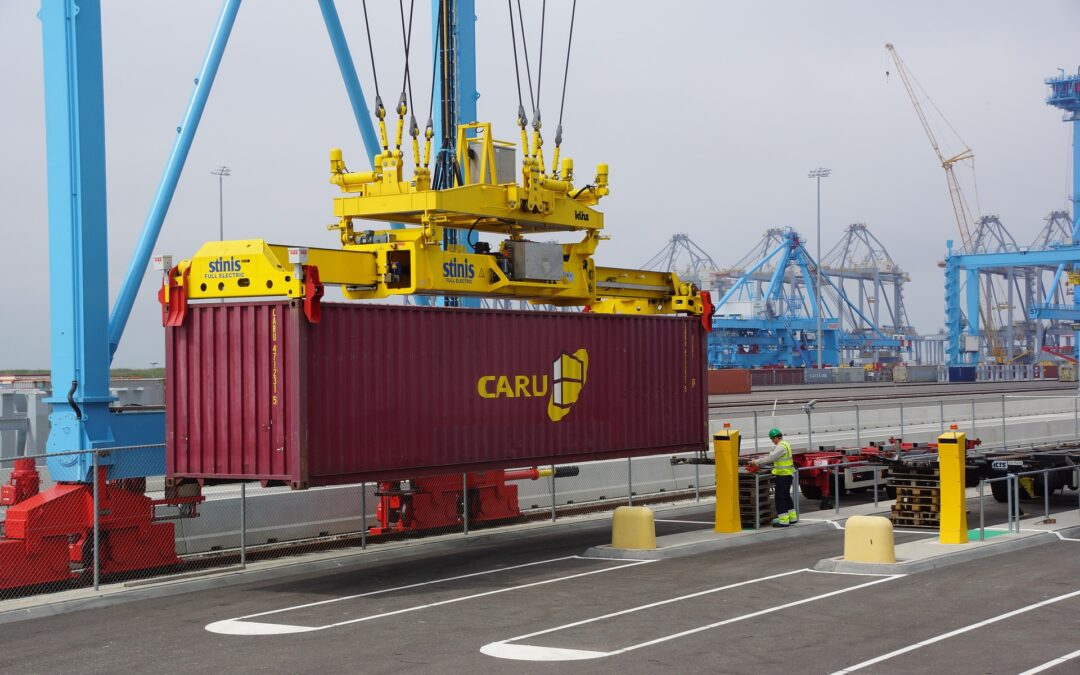
One of the defining strengths of industrial parks in Panama is their access to world-class logistics infrastructure. The country is home to the Panama Canal, which handles over 300 million tons of cargo annually. Two major container ports—Balboa (Pacific side) and Colón (Atlantic side)—are among the busiest in Latin America.

The Tocumen International Airport is a regional hub with cargo facilities and direct flights across the Americas and Europe. Highway access via the Inter-American Highway and the Corredor Norte/Sur networks ensures seamless movement of trucks between ports and industrial areas.

Utilities are generally reliable, especially in Panama City and surrounding industrial zones. Electricity costs range from $0.16 to $0.22 per kWh. Water is plentiful and cost-effective, with infrastructure in place for industrial-scale use. Telecommunications are strong, with 4G LTE and high-speed broadband widely available. Fiber-optic services and redundancy systems are particularly prevalent in newer industrial parks, such as Panama Pacifico.

Tax Incentives and Regulatory Environment

Panama is recognized for its ease of doing business and investor-friendly regulatory framework. Special economic regimes govern many industrial parks in Panama, offering tax incentives and other benefits to attract investment. The most notable laws include:

  • Law 41 (Panama Pacifico): Offers exemptions on income tax, dividend tax, import/export duties, and VAT.
  • Law 32 (Colon Free Zone): Provides full exemption on import/export duties, no income tax on re-export activities, and reduced withholding tax.
  • Multinational Headquarters Law (SEM Law): Attracts regional HQs by exempting corporate income tax on foreign-source income and providing visa and work permit benefits.

Panama imposes relatively low corporate income taxes (25%) outside of special zones, and a VAT rate of 7% applies. Environmental regulations exist and are enforced by the Ministry of the Environment, especially for industries with potentially hazardous emissions or waste. However, permitting processes have been streamlined for operators in approved industrial parks.

Real Estate and Operating Costs

Lease rates for industrial space vary depending on the location and class of facility. On average:

  • Class A warehouse space: $8–$12/m²/month
  • Class B/C facilities: $5–$8/m²/month
  • Build-to-suit construction costs: $500–$750/m²
  • Facility management services: $0.50–$1.25/m²/month
  • Security services: $0.75–$1.50/m²/month
  • Waste disposal: $300–$600/month for medium-sized operations

Electricity, water, and telecommunications are billed separately but are predictable and generally stable. Operating costs in industrial parks in Panama are lower than in many Caribbean and South American locations, particularly when factoring in the cost savings from efficient logistics.

Logistics and Freight Costs

Panama’s status as a global logistics hub allows companies to reduce freight costs and delivery times to customers across the Americas. Some average logistics costs include:

  • Truck transport (local): $0.15–$0.25 per km
  • Container shipping (to U.S. East Coast): $1,200–$1,800 per 40-foot container
  • Air freight (to North America): $2.00–$4.50 per kg, depending on volume
  • Intermodal transport (Canal to Atlantic ports): Minimal due to proximity

Companies in Colón or Panama Pacifico often benefit from consolidated shipping and bonded logistics services, which enable duty-free transshipment and improved customs efficiencies. Parks near Tocumen Airport or the Port of Balboa also enjoy lower lead times for high-value goods.

Tenant Mix and Cluster Benefits

One of the strategic advantages of industrial parks in Panama is their growing concentration of international tenants, which yields cluster benefits. For instance:

  • Panama Pacifico hosts companies in the IT, aerospace, and consumer goods sectors, allowing for the shared use of logistics and training infrastructure.
  • Colon Free Zone features businesses in electronics, apparel, and household goods, leading to scale economies in warehousing and customs processes.
  • Panama Norte supports 3PLs, food processors, and packaging firms, which benefit from shared cold storage and transport networks.

The track record of these parks in supporting multinational corporations is strong. Government coordination with industrial zones ensures that site development, permitting, and expansion are handled efficiently. As a result, these parks continue to draw investment from Asia, Europe, and North America.

Conclusion

Panama’s industrial park landscape is well-positioned to support modern manufacturing, logistics, and distribution operations. With competitive labor costs, skilled talent, robust infrastructure, and generous fiscal incentives, the country provides an ideal platform for companies seeking access to North and South American markets. The rise of industrial parks in Panama, like Panama Pacifico and the Colón Free Zone, underscores the country’s commitment to becoming the region’s foremost industrial and logistics hub. Whether for light assembly, high-tech manufacturing, or regional distribution, these parks offer the connectivity, talent, and business environment that global companies demand.

Guatemala’s Path Toward Economic Growth: Advancing the Guatemalan Free Trade Agreement with South Korea

Guatemala’s Path Toward Economic Growth: Advancing the Guatemalan Free Trade Agreement with South Korea

Guatemala is making notable strides in enhancing its international trade relations, and a key development on this front is the nation’s ongoing efforts to join the Free Trade Agreement (FTA) between Central America and South Korea. As the global economy continues to evolve, such initiatives represent strategic moves to position Guatemala as a more competitive and diversified participant in international markets.

The Guatemalan Free Trade Agreement with South Korea is not merely a diplomatic gesture—it is a calculated economic strategy aimed at stimulating trade, attracting foreign investment, and unlocking new growth opportunities for the country’s most vital sectors.

Congressional Support Marks Key Milestone

The proposal for Guatemala to join the existing Central America–South Korea Free Trade Agreement (FTA) has gained traction within the country’s legislative branch. On June 17, during a special session of Congress, lawmakers reviewed a bill that would allow Guatemala to adhere to the trade pact formally. The initiative has since been referred to the Committee on Economy and Foreign Trade for detailed evaluation.

If the committee issues a favorable opinion, the bill will move forward for a full congressional vote. Lawmakers from multiple political parties have already expressed support, suggesting a high likelihood of successful ratification.

Congresswoman Lucrecia Samayoa, President of the Guatemala–South Korea Parliamentary Friendship Group, emphasized the significance of the agreement, describing it as a “historic opportunity for Guatemala to access one of the most important Asian markets under preferential conditions.”

Private Sector Backing and Strategic Importance

The proposed Guatemalan Free Trade Agreement with South Korea has also garnered enthusiastic support from the private sector, particularly from organizations such as the Business Commission for Trade Negotiations and International Trade (CENCIT).

In a formal statement, CENCIT described the initiative as a “decisive step toward market diversification” and emphasized the potential to restore preferential access for key agricultural exports. According to the commission, aligning with the trade pact will:

– Restore competitiveness for Guatemalan exports, especially agricultural goods.

– Prevent further loss of market share in South Korea.

– Encourage foreign direct investment in Guatemala.

– Strengthen the country’s productive sectors.

– Support sustainable economic development across various industries.

This broad-based support from both government and business entities underscores the consensus that the trade agreement could significantly benefit Guatemala’s long-term economic outlook.

Economic Sectors Poised to Benefit

South Korea is one of Asia’s most dynamic and technologically advanced economies. Its demand for high-quality agricultural and textile goods aligns well with Guatemala’s export profile.

According to Minister of Economy Gabriela García, the proposed FTA would primarily open new trade avenues in the agricultural and textile sectors. For instance, coffee remains Guatemala’s top export to South Korea, accounting for approximately 46.8% of trade to that market.

In addition to coffee, the agreement could bolster exports of:

– Cardamom, a high-value spice that already has niche popularity in Asia.

– Sugar, which enjoys competitive pricing on global markets.

– Fruits and vegetables, benefiting from shorter supply chains and rising demand for organic and specialty products.

– Textiles and garments, as global fashion retailers seek alternatives to Chinese manufacturing hubs.

By securing preferential access through the Guatemalan Free Trade Agreement with South Korea, local exporters would enjoy reduced or eliminated tariffs, making Guatemalan goods more competitive in a market of over 50 million consumers.

Market Diversification and Risk Mitigation

Guatemala’s economy has long been reliant on a limited number of export destinations, primarily the United States and neighboring Central American countries. However, global disruptions, trade disputes, and shifting supply chain priorities have exposed the risks of over-dependence on a narrow set of markets.

Joining the Guatemalan Free Trade Agreement with South Korea represents a strategic pivot toward market diversification. By reducing reliance on a single market or region, Guatemala can:

– Mitigate the impact of global economic volatility.

– Foster resilience in its export sectors.

– Develop new business relationships in Asia.

– Gain a foothold in supply chains tied to Korea’s major industries, including electronics, automotive, and chemicals.

This diversification could also serve as a launchpad for Guatemala to negotiate or strengthen trade relationships with other Asian economies such as Japan, Vietnam, and Indonesia.

The Importance of Timely Accession

Guatemala’s delay in joining the Central America–South Korea FTA has already cost it valuable market share. Other countries in the region, such as Costa Rica, El Salvador, Honduras, Nicaragua, and Panama, have already implemented the agreement and are reaping its benefits.

If Guatemala finalizes its accession soon, it can begin to reverse these losses and compete on a level playing field. According to CENCIT and other business leaders, the country is at a critical juncture. A delay of even a few more years could make it increasingly difficult to catch up.

Moreover, businesses that have moved operations to other Central American nations due to tariff advantages may be incentivized to return or invest in Guatemala if parity is restored.

Strengthening Bilateral Relations

Beyond the economic benefits, the Guatemalan Free Trade Agreement with South Korea would deepen bilateral ties between the two nations. South Korea has already demonstrated its interest in supporting Guatemala’s development goals through technical cooperation and investment in areas such as education, infrastructure, and technology transfer.

An FTA would elevate this relationship, offering more structured mechanisms for collaboration. Potential areas of cooperation include:

– Technology and innovation transfer.

– Infrastructure development and financing.

– Educational exchanges and scholarships.

– Renewable energy partnerships.

A stronger bilateral relationship could also result in enhanced diplomatic cooperation on regional and international issues, further embedding Guatemala within the Asia-Pacific economic framework.

Impacts on Employment and Rural Development

The expected increase in agricultural exports and investment could have significant ripple effects on employment, particularly in rural regions. Agriculture remains a major employer in Guatemala, and improved market access could boost incomes for farmers, cooperatives, and small agribusinesses.

Similarly, expanded textile exports could revive industrial zones and provide stable employment, especially for women who dominate the garment sector.

The development of new supply chains and export logistics—warehouses, cold storage, and transportation—could spur infrastructure development and generate new jobs in engineering, logistics, and trade compliance.

Conclusion: A Critical Window of Opportunity

The Guatemalan Free Trade Agreement with South Korea is more than a trade policy—it’s a transformative strategy to reposition the country in the global economy. With strong backing from lawmakers, government ministries, and the private sector, Guatemala is poised to join an agreement that could unleash substantial economic benefits.

By acting decisively, Guatemala can reassert its regional competitiveness, unlock diversified growth opportunities, and strengthen its international partnerships. For the country’s farmers, manufacturers, exporters, and consumers, the FTA represents a forward-looking commitment to sustainable development, innovation, and economic resilience.

As Congress moves closer to ratification, momentum must be maintained to ensure that Guatemala does not fall further behind in the race for global market access. The time to secure the Guatemalan Free Trade Agreement with South Korea is now.

Why Uruguay Is Leading The Way In The Pharmaceutical Sector In Latin America

Why Uruguay Is Leading The Way In The Pharmaceutical Sector In Latin America

Uruguay is quickly gaining recognition as one of the region’s most active players in the pharmaceutical sector in Latin America. Starting out as a nation dependent on its agricultural exports, the country has developed over time to become a significant manufacturing hub in the region.

Thanks to high-value-added manufacturing, an efficient supply chain, a skilled workforce, and favorable trade regimes, Uruguay is quickly becoming a preferred destination for companies seeking to serve regional and global markets in the pharmaceutical sector of Latin America.

A High-Growth Rate Industry

The total amount of production in the pharmaceutical sector in Latin America, including Uruguay’s human and veterinary pharmaceuticals and medical devices, is USD 928 million. This indicates how relevant the sector is for the national economy, representing 11% of the industrial GDP and 1% of the total GDP of the country.

According to Uruguay XXI, the country’s export and investment promotion agency, the pharmaceutical sector employs some 7,800 people in more than 175 companies across the value chain, from research and development to final distribution.

135 companies produce human pharmaceuticals and medical devices, while 40 companies develop veterinary health products. Uruguay thus has a diversified industry, with abilities that go from the creation of finished goods to providing value-added services such as logistics and back-office support.

Companies within the pharmaceutical and veterinary sectors operate under different business models. These include models such as drug development, production, commercialization, and more sophisticated services like customer support, regional logistics, and back-office operations. This layered approach has helped foreign direct investment (FDI) in the sector create a solid industrial cluster that continues to evolve in size and sophistication.

Because Uruguay sits between Argentina and Brazil, two of the largest economies in South America, companies operating in the pharmaceutical sector in Latin America benefit from a competitive advantage in regional distribution. Political stability, a transparent legal framework, and world-class logistics infrastructure have made the country an attractive entry point to the wider Latin American market.

A Logistic Gateway

One of the unique characteristics of Uruguay’s pharmaceutical ecosystem is its ability to serve as a logistics and trade gateway. According to Uruguay XXI, the amount of pharmaceutical products that transit through the country has been on a steady increase since 2010, which is a defining characteristic of the country’s role in the pharmaceutical sector in Latin America.

Recent years have seen the value of pharmaceutical products that transited through the country rise from USD 500 million to more than USD 900 million, indicating a steep growth in Uruguay’s role as a re-export platform. Products originating in the United States and Europe (Italy, Germany, Switzerland, Ireland, and France) are reprocessed and sent to other countries in Latin America.

This logistic model—driven by the existence of free trade zones (FTZs) and Uruguay’s state-of-the-art port and airport infrastructure—has allowed global companies to operate more efficiently while reducing import/export taxes and transit time.

Strong Production and Export Performance

Uruguay has also become a serious contender in pharmaceutical production. Uruguay’s Gross Production Value (GPV) of the sector amounts to USD 884 million in 2024, underscoring the country’s role in the pharmaceutical sector in Latin America. Human pharmaceutical exports, which had experienced a three-year declining trend, have rebounded since 2021 and are showing solid performance in 2024, largely driven by FTZ operations, which account for 55% of all human pharmaceutical exports.

A total of 32 companies participated in Uruguay’s pharmaceutical exports in 2024, amounting to USD 226 million. This represents 1.7% of the country’s total exports and highlights the sector’s strong contribution to foreign trade.

Growth in Medical Devices and Veterinary Products

Uruguay’s pharmaceutical industry also includes medical devices and veterinary health products. Medical devices—particularly implantable technologies—have shown consistent growth in recent years. In the past year alone, exports of medical devices grew by 11%, reaching USD 44 million. This highlights Uruguay’s increasing role in the pharmaceutical sector in Latin America, not just in medication production but also in the development of high-tech medical products.

Uruguay’s veterinary pharmaceutical segment is particularly important, given its large livestock industry. Products for cattle, horses, sheep, and companion animals account for 22% of total pharmaceutical output. This diversification enhances Uruguay’s commercial viability and export strength.

The pharmaceutical sector in Uruguay employs 7,800 people. Of these, 6,470 work in the human pharmaceutical segment, and around 3,500 are employed by export-focused companies, many of which are foreign-owned or part of international groups. These companies not only generate employment but also help transfer global best practices and expertise to the local industry.

An additional 1,600 people are involved in logistics, distribution, and customer support, mostly concentrated in the Montevideo metropolitan area. These roles require specialized knowledge in supply chain management and regulatory compliance.

Another 580 individuals work with companies supplying foreign pharmaceutical brands to the local market, while the veterinary segment generates 1,300 direct jobs.

Uruguay is also nurturing a biotech startup ecosystem, which employs roughly 250 highly skilled professionals in fields such as bioengineering, diagnostics, and molecular research. This growth signals Uruguay’s ambitions to become a center for innovation within the pharmaceutical sector in Latin America.

Advantages Driving Uruguay’s Pharmaceutical Growth

The reasons behind Uruguay’s emergence as a leader in the pharmaceutical sector in Latin America include the following:

  • Strategic Location: Situated between Argentina and Brazil, Uruguay is a natural hub for regional distribution. This location offers logistical advantages for serving the Southern Cone markets with efficient road, air, and maritime connectivity.
  • Free Trade Zones: Uruguay boasts several FTZs such as Zonamerica and Parque de las Ciencias, which provide tax exemptions, modern infrastructure, and streamlined customs processes—ideal conditions for pharmaceutical companies.
  • Strong Institutions and Regulatory Transparency: Uruguay’s predictable regulatory framework, adherence to international quality standards, and investor-friendly environment foster confidence among global stakeholders.
  • Skilled Workforce: The education system provides a steady stream of engineers, technicians, and scientists. Collaboration between academic institutions and private enterprises helps align training with industry needs.
  • World-Class Infrastructure: Facilities such as Carrasco International Airport, deep-water ports, and a robust digital infrastructure enable Uruguay to manage complex supply chains, including cold chain logistics for sensitive pharmaceuticals.

Going Forward

With rising demand for pharmaceutical products across Latin America, Uruguay is well-positioned to expand its role as a hub for innovation, manufacturing, and distribution. Its combination of strong production capabilities, logistics infrastructure, and a reliable business environment sets it apart from regional competitors.

Supported by public policy, private investment, and international partnerships, Uruguay is poised to strengthen its leadership in the pharmaceutical sector in Latin America, reaffirming its place as a top-tier destination for life sciences and healthcare innovation in the years ahead.

The Arrival of New Brands Could Trigger Investments of USD 650 Million in the Automotive Market in Argentina

The Arrival of New Brands Could Trigger Investments of USD 650 Million in the Automotive Market in Argentina

A New Era for the Argentine Automotive Industry

The automotive market in Argentina is undergoing unprecedented change, from internal reform and regulatory change to external investment and interest from brands overseas. After years of an insulated and protective environment, the automotive market in Argentina is opening up, embracing new competition and allowing for more options for buyers and sellers.

One of the main drivers of this change is the arrival of a slew of new brands, many of them Chinese, looking to stake a claim on the automotive market in Argentina. These brands have to compete for market share with long-established players, while dealerships and car makers must adapt to a new reality that has consumers at the center of the equation.

Macroeconomic reforms, along with reduced restrictions on imports, have created a more open environment for the automotive market in Argentina.

More precise rules of engagement, more stability in the business environment, and fewer import barriers have made Argentina’s automotive sector more attractive to overseas players. As Santos Doncel Jones, an industry expert and partner at Price Waterhouse Coopers, puts it, “We’re coming from a very closed market, with just those who were capable of manufacturing locally able to survive. Today, we’re coming from a market that’s open and has options.”

History Lesson: Scarcity is giving way to competition

Traditionally, the automotive market in Argentina was defined by a scarcity of options for the average buyer. Imports were restricted, while the pricing of vehicles fluctuated wildly due to the high inflation rate. Many people relied on bank financing, but loans weren’t always accessible. All of these factors created a market that was virtually monopolized by those who could make vehicles in Argentina, leaving many customers to accept whatever they could get.

The scarcity of options left dealerships with plenty of leverage over customers. However, in the modern market, those conditions are being turned on their head. Brands are going to have to fight to attract, convince, and retain customers, all of whom will be much more informed about what’s on offer.

Larger market for new vehicles: The industry’s fleet is getting older

Perhaps one of the most telling indicators that there’s an opportunity in the automotive marketing in Argentina is that the average age of the nation’s vehicle fleet is relatively high. According to Redoo, a consulting firm that helps businesses digitize and streamline their operations, just 13% of vehicles currently in circulation in Argentina are under five years old. An astounding 65% of the cars on the road in the country are more than ten years old.

Vehicles in Argentina generally last longer than in Europe and other more advanced countries in Latin America, where the vehicle-renewal cycle tends to be between five and ten years. In Argentina, approximately 20% of the fleet falls into that age bracket, indicating a significant opportunity for replacement and modernization as new vehicles come onto the market and more financing options become available.

Investments worth USD 650 million are expected in Argentina as new players enter the market and establish themselves

With the entry of new players, especially importers of overseas brands, the amount of money being invested in the automotive market in Argentina is expected to rise. Doncel Jones states that the new entrants could bring in about USD 650 million to the country over the next two years, including the cost of building out networks and the physical presence of dealerships.

One estimate is that a new dealership is expected to cost between USD 2 million and USD 4 million to get off the ground, not including the investment made by the importers themselves. Aside from the capital investment, these projects could create more than 2,000 direct jobs, helping to support the broader economic recovery.

The amount of investment expected in Argentina could have a significant impact on the overall structure of the automotive sector. New entrants are expected to be especially disruptive to dealerships and could lead to a more fractured but more competitive landscape in the future.

The new reality for dealerships: In it to win it

For the dealership networks that already exist in Argentina, the shift towards a more competitive and open market is an opportunity to reinvent themselves. “They have to go back to actually selling—to competing and creatively winning over customers,” said Doncel Jones. It’s not just the external market changes that dealerships will have to adapt to. These organizations will have to restructure themselves, trimming out unnecessary layers and streamlining processes.

With inflation decreasing, bloated costs and operations have become more visible. Dealerships will have to fix those problems now if they want to compete.

Legacy players will have to do a better job of servicing their vehicles if they’re to survive

Automakers that have a history of doing business in Argentina will also feel the pressure. As new entrants chip away at the market, the competition will be tougher. Jones says that these companies will have to “up their game” by improving their processes, cutting costs, and optimizing their workflows.

Customer service will be a non-negotiable priority. With consumer tastes changing rapidly, customers will expect better service, better customer service, and better value for their money. If they don’t get it, brands will find themselves falling out of favor.

The shift to digital is no longer an option, it’s a necessity

One of the major indicators of change in the automotive market in Argentina is the rapid uptake of technology in the sector. Tools like CRM platforms, data analysis, AI-powered marketing automation, and online sales platforms are crucial for gaining insight into customer tastes and behaviors.

Across the automotive sector in Argentina, widespread adoption of these technologies will allow companies to target their audiences more effectively, deliver more customized buying experiences, and keep their customers for longer.

The landscape of the Argentine automotive market could be more fragmented than ever

Historically, the Argentine automotive market has been fairly top-heavy, with a small number of big players. Toyota and Volkswagen have traditionally been the dominant brands in Argentina, accounting for about 20% and 17% of the market, respectively. However, that dominance could be coming to an end.

Doncel Jones says that the market will become more fragmented going forward, making it more similar to the rest of the world, where a 12% to 14% market share is considered sizable. In this market, brand loyalty, product innovation, and responsiveness will be more important than legacy players and historical dominance.

The answer for local automakers may be more exports as the domestic market plateaus

Though market share may be down for local players, that doesn’t mean that overall sales volumes won’t go down if the market plateaus. With the growth of the automotive market in Argentina, perhaps to 750,000 to 800,000 annual sales, local production facilities can continue to operate by targeting the export market in Latin America and other countries.

“If you want to maintain production, you’re going to have to turn towards the export market,” says Jones. Regional integration and the expansion of trade agreements could make this happen.

Good news on the horizon: Sales of vehicles are growing

Vehicle sales are already on the upswing. According to ACARA (Asociación de Concesionarios de Automotores de la República Argentina), new vehicle registrations grew 59.1% year-over-year in May 2025, reaching 55,363 for the month. Year-to-date, registrations totaled 272,837 units, a 78.9% jump compared to the same period in 2024.

With this trend continuing, 2025 could finish with approximately 650,000 vehicle registrations, suggesting that the automotive market in Argentina is coming back from a tough period.

Its neighbors have been taking advantage of a more open market environment for years.

While Argentina is opening its market, some of its neighbors—Chile, Uruguay, and Brazil—have long been open to international manufacturers and have maintained relatively stable macroeconomic environments.

In those markets, the entry and competition of global brands has become commonplace, and infrastructure for dealerships and after-sales support has been built out. If Argentina’s transition to a more open market is executed successfully, it could see the country catch up and even overtake some of its neighbors in innovation and diversity.

The bottom line is clear: There’s no going back

To summarize, the bottom line is that the Argentine automotive market is changing, becoming more competitive, more dynamic, and more customer-focused. Players in the market, from legacy players to dealership networks to new entrants, will have to adapt quickly if they’re to be viable in the new landscape.

“In the short term, legacy brands will have to adapt to a much more informed consumer and a much more open market,” said Santos Doncel Jones.