
Costa Rica has stopped being known worldwide only for ecotourism. Throughout its recent history as a nation, Costa Rica has made great progress as an exporter of technology and services. The latest figures published by COEXPHAL regarding foreign trade celebrate a historic high: $21.846 billion in exports was never achieved before. But this is not a number out of the ordinary. Costa Rica’s trade evolution represents the concrete result of decades of national planning aimed at specialization, the attraction of foreign investment, and trade liberalization.
With facts like this, Costa Rica’s export-led development strategy is far from being just another technological hub in Latin America. Instead, we witness how an economy formerly dependent on agriculture managed to transform itself into a knowledge-based economy, one where microchips and medical equipment weigh more than coffee or bananas. If there is any doubt about the country’s competitiveness, regardless of size, just take a look at Costa Rica.
Medical Equipment and Precision Tools Lead the Way
One of the most relevant sectors for Costa Rica’s export economy is precision and medical equipment manufacturing. Costa Rica houses operations for some of the most important multinationals active in the Life Sciences sector. Let’s call it what it really is: Costa Rica is one of the main links of the medical technology supply chain around the world.
The Export Powerhouse
This sector is currently the most exported category of goods in the country. The fact that Costa Rica can design, assemble, test, pack, and ship heart valves and precision medical equipment that ends up anywhere in the world has allowed exports in this sector to grow in double digits year over year. Multinational corporations (MNCs) use Costa Rica as a competitive platform to manufacture, assemble, quality check, and approve devices for the market, not only because of the favorable supply of labor but also because of institutional strength.
“Costa Rica exports tons of things that you cannot easily find labeled ‘Made in Costa Rica’. Costa Ricans have gained a reputation for precision, high-quality control standards, and adherence to regulations. If you’re making medical devices, Costa Rica is one of the safest countries to manufacture in.” Jorge Castro, President of AMS Mexico and Latin America
Semiconductors Matter
Semiconductors were also decisive during the global shortage that affected supply chains during the past few years. The recent election cycle proved once again why Costa Rica is strategically important in the semiconductor ecosystem.
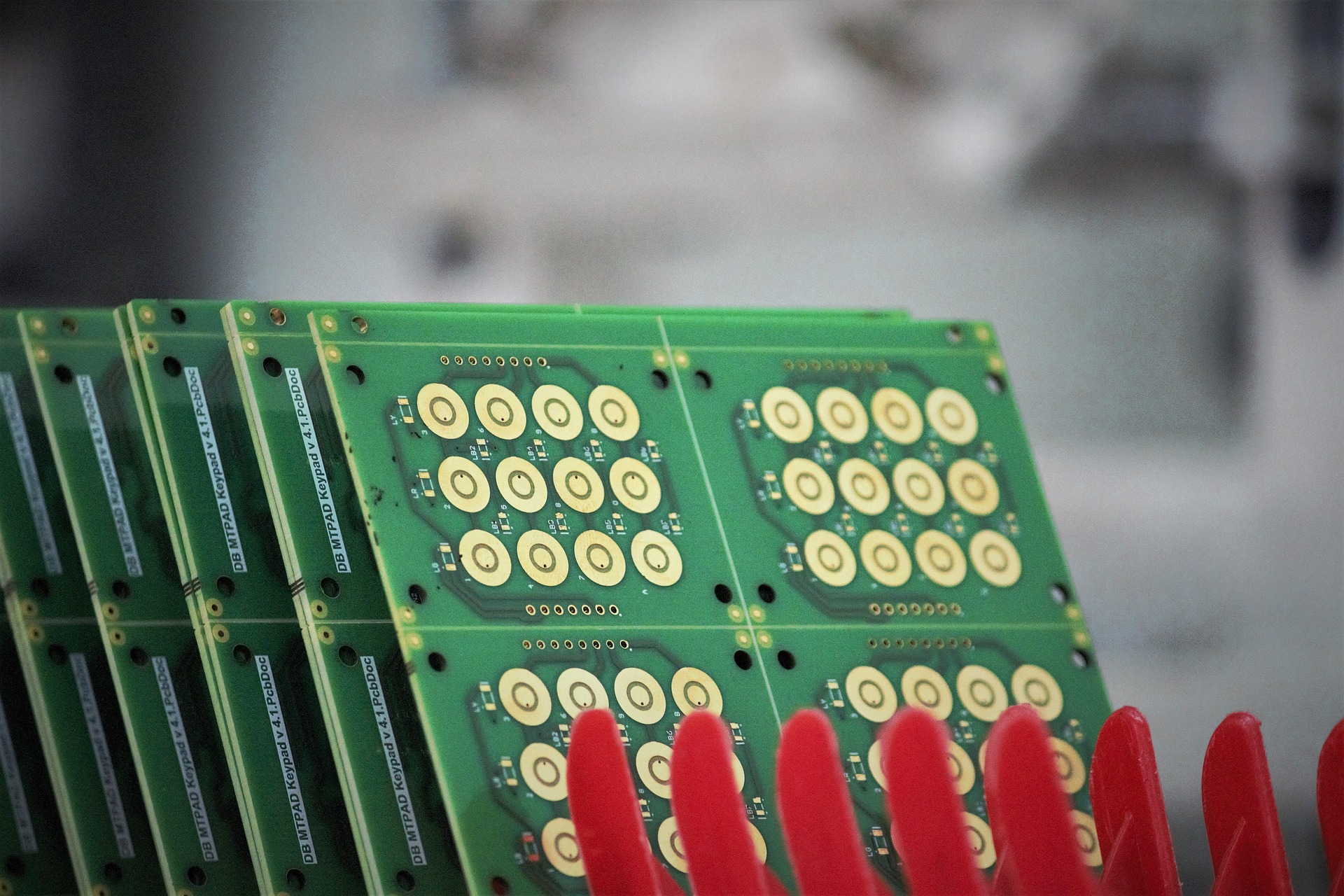
The country has hardware from large technology companies operating throughout the year, fulfilling requests from the U.S. market. The Costa Rican tech hub has been especially attractive for electronics assembly, semiconductor testing, and high-tech manufacturing thanks to decades of investment in electrical manufacturing, technical education, infrastructure, and industrial parks. As demand for more complex electronics continues to grow, opportunities arise for greater foreign direct investment in these areas.
“Semiconductors are much more than an export sector. It is a cornerstone of our national competitiveness.”-Virginia McLean, Costa Rican Ambassador to the U.S.
Services: The Other Side of the Coin
Costa Rica has also become a corporate services hub for many knowledge-intensive sectors. Services such as information technology, business process outsourcing, business management, engineering, and design represent an important portion of national income in the form of services.
The country has shared services centers and R&D centers from global technology companies attracted not only by political stability but by human capital. This additional sector complements the manufacture and export of goods, making the economy more resilient to external shocks such as volatility in commodity prices.
The Costa Rican tech hub association is often linked with innovation centers, digital transformation, and BPO. Many companies operate regional headquarters for Latin America in Costa Rica or nearshore services to the United States and Europe.
Factors of Success: Talent and Foreign Trade Zones
If you were thinking, “Why Costa Rica?” when companies could locate to other countries with lower labor costs. The reason is that Costa Rica checked three very important boxes:
- Trained Workforce
Costa Rica has invested for years in its education system, creating a technical and bilingual workforce. The country’s talent pool is known for having good technical skills and for adapting to multinational firms’ corporate cultures. Universities have established relations with companies to provide courses that respond to labor market needs.
- Foreign Trade Zone Regime
The certainty of the legal framework governing companies operating in Costa Rica’s free trade zone regime has been key. Coupled with tax incentives, this offsets higher operating costs relative to the rest of Central America. This regime has become the flagship of FDI policy and industrial clusters.
- Free Trade Agreements
Costa Rica has over ten free trade agreements in place with countries that represent approximately two-thirds of the world’s GDP. Costa Rican products and services labeled “Made in Costa Rica” benefit from preferential access to the largest markets in the world.
Why Costa Rica’s Free Trade Zone regime?
There are a number of key benefits for companies operating under this regime:
- No Corporate Income Tax or Reduced Rates
- Importation of Raw Materials and Capital Equipment without Duty
- Expedited Customs Processing
- Stability of the legal framework
The Next Step: Nearshoring Costa Rica
The recent nearshoring boom presents another opportunity for Costa Rica to consolidate itself as a manufacturing and technology hub for North America. Cost increases in Asia, concern over supply chain concentration, and geopolitical tensions are prompting companies to diversify production geographically.
Amongst Latin American countries, Costa Rica presents many advantages: political stability, rule of law, and a proven track record of success in attracting FDI. Any company looking for a stable, politically safe destination to produce high-value goods and services will soon think of Costa Rica.
Companies considering investments in Costa Rica are from the following sectors:
- Electronics
- Semiconductor Assembly and Packaging
- Medical Devices
- Biotechnology
- Cloud Computing
- Software as a Service (SAAS)
- Engineering Design
- Research and Development
- Business Process Outsourcing
When Thinking About Building a Sustainable, Knowledge-Based Economy
Years of developing a knowledge-based economy have positioned Costa Rica in a place few countries in Latin America can: the “Silicon Valley” of the Caribbean. Costa Rica achieved $21.846 billion dollars in exports because it chose not to specialize in “nothing.” History shows that if little Costa Rica can do it, any country can do it if they want to.
The Costa Rican tech hub is not just factories and MNCs: it represents an entire national vision based on exports, education, trade agreements, and strong institutions. If Costa Rica wants to continue riding this wave of success in the years to come, it will have to address certain challenges before they become bigger obstacles.
“Attracting multinationals to Costa Rica is one thing. But how can we promote the development of local suppliers to increase the value added of Costa Rican goods and services? That is the question.” States Carlos Valverde, Industrial Sector Specialist at CINDE Costa Rica.