
Focus is on energy and mining. The Argentine government is weighing a new deadline extension to lure further initiatives into the incentive regime.
Momentum Grows for Major Projects
With the recent approval of a new mining project in San Juan, the number of initiatives that have been admitted into the Large Investment Incentive Regime (RIGI) has increased to ten. According to official calculations, these projects combined have committed a total of USD 25 billion in investments in Argentina.
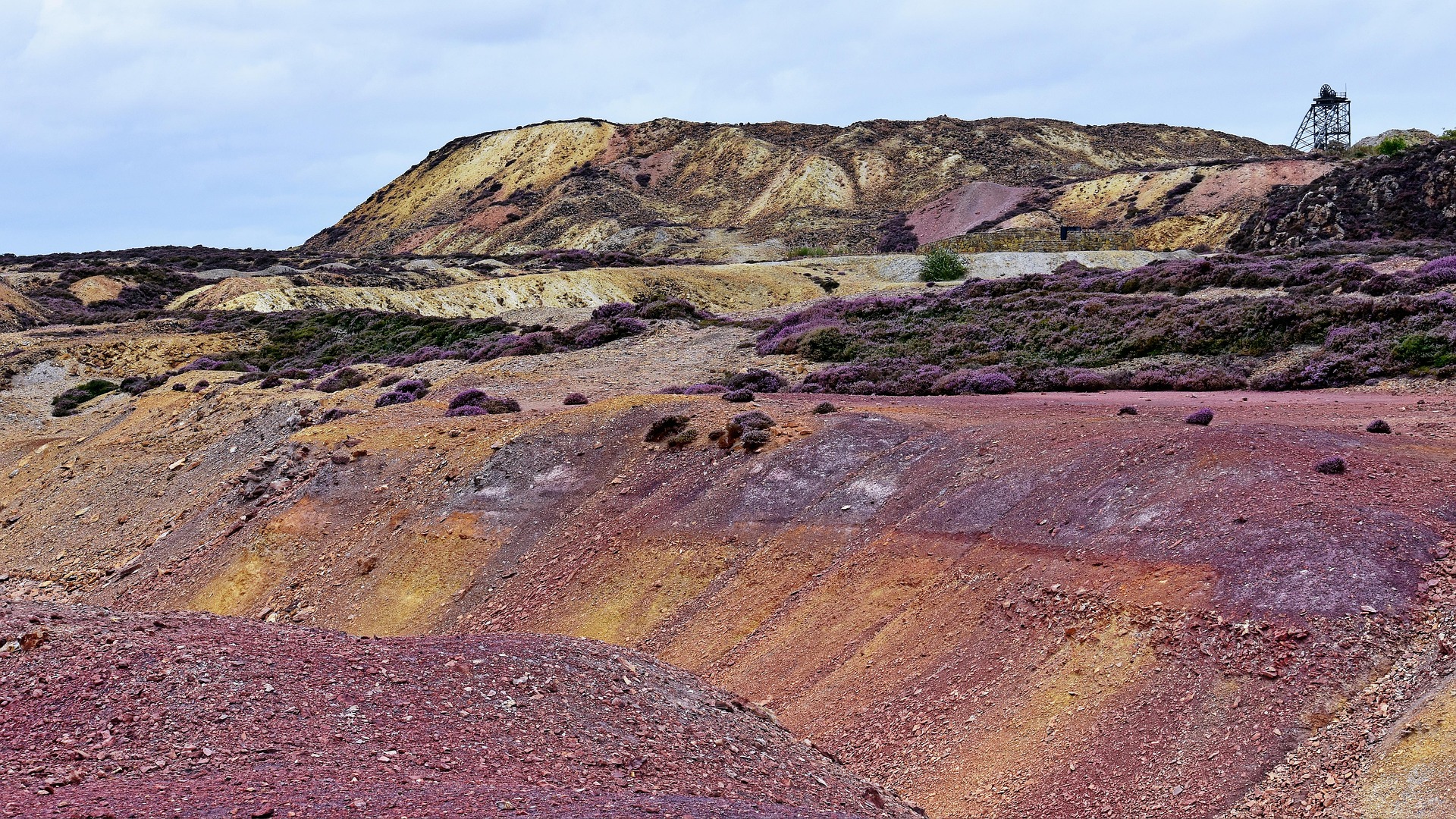
Minister of Economy Luis Caputo informed that the Evaluation Committee for the RIGI had given the green light to the Gualcamayo project, which is a gold and silver mining development in San Juan province. This project will be carried out with an overall investment of USD 665 million.
In addition, Caputo added that the proposal will allow the useful life of a mine close to depletion to be extended by working on a “different type of mineralization” and creating 1,700 direct jobs. This announcement is in line with the government’s broader policy of promoting major mining projects and attracting long-term investment to Argentina.
As a result, Gualcamayo joins a list of projects dominated by energy-related ventures – especially oil and mining. Neuquén, Río Negro, San Juan, Mendoza, Salta, Buenos Aires, Catamarca, and Santa Fe are just some of the main jurisdictions where the projects will take place, further pointing to the expansion of investments in productive sectors across Argentina.
RIGI: The 10 Approved Projects, One by One
- YPF advances with the construction of “El Quemado”, a solar park that will require USD 211 million in investment. It will be carried out in two phases, the first contributing 200 MW and the second another 105 MW of capacity.
- Vaca Muerta Sur (Consortium: YPF, PAE, Vista, Pampa Energía, Pluspetrol, Chevron, Shell)
This project includes an initial investment of USD 2.486 billion, which could increase to USD 3 billion. Infrastructure will be installed in Neuquén and Río Negro, to expand Argentina’s export capacity for oil, with the goal of doubling exports within two years. The pipeline could transport 700,000 barrels per day, which would represent USD 17 billion in revenue at USD 68 per barrel.
- Southern Energy – LNG Barge (Río Negro)
Southern Energy, controlled by Pan American Energy (PAE) and Golar LNG, will install a barge that will be in charge of producing liquefied natural gas (LNG) in the Gulf of San Matías. Total estimated investment in this project is USD 2.9 billion over the next ten years, and could reach USD 6.878 billion across a planned 20 years of operation.
- Rio Tinto – Rincón Lithium Expansion (Salta)
Rio Tinto will invest USD 2.724 billion to expand the Rincón Lithium project, to increase the production capacity to 60,000 tons per year of lithium to be used in batteries, including the construction of another processing plant.
- Sidersa – Steel Plant (Buenos Aires Province)
Sidersa will dedicate USD 296 million to the installation of a steel plant in San Nicolás with an annual capacity of 360,000 tons of long steel products. The project promotes more sustainable “green steel” technology and is estimated to generate more than 300 direct and 4,000 indirect jobs.
- PCR and Acindar – Wind Farm (Olavarría, Buenos Aires)
These companies will build a new wind farm in Olavarría that will require around USD 255 million in investment in Argentina.
- Galán Lithium – Hombre Muerto Oeste (Catamarca)
Galán Lithium will develop the Hombre Muerto Oeste (HMW) project with an investment of USD 217 million, to be dedicated to the production of high-purity lithium chloride. By 2029, exports related to the project are expected to be USD 180 million annually.
- Los Azules – Copper Project (San Juan)
This project, led by McEwen Copper, will explore and exploit copper resources in San Juan, with an investment of USD 2.672 billion.
- Timbúes Multipurpose Port (Santa Fe)
A new port complex will be built with an investment of USD 277 million. This complex will have storage for fertilizers, iron and steel products, grains, and fuels.
- Gualcamayo Mining Project (San Juan)
This project seeks to extend the useful life of a mine about to be exhausted through the exploitation of a new mineralization. The plan contemplates an investment of USD 665 million and will create about 1,700 direct jobs.
Conclusion: A Strategic Turning Point for Growth and Competitiveness
The portfolio of projects moving forward under the RIGI regime in Argentina marks a strategic turning point for the country’s development. By focusing on large-scale projects with a long-term horizon, the government is sending a strong signal of predictability, technical rigor, and openness to global capital. Equally important, the portfolio of initiatives that is starting to materialize is by no means homogenous, ranging from renewable energy and hydrocarbons to lithium, copper, steel, port logistics, and advanced industrial processes. This reflects a deliberate effort to diversify productive capacity while accelerating export potential. If these projects are effectively implemented, they will not only anchor significant new revenues but also help to strengthen regional economies and stimulate innovation throughout their supply chains.
Beyond their immediate fiscal impact, it should also be noted that these initiatives foster technology transfer, upskilling of the local labor force, and the creation of specialized ecosystems capable of competing in demanding international markets. Each of the projects approved so far is modernizing infrastructure, improving logistics efficiency, and enhancing resilience across strategic sectors. Moreover, by aligning private-sector incentives with national development goals, the RIGI framework also positions the country to attract new waves of investments in Argentina – especially from partners seeking stable rules and high-value opportunities.
Ultimately, the success of this program will depend on transparent governance, regulatory continuity, and collaborative engagement across federal authorities, provincial governments, local communities, and industry leaders. If these conditions are maintained, the 10 approved projects may prove to be just the beginning, laying the ground for sustainable growth, more competitive exports, and a renewed cycle of confidence that reinforces the role of investments in Argentina as a catalyst for long-term prosperity.