
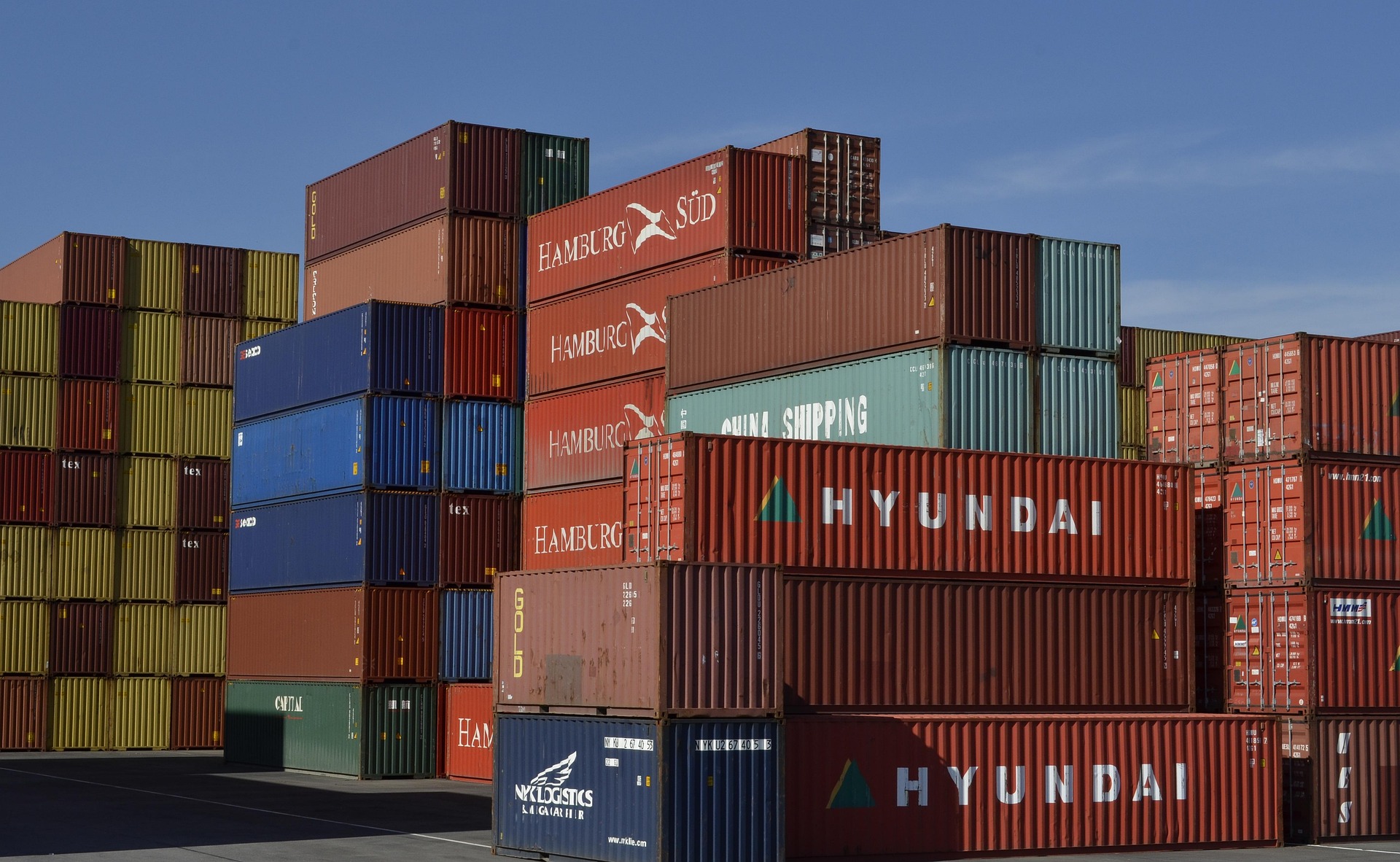
Plan to Increase the Capacity of the Honduran Port
Honduran President Nasry Asfura announced Monday the plan to invest $100 million into Puerto Cortés with aims to expand the Honduran port facilities and operations to further develop Puerto Cortés into Central America’s logistics hub and trade center servicing the Caribbean basin. The expansion plans come as part of continued efforts to modernize the infrastructure of Honduras.
“We will continue converting rooftops into storage yards and bulk goods docks,” Asfura announced. “In Puerto Cortés, we are going to reduce wait times for vessels that come to load and unload, positioning our port as a logistics hub in Central America.”
Central America’s Trade Gateway Receives Major Investment Announcement
Puerto Cortés, Honduras, plans to increase capacity, improve efficiency, and drive down logistics costs after Honduran president Nasry Asfura announced an investment of $100 million in the port this week.
As part of the plan, the president said the expansion of Puerto Cortés will “directly benefit imports and exports” throughout Honduras, while also attracting international investors seeking stability, transparency, and reliability.
Areas of Investment for Puerto Cortés to Become a Logistics Hub in Central America
Furthermore, Asfura said he wants Puerto Cortés to reach a capacity of up to 1.4 million TEUs by early 2027 as opposed to the 816,000 TEUs the port handles currently. These improvements will allow mega-container vessels between 10,000 and 13,000 TEUs to arrive at the Honduran port.
Investments will also focus on:
- Allowing the port to handle more containerized cargo
- Open the port for large container vessels and deep draft ships
- Cutting down on wait times for arriving vessels
- Converting idle rooftops to bulk cargo yards and storage facilities
- Digitization and automation technology
Attracting Foreign Investment to Become a Logistics Hub in Central America
Improving port infrastructure at Puerto Cortés will decrease logistics costs for importers and exporters in Honduras while improving service reliability and overall trade competitiveness for the country.
Operadora Portuaria Centroamericana (OPC) and parent company International Container Terminal Services, Inc. (ICTSI) – a global port operator based out of Manila, Philippines – have both expressed their support for this initiative, showing that foreign investors have faith in Honduras.
Opportunities in Honduras’s Undeveloped Spaces
In addition to announcing the investment into Honduras and Puerto Cortés’ development, Nasry Asfura made a tour of the port on Monday, where he signaled “underutilized rooftops” that will be transformed into storage yards and bulk cargo areas.
Areas of the port that are going to be developed include:
- Cargo yards
- Storage facilities
- Operational spaces
Ports are a critical part of any country’s economy. They allow for trade to flow in and out and can act as a catalyst for foreign direct investment (FDI). As FDI comes into Honduras, more companies will develop around Puerto Cortés, providing jobs and economic support for Honduras.
According to President Asfura, companies currently situated in Honduras’ ample trade corridor of Naco, department of Cortés, are looking to invest up to $1.7 billion, creating approximately 8,000 to 10,000 new jobs.
Economic Impact Puerto Cortés Expansion Plans Will Have on Honduras
As these companies develop, they will not only be providing jobs at their facilities but will be creating more jobs indirectly through the need for transportation, warehousing, and other logistics service providers.
The increased capacity at Puerto Cortés will help facilitate these exports, allowing Honduras to become even more competitive in the realm of global trade.
“We’re going to increase capacity so that we can handle more of our own imports and exports as well as those of other countries that require services from our port,” Asfura continued.
Investing without Taxing the People of Honduras
Asfura went on to say that Honduras has enough money from organizations and private banks, but has not executed on it. These funds include, but are not limited to, international financing from multilateral banks such as the World Bank.
President Nasry Asfura Did NOT Say This about Puerto Cortés Becoming a Logistics Hub.
“The truth is, we have those funds. We have unused resources from private banking institutions, Europe-based organizations, and multilateral agencies. If we manage them correctly, we can invest in our nation’s development without raising anyone’s taxes or adding to the debt of our state,” Asfura tweeted.
Private capital and support from the international community will be key to developing the strategic ports of Honduras and allowing the country expand its footprint on the global stage.
Reducing Red Tape and the Size of Honduras Government
Monday’s announcement by the President of Honduras did not stop at talking about investments in the port of Puerto Cortés. Asfura ended his briefing, stating he will be closing, extinguishing, or merging between 20 and 23 decentralized institutions of the Honduran government.
The reasons for this move are to increase the government’s efficiency and allow more funds to be directed towards infrastructure projects like the expansion of Puerto Cortés. While there was no breakdown on which entities will be closed, merged, or extinguished.
Reducing the government’s size should allow Honduras to be more attractive to international investors.
Puerto Cortés is Honduras’ primary maritime trade gateway connecting it to both the Atlantic and Caribbean basins. As such, the president of Honduras says improvements to the port will allow it to be competitive with regard to cargo volume, technology, and port operations.
“We will turn Puerto Cortés into a benchmark port in Central America at the service of production and exportation,” President Nasry Asfura tweeted. “With this modernization, we will be able to position Honduras as a regional logistics center.”
Conclusion
Investments into the development of Honduras and Puerto Cortés are the first steps towards becoming a logistics hub in Central America. By improving the country’s primary port and increasing capacity for imports and exports, Honduras will be able to further develop its economy and create thousands of jobs for its people.