
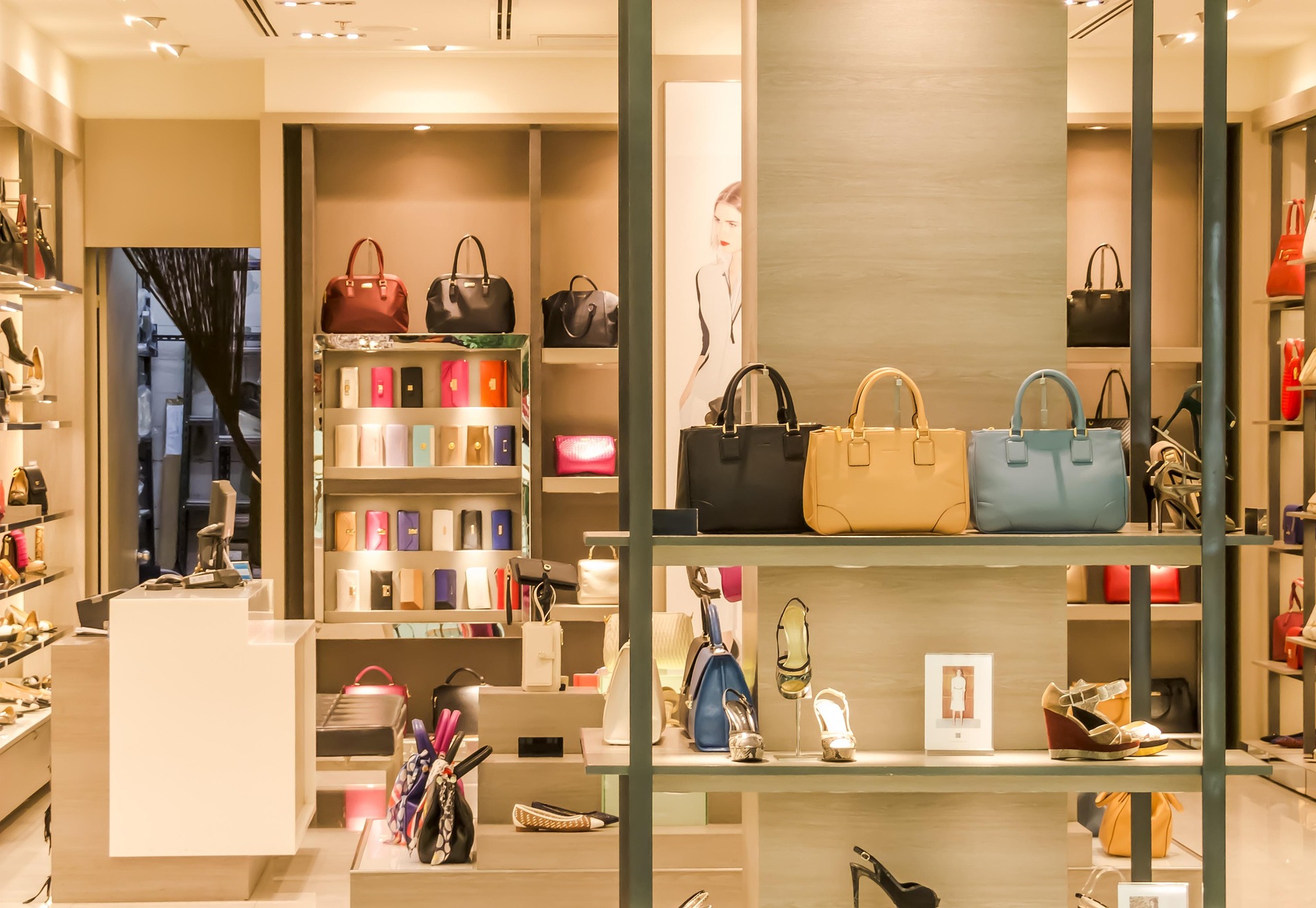
The South American nation is considering the implementation of another tax-free zone in Argentina, this time targeting retail consumption.
The aim is to encourage shopping, tourism, and commerce in the Argentine interior.
Under the proposed initiative, which is still under discussion by government officials, imported products would be allowed to be sold in certain areas at a reduced tax rate, lowering their final price for consumers.
These types of projects have been implemented around the world and are usually referred to as “duty-free stores” or “tax-free commercial areas.”
“There are many countries that have sought to attract tourism and consumption by creating commercial areas where taxes are reduced,” said one official regarding the proposal.
Improving Consumption through a Tax-Free Zone in Argentina
The officials leading the project are considering it as part of a series of economic measures that seek to:
- Stimulate consumption
- Become more competitive vs neighboring countries
- Attract shoppers and tourists
- Bring forward private investment
As such, the idea behind a tax-free zone in Argentina is tied to broader efforts to liberalize commerce and encourage consumerism.
Tax-Free Zones Explained
A tax-free zone is an area within a country where goods can be imported with few or no customs or tax-related obligations.
These areas, sometimes known as free trade zones or duty-free areas, allow for:
- The tax-free importation of goods
- The reduction or exemption of certain taxes for retailers
- Special regulatory and logistical treatment for businesses
Originally, tax-free zones were established to promote industrial development and exports. Some still function under these rules.
Free trade zones became popular in the middle of the 20th century as countries sought to attract foreign investment.
In recent years, nations have been using these areas to promote consumption. The goal is to develop a shopping destination akin to duty-free outlets found in tourist areas and international airports.
Such areas are now common in Latin America. In Argentina, tax-free zones have been used mostly to promote industrial activity and exports.
Attracting Tourists and Domestic Consumers
Another goal of the proposed retail tax-free zone is to attract Argentines who currently travel abroad to shop.
Cross-border shopping is common in Argentina, especially in provinces that border countries such as Brazil and Uruguay.
By lowering tax rates on retail goods to those encountered in nearby countries, it is hoped that domestic shoppers will begin shopping in Argentina rather than abroad.
“The project seeks to keep domestic consumption inside the country while also attracting foreign visitors,” said an official.
Jurisdictions around the world use tax-free shopping as a means to both keep consumers from shopping abroad and attract foreign tourists.
Tourists can spend their money domestically while taking advantage of well-known brands at lower prices.
Argentina Already Has Tax-Free Areas
Argentina isn’t starting from scratch when it comes to tax-free areas.
The country currently hosts at least two free trade zones. These areas are spread across multiple provinces and have been set up to promote:
- Industrial development
- Exports
- Logistics activity
Free trade zones allow businesses to import raw materials and merchandise without paying customs duties, as long as they follow rules associated with exporting or producing goods.
Likewise, Argentina previously launched duty-free shopping complexes for tourists. The most well-known is located in the country’s Patagonia region.
The shopping mall includes:
- Electronics stores
- Clothing retailers
- Beauty shops
- Furniture outlets
- Among others
As Argentine consumers have changed the way they shop, visiting malls in Argentina is no longer the only option.
E-commerce has boomed in Argentina in recent years, with many shoppers visiting international online stores.
Shoppers can now purchase goods from other countries without leaving their homes, a convenience that has had some domestic retailers crying foul.
Both examples provide key lessons for the proposed tax-free zone.
Regional Developments and Changing Consumption Habits
While cross-border shopping is nothing new in Argentina, something that is fairly new is online shopping from international markets.
Here are three key trends that have affected the retail landscape over the last decade:
- The explosion of e-commerce in Argentina
- The rise of international e-commerce
- New policies that made it easier for Argentines to purchase goods from other countries
Thanks to these factors, many Argentine consumers are now shopping online from other countries.
With that in mind, officials are looking to create a zone that could provide the domestic market with a fighting chance against foreign e-commerce.
How Could a Tax-Free Zone Benefit Argentina?
Retail tax-free zones have the potential to provide numerous benefits to the Argentine economy. These include:
- Encouraging private investment into shopping centers and supporting infrastructure
- Creating jobs within the tax-free zone in Argentina
- Fostering tourism development (hotels, restaurants, etc.)
- Developing commercial hubs outside of Argentina’s traditional strongholds
Tax-free zones can act as catalysts for growth that extend far beyond retail. In many cases, these projects help establish entirely new entertainment and services districts.
Policy Considerations
As with any tax incentive, tax-free zones are not without their downsides.
Risks include:
- Domestic industries being unable to compete with tax-free products
- Domestic retailers being unable to compete with international retailers that can sell within the tax-free zone
- Damage to the local tax base
- Fraud and other unwanted side-effects
For this reason, many governments implement stringent rules when creating these areas.
Policy could include:
- Limits on how much shoppers can purchase within the tax-free zone
- Limits on what types of products can be sold within the zone
- Strict surveillance to ensure that imported goods are not brought back into the country
- Monitoring the flow of goods into these types of zones will be critical to the tax-free zone’s success in Argentina.
Similar Projects Around the World
Argentina is not the first country to implement tax-free zones for retail.
Similar projects can be found all over the world in:
- Airports
- Tourist attractions
- Border towns
Outside of airports, one of the more common examples of tax-free zones can be seen in tourist destinations.
Airport duty-free shops are some of the most recognizable tax-free areas in the world. These stores allow travelers to shop before they leave the country without paying certain taxes.
Over time, this concept has been expanded to include shopping malls in tourist destinations. Tourists can spend their money within the country while receiving discounts on certain goods and brands.
How Will Argentina’s Tax-Free Zone Compare?
It remains to be seen if Argentina will implement a tax-free zone.
If the country decides to implement another tax-free zone in Argentina, it has the potential to create a new retail destination for tourists and Argentine shoppers.
Another tax-free zone in Argentina could:
- Increase tourism
- Spur private sector investment
- Create employment
- Foster regional development
Much of the tax-free zone’s success will depend on how it is implemented.
Some of the factors that will determine its success include:
- How goods can be purchased within the tax-free zone
- Infrastructure and logistical support for businesses within the zone
- Its competitiveness compared to shopping in other countries
Online shopping is continuing to change the way we consume goods. As a result, traditional shopping districts must evolve in order to stay relevant.
Tax-free zones provide one method that countries can use to lure consumers.