+1 (520) 780-6269 investment@latamfdi.com
Agribusiness Investment in El Salvador

Agribusiness Investment in El Salvador

Christian Navas
Investment Attraction Specialist
Invest in El Salvador
cnavas@investinelsalvador.gob.sv

LATAM FDI: Welcome to another LATAM FDI podcast. Today, we’re pleased to have Christian Navas with us. He’s an investment attraction specialist with Invest in El Salvador. Today, we are going to discuss agribusiness investment in El Salvador. I’ll let Christian introduce himself and tell us a little bit about his organization.

Christian Navas: Thank you, Steven. First, I appreciate you inviting me to speak about the opportunities that El Salvador offers foreign investors interested in the country. I work for Invest in El Salvador, which is an investment agency of the government that promotes investments in different sectors of the economy. The country has a roadmap and has different sectors that are the main interest to promote for various reasons. I work to facilitate things for people interested in learning more about the country’s companies, private investors, and executives. I also facilitate information services, investments, and the installation of their companies in El Salvador. My area of concentration is agribusiness investment in El Salvador.

LATAM FDI: Thank you very much for that introduction. Today, we will talk about the agribusiness investment in El Salvador. And the first question I’d like to ask has to do with some recent developments. There’s been a lot of news lately about the security situation having improved in El Salvador. What has happened concerning land that was previously inaccessible because of security concerns? Is there now more land open and available for agribusiness activities and purposes?

Christian Navas: Yes, actually, in the past, we have had a civil war. This caused a lot of immigration from rural and countryside areas to the United States or other countries. We lost a lot of agricultural labor that used to work in the fields. After the war ended, we had a problem regarding gangs. These gangs were scattered around the countryside and all these lands outside the urban areas. So, this caused us another problem. The people who used to work on this land could not do so for many reasons. One of them was homicides that were happening in the rural areas. There were other criminal activities as well. Since El Salvador has dramatically improved its security situation in the last two years, we have seen people returning to the land and the countryside to work. We’ve seen a lot of people coming from the United States, Salvadorans who used to live in the United States, returning to El Salvador to invest in the lands they used to occupy. We see that all these properties are becoming activated again. We also see many properties, actually large, that have excellent characteristics and feature the cultivation of different crops. Agribusiness investment in El Salvador is on the rise.

The land is now available for cultivation and has not been appropriately worked in almost 30 years. So, there are a lot of advantages to that. A company or investors can see the opportunity to harvest different fruits and different vegetables. They will find a very fertile opportunity for agribusiness investment in El Salvador.

LATAM FDI: You may have a renaissance in the agricultural sector in El Salvador because of this.

Christian Navas: Yes.

LATAM FDI: What legal changes have been implemented by El Salvador recently to promote entrepreneurial agriculture, food processing in free trade zones, and also for the rapid exportation of agricultural products?

Christian Nava: El Salvador has identified that for many years, food security is one of the main problems the country has faced. We used to import almost 80% of the food that we needed for the citizens of El Salvador. That is a very large number. The government is promoting agribusiness investment in El Salvador, specifically through institutions. We now have an Agriculture Ministry that is working actively to facilitate processes and to facilitate permits. In that way, companies and private individuals can harvest their crops more efficiently and faster to secure the food for the Salvadoran population and export. However, the law’s main benefit is that it affects food manufacturing. In the past month, there has been a change in the Free Trade Zones Law that now allows companies to manufacture and process food in FTZs for export free of taxes. This means that there is an opportunity for foreign companies to make an agribusiness investment in El Salvador. They can export their products to other high-value markets, such as the United States.

We have many foreign trade zones around the country where these companies can come here and work like a plug-and-play or a one-stop shop. They can resolve many of their problems regarding production. Since we are promoting agriculture to attract business from these companies, we have all the inputs they need to manufacture their products. Additionally, El Salvador is increasing its efficiencies concerning borders and exportation. In that way, companies can export their products faster, and we speed up the permitting process to initiate their agribusiness investment in El Salvador. We have excellent connectivity regarding roads, ports, and airports. In that way, we can help companies be faster and achieve more financial efficiency, not only because of the law but also because of our improved logistics infrastructure.

LATAM FDI: You mentioned roads. I understand that El Salvador is taking some actions to improve its road infrastructure. Please give us more details on that and how it applies to the agribusiness investment in El Salvador.

Christian Navas: Yes, El Salvador is interested in becoming a logistic hub for the region. We have a great geographical position in the Americas since we are almost practically in the middle of the hemisphere. Because of this, El Salvador is investing a lot in roads and, in the following years, in a railroad. In that way, goods can move faster inside the country and throughout the region. We’re also investing in ports and airports in different areas, from storage to logistics, in trucks, boats, and airplanes. We are attracting companies that can operate these diverse modes of transportation. But yes, in that way, El Salvador is investing in the infrastructure needed to develop the country’s agribusiness sector.

I invite people to come to El Salvador to see firsthand how our roads are excellent. It’s hard to believe what these roads were like in the past. Now it’s really good to see the excellent condition that they are in. But yes, in infrastructure, we are growing fast and improving measurably.

LATAM FDI: I also heard that the government is incentivizing research and development of the agribusiness sector. What opportunities does this present for technology-based agribusiness investment in El Salvador?

Christian Navas: El Salvador has recently approved the Innovation and Technology Law, which promotes companies interested in having research centers or labs here in El Salvador. They can take advantage of significant tax incentives. The new law also includes the agribusiness sector. Because of the generous provisions of this legislation, investors might see El Salvador as an opportunity to invest in a research center. Since we have the conditions, we have great weather. We have water resources. We have people with technology degrees and engineers who will be an opportunity for companies to start businesses or establish their research centers here in El Salvador.

LATAM FDI: Given all the positive changes that are happening in agribusiness investment in El Salvador, what is the outlook for the sector in the coming years? And what things make El Salvador a strategic, long-term investment opportunity for people from outside your country?

Christian Navas: From my point of view, I see the agriculture and the agribusiness sector as a whole, as a blue and open ocean. The agribusiness sector has been a challenge for many years because of all the insecurity and uncoordinated institutions. Companies were still determining the perks and benefits of making an agribusiness investment in El Salvador. But now things are changing, and we see that we lack a lot of businesses here to develop this industry or to develop this sector specifically. Because of this, potential investors will see this as a blue ocean opportunity since many lands are not properly cultivated. Much of our best land has not been exploited in almost 50 years.

Additionally, we have excellent conditions for shrimp. We have great conditions for different species of fish. We have great lands with different microclimates that have yet to be appropriately produced. We are good at cultivating coffee,  especially specialty coffee. We are good at producing cacao for chocolate and many other fruits in the region.

We have free trade zones and industrial complexes that manufacture food with excellent human resources. Already, companies can see the advantages of exporting to the region. We’re close to the United States. We’re close to Mexico and to South America, as well. There are opportunities to make an agribusiness in El Salvador for companies in South America that want to have their plants in El Salvador to export their products more efficiently to Miami, New York City, New York, and Los Angeles. A company that knows the roadmap for development in the agribusiness sector will find a lot of benefits and profits in investing in El Salvador.

LATAM FDI: Well, as is the case with most of our podcasts, our listeners have questions after listening to the information that our speakers have presented. And I’m sure that’ll be the case with this podcast. So Christian, how would they do that if somebody wants to contact you with questions?

Christian Navas: Great. First, I recommend going to the website of Invest in El Salvador, which www.investinelsalvador.gob.sv. There, you will find information on how to invest in El Salvador. There is a section for companies interested in making an agribusiness investment in El Salvador. There, you will find my personal and professional information to be contacted. Also, if someone wants to email me with questions or inquiries, they can send them to me at cnavas@investinelsalvador.gob.sv. They can find me by accessing my LinkedIn profile.

LATAM FDI: Yes, that’s good. We’ll make it easy for people to access what you just mentioned, and we’ll put links in the transcript section on the podcast’s page. We’ll make sure that anybody with any questions can communicate with you in a very efficient way.

Christian Navas: I will be more than pleased to resolve any doubt or question. We invite any investors and companies in the agribusiness sector interested in investing in El Salvador to contact me and learn more about the opportunities for agribusiness investment in El Salvador.

LATAM FDI: Well, thank you very much for being here today. What you had to say was very interesting, and I’m sure we’ll have you back to talk about more things in the future and hear about the successes that you’ve had.

Christian Navas: Thank you. I appreciate it.


The Paraguayan export maquiladora industry is booming

The Paraguayan export maquiladora industry is booming

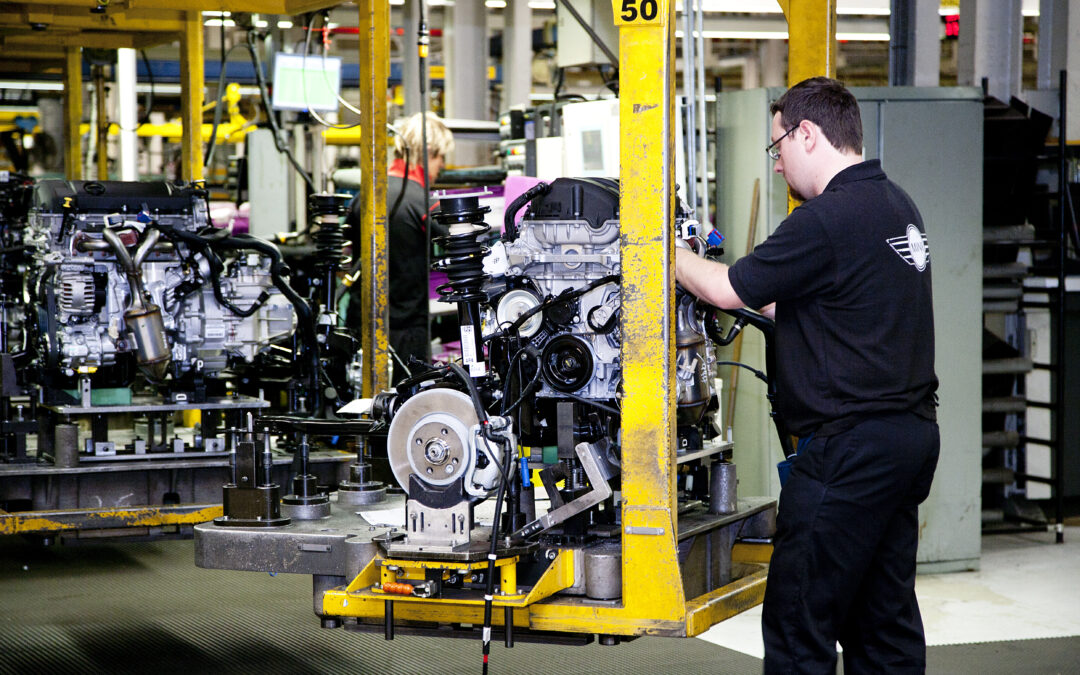
The Paraguayan export maquiladora industry continues with its positive trajectory: its exports are almost double those of last year, and its purchases of inputs for production have increased by 75%.

The jobs generated by the 227 manufacturing plants in the sector already exceed pre-pandemic levels, according to data provided by the Ministry of Industry and Commerce.

The maquiladora industry is an asset to Paraguay’s economy

Since its inception, the Paraguayan export maquiladora industry has proven to be a valuable tool to support the development of Paraguay’s national economy. Currently, more than 220 manufacturing plants operate under the country’s maquiladora regime, generating jobs for thousands of Paraguayans and substantial income for the country.

It is essential to mention that the maquila regime produces goods and provides services, offering preferential conditions to investors to increase their competitiveness considerably.

Since it entered into force in 2003, the importance of the Paraguayan export maquiladora industry has grown year after year, and exports under this regime have experienced an increase compared to the total exported by the country.

In 2003, the maquiladora regime represented only 0.3% of the country’s total exports, and in 2021, this figure reached 7.7%, thus confirming the measurable growth of this sector.

The accumulated export of the Paraguayan maquiladora industry at the end of last August 2023 was USD 561 million, and it is expected to reach a record level of export under this regime by the end of the year, reaching approximately USD 850 million to USD 900 million. This figure would represent around 8% of the total value exported by Paraguay.

The figure registered in the eighth month of this year represents an increase of 90% compared to the same period last year, which was USD 295 million, according to the National Council of Maquiladora Export Industries (CNIME) statistical report.

Likewise, exports in August alone total goods shipped by the Paraguayan export maquiladora industry reached USD 67 million. This represents a growth of 43% compared to 2020 and 34% compared to 2019.

Regarding the destinations of goods shipped abroad by the Paraguayan export maquiladora industry, 90% were sent to countries of the Southern Common Market (Mercosur). Specifically, Brazil’s participation represents 79%, followed by Argentina (with 9%) and Chile (2.9%). Likewise, the United States participates in 2.7%, Uruguay at 2.4%, and Ecuador at 0.8%.

87% of exports are concentrated in five items: auto parts, clothing and textiles, aluminum and its manufactures, food products and plastics and its manufactures.

In the auto parts sector, exports this year amounted to USD 155.9 million, with this item having a 28% share. For their part, clothing and textiles were exported for USD 98.9 million; aluminum and its manufactures for USD 84.7 million; food products for USD 79.8 million; and plastics and their manufactures, for USD 67.4 million.

Other sectors that also work under the Paraguayan export maquiladora regime are pharmaceutical products, pet food, various manufacturing, leather, footwear and their components, tobacco, wood,  and metallurgical products.

Import of inputs for the Paraguayan export maquiladora industry

Regarding the import of inputs for the production of goods, this figure has increased by 75% compared to the January-August period of last year.

As of August 2023, purchases of inputs for use in Paraguay’s maquiladora industry had already reached USD 360 million, a figure much higher than last year, which reached USD 206 million, and that of 2019, which was USD 266 million.

In August alone, input purchases were worth USD 42 million, registering a growth of 69% compared to the same month in the last year (2022), which was USD 25 million.

With these results, the trade balance of the Paraguayan export maquiladora industry registers a surplus of USD 201 million. It represents an improvement of 89% compared to the same months of the previous year.

Employment in the maquiladora industry

Regarding employment, there has been a significant recovery. In this sense, in Paraguay, 227 maquiladora manufacturing firms generate 21,261 jobs, of which 92% (19,4560) are dedicated exclusively to products for export.

It is worth mentioning that this sector was also hit hard in recent years due to the COVID-19 pandemic, and as of April 2020, the number of people employed had been reduced to 15,153.

However, the number of people employed in Paraguay’s maquiladoras has already returned to the same levels recorded in previous years and has even exceeded them. The employment generated by the Paraguayan export maquiladora industry is mainly concentrated in sectors that require high levels of worker skill.

A sector with a lot of growth potential

Francisco Ruíz Díaz, Executive Secretary of the CNIME, said that the positive activity that this sector is experiencing is due to several factors, such as a favorable international scenario, a greater number of maquiladora companies, and the macroeconomic stability that Paraguay enjoys.

Ruíz Díaz also highlighted the excellent and rapid recovery that the sector has had. “We thought that the recovery would take a little longer, perhaps in two years,” he said, highlighting that the figures currently being registered are significantly above historical levels.

The future growth of the Paraguayan export maquiladora industry holds profound significance for the country’s economy, encompassing multifaceted benefits that extend across various sectors. At its core, the maquiladora industry has emerged as a linchpin for economic development, catalyzing increased employment, foreign exchange earnings, and overall industrial progress. As the global economy becomes increasingly interconnected, Paraguay’s strategic positioning within the maquiladora landscape provides a gateway to international markets, fostering trade relationships and attracting foreign direct investment.

Determining where to invest in Latin America in 2024

Determining where to invest in Latin America in 2024

In the year 2024, various factors such as nearshoring, the energy transition, and the institutionality of the markets could influence the decision of where to invest in Latin America and the Caribbean.

According to experts, Chile, Mexico, and Brazil are attractive countries to invest in Latin America in 2024. Investors will pay special attention to the competitiveness indicators of each market, which offer an overview of the business climate.

What are the factors in deciding which countries are more economically attractive?

As the region’s leading economies control inflation and monetary policy becomes more flexible, a renewed outlook is expected in 2024. However, investment could be affected by an economic slowdown and different political cycles.

In 2024, central banks in developed markets will face crucial decisions about keeping rates high or cutting them. Persistent inflation and the impact on corporate results will be critical factors in deciding where to invest in Latin America.

Valuation of currencies in Latin America

During the current year (2023), the Colombian peso (18.71%) and the Mexican peso (13.74%) are the Latin American currencies that have appreciated the most against the US dollar. Falling inflation and interest rates in the region could drive future value in the fixed-income market.

Institutional stability and trust

Despite the economic slowdown, investors will continue to look for markets with strong institutions and stable rules. Confidence in the strength of institutions and security will be determining factors in decisions of which countries to invest in Latin America.

Mergers and acquisitions market

M&A activity reflects the markets that attract the most capital in Latin America. Brazil, Chile, and Colombia lead these transactions, especially in the energy, agriculture, and manufacturing sectors.

Looking to the future

In 2024, investment in Latin America and the Caribbean will focus on structural megatrends such as geopolitical reordering and energy transition. The evolution of the global economy, central bank decisions, and political processes will also influence the investment outlook in the region.

Variables to consider when deciding where to invest in Latin America

Latin America, a region marked by diverse cultures, vibrant economies, and a wealth of natural resources, has become an increasingly attractive destination for investors seeking growth opportunities. However, success hinges on a nuanced understanding of the variables, like any investment decision. In this blog post, we will explore the key factors to consider when deciding where to invest in Latin America.

Economic Stability and Growth Prospects

Before diving into specific countries, it’s crucial to assess the overall economic stability of the region. Evaluate the GDP growth, inflation rates, and fiscal policies. Countries with a stable economic environment and a positive growth outlook are generally more attractive to investors. Brazil, Mexico, and Chile are often considered strong contenders in this regard.

Political Landscape

Political stability is paramount for sustained economic growth and investor confidence. Evaluate the political climate of potential investment destinations. Countries with transparent governance, effective institutions, and a history of political stability provide a more secure environment for investment. Conversely, political instability can lead to uncertainties that may adversely affect your investment.

Legal and Regulatory Framework

Understanding the legal and regulatory environment is crucial for navigating the complexities of foreign investment. Examine property rights, contract enforcement, and ease of doing business. Look for countries with investor-friendly policies, intellectual property protection, and a transparent legal system. Countries like Colombia and Peru have made strides in creating favorable business environments.

Infrastructure and Connectivity

Infrastructure plays a pivotal role in economic development. Assess the quality of transportation, energy, and communication networks in potential investment destinations. Countries with well-developed infrastructure are not only more accessible but also provide a solid foundation for business operations. For instance, Chile boasts a robust infrastructure network that supports various industries.

Market Size and Demographics

Consider the size and demographics of the market you are targeting. A large and growing population can signify a substantial consumer base, while demographic trends can provide insights into future market demands. As the most populous country in Latin America, Brazil offers a vast consumer market, making it an attractive investment destination.

Sector-Specific Opportunities

Different countries in Latin America excel in various industries. Tailor your investment strategy to align with the strengths of each nation. For instance, Mexico has positioned itself as a manufacturing hub, while countries like Argentina and Brazil have vital agricultural sectors. Understanding sector-specific opportunities will help you make informed investment decisions.

Risk Management and Cultural Understanding

Investing in a foreign market involves inherent risks, including currency fluctuations, geopolitical tensions, and cultural differences. Implement robust risk management strategies and ensure your team possesses cultural awareness. Building local partnerships and understanding the nuances of business culture can mitigate potential challenges and enhance your chances of success.

Deciding where to invest in Latin America requires a comprehensive economic, political, legal, and cultural analysis. Each country presents a unique set of opportunities and challenges. By carefully evaluating these variables, investors can identify the most suitable markets that align with their goals and risk tolerance. With the right approach, Latin America can be a rewarding destination for those seeking to capitalize on its dynamic and evolving economies.

The presidents of Mercosur achieved agreements on information exchange, cybersecurity, and energy

The presidents of Mercosur achieved agreements on information exchange, cybersecurity, and energy

After the LXII Summit of Mercosur was held in the city of Puerto Iguazú, Argentina, in early July 2023, the presidents of Mercosur, Alberto Ángel Fernández, for the Argentine Republic; Luis Inácio Lula da Silva, for the Federative Republic of Brazil and Mario Abdo Benítez, for the Republic of Paraguay, prepared a statement to detail the agreements reached during the multilateral meetings.

“The Presidents of Mercosur renewed the group’s commitment to strengthening democracy, the rule of law, and respect for human rights. They also highlighted the importance of the bloc’s economic, commercial, social, and cultural agenda for the benefit of its citizens and citizens. In turn, they agreed on the need to open a space for political reflection on the modernization of the bloc. This includes strengthening the internal agenda for greater integration of their economies, as well as the strategy of international insertion on a consensual basis. The presidents of Mercosur also expressed solidarity to face the challenges of a world scenario in transformation. These changes are affected by significant alterations in the map of supply chains and production and employment,” the joint statement begins.

The agreements reached by the presidents of Mercosur in 2023

Review of the Mercosur Regime of Origin

The presidents of Mercosur welcomed the approval of the review and update of the Mercosur Regime of Origin (ROM), an essential instrument for the integration of the productive sectors of the States Parties, which is modernized to simplify the rules and adapt them to the reality of international trade.

Customs matters and trade facilitation

The participants highlighted the importance of the “Technical Study on the State and Situation of the Level of Integration of the Mercosur Integrated Control Areas.” They expressed willingness to resolve the difficulties identified to strengthen regional infrastructure and facilitate trade.

The presidents of Mercosur highlighted the preparation of the “Mercosur Customs Information Exchange Procedures Manual” and the updating of the “Mercosur Customs Information Exchange Form,” tools that will contribute to the improvement of actions for the prevention of illicit Customs actions in the States Parties.

Defense of Competition

The heads of state welcomed the resumption of the work of Technical Committee No. 5, “Defense of Competition.” They highlighted the consensus reached in the Work Program that will promote regional cooperation and the culture of competition among the bloc countries.

Consumer Defense

The presidents of Mercosur highlighted the approval of regional regulations that determine the characteristics and procedures for providing information on consumer complaints in each State Party of Mercosur, whose analysis will constitute an input for adopting adequate consumer protection policies in the region.

The participants celebrated the progress in the work for the adoption of the “Cooperation Mechanism between National Consumer Protection Authorities of the States Parties to Mercosur for the Supervision of Compliance with Consumer Protection Regulations,”  an instrument that will facilitate the operation of administrative cooperation for more agile and effective supervision of compliance with the rules.

They highlighted the joint activity of Technical Committee No. 7, “Consumer Defense,” with Working Subgroup No. 6, “Environment,” which made it possible to achieve substantive progress in the process of preparing the “Guide to Good Practices on Sustainable Consumption.”

Foreign Trade Statistics

The heads of state highlighted the conversations aimed at improving the functioning of the Mercosur Foreign Trade Statistics System (SECEM). They reaffirmed the need to continue strengthening its technological infrastructure to improve the availability of Mercosur foreign trade statistical information, both for its character as a tool for analyzing commercial flows and its usefulness for commercial operators and interested third parties.

Services

The participants in the event took note of the progress, during this semester, in the work for the prompt conclusion of the VIII Round of Negotiations of Specific Commitments in Services and highlighted the importance of advancing the liberalization of trade in services to deepen the integration of the economies of the region and more significant insertion in global trade in services.

Sugar sector

They highlighted the continuity of the work in the Sugar Sector Ad Hoc Group to define the objectives and terms of reference of a study on the current context of the sugar sector and related industries in Mercosur. This was done to suggest alternatives to promote its better use and facilitate access to extra-regional markets.

Regulatory issues

The presidents of Mercosur highlighted the presentation of a first proposal to develop guidelines for reviewing the regulatory framework of Working Subgroup No. 3, “Technical Regulations and Conformity Assessment Procedures,” which aims to perfect the process of regulatory harmonization between the State’s Parties.

They went on to highlight the importance of continuing the work of the Ad Hoc Group on Regulatory Issues (GAHTR). They recognized the relevance of transparent and consistent regulatory practices to obtain regulatory results that seek to avoid unnecessary trade barriers and facilitate trade flows between countries in the region and outside the Mercosur economic bloc.

Mercosur Business Forum

The three heads of state highlighted the holding of the 10th Edition of the Mercosur Business Forum. This space promotes the participation of the private sector in the integration process, intending to improve coordination with the public sector.

In this context, the presidents of Mercosur took note of the activities that took place at the event:

  • “Women Entrepreneurs in Mercosur – Promoting business with regional expansion,” held on April 27, where Mercosur businesswomen presented specific proposals to promote the participation of women in the business world and the bloc’s international trade activities.
  • The Automotive Chapter: “Transition towards sustainable mobility,” held on June 7, made recommendations and proposals related to institutional aspects, supplier development, human resources, international insertion, internal market, and public-private relations.
  • The Health Sector Chapter: “Health manufacturing industry: towards regional self-sufficiency in the production of medical equipment,” was held on June 22, in which the conclusions and recommendations were announced to enhance the sector as an axis of trading bloc development.
  • The Audiovisual Chapter: “Towards greater regional integration of advertising services,” held on June 27 in virtual format, in which advertising agencies, producers, production companies, and artistic creatives from the region developed recommendations for greater integration of the sector within Mercosur.
  • The progress of the segment: “Biotechnological value chains: challenges for Mercosur.” Participants worked to identify the variables necessary to stimulate a regulatory environment favorable to regulatory convergence at the regional level in a strategic and innovative sector in the region.

Fund for the structural convergence of Mercosur (FOCEM)

The presidents of Mercosur reaffirmed that the Fund for the Structural Convergence of Mercosur (FOCEM) is a fundamental tool for overcoming existing asymmetries between the countries and regions of the bloc and strengthening the integration process.

In that sense, the heads of state positively recorded the receipt of Brazil’s contributions committed to the FOCEM in the current semester, which will enable the consideration of additional projects.

They also highlighted the approval of the project “Priority Works for Infrastructure Recovery of the Urquiza Line,” which will improve the transportation of railway cargo in Argentine Mesopotamia and its connection with the remaining States Parties.

Likewise, they took note of the approval of the project “Strengthening the regional institutions of Mercosur to face critical and emergency contexts (pandemic and post-pandemic) with public policies with a human rights perspective,” which will strengthen the bloc’s actions in matters of human rights; and the project “Modernization of the computer infrastructure of the Mercosur Secretariat and the Mercosur Web Portal,” which will improve the computer services available to the public.

Trade and sustainable development

The three heads of Mercosur states recognized the work being carried out by the Ad Hoc Group on Trade and Sustainable Development to fulfill its mandate.

In particular, it relates to valuing the contribution of trade to achieving sustainable development in its three dimensions, giving visibility to the policies carried out by the States Parties to promote sustainable development in their productive systems from a perspective of inclusion and social and environmental conservation. They identified measures and regulations adopted by third parties that could affect regional trade and sustainable development.

Environment

The presidents of Mercosur reaffirmed their decision to continue advancing in the implementation of policies aligned with the United Nations Framework Convention on Climate Change and its Paris Agreement, with the Convention on Biological Diversity and its Kunming-Montreal Global Framework, and with the Convention United Nations to Combat Desertification.

Likewise, they highlighted the need for fair, transparent, and agile financing mechanisms. They underlined the urgent need to capitalize on existing environmental and climate funds, with the expectation that the promises of resource mobilization to achieve the commitments of the Rio Conventions are honored, in line with the principle of Common but Differentiated Responsibilities. They also recognized, in turn, the need to have innovative financial mechanisms, such as the exchange of debt for environmental and climate action, payment for ecosystem services, the use of special drawing rights, and financial instruments such as bonds linked to sustainability.

Finally, they expressed their commitment to active participation and involvement to achieve a successful and inclusive legally binding instrument on plastic pollution.

Agriculture

They reiterated their commitment to move forward with determination in implementing the Sustainable Development Goals (SDGs) of the 2030 Agenda. They agreed that sustainability challenges must be addressed through concerted actions within the framework of multilateralism. This will be based on the principle of common but differentiated responsibilities and respective national capacities. In that sense, the presidents of Mercosur agreed that there is no single approach and that recipes and solutions must be adapted to local needs without leaving anyone behind. They also shared concern about the effects of new unilateral regulations by some countries and trading blocs that, far from solving environmental problems, could aggravate the global situation regarding food safety and cause adverse effects on international trade.

Digital Agenda

The heads of state welcomed the progress in the negotiation of a “Mercosur Cybersecurity Cooperation Agreement,” which will serve to improve the coordination, response, and collaboration of the national authorities of the States Parties to the malicious use of cyberspace to maintain open, secure, stable, accessible, peaceful and interoperable access to the cyber environment.

Physical infrastructure

They highlighted the progress in Working Subgroup No. 14, “Physical Infrastructure,” with a view to the coordination of priority infrastructure projects

for physical integration and the promotion of works that promote productive and logistical integration in Mercosur. In this sense, the three presidents highlighted the proposals for the creation of a Commission on Bioceanic Corridors to have a space for exchange on the different bioceanic corridors existing in Mercosur and the Associated States, as well as a Mercosur Physical Infrastructure Project Bank, to identify priority projects and analyze possible sources for their financing.

Energy

The presidents highlighted the work of Working Subgroup No. 9 “Energy” and the holding of the Meeting of Energy Ministers of Mercosur, in which they agreed on the importance of moving towards greater electrical interconnection and gas integration that allows the full use of the complementary resources of the countries of the region, the need for the energy transition process to be fair, inclusive and adapted to the reality of the Mercosur countries, and the importance of access to international financing. Likewise, they highlighted the advances in energy efficiency, sustainable mobility, incorporation of alternative energies, development of hydrogen, and the completion of new infrastructure works for energy production, transportation, and distribution. This intends to strengthen integration for the benefit of the people of the entire region.

They agreed on the importance of holding the Virtual Energy Integration Seminar: Natural Gas – Transition Fuel, in which the role of natural gas in the energy transition process of Mercosur, Bolivia, and Chile was analyzed. The States Parties of Argentina, Brazil, and Paraguay agreed that natural gas is a strategic fuel in the transition toward a cleaner energy matrix and a factor in integrating South American economies.

E-commerce

The presidents of Mercosur highlighted the importance of the resumption of the meetings of Working Subgroup No. 13, “Electronic Commerce.” In particular, they noted the shared interest in strengthening coordination as a contribution to the future development of guidelines for negotiations on electronic commerce with third countries or blocs and the project, under consideration of the States Parties, to promote digital trade.

They agreed on the importance of the ratification of the “Mercosur Electronic Commerce Agreement,” which establishes a legal framework that enshrines norms and principles related to electronic commerce in the Mercosur trading bloc.

Health

They recognized that the creation and strengthening of national and regional capacities for the development and production of inputs, medicines, and other essential health technologies is a critical element to improve market access and transparency and adequately respond to the needs of regional health, especially in times of pandemics, and that also contributes to health security and economic and social development.

They reaffirmed the relevance and strategic importance of continuing with Mercosur’s participation and active support in all the processes and initiatives coordinated by the World Health Organization (WHO) on prevention, preparation, and response to pandemics.

They celebrated the update of the “Mercosur Strategy on Climate Change and Health,” recognizing that “Climate change affects the health and well-being of people. It directly causes increases in the frequency and intensity of extreme meteorological events such as heat waves, droughts, and heavy rainfall, all with significant health impacts. On the other hand, it contributes to modifying distribution patterns and seasonality of infectious diseases transmitted by water or by vectors and zoonotic diseases. Likewise, climate change will put “the sustainability of health systems at risk if the environmental determinants of health are not seriously addressed, given that the fraction allocated to prevention in the global budget allocated to healthcare is very low (WHO, 2019).”

The presidents of Mercosur were pleased to have strengthened the “Health in Healthy Borders” strategy, initiating activities in surveillance, vaccination, services and HR, and pandemic preparedness and response. This proposal seeks to contribute to ensuring that the populations of border towns linked to Mercosur are safer and more integrated in health. To achieve this, it is considered essential to generate active exchanges of institutional capacities and competencies of the Mercosur countries themselves and take advantage of Mercosur institutions to guarantee the sustainability of the actions.

Seal of good design

The presidents of Mercosur agreed to advance actions that enhance design capabilities in Mercosur through a program that establishes and promotes the MERCOSUR GOOD DESIGN SEAL to strengthen innovation and insertion in international markets of small and medium-sized bloc companies.

The Importance of Mercosur

Mercosur, the Southern Common Market, holds significant importance for the economy of South America. Established in 1991, this regional trade bloc comprises Argentina, Brazil, Paraguay, Uruguay, and, more recently, Venezuela. The primary objective of Mercosur is to foster economic integration among its member countries, promoting the free movement of goods, services, and factors of production. This integration has led to increased trade within the region, creating a larger market for businesses and encouraging economic growth. By eliminating or reducing tariffs and trade barriers, Mercosur enhances the competitiveness of member nations on the global stage.

Furthermore, Mercosur is a platform for coordinated economic policies and joint initiatives, contributing to regional stability and development. The collective bargaining power of Mercosur enables its member countries to negotiate more favorable trade agreements with external partners, strengthening their position in the global economy.

The significance of Mercosur extends beyond trade to include social and political cooperation. The bloc promotes collaboration on issues such as infrastructure development, environmental protection, and education, fostering a sense of unity among South American nations. In a globalized world, where economic interdependence is crucial, Mercosur plays a pivotal role in shaping the economic landscape of South America and enhancing the region’s overall prosperity.

Uruguay XXI has launched a tool to facilitate contact between domestic companies and foreign investors

Uruguay XXI has launched a tool to facilitate contact between domestic companies and foreign investors

The prominent sectors are commerce, biotechnology, and information and communications technologies.

Intending to attract foreign investments, Uruguay XXI has launched a new digital portal in Spanish and English for its Project Portfolio. It is the first website that presents public and private opportunities in Uruguay to investors from abroad.

Uruguay XXI’s main objectives are promoting the country’s brand, exports, and investments. In that sense, the platform projects Uruguay’s positive attributes, such as superior quality of life, political stability, and fiscal discipline to attract investors. According to the project’s manager, Álvaro Brunini, it was the intention to link national companies and foreign investors that drove the idea of the project.

The platform’s primary purpose is to facilitate contact between companies and foreign investors through information provided by the  Uruguayan companies within the platform, which will then be provided to foreign businessmen to generate more private communication.

Foreign investments in Uruguay

Uruguay has an open economy where collaborative work between foreign investors and national private companies plays a fundamental role.

Due to an increased linkage between Uruguayan firms and sources of international capital, greenfield ” investments – in which a business is developed from scratch – have gained prominence in recent years. Acquisitions and mergers have also grown.

Regarding the origin of investments, this is led by the United States, Spain, Argentina, and Brazil. Uruguay XXI seeks to ensure that these exceed US$500,000.

On the other hand, Brunini highlighted the importance of the sectoral report on investment funds carried out by the Uruguay XXI in 2023, which positioned Uruguay as among the leaders in Latin America in attracting foreign direct investment.

The companies registered in XXI’s Portal

Brunini explained that 22 domestic Uruguayan companies are looking for foreign investors, and over 60 registered users have uploaded information. “We hope to exceed 70 projects before the end of the year,” he stressed.

Furthermore, Álvaro Brunini maintained that, although the initiative targets all sectors of activity, biotechnology, commerce, and information technology startups predominate.

Project expectations

Brunini said that the project’s objective is to generate the first links and interactions between companies and investors, which is expected to continue to increase in the coming months.

“There is a strengthening of private capital that will contribute to boosting these investments,” said Brunini, adding that this also favors local enterprises.

Following the creation of the portal, Uruguay XXI launched a promotional campaign. To access the registry, companies must enter the agency’s website.

Foreign investment is fundamentally important

Foreign Direct Investment (FDI) plays a pivotal role in sustaining and enhancing the economic health of Uruguay, a small but resourceful South American nation. Uruguay has historically been open to foreign investments, and this approach has yielded multifaceted benefits for the country. Firstly, FDI injects crucial capital into the Uruguayan economy, facilitating the development of various sectors such as infrastructure, technology, and manufacturing. This influx of capital helps bridge funding gaps, allowing the government to undertake ambitious projects that contribute to economic growth and job creation. Moreover, FDI brings with it not only financial resources but also technology and expertise. Foreign investors often introduce advanced technologies and management practices that foster innovation and efficiency in local industries. This technological transfer enhances the competitiveness of Uruguayan businesses on a global scale, positioning them for sustainable growth in the long term.

In addition to economic advancements, FDI contributes significantly to job creation in Uruguay. As foreign companies establish or expand their operations in the country, they generate employment opportunities for the local workforce. This is particularly crucial for a nation like Uruguay, where a thriving job market is essential for social stability and individual prosperity. The creation of employment opportunities, in turn, reduces unemployment rates and enhances the standard of living for the population. Moreover, the diversification of industries spurred by foreign investments ensures a broad spectrum of job opportunities, ranging from skilled technical positions to unskilled labor, catering to a diverse workforce.

Furthermore, FDI serves as a catalyst for international trade by integrating Uruguayan businesses into global value chains. Foreign investors often connect local businesses with their global networks, providing access to new markets and fostering export-oriented growth. Uruguay XXI’s new investment portal seeks to increase this dynamic. This integration expands the market reach for Uruguayan products and exposes local businesses to international best practices, quality standards, and consumer preferences. This exposure enhances the adaptability and resilience of Uruguayan industries, making them better equipped to navigate the complexities of the global economy.

In conclusion, foreign direct investment is critically important to the health of the Uruguayan economy due to its multifaceted contributions. Beyond the immediate financial injections, FDI brings technological advancements, managerial expertise, job opportunities, and international market access. Embracing foreign investments accelerates economic growth and positions Uruguay as a competitive player in the global marketplace, ensuring a sustainable and prosperous future for the nation. Uruguay XXI’s efforts to promote the country’s brand, exports, and investments through its new portal will play a positive role in helping the South American nation capture a more significant share of foreign direct investment.