+1 (520) 780-6269 investment@latamfdi.com
The mining industry in Chile: Trends and economic contribution

The mining industry in Chile: Trends and economic contribution

Industries have faced many challenges during the last two years. Among these, the latest trends are related to the so-called energy crisis, the conflict between Russia and Ukraine, elevated global inflation, and the tightening of monetary policy that has slowed economic growth.

However, mining is one industry with the best know-how to adapt to changes. The mining industry in Chile is an example of this, thanks to factors such as resilience, adaptation, and exploitation of its main product, copper.

Despite a significant price swing, the price of copper has held up well. It is currently trading around USD 4.1 a pound. This price is supported by very low inventories and increasing supply disruptions. In this context, the mining industry in Chile continues to generate comparatively strong cash flow, which Fitch Ratings expects to remain at similar levels towards the end of 2023.

This vision is shared by institutions such as the National Mining Society ( Sonami ), which predicted growth in the sector between 6 and 7%, with a copper production close to 5,700,000 tons.

Undoubtedly, the mining industry in Chile is experiencing an important reality, which must be strengthened with the best talent, a vision of growth, and strategic allies that help strengthen the value chain through liquidity.

The mining industry in Chile’s approach for 2023

According to data from the Chilean Ministry of Mining, the current mining portfolio consists of 51 projects, which implies investments of the order of US$68 billion.

Data like this make us understand even more why mining is essential for the development of Chile; it significantly contributes about 12% of gross domestic product (GDP), 60% of exports, and 20% of the country’s tax revenue.

That data is encouraging, but there are other things the mining industry in Chile is doing to ensure growth. The mining sector in Chile seeks to promote “green hydrogen” during 2023. This effort is currently limited to pilot projects for autonomous machinery but is showing excellent prospects.

Note: Green hydrogen refers to hydrogen obtained through the use of renewable energy in its production, which makes it a clean, sustainable fuel with a zero pollution index that can be key not only as an energy vector but also as a material.

Currently, the exploitation of this resource identifies a potential of more than 1,800GW for renewable energy generation in the country. According to the Chilean hydrogen association, this figure represents 70 times more than the current capacity. This approach points directly to 2030 when the sector expects the green hydrogen market to reach more than US$30 billion annually in Chile.

Along with the use of best practices, mining concessions constitute another vital topic for the sector this year. Currently, the mining industry in Chile operates under annual payments for the right to explore and/or exploit minerals; Although these rates are low compared to other countries and some concessions are indefinite, it is a reality that the model has not been able to encourage the exploitation of mineral resources as much as is desired.

The idea is to improve practices towards more environmentally friendly exploitation so that companies can respond to responsibility criteria that help enhance the eligibility of scalable projects.

Another major project seeking consolidation in 2023 is the use of technology focused on making processes more efficient and the consequent savings attractive to any investor. An example is the Chilean mining companies that are already beginning to use, for example, automated drillers in the mines, which reduce the excavation costs per ton by approximately 30%.

Undoubtedly, this year’s focus is to recover the rhythm lost during 2020-21, but with a view to a more environmentally responsible industry made stronger by Chile’s best talent.

The labor force is critical to the growth of the sector

The mining industry in Chile views the workforce based on a nine-year plan: 2021-2030. The idea is to compare what is currently available against what is expected to be required in 2030.

From this perspective, the estimates for 2030 suggest that companies will have to attract more than 25,000 workers due to the combination of retirements and the creation of new jobs.

On the current distribution of talent, the Chilean Mining Skills Council (CCM) details in its study “Workforce of the Chilean Large Mining Industry 2014-23” that the most significant demand for human capital is in mechanical engineers, electrical engineers, and equipment operators (mobile and fixed), which as a whole represent an accumulated demand of around 18,472 workers. This figure is equivalent to 73% of the total.

Another relevant fact about the labor force in the mining industry in Chile is that, although during 2021, a slight contraction was observed in the proportion of workers residing in the same region where they are employed, the local labor force continues to predominate, representing close to 73 % from the workers. It should be noted that in 2020 the mining industry increased local hiring by more than six percentage points compared to 2018, a difference that rises to 15.7 points in the case of supplier companies.

Today, local employment already appears as a highly relevant factor for obtaining the social license to operate mining operations, and it turned out to be a critical factor in maintaining operational continuity during mobility restrictions resulting from the COVID-19 pandemic.

Participation of women in the mining industry in Chile

Something to highlight within the mining industry in Chile is that although mining has been seen as a job almost exclusively for men, little by little, the gender gap in the sector has decreased.

According to the CCM, 91% of the companies in the sector in Chile indicate as a priority having policies aimed at promoting the participation of women. In comparison, 52% already have explicit goals for hiring females over the next five years.

The results of these policies are already beginning to be felt. For the first time in the decade, the participation of women in the industry exceeds 10% at a general level, while this reaches 6.4% in the industry’s main value chain.

Regarding this last point, it is essential to point out that development strategies are being formulated that make it possible to increase female participation in the industry and have more women in decision-making positions. Efforts are also being made to ensure more young women are interested in studying careers related to the mining industry in Chile.

Growth and liquidity of mining companies

One of the main problems that the mining industry in Chile must face is the constant need for suppliers of working capital to develop projects. The long terms of approval and cancellation of delivered work (up to 120 days) generate steady cash flow lags that weaken the sector financially.

Along with this, aspects such as price fluctuations and the need for expensive investments in infrastructure and technology put constant pressure on liquidity, putting the operation at risk and the life of any mining company.

For this, factoring, or advance payment of invoices, becomes a solution for financial challenges, the basis of any operation. The idea is to allow any company in the sector to obtain financing quickly and efficiently without compromising growth.

Factoring works in different ways, either as a secure source of financing with shorter response times than in other financial products or even strengthening the company-supplier by helping to manage payments to suppliers, allowing optimization of administrative and operational expenses. Factoring can effectively solve Chile’s mining industry’s cash flow challenges.

The mining industry holds significant importance for Chile, playing a crucial role in its economy and development. It has a central place in Chile’s economic and social fabric. Its contributions extend beyond the extraction of minerals, influencing various sectors and aspects of the nation’s development. The ongoing efforts to balance economic gains with environmental sustainability will likely shape the industry’s trajectory in Chile.

Get in touch with LATAM FDI with assistance in your foreign direct investment projects.
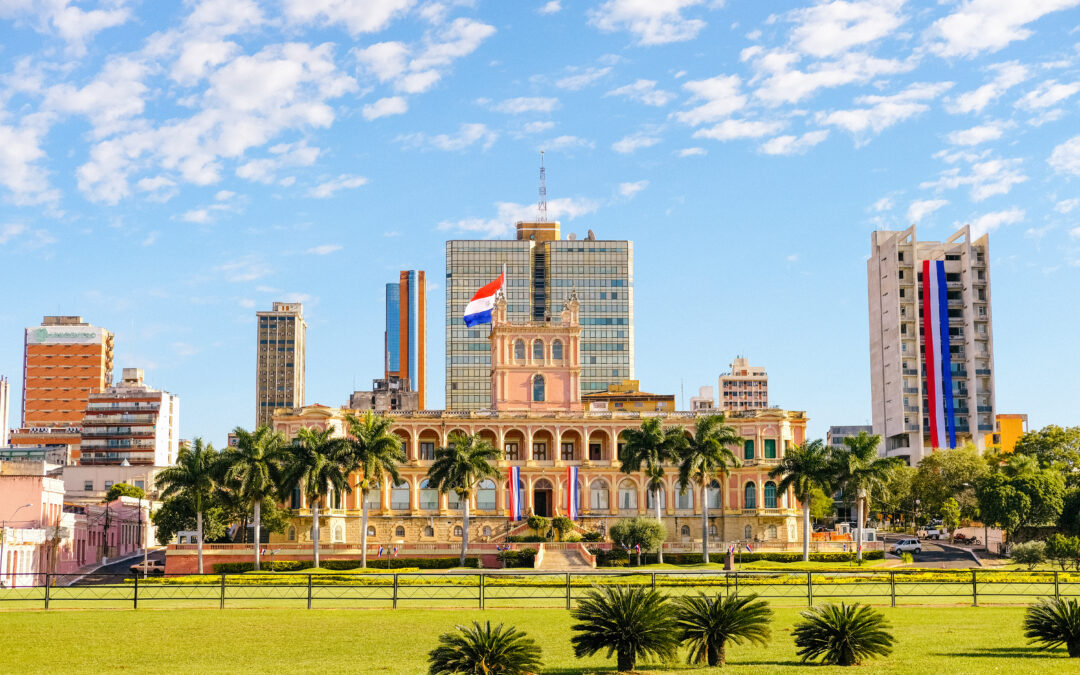
Contact centers in Paraguay are expected to expand by 32% in 2023

Contact centers in Paraguay are expected to expand by 32% in 2023

In the ever-evolving global landscape of international business, foreign direct investment (FDI) is pivotal in fostering economic growth and innovation. Among the myriad investment opportunities available, establishing contact centers in Paraguay has gained prominence due to the increasing importance of customer engagement and support. Paraguay, a vibrant South American nation with one of the best climates for doing business in Latin America, stands out as an ideal destination for foreign investors aiming to set up contact centers.

This year’s projection for contact center business expansion in Paraguay is 32%; by 2024, it could reach 40%. These figures are according to the Paraguayan Chamber of Contact Centers and BPOs (Capacc). Its vice president, Arlette Barrail, mentioned that this projection is of the conclusion reached by a study developed by international consulting firm Frost & Sullivan.

Compared to other countries in the region, the country’s competitive advantages for setting up contact centers in Paraguay lie primarily in the fact that the quality of human resources in Paraguay generates excellent opportunities for foreign investors. This is because most of the country’s population (approximately 70%) is under 35 years of age. In addition to this, the Paraguayan workforce speaks with a neutral Spanish accent. Several other vital variables make establishing contact centers in Paraguay an attractive option. Among them are:

Economic Advantages

Paraguay boasts a robust economy characterized by consistent growth, prudent fiscal policies, and a favorable business environment. The country has one of the lowest inflation rates in the region and is renowned for its stable macroeconomic indicators. Establishing contact centers in Paraguay provides businesses with a cost-effective solution, as operational expenses, including labor costs, are significantly lower than in many developed nations. This cost advantage allows companies to maintain competitive pricing while ensuring profitability.

Skilled and Multilingual Workforce

Paraguay possesses a well-educated and multilingual workforce, a critical factor for the success of contact centers. The country’s education system emphasizes linguistic proficiency in English, Spanish, and Portuguese, making it an ideal hub for companies catering to a diverse clientele. Furthermore, Paraguayan employees are recognized for their adaptability, strong work ethic, and high level of professionalism, all of which contribute to elevating the quality of customer interactions.

Cultural Affinity

Cultural affinity is a decisive factor influencing customer interactions and contributing to better customer satisfaction. Due to its migration and cultural exchange history, Paraguay shares cultural similarities with many Western countries, particularly the United States. This shared cultural background can improve communication, enhance rapport-building, and an overall positive customer experience.

Geographical Advantage

Paraguay’s strategic location within the Southern Cone of South America offers logistical advantages for international businesses. The country’s time zone is aligned with key markets in North and South America, minimizing time differences and facilitating real-time communication. This synchronization enables seamless customer support and efficient collaboration between international teams, making establishing contact centers in Paraguay convenient.

Government Support and Stability

The Paraguayan government actively promotes foreign investment through incentives, stable regulatory frameworks, and an open approach to business partnerships. The nation’s commitment to fostering an investor-friendly environment ensures that companies establishing contact centers in Paraguay can operate with confidence and security. The country has established Special Economic Zones (SEZs) and provides income tax exemptions for specific industries. Also, the VAT tax in Paraguay is one of the lowest in the region. Additionally, political stability and low corruption levels further enhance the attractiveness of Paraguay as a business destination.

Technological Infrastructure

The South American nation has made remarkable strides in improving its technological infrastructure. High-speed internet connectivity and a burgeoning telecommunications sector are key components that facilitate the establishment of modern contact centers in Paraguay. Businesses benefit from reliable communication channels and efficient data transfer, which are indispensable for seamless customer interactions and streamlined operations.

Arlette Barrail mentioned that all these factors were considered in a recent international forum in Buenos Aires, where the Paraguayan offer to the contact center sector was promoted as a country brand. During the event, representatives from Paraguay interacted with the leading players in the regional contact center market.

Regarding the prospects going forward for contact centers in Paraguay, he advocated for more joint work with the Government so that entities such as the Ministry of Industry and Commerce and Rediex (Paraguay’s investment promotion agency) can support the projects and increase interest in this business model, which generates a significant number of jobs for Paraguayan workers, as he mentioned.

Among the areas identified for proactive action, in terms of vertical industries, telecommunications, banking, and financial services are the main activities to which the sector is oriented in Paraguay. It has also begun positioning itself in other areas, such as health, retail, technology, delivery, technical support services, and back-office solutions. The annual growth of this last segment is projected to be 105.4% between 2021 and 2024.

In conclusion, Paraguay’s business climate is remarkably conducive to establishing contact centers from a foreign direct investment perspective. The strategic geographic location, skilled workforce, competitive labor costs, favorable regulations, robust telecommunications infrastructure, incentives, and political stability collectively make the country an ideal destination for investors seeking to capitalize on the growing demand for contact centers in Paraguay. By leveraging these advantages, foreign investors can establish thriving contact center operations that contribute to their success and the economic growth and prosperity of this growing South American nation.

For more information regarding establishing a contact center in Paraguay, get in touch with LATAM FDI.


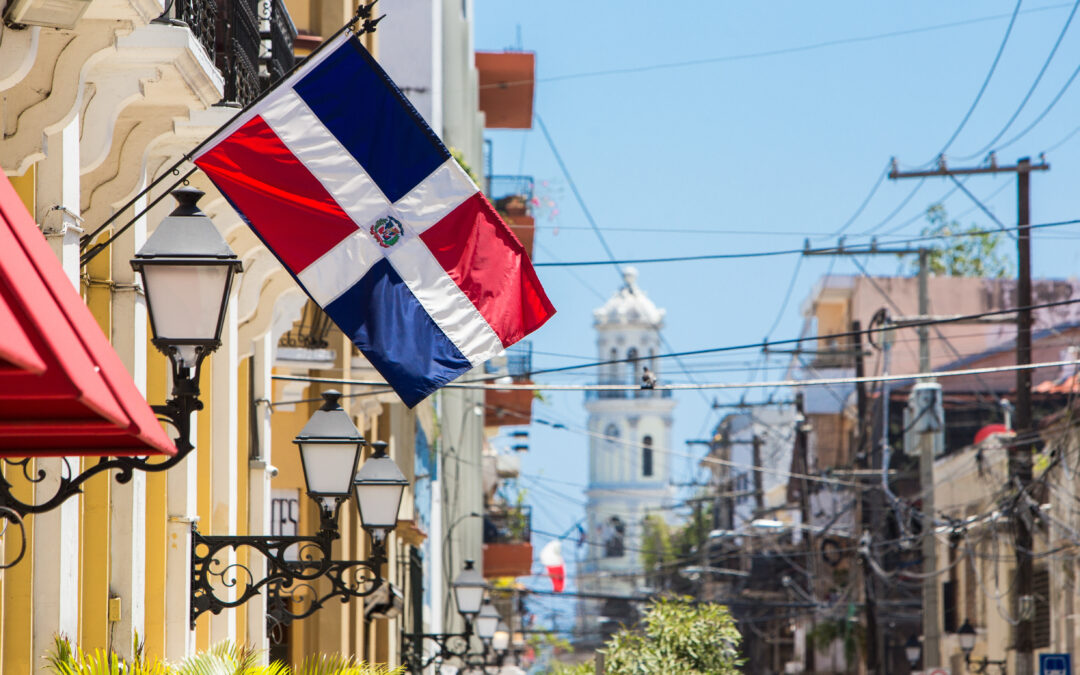
Investment in the Dominican Republic offers multiple opportunities

Investment in the Dominican Republic offers multiple opportunities

Foreign Direct Investment (FDI) is a pivotal driver of economic growth and development for nations across the globe. The Dominican Republic, nestled in the heart of the Caribbean, has emerged as an attractive destination for FDI due to its strategic Caribbean location, pro-business policies, and abundant natural resources. As investors seek to diversify their portfolios and tap into new markets, sectors for investment in the Dominican Republic stand out as promising avenues for profitability, each presenting unique opportunities and potential rewards. Among the most attractive investment sectors in the Dominican Republic are:

Tourism and Hospitality: Unlocking the Beauty of the Caribbean

The Dominican Republic’s picturesque landscapes, pristine beaches, and vibrant culture have established it as a premier tourist destination. Investment in the Dominican Republic in its tourism and hospitality sector has been a cornerstone of the country’s economic growth, drawing visitors worldwide to its alluring resorts and historic sites. With a welcoming investment climate and government incentives, this sector offers abundant opportunities for FDI. Investors can participate in developing high-end hotels and luxury resorts, and supporting infrastructure, fostering economic growth and employment opportunities for the local population.

Export Processing Zones: Manufacturing Excellence

The establishment of Export Processing Zones (EPZs) has been a significant catalyst for investment in the Dominican Republic in its manufacturing sector. These zones offer a range of incentives, including tax exemptions and streamlined administrative processes, making them a magnet for foreign investors. The manufacturing sector encompasses textiles, apparel, electronics, and medical devices, focusing on export-oriented production. By leveraging the country’s skilled workforce and competitive advantages, investors can tap into global supply chains while contributing to employment generation and technology transfer.

Agribusiness: Nurturing Nature’s Bounty

Agriculture is deeply ingrained in the Dominican Republic’s history and culture. The country boasts fertile soil and a diverse climate supporting crops like cocoa, coffee, bananas, and tropical fruits. Investment in the Dominican Republic in its agribusiness sector presents promising opportunities, including investment in modernizing farming techniques, value-added processing, and international distribution. Foreign investors can play a pivotal role in enhancing productivity, promoting sustainable practices, and connecting Dominican agricultural products to global markets, thus elevating the livelihoods of local farmers and contributing to food security.

Renewable Energy: Powering Sustainability

The global push for renewable energy has not bypassed the Dominican Republic. With abundant sunlight and wind, the country is well-positioned to harness the potential of solar and wind energy. Foreign investors can contribute to developing renewable energy projects, reducing the nation’s reliance on fossil fuels and mitigating environmental concerns. Investing in clean energy aligns with global sustainability goals and opens doors for technology transfer, job creation, and long-term cost savings, ultimately benefiting both the investors and the nation.

Real Estate and Infrastructure: Building for Tomorrow

Rapid urbanization and population growth have spurred demand for real estate and infrastructure development in the Dominican Republic. As cities expand and tourism flourishes, there is a need for investment in the Dominican Republic in modern residential, commercial, and industrial spaces and enhanced transportation and logistics networks. Foreign investors can seize the opportunity to participate in large-scale infrastructure projects, contributing to the country’s connectivity and economic progress. Real estate investments can also provide stable returns and hedge against market fluctuations.

Information Technology and Business Process Outsourcing: Nurturing Tech Talent

The Dominican Republic’s workforce is increasingly tech-savvy, making it an appealing destination for Information Technology (IT) and Business Process Outsourcing (BPO) investments. With a young and educated population, the country offers a pool of skilled professionals who can contribute to software development, call center operations, and other technology-related services. FDI in the IT and BPO sectors fosters job creation and enhances the country’s reputation as a hub for technology-driven innovation.

Mining and Natural Resources: Unveiling Hidden Treasures

Rich in mineral resources such as gold, nickel, and other precious metals, the Dominican Republic holds untapped potential in the mining sector. Foreign investors can contribute to responsible mining practices by prioritizing environmental conservation and social well-being. While mining projects require careful consideration of ecological impacts, they can stimulate economic growth, generate revenue, and create employment opportunities in areas with untapped resources.

In conclusion,  investment in the Dominican Republic offers a multitude of attractive sectors for foreign participation, each presenting unique opportunities and potential rewards. From the captivating allure of the tourism and hospitality sector to the sustainable potential of renewable energy and agribusiness, foreign investors have the chance to contribute to their financial success and the country’s economic growth, job creation, and technological advancement. As investors seek new horizons and nations seek economic transformation, the Dominican Republic stands ready to welcome and collaborate with visionary investors who seek to be part of a dynamic and thriving economy in the heart of the Caribbean. However, it’s important to remember that investment decisions should be based on thorough research, up-to-date market analyses, and a nuanced understanding of local regulations and conditions. For assistance, contact Latam FDI.

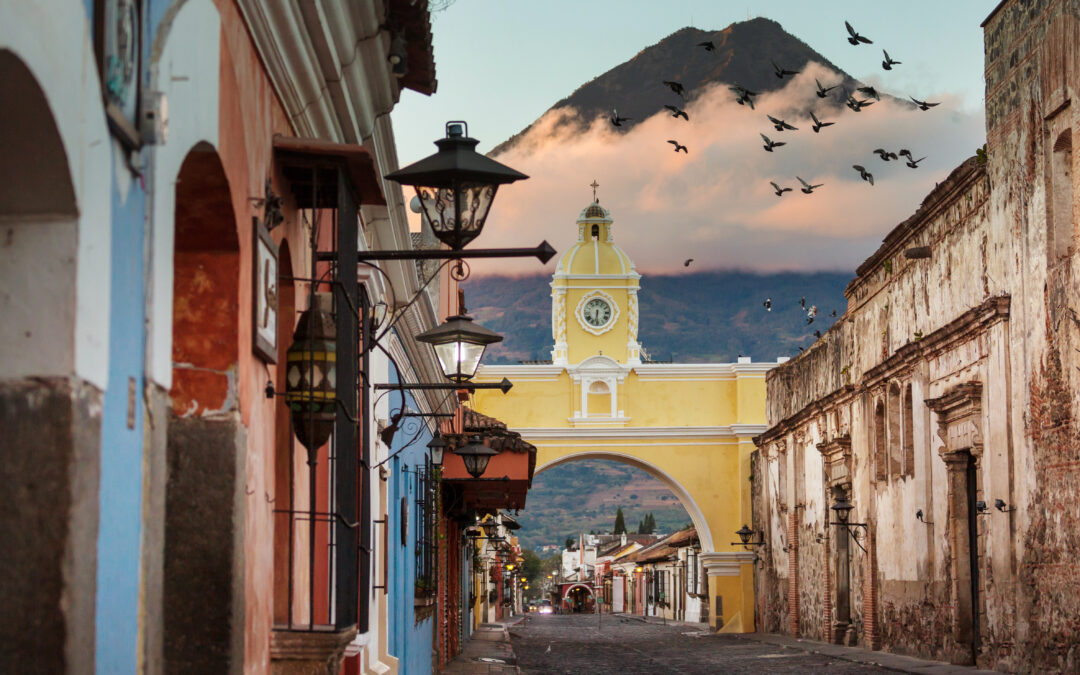
Invest in Guatemala: A Conversation with Wendy Mena

Invest in Guatemala: A Conversation with Wendy Mena

Wendy Mena
Investment Advisor
Invest Guatemala
wendy.mena@investguatemala.org

LATAM FDI: We’re pleased to have Wendy Mena with us today. She’s the investment promotion advisor for the Guatemalan Investment Agency. I’ll let her tell you about her organization. We’re going to talk today about opportunities for investment in Guatemala. Hello Wendy, could you introduce yourself and tell us about your organization?

Wendy Mena: Hi, yes, good morning, good evening, or good night to anyone. My name is Wendy MENA. I am an investment promotion advisor at Invest Guatemala. Invest Guatemala working in Guatemala in all processes, from finding local partners, finding opportunities, or installing their new operations in our country. So, I’m very happy to be here to share with you what’s been going on in Guatemala and all the great things we’re doing to attract and have more investment in Guatemala.

LATAM FDI: Based on your experience Wendy, what are the main attracting factors that bring foreign direct investment to Guatemala, and why are companies choosing to start operations there?

Wendy Mena: So, let me start by sharing with you a bit of what we’ve been doing in the last couple of years. After the Pandemic, Guatemala, mainly Guatemala’s private sector, started thinking about how we could develop a plan that will help us recover our economy. And by this time, we were talking about all of the disruptions in the value chains due to the high cost of transport. We started talking in the country about how we could take advantage of the nearshoring tendency related to all companies that wanted to relocate their operations. And so, we made an alliance between the private sector, the public sector, the government in particular, that was starting by then their new electoral period. With the help of academia, developed a plan called Guatemala Moving Forward. In Spanish, its name is Guatemala No Se Detiene. And this basically has been a holistic strategy working towards bringing more foreign direct investment to our country based on strengthening four main areas: human capital, infrastructure, competitiveness, and legal certainty. So since then, we’ve been seeing how working together with the different sectors.

And why are countries or companies choosing to invest in Guatemala? Well, one of the main things is our strategic location. Guatemala is located in Central America, as you know, right next to Mexico. We share a border with Mexico and are the closest of the Central American countries to the North American market, to the US. We have access to both oceans, making transportation more efficient and less costly. Plus, we are the most stable economy in the region, and we have different regulations that favor new investments to come. So, through that and all the preferential access that we have through our free trade agreements, our young and skilled labor force, and the competitive costs in main factors of the operations of the companies, like energy, telecommunications, and real estate, have made companies choose to invest in Guatemala.

LATAM FDI: What laws does Guatemala have in place that specifically benefit the attraction of foreign direct investment, and what kind of benefits do they offer to companies that seek to locate in your country?

Wendy Mena: Guatemala is a bit different than our neighboring countries when it comes to laws that benefit the attraction of investment. Because we don’t have just one special regime. We have three different special regimes that new companies that come to invest in Guatemala and want to export from Guatemala can benefit from. For 30 years, we’ve had one decree that is called the Law of Promotion and Development of Export Activity and Maquila. This is perhaps the main instrument foreign companies have been taking advantage of when they invest in Guatemala. And what happens is that the difference between this promotion law with what we know about neighboring countries that are the free zones, the free trade zones, is that it is not required to be within a specific zone to have special incentives, mainly tax incentives to operate when you’re exporting your product. What you do is qualify the building where you’re operating or where your factory is going to be. And that area, without being an enclosed area, can benefit from a series of different incentives, which include, for example, the exemption of the fiscal taxes for ten years and also suspension of duties when importing machinery, when importing raw material, when importing everything that you need to transform your product.

So, this has been an instrument that, for the past few years, has been developing different industries, and in fact, it perhaps transformed the whole export structure of Guatemala. Guatemala is usually known for exporting coffee or bananas, sugar, and cardamom, which are some of our main products. But the truth is that most of our exports are not those products. Because through this agreement, through this decree that benefited companies for so many years, we were able to develop a very solid industry. This is mainly in the apparel and textile industry, manufacturers of all kinds. We make plastics. We make paperboard. We make toys. We do all kinds of manufactured items. We make a lot of wood products, furniture, food, and beverages, which is a very strong sector.  Pharmaceuticals are also big. We have a large agro-industry sector where we grow many vegetables, fruits, flowers, foliage, and all kinds other of items. We have a service sector that has also grown a lot in the past few years because service companies have come to invest in Guatemala in recent years. And aside from that, we also have the usual type of regulations, which are the free zones and the free economic development zones, two of the other models we have established by decree.

There are different incentives for new investors that are thinking about exporting from Guatemala that include exemptions on income taxes for ten years, suspension of all the value-added tax, and import duty taxes for all of the raw materials and anything that you’re going to need in terms of machinery and equipment. After a company comes to invest in Guatemala, it can export from our country to anywhere it wants by taking advantage of our free trade agreements with over 40 countries.

LATAM FDI: I didn’t realize you had that many countries covered. I would assume the Cafta is one of the main trade treaties. Does the country have an infrastructure including industrial parks and real estate developments with office areas for BPO industry companies? Where can new investors start operations in Guatemala?

Wendy Mena: Yes, each year, I will say about 3.5 million m² are authorized for construction in our country. Of course, this includes both residential construction and commercial use construction. Perhaps the relationship is mostly about 50% to 60% residential, and 40% is an investment in Guatemala for commercial use. But yes, we have a very dynamic construction sector and real estate sector that is constantly renewing itself to offer investors tailor-made options for offices of commercial warehouses and anything that companies need to start operations. But also, aside from this because we have different regulations that are looking for more development in industrial parks like the Special Economic Free Zones. We are in the process of developing a lot of these zones. There are actually two in operation currently that have a nice offer for companies that are installing or looking to install and are ready for new projects to start. Over twelve of them are being developed in the next couple of years to facilitate investment in Guatemala. So, we’re talking about projects close to our ports in the Pacific, Puerto Quetzal, our main port in the Pacific. There is a very large project there that is currently receiving new investors.

They have built over 40 already. They have over 12 million square feet available for anyone who would like to invest in Guatemala. And then there’s another large project that is close to our border with Mexico because we share a border with Mexico.  This project is also a very interesting offer for companies that are looking to install there, and they also have a nice offer of space ready for anyone who wants to set up new industries. And then we also have the free trade zones. Over seven free trade zones are currently operating, and they receive new projects all the time. But there is development taking place all over the country in new areas where people can invest in Guatemala. I think there’s an interesting offer of new developments for companies looking for something already built and ready to start operations. Additionally, build-to-suits can be done quickly.

LATAM FDI: What kind of industries and sectors are showing interest in the opportunities to invest in Guatemala?

Wendy Mena: In the past couple of years, I will say the sector that has attracted the most greenfield projects because Guatemala has a lot of reinvestments. But talking about new investments and new greenfield projects have been in the manufacturing sector. For example, we have a good cluster in the apparel and textile industry in Guatemala. But for many years, this industry was focused perhaps more on the final products. Now we have a more integrated cluster where you will find more investments coming not only in the area of sourcing, which is what Guatemala used to do, like apparel and finishing products but there are new investments coming in activities like spinning mills and textile mills that are trying to integrate into the cluster that we have. On the manufacturing side, we are seeing new investments, new greenfield projects, and industries that Guatemala didn’t traditionally have. For example, we first invested in the auto parts industry. A huge Japanese company installed operations in Guatemala and is doing electric harnesses. And they are looking into other auto parts of low complexity that they can develop in Guatemala to provide for the Mexican and the United States’ large automobile industries.

Then we have other products that are developing a lot, which include food and beverages. This is happening because of all of our natural resources and the fact that we have a lot of vegetables and fruits grown all year round. Many companies are coming and interested in providing value added to our agro-industrial sector offer by developing plant-based and ready-to-eat products, organic and natural food products, or private label manufacturing of all types of baked goods, snacks, and beverages. And then we also have a lot of companies interested in private labels for cosmetics, for pharmaceuticals. Another interesting new company that will be up in Guatemala is will a natural fiber packaging company. They are developing a project in Guatemala to take advantage of the sugar bagasse and transform it into biodegradable packaging. They’re going to build the largest site in the world for this kind of product. So, we are seeing a lot of dynamism in industries related to textiles and industries related to manufacturers in agro-industry.

LATAM FDI: What strategies did you use to make this activity occur in terms of the promotion of investment in Guatemala?

Wendy Mena: So, before I was telling you a bit about what we’ve been doing as an investment promotion agency in Guatemala and how this organization was born. When we started following a country strategy by implementing the Guatemala Moving Forward plan. So, through the Guatemala Moving Forward plan, we analyzed where the opportunities were happening and the capabilities that Guatemala had in order to attract investment in Guatemala in two areas. One is the traditional products that already Guatemala has, but they can jump into more value-added products. And then new sectors that are having investments all over the world where Guatemala has a big potential, and we can do a leapfrogging into more sophisticated industries. We developed strategies for three specific sectors. One was pharmaceuticals and medical devices, the other was electronic manufacturing services, and the third was all the services like business process outsourcing and information technology outsourcing. We have developed strategies for each of them, specifically where we’ve been trying to reach out to more companies that perhaps have never heard about Guatemala as an investment destination. One of the things that we identify is that Guatemala is a great country to come and invest in, but we have not been very good at letting people know all the advantages of investment.

Unlike our neighboring countries, we haven’t marketed ourselves as well as we should because we have the same good things to offer as our neighbors, attracting many projects. For example, Costa Rica, in particular, is the country that generates the most investment in proportion to its GDP. And Guatemala has a very similar offer that we could promote because we have similar conditions to Costa Rica and additional things because we are a larger country, we have a larger market, we have a border with Mexico, and we have more skilled force because we have the largest population in Central America. So, there are many things that we need to do. We started doing a lot more work of having a presence in international events and making more national events to invite investors to know more about our country and the advantages of investment in Guatemala. We’re implementing a more proactive strategy and not a reactive one, where we are not only now helping people who come and are interested, but we’re also reaching out to them and saying hey, learn about Guatemala and all of the advantages. And we have had success stories by doing that, reaching out to whomever we think might benefit from a near-shoring strategy and investment in Guatemala being the destination.

LATAM FDI: Wendy, when we post these podcasts, we often find that listeners receive the information and, after doing so, they have follow-up questions. This information generates questions in the minds of the listeners. What we like to do is provide them with information on how they can contact you to ask you questions and find out more about how to invest in Guatemala. How could somebody get in contact with you to be able to find out more?

Wendy Mena: So yes, well, first of all, we invite the listeners to visit our website. We do have a website; it’s www.investguatemala.org. You are welcome to visit and know more about all of the advantages that Guatemala offers. It contains success stories about companies that have recently been installed in the different sectors that Guatemala is attracting. Listeners can send any questions through our website, but they may also contact us directly. And by that, let me share with you my email, which is wendy.mena@investguatamala.org. Or I’ll be happy to share with you a QR code so that they can access my contact information and my team’s contact information for specific questions about different industries with opportunities to invest in Guatemala.

LATAM FDI: In addition to that, what we do with the podcast when we process them is we put a transcript of our conversation on our website.  Above the text, we will put a link to your LinkedIn page.  Is that OK?

Wendy Mena: Yes, yes, please do so. We’ll be happy to share that. Okay?

LATAM FDI: Wendy, I want to thank you for speaking with us today. And it’s it sounds like you have a lot of exciting things happening in Guatemala, and we wish you a lot of you.

Wendy Mena: Thank you.

Shared Services Centers Costa Rica: a preferred location

Shared Services Centers Costa Rica: a preferred location

Shared service centers in Costa Rica seek to manage and consolidate transactional or routine processes in a central organization. Around 70 Shared Services Centers in Costa Rica have generated more than 30,000 direct jobs.

The ecosystem for shared service centers in Costa Rica is mature. The sector hosts a range of multinational companies across industries such as finance, healthcare, technology, and manufacturing. This ecosystem provides networking opportunities, access to best practices, and a talent pool with shared services experience, further enhancing the viability of establishing a shared service center in Costa Rica.

A Deloitte study evaluates shared service centers in Costa Rica

Recently, Deloitte launched the first study on the state of maturity of the shared services centers in Costa Rica, yielding very promising results for the country. This study was carried out with the objective of obtaining a current overview of the degree of maturity enjoyed at present.

Establishing a shared service center in Costa Rica can significantly reduce a business’s cost through various operational and strategic mechanisms. Here’s how:

  1. Economies of Scale:

By consolidating certain back-office functions, such as HR, finance, IT, and customer support, into a shared services center, a business can benefit from economies of scale. Operating these functions centrally for multiple business units or locations enables the organization to take advantage of bulk purchasing, standardized processes, and optimized resource allocation. Shared service centers in Costa Rica reduce duplicative efforts, minimizes excess capacity, and lead to cost savings.

  1. Resource Optimization:

In a shared services model in Costa Rica, resources like skilled personnel, technology infrastructure, and office space are utilized more efficiently. Instead of each department or location having its own separate team and infrastructure. Shared services concentrate resources, enabling better resource allocation, reduced redundancy, and cost-effective utilization of facilities and equipment

  1. Process Standardization and Efficiency:

Shared services centers in Costa Rica often implement standardized processes and best practices across the organization. This leads to streamlined operations, reduced errors, and faster processing times. As processes become more efficient and consistent, employees spend less time on repetitive tasks, allowing them to focus on higher-value activities. This increased efficiency directly translates into cost savings.

  1. Labor Cost Arbitration:

Shared services centers can be established in Costa Rica with lower labor costs. This is often referred to as labor cost arbitration. This means that companies can hire skilled Costa Rican talent at a reduced cost compared to regions with higher wage levels. This arbitration potential is especially significant when it comes to functions like customer support, data entry, and routine administrative tasks.

  1. Reduced Overhead:

A shared services center in Costa Rica consolidates administrative and support functions into a single location. This consolidation reduces overhead costs associated with maintaining separate administrative teams, offices, and infrastructure across multiple business units or locations. This includes savings in rent, utilities, office supplies, and other administrative expenses.

  1. Technology and Automation:

Shared services facilities in Costa Rica often leverage technology and automation solutions to further streamline processes. By implementing digital tools, robotic process automation (RPA), and other technology-driven solutions, companies can optimize workflows, eliminate manual tasks, and reduce the need for extensive manual intervention, leading to both time and cost savings.

  1. Expertise and Training:

Shared services centers in Costa Rica bring together specialized expertise and knowledge in various domains. This centralization allows for focused employee training and development programs, enhancing their skills and making them more efficient in their roles. Better-trained employees lead to fewer errors, faster resolution of issues, and improved overall productivity, all of which contribute to cost reduction.

  1. Enhanced Supplier Negotiations:

A shared services center can also centralize procurement activities, enabling better negotiation with suppliers due to higher purchasing volumes. This can lead to favorable contract terms, discounts, and cost savings on supplies and services

Because of increased control, efficiency, standardization, and significantly reduced costs, Costa Rica has established itself in the region as a “preferred” country for the establishment of a company of this type, ahead of Colombia, Mexico, and Uruguay.

In Costa Rica, around 70 Shared Service Centers have generated more than 30,000 direct jobs and countless indirect jobs around their operating ecosystem.

The survey that Deloitte recently completed applied to 37 of these companies yielded promising results that indicate that the shared service centers in Costa Rica are at an important level of maturity and ready to evolve in their maturity model towards higher-end services and processes.

The study determined that 70% of those surveyed confirm that their current processes are robust and strong and that they are ready to expand their operations, be it via greater geographical reach or by increasing the capacity of the processes it supports; This translates into an increase in qualified and well-paid jobs for Costa Rican workers.

A digital transformation is taking place in Costa Rican shared services centers

The study’s other results are related to digital transformation and the application of new technologies in shared services centers in Costa Rica.

Most of the respondents recognize that digital transformation will be a fundamental and strategic pillar in the next three to five years. Although practically half of the companies surveyed acknowledge that they have already implemented some process automation through Robotics (RPA), at the same time, 47% acknowledge that the efforts are still isolated or limited and that they should seek to integrate a robust digital strategy to the service center as the natural incubator to permeate this new way of thinking throughout the organization and internal customers.

Costa Rica has the workforce

One of the most important issues in the establishment of shared service centers in Costa Rica has to do with the employability of the country’s workforce. The shared service centers are creators par excellence of jobs for qualified personnel. They have very robust training processes, teaching their employees new skills that allow them to carry out more complex tasks.

In conclusion, establishing shared services centers in Costa Rica can help reduce costs for a business by capitalizing on economies of scale, optimizing resources,  increasing process efficiency, reducing labor costs, reducing overhead, using technology and automation, developing expertise, and improving supplier negotiations. By strategically centralizing certain functions in a Costa Rican shared services facility businesses can achieve significant financial benefits while simultaneously enhancing operational effectiveness and service quality.