+1 (520) 780-6269 investment@latamfdi.com
The Medical Device Manufacturing Sector in the Dominican Republic: An Emerging Hub of Innovation and Growth

The Medical Device Manufacturing Sector in the Dominican Republic: An Emerging Hub of Innovation and Growth

Introduction to the medical device manufacturing sector in the Dominican Republic:

Medical device manufacturing in the Dominican Republic is crucial in providing innovative and life-saving technologies to the global healthcare industry. In recent years, the Dominican Republic has emerged as a significant player in this sector, establishing itself as a hub of medical device manufacturing and innovation. As a result, the Dominican Republic is the third leading exporter of medical devices in Latin America after Mexico and Costa Rica. This post explores the growth and potential of the medical device manufacturing sector in the Dominican Republic, highlighting its favorable factors, contributions to the nation’s overall economy, and the industry’s challenges.

Favorable Factors:

The Dominican Republic possesses several favorable factors that have contributed to the growth of its medical device manufacturing sector:

  1. ) Geographical Location and Proximity to Key Markets: Located strategically in the Caribbean region, the Dominican Republic benefits from its proximity to significant healthcare markets, such as the United States. This geographic advantage enables efficient transportation of medical devices, reducing costs and delivery time-to-market.
  2. ) Skilled Workforce: The country boasts a skilled and adaptable workforce with engineering, manufacturing, and quality control expertise. The government and private sector have invested in technical training programs, ensuring the availability of a talented labor pool. Recently the Ministry of Superior Education of Science and Technology of the Dominican Republic and the Technological Institute of the Americas have collaborated to create a program of studies to offer a degree program for Technologists in the Manufacture of Medical Devices.
  3. ) Attractive Investment Environment: The Dominican Republic offers a favorable investment climate characterized by political stability, economic incentives, and a supportive regulatory framework. The government has implemented policies to attract foreign direct investment (FDI) in the medical device manufacturing sector in the Dominican Republic, promoting job creation and technology transfer.

Contributions of the medical device manufacturing sector in the Dominican Republic to the national economy:

The growth of the medical device manufacturing sector in the Dominican Republic has brought significant economic benefits to the country:

  1. ) Job Creation: The sector has generated numerous direct and indirect employment opportunities, providing livelihoods for thousands of skilled workers. The expansion of manufacturing facilities and the establishment of research and development centers have further increased employment prospects.
  2. ) Economic Growth and Export Revenues: The sector’s growth has contributed to the overall economic development of the Dominican Republic. The export of medical devices manufactured in the country has increased, generating valuable foreign exchange earnings and diversifying the export base. Thirty-three medical device and pharmaceutical manufacturing companies are in the country’s free zones. These manufacturers are the source of approximately 24,000 direct labor jobs and an influx of 1.3 billion dollars in foreign direct investment.
  3. ) Technology Transfer and Knowledge Spillover: Collaboration between domestic manufacturers and multinational companies has facilitated technology transfer and knowledge spillover. This exchange of expertise and innovation has contributed to developing local capabilities and the sector’s overall competitiveness.

Challenges and Future Outlook:

Despite its remarkable progress, medical device manufacturing in the Dominican Republic faces specific challenges that need to be addressed:

  1. ) Infrastructure and Logistics: Enhancing transportation infrastructure and logistics networks would further streamline the supply chain, reducing costs and improving overall competitiveness.
  2. ) Research and Development: Encouraging investment in research and development activities within the sector can promote innovation, creating advanced medical devices and higher value-added manufacturing.
  3. ) Regulatory Compliance and Quality Assurance: Ensuring compliance with international standards and regulatory requirements is crucial for maintaining the sector’s credibility and expanding market access.

The future outlook for the medical device manufacturing sector in the Dominican Republic appears promising. The national government’s commitment to fostering a favorable business environment, coupled with ongoing investments in infrastructure and human capital, will likely attract additional foreign direct investment and encourage the growth of domestic companies. Furthermore, leveraging digital technologies and embracing Industry 4.0 principles can enhance the sector’s productivity, efficiency, and competitiveness.

Conclusion:

Medical device manufacturing in the Dominican Republic has emerged as a dynamic and rapidly growing industry driven by favorable factors such as geographic location, skilled workforce, and a supportive investment environment. Its contributions to job creation, economic growth, and technology transfer are noteworthy. While challenges exist, strategic investments in infrastructure, research, development, and regulatory compliance can further strengthen the sector’s position as a global medical device manufacturing hub. With continued commitment from both the public and private sectors, the Dominican Republic is poised to realize its

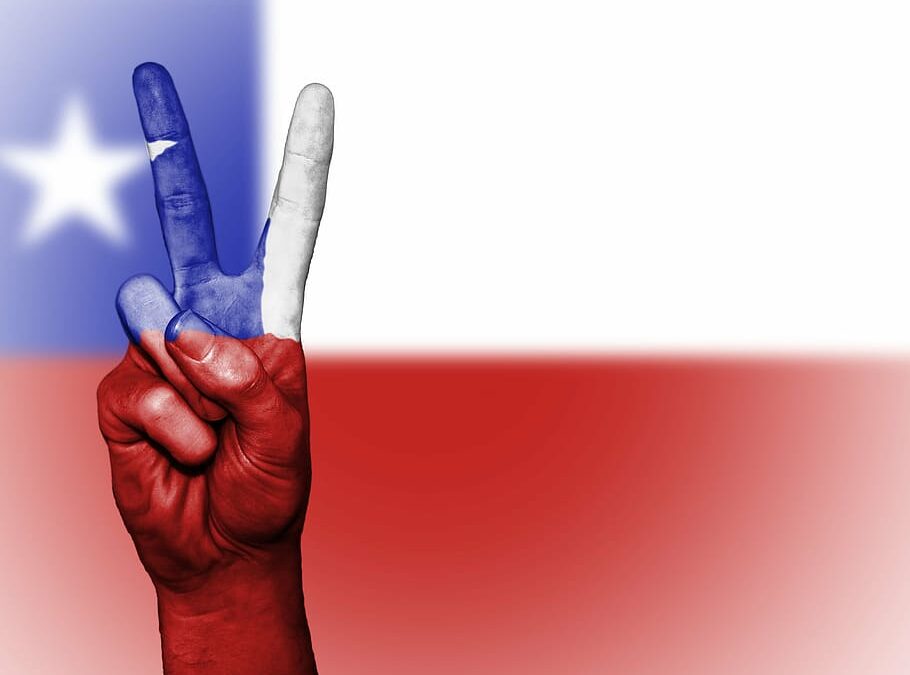
Doing Business in Chile with Veronica Medina

Doing Business in Chile with Veronica Medina

    Veronica Medina
    Founder and CEO
    Business Hub Consultants
    vmedina@businesshubconsultants.com


    LATAM FDI: Hello. Welcome to another episode of the LATAM FDI podcast. In these recordings, we speak to experts in business and economic issues throughout Latin America. Today we have Veronica Medina with us. We feel very fortunate to speak with her. She’s the founder and CEO of Business Hub Consultants. She’s located in Santiago, Chile. And I’ll just let her introduce herself and her company to you, and then we’ll have a discussion about doing business in Chile.

    Veronica Medina: So, hello, everyone. Thank you so much for having me here with you today. I’m back in Santiago after doing a full month of traveling to see our clients. We hadn’t seen some of them in four years due to the coronavirus pandemic. As I said, I am the founder and CEO of Business Hub Consultants. We are a consulting firm based out of Santiago, Chile. We also have offices in Lima, Peru, covering mainly Spanish-speaking South American countries. I would say about 85% of our work is helping foreign companies that are interested in doing business in Chile and other countries in the region. We do a large proportion of work with American companies. We help them do business in South America by connecting them to service distributors and end clients. We help them in several ways. What are their strategies for doing business in our countries? We help them with regulations and do all of the research and assistance that companies require to do business in this exciting environment in South America. We think we could be a good conduit, specifically after the pandemic for the United States and bringing its logistics and suppliers closer to home.

    LATAM FDI: Well, it’s interesting that you have activities throughout the region, but today we will focus on doing business in Chile. Maybe you could tell our listeners about the investment trend that’s been occurring during the past year in Chile. How have things been there?

    Veronica Medina: Yes, we just had some reports from our Central Bank with very positive results. I don’t know if some of us were quite surprised by our good results, but, for example, the FDI inflow up to February of 2023 was higher by close to 50% than in the same period last year. And also, FDI in the full year of 2022 increased by 31% to close to $21 billion over the previous year. Additionally, that figure is 50% above the average for the last five years. So, I think very good results have been achieved.  This is evidence that doing business in Chile is still very attractive in terms of bringing investment into the country. We currently have about 500 investment projects in Chile in the pipeline in different stages of development. The top three sectors are energy and global technology services. The third is mining and mining suppliers. And the top investors in Chile are actually the USA, which solidifies the trade and investment relationship that we’ve had with the USA for decades. China follows this, and then in third place is Canada. So, we’re very excited by those results. Doing business in Chile is still an attractive option for investors.

    LATAM FDI: That sounds very positive. It seems to me that there was some trepidation with respect to political changes that have occurred in Chile recently. But given what you just said, it seems like we can assume that there’s still a lot of confidence in the country’s economy and doing business in Chile.

    Veronica Medina: Absolutely. We’ve also just got in numbers for import-export trade. Those numbers are also breaking records. So, again, we’re coming out of the coronavirus pandemic, and as you say, rightly. I don’t want to dismiss Chile’s political challenges over the past years; your listeners might be up to speed. We just had our referendum this Sunday regarding the new constitution that will be written. We had to go vote for the constituents that would be writing that constitution. And I must say that yesterday, Monday, May 8, 2023, the stock exchange opened positively by 2%. So, the market seemed to be reacting quite favorably to an issue that is obviously important to many businesspeople. Experts have mentioned that our rewriting of the constitution might cause investment projects to be put on standby. Right, because you’re rewriting the Constitution. But I also think that with the results on Sunday and obviously with some of the numbers I’ve just given, thankfully, it seems that we’re proving all of those things wrong.

    LATAM FDI: It’s great to hear that. You mentioned a few minutes ago in passing some of the economic sectors that stand out for doing business in Chile. If people are looking at the country in terms of potential investment, what should they look at in the short term, and also, what should they look at in the long term?

    Veronica Medina: Yeah, well, I think, as I mentioned, the top investment portfolio where the projects are, is in the energy sector. The tech services sector here has grown not just in terms of investment, but we’re also looking at a kind of commerce. Right. It’s not just the investment. So, companies are looking to sell their products or their technologies in the market. We are seeing these trends in energy, in tech, and in mining. Just a few weeks ago, here in Santiago, we had Expo Min, which is one of the largest trade shows in LATAM for mining. It was really the first one that had been done since the end of the coronavirus pandemic. And we had a lot of international pavilions. American companies were represented well in the US pavilion at that show. I would tend to say that those are the industries that will continue to be a focus. Agtech as well. If you’re looking for investment in Chile, Agtech is also key. But regarding the development future, we have great potential because of our lithium reserves for use in electric vehicles. The government has very strong environmental and climate change regulations and is net zero. I think all those industries related also to clean technologies as such will continue to grow.

    LATAM FDI: The market appears to be active in these particular industries. What advice would you offer investors looking at doing business in Chile, and what can you as a company do to help them?

    Veronica Medina: Yeah, well, I think obviously you have to do due diligence. You can’t go into a market blind and must assess the risk in your particular industry.  You must also be connected with someone local on the ground, right? Someone with the networks in the industry or industries you’re trying to engage in doing business in Chile. Even though Chile is a very open economy, it is important to remember that we have the most free trade agreement signed in the world. And as we mentioned before, the relationship with the United States and with American-made products and technology is very well known here in Chile.  I still think that they are highly regarded. We, as a company, always tell our clients that they should have somebody on the ground when considering doing business in Chile. And that’s where we can help with those connections. Getting you connected to the right people in the right industry, in the right position within, whether it’s large companies, SMEs, or even at a government level. We’re here to also help you with doing due diligence in the market and looking at the opportunities for you. Is Chile the right place for you to be, right?

    LATAM FDI: Considering juridical factors and concerns, how does Chilean legislation favor investors?

    Veronica Medina: I mean, Chile has, again, with what I mentioned regarding the openness of its economy for decades now. We welcome investors, and foreign investors are treated just the same as local investors in the country. Investment is pretty much permitted in all sectors of the economy. There are some tax benefits in certain regions of the country if the investment is done in those zones. There are some tax incentives if you are doing high-tech projects or R and D, and obviously, kind of the economic zones in the north and in the south of the country that also have very good favorable regulations and tax incentives for companies to go into those special trading zones aimed at doing business at Chile.

    LATAM FDI: Speaking of incentives, can you give some specifics?

    Veronica Medina: For example, if you’re doing R and D in your company, you can get tax credits for 30% of the R and D investment that your organization is doing. So again, Chile is a highly technological-based society. We are actually ranked number one in LATAM for innovation. So, there are tax incentives for anything that has to do with R and D, with technology development. Also, working with Corfo, the Chilean economic development agency, there might be some subsidies for companies to tap into there.

    LATAM FDI: Well, given all of the information that you’ve shared with us now, my experience has been that when individuals listen to these podcasts, the information that the speaker has offered obviously leads to other questions. That being the case, and you being the go-to person for South America and doing business in Chile, how can people contact you to get more information that they may need to proceed with their business plans?

    Veronica Medina: Well, absolutely. We have our website, which actually has some great also insights into doing business in Chile. We have country fact sheets there. We have industry fact sheets as well for the region. And the website is businesshubconsultants.com. My email is vmedina@businesshubconsultants.com. And obviously, through you, Steve, people can get in touch with me through you since now we are also working together and trying to promote this great region.

    LATAM FDI: Well, thank you very much. Another thing we’ll put up on our transcript portion on our website of this particular conversation is your LinkedIn page, a link to that if that’s okay.

    Veronica Medina: Perfect. Okay, absolutely. Anyway, you can reach out to me. I know I’m based in Chile. I’m also Chilean by birth. But I must say it’s a great country to do business in. We continue to have the highest GDP per capita in the region. We’re the number one country for ease of doing business in the region. You were talking about clean tech and energy. We’re the number one country and renewable energy investment in LATAM. And number two in the world. So, I think there are really some exciting things here, such as lithium and green hydrogen. There’s a lot to be done here in Chile now.

    LATAM FDI: Well, thank you for joining me. This has been a very interesting conversation. I’m sure that the listeners will find it to be interesting as well.

    Veronica Medina: Perfect. Thank you so much. Thank you, everyone, for listening.


    Panama is a preferred destination for Spanish investment in Central America

    Panama is a preferred destination for Spanish investment in Central America

    Spanish investment in Central America favors Panama. The country is the EU’s leading investor in the Central American nation.

    After a short period of stagnation, coinciding with the pandemic and the post-pandemic period, Panama again stands out as the nation with the most Spanish investment in Central America. Furthermore, the former country has consolidated its position as one of the leading destinations for FDI in Latin America and the Caribbean, after the sizable markets of South America and Mexico.

    Panama will be one of the nine in Latin America countries where Spanish investment will increase in 2023. This is according to the latest report from IE University, ‘Panorama of Spanish investment in Latin America.’

    Spanish investors prefer Panama

    The report highlights Panama as the country with the best economic performance, not only because of its ability to react to the Covid-19 crisis but also because it belongs to the list of preferred ‘offshore’ destinations for Spain. The country leads growth projections in Latin America, according to Spanish businessmen. Panama is preferred ahead of other countries in the region, such as Uruguay, the Dominican Republic, Mexico, and Colombia. Spanish companies especially value the security and air connectivity of this market, and, in addition, Panama City ranks as the second preferred regional metropolis to reside in for businessmen seeking to augment Spanish investment in Central America.

    Spanish firms also highlight the importance of legal certainty in Panama, its favorable regulatory framework for investment, and the boost the country’s government gives to public-private partnerships. In addition, numerous conventions and agreements between Spain and Panama reinforce a clear framework for investment. These include the Double Taxation Agreement, signed in 2010, and the Agreement for the Promotion and Reciprocal Protection of Investments, which has been in force since 1998.

    Panama is, by far, the Central American country with the most significant presence of Spanish companies and investment projects. Spain is the third global investor and the first European in this Central American market. More than 400 companies are present there, notably in the infrastructure sector, but also in renewables and, increasingly, in tourism.

    Spanish investment in Panama is significant

    Spanish companies in Panama include OHLA, Acciona, Grupo Puentes, ACS, Naturgy, Indra, Mapfre, Meliá, Barceló, NH, Riu, Evenia, Ayesa, Iberia, Abanca, Air Europa, Duro Felguera, San José, Copisa, Ortiz, Iberdrola, Elecnor, Ecoener, Sur de Renovables, Cox Energy, Inelsa and Avanzalia. In addition, Telefónica sold its subsidiary in the country in 2019. In recent months, Grupo Puentes won a contract for 250 million dollars to expand a section of the Pan-American Highway to six lanes. In addition, Naturgy has announced that it will inject 450 million in electricity distribution through the Panamanian Empresa de Distribución Eléctrica Metro-Oeste (Edemet) and Empresa de Distribución Eléctrica Chiriquí (Edechi), controlled by the Spanish company.

    According to the latest World Bank projections, Panama will lead the growth in Central America and the Caribbean, together with the Dominican Republic, with a positive rate of expansion of 5%, with mining production and tourism as significant engines of growth. ECLAC forecasts a lower increase, of 4.2%, after 7.4% last year, when Panama recovered from the strong impact suffered in 2020 by the restrictions imposed on mobility and economic activity by Covid. In 2022 there was a reactivation of trade, construction, and tourism activity in the Colon Free Zone, improvement of operations in the Panama Canal, mining, and sectors of agricultural activity, according to Panamanian government data. As a result, Panama has grown at an average rate of 6.3% during the last twenty years. This is the highest growth rate in Latin America. GDP expanded by 15.3% in 2021, driven by the Canal, after falling 17.9% in 2020.

    Sectoral opportunities for Spanish investment in Central America

    Spain is also one of Panama’s most important trade partners. The latter is a country that offers, according to ProPanama, “advantageous investment opportunities for Spanish businessmen, from the traditional sectors of tourism and agriculture to the digital sector or through the Energy Transition Strategy. It also holds a prominent position as a logistics hub ‘ and its infrastructure places the country as the ideal place for ‘nearshoring.’” Among the opportunities at a more concrete level is the Canal’s plan to invest 1.8 billion dollars in its new water management system. Additionally, the Ministry of Economy plans to promote eight projects with a public-private partnership, including rehabilitating the Pan-American highway from Las Garzas to Yaviza.

    Last February 2023, the Panamanian government identified eight areas for developing investment opportunities through a map prepared with the UN Development Program (UNDP) and aligned with the Sustainable Development Goals. The Minister of Trade and Industry, Alfaro Boyd, explained that the initiative seeks to identify business opportunities and models that have significant potential to promote the SDGs with substantial financial returns for investors. In addition, he pointed out that public-private partnerships are essential for sustainable development. Areas identified for investment include renewables, agri-food, health, and infrastructure.

    Investors focus on Latin American startups to develop global entrepreneurs

    Investors focus on Latin American startups to develop global entrepreneurs

    Trade and investment between Mexico and the United States have become one of the main doors that allow for strengthening Latin American startups and helping to open new opportunities for the region’s other countries

    In addition to helping boost the countries’ economies, relations between Mexico and the Central American nations are also advantageous since many businessmen see Mexico as an excellent (investment) door for access to the rest of Latin America. Undoubtedly, this signifies a boost for those entrepreneurs who want to cross borders with their business ideas.

    Miami is a bridge for Latin American startups

    An example is the case of Miami, which is currently beginning to position itself as the bridge city that connects the Latin American region with the United States. Connecting Miami’s know-how and economic power in creating startups in Latin America and ecosystems with ingenuity is a great point of departure for creating new entrepreneurial economic activity.

    On the other hand, a study by Endeavor and Glisco shows that in 2022, Mexico was one of the markets in Latin America that received the most significant amount of capital from startup investors. The country registered almost 75% of the investments made in the region, along with Brazil.

    In this sense, both Mexico and the city of Miami are key locations to open the doors for entrepreneurs to new markets. These include investment funds from Latin America, such as Newtopia VC, which pays special attention to the region to strengthen relationships between entrepreneurs and investors in Latin American startups.

    The increase in investment made in Mexico represents an opportunity to attract capital to startups from other countries in the Latin American region. For example, according to data from the Costa Rica-Mexico Chamber of Industry and Commerce ( Cicomex ), Mexican investment in Costa Rica exceeds 1.5 billion dollars. Additionally, large-scale investors such as SoftBank, which has offices in Mexico and dozens of regional investments, recently stated that even with the current situation, they would continue to support investment in Latin America. This confidence attracts more investors to bet on the region and new Latin American startups.

    In the case of Miami, the startup ecosystem is one of the fastest growing in recent years, attracting many founders, technological talent, and venture capital funds. For example, venture capital activity could mobilize $25 billion by 2030 if it follows the same trend as other cities such as Los Angeles and New York.

    However, entrepreneurs must have the necessary advice to benefit from the new investment opportunities within their reach to achieve this goal as startups in Latin America. In a conversation with Diego Noriega, Managing A Newtopia VC partner, he shared how his organization wants to strengthen relationships between the investment and entrepreneurship ecosystems for the entire Latin American region from the bottom up.

    Latin American Entrepreneurs require tools to succeed

    Noriega points out, “We want to give entrepreneurs the tools to be prepared for their next investment phases. So, it is important that startups in Latin America are equipped with techniques to obtain new rounds of financing, perfect execution, growth, and development for their businesses. They also require tools to align partners and teams and a high quality and variety of contacts from other entrepreneurs and investors that may be key in the future.”

    These types of activities allow the promotion of greater unity among the countries of Latin America and the elimination of borders and barriers that may exist between them to establish a more robust entrepreneurial ecosystem that adds much more value. Such a network of entrepreneurs opens doors to other markets and continues attracting foreign capital to developing countries with excellent innovation capacity.

    Mexico is a Latin American startup leader

    In the case of Mexico, one of the countries with the most substantial number of entrepreneurs in Latin America, its ecosystem is characterized by its culture of business resilience. The country’s rapid technological advances have led large companies such as Santander, IBM, HP, and Tesla to bet on talent in the country’s main cities.

    Regarding this, the principal executive of the Spanish bank Santander in Mexico recently declared that “there is a lot of optimism regarding Mexico because we are the neighboring country of the United States. The issue of nearshoring is something you hear about everywhere nowadays.”

    It is anticipated that 2023 will see an increase in investment in startups in Latin America compared to previous years and that investors will pay more attention to sectors such as fintech, e-commerce, and business software

    Finally, Miami is an attractive destination for collaboration by Latin American startups due to its strategic location, growing business ecosystem, cultural diversity, favorable business policies, and access to financing.

    Eight Benefits of Dollarization in Ecuador

    Eight Benefits of Dollarization in Ecuador

    Ecuador’s dollarization system recently celebrated its anniversary. Twenty-three years ago, this past January, Ecuador adopted the US dollar as its official currency after the worst financial crisis the country had ever experienced.

    Fiscal and monetary stability

    Despite the external shocks that have affected the country in the last two decades, dollarization in Ecuador has generated monetary and financial stability, This is according to Guillermo Avellán, manager of the Central Bank of Ecuador (BCE).

    Despite the limitations of dollarization in Ecuador, several national and international experts recognize the benefits generated by this monetary regime, especially for low- and middle-income countries, with institutionality and political stability challenges, Avellán added. In addition, they consider that monetary policy and the issuance of a local currency are oversized in terms of benefits for this type of country.

    What are the benefits of dollarization in Ecuador?

    According to the Central Bank of Ecuador, dollarization allowed the country to:

    1. Combat a fiscal lack of discipline. The government of Ecuador cannot issue money with dollarization. The correction of fiscal deficit can only be done through financing via loans or taxes. Foreign loans currently impose conditions of budgetary discipline. This obliges the Ecuadorian government to balance the fiscal accounts and conduct better-quality spending with a more significant social impact.
    2. Achieve price stability. After dollarization, inflation in Ecuador began to decrease rapidly. From 96% per year in 2000, according to World Bank figures. It declined to 37% in 2001 and 12% in 2002. Since then, it has stayed within 10% per year. Ecuador has an inflation rate of 3.74%, one of the lowest in the region. With the US dollar as its official currency, Ecuador has access to a more stable financial system, which has boosted investor confidence and attracted foreign investment.
    3. Reduce poverty levels. According to a 1999 World Bank study, the poverty levels based on consumption stood at 44.8% in 1998. According to the National Institute of Statistics and Censuses (INEC), the income poverty rate in Ecuador in 2021 was 27.7%.
    4. Increase citizens’ purchasing power. Before dollarization, the devaluation of the sucre, Ecuador’s old currency, inflation and inorganic money issues affected the middle class with fixed salaries. Since there was no permanent compensation for wages, poverty increased. The new system brought price stability, confidence in the international market, and high GDP per capita, which allowed people’s purchasing power to grow.
    5. Increase trade: Using a stable, internationally recognized currency has made it easier for Ecuador to trade with other countries, as there are no longer concerns about the currency’s value or the risk of currency fluctuations.
    6. Greater transparency: Using the US dollar gives Ecuador access to a more transparent financial system, making it easier to track financial transactions and combat corruption.
    7. Lower transaction costs: Dollarization has reduced the transaction costs associated with exchanging currencies, making it easier and cheaper for Ecuadorians to do business with other countries.
    8. Generate conditions for investment and growth. Dollarization brought economic stability to the country. Today, not only is it sustained by a solid financial system, remittances, exports, oil, and commodities, but its great pillar is trust. Trust is evident in international markets, the real estate sector, the financial system, and Ecuadorians’ support and acceptance. Using the US dollar gives Ecuador access to a more transparent financial system, making it easier to track financial transactions and combat corruption.

    Recovered International Reserves

    Currently, the strengthening of dollarization in Ecuador is a reality, Avellán said. At the most critical moment of the pandemic, the country’s International Reserves were below USD 2 billion, allowing only 25% of the deposits of public and private financial entities with the ECB to be covered with liquid assets. However, at the end of 2022, the International Reserves exceeded USD 8.3 billion, allowing 100% coverage of these deposits.

    Avellán added that, in this context, the BCE is called upon to be the custodian of dollarization in Ecuador and guarantee its institutional autonomy to achieve three fundamental objectives:

    1. Consolidate monetary stability through the technical management of investments.
    2. Manage the central payment system.
    3. Guarantee the supply and circulation of coins and bills at the national level.

    Overall, dollarization in Ecuador has positively impacted the country’s economy, helping to stabilize it and attract foreign investment, leading to increased economic growth and improved living standards for its citizens.