
+1 (520) 780-6269 investment@latamfdi.com
Manufacturing in Uruguay: A Strategic Hub for Industrial Growth

Manufacturing in Uruguay: A Strategic Hub for Industrial Growth

Uruguay has steadily emerged as a strategic location for manufacturing in Latin America. With its political stability, skilled workforce, robust infrastructure, and favorable investment climate, the country offers a compelling environment for industrial activities. For international businesses seeking a foothold in the Southern Cone, manufacturing in Uruguay presents a unique opportunity to access regional markets, benefit from government incentives, and operate in a secure, transparent, and sustainable environment. This article delves into the factors that make Uruguay an attractive destination for manufacturing, highlighting key industries, infrastructure, and policies that support this expanding sector.

Why Uruguay Is Suited for Manufacturing

Political and Economic Stability

One of Uruguay’s most significant advantages is its political and economic stability. The country is widely recognized for its strong democratic institutions, independent judiciary, and adherence to the rule of law. These attributes create a reliable environment for investors and businesses alike. Transparency International consistently ranks Uruguay as one of the least corrupt countries in Latin America, and the World Bank often highlights its good governance practices. This level of predictability is essential for long-term industrial planning and foreign direct investment, particularly in the manufacturing sector.

Strategic Geographic Location

Uruguay’s geographical position is another major asset. Between two regional giants—Brazil and Argentina—Uruguay offers direct access to the MERCOSUR trade bloc, comprising over 260 million consumers. This market access is especially beneficial for regional distribution and export-driven manufacturing companies. The country also maintains favorable trade agreements with the European Union and other global markets, making it an ideal base for international companies.

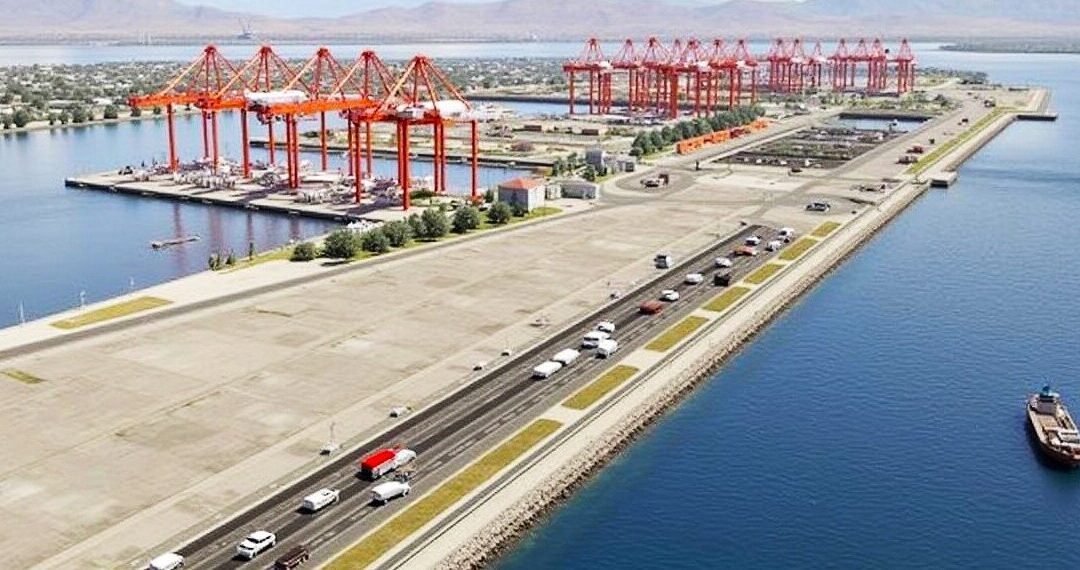
Uruguay’s modern transportation infrastructure reinforces its strategic location. Whether by land, sea, or air, goods manufactured in Uruguay can be efficiently transported across South America and beyond. The Port of Montevideo, one of the most advanced in the region, is a key gateway for international commerce.

Skilled Workforce

A central component of Uruguay’s manufacturing appeal is its highly educated and skilled workforce. The country has long emphasized quality education, including technical and vocational training programs tailored to the needs of modern industry. Workers in Uruguay are known for their professionalism, adaptability, and proficiency in languages—particularly Spanish, English, and Portuguese. This multilingual capability adds significant value for international manufacturers.

The government collaborates closely with private sector employers and academic institutions to ensure the labor force remains responsive to the evolving needs of key industries such as pharmaceuticals, technology, and logistics. As Uruguay’s manufacturing industry diversifies, the steady pipeline of qualified personnel supports business growth.

Advanced Infrastructure and Sustainable Energy

Uruguay’s infrastructure is well-suited for industrial operations. Public utility providers such as UTE (electricity), OSE (water), ANCAP (fuel and gas), and ANTEL (telecommunications) ensure consistent and reliable service for manufacturers. Furthermore, the country is a global leader in renewable energy. Over 90% of Uruguay’s electricity is derived from sustainable sources, including wind, solar, biomass, and hydroelectric power.

This commitment to clean energy supports operational reliability and aligns with modern manufacturers’ environmental sustainability goals. For companies focused on reducing their carbon footprint, manufacturing in Uruguay offers a rare combination of industrial capability and ecological responsibility.

Major Manufacturing Industries and Key Players

Pulp and Paper Industry

Uruguay has made headlines with its successful foray into the pulp and paper industry. A standout example is Finnish multinational UPM, which operates one of the most advanced pulp mills in the region at Paso de los Toros. This large-scale project demonstrates Uruguay’s ability to manage complex industrial investments and its capacity to host significant foreign direct investment. The facility is a major employer that contributes significantly to the country’s exports. 

Textile and Apparel

The textile and apparel sector remains a pillar of Uruguay’s manufacturing landscape. While traditional garment production still plays a role, the industry is evolving to include technical textiles and value-added fashion products. Manufacturers in this sector benefit from the country’s well-trained labor force and access to MERCOSUR markets, making Uruguay a competitive base for production and export.

Pharmaceuticals and Life Sciences

Uruguay’s pharmaceutical and life sciences sector is among the most sophisticated in the region. Companies like Mega Pharma have invested heavily in state-of-the-art facilities that meet international regulatory standards. The country’s strong intellectual property protections, quality infrastructure, and skilled personnel make it an attractive destination for producing pharmaceuticals, biotechnology products, and medical devices.

Food and Beverage Processing

Leveraging its strong agricultural base, Uruguay has developed a thriving food and beverage processing industry. Companies like Conaprole, one of South America’s largest dairy producers, demonstrate the country’s capacity for high-volume, high-quality food manufacturing. With increasing global demand for traceable and sustainable food sources, Uruguay’s agricultural transparency and quality controls offer a significant competitive advantage.

Infrastructure Supporting Manufacturing

Transportation Networks

Efficient transportation is vital for industrial success, and Uruguay delivers on this front. The country’s road network is modern and well-maintained, linking production sites with ports, airports, and neighboring countries. The Port of Montevideo is crucial in logistics, offering advanced cargo-handling facilities and direct shipping routes to major international markets. Additionally, Uruguay is investing in revitalizing its railway system, further enhancing connectivity for bulk and industrial goods.

Free Trade Zones (FTZs)

Uruguay hosts several strategically located Free Trade Zones, including Zonamerica, Aguada Park, and the Science Park in Canelones. These zones offer world-class infrastructure and services tailored for manufacturing and logistics operations. Companies operating within FTZs enjoy many advantages, including exemptions from corporate income tax, VAT, import and export duties, and other levies. These benefits significantly reduce operational costs and enhance global competitiveness.

Government Incentives for Manufacturers

Tax Benefits and Legal Frameworks

In addition to the advantages of Free Trade Zones, Uruguay’s broader legal and regulatory framework is favorable to industrial investment. The Investment Promotion and Export Promotion Law offers additional incentives for manufacturing, renewable energy, and technology companies. These may include income tax holidays, accelerated depreciation of fixed assets, and credit for investment-related expenses.

The government’s proactive approach to encouraging investment ensures that companies receive not only financial incentives but also institutional support throughout the investment process.

Simplified Business Structures

Uruguay allows for the establishment of simplified limited companies (SAS) to further enhance its appeal to investors and entrepreneurs. These business structures are easy to form, require minimal capital, and benefit from streamlined regulatory processes. This approach is advantageous for small and medium-sized enterprises (SMEs) looking to enter the Latin American market with manageable startup costs and bureaucratic hurdles.

Conclusion

Uruguay offers an exceptional environment for industrial development. Its political stability, strategic location, educated workforce, modern infrastructure, and forward-thinking policies position it as a premier destination for manufacturing. As global supply chains become more diversified and sustainability becomes a competitive differentiator, manufacturing in Uruguay provides businesses with both resilience and opportunity.

From multinational corporations to small and medium-sized enterprises, those seeking to establish or expand their footprint in Latin America will find Uruguay a highly accommodating and profitable base of operations. As the region continues to evolve, the strategic advantages of manufacturing in Uruguay will become increasingly apparent to investors around the globe.

El Salvador Tourism Aims for New Historic Highs, Driven by Security and International Confidence

El Salvador Tourism Aims for New Historic Highs, Driven by Security and International Confidence

President Nayib Bukele highlights Santander’s analysis and the improved U.S. travel advisory as signs of the country’s unprecedented potential.

A New Era for El Salvador Tourism

President Nayib Bukele has affirmed that El Salvador tourism is entering a historic growth phase, with the country poised to reach unprecedented highs in international arrivals and economic impact. This optimistic outlook is supported by an in-depth analysis conducted by Santander US Capital Markets, published three months ago, and bolstered by the recent improvement to the U.S. Department of State’s travel advisory for the country. Both developments strongly indicate the growing confidence in El Salvador’s transformation.

According to President Bukele, a combination of factors—especially enhanced public safety, expanded infrastructure, and heightened global interest—elevates the nation’s tourism profile. These improvements have captured the attention of investors, international tourists, and travel agencies alike, repositioning El Salvador as one of Central America’s most dynamic emerging tourism destinations.

Tourist Arrivals Surge Amid Major Safety Gains

The Santander report reveals that El Salvador welcomed 3.9 million tourists in 2024, representing a 229% increase compared to the period between 2013 and 2016. This remarkable surge puts the country ahead of several traditional regional tourism competitors, including Costa Rica, Guatemala, and Panama. While the Dominican Republic is leading in the Caribbean, El Salvador’s upward trajectory signals a promising future.

One of the central reasons behind this boom is the dramatic decline in crime. In 2015, the country recorded 6,656 homicides—a figure that dropped sharply to just 114 in 2024. This unprecedented reduction in violence has restored international confidence and helped reshape El Salvador’s global image, making it a more attractive and secure destination for visitors.

El Salvador tourism is no longer hindered by safety concerns that once dominated travel advisories and headlines. Instead, the country is now recognized for its modern approach to public security, which includes heavy investments in law enforcement, digital surveillance, and community engagement.

New Infrastructure and Niche Markets Fuel Growth

Alongside enhanced security, significant public and private infrastructure investments are propelling El Salvador’s tourism. New roads, airport upgrades, and tourism development zones have improved accessibility and travel experiences for visitors. One standout example is Surf City in La Libertad, a beachfront tourism corridor that has become emblematic of El Salvador’s rebranding efforts.

Surf City, in particular, has reported occupancy rates as high as 82%, especially in boutique hotels geared toward U.S. tourists. These establishments are designed to meet the expectations of discerning travelers seeking curated experiences, from high-end surfing adventures to ecotourism and wellness retreats.

El Salvador is also tapping into niche travel markets. Given its pioneering adoption of cryptocurrency as legal tender, the country has become a point of interest for Bitcoin enthusiasts. In addition, the diaspora market—especially Salvadorans living in the United States—continues to play a critical role. In 2023, 42% of international visitors indicated that their primary reason for traveling was to reconnect with family and friends.

Tourism as a Pillar of Economic Development

Tourism has rapidly become a pillar of national economic growth. During the first six months of 2024, the sector contributed 11% of El Salvador’s GDP, more than double the 5% contribution in Costa Rica during the same period. This rapid expansion has prompted increased demand for tourism-related services and real estate, including hotels, resorts, restaurants, and recreational facilities.

The government and private sector are working to scale up infrastructure to meet this demand. Construction projects, hotel renovations, and new commercial ventures are underway in multiple regions, including La Libertad, San Miguel, and the newly emerging ecotourism hubs in the country’s eastern departments.

According to Santander’s report, El Salvador’s tourism represents more than just a short-term boom—it is a strategic asset capable of attracting long-term foreign direct investment (FDI). The sustained inflow of tourists creates predictable revenue streams, fosters job creation, and stimulates innovation in hospitality, transport, and services. This, in turn, strengthens national income and contributes to fiscal stability.

Credit Ratings and Investor Confidence on the Rise

Another important takeaway from the Santander analysis is the potential for tourism to enhance El Salvador’s credit rating. As the economy becomes more diversified and tourism-generated revenues increase, credit agencies may view the country’s financial outlook more favorably.

A stronger credit rating would lower borrowing costs and open the door to new international financing opportunities. This would allow El Salvador to invest further in infrastructure, education, and sustainability—key components of long-term economic resilience.

Foreign investors are already taking note. Hotel chains, airlines, and tour operators have started exploring partnerships and expansions into the Salvadoran market. With modern amenities, safety assurances, and government support, the country is becoming a competitive hub for tourism-driven investment.

A Message from the President: Stay Tuned

President Bukele summed up the country’s momentum in a statement on social media:

“This analysis on the ‘tourism boom in El Salvador’ by @bancosantander was published three months ago. With the updated travel advisory from the @StateDept, unprecedented security, new infrastructure, and new destinations in development, we aim for new historic highs. Stay tuned.”

His words reflect a broader vision for El Salvador tourism as a key element of national transformation. The government’s commitment to long-term planning, safety, and international engagement has created fertile ground for sustained growth.

Looking Ahead

As El Salvador moves forward, its tourism strategy will evolve even further. Discussions are underway about promoting cultural tourism, investing in sustainability, and leveraging the country’s natural beauty—from volcanoes and rainforests to beaches and archaeological sites.

With international recognition on the rise, El Salvador tourism symbolizes the country’s renewal. From a once-overlooked destination, it is now emerging as a regional leader and a compelling case study of how comprehensive reforms can reshape an entire industry.

Mercado Libre in Chile Strengthens Its Presence with US$550 Million Investment

Mercado Libre in Chile Strengthens Its Presence with US$550 Million Investment

Mercado Libre, the leading e-commerce platform in Latin America, has announced a US$550 million investment to strengthen its presence in Chile this year.

This significant investment reflects the company’s commitment to growth in the country. It focuses on boosting logistics infrastructure, driving technological innovation, and expanding its financial services—particularly through its payment platform, Mercado Pago. In addition to improving its operations, the investment is expected to impact the Chilean labor market positively. Mercado Libre in Chile strategically leverages this capital to enhance its role as a key player in the local digital economy.

The announcement was made at an event attended by the President of the Republic, Gabriel Boric, who highlighted the importance of investment for Chile’s economic growth and the creation of new formal jobs. According to the company, the capital injection will primarily be directed toward developing new logistics capabilities, optimizing technological platforms, and launching marketing campaigns. The company also emphasized that one of its main priorities is to continue attracting and developing local talent to strengthen its team and foster innovation.

Commitment to Employment and Local Talent

One of the most significant implications of this investment will be the creation of more than 900 new formal jobs, adding to the over 2,600 employees Mercado Libre in Chile already has. These new jobs will span key areas of the company, including logistics, fintech, technology, marketing, product development, finance, and administration. With this expansion, the company expects to surpass 3,500 employees in the country, representing substantial growth in its local workforce.

According to Mercado Libre, this job creation is part of its long-term strategy to consolidate its business model and ensure its operations in Chile become increasingly efficient and competitive. In a dynamic market like e-commerce and financial services, the company understands that having a highly skilled and motivated team is essential to maintaining its regional leadership.

Boosting Technological Innovation and Logistics Infrastructure

A significant portion of the investment will also be allocated to improving the company’s logistics capabilities—an essential component of its e-commerce business. Logistics infrastructure is one of the fundamental pillars of Mercado Libre in Chile, as it ensures the efficient and timely delivery of products to consumers. With this increase in investment, the company plans to expand and optimize its network of distribution centers and strengthen its storage and transportation capacities. This also includes implementing new technologies in its logistics processes, reducing delivery times, and enhancing the customer experience.

Mercado Libre in Chile has also underscored the importance of technological innovation in its e-commerce platform and digital payments system, Mercado Pago. The company has identified Chile as a key market for developing new technological solutions, especially in the payments space, where Mercado Pago has gained notable traction. The growth of digital payments in Chile and across the region is one of the main drivers of Mercado Libre’s expansion, and the company has reaffirmed its commitment to strengthening this area. The digital payment platform will continue to evolve to offer users a safer, faster, and more convenient experience.

The relationship between Mercado Libre in Chile and the Chilean government appears stronger than ever. During his speech at the event, President Gabriel Boric emphasized the importance of this investment for the company and the country’s economic development. According to the President, the arrival of these resources is a sign that Chile can continue to grow and attract more foreign investment in key areas such as technology and e-commerce. He also highlighted the importance of creating new formal jobs, which reduces unemployment and strengthens the middle class.

The President also noted that this type of investment aligns with the Chilean government’s goals of promoting technological development, innovation, and financial inclusion. In particular, Boric praised the growth of Mercado Pago and its contribution to providing millions of Chileans with access to financial services that would otherwise be inaccessible to many people, especially in rural areas or among segments of the population without access to traditional banking services.

Challenges and Opportunities in E-Commerce in Chile

Chile has traditionally been one of the most advanced countries in Latin America regarding e-commerce adoption. The country has experienced rapid growth in this sector in recent years, primarily driven by the pandemic, accelerating digitalization across all industries. However, despite this progress, there are still challenges that e-commerce companies must overcome, such as intense competition, high logistics costs, and the constant need for innovation to meet consumer expectations.

Mercado Libre in Chile, the regional e-commerce leader, is well positioned to seize this environment’s opportunities, though it is not immune to challenges. Expanding its infrastructure and strengthening its workforce are key steps in remaining competitive and leading the sector. The announced investment indicates that the company is committed to staying at the forefront in an increasingly dynamic and competitive market.

The US$550 million investment announced by Mercado Libre for 2025 reflects the company’s commitment to growth and strengthening its operations in Chile. This capital injection will benefit the company and positively impact employment, technological innovation, and the development of e-commerce in the country. By creating over 900 new formal jobs and continuing to invest in its logistics infrastructure and payment platform, Mercado Libre in Chile reaffirms its regional leadership and contributes to Chile’s economic growth.

As e-commerce continues to evolve and digitalization accelerates, companies like Mercado Libre will play a fundamental role in transforming the digital economy in Latin America. With the implementation of these new investments and the strengthening of its presence in the Chilean market, Mercado Libre is preparing to continue growing and expanding its operations while continuing to innovate to meet the ever-changing needs of consumers.

U.S. Tariff Shift Shakes Up the Brazilian Automotive Sector

U.S. Tariff Shift Shakes Up the Brazilian Automotive Sector

The U.S. tariff shift is shaking up Brazil’s automotive sector. Amid risks, opportunities, and an uncertain future, the outlook for the Brazilian automotive industry has become increasingly complex, driven by the recent decision by the U.S. government to impose tariffs that could significantly alter the dynamics of international trade in this sector. Although the higher tariffs have not directly targeted the South American nation, these measures’ economic and strategic repercussions will not go unnoticed.

During a press conference outlining the potential impacts on Brazil’s automotive economy, Marcio de Lima Leite, president of the National Association of Motor Vehicle Manufacturers (Anfavea), underscored this. The industry leader did not hesitate to affirm that Brazil will experience tangible investment and regional competitiveness consequences for the Brazilian automotive sector.

An Indirect but Forceful Blow

Although Brazil is not among the countries facing the strictest U.S. trade restrictions, the ripple effect caused by the tariffs will undoubtedly reach the country. The primary reason lies in the increased idle production capacity in nations directly affected, such as Mexico, which will strategically redirect products and trade flows within Latin America.

Mexico, for example, exported 76% of its automotive production to the United States in 2024. With harsher conditions for accessing the U.S. market, these exports will likely seek new regional destinations, intensifying competition for Brazilian automotive factories. This could delay or redirect investments initially intended for Brazil, creating a significant collateral impact.

Shifts in Regional Trade

The redistribution of manufactured vehicle supply will directly impact the structure of the automotive trade in Latin America. Brazil—historically one of the industrial powerhouses of the region—could lose part of its appeal for investments if it fails to adapt quickly to the new market patterns. The oversupply of vehicles from other nations could also lead to price drops, squeezing profit margins for local assemblers.

This challenging context demands a strategic response from the private sector and the Brazilian government. Innovative industrial policies, agile trade agreements, and a long-term vision will ensure that the Brazilian automotive industry survives and seizes potential opportunities amid chaos.

Impacts in the U.S. and a Setback in Electrification

Anfavea’s analysis also focused on the consequences that the tariffs will have within the U.S. itself. In the short term, vehicle sales in the U.S. are expected to fall by up to one million units, accompanied by a significant price increase. According to industry projections, each car could cost between $3,000 and $12,000 more—an increase ultimately borne by the end consumer.

In addition, higher production costs are expected to contribute to increased inflation and a possible contraction in employment within the U.S. automotive sector. This reflects how protectionist trade policies while safeguarding domestic industry, can paradoxically undermine the objectives they aim to achieve.

One of the most concerning effects highlighted by the Brazilian trade association is the potential setback in the transition toward electric vehicles. The United States, which had positioned itself as a global leader in promoting sustainable mobility, could lose that standing due to the rollback of public investment in infrastructure and the reduction of tax incentives for electric vehicle purchases.

This retreat from global leadership opens a window of opportunity for other regions—including Brazil—that could step in to position themselves as innovation leaders in the Brazilian automotive sector.

Investment Uncertainty and Structural Challenges

The uncertainty generated by these political decisions also influences major automakers’ investment decisions. While some companies may not see their investment plans directly affected, others will be forced to reassess their strategies for expansion or modernization in Brazil. The result is a slowdown in foreign capital flow into the Brazilian automotive sector, which could negatively affect innovation and job creation.

Notably, many international automakers with operations in Brazil also have plants in countries impacted by the new tariffs. This web of complex relationships means that any shift in one country’s trade policy becomes a global risk factor for their operations.

Additionally, Brazil faces structural challenges that could worsen this scenario. High logistical costs, excessive bureaucracy, inadequate infrastructure, and the need for labor and tax reforms further hinder the country’s ability to remain competitive relative to its regional peers.

A Defining Moment for Brazil’s Industrial Policy

This global context urgently requires Brazil to reassess its industrial strategy. The government must strengthen dialogue with the productive sector, revise its fiscal policies, and promote technological transition to offset potential commercial setbacks.

Sector analysts suggest creating financial and fiscal mechanisms to stimulate exports, especially to markets where Brazil can still compete on equal footing. At the same time, it is essential to facilitate the integration of new technologies into production lines and consolidate public-private partnerships that promote research and development in areas such as electromobility.

The National Bank for Economic and Social Development (BNDES) will be crucial in providing access to credit for companies seeking to modernize their plants or expand into new markets.

Emerging Opportunities Beyond the Conflict

Despite the situation’s complexity, Marcio de Lima Leite also pointed out that the current environment may open new doors for Brazil, particularly regarding export opportunities. As the U.S. faces a potential reduction in its export capacity and China seeks to maintain its supply of industrial products, countries like Brazil could position themselves as strategic suppliers.

Furthermore, tensions between the United States and its trade partners could lead to a reconfiguration of global supply chains—one in which the Brazilian automotive industry could play a more prominent role if it offers stable, predictable, and efficient business conditions.

Likewise, the growing global demand for hybrid or flex-fuel vehicles—technologies in which Brazil has accumulated significant expertise—could give the Brazilian automotive sector a unique advantage over other countries that have yet to develop such capabilities extensively.

US-Guatemala Tariffs: Guatemala Seeks to Negotiate Reduction or Elimination

US-Guatemala Tariffs: Guatemala Seeks to Negotiate Reduction or Elimination

Tariff Tensions Emerge Between Strategic Trade Partners

A new wave of economic tension has emerged between Guatemala and the United States following the U.S. government’s imposition of a 10% tariff on Guatemalan exports. The measure, announced last week, was authorized under a decision by the administration led by former President Donald Trump, and it has already sparked significant concern within the Guatemalan government and business sector.

Guatemalan President Bernardo Arévalo de León responded publicly to the development on Monday, stressing his administration’s intention to pursue diplomatic and trade-based negotiations with the United States. “We are working on a path that will lead to a reduction or elimination of the tariffs, if that proves possible,” Arévalo de León said at a press conference in Guatemala City.

The decision to impose the US-Guatemala tariffs has raised questions about the future of bilateral trade relations and the potential impact on key sectors of the Guatemalan economy that rely heavily on access to the US market.

A Strategic Appeal for Dialogue Over Retaliation

President Arévalo de León advocated a cooperative rather than confrontational approach during his remarks. “I want to emphasize that as a country, we believe this situation should not be resolved through a tariff war,” he explained. Instead, we seek a negotiation in which both countries find mechanisms to reduce, mitigate, or modify the scope of these measures.”

The tone struck by the Guatemalan president reflects a broader economic diplomacy strategy as Guatemala attempts to preserve one of its most critical trade relationships without further escalating tensions. The call for dialogue also underscores the regional and global trend of seeking negotiated outcomes in response to trade policy shifts.

Guatemala’s Trade Balance with the United States

According to 2024 trade data, Guatemala exported approximately $4.614 billion worth of goods to the United States, while imports from the U.S. reached $10.542 billion. This makes the U.S. not only Guatemala’s largest export destination but also a significant source of goods and services.

The US-Guatemala tariffs pose a direct threat to this dynamic, especially for Guatemalan industries that depend on competitiveness in the U.S. market, such as textiles, agricultural products, and manufactured goods. A 10% tariff could decrease demand for Guatemalan products, reduce profit margins, and potentially cause job losses in export-driven sectors.

Engaging the Private Sector in the Search for Solutions

President Arévalo de León announced that his administration would consult with the Guatemalan private sector in response to the newly imposed tariffs. These meetings aim to develop joint strategies to address the economic repercussions of the U.S. decision.

“We need to work in coordination with businesses to find not only short-term solutions but also long-term opportunities that may arise from this situation,” Arévalo de León stated. He added that innovation, diversification of export markets, and increased regional integration could all play a role in minimizing the impact of the US-Guatemala tariffs.

Private sector leaders have expressed concern over the sudden implementation of the tariffs, warning that they could disrupt supply chains, reduce investment confidence, and complicate trade financing arrangements.

Possible Violation of the CAFTA-DR Free Trade Agreement

Another key issue raised by the

 is the potential violation of the Free Trade Agreement between the United States, Central America, and the Dominican Republic (CAFTA-DR). The agreement, which came into effect in 2006, was designed to eliminate barriers to trade and investment between the parties, creating a predictable and rules-based framework for commercial exchange.

“The tariffs go against the spirit and letter of the CAFTA-DR agreement,” a government spokesperson said last week. “This is a clear violation of the principles under which our trade relations with the United States have been operating for almost two decades.”

Should Guatemala challenge the decision formally, the US-Guatemala tariffs may be subject to review under the dispute resolution mechanisms established in the CAFTA-DR framework.

Economic and Political Context

The announcement of the tariffs comes amid broader political and economic shifts within the United States, where trade policy has become increasingly protectionist in recent years. Former President Donald Trump, who has remained influential in shaping Republican trade views, has consistently advocated for tariffs to rebalance trade deficits and protect domestic industries.

While the current U.S. administration under President Joe Biden has focused on rebuilding international alliances and promoting fair trade, the lingering impact of Trump-era policies continues to influence bilateral relations, particularly with smaller economies like Guatemala.

Analysts believe that the imposition of the US-Guatemala tariffs may be part of a broader political strategy tied to domestic concerns in the U.S., including the upcoming presidential election and debates over immigration and labor rights.

Navigating a New Economic Landscape

“As a country, it is now up to us to understand how we will navigate this new reality of international economic relations,” Arévalo de León emphasized. The president’s remarks highlight the complexity of the current trade environment and the need for agile, forward-looking strategies that reduce dependency on any single market.

Guatemalan trade officials are expected to begin formal talks with their U.S. counterparts soon. The goal is to negotiate a pathway to eliminate or reduce the tariffs. These discussions may include broader topics such as labor compliance, trade standards, and investment protections.

Regional Implications and Future Outlook

Other Central American nations that are parties to the CAFTA-DR agreement closely monitor the situation surrounding the US-Guatemala tariffs. A precedent that allows the United States to impose tariffs outside the agreement’s framework could have ripple effects across the region, affecting trade predictability and investor confidence.

For Guatemala, the following steps will likely involve a dual-track strategy: pursuing negotiations with the United States while strengthening internal economic resilience and regional trade links.

Although the immediate impact of the tariffs remains uncertain, one thing is clear—Guatemala is entering a new chapter in its trade relationship with the United States. Whether this chapter is defined by conflict or cooperation will depend on the choices made by both governments in the coming months.