
+1 (520) 780-6269 investment@latamfdi.com
A Comprehensive Look at Economic Development in El Salvador

A Comprehensive Look at Economic Development in El Salvador

El Salvador, Central America’s smallest and most densely populated country, has made significant strides in enhancing its economic performance and regional competitiveness in recent years. While it still faces various challenges, efforts to improve infrastructure, foster innovation, and integrate with the global economy are reshaping the nation’s development trajectory. This blog post provides a comprehensive assessment of economic development in El Salvador, analyzing crucial variables such as natural resources, human capital, infrastructure, technological development, public institutions, and more.

Natural Resources: A Modest but Strategic Asset

El Salvador’s natural resource base is modest compared to its neighbors. The country has limited mineral wealth and is not a major oil or natural gas player. However, fertile volcanic soils make agriculture viable, particularly coffee, sugarcane, and corn. Hydroelectric and geothermal resources also contribute to the energy matrix, making El Salvador a leader in renewable energy use within the region. Although not abundant, the sustainable use of these resources plays a critical role in El Salvador’s economic development.

Human Capital: A Dynamic and Evolving Workforce

Human capital is central to El Salvador’s growth strategy. The country boasts a youthful population, with over 50% of its citizens under 30. While emigration has led to brain drain in some sectors, remittances from the diaspora have funded education and local entrepreneurship. The government and private sector have invested in technical training programs and bilingual education to prepare the workforce for global service industries, such as customer support and IT outsourcing. Continued education and skills training investment is vital to sustaining El Salvador’s continued economic development.

Infrastructure: Gradual Improvements and Strategic Projects

Infrastructure development has picked up pace in recent years. Expanding road networks, modernizing ports such as Acajutla, and improving airport facilities have enhanced connectivity and logistics. Initiatives like the “Surf City” project aim to boost tourism infrastructure, while industrial parks and free trade zones support manufacturing. However, urban congestion and outdated water and sanitation systems remain concerns. Comprehensive infrastructure upgrades are key to unlocking the full potential of development in El Salvador.

Technological Development: Growing but Uneven

The digital transformation in El Salvador is progressing but unevenly distributed. Internet penetration has increased, especially in urban areas, and mobile connectivity is widespread. The government has promoted digital literacy and e-government platforms. In a bold move, El Salvador became the first country to adopt Bitcoin as legal tender in 2021, seeking to encourage fintech innovation and attract crypto investors. However, broader technological adoption in agriculture and industry still lags. Expanding tech access to rural areas is essential to inclusive economic development in El Salvador.

Quality of Public Institutions: Reforms and Criticisms

The effectiveness and transparency of public institutions are critical to economic performance. Under President Nayib Bukele, there has been a push to centralize authority, which some observers view as threatening democratic checks and balances. At the same time, government efficiency has improved in areas like digital services, security, and regulatory enforcement. While the country has made gains in curbing gang violence, ongoing concerns about judicial independence and governance must be addressed to sustain confidence in El Salvador’s economic development.

Economic Policies: Pro-Market Reforms with a Populist Flavor

El Salvador has traditionally followed market-friendly economic policies, including trade liberalization, fiscal discipline, and investment promotion. Recently, the government has introduced new policies aimed at financial inclusion and crypto adoption, including creating the “Bitcoin City” project. Additionally, efforts have been made to reduce red tape and simplify tax compliance for small businesses. While these measures have attracted international attention, the long-term impact of cryptocurrency policies remains uncertain. Balanced and predictable policy frameworks are crucial for economic development in El Salvador.

Level of Industrialization: Light Manufacturing and Service Sector Growth

El Salvador has a growing light manufacturing sector with strengths in textiles, apparel, plastics, and food processing. The country’s strategic location and access to the U.S. market through CAFTA-DR make it attractive for nearshoring. However, industrial diversification is still limited. The services sector has become increasingly important, especially in call centers, IT services, and tourism. Further industrialization—particularly in high-value-added sectors—would enhance development in El Salvador and provide more resilient sources of growth.

Access to Capital and Credit: Improving but Limited

Access to financing remains a barrier for many entrepreneurs and small businesses. While the formal banking sector is stable and regulated, only a fraction of the population can access formal credit. Microfinance institutions and fintech startups are helping bridge this gap, but interest rates remain high. The government has launched initiatives to promote financial inclusion, but broader financial system reform is necessary to facilitate equitable economic development in El Salvador.

Geographic Location: A Competitive Advantage

El Salvador’s strategic location in Central America, with proximity to the United States and major shipping routes, gives it a natural logistical advantage. The country’s Pacific coast enables trade with Asia, and its participation in regional and global trade agreements enhances its market reach. With the right investments in infrastructure and customs efficiency, geography can be further leveraged to support economic development in El Salvador.

Demographics: Youthful Energy with Migration Challenges

El Salvador’s youthful population is a double-edged sword. On the one hand, it offers a growing labor force; on the other, high youth unemployment and underemployment risk social instability. Emigration to the U.S. remains high, though remittances now account for over 20% of GDP and support domestic consumption and investment. Retaining talent through better job creation policies will be essential for sustainable economic development in the country.

Cultural and Social Factors: Strong Community Networks and Emerging Entrepreneurial Spirit

Cultural resilience and strong family ties have enabled Salvadorans to weather economic and political hardships. A growing entrepreneurial culture—fueled partly by returnees and remittance-funded businesses—has created new opportunities, especially in tourism, food services, and digital enterprises. Social challenges, including income inequality and gender disparities, must be addressed to ensure inclusive national economic development.

Global Economic Integration: Trade and Diaspora Links

El Salvador is a member of several international economic organizations and has free trade agreements with key partners, including the United States, Mexico, and the European Union. The CAFTA-DR agreement has boosted exports and investment, particularly in textiles. Additionally, the Salvadoran diaspora forms a critical link to the global economy through remittances, knowledge exchange, and cross-border entrepreneurship. Enhancing these global ties supports broader economic development in El Salvador.

Environmental Sustainability: An Emerging Priority

Environmental sustainability is increasingly recognized as central to long-term development. El Salvador is vulnerable to natural disasters such as earthquakes, hurricanes, and floods. Deforestation and water scarcity are also pressing concerns. The government has implemented reforestation programs and is promoting renewable energy. Environmental regulations are being strengthened, but enforcement remains inconsistent. Prioritizing green growth strategies is vital to sustainable economic development in El Salvador.

Political Stability and Security: A Work in Progress

Security has long been a significant challenge for El Salvador. However, the government’s controversial “mano dura” (iron fist) approach has significantly dropped homicide rates, improving investor confidence. Still, concerns about authoritarianism and the erosion of democratic institutions persist. Maintaining security while upholding human rights and political freedoms is critical to the legitimacy of economic development in the Central American nation.

Innovation and Entrepreneurship: Building Momentum

Innovation and entrepreneurship are rising in El Salvador, driven by youth-led startups, diaspora engagement, and public-private partnerships. Government programs like CONAMYPE and initiatives like Startup El Salvador encourage new business development, especially in the tech sector. Co-working spaces, accelerators, and access to global mentors are becoming more common. To accelerate economic development in El Salvador, continued support for innovation ecosystems and R&D investment is essential.

Conclusion: Toward a Resilient and Inclusive Future

Both promise and complexity mark El Salvador’s path to economic development. The country has many assets, from its strategic geographic position to its growing service sector and digital ambitions. However, achieving sustained, inclusive, and resilient growth requires confronting structural challenges, particularly in education, financial access, environmental sustainability, and governance.

Future efforts must focus on:

  • Enhancing educational systems and workforce training
  • Expanding access to capital for SMEs and entrepreneurs
  • Strengthening public institutions and democratic norms
  • Investing in sustainable infrastructure and green energy
  • Promoting innovation through public-private partnerships

El Salvador can make meaningful progress toward a more prosperous and equitable society by capitalizing on its youthful population, improving its business climate, and deepening global integration. The future of the country’s economic development lies not just in policy and investment but in the creativity, resilience, and determination of its people.

Navigating Trump’s New Tariffs: Challenges and Opportunities for Central America, Panama, and the Dominican Republic

Navigating Trump’s New Tariffs: Challenges and Opportunities for Central America, Panama, and the Dominican Republic

The recent shifts in U.S. trade policy under the Trump administration have introduced a wave of uncertainty in global markets. The imposition of a 25% tariff on all imports originating from Canada, Mexico, and China represents a significant challenge for businesses worldwide. Additionally, the looming threat of further tariff increases on other economies creates an atmosphere of insecurity. However, this shifting trade environment also presents opportunities for Central America, Panama, and the Dominican Republic—economies that maintain substantial trade ties with the United States.

While the official objective behind these tariffs is to protect domestic industries within the U.S., the impact extends far beyond American borders. These policies disrupt supply chains, raise operational costs, and pressure profit margins across multiple sectors, including advanced manufacturing, logistics, and retail. Nevertheless, amid these challenges, businesses in Central America have opportunities to adapt, mitigate risks, and enhance their competitiveness in the international trade arena.

Impact on Businesses and the Regional Economy

For businesses that rely on the United States as their primary export market, absorbing or passing on the increased costs of tariffs to customers presents a significant hurdle to maintaining competitiveness. The industries most affected include manufacturing, automotive, technology, and textiles, where additional costs could substantially squeeze profit margins.

Despite these challenges, opportunities exist for Central American countries and businesses that strategically position themselves to strengthen their role in global trade. By implementing well-planned measures, companies can minimize the impact of these tariffs while simultaneously exploring new avenues for growth and market expansion.

Short-Term Measures to Address Tariff Challenges

In the immediate term, businesses must adopt agile and practical strategies to mitigate the financial strain caused by the new tariffs:

  • Review and Renegotiate Supplier Contracts: Seeking better pricing agreements and sourcing alternatives within the region can help reduce costs and maintain profitability.
  • Refine Product Pricing and Value Strategies: Evaluating changes in packaging, labeling, and logistics can optimize tariff classifications and potentially lower duty costs.
  • Leverage Existing Trade Agreements: Taking full advantage of preferential tariff structures within current trade agreements can help cushion the impact of increased U.S. tariffs.

Medium- and Long-Term Strategies to Strengthen Regional Trade

Beyond short-term adjustments, companies should also implement broader strategies to restructure their supply chains and navigate the evolving landscape of international commerce.

Optimizing Product Origin and Tariff Classification

A detailed analysis of product classification and origin can unlock opportunities for Central America by allowing businesses to take advantage of existing trade agreements more. Understanding these classifications can be crucial in restructuring production models and enhancing regional competitiveness in global markets.

Restructuring Supply Chains for Greater Resilience

Exploring friendshoring and nearshoring opportunities within the region presents an effective strategy to mitigate costs and reduce exposure to tariff risks. Companies can lower operational expenses and create a more resilient supply network by strengthening regional production and trade links among Central America, Panama, and the Dominican Republic.

Maximizing Special Trade Regimes

Central America, Panama, and the Dominican Republic boast well-established free trade zones, offering businesses fiscal incentives and operational benefits. Taking full advantage of these regimes can help companies optimize costs while ensuring sustainable growth in an increasingly challenging trade environment.

Renegotiating Agreements and Adjusting Pricing Models

In response to shifting tariff structures, businesses must develop innovative pricing strategies that efficiently distribute additional costs. Companies can sustain their competitive edge in the international marketplace by reevaluating pricing structures and negotiating improved terms with suppliers.

Expanding into New Markets

Reducing reliance on the U.S. market is critical for ensuring long-term sustainability. By exploring emerging markets in Europe, Asia, and other regions, businesses can unlock fresh opportunities for Central America and diversify their export destinations. This approach enhances resilience and stabilizes the area amid global trade fluctuations.

Turning Challenges into Opportunities

Businesses in Central America, Panama, and the Dominican Republic must act swiftly and strategically to navigate the challenges posed by these new tariffs effectively. By conducting thorough impact analyses, restructuring supply chains, and leveraging trade incentives, companies can transform obstacles into avenues for growth.

Amid this evolving trade landscape, the region stands poised to strengthen its role as a key alternative for manufacturing and international trade. By focusing on well-planned strategies, businesses will mitigate risks and capitalize on opportunities for Central America to enhance its position in the global economy. Through adaptability and proactive measures, the region can attract investments, foster economic resilience, and drive sustainable development in the face of changing trade policies.

A New Logistics Era: Panama-Colón Railway Shares to Belong to Maersk

A New Logistics Era: Panama-Colón Railway Shares to Belong to Maersk

The shipping company has become a partner of the Port of Corozal. Experts agreed that this new development will strengthen Panama’s relevance in the global logistics and maritime sector.

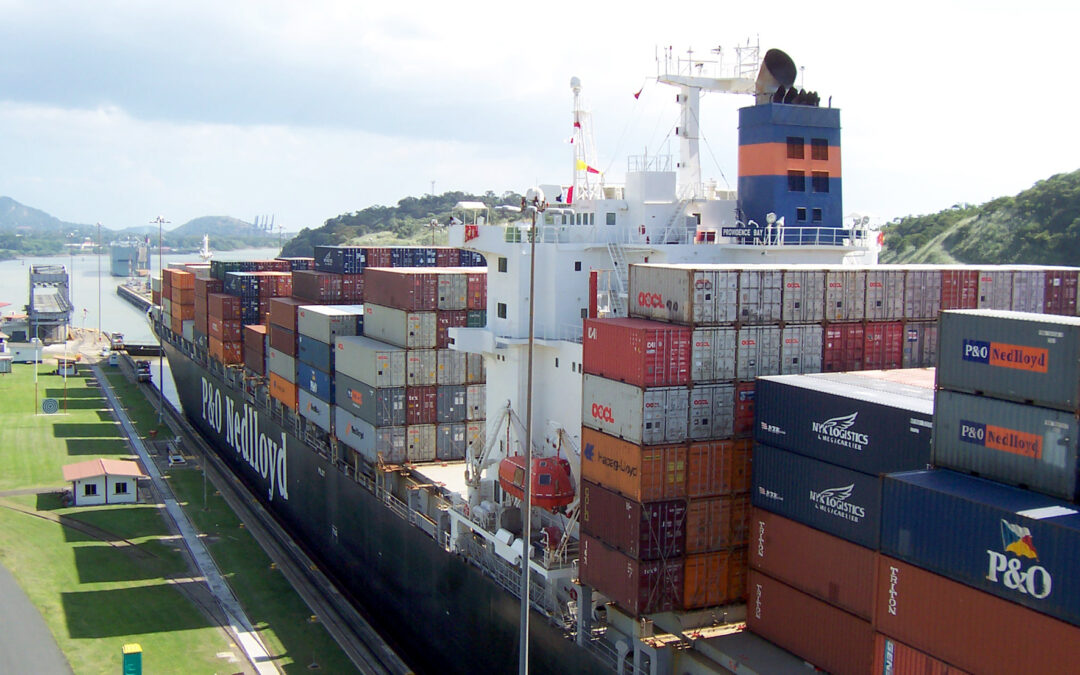
With the acquisition of APM Terminals, a division of the shipping giant Maersk, a new logistics era is on the horizon. APM Terminals purchased shares of the Panama-Colón Railway to manage the Panama-Colón railroad.

Although the transaction amount was not disclosed, this acquisition strengthens Maersk’s logistics infrastructure in the country and expands its capacity to offer integrated transportation solutions in the region.

Reactions within Panama’s maritime and logistics sector were swift. Experts consulted agreed that this move will further elevate Panama’s significance on the global stage.

José Digeronimo, president of the Panama Maritime Chamber (CMP), commented that Maersk is one of the world’s leading shipping companies. “This is a major investment for the company, especially since a few years ago, they moved part of their transshipment operations to Moín Island in Costa Rica, a port operation managed by APM Terminals,” he said.

However, he added, “The fact that they are acquiring the Panama-Colón Railway sends a message of confidence and continuity in using Panama’s transshipment system.”

International lawyer and maritime law expert Francisco Carreira stated, “Maersk acquired 90% of the shares because they were already the main client of the Panama-Colón Railway. Now, the company is simply securing service, value, and cargo by purchasing the Panama Canal Railway.”

Meanwhile, Daniel Izasa, president of the Logistics Business Council (COEL), hopes this transaction will begin many future investments in Panama’s logistics sector.

“They have a track record of global logistics and port operations investments. With the addition of the Panama-Colón Railway and shipping lines, Panama has become more competitive in terms of service. This will push other shipping companies and ports to improve and offer better services,” Izasa noted.

Given the route’s economic value, experts believe the transaction had likely been under discussion for months.

Trade

With the purchase of the shares, Carreira emphasized that the key is ensuring competition with other shipping companies remains unaffected and pricing remains fair for all users.

Digeronimo stated that the handling of the operational transfer remains to be seen, but he does not anticipate significant effects or consequences for Panama’s logistics system.

The COEL president concurred with the CMP president, explaining that the transaction was simply about acquiring the company’s shares, so no changes that would affect the Panama-Colón Railway’s operations are expected.

“The railway should continue to function as usual because this is a transaction similar to what we’ve seen with port acquisitions,” he said.

Nevertheless, Izasa clarified that Maersk remains the Panama-Colón Railway’s largest customer. The shipping line could benefit from cost management strategies or private initiatives, such as acquiring shares.

If investment follows, it could encourage growth, improved connectivity, and the movement of more containers, considering the dynamic state of the global market.

With this new scenario, the COEL president reiterated, “Panama plays a crucial role in this evolving logistics game. They will want to invest further to increase the railway’s capacity. “

Operations

The Panama-Colón Railway connects Balboa and Colón, with trains operating continuously between the Atlantic and Pacific intermodal terminals. It runs up to 10 trains in each direction every 24 hours, potentially increasing to 32 daily trips.

Its handling capacity is estimated at around 500,000 containers per year. However, the company plans to increase this in phases of approximately 250,000 annual movements to reach a maximum capacity of two million TEUs per year.

Thanks to this railway, Panama is the only place in the world where containers can be moved from the Atlantic to the Pacific within a customs-controlled corridor in under four hours.

Multinational Presence

Maersk is a global integrated logistics company specializing in supply chain solutions and maritime transport. It operates in more than 135 countries.

The company is known for its fleet of container ships. In Panama, Maersk maintains offices and is one of the 185 companies established under the country’s Multinational Headquarters (SEM) regime.

The collaboration between Maersk and Panama dates back to 1917, when the company’s vessels began transiting the Panama Canal. This relationship was cemented with the first scheduled line transit in 1928 and the first container ship transit in 1975.

Maersk handles approximately 35% of Panama’s import and export volumes today.

Meeting

At the beginning of 2025, A.P. Moller—Maersk CEO Vincent Clerc met with the President of Panama, José Raúl Mulino, to discuss strategies that would allow Maersk to continue supporting Panama’s objectives of strengthening trade competitiveness and modernizing its port and logistics infrastructure.

During the meeting—held on the sidelines of the World Economic Forum in Davos—President Mulino and Clerc explored opportunities to advance sustainable port operations, leverage Panama’s strategic location to improve global connectivity, and deliver innovative supply chain solutions aligned with the country’s development priorities.

Experts believe this meeting may have initiated or solidified the shipping company’s negotiations to acquire the Panama-Colón Railway.

“It likely had some connection. These are major acquisitions that require extensive due diligence. This isn’t something APM Terminals decided to do overnight,” said the CMP president.

The international lawyer and maritime law expert also believes the meeting in Davos may have been related to the start of negotiations.

Bogotá is in the Top 3 Cities with the Highest Foreign Investment in Latam in 2025: Invest in Bogotá

Bogotá is in the Top 3 Cities with the Highest Foreign Investment in Latam in 2025: Invest in Bogotá

Invest in Bogotá has released its latest report on Foreign Direct Investment (FDI), analyzing the city’s performance in 2024 and setting goals for 2025 in a context shaped by new trade conditions imposed by the United States. According to the report, Bogotá has become a key player in attracting foreign investment in Latam. The city’s strategic advantages, diverse economic landscape, and business-friendly policies continue to drive interest from global investors.

New Trade Conditions and Their Impact on Foreign Investment

One of the main developments highlighted in the report is the implementation of a 10% tariff on Colombia, a measure taken by the Trump government as part of the so-called “Liberation Day,” during which several countries were affected by trade restrictions. However, among the nations impacted, Colombia was one of the least affected. This policy shift has caused businesses to reconsider their investment strategies, with many seeing Bogotá as a resilient and attractive destination for foreign investment in the Latam market.

When asked about this measure’s effects on foreign investment, Carlos Suárez, director of Invest in Bogotá, stated that while it may present a challenge, it could also open new opportunities for the city.

“This situation could prove beneficial for Bogotá, as a company investing in the city to produce and export from Colombia would face a lower tariff than if it were operating from China or other countries with higher levies,” he explained. The ability to offer competitive advantages over other global markets enhances the city’s position among the top destinations for businesses seeking to expand in the region.

Despite this potential upside, the expert warned against excessive optimism, emphasizing that while the city remains in a strong position, it must continue to develop its infrastructure and investment-friendly policies to maintain momentum.

“The city’s position does not appear to be affected in the medium term, as it enjoys the stability of the services sector,” Suárez added. With a robust services industry and a growing focus on technology and innovation, Bogotá can sustain foreign investment in Latam flows despite global economic fluctuations.

Bogotá Among the Top 3 Cities in Latin America for FDI in 2024

The report highlighted that Bogotá solidified its position as the third-largest recipient of foreign investment in Latam, behind only Mexico City and São Paulo. In 2024, the Bogotá region secured 105 FDI projects, representing an 11.7% growth compared to the previous year. This growth underscores the city’s resilience and attractiveness in a competitive global investment landscape.

Regarding the most benefited sectors, 50% of the investment was concentrated in services and retail. The steady expansion of these industries has strengthened Bogotá’s ability to provide stable returns for investors. The city’s favorable business climate and strategic location make it one of the cities with the highest investment in Latam.

The central investor countries in Bogotá were:

  • The United States, with a 28.6% share
  • Spain, with 9.5%
  • Mexico, with 8.6%
  • China, the Asian country with the most prominent presence, with 6.7%

These figures demonstrate that global companies recognize Bogotá as a viable and competitive destination for foreign investment in Latam. As companies seek to diversify their operations, the city’s economic growth and stability will continue to make it an attractive hub for international business.

Outlook for 2025 and Bogotá’s Competitive Edge

Despite the new trade landscape, the investment agency projects that Bogotá will remain among the top three cities in Latin America for foreign investment in Latam in 2025. Two key segments will support this: large-scale events and developing a high-impact entrepreneurship ecosystem.

Bogotá’s ability to host international business events, conventions, and trade fairs positions it as a hub for global business discussions and networking. The city’s infrastructure allows it to cater to large-scale investment forums, fostering more business engagements and partnerships.

Additionally, the entrepreneurial ecosystem in Bogotá continues to flourish. With numerous startups gaining international recognition, the city is becoming a magnet for venture capital and innovation-driven businesses. The local government’s initiatives to support new companies and attract technological investments further solidify its role as a leading business center in the region.

Invest in Bogotá projects that, despite external economic pressures, the city will sustain and potentially expand its market share in foreign investment in Latam. The report anticipates that the services sector will continue to attract the highest investment in Latam, given Bogotá’s strong talent pool and technological advancements.

Furthermore, the city’s strategic geographic location provides an added advantage. As a gateway to South America, businesses investing in Bogotá can leverage its connectivity to major regional and international markets. This positioning, combined with favorable business regulations, contributes to Bogotá’s consistent ranking as one of the cities with the highest investment in Latam.

Conclusion: Bogotá’s Bright Future in Foreign Investment

Bogotá’s remarkable growth in foreign investment in Latam is a testament to its resilience, strategic policies, and economic stability. While global economic conditions and trade policies will continue to evolve, the city’s strong services sector, focus on entrepreneurship, and ability to attract major international events will ensure its sustained prominence.

As 2025 approaches, Bogotá is poised to remain in the top three cities in Latin America with the highest investment in Latam. Its capacity to adapt to changing global trends while maintaining a favorable business environment ensures its continued appeal to investors worldwide. With the right strategies in place, Bogotá is well on its way to securing its position as a regional leader in foreign direct investment.

Automotive Logistics in North America Amid 25% Tariffs and the Urgency to Transform the Supply Chain

Automotive Logistics in North America Amid 25% Tariffs and the Urgency to Transform the Supply Chain

Congestion, Diversions, and Port Saturation Before the Tariffs

With the presidential proclamation signed by Donald Trump on March 26, 2025, the imposition of a 25% tariff on all light vehicles imported into the United States was made official, taking effect on April 2. Additionally, essential auto parts, including engines, transmissions, and electrical systems, will be subject to the same tariff starting May 3. This announcement has triggered one of the most significant logistical and production disruptions the North American automotive industry has faced in decades.

The logistical “rush” experienced in the final days of March has been described as a global emergency operation. Shipping lines have rerouted vessels from Asia and Europe to less congested U.S. ports to prevent vehicles in transit from being caught under the new tariff scheme. Notably, these ships are transporting unusually high numbers of units in a desperate bid to enter the U.S. before April 2.

This congestion has led to bottlenecks in yards, terminals, and customs facilities. As Daniel Harrison, an analyst at Automotive Logistics, noted, the industry is experiencing a “slow-motion crisis” that threatens to persist for years to come. The ramifications of these disruptions go beyond the immediate logistical challenges, raising concerns about the long-term resilience and efficiency of automotive logistics in North America. Industry players must rethink their supply chain strategies to mitigate these unprecedented challenges.

Structural Impact on the Supply Chain

The just-in-time model and regional integration under the USMCA (formerly NAFTA) have been the backbone of North America’s industrial success. However, as the consulting firm Bain & Company warned, this global network was already “stretched to the limit” due to disruptions accumulated since the pandemic and the transition to EVs. The tariffs further exacerbate the situation, forcing companies to reassess the feasibility of their current supply chain models.

The change will not only affect foreign manufacturers such as Toyota, Mercedes-Benz, and VW. U.S. firms like GM, Ford, and Stellantis also import parts and models from Mexico, Canada, Asia, and Europe. Even USMCA-compliant products could face tariffs if they do not certify their U.S. regional content properly. This highlights the growing complexity of automotive logistics in North America, where companies must balance cost efficiency and compliance with evolving trade regulations.

Beyond the manufacturing sector, logistics providers are also facing immense pressure. The increased scrutiny of import certifications means more administrative work at customs checkpoints, leading to delays and additional costs. As companies navigate these hurdles, the need for streamlined and technologically advanced logistics solutions has become more apparent.

Direct Impact on Mexico: Vulnerability and Opportunity

Mexico, the leading exporter of light vehicles to the U.S., faces a dual scenario. On the one hand, Mexican plants are crucial for North American supply chains. Still, on the other, many units may not meet the new thresholds for regional or “American” content, as the White House has defined the criteria for the vehicles Mexico exports to the U.S. Several OEMs will have to decide whether to relocate part of their production or transform their supply chains to balance U.S., Mexican, and Canadian content in their vehicles.

The consequence? No matter how you look at it, increasing the price of vehicles assembled in any USMCA country will be almost inevitable. No vehicle is manufactured with 100% American content alone. The added costs will ultimately be transferred to consumers, affecting demand and reshaping the competitive landscape of the automotive market.

The impact is further amplified in Mexico’s logistics hubs: Lázaro Cárdenas, Veracruz, and Mazatlán have reported accelerated growth in vehicle movement for several months, and the pressure is expected to continue. The integration of rail and road transportation with the U.S. is also operating at full capacity, presenting yet another challenge for automotive logistics in North America. Efficient coordination between different modes of transport will be essential to prevent bottlenecks and maintain a steady flow of goods across borders.

Mitigation Options: From Production Redesign to Digital Traceability

Among the strategies discussed at forums like Automotive Logistics Europe, OEMs, and Tier suppliers are considering:

  • Increasing production in the U.S. or strengthening regional content to meet USMCA requirements and avoid penalties.
  • Redirecting shipments to ports with lower tax burdens or temporary exemption regimes to maximize efficiency.
  • Integrating traceability tools and predictive analytics to provide real-time visibility into logistics flows.
  • Diversifying suppliers, prioritizing those in North America or those with greater flexibility to adapt to new regulations.
  • Reconfiguring logistics operations and assessing the transition to strategic inventory models or regionalized distribution centers.
  • Forming partnerships with specialized logistics operators that offer integrated solutions adaptable to the new regulatory environment.
  • Investing in automation, artificial intelligence, and blockchain as tools to reduce risks, anticipate disruptions, and ensure regulatory compliance.

The need for resilience and adaptability in automotive logistics in North America is more crucial than ever. Automakers and logistics providers must embrace digitalization and predictive modeling to enhance supply chain visibility. By leveraging real-time data, companies can make informed decisions that minimize delays and optimize cost efficiency.

Strengthening collaboration among foreign trade, product engineering, procurement, and logistics departments is essential to designing joint scenarios and making data-driven decisions. This cross-functional effort will be crucial for adapting the supply network to new international trade parameters.

Long-Term Implications and Industry Adaptation

While short-term strategies focus on mitigating immediate disruptions, industry leaders must also consider the long-term evolution of automotive logistics in North America. The move toward greater regionalization may incentivize investments in domestic manufacturing capabilities, reducing reliance on overseas production. However, this transition requires significant capital investment and reevaluating supply chain dependencies.

The importance of sustainability in logistics is also gaining traction. With the growing emphasis on reducing carbon emissions, companies are exploring eco-friendly transportation methods, such as electric freight vehicles and rail alternatives. Automakers can align with regulatory trends by integrating sustainability into logistics planning while enhancing operational efficiency.

Furthermore, geopolitical uncertainties continue to shape trade policies. The potential for further changes in tariff structures and shifting alliances between trade partners underscores North America’s need for agile and forward-thinking strategies in automotive logistics.

Conclusion: The Road Ahead

The imposition of 25% tariffs on imported vehicles and essential auto parts marks a defining moment for the automotive industry. The disruptions triggered by these tariffs demand urgent and strategic responses from automakers, logistics providers, and policymakers alike. While challenges persist, there are also opportunities for innovation and transformation within the supply chain.

Investments in technology, enhanced regional collaboration, and proactive adaptation to regulatory changes will be key to navigating this complex landscape. As the industry evolves, resilience and agility will define the success of companies operating in automotive logistics in North America.