+1 (520) 780-6269 investment@latamfdi.com
Embraer Investment in Aerospace Planned to Reach $3.5 Billion by 2030

Embraer Investment in Aerospace Planned to Reach $3.5 Billion by 2030

Introduction

Embraer, one of the world’s leading aerospace manufacturers, has announced plans to invest approximately $3.5 billion by 2030. This strategic move was revealed during the “Mission 6 of Nova Indústria Brasil (NIB)—Technologies of Interest for National Sovereignty and Defense” ceremony held in Brasília. Brazilian President Luiz Inácio Lula da Silva, Vice President Geraldo Alckmin, and other high-ranking government officials attended the event.

Embraer’s investment in aerospace aligns with the company’s long-term growth strategy, which focuses on increasing aircraft production, expanding international market reach, and fostering the development of sustainable aerospace technologies. The move is expected to solidify Brazil’s position as a global leader in aviation innovation while boosting economic growth and job creation.

Expanding Aircraft Production and Global Market Presence

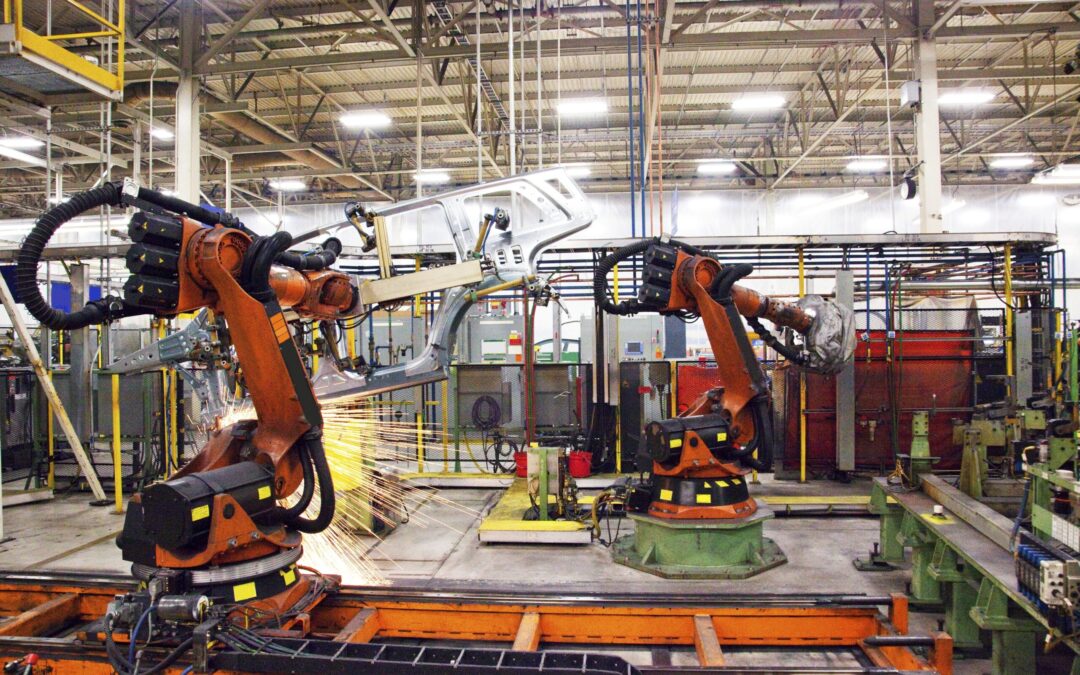
Much of the Embraer investment in aerospace will be directed toward ramping up aircraft production to meet increasing global demand. Embraer has a strong presence in the commercial, executive, and defense aviation sectors, producing aircraft such as the E-Jet family, the KC-390 Millennium, and the Phenom series of executive jets. The company plans to enhance its manufacturing capabilities to meet the evolving needs of civilian and military customers worldwide.

Embraer has been steadily expanding its international footprint, particularly in the United States, Europe, and Asia. The company aims to improve its competitive edge in the highly dynamic aerospace sector by strengthening its global supply chain and forging new partnerships. The Embraer investment in aerospace will also support the continued growth of Embraer Defense & Security, which has been developing cutting-edge military aircraft and advanced systems for national and international defense forces.

Sustainable Aerospace Technologies and the eVTOL Revolution

One of the most groundbreaking aspects of Embraer’s investment in aerospace is its commitment to sustainable aviation. The company has been actively developing environmentally friendly technologies to reduce carbon emissions in the aerospace industry. A key initiative in this effort is developing the eVTOL (electric vertical takeoff and landing vehicle) through EVE, an Embraer-backed subsidiary.

EVE’s eVTOL aircraft represents a significant step toward the future of urban air mobility. Designed to provide efficient, low-emission transportation in congested urban environments, eVTOLs have the potential to revolutionize how people and goods move within cities. With the backing of Embraer, EVE has been making strides in advancing battery technology, energy efficiency, and autonomous flight capabilities.

In addition to eVTOLs, Embraer is exploring other sustainable aviation solutions, such as hybrid-electric propulsion, biofuels, and hydrogen-powered aircraft. The company’s commitment to sustainability aligns with global efforts to achieve net-zero emissions in aviation by 2050.

The Role of Nova Indústria Brasil (NIB) and Government Support

The Nova Indústria Brasil (NIB) program revitalizes Brazil’s industrial competitiveness. By fostering collaboration between private companies, government agencies, and research institutions, the initiative aims to position Brazil as a leader in high-tech manufacturing.

Francisco Gomes Neto, President and CEO of Embraer, emphasized the importance of this collaboration, stating, “The Nova Indústria Brasil program plays an essential role in restoring the country’s competitiveness. The alliance with Embraer and the entire Defense Industrial Base will continue to promote Brazilian product exports, generate skilled jobs and income, and ensure mastery of critical technologies for national sovereignty.”

Through its strategic partnership with the government, Embraer investment in aerospace will benefit from policy support, research incentives, and infrastructure development, all of which will facilitate the company’s ambitious expansion plans.

Strengthening Brazil’s Aerospace and Defense Industry

Brazil has long been recognized as an aerospace and defense manufacturing leader, with Embraer at the forefront of the industry. The country’s ability to design and produce world-class aircraft has been made possible through strong collaborations between government entities, academic institutions, and private enterprises.

By investing heavily in research and development (R&D), Embraer ensures that Brazil remains competitive in the global aerospace sector. The company’s partnerships with leading universities and technology centers have contributed to aerodynamics, materials science, and advancements in avionics. This focus on innovation will help Brazil maintain its edge in a highly competitive and rapidly evolving industry.

Job Creation and Workforce Development

Embraer’s investment will also directly impact Brazil’s job creation and workforce development. Currently, the company employs 23,500 people worldwide, with 18,000 based in Brazil. Over the past two years, Embraer has generated over 2,500 new jobs, surpassing its pre-pandemic employment levels.

The company is committed to nurturing talent through specialized training programs, apprenticeships, and collaboration with technical institutions. By investing in professional development, Embraer ensures its workforce remains highly skilled and adaptable to technological advancements.

Expanding Embraer’s production facilities will also create thousands of indirect jobs, benefiting local suppliers, logistics providers, and service industries. This ripple effect will contribute significantly to Brazil’s economic growth and industrial modernization.

Conclusion

Embraer investment in aerospace represents a significant milestone in its history, reinforcing its commitment to growth, innovation, and sustainability. By increasing aircraft production, expanding its global market presence, and pioneering eco-friendly aerospace technologies, Embraer is poised to shape the future of aviation.

The collaboration between Embraer, the Brazilian government, and research institutions will be instrumental in maintaining the country’s competitive edge in the aerospace and defense sectors. Moreover, the investment will generate significant economic benefits, including job creation, export growth, and technological advancements.

As Embraer moves forward with its ambitious plans, it will continue to play a crucial role in shaping the aerospace industry while contributing to Brazil’s economic prosperity and global technological leadership.

Business Council Highlights Security in El Salvador but Recommends Simplifying Procedures to Attract Investment

Business Council Highlights Security in El Salvador but Recommends Simplifying Procedures to Attract Investment

CEAPI Recognizes Progress in Security and Investment Climate

The Business Council for Ibero-America Alliance (CEAPI) highlighted El Salvador’s security and the government’s current policies, acknowledging the country’s improvements while calling for further administrative simplifications to attract foreign capital. A CEAPI delegation visited El Salvador recently, meeting with business leaders and government officials to assess investment conditions.

CEAPI President Núria Vilanova praised the progress made, stating that El Salvador has successfully established a strong foundation in security, making it a more attractive destination for investors. However, she emphasized the need to streamline bureaucratic procedures and enhance workforce training to fully unlock the country’s economic potential.

Investment and Workforce Development Are Key Priorities

During discussions, Vilanova underscored the importance of continuing reforms to facilitate foreign investment. “The country is on the right track, security, which it already has; a navigable administration; clear policies; and talent, which it possesses. Improving workforce training is key. We saw interest in the launch of the university spearheaded by Roberto Kriete and potential partnerships,” she noted.

CEAPI stressed that ongoing dialogue between the private sector and the government is critical to fostering economic opportunities and ensuring sustainable growth. As a result, foreign investors are looking for a business environment that offers both stability and efficiency in administrative procedures.

According to the Central Reserve Bank (BCR), net foreign direct investment (FDI) flows reached $387.44 million during the first three quarters of 2024. The investment trend fluctuated, with FDI totaling $195.67 million in the first quarter. However, the second quarter saw a decline as outflows exceeded inflows, resulting in net FDI of -$33.6 million. In the third quarter, investment rebounded significantly, with a net inflow of $225.37 million.

Spanish Companies and Their Influence in El Salvador

CEAPI highlighted the long-standing role of Spanish companies in Latin America, noting that Spain has been one of the largest foreign investors in the region for over four decades. “Spain has been investing in Latin America for more than 40 years and has become the first or second largest investor in many countries in accumulated investment,” Vilanova stated.

Spanish companies such as Calvo and Prosegur have established a strong presence in El Salvador, generating employment and contributing to economic development. According to the BCR, FDI from Spain alone amounted to $396.21 million in the first three quarters of 2024, reflecting Spain’s continued interest in the Salvadoran market.

Projections for 2025 and New Investment Opportunities

In 2025, CEAPI expects Ibero-American companies to continue injecting capital into El Salvador across various industries, including food production, water treatment plants, energy, and tourism. The Council views the tourism sector as promising, with significant potential for economic growth.

“Additional renewable energy, tourism, and agribusiness projects are under consideration. This could increase the average growth of recent years, which has already improved significantly,” Vilanova noted. She also suggested that new investment projects could be implemented as early as 2026, further strengthening El Salvador’s economic outlook.

During CEAPI’s visit, the delegation toured the historic center of San Salvador and met with key business figures and policymakers to discuss potential investment strategies. Vilanova praised local business leaders, including Carlos Callejas and Roberto Kriete, for contributing to the country’s economic expansion and international business ventures.

Local Business Leaders Making a Regional Impact

CEAPI acknowledged the efforts of Salvadoran entrepreneurs who have successfully expanded their businesses beyond national borders. Vilanova specifically highlighted the case of Carlos Callejas, describing him as an example of how a “small fish can eat the big fish” due to his strategic vision, organization, and business acumen. His acquisition of an 86.5% stake in the Colombian supermarket chain Éxito was cited as a testament to his business expertise.

Similarly, Vilanova praised Roberto Kriete for expanding his investments into Peru and the United States, reinforcing the idea that Salvadoran business leaders can significantly impact global markets. CEAPI expressed hope that El Salvador would create further opportunities for local entrepreneurs to grow and expand into regions like Spain.

Logistics and Infrastructure Development

On logistics, Vilanova addressed concerns about port congestion, noting that such challenges are not unique to El Salvador. She pointed out that as global trade traffic increases, greater investment in port infrastructure is necessary to maintain efficiency and competitiveness.

CEAPI emphasized that El Salvador has a strategic advantage over other nations due to its geographic location and the growing trend of nearshoring, where U.S. companies are relocating operations closer to North American markets. Strengthening trade ties between El Salvador and the United States further enhances the country’s attractiveness as a business hub.

“There is a need to attract port operators that can capitalize on these opportunities in El Salvador,” CEAPI stated. The organization reaffirmed its commitment to supporting Salvadoran businesses and the government in overcoming logistical challenges by working closely with port sector clients and analyzing best practices worldwide.

Security in El Salvador: A Critical Factor for Investment Growth

CEAPI repeatedly emphasized that security in El Salvador has been one of the country’s most significant achievements, making it a more favorable environment for foreign investors. The Council noted that improved security conditions have helped restore confidence among businesses and entrepreneurs, leading to increased interest from international investors.

With crime rates declining and law enforcement efforts strengthening, companies can operate with greater certainty and reduced risk. Vilanova reiterated that security in El Salvador is vital to its economic strategy and should remain a top priority for long-term investment success.

In addition to reinforcing security in El Salvador, CEAPI encouraged the government to continue refining regulatory processes to ensure that businesses can establish operations smoothly and efficiently. Eliminating bureaucratic bottlenecks can accelerate economic growth and attract more foreign capital.

Conclusion

El Salvador’s economic progress, bolstered by security improvements and strategic investments, positions the country as an attractive destination for Ibero-American and global investors. CEAPI’s recommendations focus on streamlining administrative procedures, enhancing workforce development, and addressing logistical infrastructure needs.

The organization’s delegation underscored the importance of continued collaboration between the private sector and the government to create a business-friendly environment. With security in El Salvador remaining a cornerstone of its investment appeal, further economic reforms and targeted industry growth could pave the way for a prosperous 2025 and beyond.

Aerospace in Sonora Strengthens Its Position in Mexico

Aerospace in Sonora Strengthens Its Position in Mexico

According to data from the National Institute of Statistics and Geography (INEGI), Mexico’s aerospace sector has maintained a steady growth rate of 8% annually over the past five years. The country’s aerospace exports now exceed $7 billion annually, showcasing the sector’s resilience and capacity for expansion. In this context, aerospace in Sonora has played an instrumental role, positioning the state as a critical hub within the aircraft manufacturing supply chain.

Mexico is home to more than 400 companies dedicated to the aerospace industry, collectively contributing to a market valued at approximately $4.6 billion annually. A significant majority—80%—of these companies focus on manufacturing aircraft parts and components, while the remaining 20% provide engineering, design, maintenance, repair, and operational services (MRO).

Projected Growth and Future Outlook

The Mexican Federation of the Aerospace Industry (FEMIA) projects that the market’s value will reach $11.2 billion in 2024, with expectations to exceed $22.7 billion by 2029. This forecast represents a compounded annual growth rate (CAGR) of 15.18% during the projected period, reinforcing Mexico’s status as a global aerospace manufacturing powerhouse. The steady expansion of the aerospace sector further highlights the crucial role that Sonora plays in Mexico’s overall industrial growth.

Sonora’s Role in Manufacturing and Employment

Sonora’s contributions to the nation’s aerospace sector have been particularly notable in manufacturing. The state has capitalized on Mexico’s IMMEX Program (Manufacturing, Maquiladora, and Export Services Industry), fostering sustained growth in aerospace-related production and assembly operations. As a result, Sonora’s manufacturing sector has seen impressive job creation, with 112,726 employees recorded by the end of 2024.

One of Sonora’s most significant contributors to employment is Maquilas Tetakawi, the state’s largest employer. According to Javier Carrizales, Rector of UTG (Universidad Tecnológica de Guaymas), many of the company’s clients are involved in the aerospace sector, specializing in the assembly and manufacturing of aircraft components. The presence of aerospace in Sonora has led to increased investment in education and workforce training, ensuring that technical professionals and engineers have the necessary skills to meet the industry’s evolving demands.

Why Aerospace Companies Choose Sonora

Major aircraft manufacturers continue to choose Sonora for its proximity to the United States and its expertise in producing high-precision aerospace components. Mexico’s focus on advanced technology and quality control has established the country as an essential supplier within the global aerospace supply chain.

Carrizales emphasizes that young professionals should take advantage of the abundant opportunities within the aerospace industry. As the sector expands, it offers a promising future for those interested in pursuing aeronautics, engineering, and advanced manufacturing careers. Aerospace in Sonora serves as a driving force for the state’s economic development, creating high-value jobs and strengthening local industries.

Opportunities for Skilled Workers and Students

International aerospace companies looking to expand their operations are actively seeking skilled local talent to enhance their workforce. As a result, aerospace-related careers are becoming an attractive option for students and professionals alike. Training programs, technical certifications, and university degrees specializing in aeronautical engineering are increasingly in demand as companies look to recruit highly trained personnel.

Innovation and Research in Aerospace

“Mexico is highly competitive in aircraft assembly,” noted Carrizales. “While we are currently focused on assembly operations, we are taking significant steps toward establishing a strong presence in aircraft design. We now have a specialized aeronautical design laboratory at the university, which is the only one of its kind in Sonora.”

Establishing specialized training and research facilities demonstrates the growing importance of aerospace in Sonora. The state remains a key player in Mexico’s broader aeronautical industry by fostering innovation and technological development. The combination of skilled labor, government incentives, and private sector investment drives rapid progress, positioning Sonora as a high-tech aerospace manufacturing and engineering hub.

Sonora’s Future in the Aerospace Industry

As the aerospace industry continues to evolve, Sonora is well-positioned to take advantage of new opportunities in the sector. The state’s ongoing efforts to enhance its workforce, improve infrastructure, and attract international investment will further strengthen its role as a leader in Mexico’s aerospace sector. By continuing to build on its competitive advantages, Sonora is consolidating its status within the national market and gaining recognition as an emerging powerhouse in the global aerospace industry.

Conclusion: Sonora’s Rising Global Influence

With these prospects, Sonora is not just a regional leader but a key player in Mexico’s expanding aerospace industry. The state’s strategic initiatives and commitment to innovation ensure that it will continue to be an essential part of the country’s aviation and aerospace future, attracting the attention of global industry leaders and paving the way for sustainable growth in the years to come.

U.S. and Chinese Investment in Mexico: Economic Rivalry and USMCA Trade Impact

U.S. and Chinese Investment in Mexico: Economic Rivalry and USMCA Trade Impact

Over the past two decades, the United States has dominated foreign direct investment (FDI) in Mexico, while China has shown progressive growth. This has led to ongoing trade tensions in the region, with Mexico caught in the crossfire between Washington and Beijing. The competition between the two global powers in Mexico reflects a broader struggle for economic influence in Latin America. It underscores the importance of Mexico’s strategic location, manufacturing capabilities, and trade agreements. Additionally, the USMCA trade impact continues to shape the region’s investment flows and supply chain strategies.

The Dominance of U.S. Investment in Mexico

The United States has historically been Mexico’s top investor, with annual FDI exceeding $6 billion and reaching a historic high of over $22 billion in certain years. This level of investment is largely driven by the deep economic integration between the two nations, facilitated first by the North American Free Trade Agreement (NAFTA) and later by its 2020 successor, the United States-Mexico-Canada Agreement (USMCA).

Since 2000, U.S. investment in Mexico has ranged between $7.538 billion and $22.136 billion annually, with the highest recorded investment in 2001. Despite downturns during economic crises, such as the 2008 financial collapse and the COVID-19 pandemic, the U.S. remains the primary investor in Mexico.

In the first nine months of 2024 alone, U.S. investment in Mexico reached $14.4 billion, accounting for 40% of the country’s total FDI. This level of investment reflects strong industrial ties, particularly in manufacturing, energy, and telecommunications. The USMCA trade impact has reinforced this trend by providing clear trade rules and reducing uncertainties for American businesses operating in Mexico.

China’s Expanding Footprint in Mexico

In contrast to the longstanding presence of U.S. investment, Chinese investment in Mexico was virtually nonexistent two decades ago. In 2000, China invested only $10.3 million in Mexico. However, by 2011, it had increased its investments by 336%, from $10.7 million to $47 million. This growth trajectory continued, with Chinese investments surpassing $131 million in 2017 and peaking at $570 million in 2022. Despite a sharp drop of nearly 72% in 2023, Chinese investment rebounded in the first nine months of 2024, increasing by almost 200% to $477 million.

One of the driving forces behind China’s growing investment in Mexico is its nearshoring strategy. Chinese companies, seeking to bypass U.S. tariffs imposed during the ongoing U.S.-China trade war, have relocated portions of their manufacturing operations to Mexico. By doing so, they gain access to the North American market while avoiding heavy tariffs and trade barriers. However, the USMCA trade impact presents challenges for Chinese firms, as compliance with regional content rules remains a key hurdle for businesses aiming to benefit from the agreement.

Key Sectors Attracting U.S. and Chinese Investment

Manufacturing and Technology

The U.S. and China view Mexico as a critical hub for manufacturing, particularly in the automotive, electronics, and aerospace industries. The USMCA has reinforced Mexico’s role as a key player in North America’s supply chain, making it an attractive destination for foreign investors.

U.S. investment has traditionally focused on high-value manufacturing, with companies such as Ford, General Motors, and Tesla expanding operations in Mexico. Meanwhile, Chinese firms, including BYD and Lenovo, have begun establishing manufacturing plants to exploit Mexico’s skilled workforce and trade agreements.

Energy and Infrastructure

The energy sector has also been a significant investment area, particularly in renewable energy and oil. While U.S. companies have long been involved in Mexico’s energy sector, Chinese firms have also started investing in solar and wind energy projects, aligning with Mexico’s push for sustainable development.

Geopolitical and Trade Implications

Impact of the U.S.-China Trade War

The ongoing trade war between the U.S. and China has significantly influenced investment flows into Mexico. With tariffs making direct exports to the U.S. more expensive, Chinese manufacturers are using Mexico as a gateway to the North American market. However, this strategy has not gone unnoticed by U.S. policymakers, who increasingly scrutinize Chinese investments in Mexico. The USMCA trade impact plays a crucial role in this dynamic, as stricter rules of origin requirements limit the extent to which Chinese firms can leverage Mexico as a backdoor into the U.S. market.

The Role of the USMCA

The USMCA has reinforced Mexico’s role as a crucial trade partner for the U.S. and Canada. However, the agreement includes provisions that could limit Chinese investment, particularly those requiring a higher percentage of North American-made content in automobiles and other products. These provisions challenge Chinese firms seeking to integrate into Mexico’s supply chain while benefiting from USMCA trade benefits.

Potential Challenges and Future Outlook

Political Uncertainty and the 2026 USMCA Review

One of the most significant uncertainties facing foreign investment in Mexico is the upcoming review of the USMCA in 2026. The agreement requires a review every six years, and any potential renegotiations could impact investment dynamics. If stricter trade policies are implemented, particularly under a second Trump administration, this could hinder Mexico’s attractiveness as a nearshoring hub for Chinese firms.

Security and Regulatory Challenges

Despite Mexico’s advantages, security concerns, bureaucratic inefficiencies, and regulatory unpredictability remain obstacles for investors. U.S. and Chinese companies must navigate these challenges while expanding operations in the country.

Conclusion

The rivalry between U.S. and Chinese investment in Mexico highlights the country’s growing importance in global trade dynamics. While the U.S. remains Mexico’s dominant investor, China’s increasing presence—particularly in manufacturing and technology—reflects broader economic shifts.

However, political factors will shape the future investment landscape, including U.S.-China relations, Trump’s return to the White House, and the 2026 USMCA review. As global supply chains continue to evolve, Mexico stands at a crossroads, balancing its role as a key U.S. trade partner while managing the growing influence of Chinese capital. The USMCA trade impact will be decisive in determining how investment patterns unfold in the coming years.

A New Chapter in the Relationship Between Colombia and the United States

A New Chapter in the Relationship Between Colombia and the United States

Cooperation and Dialogue: Key to a Relationship Spanning Over 200 Years

On January 20, 2025, Donald Trump assumed the presidency of the United States, marking the beginning of a new phase in bilateral relations with Colombia. The relationship between Colombia and the United States has evolved over two centuries, shaped by shared economic interests, security cooperation, and diplomatic engagement. This historic alliance has been instrumental in fostering both nations’ economic growth, trade, investment, and social development.

Colombia has long been a key strategic partner for the United States in Latin America, with both countries working closely on issues ranging from counter-narcotics efforts to regional stability. As the political landscape in the U.S. shifts under the new administration, Colombian policymakers and business leaders are closely monitoring potential changes in economic policies, trade agreements, and security cooperation that could impact the strong bilateral relationship.

Impact of the Free Trade Agreement on Bilateral Trade

Since the Free Trade Agreement (FTA) between Colombia and the United States took effect in 2012, trade between the two nations has grown significantly. The FTA has provided Colombian exporters greater access to the U.S. market, boosting key sectors such as agribusiness, textiles, and mining energy. This has allowed Colombian businesses to become more competitive while simultaneously offering American consumers a diverse range of high-quality products.

As of November 2024, Colombian exports to the U.S. accounted for 29% of the country’s total exports, reaching USD $13.106 billion, according to Fedesarrollo. The primary goods exported include:

  • Oil
  • Flowers
  • Coffee
  • Non-monetary gold
  • Aluminum
  • Fruits

The relationship between Colombia and the United States in trade has also benefited American businesses, as Colombia imports various goods, including machinery, pharmaceuticals, and agricultural products from the U.S. This trade partnership has created jobs and investment opportunities in both countries, further strengthening economic ties.

United States: Colombia’s Leading Trade Partner and Top Investor

The United States remains Colombia’s top investor, representing 42% of total foreign direct investment (FDI). According to data from the Central Bank of Colombia, by the third quarter of 2024, U.S. FDI in Colombia reached USD 4.163 billion out of $9.953 billion. This investment has been directed toward industries such as infrastructure, renewable energy, manufacturing, and technology.

Beyond capital investment, U.S. businesses significantly contribute to Colombia’s job creation and economic development. American companies have generated over 115,000 direct jobs, fostering local employment and contributing to sustainable development. These firms often invest in workforce training and education, enhancing skill development and creating opportunities for professional growth in Colombian industries.

The relationship between Colombia and the United States extends beyond trade and investment. Over the years, both nations have cooperated in security, education, innovation, and environmental protection. Continued collaboration will be essential to maintaining a stable and mutually beneficial partnership as new challenges emerge.

Challenges and Opportunities Under the New U.S. Administration

Despite potential adjustments in trade or investment policies, business dialogue and economic diplomacy will continue to strengthen trust between both nations. Ricardo Triana, Executive Director of CEA Colombia, stated:

“We are convinced that the relationship between Colombia and the United States will continue to be a key pillar for economic development and regional stability. The new administration presents an opportunity to explore new areas of collaboration in sectors such as technology, security, and human development.”

CEA Colombia emphasizes maintaining a predictable and secure business environment to ensure investor confidence and promote sustained economic growth. Colombian business leaders are keen to adapt to changes in U.S. trade policies while seeking new opportunities to diversify exports and attract investment from other global markets.

One key area of focus for the new administration will be security and counter-narcotics efforts. The United States has been a crucial ally in supporting Colombia’s efforts to combat drug trafficking, providing funding and strategic assistance for security initiatives. Continued cooperation in this area will maintain regional stability and protect economic interests.

Global Challenges and the Future of Bilateral Trade

The future of the relationship between Colombia and the United States will depend on how both nations address global challenges, including:

  • Security and the fight against drug trafficking – Continued collaboration on security initiatives is critical for maintaining stability and reducing organized crime.
  • Migration and border policies – The movement of people between Latin America and the U.S. remains a key issue, with policies affecting both Colombian migrants and U.S. visa holders.
  • New international trade dynamics – The global economy is shifting, and both countries must adapt to changing trade policies, supply chain disruptions, and economic competition.

Trade disputes could threaten economic growth, with potential tariffs impacting Colombian exports. If the U.S. imposes 25% or 50% tariffs on certain goods, this could significantly affect Colombia’s economy, increasing costs for businesses and consumers. To counteract these risks, the Colombian government must implement strategies to promote fair and resilient trade policies while fostering stronger relationships with alternative trade partners.

Additionally, Colombia can expand its export markets beyond traditional sectors. Increased investment in technology, clean energy, and digital services could open new doors for Colombian businesses seeking to compete in the global economy. With support from both governments, innovation-driven industries could play a vital role in the country’s long-term economic grow

Strengthening a Strategic Partnership

As Colombia and the United States move forward in this new phase of their bilateral relationship, trust, dialogue, and cooperation will remain the fundamental pillars to ensure sustainable development and mutual benefit. Economic stability and strengthened trade ties will depend on strategic decisions that turn challenges into opportunities, securing a prosperous future for both nations.

Colombia and the United States can continue developing policies encouraging investment, economic growth, and job creation by fostering open communication between policymakers, business leaders, and trade organizations. Their long-standing relationship will remain a cornerstone of regional stability, reinforcing their shared values of democracy, free markets, and economic cooperation.

As global economic and political dynamics continue to evolve, the resilience of the Colombia-U.S. partnership will be tested. However, with proactive strategies and a commitment to collaboration, both nations can ensure that their economic and diplomatic ties remain strong, leading to lasting benefits for both countries’ businesses, workers, and citizens.