+1 (520) 780-6269 investment@latamfdi.com
The Importance of Commercial Ties Between Argentina and Germany

The Importance of Commercial Ties Between Argentina and Germany

The Importance of Commercial Ties Between Argentina and Germany

The German head of government, the Social Democrat Olaf Scholz, and the Argentine president, Javier Milei, recently held a meeting in Berlin where they discussed various issues of bilateral interest. The leaders addressed trade, economic, and energy relations and global climate protection to strengthen the commercial ties between Argentina and Germany. One of the main points of the meeting was the negotiation of a trade agreement between the European Union (EU) and the Mercosur countries. Scholz and Milei agreed on the need to complete these negotiations quickly, intending to facilitate greater commercial exchange and cooperation between the blocs.

The central topic was commercial ties between Argentina and Germany

The Argentine ambassador to Germany, Fernando Brun, highlighted that economic relations were a central topic at the meeting. According to Brun, it is a favorable time to close agreements in critical areas, such as the extraction of lithium, a resource of great importance for the manufacture of batteries and the energy transition in Germany. This interest reflects Germany’s desire to expand commercial ties between Argentina and Germany to diversify its sources of supply for critical minerals, reducing its dependence on China.

Commercial ties between Argentina and Germany are based on foreign investment, cooperation in natural resources, and commercial exchange. Both countries have developed bilateral agreements and joint projects to promote economic and technological development. Germany is significant in Argentina’s automotive, technology, and manufacturing sectors. This places the European country eighth in Foreign Direct Investment (FDI) after the United States, Spain, Brazil, the Netherlands, Chile, China, and Italy. According to the German Chamber of Industry and Commerce (AHK) and an Argentine consulting firm, 74% of German companies plan to invest more than one hundred million dollars in Argentina, mainly in fixed assets and technology.

The Bilateral Commercial Ties Between Argentina and Germany in Focus

The economic relationship between Argentina and Germany is robust and multifaceted, marked by significant trade in goods and services and substantial foreign direct investment (FDI) flows. These interactions underscore the mutual economic benefits and highlight each country’s strategic importance in maintaining and expanding their commercial ties.

Trade in Goods and Services

Goods Trade

Germany is one of Argentina’s key trading partners within the European Union. The bilateral trade in goods encompasses a wide range of products. On the export side, Argentina primarily sends agricultural products to Germany, including soybeans, wine, fruits, and meat. These exports reflect Argentina’s strength in agribusiness and its position as a leading global food producer.

Conversely, Germany exports a variety of industrial goods to Argentina. Prominent among these are automobiles and auto parts, machinery, and chemicals. Germany’s strong industrial base and technological prowess make it a vital supplier of high-quality manufactured goods to Argentina. The automotive sector, in particular, plays a significant role, with German brands being highly popular in the Argentine market.

Services Trade

The commercial ties between Argentina and Germany in the services sector are also noteworthy. Argentina exports professional services, particularly in the IT and software development sectors. Argentine tech companies have increasingly outsourced software solutions, IT services, and business processes to German firms. Argentina’s creative industries, including film and television production, have also found a receptive market in Germany. On the other hand, Germany offers Argentina a range of services, including engineering, consulting, and financial services. German expertise in these areas supports various sectors of the Argentine economy, from infrastructure projects to financial management.

Unleash Your Growth Potential:
Attract Foreign Direct Investment (FDI)

Learn how our proven strategies bring international capital to your organization. Schedule a free consultation today to discuss your unique needs and discover how we can unlock your growth potential. 

Foreign Direct Investment

German Investment in Argentina

Germany has a long history of investing in Argentina, with numerous German companies establishing a solid presence there. The sectors attracting significant German FDI include automotive, chemicals, pharmaceuticals, and renewable energy. Companies like Volkswagen, BASF, and Siemens have substantial operations in Argentina, contributing to local employment and economic growth.

The automotive sector, in particular, has seen considerable investment from German firms. Volkswagen, for instance, has manufacturing facilities in Argentina that produce vehicles for the domestic market and export. This investment enhances Argentina’s industrial capabilities and integrates the country into the global automotive supply chain.

Argentine Investment in Germany

While Argentine FDI in Germany is smaller in scale, it is nonetheless significant, particularly in the agricultural and food sectors. Argentine companies have invested in food processing and distribution facilities in Germany, ensuring a steady supply of high-quality Argentine products to the European market. Additionally, some Argentine firms have ventured into the renewable energy sector in Germany, reflecting a shared commitment to sustainable development.

Strategic and Future Directions

The economic relationship and commercial ties between Argentina and Germany are poised for further growth, driven by mutual interests and complementary strengths. Both countries are keen on expanding trade and investment ties, particularly in emerging sectors such as renewable energy, digital technology, and biotechnology.

Various agreements and forums also support the bilateral relationship to foster economic cooperation. For instance, the Argentina-Germany Binational Commission on Economic Relations provides a platform for dialogue and collaboration, addressing issues ranging from trade barriers to investment opportunities.

The economic ties between Argentina and Germany are characterized by a dynamic exchange of goods and services and significant FDI flows. These interactions bolster the economies of both countries and pave the way for deeper cooperation in the future. As both nations continue innovating and adapting to global economic trends, their bilateral relationship will grow even stronger, benefiting businesses and consumers.

Don't Miss Out: Limited Spots Available for Free FDI Strategy Sessions

Foreign Direct Investment can fuel your organization's success. But competition is fierce. Secure your spot today for a free, no-obligation consultation with our FDI experts. Learn how to attract global investment and take your business to the next level.

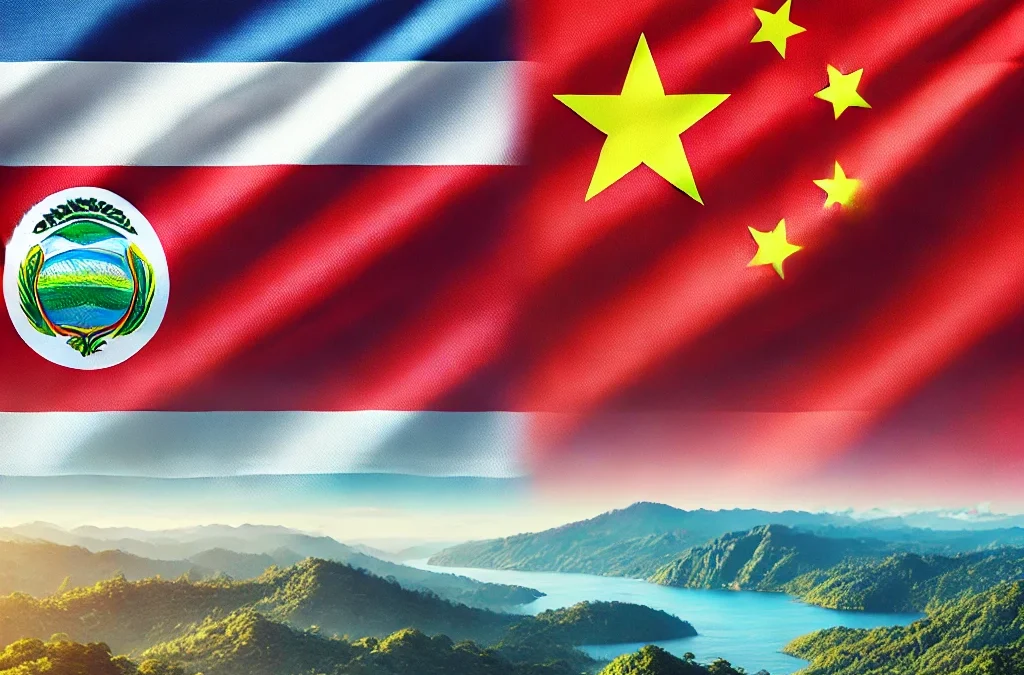
Impact of CAFTA-DR on the Economy of Costa Rica, Central America, and the Dominican Republic

Impact of CAFTA-DR on the Economy of Costa Rica, Central America, and the Dominican Republic

The Free Trade Agreement between Central America, the Dominican Republic, and the United States (CAFTA-DR) has been a key tool for economic integration, job creation, and commercial development since its implementation in 2006. With a strong focus on job creation, this agreement seeks to eliminate tariff barriers, facilitate trade, and encourage foreign direct investment. Almost two decades after its implementation, evaluating the impact of the CAFTA-DR  on the participating economies is crucial using the most recent macroeconomic data available. The agreement has not only boosted economic growth but also led to the creation of numerous jobs, contributing significantly to the social well-being of the region.

Trade Growth

Since the entry into force of CAFTA-DR, member countries have experienced a significant increase in their foreign trade. According to data from the World Bank, the volume of goods and services exported by the region has grown by 5% annually on average. This growth has been particularly notable in sectors such as textiles, agricultural products, and light manufacturing, which have found a robust market in the United States, a testament to the strength of the trade relationship. For example, exports of textiles and clothing from Honduras to the United States increased by more than 50% in the first ten years of the agreement. Likewise, Costa Rica has seen an increase in the export of technological products and services, consolidating itself as a technological hub in the region.

Foreign Direct Investment

Foreign Direct Investment has been one of the largest beneficiaries of CAFTA-DR. The liberalization of markets and the legal guarantees offered by the treaty have attracted a constant influx of foreign capital, providing a significant boost to the region’s economies. In 2023, according to the Economic Commission for Latin America and the Caribbean (ECLAC), the region received approximately $15 billion in FDI, with Costa Rica and the Dominican Republic leading this indicator. Costa Rica, in particular, has used the agreement to diversify its economy. It has attracted significant investments in the information technology and biotechnology sectors, a clear sign of the agreement’s role in fostering economic diversification and attracting high-value sectors, reassuring the region about the long-term economic benefits of the agreement.

Unleash Your Growth Potential:
Attract Foreign Direct Investment (FDI)

Learn how our proven strategies bring international capital to your organization. Schedule a free consultation today to discuss your unique needs and discover how we can unlock your growth potential. 

Challenges and the Impact of CAFTA-DR

One of the main challenges is the competition that local producers face against subsidized products from the United States, especially in the agricultural sector. While more diversified economies, such as Costa Rica and the Dominican Republic, have taken advantage of the opportunities of the agreement, countries with economies more dependent on a single sector, such as Nicaragua and El Salvador, have seen more limited growth.

Future Outlook

As the global economy faces new challenges, including high inflation, geopolitical tensions, and post-pandemic economic uncertainty, CAFTA-DR countries must strengthen their cooperation and seek to diversify their economies further. Initiatives to improve infrastructure, education, and technological innovation will be crucial to maintaining competitiveness and attracting sustainable investments.

The impact of CAFTA-DR has been positive on the economies of its member countries, increasing trade, foreign investment, and employment. However, it has also presented challenges that require strategic policies to ensure more sustainable economic development. The key will be the ability of these countries to adapt and maximize the opportunities offered by the treaty while addressing the internal barriers that limit their full potential.

Case Study: Costa Rica

Costa Rica has been one of the largest beneficiaries of CAFTA-DR, becoming a model of how a country can transform its economy through trade and foreign investment. With a diversified economy, Costa Rica has taken advantage of the treaty to attract investments in high-value-added sectors such as technology, biotechnology, and medical services. Multinational companies such as Intel, Microsoft, and Amazon have established significant operations in the country, generating employment and technology transfer. The services sector has grown significantly, with exports representing 45% of the country’s total exports in 2023. However, despite these successes, Costa Rica faces important challenges, such as improving its infrastructure. Education remains critical to ensure that the workforce can meet the demands of an increasingly sophisticated market. Costa Rica must continue investing in education and technology, especially semiconductors, to maintain its competitiveness and consolidate the benefits of CAFTA-DR.

The impact of CAFTA-DR on the economies of Central America and the Dominican Republic has been transformative. The agreement has facilitated substantial trade and foreign direct investment growth, benefiting more diversified economies like Costa Rica and the Dominican Republic. These countries have successfully attracted investments in high-value sectors, leading to increased economic diversification and technological advancement. However, challenges remain, particularly for less diversified economies that struggle with competition from subsidized U.S. products. Moving forward, CAFTA-DR member countries must strengthen cooperation, invest in infrastructure and education, and foster technological innovation. These nations can ensure sustainable economic development and continued prosperity in an increasingly competitive global market by addressing these challenges and maximizing CAFTA-DR’s opportunities.

Don't Miss Out: Limited Spots Available for Free FDI Strategy Sessions

Foreign Direct Investment can fuel your organization's success. But competition is fierce. Secure your spot today for a free, no-obligation consultation with our FDI experts. Learn how to attract global investment and take your business to the next level.

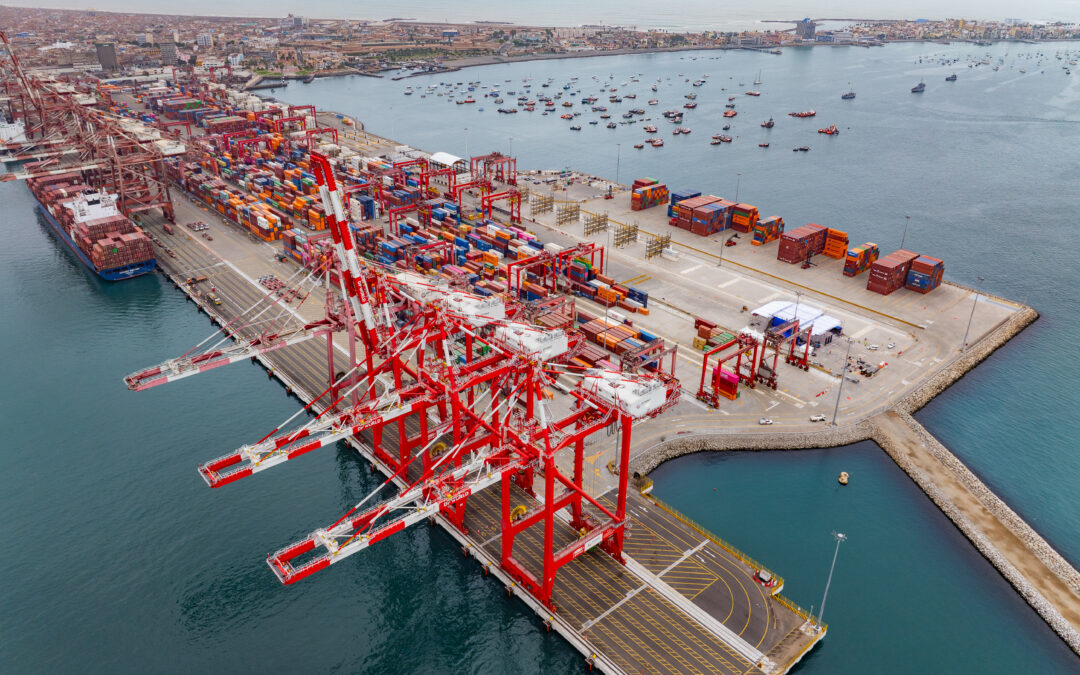
Agro-export investment in Peru has a promising future with the new Puerto de Chancay hub

Agro-export investment in Peru has a promising future with the new Puerto de Chancay hub

Agro-export investment in Peru has a promising future with the new Puerto de Chancay hub. Agricultural exports are vital to the Peruvian economy, serving as a cornerstone for economic growth, employment, and poverty reduction.

Economic Diversification and Rural Development

Peru’s agricultural sector has significantly diversified its economic base as one of the world’s top exporters of commodities such as coffee, asparagus, and quinoa. This diversification reduces the country’s dependency on mining and other traditional industries, fostering economic stability. The growth in agricultural exports has stimulated rural development, providing livelihoods for millions and driving infrastructural improvements in remote areas.

Emphasis on Organic and Specialty Products

Additionally, the sector’s emphasis on organic and specialty products caters to global markets’ increasing demand for healthy and sustainable foods, enhancing Peru’s competitiveness and brand value on the international stage. The foreign exchange earnings from agricultural exports also bolster Peru’s financial reserves, helping stabilize the national currency and improve the trade balance.

Government Support and Market Access

Moreover, the government’s supportive policies, including trade agreements and export incentives, have facilitated market access and attracted foreign investment, further propelling the sector’s growth. Thus, agricultural exports are not merely an economic activity but a strategic pillar that underpins Peru’s socio-economic development, resilience, and integration into the global economy. Agro-export investment in Peru has demonstrated a recent trend of consolidation and diversification, with new products continually being added. This success story is expected to fuel the ongoing interest of foreign direct and private investment, with exports serving as a critical gateway to other markets, leveraging the advantage of Peru’s free trade agreements.

Expert Insights: Juan Carlos Mathews

“Peru has a promising future for Peruvians and foreign companies that want to invest despite all the political concerns the country is currently experiencing. This sector of the economy is a significant opportunity not only to sell products of high quality to Europe but also for those who focus on guaranteeing a supply of high-quality products for demanding markets,” Juan Carlos Mathews, former Minister of Foreign Trade and Tourism of Peru and current Vice President of Internationalization of the San Ignacio Educational Corporation from Loyola, emphasizes the potential of agro-export investment in Peru.

Unleash Your Growth Potential:
Attract Foreign Direct Investment (FDI)

Learn how our proven strategies bring international capital to your organization. Schedule a free consultation today to discuss your unique needs and discover how we can unlock your growth potential. 

Sustained Growth and Global Recognition

“For several years, Peruvian agro-exports have had sustained growth; Peru has become the number one supplier country in the world of blueberries, grapes, asparagus, organic bananas, organic coffee, second in avocados and fifth in mandarins. This is thanks to its privileged climate, which in some cases allows it to supply markets from different parts of the world throughout the year,” says Juan Carlos Mathews. However, competition between the same Peruvian companies intensified as production grew and only supplied the same markets. This caused prices to fall. Therefore, to improve the agro-export sector, the Ministry of Foreign Trade and Tourism (MINCETUR) implemented public policies to develop free trade agreements and open new markets. Peru has 22 free trade agreements with 58 partners and is one of Latin America’s three most open economies. In addition, trade negotiations are underway with India and Hong Kong, and negotiations are beginning with other countries.

Technological Advancements and International Competitiveness

Mathews, a master’s in educational innovation and PhD Candidate in Economic and Social Sciences, considers that substantial development has been achieved due to significant investment in technology and joint venture contracts between Peruvian companies and companies from other countries. “The sector has developed very strongly, in such a way that the fields of Trujillo or Ica (important agro-export production areas) are similar to those of California or any other part of the world regarding quality standards and competitiveness.” This advancement showcases the benefits of agro-export investment in Peru, driving modernization and international competitiveness.

Strategic Infrastructure Development: Puerto de Chancay

“Today, Peru is a supplier recognized for its quality; its seasonality allows it to have windows of opportunity and take advantage of consumer preference in some supermarkets in Europe, the United States, Canada, and China. However, there is always room for new competitors,” he says. “In effect, to compete, the Peruvian State is investing in various projects such as the development of the port of Chancay, which will play an important role in creating access to new markets and economic growth, carrying as its slogan ‘From Chancay to Shanghai.’ This new port will literally be a hub that will allow a significant departure of cargo not only from Peru but also from other countries in the region, and will also contribute to the reduction of freight costs and transit times,” says Juan Carlos Mathews. This infrastructure development highlights the strategic importance of agro-export investment in Peru for sustaining long-term economic growth.

A Bright Future for Agro-Export Investment in Peru

The future of agro-export investment in Peru looks exceedingly bright, bolstered by strategic infrastructural projects like the Puerto de Chancay hub. The continuous growth and diversification of Peru’s agricultural exports enhance the country’s economic stability and foster rural development and technological advancement. Government policies and international trade agreements further strengthen this sector, attracting foreign investment and opening new markets. With a strong emphasis on quality, sustainability, and global competitiveness, Peru’s agricultural sector is a robust pillar of the national economy, offering significant opportunities for local and international stakeholders. As Peru continues to build on its strengths and address challenges, agro-export investment will remain a crucial driver of socio-economic progress, ensuring a prosperous future for the nation.

Spanish language source article.

Don't Miss Out: Limited Spots Available for Free FDI Strategy Sessions

Foreign Direct Investment can fuel your organization's success. But competition is fierce. Secure your spot today for a free, no-obligation consultation with our FDI experts. Learn how to attract global investment and take your business to the next level.

A Look at the Paraguayan Investment Climate and Opportunities

A Look at the Paraguayan Investment Climate and Opportunities

A discussion with Sebastian Ortiz Montaner, economic and trade counselor, Embassy of Paraguay to the United States.

Key Geographical and Cultural Attributes

Paraguay, located in the heart of South America, is known for its strategic geographical position, providing connectivity to major regional markets. The country boasts a rich cultural heritage, with Spanish and Guarani as its official languages. Paraguay’s vibrant culture, high literacy rate of 95%, and a young, dynamic population create a welcoming environment for investors, enhancing the Paraguayan investment climate.

LATAM FDI: How would you describe Paraguay’s current economic landscape?

Paraguay’s economic landscape is characterized by stability and growth. With a GDP of USD 43,389 million in 2023 and a projected growth rate of 3.8% for 2024, the country has shown resilience and positive economic performance, even during global challenges such as the COVID-19 pandemic. This resilience contributes significantly to the Paraguayan investment climate.

Economy and Major Industries

Sebastian Ortiz Montaner: What is the size of Paraguay’s economy in terms of GDP, and what has been the growth trend over the past few years?

The GDP of Paraguay was USD 43,389 million in 2023. Over the past few years, Paraguay has maintained a positive growth trend, with a GDP growth rate of 4.5% in 2023 and an average growth rate of 2.9% from 2014 to 2024. This consistent growth underscores the country’s economic resilience and potential, making the Paraguayan investment climate more attractive.

LATAM FDI: Which major industries drive Paraguay’s economy, and what opportunities do they present for foreign investors?

Sebastian Ortiz Montaner: The major industries driving Paraguay’s economy include agriculture, manufacturing, and services. Agriculture contributes 7.9% to the GDP, manufacturing accounts for 19.6%, and services, including commerce, transport, and finance, comprise a substantial part of the economy (around 70%). These industries present numerous opportunities for foreign investors, particularly in agribusiness, industrial manufacturing, and service sectors, which are key components of the Paraguayan investment climate.

LATAM FDI: How has Paraguay’s agricultural sector contributed to the economy, and what are the prospects for investment in this area?

Sebastian Ortiz Montaner: Agriculture contributes less than 10% to Paraguay’s GDP but remains the main driver of the country’s development. This is mainly because the service sector is closely linked with agricultural production, manufacturing, and agribusiness. Investment prospects in agriculture are promising, with opportunities in crop production, livestock, and agro-industrial processing supported by favorable climatic conditions and fertile land, all of which enhance the Paraguayan investment climate.

Workforce and Education

LATAM FDI: What can you tell us about the availability of educated and skilled workers in Paraguay?

Sebastian Ortiz Montaner: Paraguay has a high literacy rate of almost 95%, and the government is committed to developing a skilled workforce. The country’s educational system produces a steady stream of educated individuals, and ongoing reforms aim to enhance technical and vocational training to meet the needs of the evolving economy. This commitment to education further strengthens the Paraguayan investment climate.

LATAM FDI: How is the Paraguayan government ensuring the development of a skilled workforce to meet the needs of international investors?

Sebastian Ortiz Montaner: The Paraguayan government invests in education and training programs to develop a skilled workforce. Initiatives include vocational training, partnerships with international educational institutions, and programs to enhance skills in key industries such as technology, manufacturing, and services. Two notable recent initiatives include opening universities in collaboration with Germany and Taiwan, focusing on specialized programs designed to equip students with specific skills demanded by the industrial sector. These efforts ensure a skilled labor force that benefits the Paraguayan investment climate.

LATAM FDI: Are there any specific sectors where Paraguay has a particularly strong talent pool?

Sebastian Ortiz Montaner: Paraguay is a labor-intensive country with a young and well-trained labor force. Almost 70% of the population is under 35 years old. Paraguay has a particularly strong talent pool in agriculture, manufacturing, and renewable energy sectors. The country’s focus on developing these areas has resulted in a workforce with specialized skills and expertise, making it an attractive destination for investors in these industries and contributing to a robust Paraguayan investment climate.

Unleash Your Growth Potential:
Attract Foreign Direct Investment (FDI)

Learn how our proven strategies bring international capital to your organization. Schedule a free consultation today to discuss your unique needs and discover how we can unlock your growth potential. 

Trade Agreements and Market Connectivity

LATAM FDI: Can you elaborate on Paraguay’s participation in international trade agreements and how these benefit foreign investors?

Sebastian Ortiz Montaner: Paraguay is a founding member of Mercosur, providing access to a market of over 295 million inhabitants. The country has numerous bilateral and multilateral trade agreements that offer preferential treatment, reduced tariffs, and enhanced market access for foreign investors. These agreements currently cover the whole of South America, facilitating easier entry into those markets and creating a favorable environment for export-oriented businesses. These agreements significantly enhance the Paraguayan investment climate.

LATAM FDI: What connectivity does Paraguay have with national and international markets regarding infrastructure, such as transportation and logistics?

Sebastian Ortiz Montaner: Paraguay has greatly improved its infrastructure network in recent years, including waterways, ports, and roadways, which connect it to major regional markets. The country’s strategic location allows efficient access to ports in Argentina, Brazil, and Uruguay, enhancing its role as a logistics hub in South America. Ongoing infrastructure projects aim to improve connectivity and transportation efficiency further, especially the development of the bi-oceanic route, which will connect both oceans in less than 48 hours. This connectivity is a critical aspect of the Paraguayan investment climate.

Investment Incentives

LATAM FDI: What tax incentives does Paraguay offer foreign investors, and how do these compare to other countries?

Sebastian Ortiz Montaner: Paraguay offers one of the most competitive tax regimes in the region, with a maximum corporate income tax rate of 10%. Additional incentives include tax exemptions for import materials, machinery, and supplies under the Maquila regime, VAT returns, and favorable conditions in Free Trade Zones. These incentives are highly competitive compared to other countries, making Paraguay an attractive destination for foreign investment and enhancing the Paraguayan investment climate.

LATAM FDI: What other forms of support or incentives does the Paraguayan government provide besides tax incentives to attract foreign direct investment?

Sebastian Ortiz Montaner:

  • Investment Guarantees: Legal frameworks to protect investments and ensure a stable business environment.
  • Incentives for Export-Oriented Production: Programs like the Maquila regime significantly benefit export-focused companies.
  • Infrastructure Development: Government investments in infrastructure projects to improve connectivity and support industrial growth.
  • Access to Renewable Energy: Paraguay’s leadership in renewable energy ensures a reliable and cost-effective power supply for industrial activities.

These support measures collectively create a favorable Paraguayan investment climate.

Business Climate

LATAM FDI: How would you describe the overall business climate in Paraguay, and what measures is the government taking to improve it further?

Sebastian Ortiz Montaner: The business climate in Paraguay is favorable, characterized by economic stability, low taxes, and a supportive regulatory environment. The government is committed to further improving this climate through structural reforms, investments in infrastructure, and initiatives to enhance the ease of doing business. These efforts continue to improve the Paraguayan investment climate.

LATAM FDI: What are some success stories of foreign companies that have invested in Paraguay, and what can new investors learn from their experiences?

Sebastian Ortiz Montaner: Several foreign companies have successfully invested in Paraguay, benefiting from its favorable business environment. For example, multinational agribusiness firms have thrived due to the country’s robust agricultural sector and competitive costs (Cargill, ADM, Bunge, Minerva Foods, among others). These success stories highlight the positive aspects of the Paraguayan investment climate and can serve as valuable lessons for new investors.

Future Outlook

LATAM FDI: What are the Paraguayan government’s economic development and diversification plans in the coming years?

Sebastian Ortiz Montaner: The Paraguayan government’s development plans focus on economic diversification, infrastructure improvement, and business environment enhancement. Key initiatives include promoting renewable energy, expanding industrial capacities, and supporting technological innovation. These plans aim to reduce dependency on traditional sectors and foster sustainable long-term growth, ensuring a dynamic Paraguayan investment climate.

LATAM FDI: How does Paraguay’s strategic location in South America enhance its attractiveness as an investment destination?

Sebastian Ortiz Montaner: Paraguay’s strategic location in the center of South America provides unparalleled access to major regional markets. Its connectivity through waterways, roads, and ports facilitates efficient trade and logistics, making it an ideal hub for businesses looking to expand in the region. This geographical advantage and a favorable investment climate enhance Paraguay’s attractiveness as a prime investment destination, solidifying the strength of the Paraguayan investment climate.

Don't Miss Out: Limited Spots Available for Free FDI Strategy Sessions

Foreign Direct Investment can fuel your organization's success. But competition is fierce. Secure your spot today for a free, no-obligation consultation with our FDI experts. Learn how to attract global investment and take your business to the next level.

A co-financing plan is in place to bolster foreign direct investment inflows to Colombia

A co-financing plan is in place to bolster foreign direct investment inflows to Colombia

A pivotal co-financing plan is set to bolster foreign direct investment inflows to Colombia. Through this strategy, Colombia is poised to invest a substantial $2.4 million to nurture supplier development projects, a key driver of its economic progress and prosperity. This plan holds the promise of maintaining and significantly increasing foreign direct investment, paving the way for a brighter economic future for Colombia.

In 2023, Colombia experienced significant economic stability an economic boost, with a substantial $17.1 billion in foreign direct investment (FDI). This success story is a testament to the growing potential of the co-financing plan, which aims to integrate companies into value chains, diversify the supply of goods and services, and set a solid foundation for future growth.

The co-financing plan aims to maintain and attract foreign direct investment

However, with the decline in foreign direct investment inflows to Colombia in the first quarter of 2024, the country received only $3.6 million, a decrease of $489 million compared to the same period in 2023. This stark contrast underscores the urgent need for a co-financing plan to maintain and attract foreign direct investment.

When discussing the allocation of foreign direct investment inflows to Colombia from January to March of the current year, it’s important to note that most investment was directed towards financing productive projects in various sectors. These sectors, including mining and oil, financial services and business, commerce, restaurants and hotels, transportation and communications, and manufacturing, have significantly benefited from the co-financing plan, demonstrating its broad impact.

Regarding FDI by country of origin, resources came mainly from the United States ($1.6 billion), Anguilla ($481 million), Spain ($443 million), Panama ($317 million), England ($148 million), Netherlands ($140 million), Switzerland ($83 million), and Mexico ($82 million).

Now, Colombia is calling on all potential investors to continue to perceive Colombia as an investment destination that meets their industrial supply needs. The Ministry of Commerce, Industry and Tourism and Colombia Productiva have opened their call for ‘Best Suppliers of Foreign Direct Investment (FDI),” which will invest $2.4 million to co-finance supplier development projects. This initiative is designed to ensure that micro, small, and medium-sized enterprises can be inserted into the supply chains of foreign direct investment companies, further strengthening the Colombian economy.

This call is part of the ‘Better Suppliers Chain’ strategy of MinComercio and Colombia Productiva, which provides technical assistance services and training in digital and complementary tools to strengthen the supply capacities of productive units, encouraging their insertion into high-value-added production chains, especially those related to the country’s Industrialization Policy.

Unleash Your Growth Potential:
Attract Foreign Direct Investment (FDI)

Learn how our proven strategies bring international capital to your organization. Schedule a free consultation today to discuss your unique needs and discover how we can unlock your growth potential. 

Efforts are aimed at micro, small, and medium-sized businesses

Hernán Ceballos, general manager of Colombia Productiva, explained that “through the EnCadena better suppliers’ program, the Government will allocate more than $34 million to improve the supply capabilities of nearly 2,000 micro, small and medium-sized businesses in strategic industries, of which $2.4 million is destined to strengthen supplies for investing companies.”

The objective of the project is clear. With resources from the Ministry of Commerce and the Inter-American Development Bank, six supplier development projects will be co-financed with up to four hundred million pesos each. These projects must have a proposing company or managing entity, three micro, small, and medium-sized enterprises or beneficiary productive units, and an FDI anchor company as an ally. These resources will co-finance, among others, the acquisition of equipment and software licenses; laboratory services and technological development; inputs, goods, and materials; subscriptions and access to information sources; expenses associated with training activities; payments for compliance with legal, regulatory, technical, and commercial requirements for market access, including the necessary legal advice; costs associated with the implementation of the commercial strategy; and consulting services, technical assistance, training, or specialized technical personnel.

At the end of the initiative, potential suppliers are expected to present improvements in profitability, sales, exports, and development or sophistication of processes, products, or services. This will allow them to create sustainable business relationships with companies that make foreign direct investment inflows to Colombia over time.

Foreign direct investment inflows to Colombia prioritize certain sectors

It should be noted that ‘Best suppliers for foreign direct investment’ projects focused on the strategic sectors of the Industrialization Policy will be prioritized: energy transition, agro-industrialization, food sovereignty, industrialization in the health sector, and industrialization for defense and life.

The country’s commitment to fostering foreign direct investment inflows to Colombia through the co-financing plan is a significant step towards ensuring economic growth and stability. By investing in supplier development projects and enhancing local businesses’ capabilities, Colombia is addressing the recent decline in FDI and paving the way for a more robust and diversified economy. This initiative reaffirms Colombia’s position as an attractive destination for foreign investors, promising a prosperous future built on strong, sustainable business relationships.

Don't Miss Out: Limited Spots Available for Free FDI Strategy Sessions

Foreign Direct Investment can fuel your organization's success. But competition is fierce. Secure your spot today for a free, no-obligation consultation with our FDI experts. Learn how to attract global investment and take your business to the next level.

Oji Holdings’ Investment in Uruguay: A $287 Million Deal for Agricultural Land

Oji Holdings’ Investment in Uruguay: A $287 Million Deal for Agricultural Land

Oji Holding Corporation, a leading Japanese multinational in the pulp and cellulose market, has made a significant investment in Uruguay, directly impacting the local land market. The company has purchased agricultural land in the country’s northern regions, acquiring over 41,000 hectares in the departments of Rivera and Tacuarembó. Valued at just under $300 million, this deal has significantly impacted the local land market and brought global attention, shining a positive light on Uruguay’s agricultural potential.

The Oji Holding investment in Uruguay is massive

The details of this major operation, which became public in May, reveal that Oji Holding Corporation acquired exactly 41,289 hectares for $287,598,326. This substantial investment in Uruguay’s fields was made possible through the collaborative efforts of the National Colonization Institute and various operators in the land sales sector. Oji Holdings is a global leader in the cellulose pulp and paper industry, with shares listed on the Tokyo Stock Exchange and part of the Nikkei 225 index.

With a proven track record and a strong presence in several countries, Oji Holdings is well-positioned to make this significant investment in Uruguay. Despite being headquartered in Tokyo, the company owns approximately 603,000 hectares of forested land worldwide. In Uruguay, Oji Holdings received legal authorization from the Executive Branch to own rural properties, a decision formalized in a resolution signed by President Luis Lacalle Pou and Minister of Livestock, Agriculture, and Fisheries Fernando Mattos on April 25. This successful history and the company’s global reputation instill confidence in the potential of this investment.

Under Law 18,092 of 2007, various entities, including companies, cooperatives, and associations, can be authorized by the Executive Branch to own rural real estate or agricultural holdings. The financial structure of this investment in Uruguay is well-planned, with the transaction set to be completed in a single installment at the time of signing the deed. According to colonization records, the total amount is $140 million for the land and $148 million for the forested areas.

Oji Holdings is a multi-billion dollar company

Oji Holdings’ revenue in 2022 reached $12.2 billion, indicating that funding this investment in Uruguay will not be an issue. The company employs 35,600 people and owns forested fields in six countries. In Brazil, Oji Holdings has 250,000 hectares and smaller areas in New Zealand, Australia, Indonesia, Vietnam, and other Asian nations. Additionally, it operates a pulp and paper production plant in Minas Gerais, Brazil, with most of its forest plantations consisting of eucalyptus.

Unleash Your Growth Potential:
Attract Foreign Direct Investment (FDI)

Learn how our proven strategies bring international capital to your organization. Schedule a free consultation today to discuss your unique needs and discover how we can unlock your growth potential. 

Uruguay has an important forestry and pulp industry

The Japanese investment in Uruguay by Oji Holding Corporation is a testament to the strategic importance of Uruguay in the global forestry and pulp industry. This $287 million deal underscores Uruguay’s appeal as a destination for significant foreign investments in agriculture and forestry. The acquisition of over 41,000 hectares in Rivera and Tacuarembó reflects Oji Holdings’ confidence in the region’s potential and highlights Uruguay’s favorable regulatory environment for international investors.

The involvement of environmental groups speculating about the possible establishment of a new cellulose pulp processing plant signifies the broader implications of this investment. Such a development could bring substantial economic benefits to the local economy, including job creation and infrastructure improvements. However, it also necessitates careful consideration of environmental impacts and sustainable practices.

Oji Holdings’ extensive global experience and robust financial health position it well to navigate the complexities of this investment in Uruguay. With legal frameworks supporting foreign ownership of rural properties and a clear plan for financial execution, this venture is poised for success. As Oji Holdings integrates this new acquisition into its global operations, it will likely bring advanced forestry management techniques and sustainable practices to the Uruguayan landscape.

This investment in Uruguay strengthens the economic ties between Japan and Uruguay and sets a precedent for future multinational investments in the region. It showcases Uruguay as a viable and attractive destination for large-scale agricultural and forestry investments, paving the way for further economic development and international collaboration.

The investment is a strategic move

The Oji Holdings investment in Uruguay is more than just a financial transaction; it is a strategic move that could have long-lasting impacts on the region’s economic landscape. As Uruguay continues attracting significant foreign investments, such as this $287 million deal, it is poised to become a key player in global forestry and agriculture. This infusion of capital and expertise from one of the world’s leading pulp and paper companies promises economic growth and advancements in sustainable forestry practices. The local economy benefits from increased employment opportunities, infrastructure development, and potentially new technological advancements in agriculture and forestry management.

Moreover, this investment in Uruguay by a major Japanese corporation strengthens bilateral relations between the two nations, encouraging further collaboration and mutual economic benefits. It sets a benchmark for future investments and highlights Uruguay’s potential as a hub for multinational companies looking to expand their operations in South America. As Oji Holdings integrates its new Uruguayan assets into its global portfolio, the move could inspire similar investments from other global players, enhancing Uruguay’s reputation as an attractive investment destination. Ultimately, this deal represents a significant step towards a more dynamic and interconnected global economy, with Uruguay at its forefront, ready to seize new opportunities and drive sustainable growth.

Don't Miss Out: Limited Spots Available for Free FDI Strategy Sessions

Foreign Direct Investment can fuel your organization's success. But competition is fierce. Secure your spot today for a free, no-obligation consultation with our FDI experts. Learn how to attract global investment and take your business to the next level.