+1 (520) 780-6269 investment@latamfdi.com
Investing in Peru in 2024 is shaping up to be an attractive option

Investing in Peru in 2024 is shaping up to be an attractive option

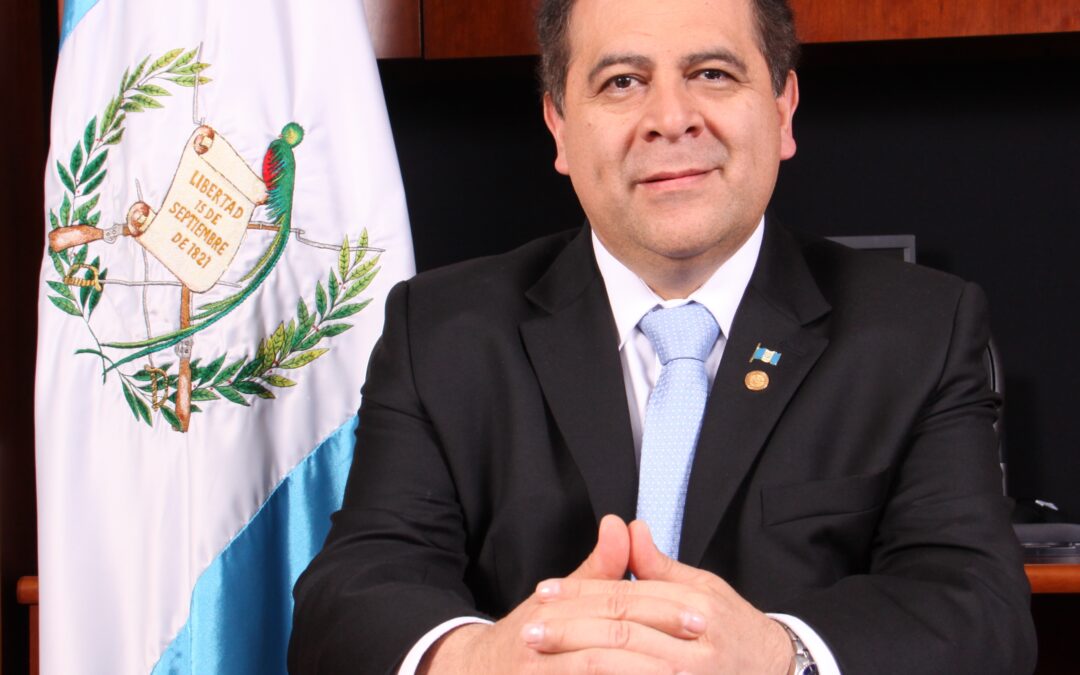
US and European companies will invest their capital in the country, says Minister Álex Contreras.

Confidence in investing in Peru is at its highest level in recent years. It improved from fifth to first place as the most attractive country in the region for foreign capital in 2024. This assessment is according to a recent survey conducted by Apoyo Consultoría that was recently highlighted by the head of Peru’s Ministry of Economy and Finance (MEF), Álex Contreras.

The MEF expects numbers to indicate a recovery in the third and fourth quarters of 2023. The Peruvian economy shows signs of improvement going forward. Apoyo Consultoría, Peru’s leading business consulting firm in economic, financial, and strategic matters, notes that its investment confidence indicator is at 17 points, the highest level since March 2019.

The same results are indicated with the 12-month economic expectations published by the Central Reserve Bank (BCR), the highest level in recent years,  Contreras stated.

The Perception of Investing in Peru

The Apoyo Consultoría survey showed that Peru is positioned to date as the most attractive destination for investments in the region in 2024, commented the minister.

He maintained that this improvement in the confidence index in the country is also verified on an international scale. This was confirmed during the recent meetings with businessmen from Spain.

He said that many companies ratified their confidence in investing in Peru. Among those that stand out are those in the transportation, infrastructure, and energy sectors. “Something also important is that Peru has received the commitment of multilateral entities, both European and non-European, to support the financing of green projects in Peru. These include water and sanitation projects.”

Álex Contreras explained that he will meet in New York with risk agencies, international investors, and multilateral organizations to promote more interest in investing in Peru.

“Investments are already materializing. The worst capital outflow in Peru’s history was stopped, and record projects were awarded under the modality of public-private partnerships that will begin to be built. In addition, new business investment projects worth 12.5 billion dollars were recently announced. He stated that Peru will continue with the work to regain confidence and develop further foreign direct investment,” he stated.

The present months are crucial because companies prepare budgets and decide the projects they will develop in 2024, Contreras added.

An international tour

Furthermore, Minister Contreras highlighted that the international investors he met with in the United States are confident in continuing activities aimed at investing in Peru.

He said that as part of the tour he carried out in the United States, accompanying the President of the Republic, Dina Boluarte, he met with international business groups to discuss opportunities for investment in Peru, and the response was quite positive.

“Companies in the mining, infrastructure, and telecommunications sectors are interested in investing in Peru.” Many American companies that opted to invest in  Peru expressed their confidence and positive view of Peru before President Boluarte and the group of ministers who accompanied her. Contreras confirms that good winds are blowing towards Peru.

He highlighted that the tour of the United States was “very fruitful” because it allowed government officials to contact investors, who are “global players, companies that have investments on an international scale.”

“This ratification of trust in investing in Peru will be reflected in more private investment, which the country wants most now. Twenty percent of private investment is foreign. That is why being here and involved in Peru’s economy is important,” he stated.

A chance to capture investment

The President of the Central Reserve Bank (BCR), Julio Velarde, maintained that Latin American countries can attract new investments to their economies due to the confrontation the United States and Europe have had with China commercially.

“Mexico, which has a significant industrial base and exports to the United States, and Costa Rica have benefited from this movement to ‘nearshore’ operations. However, no country in the region has taken full advantage of this enormous potential,” he stressed while participating in the Budget and General Account Commission of the Republic of Congress.

Additionally, he warned of a possible impact of citizen insecurity on the atmosphere for foreign direct investment. “Some businessmen hesitate to send their families abroad and, because of security concerns, they invest less,” he commented. However, Peru’s Ministry of Economy and Finance recently announced that it will allocate more than 200 million soles (USD 54 million) to strengthen citizen security.

The benefits of investing in Peru

In 2024, investing in Peru will offer an unparalleled opportunity for forward-thinking companies seeking sustainable growth in a dynamic market landscape. Peru, endowed with rich natural resources including copper, gold, and silver, has positioned itself as a pivotal player in the global commodities market. Moreover, the country’s strategic location as a nexus between South American markets presents a gateway for companies aiming to capitalize on the continent’s burgeoning consumer base. Recent infrastructural advancements, such as expanding the transportation network and modernizing ports, have further enhanced Peru’s attractiveness for foreign investment. Furthermore, Peru’s commitment to economic reforms, fostering a conducive business environment, and promoting innovation through public-private partnerships underscores its dedication to fostering long-term economic stability and growth. By leveraging Peru’s unique advantages and aligning with its progressive policies, companies stand to benefit from enhanced market access, operational efficiencies, and robust returns on investment. In essence, Peru emerges as a pole of opportunity, offering foreign direct investors a strategic advantage in navigating the complexities of the global economy and securing a prosperous future.

The Economy of the Dominican Republic: An Overview

The Economy of the Dominican Republic: An Overview

The economy of the Dominican Republic has experienced significant economic growth over the past few decades, primarily driven by various industries and a diversified export base. This overview delves into the primary industries, the goods and services they produce, and the characteristics of the workforce, along with the country’s export profile and primary trade partners.

Main Industries and Their Products

Tourism

Description: The Dominican Republic boasts some of the Caribbean’s most popular tourist destinations, including Punta Cana and Puerto Plata. Tourism plays a pivotal role in the nation’s economy.

Goods and Services Produced: Hotels, resorts, restaurants, recreational activities, and related services are the primary outputs. The country also offers cultural and eco-tourism experiences. Below are some of the main tourist attractions in the country:

  • Punta Cana & Bávaro: Located on the easternmost tip of the Dominican Republic, this area is famous for its pristine beaches, luxury resorts, and world-class golf courses.
  • Santo Domingo: As the capital city, Santo Domingo is a blend of historical and modern attractions. The Zona Colonial, a UNESCO World Heritage site, features colonial-era buildings, the first cathedral in the New World, and the Alcázar de Colón, the former residence of Christopher Columbus’s son.
  • Samana Peninsula: Known for its picturesque landscapes, waterfalls like El Limón, and the annual whale-watching season when humpback whales migrate to the area.
  • Puerto Plata: Offers visitors a mix of beaches, the historic Fortaleza San Felipe, and the nearby Mount Isabel de Torres, accessible by a cable car, offering panoramic views.
  • La Romana & Casa de Campo: This region is home to luxury resorts, the Altos de Chavón artists’ village, and the beautiful Isla Catalina.
  • Jarabacoa & Constanza: Ideal for nature lovers, known for their mountainous landscapes, waterfalls, and opportunities for hiking, rafting, and birdwatching.
  • Las Terrenas & Las Galeras: Coastal towns with beautiful beaches, water activities, and a laid-back atmosphere.

Contribution of Tourism to the GDP:

Tourism is a cornerstone of the economy of the Dominican Republic. While the exact percentage can vary slightly from year to year based on various factors, as of 2022, tourism contributed around 17-20% to the country’s GDP. This figure underscores the sector’s significance in driving economic growth, creating jobs, and fostering development across various industries, from hospitality and transport to entertainment and retail.

Agriculture

Description: Historically, agriculture was the backbone of the Dominican economy. While its relative contribution has diminished, it remains a significant sector.

Goods Produced: Sugar, coffee, cocoa, tobacco, bananas, and tropical fruits are the primary agricultural products.

As of 2022, the main countries importing agricultural products from the Dominican Republic include:

  • United States: Given its proximity and historical ties, the U.S. is a significant market for Dominican agricultural exports. Products like organic bananas, cocoa, and coffee find substantial demand in the U.S. market.
  • European Union: Countries within the EU, such as Spain, Germany, and the Netherlands, are vital markets for Dominican agricultural products, mainly organic cocoa and coffee.
  • Haiti: The neighboring country is a notable importer of Dominican agricultural products, including rice, poultry, and dairy products.
  • Other Caribbean Nations: Countries within the Caribbean region also import a range of Dominican agricultural goods, benefiting from regional trade agreements and proximity.

Contribution of Agriculture to GDP

As for the agricultural sector’s contribution to the Dominican Republic’s economy, while the exact percentage can fluctuate based on yearly performance and other economic factors, historically, the farm sector has contributed around 6-8% to the country’s GDP. However, it’s essential to note that while the percentage might seem modest compared to other sectors like tourism or manufacturing, agriculture plays a crucial role in employment, rural development, and food security in the Dominican.

Manufacturing

The Dominican Republic has attracted many foreign manufacturers, particularly in export-oriented industries, thanks to its strategic location, preferential trade agreements, and relatively skilled labor force. Some of the leading foreign manufacturers operating in the country produce:

  • Textiles and Apparel: Numerous international clothing brands and manufacturers have set up operations in the Dominican Republic to take advantage of the country’s proximity to major markets like the United States and the European Union. Companies like Gildan Activewear, VF Corporation, and HanesBrands have significant operations in the country.
  • Electronics: The electronics manufacturing sector has grown, with companies producing items such as televisions, components, and other electronic goods for export.
  • Medical Devices and Pharmaceuticals: The country has become a hub for medical device manufacturing, with several multinational companies establishing production facilities. Additionally, pharmaceutical manufacturing, especially generic drugs, has also seen growth.
  • Automotive and Components: Some international automotive companies and suppliers have established operations in the Dominican Republic, producing parts and components for the global market.
  • Footwear and Leather Goods: Several international footwear brands and manufacturers have set up production units, capitalizing on the country’s skilled workforce and favorable trade agreements.

Contribution of Manufacturing to GDP

The manufacturing sector has experienced significant growth over the years and has become a principal contributor to the economy of the Dominican Republic. Both domestic and foreign investment drives it. As for its contribution to the country’s GDP, while the exact percentage can vary based on economic conditions and other factors, the manufacturing sector has historically accounted for approximately 16-19% of the Dominican Republic’s GDP. This figure underscores the importance of manufacturing in the country’s economic landscape, generating employment, promoting exports, and fostering industrial development.

Mining

Description: The Dominican Republic possesses significant mineral resources, with gold being the most notable.

Goods Produced: Gold, silver, nickel, and other minerals. Some of the major mining companies operating in the Dominican Republic include:

  • Barrick Gold Corporation: One of the world’s largest gold mining companies, Barrick Gold has a significant presence in the Dominican Republic through its Pueblo Viejo mine, one of the largest gold mines in the Americas. The mine is a joint venture between Barrick (60%) and Newmont Corporation (40%).
  • GoldQuest Mining Corp.: A Canadian-based company involved in exploration and development activities in the Dominican Republic, primarily focusing on its Romero gold-copper project.
  • Precipitate Gold Corporation: Another Canadian exploration company with projects in the Dominican Republic, including the Pueblo Grande project.
  • Unigold Inc.: A Canadian exploration company focusing on its Neita property in the Dominican Republic, which has significant gold and copper potential.
  • Hemisphere Energy Corporation: This company has exploration projects in the Dominican Republic, including the Cerro de Maimón copper-gold-silver mine.

Contribution of Mining to GDP

In terms of its contribution to the overall GDP of the economy of the Dominican Republic, the mining sector, including gold and other minerals, has historically represented a smaller percentage compared to sectors like tourism, manufacturing, and agriculture. Its contribution is typically 1-2% of the country’s GDP.

Characteristics of the Workforce

The Dominican workforce is diverse, with a mix of skilled, semi-skilled, and unskilled labor. A significant portion of the labor force is employed in the service sector, especially in tourism-related activities. However, the manufacturing and agricultural sectors also employ many workers. The workforce is relatively young, with a significant portion of the population below 30. While Spanish is the official language, English proficiency is growing, especially among the younger generation.

Exports and Trade Partners

The Dominican Republic has a diversified export base, with the United States being its primary trading partner. The main customers for Dominican Republic exports include:

United States: The U.S. is the Dominican Republic’s largest trading partner, absorbing a considerable portion of its exports, especially textiles, apparel, and agricultural products.

European Union: EU countries, particularly Spain and the Netherlands, are significant markets for Dominican exports, including agricultural products and manufactured goods.

Neighboring Caribbean Countries: Countries within the Caribbean region also serve as essential markets for Dominican products, especially in tourism.

The economy of the Dominican Republic has evolved over the years, with a shift from traditional sectors like agriculture to more diversified industries such as tourism and manufacturing. While challenges remain, including infrastructure, education, and income inequality, the country’s economic trajectory remains positive. With continued investment in critical sectors and a focus on sustainable development, the Dominican Republic is poised to strengthen its position in the global economy further.


The USMCA benefits the automotive industry in Mexico: opportunities and challenges

The USMCA benefits the automotive industry in Mexico: opportunities and challenges

The USMCA has opened new doors for the automotive industry in Mexico

The  United States-Mexico-Canada Free Trade Agreement (USMCA) is a trade accord that is in force between the United States, Mexico, and Canada. It became operational on July 1, 2020. The agreement replaces the North American Free Trade Agreement (NAFTA).

The USMCA has the potential to bring significant benefits to the automotive industry in Mexico, which is an important contributor to the nation’s economy. In 2021, the industry represented 18% of Mexico’s manufacturing production and 22% of its exports. The automotive industry in Mexico employs more than 1 million workers.

Benefits of the USMCA for the automotive industry in Mexico


Greater access to international markets:

Thanks to eliminating tariff barriers and facilitating trade between member countries, Mexican automobile manufacturers can export their products more efficiently and competitively.

This has allowed Mexico to increase its share in the global market and strengthen its position as one of the main vehicle exporters in the world. Mexico is the world’s third leading automotive exporter. The country has positioned itself as a major manufacturing hub for the industry, thanks to its proximity to the United States and competitive labor costs. In 2022, Mexican automotive producers exported 3.1 million vehicles.

Growth of foreign direct investment:

The USMCA has generated an environment of greater certainty and confidence for foreign investors, which has led to an increase in the arrival of capital and technology to the automotive sector in Mexico.

The development of new production plants, the modernization of existing facilities, and the creation of jobs in the industry have been promoted. Mexico boasts an impressive lineup of leading automotive manufacturers, playing a crucial role in the global car industry. Here are some of the top players:

General Motors (GM): A dominant force, GM operates assembly plants in Toluca, Silao, and Ramos Arizpe, producing popular models like the Chevrolet Equinox, Cruze, and Silverado.

Ford: Another major American automaker, Ford has plants in Chihuahua, Hermosillo, and Cuautitlán Izcalli, churning out vehicles like the Ford Mustang, Bronco Sport, and Escape.

Nissan: A Japanese powerhouse, Nissan has a strong presence in Aguascalientes with three assembly plants, manufacturing the Nissan Sentra, Versa, and Kicks, along with the Mercedes-Benz CLA and GLA, and Infiniti Q30.

Volkswagen Group: This German giant encompasses multiple brands, with Volkswagen plants in Puebla producing the Jetta, Golf, and Tiguan, while Audi manufactures the Q5 and the SEAT Ateca.

Stellantis: Formed by the merger of Fiat Chrysler Automobiles (FCA) and PSA Group, Stellantis operates plants in Toluca and Saltillo, producing several Jeep models, the Chrysler Pacifica minivan, and the Fiat Mobi.

Honda: The Japanese carmaker has a plant in Celaya, Guanajuato, which manufactures the Honda HR-V, CR-V, and the Acura RDX.

Toyota: The renowned Japanese brand operates a Tijuana, Baja California plant, producing the Tacoma pickup truck and the Sienna minivan.

BMW: The German luxury car manufacturer has a plant in San Luis Potosí, producing the BMW 3 Series, 5 Series, and X3.

Kia: The South Korean automaker has a Pesquería, Nuevo León plant producing the Kia Forte and Rio models.

Mazda: Completing the picture, Mazda has a plant in Salamanca, Guanajuato, producing the Mazda2, Mazda3, and CX-3.

Stronger labor and environmental standards in the automotive industry in Mexico:

Aiming to ensure fair working conditions and promote sustainability, the USMCA establishes stricter requirements in terms of labor rights, fair wages, and environmental protection.

The standards contribute to improving workers’ conditions and reducing the environmental impact of the automotive industry, promoting more equitable and sustainable development.

Promotion of innovation and competitiveness:

By promoting the protection of intellectual property and facilitating the transfer of technology, the treaty has stimulated the creation and adoption of new solutions and processes in the sector, allowing Mexican companies to improve their production capacity, raise the quality of their products, and compete more effectively in the global market.

Regional supply chain integration:

The USMCA (United States-Mexico-Canada Agreement) implemented significant changes to the Rules of Origin (ROO) for the automotive industry compared to its predecessor, NAFTA. Here’s a breakdown of the key elements:

Regional Value Content (RVC):

Increased threshold: Vehicles and light trucks need a minimum RVC of 75% to qualify for duty-free trade, compared to 62.5% under NAFTA.

Heavy trucks: A slightly lower threshold of 70% RVC applies to heavy trucks.

Phased implementation: A three-year transition period (until July 1, 2023) allowed gradual adjustment to the higher RVC requirements. Some companies obtained extended transition periods through “Alternative Staging Plans.”

Core Parts:

Specific RVC levels: Key automotive components, like engines, transmissions, and electronics, must have an RVC of 75% or higher using the “net cost method.” This method calculates RVC based on the value of the materials from North America as a proportion of the total cost of the part.

Steel and Aluminum: Domestic sourcing requirement: At least 70% of the steel and aluminum used in a vehicle must originate from North America to qualify for duty-free treatment.

High-Wage Labor Content: Minimum threshold: For a passenger vehicle to be considered originating, 40% of the net cost of its production must be attributable to high-wage labor (wages exceeding $16 per hour). This provision aims to incentivize production in countries with higher wages.

Other significant changes:

Deeming rules eliminated: USMCA removed NAFTA’s “deeming rules” that allowed non-North American content to be counted as originating under certain conditions. This aims to prevent “free riding” and ensure genuine regional production.

New origin procedures: Streamlined procedures were introduced to make compliance with ROO requirements less burdensome for producers.

This has led to increased demand for components and parts manufactured in the US, Canada, and Mexico, generating new business opportunities and strengthening collaboration between the different actors in the regional supply chain.

Challenges and opportunities of the USMCA for the automotive industry in Mexico

While the USMCA has the potential to provide significant benefits to the Mexican automotive industry, there are also some challenges that Mexico will need to address to take full advantage of these benefits. These challenges include:

Increased competition:

With opening markets and eliminating certain trade barriers, Mexican manufacturers face greater competitive pressure from their American and Canadian counterparts. This has required Mexican companies to improve their efficiency, quality, and innovation capacity to stay competitive in the new environment.

Need to adapt to more demanding standards:

Although this represents an opportunity to raise national production and meet the demands of international markets, it also implies a challenge for companies that must adapt and meet these requirements.

The implementation of more sophisticated processes and systems, as well as the training of workers, are fundamental aspects to overcome this challenge.

Changes in the global supply chain:

With the renegotiation of rules of origin and the introduction of stricter requirements, companies have had to reevaluate their sourcing strategies and look for new ways to optimize their operations.

The USMCA has created opportunities to strengthen collaboration with local suppliers and diversify supply sources, but it has also required adjustments to existing business models.

Sustainability challenges:

To meet the environmental standards established by the treaty, companies in the automotive industry in Mexico must implement cleaner manufacturing practices, reduce their carbon footprint, and promote the adoption of more sustainable technologies.

While this involves additional investments and changes in production processes, it also represents an opportunity to lead the transition of the Mexican automotive industry towards a greener manner of production.

Additionally, the USMCA will  lead to increased investment in Mexico’s automotive industry, likely coming from both foreign and domestic sources. Foreign investors are attracted to Mexico’s low labor costs and proximity to the United States.

Also, domestic investors are attracted to the opportunities created by the USMCA, such as higher content requirements for vehicles that qualify for tax-free treatment.

Advantages of Foreign Direct Investment in Paraguay: A Gateway to Opportunity in South America

Advantages of Foreign Direct Investment in Paraguay: A Gateway to Opportunity in South America

Paraguay is in the heart of South America and presents an increasingly attractive proposition for foreign direct investors (FDIs). Boasting a dynamic economy, strategic location, and a supportive business environment, it offers compelling reasons to establish or expand operations in the land of “eternal spring.” This overview delves into the advantages of foreign direct investment in Paraguay, highlighting the benefits of investing in three key sectors: manufacturing through the maquiladora program, agriculture, and the burgeoning service sector.

Investing in Manufacturing: The Maquiladora Advantage

Paraguay’s thriving maquiladora industry offers a unique gateway to regional and global markets. This export-oriented system allows companies engaged in foreign direct investment in Paraguay to establish factories under special regulations that attract investment through simplified import-export procedures, tax exemptions, and competitive labor costs. According to the Observatory of Economic Complexity (OEC), Paraguayan maquiladoras exported around $510 million worth of goods in 2021.

Key Advantages of Maquiladoras:

Duty-free raw materials and equipment imports significantly reduce production costs and enhance international competitiveness.

Tax exemptions on reinvested profits: Retaining funds for internal expansion incentivizes long-term commitment and boosts reinvestment.

Favorable labor costs: Paraguay boasts one of the lowest minimum wages in the region, making it a cost-effective location for labor-intensive manufacturing. The official minimum wage in Paraguay as of December 2023 is ₲ 2,289,322 per month (approximately USD 318). However, maquiladora workers don’t necessarily earn the minimum wage.

Strategic location: Access to both MERCOSUR and other South American markets provides access to a vast consumer base. As of 2023, the Mercosur trade zone boasts an estimated 260 million consumers. This figure combines the populations of its full member states:

Modern infrastructure: Investment in transportation and logistics facilitates efficient movement of goods and materials. Paraguay has seen several exciting infrastructure investments in recent years to boost various sectors and improve connectivity. Below are some noteworthy examples:

Corredor Bioceánico Ruta PY11: This $750 million project involves paving and upgrading a key road connecting Paraguay to the Atlantic Ocean through Brazil.

Río Paraguay-Paraná Waterway: Ongoing dredging and modernization efforts aim to improve navigability on this vital waterway for cargo transportation.

Silvio Pettirossi International Airport Expansion: Expansion plans include new terminal and runway upgrades, enhancing passenger capacity and air cargo handling.

Sectors Thriving in Paraguayan Maquiladoras:

Textiles and apparel: Paraguay’s established textile industry, coupled with maquiladora benefits, presents attractive garment production and export opportunities.

Auto parts and electronics: As regional demand for these products grows, Paraguay’s maquiladora regime positions it as a potential hub for assembly and production.

Food processing: With agricultural abundance and skilled labor, Paraguay can leverage its maquiladora system to add value and export processed food products.

Investing in Agriculture: Where Fertile Land Meets Opportunity

Foreign direct investment in Paraguay is also advantageous because its vast plains and fertile soil make it an agricultural powerhouse. With a focus on sustainable practices and organic production, the sector presents lucrative opportunities for investors seeking exposure to global food markets.

Key Advantages of Investing in Agriculture:

Abundant arable land: Paraguay boasts some of the region’s cheapest and most fertile land, ideal for large-scale agro-industrial ventures.

Diverse production: From soybeans and corn to yerba mate and stevia, Foreign direct investment in Paraguay offers a variety of high-demand agricultural products. Paraguay is the world’s fourth-largest exporter of soybeans, supplying these versatile legumes for food, animal feed, and numerous industrial uses.

Government support: The Paraguayan government actively promotes agricultural development through infrastructure investment and financial incentives.

Emerging technologies: Adopting precision agriculture practices and sustainable farming techniques creates valuable opportunities for innovation and investment.

Growing organic market: Paraguay’s commitment to organic farming positions it as a critical player in the global organic food market, offering premium market access.

Investing in Services: A Dynamic Economic Engine

As Paraguay’s economy diversifies, the service sector is experiencing an upward trajectory. From financial services and tourism to IT and logistics, the country’s services sector offers promising avenues for investment.

Key Advantages of Investing in Services in Paraguay:

Fast-growing sector: The services sector’s contribution to Paraguay’s GDP steadily increases, presenting robust growth potential. As of 2022, the service sector accounts for 48.31% of Paraguay’s Gross Domestic Product (GDP). This represents the most significant contributor to the country’s economy, surpassing agriculture (11.33%) and industry (33.21%).

Skilled workforce: Paraguay boasts a young and educated population, offering a readily available talent pool for various service businesses. The economically active population of Paraguay represents around 64.43% of the total population aged 15 and over. This means about two-thirds of the adult population are employed or actively searching for work.

Supportive legal framework: The government is actively streamlining regulations and improving the legal environment to attract FDI in services. Paraguay stands out for its open economy and competitive tax regime compared to other South American countries.

Strategic location: Paraguay’s central location in South America is a logistical hub for regional service providers. Although the country is landlocked, it is strategically linked. Paraguay borders major regional economies like Brazil, Argentina, and Bolivia, giving it access to vital trade routes and markets.

Emerging opportunities: Untapped potential exists in areas like fintech, renewable energy consultancy, and e-commerce, offering niche market opportunities.

Additional Considerations for Foreign Direct Investment in Paraguay

Paraguay’s vibrant economy and favorable investment climate present a unique opportunity for foreign investors seeking growth and diversification. Paraguay offers various possibilities across several industries, from manufacturing through the maquiladora program to agriculture and the burgeoning service sector. Paraguay is poised to become a key player in the South American market and beyond by leveraging its fertile land, skilled workforce, and strategic location. For discerning investors seeking sustainable and profitable ventures, Foreign direct investment in Paraguay offers a fertile ground for economic growth and a gateway to future success.

Exploring Some Principal Industries in Ecuador

Exploring Some Principal Industries in Ecuador

Nestled in the heart of South America, Ecuador boasts a diverse landscape that mirrors its varied economic pursuits. From the lush Amazon rainforest to the towering Andes mountains and the pristine Galápagos Islands, Ecuador’s natural beauty is matched only by its economic resilience. In this exploration, we delve into the principal industries that shape Ecuador’s economic tapestry, driving growth and providing a unique lens through which to understand the country’s development.

Oil and Petroleum:

One of the cornerstone industries in Ecuador is the oil and petroleum. Rich oil reserves in the Amazon region have positioned Ecuador as a notable player in the global energy market. In 2022, the country produced approximately 482,000 barrels of petroleum per day. The country’s crude oil production remains the country’s most important saleable commodity, accounting for 27% of Ecuador’s total exports in the same year.

The state-owned oil company Petroamazonas oversees most of the country’s oil extraction and production activities. Despite environmental concerns and efforts to diversify the economy, oil remains a pivotal source of revenue for Ecuador.

However, the oil industry’s impact extends beyond economic factors. Environmental concerns, such as deforestation and the potential harm to indigenous communities, have sparked debates about the long-term sustainability of Ecuador’s reliance on oil. In recent years, a growing emphasis has been on balancing economic development with environmental conservation, leading to initiatives promoting cleaner energy sources and sustainable practices.

Agriculture and Agribusiness:

Ecuador’s diverse climate and fertile soil contribute to a robust agricultural sector, making it one of the principal industries in Ecuador that is driving the nation’s economy. The country is a major exporter of bananas, shrimp, flowers, and cocoa. The banana industry holds a significant position in Ecuador’s agricultural exports, with large plantations along the coastal areas catering to global demand.

Furthermore, Ecuador has gained recognition for its high-quality cocoa, often called “fine flavor” cocoa. The global demand for premium chocolate has given Ecuadorian farmers opportunities to tap into the lucrative international market. The emphasis on sustainable and organic farming practices has also positioned Ecuador as a critical player in producing environmentally conscious agricultural products.

Tourism:

Ecuador’s stunning landscapes, rich biodiversity, and cultural heritage make it a prime destination for tourists seeking unique and immersive experiences. In 2022, the number of inbound tourist arrivals reached over 1.2 million visitors. Tourism is among the industries in Ecuador with the most growth potential.

The Galápagos Islands declared a UNESCO World Heritage site, attract nature enthusiasts and researchers alike with their unparalleled wildlife and evolutionary significance. The colonial charm of cities like Quito and Cuenca, combined with the indigenous markets of Otavalo, add a cultural dimension to the tourism industry.

Beyond natural wonders, Ecuador has positioned itself as an adventure tourism hub, offering activities such as hiking in the Andes, exploring the Amazon rainforest, and engaging in water sports along the Pacific coastline. The government’s focus on sustainable tourism practices and projects aligns with global trends, attracting environmentally conscious travelers and bolstering the nation’s image as a responsible and eco-friendly destination.

Fisheries:

With a coastline stretching over 2,200 miles along the Pacific Ocean, Ecuador’s fisheries industry plays a crucial role in its economic landscape. The country is a major exporter of seafood products, including shrimp and tuna. Ecuadorian shrimp, in particular, enjoys a reputation for its high quality, contributing significantly to the nation’s export revenue. In 2022, Ecuador’s top ten shrimp exporters accounted for 54% of the total shrimp export volume. The average $/kg of exported product ranges from $5.78 to $7.25.

Despite its economic importance, as one of the leading industries in Ecuador, the fisheries industry faces challenges related to overfishing and environmental sustainability. Efforts to implement responsible fishing practices and conservation measures are underway, aiming to balance economic interests with preserving marine ecosystems.

Manufacturing and Export:

Ecuador has steadily developed a manufacturing sector, contributing significantly to its export portfolio. Non-oil exports include products such as processed foods, textiles, and chemicals. The country’s strategic location, with easy access to the Pacific Ocean and the Amazon, enhances its trade capabilities.

The textile industry, in particular, has grown, with Ecuador exporting textiles made from locally sourced materials. Among the products shipped to the United States from the Ecuadoran textile sector are silk, wool, and cotton attire.

Efforts to promote value-added manufacturing and technological innovation have the potential to diversify further and strengthen the country’s export base.

Ecuador’s economic landscape reflects a delicate balance between traditional industries and a growing emphasis on sustainability and diversification. While oil is vital to the nation’s revenue, Ecuador’s commitment to environmental conservation and responsible business practices reshapes its economic narrative.

As the country continues to navigate the challenges and opportunities presented by its principal industries, the spotlight on sustainable development, agriculture, tourism, and responsible resource management positions Ecuador as a nation poised for both economic growth and environmental stewardship in the years to come.

Why invest in Panama? A home for foreign capital in the heart of the Americas

Why invest in Panama? A home for foreign capital in the heart of the Americas

Panama enjoys an advantageous geographic location, a contained inflation rate, and steady economic growth. These attributes make it a strategic country in which to invest foreign capital. Those companies that invest in Panama will also benefit from solid international connection ports and an emerging digital hub from which to conduct their business.

International trade is going through an era of maximum global interaction without geographical limitations and with hyperconnected channels for communication and business.

In this sense, Panama is emerging as a country with a wide range of opportunities for nationals and foreigners. This is thanks to healthy indices such as the economy’s growth by 10.8% in terms of its gross domestic product (GDP) in 2022 and its low inflation of 2.9%. According to the latest report on growth projections for Latin America in 2023 from the Economic Commission for Latin America and the Caribbean (ECLAC), Panama (5.1%) will lead the region’s economic growth this year. Companies that invest in Panama will benefit from a healthy economy.

In a geopolitical and financial X-ray, the Central American country registered an export index of 3.9 billion US dollars and a foreign investment of over 2.7 billion US dollars at the end of 2022. These figures are according to the Institute of Statistics and Census of Panama.

Information shared by the Authority for the Attraction of Investments and the Promotion of Exports, PROPANAMA, places the Central American country with the best connection between North America and Latin America, thanks to a privileged geographical position that links the Atlantic and Pacific oceans by enabling the Panama Canal, for maritime commercial transportation.

Panama has an accessible immigration policy to strengthen its business ecosystem. It has developed some mechanisms for migration by investment with a law that welcomes qualified individuals who seek to invest in Panama. It allows them to have Panamanian residency in a relatively rapid process. Today, there are nearly 300 people in the program since it was launched a few months ago.

“This shows an appetite to invest internationally and confidence in Panama as a legally secure country. Panama enjoys social peace and a first-world business climate, with the US dollar as legal tender since we have been a republic and a series of strong qualities such as our banking and financial center and our Digital Hub with six fiber optic cables that cross the country,” expresses the general administrator of PROPANAMA, ambassador Carmen Gisela Vergara.

The Panama Canal

Panama’s financial stability is supported by a solid and healthy banking and financial center and a geographical element that works in its favor. It is an area that is practically free of natural disasters, which allows it to maintain an open, stable trade and build confidence in the markets.

This panorama, adds General Administrator Vergara, is reflected in figures: 3% of cross-border trade by sea passes through Panama’s waters.

“The geographical position of our country is very relevant, but it is an accident of nature. Panama already existed in the center of the Americas, and we have taken advantage of our location to build everything else.”

The idea of building a canal had already been studied since Charles V, then came the ‘gold rush’ during the 19th century in California, United States. Then Panama became the first region with an interoceanic railroad built by the Americans to take gold from coast to coast in the United States since it was challenging to cross the country by land then. Later came the Panama Canal, inaugurated in 1914 by the Americans, and since 2000, it has been managed and operated entirely by Panamanian professionals.

With this connectivity, we have built a vital logistics route for the movement of goods. The Canal generated the Colón Free Zone, the largest free zone in this hemisphere, with an average of 2,000 companies that have decided to invest in Panama do repackaging, relabeling, and re-export business,” says the general administrator.

The Panama Canal is enabled by 180 maritime routes for 170 user countries, with 1,920 connected ports and a total of 14,239 transits in 2022, according to PROPANAMA figures.

Ambassador Carmen Gisela Vergara points out that long before concepts such as globalization existed, Panama was already a connection point for trade, which has allowed it to create organizations such as the Banking and Financial Center, which brings together 65 banks from 22 countries, with a sustainable BBB investment grade during pandemic. These financial institutions that have decided to invest in Panama conduct business transactions in any currency.

A Digital Hub in the Heart of the Americas

Panama as a digital hub is a strategy that emanated from the private sector that is based on four pillars:

  1. Digital Government: Digitize the greatest number of utility and public administration processes.

“By digitalizing the Government, transparency improves, and the quality of life of the population and the work of public servants improves,” explains the diplomat.

  1. Education: Promotion of innovation and growth of startups.

“We have created organizations that train and develop reskilling processes for people who already have a profession, but perhaps not the skills and competencies that the labor market currently demands.”

  1. Infrastructure: Solidify network connectivity to be reliable and have world-class data centers with established cloud providers, incentivizing them to invest in Panama.

“We work on providing access to connectivity, especially in post-pandemic times, through digital financial access so that people can have the necessary tools “to” bring their ideas to fruition.”

  1. Legal Framework: For all this to work and to encourage people to invest in Panama, there is favorable regulation that seeks to attract digital investments. This integrates Law 81, which has been in force since 2019, to protect personal data. Below are some of the key points related to Law 81:
  • It applies to the processing of personal data of natural persons, both within Panama and outside of Panama, if the data is processed about activities aimed at the Panamanian market.
  • It covers personal data, defined as any information concerning a natural person that directly or indirectly identifies or makes them identifiable.
  • It includes specific protections for “sensitive data,” such as racial or ethnic origin, religious beliefs, health data, and sexual orientation.

Nearshoring: Panama is a Strategic Location

Ambassador Carmen Gisela Vergara points to nearshoring as the post-pandemic trend pursued by the Panama Logistics Hub. The country’s geographical location again plays a crucial role in cross-border marketing due to its proximity to one of the most important markets in the world, the United States.

In addition, the country has benefited from nearshoring in areas such as faster face-to-face speed, similar time zones, cargo movement in ports, more efficient access, reduction in inventories due to production from Panama, and cultural and linguistic affinity for Latin American markets.

The Energy Sector: Sustainable Panama

According to the Second Biennial Update Report (BUR2), Panama is one of the first three carbon-negative countries in the world.

“We are one of the first three countries in the world to be carbon negative. For us, sustainability in everything we do is essential.”

Data shared by PROPANAMA reveal that the country has tripled its electricity generation capacity in the last two decades, becoming the headquarters of the largest wind farm in Central America and the Caribbean. In addition, it has an electric vehicle strategy to promote zero-emission transportation and a natural gas hub with a delivery capacity of up to 175,000 m3.

Panama is working on an Energy Transition Agenda for 2030, with projects identified for more than 4 billion dollars, including green hydrogen, which aims to ensure that decarbonization can be affordable, sustainable, reliable, safe, and accessible.

Investing in Panama offers numerous advantages owing to its robust economic conditions and strategic position. The country has sustained a healthy economic growth rate and maintained a low inflation rate, creating a stable and favorable investment climate. The operation of the Panama Canal, a critical international trade route, enhances the nation’s economic significance, facilitating global commerce. Furthermore, Panama has emerged as Central America’s leading digital hub, attracting technology and innovation-driven investments. Its strategic location is a critical factor for nearshoring, making it an attractive destination for businesses seeking proximity to North and South American markets. These factors collectively position Panama as an enticing investment destination, offering stability, connectivity, and a conducive environment for economic growth.