
+1 (520) 780-6269 investment@latamfdi.com
Why Panama Is the Leading Logistics Hub in Latin America: Infrastructure, Investment, and Innovation

Why Panama Is the Leading Logistics Hub in Latin America: Infrastructure, Investment, and Innovation

Strategic Positioning Fuels Panama’s Leadership as the Leading Logistics Hub in Latin America

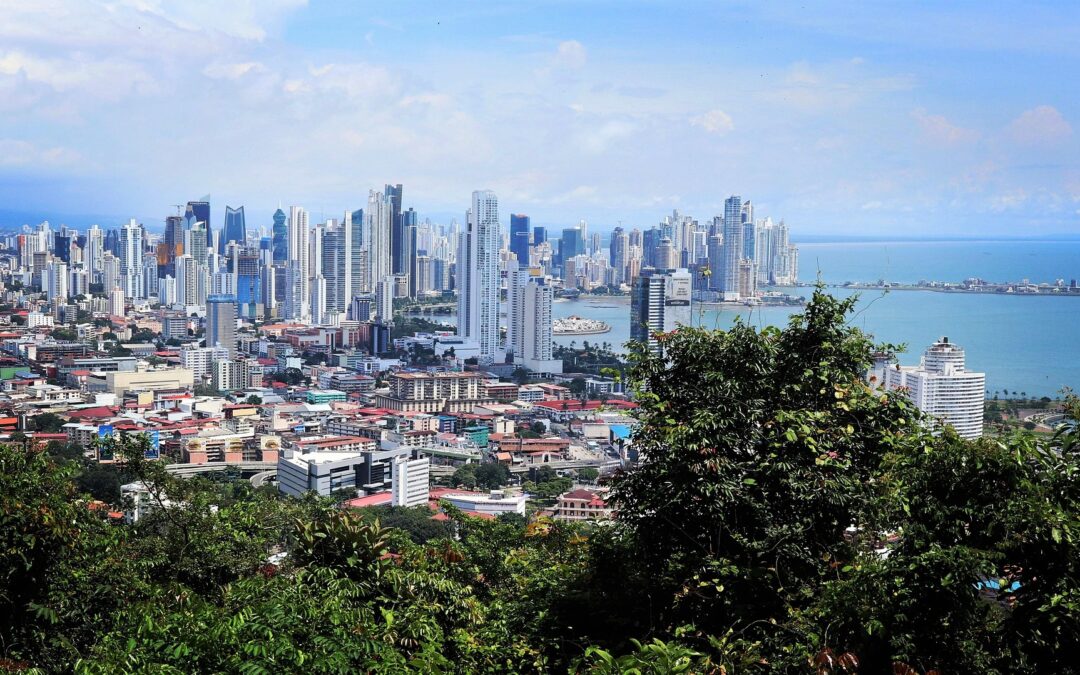
Panama has long served as a global hub, connecting the Americas and the rest of the world, but in 2024, the country became an even more essential player in global trade as the pandemic disrupted flows and preferences shifted. Behind the changes in the balance of power was the world-class infrastructure, exceptional air and maritime connections, and the critical positioning of the Colón Free Trade Zone. Panama’s strategic location between the Americas made it a natural center for transshipping to North America, Central America, and South America.

The Panama Maritime Authority (AMP) announced that over 9.5 million TEUs were transported in 2024, a 15.1% increase compared to the previous year. This made Panama one of the top 10 hubs in the world, positioning the country as a growing center in global logistics.

Interborders Expands in Panama to Become the Preferred Hub in the Region

As one of the leading players in the Latin American logistics space, Interborders – a multinational firm specializing in Foreign Trade, Logistics, and Customs Services, among other services – decided to cement its operations in Panama. Earlier this year, the Argentina-based firm opened a new headquarters in Costa del Este, Panama City. Interborders will continue its business and investment strategy with the new regional office and its logistics operation in Colón. With this development, the firm consolidates its role in the strategic position that Panama occupies in Latin America.

The firm’s new corporate headquarters represents an annual investment of USD 200,000. It complements the company’s operation in Colón, adding 20,000 m2 of workspace to the logistics area. This means that the company is present in two of the most important cities in Panama, Colón and Panama City. With its operations in these two locations, Interborders can provide a 360° logistics service to its clients in the hemisphere, including the entire logistical process, such as warehousing, distribution, and transportation through different modes of transportation.

“This represents a turning point in Interborders’ history,” said CEO Lucas Bianchi. “We will become the most important company, thanks to new solutions and a first-class logistics offering.”

Panama’s superior performance as the leading logistics hub in Latin America

Panama is one of the strongest and most appealing options for international trade and logistics due to its investments in ports, its excellent multimodal connectivity, and efficient regulatory framework. The Colón Free Trade Zone, the second-largest free zone in the world, has a strategic role in facilitating the free movement of goods throughout the region. Coupled with the Panama Canal, one of the most efficient in the world, the country forms an efficient logistics system that few competitors in Latin America can replicate.

In the World Bank’s 2023 Logistics Performance Index (LPI), Panama achieved a score of 3.1, placing it 57th in the world. This score was driven by the high performance in customs efficiency and port infrastructure, allowing Panama to remain among the top-ranking logistics markets in Latin America, along with Chile and Brazil. These rankings reflect the position that Panama has as a logistics hub in Latin America, an attractive region for companies to establish their supply chains.

New Investment in Human Resources in Panama

Interborders’ decision to open a new office in Panama also aims to expand the company’s human resources in the country by the end of 2025. The new office will offer jobs for local talent and boost the region’s economy, investing nearly USD 700,000 in Panama in 2025 between the company’s Colón logistics operation and the new corporate office in Costa del Este.

Interborders’ decision to invest in Panama’s logistics ecosystem stems from the strategic value of its position. According to CEO Lucas Bianchi, “Panama City is the place where major decisions for the region are made. It adds to our presence in Colón and allows us to service different client profiles.”

Panama has been Interborders’ choice since the company started its operations in the country a year ago. This strategic decision was taken after noticing Panama’s ability to connect the hemisphere, a factor that will allow the company to efficiently serve clients in South America, Central America, the Caribbean, and North America. Panama has demonstrated its role as a strong regional link for the supply chain, making it the preferred option for logistics.

As more customers, partners, and the logistics industry are turning their attention to Panama, the growth in business is noticeable. This is the motivation for the investment and increase in the Panamanian operation, making Panama the preferred hub in the hemisphere for foreign trade, logistics, and customs services.

Innovation is at the forefront: AI and logistics in 2025

Regional and international speakers recently  met at a roundtable to discuss logistics in the face of geopolitical changes, new technologies, and changes in trade. Interborders’ Country Manager in Panama, Miguel Vallejos, talked about the advantages that Panama’s transport tri-connection has on business to navigate tariffs and the volatility of the markets. “Diversification of routes and the adoption of new technologies are key for the region’s competitiveness,” he stated.

One of the most interesting speakers was Jorge Barnett Lawton, Director General of the Panama Logistics Innovation and Research Center at Georgia Tech. Lawton stated that Artificial Intelligence (AI) is a key tool in the future of logistics. According to him, artificial intelligence enables the detection of risks, better flow, and more efficient decision-making throughout the supply chain.

Another interesting panelist was Yohane Mavel López, board member of Women in Supply Chain Panama (Wins Panama). She argued that logistics professionals need to be very flexible when making decisions about the future of logistics. In this new era of alliances and conflicts in global trade, only those with resilient and intelligent logistics systems will remain competitive. Panama is the leading option in Latin America, with the necessary tools to compete.

Attendance from various ambassadors and representatives of several countries in the region confirmed that they are watching Panama’s growth in logistics. It is worth mentioning that different countries and private companies, such as those from Argentina, had ambassadors and representatives at the roundtable to review Panama’s new proposal. Since global trade is heavily influenced by China, the US, and the European Union, Latin America needs to be nimble in its decisions.

Logistics companies, like Interborders, have a strong relationship with Panama and remain confident in the Panamanian logistics ecosystem. Interborders will grow exponentially and expect to serve over 100 regular clients in 2025. They also plan to reach a monthly volume of 900 TEUs, a considerable achievement for the company and a target in line with Panama’s growth plans.

Despite everything, participants were optimistic. Attendees shared similar opinions about Panama’s unique characteristics, as the following aspects make it the leading option in Latin America as a logistics hub:

  • Panama is the strategic center in the Americas.
  • Panama’s infrastructure is modern, technologically advanced, and efficient.
  • The government supports these innovations and improvements, giving logistics a competitive advantage.
  • Panamanian companies are adapting to new technologies such as AI, blockchain, and automation, which will become key in the cargo movement, cargo tracking, and cargo security.

What’s Next? Panama Must Expand to Maintain Its Success

Although Panama has taken significant steps to remain the leading logistics hub in Latin America, there are still many challenges that must be overcome. Some of the critical points for development are the following:

  • Global standards are becoming more environmentally conscious, and more and more efforts are being made to integrate this concept into daily life. Low-carbon logistics and the circular economy are some of the proposals that will play a vital role in Panama.
  • The adoption of artificial intelligence, blockchain, and automation will transform the movement of goods, tracking, and security.
  • The workers are as essential as logistics infrastructure in this digital transformation. A well-trained and skilled workforce will lead the region’s development.

For Interborders, Panama is not a crossroads but the heart of the region. More and more companies will have operations in Panama as they make investments in multimodal hubs, digital tools, and the workforce. They will do this to increase their efficiency and adapt to a rapidly changing region.

The Country Positioned as the Leading Logistics Hub in Latin America

Panama is the number one option in Latin America for logistics for various reasons. These reasons are the location, the high investment in the ports, and a solid regulatory framework that enables the continuous growth of the Panama logistics ecosystem. It also motivates companies like Interborders to invest in this important hub in the hemisphere. As companies continue to innovate, develop, and expand, Panama will become the leading logistics hub in Latin America.

How Guatemala Maintains Economic Growth Amid Global Volatility

How Guatemala Maintains Economic Growth Amid Global Volatility

Despite widespread geopolitical instability and erratic financial markets, Guatemala emerges as an unexpected stronghold of stability and resilience. Despite widespread difficulties among emerging economies to handle post-pandemic challenges and stricter global financial policies, Guatemala maintains economic growth with consistency. The nation demonstrates its ability to sustain economic growth through effective fiscal management, together with prudent monetary policy and increasing investor trust amidst persistent uncertainty.

Macroeconomic Resilience: A Foundation for Stability

Bank of Guatemala (BANGUAT) officials demonstrated the country’s strong macroeconomic performance indicators in a recent media briefing. BANGUAT reported Guatemala’s economic growth rate surpasses both global levels and regional benchmarks. while contradicting Latin America’s stagnation forecasts.

The stability of Guatemala’s inflation rate stands as one of the most evident signs of its economic resilience. The year-over-year inflation rate for May 2025 is 1.69%, which falls significantly under the central bank’s target range minimum of 3%. The stability of medium- and long-term inflation expectations at 4% demonstrates broad trust in monetary governance.

Guatemala maintains economic growth in part due to price stability, which allows both households and businesses to make plans with certainty and transparency.

Prudent Monetary Policy and Stable Currency

Guatemala has chosen to implement a sensible monetary policy framework instead of following its Latin American neighbors, who have turned to high-rate increases or currency regulation methods. The central bank’s decision to keep the policy rate constant protects the economy from disruptive swings, which could deter investment activities and damage consumer confidence.

The nominal exchange rate of the country has stayed stable at Q7.68 to one U.S. dollar. The nation’s Central Bank intervenes in the foreign exchange market with only about USD 500 million despite the market processing USD 80 billion annually. Through limited market intervention, Central Bank actions target the prevention of excessive currency appreciation, which could harm exports, instead of actively manipulating exchange rates.

Guatemala maintains economic growth through sustained currency stability, which creates a predictable environment for businesses and investors to operate within.

Rising Foreign Direct Investment and Targeted Growth

Investors demonstrate their trust in Guatemala’s economic trajectory through patterns observed in Foreign Direct Investment (FDI). Guatemala achieved USD 1.695 billion in FDI by 2024, which exceeded its original goal of USD 1.65 billion. Financial forecasts indicate greater positivity for 2025, with the FDI target established at USD 1.865 billion.

Investors continue to channel reinvested earnings into economic activities, but emerging sectors—especially technology—are starting to generate significant interest. The next steps require strategic investments in energy infrastructure, which public policy will prioritize in the coming years.

The upward trajectory of FDI highlights another key factor in how Guatemala maintains economic growth: foreign investment that supports the development of jobs and technological progress.

Responsible Fiscal Expansion and Manageable Debt

Guatemala has sustained a conservative fiscal approach while other nations experience escalating debt obligations. International financial institutions advise a maximum deficit margin, which Guatemala’s 2025 fiscal deficit projection of 2.5% of GDP falls well under. This minor fiscal expansion targets the infrastructure deficit that is essential for enhancing future productivity.

Guatemala’s public debt stands at 27.1% of GDP, which is substantially lower than the average debt level across Latin American countries. The government maintains the ability to address new requirements without generating investor anxiety or credit rating reductions.

Understanding how Guatemala maintains economic growth requires recognizing its fiscal prudence, which holds development progress alongside macroeconomic discipline.

Strengthening Revenue and Productive Credit

The collection of tax revenue in Guatemala has experienced a significant improvement. The period from 2020 to 2024 witnessed tax revenue increase by over 70%, which reflected substantial improvements in administrative efficiency alongside enhanced compliance. The 2025 tax revenue prediction reaches GTQ 111 billion, which exceeds the official government target.

This public revenue growth occurs alongside a beneficial expansion of private sector credit. The rise of productive credit from 11.9% to 15.7% has driven income-generating activities in various sectors, including agriculture, services, and manufacturing.

The synergy between stronger fiscal capacity and increased private-sector lending illustrates another dimension of how Guatemala maintains economic growth: capital investment is directed towards sectors with sustainable value creation.

Strong External Position and Remittances

Guatemala’s external financial position remains robust. The nation maintains international monetary reserves at record high levels, which can cover nine months of import needs. This buffer effectively protects against major external disruptions, like oil price fluctuations and worldwide demand reductions.

The economy relies heavily on family remittances, which reached nearly USD 10 billion by May 31, 2025. These inflows provide support for household consumption while simultaneously advancing poverty reduction and financial inclusion.

Guatemala maintains economic growth by strategically leveraging reserves and remittances to counterbalance global market instability and conflict risks.

Near Investment-Grade Credit Status

Guatemala’s economic resilience has been recognized by international credit rating agencies. The nation has advanced its creditworthiness since 2020 and now remains one level short of investment-grade status. International rating agencies have identified macroeconomic stability alongside sustainable growth and prudent monetary management as Guatemala’s principal strengths.

Investment-grade status would reduce borrowing expenses for Guatemala, while attracting more investors and confirming its position as a reliable emerging market, which would serve as an important step toward its sustainable economic development.

Monitoring Global Risks: The Israel-Iran Conflict

Guatemalan authorities keep watch over external risks while maintaining a positive view of domestic conditions. The Bank of Guatemala recognizes that the Israel-Iran conflict may result in inflationary pressures. The nation closely monitors current events as crude oil prices experience a surge of up to 10% during the ongoing crisis.

BANGUAT’s baseline scenario predicts that the conflict will stay limited to a specific geographic area while producing minimal spillover effects. The nation’s sizable reserves, together with steady fundamental elements, establish protection against these shocks.

Advancing Technical Capacity and Data-Driven Policy

Guatemala is advancing its institutional and statistical abilities beyond traditional macroeconomic frameworks. The development of regional GDP metrics stands as a major milestone because it enables policymakers to assess economic differences between regions and create targeted development strategies.

The country is enhancing its environmental and economic accounting frameworks to assess the impact of natural resources on GDP. This initiative will promote sustainable growth that benefits all segments of society.

The nation is currently revising its national accounts base year from 2013 to 2025, with an expected completion date of 2029. The alignment of Guatemala’s data frameworks with international standards will enhance the accuracy of economic measurement.

Through collaboration with the National Institute of Statistics (INE), the Bank executes the National Employment and Income Survey (ENEIC) to improve labor market analysis, which aids evidence-based monetary policy development.

Conclusion: A Case Study in Stability

Guatemala maintains economic growth while demonstrating that stability and economic advancement can coexist despite being surrounded by regions known for fiscal problems and political turmoil. Other emerging markets can learn from how Guatemala manages global instability while keeping its domestic economy strong.

Guatemala’s economic growth is supported by prudent monetary policy, rising tax revenues, and growing foreign direct investment (FDI). together with data-driven policymaking. With ongoing improvements in technical capabilities and investment attraction efforts, the country is on track to achieve a stronger economic future.

Driving Forces Behind GDP Growth in Nuevo León: Infrastructure and Foreign Investment

Driving Forces Behind GDP Growth in Nuevo León: Infrastructure and Foreign Investment

The northeastern Mexican state of Nuevo León has become one of the country’s leading economic powerhouses. The state has become an attractive hub for investment from local and global investors, through its strong industrial foundation, superior infrastructure, and positive business environment. As a result, GDP growth in Nuevo León continues to outpace national averages, driven primarily by two interconnected forces: The economic expansion of Nuevo León rests on two primary factors: foreign direct investment (FDI) and targeted infrastructure improvements. A strong economy emerges from their partnership, which drives innovation while boosting exports and providing jobs.

The Backbone of Nuevo León’s Economic Expansion

Nuevo León’s economic success results from strategic planning and execution. GDP growth in Nuevo León shows steady progress as a result of planned initiatives and collaborative actions between government authorities and private enterprises. The area stands out for its welcoming business environment and solid institutions, along with its strategic U.S. border position, which draws global commercial activity.

The development of the state’s infrastructure serves as a key indicator of GDP growth in Nuevo León. Over 250 operational industrial parks across  Nuevo León support various sectors, including automotive, aerospace, electronics, and logistics. These industrial parks are strategically located in the municipalities of Apodaca, Escobedo, Guadalupe, Ciénega de Flores, and Santa Catarina. The industrial parks provide essential utilities and safety features, along with skilled labor, which enables businesses to operate more efficiently.

Strategic Infrastructure: A Magnet for Investment

The development of infrastructure in Nuevo León has significantly transformed the region. Local industries receive support from infrastructure developments, which also boost the region’s appeal to multinational corporations seeking to establish or relocate operations to Mexico. Nuevo León’s strategic infrastructure includes three international airports led by the largest Monterrey International, and benefits from robust rail connections and modern interstate highways for easy Texas border access.

The transformation of the Colombia-Laredo port of entry represents one of the best modernization examples. The new La Gloria–Colombia highway construction, together with expanded border lanes, has resulted in double the daily commercial crossing volume. Businesses operating in global supply chains need shorter delivery periods and reduced transportation expenses with quicker customs processing which these improvements provide.

Multimodal connectivity stands out as the primary strength. Goods transportation throughout Nuevo León benefits from seamless air, rail and road connections that minimize delays. This advantage strengthens competitive position while substantially driving GDP growth in Nuevo León through enhanced productivity and export performance.

Manufacturing: The Pillar of Regional Prosperity

Manufacturing functions as Nuevo León’s leading economic powerhouse. The manufacturing sector generates almost 42% of Nuevo León’s GDP, while providing essential support to job creation, industrial production, and revenue generation through exports. The state of Nuevo León operates highly advanced factories that produce automotive parts as well as household appliances and industrial machinery, making them among the leading facilities in Latin America.

The manufacturing sector demonstrates its successful impact through its substantial additions to national employment statistics. The manufacturing sector in Nuevo León generated 18% of all new formal jobs, throughout the country in 2024. The state’s prepared infrastructure, combined with its ability to support extensive industrial activities, has resulted in this economic boom and reinforced GDP growth in Nuevo León as a direct outcome of increased industrial output.

The sector significantly boosts foreign trade activities. Recent data reveals that Nuevo León stands among Mexico’s leading exporting states, with the United States serving as its main trade partner. Integration into global markets has strengthened its GDP growth in Nuevo León by attracting more investment and encouraging economic diversification.

Foreign Direct Investment: A Strategic Catalyst

The consistent flow of foreign direct investment serves as a vital contributor to GDP growth in Nuevo León. Nuevo León has attracted over $69 billion in FDI, which primarily supports advanced manufacturing, technology, and logistics sectors.

Businesses are drawn to Nuevo León for several reasons:

  • Foreign companies choose Nuevo León because it offers a skilled workforce, together with business-friendly regulations and access to North American markets.
  • State initiatives that support small and medium-sized enterprises (SMEs) contribute to the economic environment.
  • Nuevo León provides training programs, business registration assistance and strategic partnerships with companies like Amazon and MercadoLibre to help local businesses expand and enter international markets.

Nearshoring has emerged as a particularly beneficial global trend. The movement among companies to position production facilities near central consumer markets has established Nuevo León as an optimal location. The strong infrastructure present in Nuevo León enables organizations to enhance their supply chain resilience by reducing operational costs and shipping times through the benefits provided by regional trade agreements such as the USMCA.

The Role of Education and Workforce Development

GDP growth in Nuevo León heavily depends on education and workforce development, which many people fail to recognize. The state hosts top Mexican universities and technical institutions such as Tecnológico de Monterrey and Universidad Autónoma de Nuevo León, while also providing numerous specialized training centers.

Academic programs at these institutions work in coordination with industry partners to match educational offerings to labor market requirements. Businesses operating in Nuevo León benefit from a workforce that combines high qualifications with adaptability. The local workforce, which includes engineers and technicians as well as logistics managers and software developers, provides essential support for productivity and innovation throughout various sectors.

Government programs promote ongoing education and skill development in areas that include digital technology and automation while emphasizing sustainable manufacturing methods. These initiatives play an essential role in sustaining GDP growth in Nuevo León because they help the state stay competitive in the global economy, which demands advanced knowledge and skills.

Challenges and Opportunities on the Horizon

Nuevo León benefits from multiple advantages but requires solutions to specific challenges that will enable its economy to achieve sustained growth.

Sustainability is one of them. Environmental impact concerns rise as the state attracts more energy-intensive industries, which consume substantial resources. State officials promote renewable energy adoption while motivating companies to obtain environmental certifications.

Continuity of investment is another factor. The present strong momentum demands consistent political and economic stability to ensure sustained investor trust. Through joint planning by state and federal governments, infrastructure projects can stay on course while regulatory frameworks sustain innovation and operational efficiency.

Training and specialization remain top priorities. The ongoing evolution of industries toward new technologies requires expanded continuous education and technical certification programs. The development of public-private partnerships stands as a crucial element for training the workforce to meet upcoming challenges like Industry 4.0 transition.

The Future Outlook: Sustained Growth Through Strategic Planning

The future of GDP growth in Nuevo León continues to appear positive. The state integrates advanced infrastructure with skilled labor and global connectivity to build a strong base for continuing economic success. The local economy shows potential for diversification through the advancement of strategic sectors, including electric vehicles, aerospace technology, logistics solutions, and clean energy developments.

The government’s initiatives to digitize public services and streamline business regulations while supporting innovation will solidify Nuevo León’s position as a top-performing economy in Mexico and Latin America.

The combination of foreign investment with infrastructure development has been a crucial factor behind GDP growth in Nuevo León. The state’s economic success story depends on industrial parks and multimodal logistics, along with workforce development and SME support as vital components. The state will remain a leading example for other regions due to its continued investment in sustainability, alongside innovation and education.

U.S. Maintains Dominant Role in Supplying Inputs to DR Free Zones

U.S. Maintains Dominant Role in Supplying Inputs to DR Free Zones

While there has been significant progress in diversification efforts, the United States remains in an essential position.

In 2024, DR free zones maintained their heavy reliance on raw materials from the United States, which constituted 61% of their total inputs. The United States maintains its leading role by sustaining the operational base of the Dominican Republic’s export-driven industrial sector, which demonstrates their historical commercial partnership.

The latest CNZFE report contains data that demonstrates significant changes in the sources of inputs used by companies in DR free zones. The unchanged U.S. leadership position exists alongside global sourcing shifts that drive procurement strategy changes through diversification and realignment.

The United States: A Critical Link in the Supply Chain

The data showing that 61% of imported raw materials came from the United States in 2024, while China supplied only one-sixth of that amount demonstrates a significant reliance that presents both benefits and potential disadvantages. The combination of geographic closeness and robust diplomatic relationships with established trade frameworks like CAFTA-DR has resulted in a reliable trade infrastructure between the two countries. The substantial concentration of imports creates risks regarding the potential effects of trade policy changes or supply chain interruptions, as well as currency volatility.

A total of 579 companies in DR free zones sourced raw materials from the U.S. in 2024, which represents an increase of 11 companies from 2023. The steady increase reflects both consistent trade patterns and growing trust in U.S. supply channels. Even with ongoing talks about diversification and nearshoring to other regions, the United States continues to be the fundamental element of the free zone supply chain.

China and Italy: Significant Players, Diminished Momentum

China secured the second position with 10% of imported inputs, while Italy came in third with 9.1%. The operational activity of China declined significantly while Italy maintained its position without major changes. The number of companies sourcing from China decreased from 581 in 2023 to 497 in 2024, resulting in a decline of 84 companies. The significant reduction in sourcing activity from China represents concerns about rising freight costs and instability in Asia-Pacific trade routes, along with efforts to diversify suppliers.

The top tier of sourcing destinations comprised Puerto Rico at 3%, along with a group of diverse countries, which included Ecuador at 1.8%, Mexico at 1.4%, Germany at 1.2%, and Honduras at 1.0%.

The use of domestic sources is growing but remains relatively small in scale.

The rise in local sourcing during 2024 represented a potentially strategic development. The Dominican Republic sourced raw materials only make up 0.4% of total raw materials, but companies buying local inputs increased from 209 in 2023 to 234 in 2024, which represents a 25% rise. The current trend reflects endeavors to integrate domestic operations within the free zone ecosystem, which may lead to industrial symbiosis, minimized logistics expenses. and reinforced economic resilience.

The Dominican Republic’s raw material sourcing stands alongside the Philippines, Turkey, and the Netherlands, yet falls short when compared to regional countries Guatemala, Costa Rica, and Haiti, which each have 0.3%.

Diversification and Emerging Supply Hubs

Free zones in the DR are increasingly pursuing alternative supply markets based on emerging evidence. The number of supplying companies in Sri Lanka grew substantially from 22 in 2023 to 79 by the following year. Thailand has gained relevance by adding 14 companies, while Turkey and Guatemala both increased by 10 companies, and the Czech Republic added 8 companies. Companies adjust their supply chain approaches to emphasize supplier flexibility and risk mitigation alongside cost-efficiency as part of global supply chain strategy evolution.

In contrast, some countries lost ground. Canada experienced a reduction of 29 companies, while Taiwan faced a decrease of 16 companies, next to Japan’s 17 company loss, and El Salvador’s 12 company reduction, with Chile losing 11 companies and Pakistan seeing a nine company decline. The reasons for these changes include variations in shipping fees, diplomatic relationships, product standards, and other logistical factors.

The category for “other countries,” which represents 2.1% of total inputs, saw a slight decrease from 213 to 194 companies, indicating a tendency towards industry consolidation instead of expansion in diverse sourcing.

Sectoral Growth and New Investments

The uninterrupted expansion and vibrancy of DR free zones benefit from data sources that extend beyond raw material procurement. The Dominican Republic approved 74 new companies for operation under its free zone regime during 2024. The projects should create 7,086 direct jobs, while drawing US$196 million in investments and US$103.1 million in foreign exchange.

The Dominican Republic has proven to be an increasingly appealing location for manufacturing and services due to its stable political environment, cost-effective labor market, advantageous trade deals, and enhancements in logistics infrastructure.

Tobacco and its derivatives emerged as the top subsector among new entrants with 18 new companies joining the market. Other growing segments included:

  • Call centers (15 new companies)
  • General services (8)
  • Apparel and textiles (6)
  • Electrical and electronic products (5)
  • Medical and pharmaceutical goods (4)

DR free zones now feature a diverse range of industries because they have expanded beyond their traditional focus on textile manufacturing.

Infrastructure, Services, and Institutional Contributions

Businesses operating within DR free zones serve as significant supporters for both public service structures and national institutions. Free zone companies spent RD$23.35 billion on multiple services in 2024.

  • Social security: RD$14.77 billion
  • Electricity: RD$6.41 billion
  • Telecommunications: RD$1.34 billion
  • INFOTEP (training and development): RD$613.7 million
  • Water supply: RD$218.1 million

The sector demonstrates its extensive contribution to national socio-economic development by creating jobs and exporting goods, alongside supporting public service stability and developing human capital.

Free Zones in DR play a strategic role in the country’s development process

The Dominican Republic’s industrial and export capacity now relies heavily on DR free zones, which have transformed into essential operational hubs over the past several decades. Free zones in the Dominican Republic generate over 190,000 direct employment opportunities, while accounting for 60% of the nation’s export volume and driving innovation alongside logistics and trade activities.

The sector’s performance during global shocks such as the COVID-19 pandemic and recent geopolitical trade disruptions proves its ability to remain strong and adjust to changes. By diversifying its sourcing patterns and maintaining strong connections with the United States, the Dominican Republic creates advantageous conditions for deeper involvement in global value chains.

Conclusion: Balancing Dependence with Strategic Flexibility

The Dominican Republic’s free zone sector demonstrates healthy growth alongside prudent diversification and strategic investment as of 2024. The Dominican Republic benefits from its dependable U.S. raw material supplies but must seek other suppliers to ensure its economic resilience.

DR free zones maintain their powerful status as tools for economic development and industrial transformation in the Caribbean through expanded domestic sourcing practices and relationships with emerging supply hubs like Sri Lanka and Thailand, as well as special incentives for high-value industries.

As more firms enter the industry and supply chains evolve toward greater flexibility, the Dominican Republic stands ready to improve its position in international manufacturing and services markets.

Prominent Industrial Parks in Honduras: Infrastructure, Labor, Costs, and Competitive Advantages

Prominent Industrial Parks in Honduras: Infrastructure, Labor, Costs, and Competitive Advantages

Honduras has become the key location for export-driven manufacturing and logistics activities in Central America. Honduras’ extensive industrial parks, combined with its business-friendly policies and CAFTA-DR market access, make it a prime location for multinational companies pursuing nearshoring options. ZIP San José International Free Zone, along with Green Valley Industrial Park, ZIP Choloma, and Altia Business Park, distinguish themselves through top-notch infrastructure, strategic placement, and extensive support services. This analysis investigates industrial Parks in Honduras by evaluating market access, supplier logistics, labor conditions, infrastructure quality, regulatory advantages, and cost structures.

Key Industrial Parks in Honduras

Green Valley Industrial Park offers advanced facilities for textile and apparel production, along with advanced manufacturing, and is situated near Villanueva and San Pedro Sula. The park achieves worldwide compliance and sustainability standards through its internal customs office, powerful internal electrical grid, and integrated water treatment systems.

The International Free Zone in San Pedro Sula stands as one of Honduras’ oldest and top-performing industrial parks. Grupo ZIP developed an industrial park that covers 1 million square meters and accommodates global clients from the textile, electronics, and automotive component industries. This industrial park in Honduras provides access to Puerto Cortés deep-water port along with high-speed fiber optic connections and energy facilities that include backup power generation.

ZIP Choloma hosts numerous textile, consumer goods, and light manufacturing companies and stands near the northern industrial belt. The facility hosts Hanesbrands and Gildan as part of its tenant base, and achieves cluster efficiencies within apparel manufacturing.

Altia Business Park serves business process outsourcing (BPO) and call centers, along with technology companies, by combining advanced office spaces with dependable telecommunications and access to a bilingual workforce of younger people.

The country’s export-driven manufacturing industry depends on industrial parks in Honduras as they create thousands of direct and indirect job opportunities.

Access to Markets, Labor Pools, and Suppliers

The strategic location of Honduras, close to North American markets, provides significant logistics benefits. Most industrial parks exist in the northern corridor near San Pedro Sula, where they have convenient access to Puerto Cortés, which stands as Central America’s only deep-water port with U.S. Container Security Initiative certification. The location operates as a primary export route for products to the U.S., Canada and European markets.

The Ramón Villeda Morales International Airport provides air cargo services, while expanding road networks enable connections between parks and border regions with Guatemala and El Salvador. Textiles and plastics suppliers operate within a few hours’ travel distance, which facilitates just-in-time delivery services.

Industrial parks in Honduras gain an advantage because they can tap into a workforce of 4.8 million people who are of working age and possess relevant manufacturing and services skills. San Pedro Sula, along with La Ceiba and Tegucigalpa, provides strong labor markets with young workers who are trainable and can be hired at affordable rates.

Labor Availability, Costs, and Regulations

Labor Availability and Costs: Honduras maintains a steady flow of industrial workers from its youthful population. The average monthly manufacturing wage in the region spans $350 to $450 as of 2025 and varies according to worker skill level, which results in highly competitive labor costs. Standard benefits packages offer workers transportation services alongside meal subsidies and mandatory social security contributions.

Labor Laws and Union Activity: Honduran labor regulations require companies to provide an 8-hour workday, together with a 44-hour maximum weekly limit, alongside overtime compensation. Employees receive both the 13th and 14th-month bonuses along with vacation time as part of their benefits. The presence of union activity in public and big manufacturing sectors does not disrupt industrial parks, which follow clear operational guidelines and maintain stable labor relations. Special regulatory regimes operate free zones by promoting harmonious labor negotiation processes.

Training and Human Capital: Honduras’ industrial park companies receive support through their collaboration with technical institutes, including INFOP (National Institute for Professional Formation), Zamorano University, and private training centers. Support for BPO and technical industries is available through bilingual training and IT courses.

Tax Incentives and Regulatory Environment

Free Zone Benefits: The majority of Honduras’ industrial parks function according to the Free Zone Law or ZOLI (Zona Libre) regime, which offers:

  • Businesses can receive total income tax exemption for a period of up to two decades.
  • Import taxes and VAT exemptions apply to machinery as well as raw materials and intermediate goods.
  • Simplified customs procedures and expedited on-site inspections
  • Exemption from municipal taxes

The National Investment Council (CNI) regulates these zones while registration and compliance procedures remain centralized and streamlined.

Ease of Doing Business: Honduras has made progress toward streamlining business creation processes while also enhancing electricity access and cross-border trade operations. Foreign investment receives government support, while bilateral investment treaties exist with multiple countries. While bureaucratic processes and security challenges continue to exist. industrial parks offer private sector-led support to address these problems.

Environmental Regulations: National environmental laws require industrial parks in Honduras to establish proper water usage systems and waste management processes. Green Valley park maintains ISO-certified water treatment and waste management systems, which fulfill international guidelines for environmental protection and corporate responsibility.

Lease, Construction, and Operating Costs

Lease Costs: Industrial parks in Honduras charge an average monthly lease rate between $3.80 and $6.00 per square meter, based on various factors such as location and building features. High ceilings and fire protection systems in Class A facilities generate premium pricing.

Construction Costs: The cost to construct industrial facilities in Honduras ranges from $400 to $600 per square meter based on the materials used and the energy and design complexity requirements. Industrial parks provide built-to-suit facilities alongside expedited construction schedules.

Operating Costs: Basic operating costs include:

  • Energy: Honduras industrial parks receive special electricity rates while gaining access to grid power, as well as privately produced renewable energy. The cost of energy ranges between $0.14 and $0.18 per kWh, which varies according to the amount of energy used and the time of usage.
  • Water and Waste: Advanced water treatment facilities, such as Green Valley’s, incorporate waste management costs into their common area maintenance (CAM) fees. The average monthly CAM fees span from $0.35 to $0.75 per square meter.
  • Security: Standard on-site security comes as part of CAM charges. Parks maintain secure environments with continuous surveillance operations, biometric entry systems, and secure perimeter fencing.

Logistics and Freight Costs

Honduras delivers cost-effective logistics solutions, because of its geographic location and infrastructure development. Key considerations include:

Domestic Transport: Transporting a 20-foot container from San Pedro Sula to Puerto Cortés (approximately 60 km away) costs between $200 and $400.

Port Freight: Freight export costs from Puerto Cortés to U.S. Gulf Coast ports range from $1,200 to $1,800 per 40-foot container based on destination and shipping carrier.

Air Freight: The San Pedro Sula airport serves as an export channel for light goods and urgent shipments. Sending goods by air to Miami costs around $2.50 to $3.00 per kilogram.

Industrial parks in Honduras operate with high cost-efficiency due to their competitive logistics expenses.

Tenant Mix, Clusters, and Track Record

Various industries receive support from industrial parks in Honduras.

Apparel and Textiles: The apparel and textile market in the northern corridor of Honduras is dominated by Gildan alongside Hanesbrands, Fruit of the Loom, and Delta Apparel.

Automotive Components: Automotive component manufacturers Lear Corporation, Aptiv, and Yazaki, gain advantages from the region’s free trade policies and efficient labor practices.

Medical Devices and Electronics: The medical device and electronics sectors are expanding in smaller clusters throughout San Pedro Sula and Tegucigalpa, where companies like Medtronic conduct assembly subcontracting.

The clusters deliver benefits for supply chains while minimizing lead times and allowing companies to share knowledge. The industrial parks provide co-location advantages through shared service providers and recruitment centers alongside logistics hubs, which lead to increased efficiencies.

International businesses operating in this country experience stable workforce levels, together with consistent operational expenses. Green Valley and ZIP San José parks provide over twenty years of expertise in assisting global supply chains for North American brands.

Conclusion

Foreign investment in manufacturing and logistics sectors finds a strong opportunity within industrial parks in Honduras. The nation provides scalable and budget-friendly solutions within its favorable regulatory setting, through the mature infrastructure of the International Free Zone and advanced facilities at Green Valley and Altia Business Park. Honduras stands as one of Central America’s leading industrial site selection destinations, because of its skilled workforce, alongside competitive pricing and close access to major markets supported by extensive incentive programs. The industrial parks in Honduras provide essential groundwork for sustainable operations through sector-specific clusters, export benefits, and tailored facility development.

The Brazilian Aeronautical Industry Marks Global Industrial Integration

The Brazilian Aeronautical Industry Marks Global Industrial Integration

Brazil’s rise to prominence in the international aerospace market is due to deliberate strategic choices. The combination of long-term strategic investments, with effective state policies and high-tech development, enabled Brazil to secure a position in one of the world’s most advanced and competitive sectors. Embraer stands at the transformation’s core as Brazil’s leading aerospace corporation and the third-largest commercial aircraft manufacturer worldwide. Marcos Barbieri Ferreira, an aerospace industry expert, observes that this development demonstrates Brazil’s larger goal of combining economic productivity with geopolitical influence through its distinctive role in high-technology industries.

Embraer: The Cornerstone of Brazil’s Aerospace Success

Since its establishment in 1969 and operating from São José dos Campos, São Paulo, Embraer represents Brazil’s industrial strength. This city stands as Latin America’s top aerospace hub where numerous engineers, researchers, and aviation specialists have been cultivated. Embraer’s achievements extend beyond its size and production capabilities, because its success comes from understanding worldwide market demands and delivering dependable solutions across multiple aviation segments through complex aircraft system design and integration.

As a top executive aviation company worldwide, Embraer excels with market-leading aircraft like the Phenom 300 and Praetor 600, which dominate their respective categories. NATO member countries trust the KC-390 Millennium tactical military transport aircraft, which reinforces Brazil’s advanced defense technology capabilities. The accomplishments of Brazilian aerospace companies demonstrate that this country’s aviation sector has achieved global recognition as a major player. These achievements serve as a testament to the resilience and adaptability of the Brazilian aeronautical industry, which continues to gain traction on the global stage.

The Role of Strategic Technological Development

The University of Campinas’ Professor Barbieri Ferreira emphasizes Brazil’s independent capacity to advance aerospace technologies alongside establishing critical international partnerships. The method employed fortified national manufacturing sovereignty and created opportunities to secure components and specialized technology through relationships with dependable foreign partners. The strategic equilibrium between self-reliance and international cooperation has allowed Embraer and the Brazilian aeronautical industry to adapt and stay competitive amid global industry changes.

These partnerships extend beyond traditional Western allies. Barbieri Ferreira highlights expanding partnerships between Brazil and several Global South nations, including China. Growing partnerships with Global South nations create fresh opportunities for market access combined with joint research initiatives and production network expansion. Brazil now enters a new stage of aeronautical diplomacy with South-South cooperation that supports a multipolar approach to global trade and innovation.

A New Frontier: Urban Air Mobility and eVTOLs

Embraer’s urban air mobility subsidiary, Eve Air Mobility, marks a groundbreaking development in Brazil’s aeronautical sector through its introduction to electric vertical take-off and landing (eVTOL) technology. The company aims to transform short-distance air travel into an eco-friendly, cost-effective mode of transportation that serves urban areas. Eve has established operational partnerships across the United States, Europe, and Asia and plans to launch commercial services in 2026.

This investment represents a strategic advancement, which establishes Brazil as a leader in the emerging aerospace innovation era. The anticipated multi-billion-dollar eVTOL could provide the country with enduring competitive benefits through Eve’s early market entry by decade’s end. These developments highlight the forward-thinking nature of the Brazilian aeronautical industry, which is embracing the next generation of aviation technology with agility and foresight.

Sustainability: A National Priority Reflected in Aerospace

Brazil holds the position of Latin America’s largest economy while managing more than half of the Amazon rainforest, which makes it the subject of worldwide environmental responsibility expectations. The aerospace industry faces mounting demands to create sustainable innovation because of its significant ecological footprint. Embraer has made substantial investments in sustainable aviation fuels (SAF) and hybrid propulsion systems while developing aircraft that are lighter and use energy more efficiently.

Barbieri Ferreira states sustainability now stands as a fundamental component of Brazil’s aeronautical industry innovation approach. Embraer’s future roadmap depends on the integration of SAF alongside active research into electric and hybrid propulsion technologies. Brazil establishes itself as a leader in green aviation, which helps reduce emissions while providing a competitive advantage in ESG-focused global markets. The Brazilian aeronautical industry is now poised to lead a sustainability-centered transformation across aviation, setting an example for other emerging aerospace nations.

A Century-Long Policy Commitment

The Brazilian aerospace sector developed its current successes through a state policy spanning almost one hundred years that focused on building technological skills and industrial strength. The Aeronautics Technical Center (CTA), established in the 1950s, laid the groundwork for Brazil’s aerospace sector, which later achieved institutional reinforcement through Embraer’s founding. Brazil’s consistent investments in education, along with research and industrial infrastructure, created optimal conditions that allowed their aeronautical industry to succeed.

The development model of Brazil’s aerospace industry reflects successful frameworks of other leading aerospace countries through strong government-academic-private sector partnerships, which drive sustained growth. The Instituto Tecnológico de Aeronáutica (ITA) stands as a prime institution for aerospace education comparable to MIT in Latin America and remains essential for developing top-tier professionals in the field.

Global Integration Through Competence and Collaboration

The Brazilian aeronautical sector exemplifies how global integration can occur alongside maintained technological independence. Brazil has retained command over its essential skills by dominating high-level production stages like aircraft design and systems integration, yet remains open to international partnerships in subsystems and parts development.

The hybrid business approach has positioned Embraer as a sought-after partner for worldwide aerospace projects and transformed Brazil into a key player in both Latin American and global aerospace markets. The ability of the nation to expand this method across its commercial aviation market, as well as executive and defense sectors, demonstrates the robust nature of its industrial network. The Brazilian aeronautical industry continues to strengthen global alliances while reinforcing its domestic innovation capabilities.

Looking Ahead: Expanding Horizons for Brazil’s Aerospace Future

Brazil stands ready to take advantage of aerospace market expansion across established and new segments. The ongoing achievements of Embraer, and recent developments in urban air mobility and sustainable aviation, demonstrate Brazil’s dynamic and flexible industrial environment. Brazil benefits from government support, along with its educated workforce and rising global demand for medium-range fuel-efficient aircraft.

Brazil has developed expertise that supports worldwide trends, including nearshoring, as well as defense modernization and green aviation. The Brazilian aeronautical industry should maintain its crucial role in national industrial plans and international reputation as partnerships and technologies progress.

Professor Barbieri Ferreira explains that Brazil’s aerospace industry success extends beyond manufacturing aircraft as it also aims to establish a global position through strategic innovation alongside collaborative and visionary efforts. For policymakers, business leaders, and international partners, the message is clear: Brazil’s aeronautical industry goes beyond flight—it’s advancing towards a future filled with potential.