
+1 (520) 780-6269 investment@latamfdi.com
The Corio Port in Southern Peru Seeks to Attract U.S. Investors: Investment Amount Reaches $7 Billion and Could Compete with Chancay

The Corio Port in Southern Peru Seeks to Attract U.S. Investors: Investment Amount Reaches $7 Billion and Could Compete with Chancay

This mega project aims to optimize connectivity in South America by integrating land, rail, and air transportation systems.

In Arequipa, plans are underway to construct a new port—an ambitious megaproject with the potential to surpass the capacity of the Chancay Megaport. This new port terminal, featuring exceptional technical specifications, is designed to handle up to 100 million metric tons annually, doubling the capacity of other ports in the country. The initiative seeks to position the region as a national and international maritime trade strategic hub, enhancing its competitiveness in global markets.

The attention that the U.S. and other global investors may pay to finance this project highlights its strategic importance. Therefore, it is unsurprising that the Regional Government of Arequipa is actively promoting investment in this significant port project, which is estimated to require an investment of $7 billion. This amount covers the construction of state-of-the-art port infrastructure, storage areas, and an efficient distribution network connecting the port with South America’s leading commercial hubs.

Corio Port: The Megaproject That Could Surpass the Chancay Port Terminal

Located in the Arequipa region, Corio Port in southern Peru is set to become the largest and most advanced port terminal in the country. It stands out for its 28-meter depth, which will accommodate large-draft vessels—exceeding the capabilities of the Chancay Megaport. Its design includes a multimodal system integrating land, rail, and air transportation, enhancing connectivity with international markets and making it a vital gateway for global trade.

The project’s initial investment is estimated at over $7 billion, covering the construction of cutting-edge port infrastructure, extensive storage areas, and an efficient distribution network linking the port to major commercial centers across South America. This terminal could become a strategic export point for neighboring countries such as Brazil, Bolivia, Paraguay, and Argentina, significantly improving trade logistics for raw materials and manufactured goods.

Beyond its capacity and strategic location, the port’s development is expected to create thousands of direct and indirect jobs, significantly boosting Arequipa’s and surrounding regions’ economies. By providing advanced logistical support and reducing shipping costs for exporters, Corio Port in Southern Peru will strengthen the country’s role in regional and international trade.

Corio Port and the Potential for U.S. Investment

During a meeting with Stephanie Syptak-Ramnath, the U.S. ambassador to Peru, the regional governor of Arequipa, Rohel Sánchez Sánchez, called on U.S. investors to consider funding the ambitious “Megaport of the Americas-Corio.” This major project, located in the district of Punta de Bombón in the province of Islay, aims to boost the region’s economic development by attracting international trade and foreign direct investment.

A presentation in Lima featured Mario Zúñiga Martínez, technical secretary of the Arequipa Regional Development Agency (ARD). Alongside the governor, Zúñiga emphasized Corio Port’s competitive advantages, positioning it as the only hub in South America capable of handling over 100 million tons of cargo from the South American hinterland. The port will serve a vast range of nations, including Brazil, Bolivia, Argentina, Chile, Uruguay, Paraguay, and Peru, as well as mineral production from the southern macro-region.

By engaging potential U.S. and global investors, the Arequipa Regional Government is working to secure the financial backing needed to turn this vision into reality. The participation of international stakeholders will strengthen diplomatic and trade relations between Peru and the United States and enhance Peru’s role as a key player in global maritime commerce.

How Corio Port in Southern Peru Could Surpass the Chancay Megaport

The Corio Port in Southern Peru is emerging as a strong competitor to the Chancay Megaport due to its technical characteristics and strategic location, highlighting its significance in South America’s trade network. In previous statements to La República, Mario Zúñiga, technical secretary of the Arequipa Regional Development Agency (ARD), stated that one of Corío’s main advantages is the depth of its waters, which extend from Tumbes to Tacna, reaching their deepest points in Arequipa and Chiclayo.

This natural bathymetry allows for the construction of suitable docks and the arrival of large vessels that cannot be accommodated at Chancay. Zúñiga compared depth figures, noting that while Chancay has a depth of 18 meters and Callao Port 16 meters, Corío reaches nearly 30 meters. “In Chile, depths range from 12 to 15 meters, whereas in Peru, they start at 16 meters and beyond,” he added. This statement is supported by former Minister of Transport and Communications Estremadoyro, who mentioned that the port of Mejillones in Chile has fallen behind compared to Corio’s scale.

Strategic Benefits Over Chancay

Unlike Chancay Port, which has 60% Chinese state investment and 40% private participation, Corio aims to ensure that the Peruvian state does not merely act as a spectator. “The Peruvian state cannot completely detach itself. (Currently) it is an observer in a private port for public use. The Corio Port in Southern Peru will be privately funded, but the state will retain rights over the land,” Zúñiga emphasized.

This funding model allows the government to maintain influence over the project while encouraging private investment. The asset-based project model used for Corio could redefine the port landscape in the region, ensuring long-term sustainability and national strategic interests.

Moreover, Corio’s integration into South America’s transport network will improve trade routes, reducing dependency on ports controlled by foreign interests. The port’s development is expected to significantly reduce logistics costs for Brazil, Bolivia, Paraguay, and Argentina exporters, making Peru a crucial hub for commodities and manufactured goods heading to Asia, North America, and Europe.

The Future of Corio Port

As the project gains momentum, discussions surrounding environmental impact assessments, infrastructure development, and regulatory frameworks are becoming more prominent. The Arequipa Regional Government has assured that sustainability and environmental protection will be key considerations in the port’s construction, aligning with global trends in green port development.

Additionally, Corio’s multimodal transport integration is set to make logistics more efficient and eco-friendly, reducing carbon footprints by incorporating rail and road networks that connect directly to South America’s interior.

If executed successfully, Corio Port in Southern Peru will rival Chancay and transform the country’s role in global trade, making it a vital link between South America and international markets. Its depth, multimodal infrastructure, and government-backed strategic vision give it a competitive edge that could attract major investments from the U.S., Europe, and Asia.

As interest from global investors continues to grow, the next few years will be crucial in determining whether Corio Port can become the premier maritime gateway for South America.

Investing in Panama: Business Opportunities and Financial Advantages

Investing in Panama: Business Opportunities and Financial Advantages

Promoting Panama as an Investment Destination

Real estate representatives and business leaders are actively developing strategies to promote investing in Panama as a prime opportunity in the international market. The country is increasingly considered a profitable destination for global investors looking to expand their businesses or enter new industries. Industry representatives emphasize Panama’s strategic location, robust financial system, and pro-business legal framework to boost investment inflows.

Panama has long been recognized as an attractive hub for international business due to its stable economy, investor-friendly policies, and well-developed infrastructure. The country’s reputation as a trade and logistics powerhouse is complemented by its financial incentives for multinational corporations and its commitment to economic growth. As a result, investing in Panama remains a leading choice for foreign investors, particularly in sectors such as real estate, banking, logistics, tourism, and infrastructure.

Strategic Location and Strong Financial System

Rafael Giangi, president of the International Real Estate Federation (FIABCI) Panama, has highlighted the country’s strategic location and solid international guarantees as significant factors in attracting investors. Situated at the crossroads of North and South America, Panama is a crucial gateway for trade and commerce, making it an essential hub for multinational corporations. Additionally, the presence of the Panama Canal provides unique logistical advantages for businesses engaged in global shipping and supply chain operations.

Beyond its geographical benefits, Panama boasts a robust and well-regulated banking system. According to Giangi, the country offers the “perfect equation” for investors, combining financial security with business-friendly regulations. “This is what we must continue to promote,” he stated, reinforcing the importance of showcasing Panama’s economic strengths to international investors and encouraging investing in Panama.

Orlando Soto, president of the Chamber of Venezuelan Entrepreneurs, Executives, and Businesspeople Abroad (Cavex), echoed Giangi’s sentiments. He noted that Panama has many banks offering high-quality financial services despite its relatively small size. The banking sector has played a critical role in supporting international entrepreneurs, particularly Venezuelans seeking economic stability and investment opportunities.

However, Soto also pointed out that many foreign businesspeople remain unaware of the immense advantages of investing in Panama. He emphasized the need for more significant international promotion to raise awareness about the country’s banking services, investment protections, and fiscal policies, which make it a competitive destination for global investors.

Key Investment Incentives and Business Laws

Panama offers various investment incentives to attract multinational corporations and foster economic growth. Two key legal frameworks designed to support foreign investors are:

The Special Regime Law for the Establishment and Operation of Multinational Company Headquarters (SEM) provides tax and operational benefits to multinational companies setting up regional headquarters in Panama. Businesses can benefit from corporate tax exemptions, simplified immigration procedures for executives, and streamlined licensing requirements.

The Multinational Companies for the Provision of Services Related to Manufacturing Law (EMMA) – This legislation incentivizes manufacturing, logistics, and service-related companies. It grants tax breaks, labor flexibility, and customs benefits to businesses operating in Panama’s free trade zones.

According to Soto, raising awareness of these laws is crucial for attracting foreign investors. “Many multinational corporations are unaware of the financial and legal advantages available to them in Panama,” he explained. To address this, FIABCI Panama launched an international communication campaign in 2024 to position investing in Panama as a prime opportunity for global businesses.

Giangi reinforced that Panama is fully prepared to welcome international and local capital. With its favorable investment climate and pro-business regulations, the country offers the necessary guarantees to ensure investors’ financial security and long-term profitability.

Investment Sectors Driving Economic Growth

Panama continues to attract substantial foreign investment across multiple industries. According to Soto, investments through Cavex alone have exceeded $1.89 billion, demonstrating international businesses’ confidence in Panama’s economic prospects.

Key sectors driving economic growth include:

Free Trade Zones – Panama’s special economic zones, such as the Colón Free Trade Zone, provide significant tax incentives and facilitate global trade operations. These zones attract international companies engaged in import-export, logistics, and distribution.

Banking and Insurance – Panama has a strong financial services sector and is a regional hub for banking, insurance, and financial technology (fintech) firms. The country’s stable regulatory environment and confidentiality laws make it an attractive destination for international finance.

Construction and Real Estate – Major infrastructure projects, including high-rise developments, commercial spaces, and luxury residential properties, fuel Panama’s real estate sector.

Logistics and Transportation – The Panama Canal and Tocumen International Airport make the country a critical global trade and transportation logistics center. Investments in port expansions, highway improvements, and freight services enhance the sector’s efficiency.

Tourism and Hospitality – Panama’s natural beauty, cultural heritage, and growing eco-tourism industry present lucrative investment opportunities in hotels, resorts, and adventure tourism.

Soto highlighted that industries such as energy and tourism remain particularly appealing for investing in Panama, given their potential for long-term profitability and sustainable growth. However, he also stressed that Panama must continue working to attract new investments in emerging industries, ensuring that future job creation meets the needs of the country’s growing population.

Real Estate and Infrastructure Development

Panama’s real estate market has remained resilient, with residential and commercial sectors experiencing steady growth. According to Giangi, demand for property investments continues to rise, driven by the country’s expanding economy and increasing foreign interest. He emphasized that there are no signs of a recession in the real estate sector, reinforcing investor confidence in the market’s stability.

Despite these positive trends, Soto identified challenges that must be addressed, particularly in infrastructure development within the tourism and maritime industries. He called for increased investment in modernizing Panama’s port facilities, expanding airport capacities, and improving road networks to support economic growth.

Additionally, Soto stressed the importance of digitizing permits and business licenses to streamline bureaucratic processes. By eliminating unnecessary red tape, Panama can improve efficiency, reduce costs for investors, and further enhance its reputation as a pro-business destination, making investing in Panama even more attractive.

Transparency and Panama’s Financial Reputation

One of the most pressing concerns for investors is financial transparency and international perceptions of Panama’s banking system. Giangi and Soto agreed that addressing these concerns is essential for maintaining investor confidence and ensuring the country’s continued economic success.

Giangi defended Panama’s financial system, arguing that it adheres to strict international regulations and has implemented robust compliance measures to prevent financial misconduct. He noted that any concerns about transparency are often based on isolated cases rather than systemic issues.

Soto urged the government and private sector to work together to improve Panama’s international reputation. He suggested hiring legal and financial experts to assist in compliance efforts would be a proactive step toward removing Panama from discriminatory international lists. By strengthening transparency measures and collaborating with global regulatory organizations, Panama can further solidify its position as a reliable and trusted financial hub, encouraging more businesses to consider investing in Panama.

Conclusion

Panama remains a top choice for international investors seeking profitable ventures in Latin America. With its strategic location, robust financial system, and investment-friendly legal framework, the country offers significant advantages across multiple industries.

However, Panama must continue improving transparency, streamlining bureaucratic processes, and enhancing infrastructure to sustain its competitive edge. By fostering stronger collaboration between the public and private sectors, the country can attract even more significant investment inflows and solidify its status as a global business hub.

Sempra and Mercado Libre Announce Billion Dollar Investment in Mexico

Sempra and Mercado Libre Announce Billion Dollar Investment in Mexico

Mexico Plan Attracts Billions in Private Investment

“We want private investment within the framework of the Mexico Plan,” emphasized President Claudia Sheinbaum during a recent press conference, La Mañanera del Pueblo. In a significant boost to the nation’s economy, Sheinbaum, through the Ministry of Economy, announced a combined 7 billion dollar investment in Mexico from Sempra Infrastructure and Mercado Libre.

The President underscored that this large-scale initiative promotes private and foreign investment, driving economic growth while ensuring social well-being. By facilitating capital flow into strategically chosen regions, the Mexico Plan encourages establishing industries in areas with optimal resources, bolsters the public electricity sector, and streamlines bureaucratic processes to make the country even more attractive to investors.

Mexico Remains a Prime Investment Destination Despite U.S. Tariffs

Marcelo Ebrard Casaubon, the Minister of Economy, reinforced the government’s commitment to fostering a business-friendly environment. He highlighted that these latest investments reflect global confidence in Mexico’s economy, even amid challenges such as possible tariffs imposed by the United States.

Ebrard emphasized that Mexico’s investment portfolio remains active, ensuring continuous capital inflows across multiple industries. This aligns with the nation’s broader strategy of securing economic stability and expanding job creation. As a result, despite international trade tensions, Mexico continues to be one of the most attractive destinations for investment in Latin America.

Sempra Infrastructure’s Multi-Billion Dollar Investment in Mexico

Tania Ortiz Mena, President of Sempra Infrastructure Latin America, shared insights into the company’s long-standing presence in Mexico. Having operated in the country for 28 years, Sempra has a footprint in 17 states, contributing to energy security and sustainability.

In line with Mexico’s commitment to clean energy and industrial development, Sempra has announced ongoing investments totaling $3.55 billion across two significant projects in Baja California:

ECA LNG Project (Ensenada)

A $3 billion investment in a state-of-the-art natural gas distribution plant will strengthen Baja California’s pipeline network.

This facility will enable fuel exports to other regions, ensuring a more robust energy supply chain.

The project includes a 500 million peso social investment to benefit local communities through infrastructure improvements, educational programs, and sustainable initiatives.

Cimarrón Wind Farm

Representing a $550 million investment, the Cimarrón Wind Farm will be Mexico’s fifth major wind energy project.

It is expected to begin operations in the first half of 2026. It will generate clean energy while significantly reducing carbon emissions.

The project is set to create 900 direct jobs and 1,400 indirect jobs, further contributing to economic growth in the renewable energy sector.

Ortiz Mena reaffirmed Sempra’s commitment to Mexico’s energy transition goals, emphasizing its role in advancing energy security and environmental justice. By investing in traditional and renewable energy sources, Sempra aims to align with the government’s priorities while supporting Mexico’s broader economic vision.

Mercado Libre’s Largest Annual Investment in Mexico

David Geisen, Senior Vice President of Hispanic Marketplace at Mercado Libre, announced a landmark $3.4 billion investment in Mexico for 2025, marking the company’s most significant single-year commitment to the country.

This investment will focus on three key areas:

  • Technological Innovation – Expanding digital infrastructure to enhance e-commerce efficiency and security.
  • Logistical Expansion – Strengthening warehouse networks and delivery systems to improve nationwide coverage.
  • Financial Services Growth – Enhancing businesses’ and consumers’ digital payment solutions and credit services.

Job Creation and Economic Impact

Mercado Libre’s expansion will generate over 10,000 new jobs, adding to its 25,000-employee workforce in Mexico.

Over the past five years, the company has invested $10.495 billion in the country, reinforcing its long-term commitment to the Mexican market.

Additionally, Mercado Libre has been instrumental in promoting “Hecho en México” (Made in Mexico) products, establishing partnerships across all 32 states to support local entrepreneurs and businesses.

The company has formed alliances with more than 20,000 physical stores in the financial sector, expanding access to digital payments and financial services. This aligns with the Mexico Plan’s goal of modernizing the country’s economic infrastructure and increasing financial inclusion.

Mexico’s Future as an Investment Hub

The billion dollar investment in Mexico from Sempra Infrastructure and Mercado Libre demonstrate the country’s growing appeal as a regional and global investment destination. The government’s proactive approach—combining business-friendly policies with strategic infrastructure and energy initiatives—positions Mexico as a key player in international trade and commerce.

As the nation moves forward with the Mexico Plan, further billion dollar investments in Mexico are expected, fostering industrial growth, job creation, and sustainability efforts. With commitments from industry leaders like Sempra and Mercado Libre, Mexico is solidifying its role as a powerhouse for both traditional and emerging markets.

Conclusion

The recent billion dollar investment in Mexico from industry leaders like Sempra Infrastructure and Mercado Libre underscores the nation’s strong economic momentum and investor confidence. Mexico is creating a business-friendly environment that attracts domestic and foreign capital by prioritizing energy security, renewable development, technological advancement, and financial inclusion. These investments drive job creation and industrial expansion and reinforce Mexico’s position as a key player in the global economy. As the government continues implementing the Mexico Plan, the country is set to welcome even more large-scale investments, further solidifying its role as a hub for sustainable growth and economic prosperity.

Assessing the Level of Economic Development in Honduras

Assessing the Level of Economic Development in Honduras

Introduction

Honduras, a Central American nation with a population of approximately 10 million, has progressed in various aspects of economic development. However, it still faces significant challenges to its long-term growth and prosperity. By examining key factors such as natural resources, human capital, infrastructure, technological development, public institutions, economic policies, industrialization, access to capital, geography, demographics, cultural and social dynamics, global integration, environmental sustainability, political stability, and innovation, we can better understand the current state of economic development in Honduras and its future potential.

Natural Resources

Honduras has natural resources, including minerals, forests, arable land, and fisheries. The country has significant gold, silver, zinc, and lead deposits, contributing to its mining sector. Agriculture remains a cornerstone of the economy, with exports of coffee, bananas, palm oil, and shrimp playing a crucial role. However, inefficient resource management, environmental degradation, and deforestation potentially threaten long-term sustainability. The country’s reliance on natural resources makes it vulnerable to climate-related issues and global price fluctuations.

Human Capital: Challenges in Education and Workforce Development

The workforce in Honduras is young, with a median age of around 24. However, low educational attainment, limited vocational training, and high underemployment undermine economic growth. The country struggles with brain drain as many skilled workers migrate to the U.S. for better opportunities. While literacy rates have improved, the quality of education remains less than optimal, limiting the development of a skilled workforce that can compete in global markets.

Infrastructure: Gaps in Connectivity and Logistics

Inadequate infrastructure is a significant obstacle to economic development in Honduras. The country faces road networks, electricity reliability, water supply, and internet access challenges. While some progress has been made, especially in urban areas, rural regions still suffer from inadequate transportation and energy access, which hinders industrial growth and investment. Ports like Puerto Cortés are strategically crucial for trade, but logistical inefficiencies increase transportation costs.

Technological Development

Honduras lags in technology adoption and digital transformation. Although internet penetration is increasing, it remains low compared to neighboring countries. The lack of research and development (R&D) investment and a weak innovation ecosystem prevent the country from fully leveraging technology for economic advancement. While mobile banking and e-commerce are growing, broader digital transformation is needed to enhance productivity and competitiveness.

Quality of Public Institutions: Governance and Corruption Issues

Honduras struggles with weak public institutions, corruption, and inefficiency. According to Transparency International, the country ranks poorly regarding corruption perception, discouraging foreign investment, and economic confidence. Bureaucratic red tape, lack of transparency, and inconsistent legal enforcement further weaken institutional effectiveness. Strengthening governance and public administration is crucial for improving investor confidence and fostering sustainable development.

Economic Policies: Reforms and Fiscal Challenges

Honduras has implemented various economic reforms, including trade liberalization and fiscal policies, to attract foreign investment—however, inconsistent policies and high public debt limit economic growth. While the country benefits from trade agreements like CAFTA-DR (Central America-Dominican Republic Free Trade Agreement), it still faces challenges in economic diversification. Pro-growth policies, tax reforms, and better public spending efficiency are necessary for long-term stability.

Level of Industrialization: Manufacturing and Value-Added Production

Honduras has a growing manufacturing sector, particularly textiles and apparel, supported by maquiladoras (foreign-owned factories). However, the country remains dependent on low-value-added industries and lacks advanced manufacturing capabilities. Expanding into higher-tech industries, agribusiness, and processed goods could enhance industrialization and economic resilience.

Access to Capital and Credit: Barriers to Business Growth

One of the main barriers to economic development in Honduras is the limited access to capital and credit. Small and medium-sized enterprises (SMEs), which form the backbone of the economy, struggle to obtain financing due to high interest rates and restrictive banking policies. The underdeveloped financial sector limits entrepreneurship and investment, preventing the country from fostering a more dynamic private sector.

Geographic Location: Strategic Position with Trade Potential

Honduras’ strategic location in Central America, with access to the Atlantic and Pacific Oceans, provides trade opportunities. Puerto Cortés, one of the deepest natural ports in the region, is a vital logistics hub. However, poor infrastructure and security issues hinder full economic benefits. Better regional integration and investment in logistics could strengthen Honduras’ role as a trade and investment destination.

Demographics: A Growing Population with Economic Potential

With a rapidly growing and youthful population, Honduras has demographic advantages. However, high poverty rates, lack of quality jobs, and social inequality prevent the country from maximizing its demographic dividend. If investments in education, job creation, and healthcare improve, the population could become a key driver of economic development.

Cultural and Social Factors

Social issues such as crime rates, gang violence, and inequality significantly impact economic development in Honduras. The country has a high rate of homicide, deterring investment and tourism. Addressing social instability, improving law enforcement, and reducing inequality are critical for sustainable economic growth.

Global Economic Integration: Trade and Remittances as Key Pillars

Honduras is highly integrated into the global economy through exports, remittances, and foreign investment. The U.S. is its primary trade partner, with exports mainly in apparel, coffee, and seafood. Remittances from Hondurans abroad contribute nearly 25% of GDP, providing economic relief and highlighting domestic employment weaknesses. Diversifying exports and reducing dependence on remittances would enhance long-term financial stability.

Environmental Sustainability: Balancing Growth with Conservation

Environmental degradation, deforestation, and vulnerability to natural disasters (hurricanes, droughts, and floods) pose significant challenges. Climate-related challenges threaten agriculture and coastal communities and require stronger environmental policies and sustainable development strategies. Investment in renewable energy and climate-resilient infrastructure is essential for future economic stability.

Political Stability and Security: Major Hurdles to Investment

Political instability, corruption, and security concerns undermine investor confidence. Although democratic governance exists, weak institutions and frequent political crises create uncertainty. Improving political transparency, judicial independence, and law enforcement would boost economic growth by fostering a more secure business environment.

Innovation and Entrepreneurship: Emerging but Underdeveloped

Entrepreneurship is growing in Honduras, especially in agriculture, tourism, and digital services. However, limited access to capital, bureaucracy, and weak support networks hinder innovation. Strengthening start-up incubators, venture capital investment, and government support for small businesses would help foster a more dynamic economy.

Conclusion: The Path Forward for Economic Development in Honduras

Honduras’s economic development is a mix of progress and persistent challenges. While the country benefits from natural resources, a young workforce, trade opportunities, and a growing industrial base, it faces infrastructure gaps, weak institutions, security concerns, and environmental risks.

To achieve sustainable economic growth, Honduras must focus on:

  • Strengthening education and workforce development to enhance human capital.
  • Improving infrastructure and digital connectivity to boost productivity.
  • Reducing corruption and improving governance to attract investment.
  • Diversifying the economy beyond low-wage industries.
  • Enhancing financial access to support entrepreneurship.
  • Ensuring environmental sustainability to protect long-term growth.

With targeted reforms and strategic investments, Honduras has the potential to overcome its challenges and unlock greater economic prosperity.

The Country with the Highest Average Salary in Latin America in 2024

The Country with the Highest Average Salary in Latin America in 2024

Investment in education and the attraction of strategic sectors such as technology and advanced manufacturing have been key to Costa Rica’s wage growth and strengthened its competitiveness on the regional stage.

The average salary in Latin America varies significantly between countries, reflecting differences in productivity, investment, economic policies, and the presence of high-value industries. According to data from Numbeo, Costa Rica leads the ranking in 2024 with an average income of USD 1,044.94 after taxes, making it the country with the highest wages in the region. In South America, Uruguay and Chile follow closely, with average monthly salaries of USD 892.18 and USD 691.37, respectively.

The Importance of the Average Salary in Latin America

The average salary in Latin America is a key economic indicator that reflects a country’s standard of living, labor market dynamics, and economic stability. A high median wage is typically associated with economies that have advanced industrial sectors, strong worker protections, and high labor productivity. These factors contribute to better access to goods and services, improved quality of life, and greater economic security for citizens.

Conversely, nations with lower wages often experience challenges such as high labor informality, limited access to quality education, and lower levels of investment in workforce training. These barriers hinder long-term economic growth and reduce opportunities for social mobility.

Factors Behind Costa Rica’s High Salaries

Costa Rica’s position at the top of the salary rankings is no coincidence. Several key factors contribute to its wage levels:

  1. Strong Wage Policies and Labor Protections

One of the main reasons Costa Rica leads the region in terms of wages is its progressive labor policies, including strict regulations on the minimum wage. Unlike many Latin American nations, Costa Rica has implemented policies that ensure fair wages. These policies aim to reduce inequality and enhance the quality of life for workers, making the country an attractive place to live and work.

  1. Economic Diversification and Foreign Investment

Another key driver of wage growth in Costa Rica is its economic diversification. Over the past few decades, the country has successfully attracted foreign direct investment (FDI) in high-value sectors such as:

  • Technology – Companies like Intel, IBM, and Amazon have established operations in Costa Rica, creating high-paying jobs.
  • Financial Services – The country has become a regional hub for banking, fintech, and corporate finance.
  • Advanced Manufacturing – Costa Rica is a leader in producing medical devices, electronics, and aerospace components.

These industries require highly skilled professionals, which naturally leads to competitive salaries. The government’s focus on attracting international businesses has helped create a robust job market with well-paid opportunities for educated and trained workers.

  1. Investment in Education and Workforce Development

Education has been a significant pillar of Costa Rica’s economic success. The government has consistently invested in education and vocational training programs, ensuring the workforce is prepared to meet the demands of a modern, knowledge-based economy.

Costa Rica abolished its military in 1948, reallocating those funds toward education, healthcare, and social services. This long-term investment has yielded significant economic benefits, positioning the country as a leader in human capital development in Latin America.

Higher education institutions and technical schools collaborate with industries to align curricula with market demands, ensuring graduates have the skills to secure well-paying jobs. This strategy has boosted salaries, reduced unemployment, and enhanced economic stability.

Impact of Higher Wages on Costa Rica’s Economy

Costa Rica’s relatively high salaries have had a positive impact on its economy in multiple ways:

  • Increased Purchasing Power – Higher wages allow workers to spend more on goods and services, stimulating domestic consumption and supporting local businesses.
  • Attracting Foreign Investment – Multinational companies see Costa Rica as an attractive destination due to its skilled workforce and stable economic environment.
  • Improved Social Mobility—Higher salaries reduce poverty and inequality, giving more citizens access to better living conditions, healthcare, and education.

However, these benefits come with specific challenges that policymakers must address.

Challenges of High Wages in Costa Rica

  1. Competitiveness and Outsourcing Risks

While Costa Rica offers high wages compared to other Latin American countries, this can impact its international competitiveness. Some businesses, particularly in labor-intensive industries, may relocate operations to countries with lower wages, such as Guatemala, Honduras, or the Dominican Republic. If companies prioritize cost-cutting measures, this could lead to job losses in specific sectors and a decline in foreign investment.

  1. Inflationary Pressures

When wages increase steadily, inflation is riskier, as businesses pass higher labor costs onto consumers. If the cost of living rises too rapidly, it can erode workers’ purchasing power, negating the benefits of higher salaries. The Costa Rican government must implement policies to balance wage growth with price stability to prevent inflation from becoming a long-term economic issue.

Salary Comparisons Across Latin America

Compared to its regional peers, Costa Rica remains at the top of the salary rankings. Below is a comparison of average monthly salaries in selected Latin American countries:

Costa Rica – USD 1,044.94

Uruguay – USD 892.18

Panama – USD 827.92

Chile – USD 691.37

Argentina – USD 569.68

Mexico – USD 525.33

Colombia – USD 479.86

Peru – S/ 2,054.9 (~USD 550)

Brazil – USD 448.90

Ecuador – USD 426.50

Bolivia – USD 344.72

Cuba – USD 36.57

This data illustrates the wide income disparities across Latin America. While some countries have improved wages, others struggle with economic instability, inflation, and low labor productivity.

Cuba: The Country with the Lowest Wages

At the opposite end of the spectrum, Cuba has the lowest average salary in Latin America, at just USD 36.57 monthly. Several factors contribute to this:

  • Low Productivity – Cuba’s centrally planned economy has resulted in inefficiencies and weak economic growth.
  • Lack of Foreign Investment – Strict government control over key industries discourages foreign investment, limiting wage growth.
  • Economic Embargo – The U.S. embargo restricts Cuba’s access to international markets, affecting trade and investment.
  • Dominance of the State Sector—Around 70% of the population works in government jobs, which often pay very low wages.

Although some Cubans working in tourism and private businesses earn higher incomes, most state employees in education and healthcare receive extremely low salaries, exacerbating economic inequality.

Conclusion

Costa Rica’s position as the country with the highest average salary in Latin America results from progressive wage policies, a diversified economy, and substantial investment in education. These factors have enabled the country to maintain high labor productivity and attract foreign investment, contributing to overall economic stability.

However, challenges such as inflation and international competitiveness must be managed carefully to sustain long-term growth. While Costa Rica leads the region, other countries, such as Uruguay and Panama, have also significantly improved wages.

Meanwhile, Latin America continues to experience wage disparities, with countries like Cuba at the bottom due to economic inefficiencies and limited market access. Addressing these inequalities through strategic policies, education, and investment in high-value industries will ensure sustainable economic growth in the region.

BlackRock to Acquire Two Ports in the Panama Canal

BlackRock to Acquire Two Ports in the Panama Canal

A consortium of investors backed by BlackRock has agreed to acquire a majority stake in CK Hutchison. This Hong Kong-based multinational corporation operates a vast network of ports worldwide. As part of this deal, BlackRock will gain control over two critical ports in the Panama Canal, solidifying its strategic influence over key global trade routes. The acquisition, valued at $22.8 billion, represents a significant shift in ownership of these essential maritime assets.

Details of the Acquisition

The transaction primarily involves two key components:

  • The PPC Transaction consists of purchasing 90% of Hutchison Port Holdings (HPH) shares in Panama Ports Company (PPC), which owns and operates the Balboa and Cristóbal ports in Panama. These two ports in the Panama Canal serve as critical transit hubs for international cargo, connecting major shipping lanes between the Pacific and Atlantic Oceans.
  • The HPH Port Sale Perimeter—In addition to the PPC Transaction, BlackRock-backed investors will acquire 80% of CK Hutchison’s controlling stake in subsidiaries and associated companies that manage 43 ports across 23 countries. This includes all HPH’s key management resources, terminal operations, IT systems, and other critical assets necessary for port management. However, the deal excludes CK Hutchison’s ports in China, Hong Kong, Shenzhen, and Southern China, which will remain under the company’s ownership.

The Panama Canal has long been a crucial artery for global trade, and securing control of two ports in the Panama Canal enhances BlackRock’s strategic position in international shipping. This move could have significant geopolitical and economic implications, given the growing competition between global powers over critical trade infrastructure.

Significance of the Ports of Balboa and Cristóbal

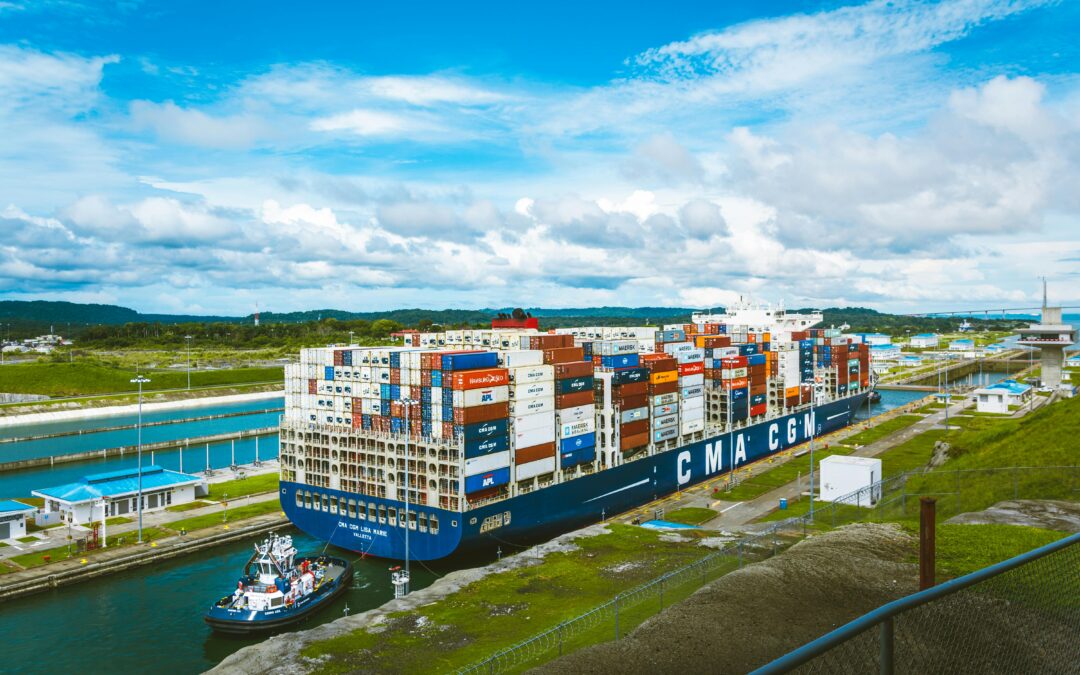
The Balboa and Cristóbal ports, located on the Pacific and Atlantic sides of the Panama Canal, respectively, serve as essential transshipment and logistics centers for global maritime commerce. The Balboa port, situated near Panama City, is the largest port on the Pacific side of the Panama Canal and handles a vast volume of cargo from Asia, the Americas, and beyond. On the Atlantic side, the Cristóbal port facilitates trade routes linking North America, Europe, and South America.

Acquiring these two ports in the Panama Canal will provide BlackRock with strategic leverage over a critical chokepoint in international shipping. The Panama Canal accommodates nearly 5% of global maritime trade, and any company controlling key ports along this route can gain immense economic and geopolitical influence. 

Why This Deal Matters

  1. Increased U.S. Influence Over Global Trade Routes

China has significantly expanded its footprint in global port operations for years, with Chinese state-owned companies controlling key ports in Latin America, Africa, and Europe. By securing these two ports in the Panama Canal, BlackRock—an American asset management giant—strengthens U.S. influence in a region where geopolitical tensions between the U.S. and China have been on the rise.

  1. Strengthening Supply Chain Resilience

The COVID-19 pandemic exposed vulnerabilities in global supply chains, prompting businesses and governments to seek greater control over key transportation hubs. BlackRock’s acquisition of these two ports in the Panama Canal aligns with a broader strategy of securing essential trade infrastructure to enhance supply chain stability.

  1. Expanding BlackRock’s Infrastructure Investments

BlackRock, the world’s largest asset manager with over $10 trillion in assets, has invested in infrastructure projects worldwide. This acquisition expands its growing portfolio of critical assets, positioning it as a dominant global transportation and logistics player.

Regulatory and Government Approvals

The completion of the PPC Transaction remains subject to approval from the Government of Panama, which must confirm the proposed terms of the sale. Given the strategic nature of the Panama Canal, Panamanian authorities will likely scrutinize the deal to ensure national interests are safeguarded.

Panama has had concerns about foreign control over vital infrastructure in the past. However, BlackRock’s acquisition is a stabilizing force, ensuring that the two ports in the Panama Canal remain operational and efficient while contributing to Panama’s economy through investments in port modernization and job creation.

Conclusion

BlackRock’s acquisition of a majority stake in CK Hutchison’s global port network, including the two ports in the Panama Canal, marks a significant shift in the landscape of global maritime trade. The Balboa and Cristóbal ports are vital gateways for international commerce, and their control by an American-backed investment group could influence global shipping patterns for years to come.

As international competition for trade infrastructure intensifies, this deal underscores the strategic importance of the Panama Canal and its surrounding ports. If Panamanian authorities approve, BlackRock’s investment will reshape global logistics and reinforce the U.S.’s position in international trade’s rapidly evolving geopolitical chessboard.