+1 (520) 780-6269 investment@latamfdi.com
Yazaki’s Closure Could Drive Investment Policy Changes in Uruguay

Yazaki’s Closure Could Drive Investment Policy Changes in Uruguay

The closure of the Japanese multinational Yazaki in Uruguay has had a significant economic and social impact, leaving approximately 1,200 people unemployed and sparking a debate on the need to review the Investment Promotion Law. This law, which grants tax exemptions to companies establishing operations in the country, may be subject to modifications to prevent similar situations from occurring in the future.

The company, which specializes in manufacturing auto parts, had two plants in Uruguay: one in Colonia with around 800 workers and another in Las Piedras employing 300 people. The decision to shut down operations in the country surprised the government and labor unions despite prior warnings about competitiveness issues and labor disputes. The abrupt departure has intensified discussions on the effectiveness of Uruguay’s investment policies and whether they adequately balance economic incentives with job security.

Reasons Behind Yazaki’s Departure

According to Yazaki’s official statement, high operating costs were the primary reason for leaving the country. The headquarters in Japan decided without the possibility of reversal, leaving Uruguayan authorities with limited options to negotiate. This highlights a fundamental issue with current investment policies—while they encourage foreign companies to establish operations in Uruguay, they do not always provide mechanisms to prevent sudden exits that can devastate local economies.

The government proposed creating a negotiation space to address the immediate crisis, facilitate employee retraining, and improve severance conditions. While this initiative may offer relief, it does not resolve the underlying issue. Many experts argue that investment policy changes in Uruguay must ensure that foreign companies benefiting from tax incentives remain committed to long-term employment and responsible business practices.

Union Criticism and Worker Concerns

From the union’s perspective, the company’s sudden closure was heavily criticized, especially given that Yazaki had benefited from tax incentives under the Investment Promotion Law. This legislation was designed to attract foreign investment and stimulate job creation, but the Yazaki case has exposed potential weaknesses in the framework.

Labor unions argue that multinational corporations receiving tax benefits should be required to provide stronger employment guarantees. Future Minister of Labor Juan Castillo visited the Las Piedras plant and expressed concern over the lack of mechanisms ensuring a less abrupt exit for companies that receive financial incentives from the government. Castillo, known for his role in PIT-CNT and as Secretary General of the Communist Party, suggested introducing regulatory adjustments to prevent such situations from recurring.

In his statements, Castillo emphasized the importance of including a “counterpart” in laws that promote foreign investment. He argued that it is unacceptable for a company to leave the country so suddenly, leaving hundreds of families in economic uncertainty. Regardless of the company’s name or logo, workers want to know when they can work again. ” These concerns have further fueled the discussion about necessary investment policy changes in Uruguay, particularly requiring greater accountability from foreign investors.

The Economic and Social Impact of the Closure

Yazaki’s departure is expected to have widespread economic consequences, particularly in Colonia and Las Piedras, where the company was a major employer. The loss of 1,200 jobs will affect the workers directly and impact local businesses, suppliers, and service providers relying on Yazaki employees as customers.

Future Minister of Economy Gabriel Oddone acknowledged that creating quality, sustainable jobs is the main challenge after the closure. Oddone highlighted that women and heads of households are among the most affected, exacerbating the social impact of Yazaki’s decision. He also pointed out that Uruguay’s high operational costs make it difficult to compete with neighboring countries like Paraguay and Argentina, where Yazaki will relocate its production. The company stated that the move would allow it to reduce costs by at least 20% and avoid challenges associated with labor disputes.

Despite these challenges, Oddone defended Uruguay’s stability and clear labor regulations. “Uruguay is a stable country, with clear labor laws and a genuine commitment to protecting people’s rights,” he asserted. However, this statement has done little to ease concerns about the broader implications of the closure and the urgent need for investment policy changes in Uruguay to prevent similar exits in the future.

The Debate Over the Investment Promotion Law

The Investment Promotion Law, which offers tax exemptions to foreign companies, is now under intense scrutiny. While the law has successfully attracted multinational corporations to Uruguay, the Yazaki case has exposed its potential flaws. Critics argue that the current system benefits companies without requiring sufficient long-term commitments.

One of Uruguay’s proposed investment policy changes involves implementing stricter regulations to ensure companies cannot leave the country abruptly without a transition plan. This could include mandatory advance notice of closure, financial penalties for sudden exits, or requirements to contribute to a worker retraining fund. The goal is to create a more balanced framework that encourages investment while protecting local workers from sudden economic disruptions.

In addition to strengthening regulations, policymakers are considering ways to make Uruguay more competitive without compromising labor rights. This could involve targeted subsidies for strategic industries, improving infrastructure to attract businesses, or offering sector-specific incentives that promote long-term employment and sustainable growth.

Lessons from the Yazaki Case and the Path Forward

Despite the challenges posed by Yazaki’s closure, Uruguay remains committed to attracting foreign investment. The country has built a strong reputation for economic stability, transparent regulations, and a skilled workforce. However, the government acknowledges the need for investment policy changes in Uruguay to create a more resilient and balanced economic environment.

Future policies will likely ensure foreign companies investing in Uruguay align with national development goals. This could involve revising tax incentive structures, strengthening communication between businesses and labor unions, and implementing safeguards to prevent abrupt job losses.

While the Yazaki case represents a setback, it also presents an opportunity to reassess the country’s approach to foreign investment. The new government’s proposal to reassess the Investment Promotion Law could be a crucial first step toward a more equitable and sustainable model for all parties involved. By implementing well-designed investment policy changes in Uruguay, the country can continue to attract international companies while ensuring that workers and local communities are protected from sudden economic shocks.

Sharp Increase in Foreign Investment in Argentina: The Top Three Countries from Which Funds Arrived

Sharp Increase in Foreign Investment in Argentina: The Top Three Countries from Which Funds Arrived

Foreign direct investment (FDI) is crucial to any nation’s economic development. It provides capital for industries, creates jobs, and fosters technological advancements. Argentina has recently experienced a notable increase in foreign investment, signaling renewed confidence from international investors.

According to the latest report from the Central Bank of the Republic of Argentina (BCRA), net FDI inflows in the country reached an impressive $2.395 billion in the third quarter of 2024 (July–September). This marks a significant rise compared to previous quarters and underscores Argentina’s growing attractiveness as a destination for foreign capital.

Breakdown of Foreign Investment Flows

The report highlights how these investment funds were distributed across different categories:

  • $1.151 billion came from the reinvestment of earnings, indicating that foreign companies operating in Argentina chose to reinvest their profits instead of repatriating them. This is a positive sign of confidence in the country’s long-term economic potential.
  • $669 million arrived through capital contributions, representing fresh investments from international firms looking to expand their operations in Argentina.
  • $572 million resulted from net inflows through debt transactions, reflecting increased lending from foreign entities.
  • $4 million stemmed from mergers and acquisitions, showcasing a relatively modest but ongoing trend of business consolidation in the market.

This sharp increase in foreign investment in Argentina reflects a growing willingness among international investors to engage with the country’s economic landscape despite lingering financial challenges.

Sectors That Attracted the Largest Flows

Argentina’s highly diversified economy and specific industries have proven attractive to foreign investors. The top sectors receiving FDI during the third quarter of 2024 were:

  • Deposit-taking corporations (excluding BCRA): This sector attracted $871 million, making it the leading recipient of foreign investment. It includes banks and other financial institutions, highlighting the increasing trust in Argentina’s financial system.
  • Mining and quarrying: With $718 million in FDI inflows, this sector has become a key driver of foreign investment. Argentina’s rich reserves of lithium, copper, and other valuable minerals continue to draw substantial international interest, especially given the global demand for raw materials in renewable energy and technology industries.
  • Manufacturing industry: Receiving $371 million, this sector remains a fundamental pillar of Argentina’s industrial base. Investments in manufacturing contribute to job creation, technological improvements, and increased exports.

The increase in foreign investment in Argentina has been particularly noticeable in these sectors, as they offer promising long-term growth and profitability opportunities.

Top Three Countries of Origin

Argentina’s economic recovery and business-friendly policies have attracted FDI from several key international partners. The top three countries from which investment funds arrived in the third quarter of 2024 were:

Spain: Leading the pack with $788 million in net inflows, Spain remains a major player in Argentina’s investment landscape. Spanish companies have traditionally been strong in telecommunications, energy, and finance, and this trend appears to be ongoing.

Brazil: As Argentina’s largest trade partner within the region, Brazil contributed $589 million in foreign direct investment. Brazilian businesses remain highly engaged in Argentina’s banking, manufacturing, and retail sectors.

United States: With $267 million in FDI inflows, the United States secured third place. U.S. investors are particularly active in technology, energy, and consumer goods markets.

Despite coming in third for quarterly inflows, the United States remains the largest foreign investor in Argentina in terms of total stock holdings. As of the third quarter of 2024, American firms held $28.875 billion in total investments, accounting for 17% of all foreign investment holdings in the country.

This sustained increase in foreign investment in Argentina highlights the country’s ability to attract capital from diverse global sources, ensuring a steady flow of funds into key industries.

Additional Key Figures and Economic Indicators

Beyond the raw FDI inflow numbers, other economic indicators provide insight into Argentina’s evolving investment climate:

  • The gross passive position of FDI reached $171.795 billion, composed of $115.552 billion in equity holdings and $56.242 billion in debt instruments. This reflects Argentina’s reliance on a combination of direct capital investment and debt financing from foreign investors.
  • Capital income from FDI stood at $1.303 billion, marking a 39% decline compared to the previous year. This suggests that while inflows increased, earnings repatriation decreased, possibly due to reinvestment strategies or restrictions on capital outflows.
  • Distribution of earnings and dividends amounted to $152 million, representing a 26% year-over-year decrease. This may indicate that foreign firms are choosing to reinvest their profits rather than withdrawing them, further contributing to the increase in foreign investment in Argentina.

Financial Debt Inflows: Sector-Specific Trends

Foreign financial debt plays an essential role in Argentina’s investment landscape, and its distribution highlights the areas of most significant economic interest:

  • 71% of net inflows in financial debt were directed toward mining and quarrying, reinforcing the sector’s importance in attracting international capital.
  • Information and communications accounted for 17% of financial debt inflows, reflecting the growing role of technology and digital infrastructure in Argentina’s economy.
  • These two sectors represented a massive 88% of total financial debt inflows for the quarter, emphasizing their strategic significance.

Sectoral Stock Overview: Long-Term Investment Growth

Looking at the broader investment stock data, three key sectors stand out due to their substantial year-over-year growth:

  • The manufacturing industry recorded $64.311 billion in total investment stock, a 20% year-over-year increase.
  • Mining and quarrying reached $42.089 billion, reflecting a 24% increase over the previous year.
  • Wholesale and retail trade and repair of motor vehicles and motorcycles saw a 16% year-over-year rise.

Together, these three sectors accounted for 72% of Argentina’s total FDI stock for the third quarter of 2024, demonstrating sustained investor confidence and a continued increase in foreign investment in Argentina across multiple industries.

Conclusion: A Positive Outlook for Argentina’s Investment Climate

The latest figures from the BCRA reveal a sharp increase in foreign investment in Argentina, highlighting the country’s resilience and growing attractiveness as a destination for international capital. With $2.395 billion in FDI inflows for the third quarter of 2024, Argentina is experiencing renewed investor confidence, particularly in key sectors such as mining, manufacturing, and finance.

As investment from Spain, Brazil, and the United States continues to flow into the country, and as industries like technology and mining receive increasing financial backing, Argentina is well-positioned to sustain its economic momentum. If this trend continues, the increase in foreign investment in Argentina could play a pivotal role in stabilizing the country’s economy and fostering long-term growth.

The Bioceanic Corridor Will Change Trade in South America and Challenge the Panama Canal

The Bioceanic Corridor Will Change Trade in South America and Challenge the Panama Canal

A mega infrastructure project could revolutionize trade in South America, offering a strategic alternative to one of the world’s most vital trade routes. This initiative promises to enhance regional logistics, boost economic development, and position South America as a crucial hub for global commerce by connecting the Atlantic and Pacific Oceans through a modern transportation network. With an estimated investment of $500 million, the project will significantly reduce shipping times and costs, benefiting multiple industries and countries involved.

A Strategic Alternative to the Panama Canal

The Panama Canal has played a central role in international trade for over a century by providing a direct maritime route between the Atlantic and Pacific Oceans. Before its opening in 1914, ships traveling between these regions had to navigate the long and treacherous route around Cape Horn, the southernmost tip of South America. The canal revolutionized global commerce by dramatically shortening shipping distances and costs.

However, despite its critical role, the Panama Canal faces growing challenges. Increased global trade, larger container ships, and periodic congestion have led some nations to explore alternative routes. Additionally, climate change has caused fluctuating water levels, limiting the number of vessels that can pass through at any given time. In response, South American countries have sought a viable land-based alternative to facilitate more efficient freight movement within the continent while complementing existing maritime routes.

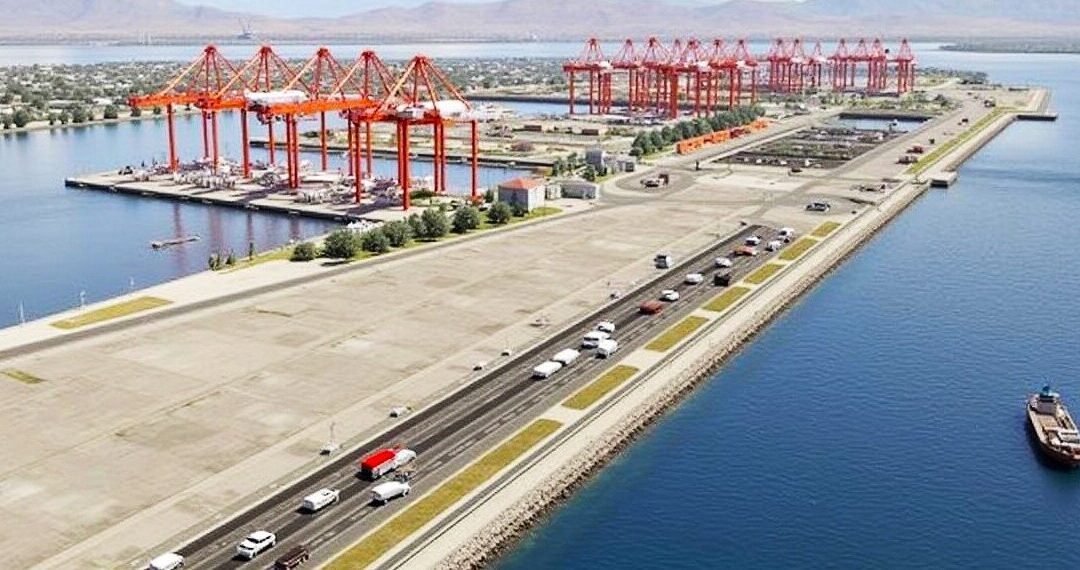
The answer to this challenge is the Bioceanic Corridor, a transformative project that will span 2,290 kilometers and create a seamless connection between the Atlantic and Pacific Oceans. By enhancing land and maritime transportation infrastructure, the corridor will reshape trade in South America, allowing businesses to move goods faster and at lower costs.

The Countries Leading the Project

The Bioceanic Corridor is a collaborative effort between four South American nations:

  • Brazil, with its vast production capacity and industrial strength, will serve as a key link between domestic markets and international trade routes.
  • Paraguay, a landlocked country, will gain essential access to ports, improving its export capabilities.
  • Argentina will leverage its geographic position to facilitate the transport of goods, benefiting industries such as agriculture and manufacturing.
  • Chile, already a major player in trade in South America, will further strengthen its status as a gateway to Asian markets.

These nations aim to enhance regional logistics, promote economic growth, and increase global competitiveness by working together. The corridor will facilitate smoother trade flows, benefiting businesses and consumers.

Infrastructure Details and Oceanic Connection

The Bioceanic Corridor will cross six regions and pass through seven borders, creating an integrated transportation network that links the Atlantic and Pacific coasts. The main route will stretch from Porto Alegre, Brazil, to Coquimbo, Chile, providing a direct connection between major ports on both oceans.

Key infrastructure developments include:

  • Modernization of existing roads to improve freight transportation efficiency.
  • Construction of new highway segments to ensure a seamless cross-border connection.
  • Expansion of port facilities to accommodate larger trade volumes.

This project will enhance trade in South America by optimizing the region’s transportation networks, making it easier for businesses to move raw materials, agricultural products, and manufactured goods across borders.

Economic Impact and Regional Benefits

Beyond infrastructure improvements, the Bioceanic Corridor is expected to generate substantial economic benefits for the countries involved. Enhanced connectivity will spur job creation, attract foreign investment, and drive industrial growth in regions along the corridor.

The most significant business advantages will be reduced shipping costs and shorter transit times. Many South American exporters rely on maritime routes involving long detours through the Panama Canal or other congested trade corridors. The project will allow industries to move goods more efficiently by offering a direct land-based alternative. This mainly benefits perishable goods, such as agricultural products requiring fast and cost-effective transportation.

Additionally, trade in South America will diversify as new routes open up opportunities for small and medium-sized enterprises (SMEs). The improved logistics network will help local producers reach international markets more quickly, fostering economic development in previously underserved regions.

Moreover, the corridor will encourage technological advancements in transportation. Countries along the route are expected to invest in modern logistics solutions, such as digital tracking systems, automated customs procedures, and innovative infrastructure, to enhance the efficiency of goods movement further.

A Promising Future for South American Trade

The Bioceanic Corridor is scheduled for completion by 2026, and its long-term impact could be transformational. As global supply chains evolve, having a reliable, efficient, and cost-effective trade route within South America will be essential for maintaining economic growth and international competitiveness.

By reducing reliance on external trade corridors, the project strengthens regional cooperation and reinforces the idea that South America can develop its highly integrated trade network. This will give businesses greater flexibility in choosing export routes, helping them adapt to global market fluctuations more effectively.

In the coming years, we can expect further infrastructure investments and policy collaborations that will maximize the corridor’s potential. Countries involved will likely establish new trade agreements and logistics partnerships to ensure the corridor remains a central hub for international commerce.

Ultimately, the Bioceanic Corridor represents more than just an alternative trade route—it symbolizes a new era of trade in South America, where improved connectivity and collaboration lead to greater economic prosperity for the entire region. With modern infrastructure, streamlined logistics, and a development-driven vision, this project is set to reshape South American trade and solidify its role in the global economy for years to come.

ProIndustria Highlights Growth of Dominican Republic Free Trade Zones

ProIndustria Highlights Growth of Dominican Republic Free Trade Zones

A Key Driver of Economic Growth

Dominican Republic Free Trade Zones have emerged as a key driver of economic expansion, crucially attracting foreign investment, boosting exports, and generating employment. Currently, 163 companies operate within the Free Trade Zones, with 78 of them located in Industrial Parks. The sector has witnessed steady and sustainable growth over the years, reinforcing its role as a pillar of national development.

As part of the country’s broader economic strategy, Dominican Republic Free Trade Zones have positioned the country as a competitive manufacturing and export hub in the Caribbean and Latin America. This growth is driven by favorable government policies, strategic investments in infrastructure, and an increasingly skilled workforce that meets the demands of global industries.

Free Zones: A Pillar of Employment and Trade

In his fifth annual address, President Luis Abinader underscored the importance of Dominican Republic Free Trade Zones as a fundamental pillar of the country’s economic success. He emphasized that the sector thrives, creating thousands of formal jobs and strengthening the country’s international trade capabilities.

“Free zones are one of the most significant contributors to direct employment in the country. As of November 2024, we reached a record figure of 198,450 direct jobs, with women representing 53% of total employment,” the president stated.

This achievement highlights the inclusive nature of employment opportunities within Free Trade Zones, where a significant portion of the workforce comprises women. The sector has played a vital role in empowering female workers by offering stable, well-paying jobs in various industries, including textiles, medical device manufacturing, and agro-industrial processing.

Furthermore, Free Trade Zones have contributed to improving working conditions by promoting formal employment with benefits such as social security, healthcare, and opportunities for professional growth. These zones serve as a model for economic development, demonstrating how targeted policies and investments can create sustainable job opportunities.

The Impact of Free Zones on Foreign Trade

President Abinader also emphasized the significant impact of Dominican Republic Free Trade Zones on the island nation’s export industry. These zones have become dominant in international trade and account for most of the country’s export revenue.

“Free zones account for 67% of the country’s export structure, with exports exceeding 8.6 billion dollars in 2024, demonstrating confidence in our economy,” he stated.

This growth is a testament to the increasing competitiveness of Dominican-made products in global markets. Industries operating within Free Trade Zones include textiles, medical devices, electronics, pharmaceuticals, and agro-industrial goods. By diversifying its export portfolio, the Dominican Republic has strengthened its position as a reliable supplier to international markets.

Notably, the medical device manufacturing sector has experienced rapid expansion, with companies producing high-quality surgical instruments, disposable medical supplies, and other healthcare products for export to North America and Europe. Similarly, the textile and apparel industry has remained a cornerstone of Free Trade Zone activity, benefiting from preferential trade agreements such as the Dominican Republic-Central America Free Trade Agreement (CAFTA-DR).

Expansion into New Regions: Creating Jobs Across the Country

President Abinader announced the expansion of Free Trade Zones into new regions to decentralize employment and investment. His administration is committed to ensuring economic benefits reach provinces historically with limited industrial activity.

“We have brought jobs to San Juan de la Maguana by opening a free zone in that province for the first time. In the new San Juan free zone, three agro-industrial warehouses already operate for tobacco processing, employing 300 female workers. Currently, two new warehouses are under construction, which will continue to generate thousands of formal jobs,” the president stated.

This expansion aligns with the government’s broader economic development strategy, which seeks to create job opportunities in rural and less-developed areas. By extending Free Trade Zones to different regions, the Dominican Republic can further leverage its industrial potential, reduce regional economic disparities, and promote balanced national growth.

Additionally, this initiative has encouraged local entrepreneurship by integrating small and medium-sized enterprises (SMEs) into the supply chains of larger Free Trade Zone companies. As more provinces access these industrial hubs, local businesses will have more significant opportunities to participate in the global marketplace.

Strengthening the Military Industry Through Free Zones

A notable development in the Free Trade Zone sector is the growth of the Dominican Republic’s military industry. President Abinader highlighted the expansion of the Armory, a free zone managed by ProIndustria, which contributes to national defense capabilities while generating economic benefits.

“I am pleased to announce that we are already preparing for the assembly of armored vehicles, and by the end of April this year, we will inaugurate a modern assembly plant for military vehicles in San Cristóbal at the former Armory. This military industry increased its uniform production capacity by 20% in 2024, and for 2025, it projects a 326% increase, which will result in savings of more than 25% in costs,” the president explained.

This initiative marks a significant step forward in the Dominican Republic’s efforts to develop its defense sector, reducing reliance on foreign military equipment imports. The military industry’s expansion within Free Trade Zones demonstrates the sector’s versatility and ability to support a wide range of industries beyond traditional manufacturing.

Moreover, the increased production capacity of military uniforms and equipment is expected to create additional jobs and enhance the country’s self-sufficiency in defense-related manufacturing. This strategic move will contribute to national security while simultaneously boosting economic growth.

ProIndustria’s Role in Strengthening Free Zones

The Center for Industrial Development and Competitiveness (ProIndustria) has been a key player in strengthening Free Trade Zones and enhancing the country’s productive infrastructure. The institution supports local and international companies by providing modern facilities, business incentives, and strategic partnerships that drive growth and innovation.

Currently, 163 companies operate in ProIndustria Free Zones, and 78 are located in Industrial Parks. During the previous government administration (2020-2024), 101 new companies were established in Free Zones and 37 in Industrial Parks, significantly boosting the country’s production capacity and global competitiveness.

ProIndustria continues to improve infrastructure, streamline administrative processes, and offer incentives to attract foreign direct investment. By fostering a business-friendly environment, the institution has positioned the Dominican Republic as one of the most attractive destinations for industrial investment in the Caribbean and Latin America.

A Commitment to Investment, Innovation, and Competitiveness

Rafael Cruz Rodríguez, General Director of ProIndustria, reaffirmed the institution’s commitment to consolidating the sector’s growth and maintaining the Dominican Republic’s leadership in Free Trade Zone operations.

“We aim to continue promoting investment, innovation, and competitiveness in the country’s free zones and industries, ensuring that they remain a driving force for economic development and formal job creation,” he emphasized.

ProIndustria is also actively involved in workforce development, ensuring that companies operating within Free Trade Zones can access skilled labor. By collaborating with technical training institutions and universities, the organization helps prepare workers for high-demand industries, such as advanced manufacturing and information technology.

The Future of Free Zones in the Dominican Republic

The sustained growth of Free Trade Zones reaffirms their essential role in the Dominican economy, solidifying their position as a primary engine of employment, investment, and exports. As the sector continues to evolve, the government and ProIndustria are committed to expanding opportunities and ensuring that more regions benefit from industrial development.

Looking ahead, the government aims to attract additional foreign direct investment, diversify the industries operating within Free Trade Zones, and further integrate local suppliers into the global supply chain. Through strategic policies and continued support, the Dominican Republic Free Trade Zones are expected to remain a driving force behind economic progress, creating long-term benefits for businesses, workers, and communities nationwide.

Assessing the Level of Economic Development in Guatemala

Assessing the Level of Economic Development in Guatemala

Assessing the Level of Economic Development in Guatemala

Guatemala, the largest economy in Central America, has experienced moderate economic growth over the past two decades. However, despite its potential, the country faces significant structural challenges that hinder its progress toward sustainable and inclusive development. This article provides a comprehensive assessment of economic development in Guatemala, analyzing key factors such as natural resources, human capital, infrastructure, technological development, and institutional quality.

Natural Resources and Economic Potential

Guatemala is rich in natural resources, particularly agriculture, mining, and energy. The country exports significant coffee, sugar, bananas, and palm oil. Additionally, it has substantial reserves of gold, silver, nickel, and petroleum. However, environmental degradation, deforestation, and land disputes challenge resource management. While exploiting natural resources contributes to economic activity, weak regulatory oversight has led to social conflicts and environmental damage, limiting long-term sustainability.

Human Capital and Workforce Development

Guatemala’s population is young and growing, with a median age of around twenty-three. However, the country faces challenges in education and healthcare, limiting human capital development.

  • The literacy rate stands at approximately 80%.
  • Malnutrition affects over 40% of children under five, impacting cognitive development and productivity.
  • The informal sector employs over 70% of the workforce, reflecting a need for more formal sector jobs.

More investment in education and vocational training are needed for upward mobility and helping the country to fully leveraging its demographic dividend.

Infrastructure: Bridging the Development Gap

Guatemala needs to improve its infrastructure, which hampers economic growth and investment. Key challenges include:

  • Road networks: Many rural areas lack proper roads, increasing transportation costs.
  • Energy access: Rural communities still face shortages, while urban areas have reliable electricity.
  • Water and sanitation: Limited access to clean water and sanitation affects public health.
  • Digital infrastructure: Internet penetration is somewhat low compared to regional peers, limiting technological integration.

Significant investment in modernizing infrastructure is required to improve economic development in Guatemala, support industrial growth, and increase connectivity.

Technological Development and Digital Transformation

Guatemala lags in technological innovation and digital transformation, which are crucial for modern economic competitiveness. While urban centers like Guatemala City can access digital services, some rural areas remain disconnected.

Challenges include:

  • Low levels of research and development (R&D) investment.
  • Limited access to high-speed internet and digital tools in rural communities.
  • A lack of STEM (Science, Technology, Engineering, and Mathematics) education programs.

Enhancing digital access and promoting innovation must be a priority to improve economic development in Guatemala.

Quality of Public Institutions and Governance

The quality of public institutions is a critical factor in economic development. Guatemala has struggled with corruption, weak governance, and inefficiency, which deter investment and slow reforms.

Challenges include:

  • Significant levels of corruption in government institutions.
  • A weak judicial system can undermine the rule of law.
  • Bureaucratic inefficiencies that delay business processes and investments.

Addressing these governance challenges is essential for fostering a transparent and investor-friendly business climate.

Economic Policies and Fiscal Management

Guatemala’s economic policies have been relatively stable, with low inflation and a controlled fiscal deficit. However, the country has relatively low tax collection rates, limiting public investment in essential services.

Key economic policy challenges:

  • Low government revenue: Tax revenues are below 12% of GDP, restricting development projects.
  • Limited social spending: Public investment in education, health, and infrastructure is insufficient.
  • Dependence on remittances: Over 15% of GDP comes from remittances sent by Guatemalans living abroad.

To boost economic development in Guatemala, the government must implement tax reforms and increase public investment in infrastructure and social programs.

Level of Industrialization and Manufacturing Growth

Guatemala’s industrial sector has development opportunities. Agriculture and services dominate the economy, and the country has a growing maquiladora (assembly for export) industry, particularly in textiles. However, overall industrial output can be increased.

  • Obstacles to industrial growth include:
  • High energy costs compared to other manufacturing hubs.
  • Bureaucratic red tape discouraging foreign direct investment.
  • A lack of skilled labor in high-tech industries.

Guatemala can potentially expand its manufacturing sector, but this requires greater investment in vocational training, infrastructure, and energy efficiency.

Access to Capital and Credit

Limited access to financing is a significant barrier to entrepreneurship and business expansion in Guatemala. Many businesses, especially small and medium-sized enterprises (SMEs), face challenges in obtaining credit due to high interest rates and stringent lending requirements.

  • Key financial challenges:
  • Low levels of domestic investment and credit availability.
  • A banking system that primarily serves large corporations rather than small businesses.
  • Elevated levels of financial exclusion, especially in rural areas.

Expanding microfinance institutions and alternative credit sources can help bridge the financing gap and stimulate economic activity.

Geographic Location and Trade Opportunities

Guatemala’s strategic location between North and South America provides access to key international markets. It is part of the CAFTA-DR trade agreement, allowing preferential access to the U.S. market.

However, trade competitiveness is hampered by:

  • Port and logistics infrastructure require greater development.
  • Relatively high transportation costs due to inadequate roads and security risks.
  • Dependence on low-value exports such as raw agricultural goods.

To improve economic development in Guatemala, the country must diversify exports and improve trade logistics.

Demographics, Social, and Cultural Factors

Guatemala has a diverse young population, but social inequality remains a significant challenge. Indigenous communities, making up nearly 40% of the population, face higher poverty rates and limited access to education and healthcare.

Social challenges include:

  • Income inequality, with a large gap between urban and rural populations.
  • Gender disparities limit women’s participation in the economy.
  • Elevated crime rates, affecting business operations and investment confidence.

Addressing these social disparities is essential for achieving inclusive economic growth.

Global Economic Integration and Trade Relationships

Guatemala is integrated into the global economy through exports, foreign direct investment, and remittances. However, it faces challenges in expanding high-value industries and services.

Key opportunities:

  • Strengthening regional trade with Mexico and Central America.
  • Attracting more foreign direct investment (FDI) in technology and manufacturing.
  • Enhancing tourism, which is an underutilized economic driver.

Deepening integration into the global economy can accelerate economic development in Guatemala by diversifying income sources.

Environmental Sustainability and Climate Resilience

Guatemala is highly vulnerable to climate change, with frequent hurricanes, droughts, and deforestation threatening agricultural productivity.

Key environmental challenges:

  • Unsustainable farming and deforestation are degrading natural ecosystems.
  • Water scarcity in some rural communities.

Sustainable development policies are critical for ensuring long-term economic and environmental resilience.

Political Stability and Security

Crime and political instability have long hindered economic growth. Elevated levels of violent crime, drug trafficking, and corruption deter investment and disrupt economic activity.

Necessary reforms include:

  • Strengthening law enforcement and judicial institutions.
  • Reducing corruption in public administration.
  • Promoting political stability to attract long-term investment.

Innovation and Entrepreneurship

Guatemala has a growing entrepreneurial sector, but it faces challenges such as limited startup financing and regulatory hurdles.

Encouraging tech startups, innovation hubs, and business incubators can foster a more dynamic economy.

Conclusion

While Guatemala has strong economic potential, it must overcome structural challenges such as poverty, weak governance, and limited industrialization. Economic development in Guatemala can achieve long-term, sustainable growth by improving infrastructure, education, governance, and trade competitiveness.

Mercosur Absorbs 86% of Paraguayan Maquiladora Exports

Mercosur Absorbs 86% of Paraguayan Maquiladora Exports

Strong Growth in Maquiladora Exports

The Paraguayan maquiladora sector recorded a 34% increase in exports during January 2025, reaching a total of USD 100 million, marking a robust start to the year. This export surge consolidates the maquiladora industry as a pillar of Paraguay’s foreign trade, demonstrating its resilience and competitive edge in the global and regional markets. The maquiladora sector, which operates under a special tax and customs regime that allows the importing of raw materials and components for export-oriented manufacturing, continues to play a crucial role in the country’s economic development.

Mercosur as the Primary Destination

An analysis of Paraguayan maquiladora exports highlights a significant regional concentration, with Mercosur countries absorbing 86% of total shipments under this regime. This underscores the strong trade ties between Paraguay and its Mercosur partners, particularly Brazil and Argentina, which serve as the primary buyers of Paraguayan manufactured goods.

Beyond Mercosur, Paraguayan maquiladora exports also reached other markets, albeit in smaller volumes. Bolivia accounted for 3.2% of total exports, followed by Chile with 2.9% and the United States with 2.7%. While still marginal compared to the overwhelming share of Mercosur, these figures indicate an incipient yet consistent diversification trend as Paraguayan producers seek to expand their presence in global markets beyond South America. This diversification is essential for reducing dependency on Mercosur and mitigating risks associated with economic fluctuations in the region.

Trade Balance Remains Positive Despite Rising Imports

Alongside export growth, imports related to the maquiladora sector also saw a sharp rise, increasing by 45% year-on-year to reach USD 77 million in January 2025. This uptick in imports reflects the growing demand for raw materials, machinery, and intermediate goods required for maquiladora operations. Despite this higher import growth rate, the sector maintained a positive trade balance, with exports exceeding imports by USD 23 million, a 29% surplus.

The positive trade balance confirms the efficiency of the maquiladora model in adding value to imported inputs and transforming them into export-ready goods. This contributes positively to Paraguay’s overall trade performance, strengthening the country’s foreign exchange earnings and reinforcing the maquila regime as an effective strategy for industrialization. The continued expansion of maquiladora activity suggests that companies operating under this framework successfully integrate into global and regional supply chains while maintaining competitiveness. 

Geographic Distribution of Maquiladora Companies

The Paraguayan maquiladora sector is geographically concentrated in strategic regions of the country, where logistical advantages and proximity to key markets influence industrial location decisions.

Alto Paraná Department leads with 48% of all approved maquiladora companies, benefiting from its border position with Brazil, the primary consumer market. The presence of well-developed infrastructure, industrial parks, and trade routes makes it the epicenter of maquiladora activity in Paraguay.

The Central Department follows with 28% of maquiladora firms. It is a hub for industrial and logistical operations due to its proximity to the capital, Asunción, and key transport routes.

Asunción (Capital) hosts 9% of the maquiladora companies and benefits from administrative and financial services supporting industrial operations.

Amambay Department accounts for 6% of the total, leveraging its border position with Brazil and emerging as a growing industrial hub.

This distribution highlights the importance of border regions in maquiladora operations, as proximity to major consumer markets like Brazil enhances trade efficiency. At the same time, the concentration of maquiladora firms in Central Paraguay reflects efforts to develop diversified industrial clusters beyond traditional border trade zones.

Job Creation and Economic Impact

The maquiladora sector remains a significant job creator in Paraguay, reinforcing its role in providing stable and formal employment opportunities. In January 2025 alone, 734 new jobs were generated, bringing the total employment in the sector to 30,690. This represents a 22% increase compared to January 2024, highlighting the sector’s dynamism and ability to absorb labor in a growing economy.

The continued expansion of Paraguayan maquiladora exports is particularly relevant in the current economic climate, as it provides stable employment and contributes to social stability by offering jobs in the manufacturing, logistics, and service sectors. The sector’s strong labor absorption capacity ensures that more Paraguayans have access to formal employment opportunities, which often include training programs, skill development, and job security—key factors in promoting long-term economic growth.

Key Employment Sectors in the Maquiladora Industry

A closer look at employment distribution within Paraguayan maquiladora exports reveals that five main subsectors account for 72% of total employment:

Auto Parts Industry – The leading subsector benefiting from Paraguay’s integration into regional automotive supply chains, particularly within Mercosur.

Textile Industry – A significant employer that produces garments and textiles primarily for export.

Intangible Services – Including software development, call centers, and business process outsourcing (BPO).

Plastics Manufacturing – Producing a wide range of plastic goods for various industries.

Chemical Products – Supplying essential industrial and consumer chemicals.

This sectoral composition illustrates the evolution of the maquila regime in Paraguay. Initially dominated by labor-intensive industries, the sector has gradually diversified into higher-value industries, including technology and automotive manufacturing. The growing presence of technology-driven maquiladoras reflects Paraguay’s ambition to move beyond basic assembly work and integrate into more complex global value chains.

Challenges and Opportunities for Future Growth

The positive performance of Paraguayan maquiladora exports in January 2025 underscores the effectiveness of this industrial and trade policy framework. However, several challenges and opportunities remain for the sector’s long-term sustainability.

Challenges

High Dependency on Mercosur—While regional trade integration has provided growth opportunities, Paraguay’s reliance on Mercosur markets exposes it to potential economic fluctuations in Brazil and Argentina.

Infrastructure Gaps—Continued investments in transportation, energy, and digital infrastructure are needed to support the expanding maquiladora sector.

Global Competition – Paraguay must enhance its competitiveness by diversifying exports and increasing technological sophistication to compete with larger manufacturing hubs like Mexico and Brazil.

Opportunities

Market Diversification – The modest but increasing exports to the United States, Bolivia, and Chile signal potential for further expansion beyond Mercosur. Trade agreements and promotional strategies can facilitate access to new markets.

Industrial Upgrading – Encouraging investment in automation, digitalization, and innovation will enable Paraguayan maquiladoras to produce higher-value goods and remain competitive.

Sustainability Initiatives – With rising global demand for eco-friendly manufacturing, Paraguay can leverage its renewable energy resources to attract sustainable and green manufacturing investments.

Conclusion

The sustained expansion of Paraguayan maquiladora exports confirms the effectiveness of the maquila regime in promoting industrialization, job creation, and trade growth. While the sector faces challenges in diversifying its export destinations, the early signs of expansion into new markets suggest promising opportunities for Paraguay’s manufacturing industry. The country can further consolidate its maquiladora sector as a long-term economic growth and development driver by strengthening trade agreements, investing in technology, and enhancing infrastructure.