+1 (520) 780-6269 investment@latamfdi.com
Over 285 Million Reais Invested in a Brazilian and Chinese Strategic Partnership to Launch a Next-Generation Satellite

Over 285 Million Reais Invested in a Brazilian and Chinese Strategic Partnership to Launch a Next-Generation Satellite

The Brazilian and Chinese Strategic Partnership includes a multi-million investment in a state-of-the-art satellite to enhance technological independence and bolster military intelligence and surveillance.

A groundbreaking new investment has been made in Brazil. The strategic partnership between Brazil and China, which spans nearly three decades, is set to advance with the launch of the CBERS-6 satellite, equipped with Synthetic Aperture Radar (SAR) technology. This will be the sixth satellite in the CBERS (China-Brazil Earth Resources Satellite) series and promises to elevate Brazil’s capabilities in military monitoring and Amazon surveillance while enhancing the country’s technological independence in border control and natural resource protection.

Investment in Synthetic Aperture Radar Technology: The CBERS-6 Advantage

Multi-million investment: The CBERS-6 will be the first satellite in the partnership to utilize synthetic aperture radar technology, enabling the capture of high-resolution images regardless of weather conditions or cloud cover. With this technology, the satellite will achieve more precise and continuous mapping of the Amazon rainforest, overcoming limitations faced by previous models that relied on optical sensors and were hindered by atmospheric factors, particularly in a region like the Amazon, which often has dense cloud layers.

This advancement is significant for environmental monitoring, allowing detailed observation of critical issues affecting the Amazon, including fire outbreaks, illegal deforestation, and changes in land use. Investing in the early detection of these problems can facilitate governmental intervention and support public preservation policies.

Applications of the CBERS-6: Environmental and Military

The investment in the CBERS-6 satellite will have dual applications, serving both civilian and military purposes. On the civilian front, it will enable more effective monitoring of illegal activities threatening the rainforest, such as deforestation and fires. It will also track urban growth and assist in disaster prevention and response. The Brazilian and Chinese Strategic Partnership ensures the development of innovative solutions to address these pressing challenges.

The CBERS-6 will play a strategic role in the defense sector’s border surveillance and military intelligence. With its abundant resources and geopolitical importance, the Amazon is an area of interest for numerous countries. With the CBERS-6, Brazil will enhance its control over the region, ensuring the protection of natural resources and strengthening territorial security. The Brazilian and Chinese Strategic Partnership reinforces their commitment to technological advancement and regional security. 

The Importance of Sovereignty and the Challenges of Preserving the Amazon

The launch of the CBERS-6 is also a response to international pressure on Brazil regarding the Amazon. The rainforest is frequently at the center of environmental controversies and foreign interference attempts. On several occasions, global leaders have suggested that Brazil is incapable of protecting the forest, even proposing the creation of an international “environmental corridor” to oversee the Amazon. Such statements raise alarms about economic and strategic interests in the region. The Amazon is an environmental treasure and a reservoir of natural resources like oil and water, whose value increases over time. The CBERS-6 thus emerges as a critical tool for Brazil to assert its sovereignty and demonstrate its capability to monitor and preserve the region, countering external pressures. The Brazilian and Chinese Strategic Partnership is integral to these efforts, showcasing their unified stance against external interferences.

Investment and International Cooperation

The CBERS-6 is projected to cost approximately $51 million, equivalent to over 285 million reais. This investment is part of an initiative to strengthen Brazil’s monitoring infrastructure and improve data accuracy on the Amazon. Furthermore, the project reinforces the alliance between Brazil and China, two countries that, despite being geographically distant, share common interests in developing cutting-edge technology and asserting their autonomy on the global stage. The Brazilian and Chinese Strategic Partnership exemplifies the power of collaboration in achieving shared goals.

Conclusion

The CBERS-6 satellite represents a pivotal milestone in the strategic partnership between Brazil and China, symbolizing a mutual commitment to technological innovation and sovereignty. This groundbreaking investment underscores the potential of international cooperation in addressing shared challenges, such as environmental conservation and technological self-reliance. By equipping Brazil with cutting-edge Synthetic Aperture Radar (SAR) technology, the CBERS-6 ensures precise monitoring of the Amazon rainforest, transcending the limitations of previous satellite models hindered by dense cloud cover. This advancement is crucial to combating deforestation, illegal land use, and other ecological threats, showcasing Brazil’s capacity to preserve its invaluable natural resources. Simultaneously, the satellite bolsters military intelligence and territorial security, reinforcing Brazil’s control over a region with immense ecological and geopolitical significance.

Amid growing global scrutiny and external proposals to intervene in the Amazon, the CBERS-6 is a testament to Brazil’s sovereignty and capability to protect its environment while navigating complex international dynamics. Moreover, this partnership reflects Brazil and China’s shared ambition to achieve technological independence and assert their positions on the global stage. The $51 million investment strengthens their bilateral ties and highlights the strategic value of collaborative innovation in advancing national interests. Ultimately, the CBERS-6 is more than a satellite; it is a powerful tool for fostering sustainability, protecting resources, and affirming Brazil’s autonomy in an era of heightened environmental and geopolitical challenges. Through this initiative, Brazil and China demonstrate how strategic alliances like the Brazilian and Chinese Strategic Partnership can drive progress and resilience in a rapidly evolving world.

Renewable Energy in San Luis Potosí: A Bright Future

Renewable Energy in San Luis Potosí: A Bright Future

At the Heart of the Solar Belt


San Luis Potosí has cemented itself as a leader in renewable energy generation thanks to its strategic location within a region of high solar irradiation. This position makes it a powerhouse for generating electricity through photovoltaic systems and solar parks. Salvador González Martínez, head of the Secretariat of Economic Development (Sedeco), emphasizes the immense potential of the central Altiplano region for clean energy projects.

This year marks the beginning of a new chapter as various renewable energy projects resume after delays. San Luis Potosí generates 624,000 megawatts of electricity, a feat made possible by its advantageous position in the globally recognized Solar Belt. This region’s energy potential is remarkable; just 5% of the solar irradiation received in the state could meet the energy demands of the entire country.

The growing presence of renewable energy companies reflects the state’s commitment to sustainable development. The Altiplano region’s Industrial parks and municipalities are increasingly chosen for solar and wind farms due to their optimal conditions for clean energy production. This growth is a testament to the state’s strategic efforts to harness its natural resources and attract investments in renewable energy in San Luis Potosí.

A Pre-Pandemic Foundation for Growth

Before the challenges posed by the COVID-19 pandemic, San Luis Potosí was already a hub for energy generation. By 2015, the Regulatory Energy Commission had authorized the state to produce 2,206.5 megawatts, making it the sixth-highest producer nationwide.

At that time, 21 private companies were involved in electricity generation using renewable sources, hydrocarbons, and imports. Among these projects, 14 focused on self-supply, two were dedicated to continuous internal use, and two utilized cogeneration technology. The remaining projects supported independent production, small-scale production, and imports.

This foundation positioned San Luis Potosí to expand its renewable energy capabilities, ensuring a sustainable and resilient infrastructure.

Leading Photovoltaic Plants in San Luis Potosí

The state is home to several prominent photovoltaic plants that highlight its renewable energy potential. One of the most notable is Iberdrola’s Santiago plant in Villa de Arriaga. Once the company’s largest installation globally, this plant, now under federal government ownership, has a capacity of 170 megawatts.

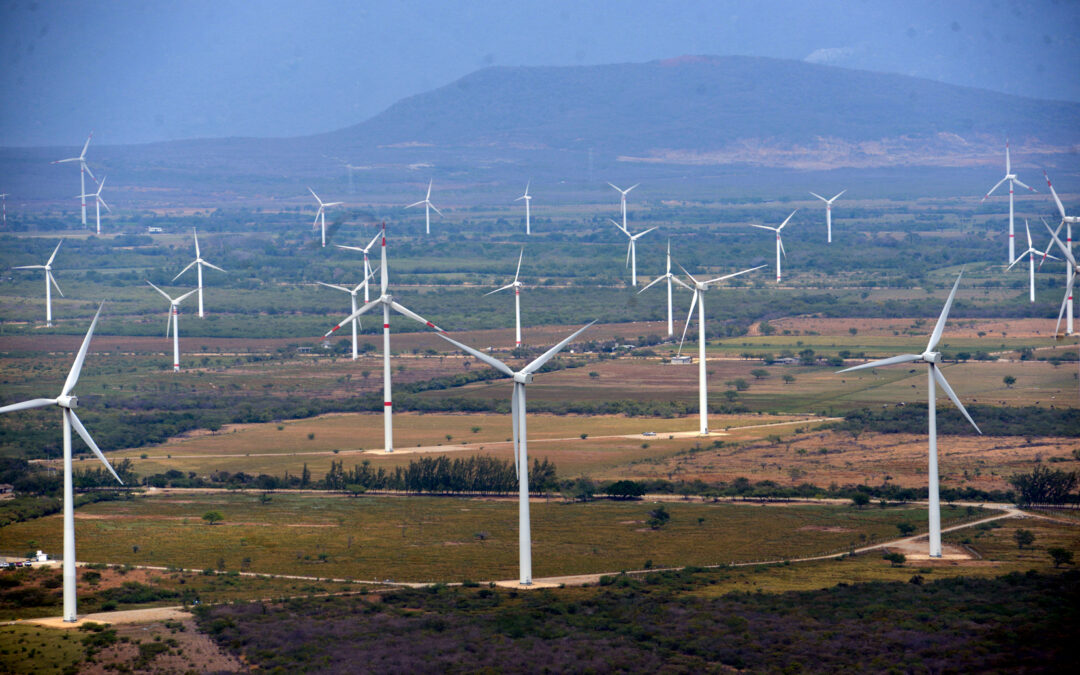
Another key project is the Potosí Solar FRV plant in Villa de Ramos, which produces an impressive 815,000 megawatts annually. The Dominica Wind Farm in Charcas also stands out for its 100-megawatt installed capacity and ability to generate up to 260 gigawatt-hours annually.

These plants contribute significantly to the state’s energy production and showcase the diversity of renewable energy technologies in San Luis Potosí, including solar and wind power.

Clean Energy and Investment

San Luis Potosí has emerged as a clean energy leader, producing approximately 1,229 megawatts of renewable energy, with around 780 megawatts consumed in the metropolitan area. The state’s favorable conditions for renewable energy development have attracted nearly 23.83 billion investment pesos.

Several solar energy generation initiatives are underway, driven by the efforts of leading companies such as Enel Green Power, Iberdrola, FRV Solar, and GPI Next Energy. These projects are concentrated in strategic locations like Charcas, Villa de Ramos, and Villa de Arriaga.

As an industrial powerhouse, San Luis Potosí has experienced steady economic growth, fueling the demand for clean energy solutions. Companies operating in the state increasingly support the development of photovoltaic parks to meet their energy needs while contributing to sustainability goals.

The Strategic Advantage of Renewable Energy in San Luis Potosí

The commitment to renewable energy in San Luis Potosí is a response to environmental concerns and a strategic move to enhance the state’s economic competitiveness. By leveraging its abundant solar and wind resources, the state creates a more sustainable energy mix that benefits industries, local communities, and the environment.

San Luis Potosí’s status as a key player in the renewable energy sector is further solidified by its ability to attract global investors and developers. The ongoing projects and the state’s proactive approach to clean energy demonstrate its readiness to lead Mexico’s transition to a greener future.

A Vision for the Future

The potential for renewable energy in San Luis Potosí remains vast, with opportunities to expand solar and wind capacity across the region. The state’s forward-thinking policies and natural advantages make it an ideal destination for renewable energy investments.

As more companies and industries recognize the value of clean energy, San Luis Potosí is well-positioned to become a model for sustainable development in Mexico. Its efforts to harness the power of the sun and wind address the growing energy demand and contribute to global efforts to combat climate change.

San Luis Potosí’s journey in renewable energy underscores the importance of strategic planning and investment in achieving energy independence and sustainability. With abundant resources and visionary leadership, the state is paving the way for a cleaner, greener future.

In conclusion, renewable energy in San Luis Potosí represents a beacon of hope for sustainable development. The state is setting a new standard for clean energy in Mexico and beyond through strategic investments, innovative projects, and a commitment to harnessing its natural resources.

Manufacturing in Peru: Unlocking Innovation and Opportunity in the Andes

Manufacturing in Peru: Unlocking Innovation and Opportunity in the Andes

Peru has emerged as a compelling destination for manufacturing activities. Its diverse economy, strategic location, and robust framework of incentives make it an attractive choice for investors. Manufacturing in Peru leverages the country’s natural resource wealth, skilled workforce, and government initiatives designed to foster industrial growth. These factors combine to position Peru as a competitive player in the global manufacturing landscape, offering opportunities across various industries.

Natural Resources Driving Industrial Growth

Manufacturing in Peru benefits significantly from the country’s rich natural resources, which provide essential raw materials for various industrial sectors. Peru is one of the world’s top producers of copper, gold, and silver, and these minerals are critical inputs for industries such as electronics, automotive, and construction. Beyond mining, Peru’s agricultural abundance supports food processing and beverage manufacturing, with products like coffee, asparagus, and avocados exported globally. The country’s fisheries sector is another cornerstone of its manufacturing base, with Peru ranking among the largest exporters of fishmeal and fish oil worldwide. These resource-based industries form the foundation of manufacturing in Peru, enabling a steady supply of raw materials and fostering vertical integration.

Strategic Location and Trade Connectivity

Peru’s strategic location along the Pacific coast geographically provides direct access to major global markets in North America, Asia, and Europe. The nation’s well-developed port infrastructure, particularly the Port of Callao, facilitates the efficient export of manufactured goods. Callao, near the capital city of Lima, is Peru’s largest and busiest port, handling a substantial portion of the country’s international trade. Additionally, Peru’s participation in trade agreements, such as the Comprehensive and Progressive Agreement for Trans-Pacific Partnership (CPTPP) and bilateral agreements with countries like the United States, China, and the European Union, enhances its connectivity and reduces trade barriers. These agreements make manufacturing in Peru more cost-effective and provide access to a broader consumer base.

A Skilled and Competitive Workforce

One of the key strengths of manufacturing in Peru is its human infrastructure. The country’s workforce is characterized by a growing pool of skilled labor, particularly in urban centers like Lima, Arequipa, and Trujillo. Educational institutions in these cities are increasingly aligning curricula with industry demands, producing graduates with technical expertise in engineering, logistics, and quality control. Furthermore, Peru’s labor costs remain competitive compared to other countries in the region, providing a cost advantage for manufacturers. The government collaborates with private sector entities to enhance workforce capabilities and offer vocational training programs and certifications, ensuring a steady pipeline of talent for the manufacturing sector.

Infrastructure Investments Supporting Industry

Peru has made significant investments in physical infrastructure to support industrial growth. The country’s road network has expanded to improve connectivity between production hubs and ports, facilitating the efficient movement of goods. Key industrial zones, such as those in Lima, Piura, and Arequipa, are equipped with modern facilities and utilities tailored to manufacturing needs. Developing specialized industrial parks, such as the La Chutana Industrial Park near Lima, offers businesses access to high-quality infrastructure, including electricity, water, and waste management services. These parks also provide logistical advantages, located near major transportation routes.

Government Incentives Boosting Competitiveness

Government incentives play a crucial role in promoting manufacturing in Peru. The Peruvian government has implemented various policies and programs to attract foreign direct investment (FDI) and support domestic manufacturers. One of the most notable incentives is the tax exemption for companies operating in designated free trade zones (FTZs), such as the Tacna Free Zone in southern Peru. Businesses in these zones benefit from exemptions on value-added tax (VAT) and customs duties, significantly reducing operational costs. Additionally, Peru offers a special customs regime that facilitates the import of machinery and raw materials at reduced or zero tariffs, further
incentivizing manufacturing activities.

Diverse Industries Thriving in Peru

Several industries have established a strong foothold in Peru’s manufacturing landscape, reflecting the country’s diverse economic base. For instance, the textile and apparel sector has gained international recognition for its high-quality products, particularly those made from Peruvian Pima cotton and alpaca fiber. Major companies like Michell & Cia and Incalpaca TP are leaders in this sector, exporting premium textiles to Europe, the United States, and Asia markets. The food processing industry is another prominent player, with companies like Gloria and Alicorp producing a wide range of consumer goods, including dairy products, edible oils, and packaged foods.

The automotive industry is gradually gaining momentum in Peru, driven by the assembly and production of vehicles and auto parts. While still in its nascent stages compared to other sectors, the automotive industry is supported by government initiatives and growing demand in the domestic market. Similarly, the electronics and electrical equipment industry is expanding, with local firms and multinationals producing various products, from consumer electronics to industrial machinery.

Sustainability in Manufacturing

Environmental sustainability is increasingly becoming a priority for manufacturing in Peru. The government and private sector are adopting green practices to minimize the environmental impact of industrial activities. Initiatives such as renewable energy integration and waste reduction programs are gaining traction, with companies seeking certifications like ISO 14001 to demonstrate their commitment to sustainability. For example, the mining industry—a significant contributor to Peru’s economy—is adopting cleaner production technologies and investing in renewable energy projects to reduce its carbon footprint. These efforts not only enhance the global competitiveness of Peruvian manufacturers but also align with international environmental standards.

Challenges and Future Prospects

Despite its many advantages, manufacturing in Peru faces challenges that require ongoing attention. Infrastructure gaps in certain regions, such as the Amazonian and Andean areas, can hinder the efficient movement of goods and market access. Addressing these gaps through continued investment in transportation and logistics infrastructure is critical to unlocking the full potential of manufacturing in Peru. Additionally, the country must focus on enhancing technological adoption and innovation within its manufacturing sector to remain competitive in the global market. Government programs that foster research and development (R&D) and technology transfer are steps in the right direction, but sustained efforts are needed to build a robust innovation ecosystem.

Conclusion: A Bright Future for Manufacturing in Peru

Peru’s business-friendly environment and the availability of financial incentives have attracted multinational corporations (MNCs) to establish manufacturing operations in the country. For instance, global beverage giant Coca-Cola operates a state-of-the-art bottling facility in Lima, serving both domestic and export markets. Similarly, Kimberly-Clark, a leading consumer goods producer, has a significant presence in Peru, manufacturing hygiene products catering to the broader Latin American market.

The Peruvian government’s commitment to fostering economic growth and industrialization is evident in its strategic plans and policy frameworks. The National Competitiveness and Productivity Plan outlines specific measures to improve infrastructure, enhance workforce skills, and promote innovation. These initiatives aim to position Peru as a regional hub for manufacturing, leveraging its strategic advantages to attract investment and drive economic development.

Growth Trends in Industrial Parks in Queretaro for 2025

Growth Trends in Industrial Parks in Queretaro for 2025

Technology, Nearshoring, and Sustainability: The Drivers of Queretaro’s Industrial Future

Queretaro has emerged as a key driver for industrial development in Mexico, standing out as a strategic hub for foreign investment and economic growth in the Bajio region. Renowned for its world-class infrastructure, access to national and international markets, and ability to attract high-tech companies, the state has established itself as a benchmark for industrial innovation and competitiveness.

In recent years, the industrial parks in Queretaro have undergone significant transformation, adapting to the demands of a globalized and sustainable economy. Sectors such as aerospace, automotive, and logistics have thrived in Queretaro thanks to its specialized talent pool and a supportive network that includes universities, research centers, and public policies promoting development. These developments have turned the state into a magnet for businesses seeking a robust, dynamic environment to expand their operations.

The outlook for 2025 presents opportunities and challenges: consolidating nearshoring strategies, implementing sustainable solutions, and integrating advanced technologies such as automation and artificial intelligence. Queretaro is building industrial parks and fostering innovative ecosystems that connect businesses with talent, technology, and sustainability, ensuring their relevance in the global trade landscape.

Strategic Importance of Industrial Parks in Queretaro

Queretaro is pivotal within the Bajio Industrial Corridor, which includes states like Guanajuato, Aguascalientes, and San Luis Potosi. With more than 40 established industrial parks in Queretaro, the region stands out for its high connectivity to major seaports, rail networks, and international airports. This connectivity has made Queretaro a natural hub for domestic and global logistics, providing businesses with strategic advantages in supply chain management.

Key Factors Driving Industrial Development:

  • Geographical Location: Proximity to Mexico City and the Gulf of Mexico facilitates national and international trade, ensuring that businesses located in Queretaro can efficiently reach key markets.
  • Specialized Clusters: Thriving sectors such as automotive, aerospace, and IT benefit from a fertile environment for growth, including dedicated industrial zones tailored to their needs.
  • Skilled Workforce: The region boasts universities and technical training centers that provide highly specialized talent, ensuring businesses can access a well-trained labor pool to meet operational demands.

Factors Driving Growth Toward 2025

Nearshoring and Its Impact on Queretaro

In recent years, the relocation of manufacturing operations from Asia to Mexico has gained momentum. Queretaro has become a preferred destination for companies seeking to reduce transportation costs and capitalize on the benefits of the USMCA. This has increased demand for industrial parks in Queretaro and a surge in foreign direct investment (FDI). Nearshoring allows businesses to optimize operations by leveraging Mexico’s strategic location, skilled workforce, and cost advantages while avoiding potential supply chain disruptions associated with long-distance shipping.

Foreign Direct Investment (FDI)

In 2023, Queretaro reported over $1.2 billion in FDI, most concentrated in the automotive and aerospace sectors. These figures are expected to grow by 2025, driven by new fiscal incentive policies and enhanced infrastructure projects. Key investors include multinational companies considering Queretaro a critical node in their global operations. The influx of FDI has further fueled the development of industrial parks, enhancing the state’s appeal as a prime location for international businesses.

Digital Transformation in Industrial Parks

Adopting technologies like IoT, automation, artificial intelligence, and big data is revolutionizing the management of industrial parks. Companies use these tools to optimize logistics, monitor real-time operations, and reduce costs. For example, smart industrial parks with advanced monitoring systems can provide detailed insights into energy consumption, maintenance needs, and supply chain efficiency, ensuring that operations remain lean and effective.

Expanding Infrastructure

Projects such as the expansion of the Queretaro International Airport and the development of new roads and rail connections are improving accessibility, increasing the region’s appeal for industrial investment. These infrastructure enhancements support existing industries and attract new players looking for reliable logistics networks. Furthermore, improvements in transportation infrastructure ensure seamless integration with the broader Bajio Industrial Corridor, reinforcing Queretaro’s position as a central hub.

Sustainability in Industrial Parks

Sustainability has become a priority for new industrial developments. Queretaro has adopted international standards to reduce the environmental footprint of its industrial parks, aligning with global trends toward greener and more responsible practices. Sustainability initiatives are no longer optional; they are integral to the competitiveness of industrial parks in today’s market.

Certifications and Renewable Energy

Certifications: Certifications like LEED are being integrated into new developments to ensure energy efficiency and environmentally friendly designs.

Renewable Energy: Solar panels, water collection systems, and sustainable architectural designs are being implemented to reduce reliance on non-renewable resources. For instance, parks like Queretaro Industrial Park lead the way with sustainable solutions like wastewater treatment plants and waste management systems. These initiatives benefit the environment and reduce operational costs for businesses.

Prominent Sectors Driving Growth

  • Aerospace: Queretaro hosts one of Mexico’s most significant aerospace clusters, creating over 8,000 direct jobs. Companies like Bombardier and Safran continue expanding their regional operations, solidifying Queretaro’s reputation as a leader in this high-tech industry.
  • Automotive: The region is pivotal for manufacturing auto parts and electric vehicles. By 2025, Queretaro is expected to play a key role in Mexico’s transition to electromobility, supporting the production of next-generation vehicles and components.
  • Logistics and Distribution: The demand for last-mile warehouses spurs innovative logistics developments incorporating advanced automation technologies. Queretaro’s location and infrastructure make it ideal for businesses aiming to optimize distribution networks.

Challenges and Opportunities

Challenges:

  • Resource Scarcity: Water and electricity shortages pose significant challenges for sustainable growth.
  • Talent Competition: Attracting and retaining skilled labor remains competitive, especially as the demand for specialized expertise increases.
  • Balancing Growth with Sustainability: Managing the environmental impact of rapid industrialization is crucial to ensuring long-term viability.

Opportunities:

  • Green Technology Growth: Queretaro is well-positioned to lead in emerging sectors like renewable energy and green manufacturing.
  • Market Diversification: Expanding exports to non-traditional markets can reduce dependency on specific regions.
  • Specialized Services: Offering tailored services to support industries in areas such as training, compliance, and innovation can further enhance Queretaro’s competitive edge.

Queretaro is poised to become a leading industrial region in Mexico by 2025, thanks to its adaptability to global market demands and ability to seize opportunities like nearshoring and digital transformation. However, sustaining this growth will require effective public policies, continuous investment in infrastructure, and a strong focus on sustainability.

The future of industrial parks in Queretaro will drive the local economy and position Mexico as a key player in the global supply chain. Through strategic planning, investment, and a commitment to innovation, Queretaro’s industrial landscape will continue to thrive, setting an example for other regions.

Milei-Trump: How the New Bilateral Relationship with the U.S. Could Boost Trade and Investment in Argentina

Milei-Trump: How the New Bilateral Relationship with the U.S. Could Boost Trade and Investment in Argentina

Strengthening Economic Ties with the U.S.

 With the arrival of Donald Trump at the White House, Argentine President Javier Milei seeks to consolidate the economic relationship and sign a free trade agreement with the United States, Argentina’s third-largest trading partner behind Brazil and China. The U.S. is also the leading foreign direct investor in the country, with a stock of USD 30 billion. Trade with the U.S. averages USD 12 billion annually, though the trade balance is structurally in deficit. As of November 2024, exports to the U.S. accounted for 8% of Argentina’s total exports, while imports represented 10.3%.

Historical Trade Balance Trends

“The trade balance has historically been in deficit, with only five periods of surplus between 1990 and 2023. The recent average reflects a deficit of nearly USD 3 billion. However, in the first 11 months of 2024, there was a positive result of USD 148 million, following 18 years of deficit, driven by a 16% increase in exports and a 30% contraction in imports due to price corrections and domestic recession,” noted a report by the consultancy Abeceb.

Key Export Sectors Driving Growth

Oil exports to the U.S. have been bolstered by the development of Vaca Muerta, a key driver in strengthening Argentina’s energy supply position. Advanced drilling technology inspired by shale models has enhanced efficiency and competitiveness in energy sales. Additionally, Argentina exports significant amounts of metals, including silver, gold, aluminum, and steel, valued at USD 1.305 billion, primarily to meet the growing demands of the U.S. technology, automotive, aerospace, and jewelry industries.

The food and beverage sector also plays a fundamental role in trade between the two nations, representing 17% of total exports with a value of USD 989.2 million. Key products include meat, honey, lemons, and wines, with the U.S. serving as the primary market for high-end Argentine wine. These sectors highlight the growing opportunities for investment in Argentina.

The Role of Imports in Bilateral Trade

On the import side, Argentina primarily purchases industrial inputs such as coal, chemicals, LNG, and diesel for energy generation. These products accounted for 29.4% of total imports, reaching USD 1.62 billion in the first 11 months of 2024. Other notable imports include parts for the metalworking industry, consumer electronics, oil and gas machinery, fertilizers, and agrochemicals.

Hydrocarbons and Chemicals Leading Export Categories

The hydrocarbon and chemical industries lead Argentina’s exports to the U.S., with crude oil, gasoline, and organic and inorganic chemical products collectively making up 36% of total sales. By November 2024, these exports were valued at USD 2.084 billion. These advancements signal the potential for increased U.S. investment in Argentina’s energy and industrial sectors.

Prospects for a Free Trade Agreement

Against this backdrop, President Milei plans to attend Trump’s presidential inauguration on January 20, following previous engagements. Milei has announced his intention to pursue a free trade agreement with Washington. However, experts note that achieving such an agreement, particularly within the framework of Mercosur, is complex.

During the 65th Mercosur Summit, Milei described the bloc as “an obstacle to Argentina’s progress” and “a prison.” In 2016, the U.S. and Argentina signed a Trade and Investment Framework Agreement (TIFA) as the primary mechanism for discussing trade and investment issues. The fourth TIFA meeting in June 2024 focused on diversifying regional supply chains for sustainable, long-term growth in critical sectors like minerals. Some stakeholders emphasized the importance of reauthorizing the Generalized System of Preferences (GSP) program, which provides tariff-free treatment for certain U.S. imports from Argentina and other developing countries.

Challenges to Trade Negotiations

Another potential avenue is the Americas Act, a proposed expansion of the United States-Mexico-Canada Agreement (USMCA). However, international analyst Esteban Actis highlighted a key challenge: “The Trade Promotion Authority (TPA), which enables Congress to grant the executive branch the power to negotiate trade agreements, expired in 2021. Without the TPA, the Executive cannot initiate or finalize trade agreements. While Trump’s majority in both chambers may facilitate its renewal, his focus is expected to be on renegotiating the USMCA in 2026.”

U.S. Investments in Key Sectors

The U.S. remains Argentina’s top foreign investor, with a stock of USD 30 billion, accounting for more than 18% of total foreign direct investment. Approximately one-third of this amount is concentrated in crude oil and natural gas extraction (USD 9.278 billion), followed by manufacturing (USD 6.327 billion), telecommunications services (USD 3.229 billion), and automotive trade (USD 2.515 billion). These figures underscore the importance of fostering an environment conducive to more significant investment in Argentina.

Legislative Efforts to Boost Trade and Investment

In December 2024, the U.S. Congress published a report noting potential legislative actions to facilitate greater trade and investment in Argentina. The report highlighted Argentina’s opportunities in agriculture, mining, and energy. Still, it acknowledged challenges like economic instability, high inflation, and interventionist policies like currency controls, export taxes, import restrictions, and labor regulations.

Market-Oriented Reforms Under Milei’s Administration

Despite these hurdles, Congress recognized Milei’s market-oriented reforms, including the Regime of Incentives for Large Investments (RIGI), aimed at eliminating interventionist policies and stabilizing the economy. Analysts predict that RIGI could attract significant investments, particularly in provinces adopting the promotion framework, though its overall impact may be limited if capital and currency controls persist.

Conclusion: A New Era for U.S.-Argentina Relations

This evolving bilateral relationship underscores the importance of U.S. trade and investment in Argentina for sustainable economic development. Enhanced collaboration between the two nations could unlock significant opportunities, particularly in energy, agriculture, and technology. With strong political will and strategic reforms, Argentina can position itself as a more attractive destination for U.S. businesses and investors.

The Forestry Industry of Mercosur: Challenges and Perspectives

The Forestry Industry of Mercosur: Challenges and Perspectives

The forestry industry of Mercosur, comprising Argentina, Brazil, Paraguay, and Uruguay, plays a crucial role in the region’s economies, not only for its direct economic impact but also for its contribution to global ecosystem services. With a combined forest area of 591 million hectares, including 12 million hectares of plantations, the sector generates 1.4% of the regional GDP and formally employs over 668,000 people.

However, Mercosur’s participation in international markets varies significantly among member countries. Brazil and Uruguay lead forestry exports, while Argentina and Paraguay face substantial challenges in consolidating their global presence. Mercosur’s forestry industry must address these disparities to create a more balanced and competitive market presence.

The Argentine Forestry-Industrial Council (CONFIAR) represents the forestry-industrial sector, which encompasses 1.3 million hectares of forest plantations, 53 million hectares of native forests, $550 million in exports, 100,000 direct jobs, and 6,000 SMEs in the wood-furniture value chain. Argentina’s forestry industry has considerable room for expansion, promoting regional economies with an immediate positive impact on jobs and foreign exchange. In this context, an important study on the Forestry-Industrial Complex of Mercosur has been published, describing the sector’s panorama in Argentina, Brazil, Paraguay, and Uruguay, as well as its strategies, challenges, and opportunities to advance towards sustainable development under the EU regulation on deforestation-free products.

The forestry industry of Mercosur is a key source of income and employment. It is fundamental in combating climate change because it absorbs carbon dioxide, conserves biodiversity, and protects soils and water bodies. Despite these advantages, the forestry industry faces sustainability and international regulation challenges, particularly with the implementation of European Regulation 2023/1115 (EUDR).

EUDR Requirements for Forestry Products

The EUDR establishes strict requirements for forestry products entering the EU market, mandating that they be deforestation-free since December 2020 and comply with the legislation of their country of origin. Its key provisions include:

·         Robust Traceability: Products must be traceable to their point of origin, utilizing precise geolocation data, particularly for plots larger than four hectares.

·         Risk Assessment: Each country will be classified according to its deforestation risk level (high, standard, or low), which will determine the level of control over its exports to the EU.

·         Compliance Costs: Companies must implement auditing and certification systems, which may be especially challenging for small and medium-sized enterprises (SMEs).

Argentina: A Forestry Giant in the Making

Argentina possesses 53 million hectares of forests and 1.3 million hectares of plantations, positioning it as a significant player in forestry resources. However, its participation in international trade remains limited. In 2022, forestry exports accounted for only 0.7% of national exports, far below Brazil and Uruguay.

The structure of Argentina’s forestry sector is historically oriented towards self-sufficiency, limiting its ability to develop a competitive export complex. Although the country has a single market pulp plant, inaugurated in 1982, public policies have not fostered the level of investment needed to expand the sector significantly.

Argentina’s challenge lies in leveraging its high forestry productivity and soil quality to attract investments, diversify its offerings, and improve its positioning in international markets, particularly given the growing demand for sustainable products. Strengthening Mercosur’s forestry industry will also enhance regional collaboration and competitiveness.

Brazil and Uruguay: Regional Leaders

Brazil and Uruguay stand out as the primary exporters in Mercosur, accounting for 99% of the value of forestry exports to the EU in 2022. Brazil, with 79% of the bloc’s forest plantations, has developed an integrated production chain that includes the production of pulp, paper, and high-quality wood. Its success is attributed to investments in research and development, integration with the local metal-mechanical industry, and advances in eucalyptus cultivation.

Uruguay, though smaller, has established itself as a leader in pulp exports, with 53.9% of its shipments directed to the European market. This success is due to a strong institutional framework, investment incentives, and efficient infrastructure for logistics and trade. These achievements highlight the potential for growth across Mercosur’s forestry industry when implementing robust strategies and investments.

The Impact of EUDR on Mercosur’s Forestry Industry

European Regulation 2023/1115 presents both challenges and opportunities for Mercosur countries. While the demands for traceability and legal compliance represent significant additional costs, they can also act as catalysts for sector modernization.

Compliance with EUDR will require investments in technology, sustainability certifications such as FSC and PEFC, and the strengthening of information systems. This could pose a barrier for SMEs, which constitute a significant portion of the forestry supply chain in the region. Still, it also presents an opportunity to differentiate in international markets.

Additionally, the EUDR could encourage regional collaboration, foster the harmonization of standards, and create sustainable and competitive supply chains.

According to a report by AFRY consulting, the added value of the global forestry industry will grow by more than $210 billion between 2019 and 2035, driven by the bioeconomy and the transition towards more sustainable materials. South America, which currently produces 40% of the world’s pulp, is in a privileged position to capitalize on this growth, especially with strategic investments in infrastructure and technology.

Recommendations for Mercosur

To seize the opportunities offered by the global market and comply with new international regulations, the forestry industry of Mercosur should focus on:

·         Integrated Public Policies: Strengthen dialogue between governments and the private sector to design policies that incentivize investment and promote sustainable practices.

·         Technological Development: Implement digital traceability systems and encourage research on forestry genetics, chemistry, and biology.

·         Investment Incentives: Create stable regulatory frameworks that attract foreign capital and promote diversification into higher value-added products.

·         Training and Certification:  Support SMEs in adopting international standards to ensure their access to key markets.

In summary, the forestry industry of Mercosur has the potential to become a driver of sustainable growth for the region. Achieving this goal, however, will require a joint effort to overcome regulatory and economic challenges and take advantage of the opportunities the global market offers.