+1 (520) 780-6269 investment@latamfdi.com
Spanish Textile Investment in Guatemala: $40 Million Boost to Economy

Spanish Textile Investment in Guatemala: $40 Million Boost to Economy

The Guatemalan president, Bernardo Arévalo de León, recently participated in the inauguration of a new factory by the Spanish textile company Nextil. During the event, he underscored the importance of foreign investment as a driving force for the country’s economic development. This new industrial plant, located on the outskirts of Guatemala City, represents an investment of approximately 309 million quetzals (around $40 million) and is expected to significantly impact the local economy, mainly through job creation and technological advancement.

A Testament to Guatemala’s Appeal as an Investment Destination

In his speech, Arévalo de León emphasized that Nextil’s Spanish textile investment in Guatemala indicates the country’s growing reputation as an attractive destination for industrial production. “This investment exceeded $40 million and will continue to expand, signaling that Guatemala is an appealing choice for industrial production,” he remarked. The president lauded Nextil’s decision to establish operations in Guatemala, highlighting the cutting-edge innovations the new plant will bring to the local textile industry.

The installation of Nextil’s plant aligns with the government’s broader strategy to promote foreign direct investment (FDI) as a cornerstone of economic growth. During his first year in office, Arévalo has worked to create a favorable environment for international investors, underscoring Guatemala’s stability, competitiveness, and strategic location within Central America. Efforts like these are vital for attracting more Spanish textile investments in Guatemala, positioning the nation as a regional hub for industries seeking efficient production and access to key global markets.

Nextil: A Leader in Global Textile Innovation

With over six decades of experience, Nextil is recognized as a global leader in producing elastic fabrics. Its new plant in Guatemala, located in the municipality of Fraijanes, approximately 30 kilometers southeast of the capital, represents a milestone in the company’s expansion into the American market. This facility will specialize in producing high-quality fabrics for luxury apparel, activewear, and intimate clothing.

Initially employing 50 professionals, the factory is expected to reach an annual production capacity of five million yards of fabric. By 2025, the workforce is projected to double, reaching 100 employees, as operations expand. According to César Revenga, Nextil’s general manager, this project has been years in the making. “The project started four years ago, and today we are proud to say that Guatemala, a country with a rich textile tradition, is the ideal place for this expansion,” Revenga stated during the inaugural event. This development showcases the long-term benefits of Spanish textile investment in Guatemala.

The new plant also brings advanced technological processes expected to enhance efficiency and product quality. These innovations will serve Nextil’s production needs and contribute to the modernization of Guatemala’s textile sector, providing a competitive edge in the global market.

The Economic Impact of the Textile Sector in Guatemala

The textile industry is one of the pillars of Guatemala’s economy, playing a vital role in export revenue and employment generation. In 2023 alone, exports of garments and textile raw materials generated $2.44 billion in revenue, according to official statistics. This sector boosts Guatemala’s foreign trade and significantly contributes to developing technical skills within the local workforce.

Nextil’s entry into the Guatemalan market strengthens the country’s position as a regional leader in textile production. Local fabrics and garments manufacturing will cater to international markets while fortifying the domestic value chain. Furthermore, the plant’s operations are expected to stimulate related industries, such as logistics, transportation, and raw material supply, amplifying the economic ripple effect across multiple sectors. This broader impact highlights the importance of Spanish textile investments in Guatemala for local and regional development.

Spain: Guatemala’s Leading European Investor

Establishing Nextil’s operations in Guatemala underscores the strong economic ties between Spain and the Central American nation. At the inauguration, María Clara Girbau, Spain’s ambassador to Guatemala, emphasized that Spain is the largest European investor in the country, with an accumulated investment of €1.5 billion. These investments span critical sectors such as energy, infrastructure, and textiles. The Spanish textile investment in Guatemala through Nextil represents another step forward in strengthening this bilateral relationship.

The presence of companies like Nextil highlights the confidence of Spanish investors in Guatemala’s economic potential and stability. This relationship has flourished over the years, driven by shared economic interests and mutual benefits. For Spain, Guatemala represents a gateway to the broader Central American and North American markets, while for Guatemala, Spanish textile investments in Guatemala contribute to industrial diversification and modernization.

Government Efforts to Attract Foreign Investment

The administration of President Arévalo has strongly emphasized attracting foreign investment as a fundamental strategy for economic development. In September, the president met with Mexican business leaders to explore investment opportunities in Guatemala. These meetings form part of a broader initiative to position Guatemala as a competitive manufacturing, technology, and textiles destination. The focus on promoting Spanish textile investment in Guatemala serves as a critical example of this strategy’s success.

The opening of Nextil’s plant is a tangible success story of these efforts. It reflects the effectiveness of government policies that foster a business-friendly environment and enhance Guatemala’s reputation as a reliable partner for international investors. By streamlining bureaucratic processes, offering incentives, and maintaining a stable macroeconomic environment, the government has made significant strides in creating a conducive atmosphere for business growth.

Strategic Location and Infrastructure Advantages

Guatemala’s geographical position offers unique advantages for foreign investors. Its proximity to the United States, the world’s largest consumer market, makes it an ideal location for companies seeking to reduce shipping times and costs. The country’s improving infrastructure, including road networks, ports, and telecommunications, also supports efficient operations for manufacturing and export-driven industries.

The municipality of Fraijanes, where Nextil’s plant is located, exemplifies this strategic advantage. Its accessibility to the capital city and major transportation hubs makes it an attractive site for industrial operations. This logistical convenience further enhances the viability of Spanish textile investments in Guatemala, ensuring that products can reach international markets efficiently.

Future Outlook for Nextil and Guatemala

With the inauguration of this new facility, Nextil aims to solidify its presence in the Americas and diversify its global operations. For Guatemala, the benefits extend beyond the immediate economic gains. The country stands to gain from the transfer of advanced technology, the creation of well-paying jobs, and the enhancement of its industrial base.

Moreover, a globally recognized company like Nextil will likely attract additional foreign investors, creating a positive economic growth and development cycle. This aligns with the government’s long-term vision of transforming Guatemala into a regional hub for high-value manufacturing and innovation. The continued promotion of Spanish textile investment in Guatemala will undoubtedly play a crucial role in achieving these goals.

A Promising Chapter for Economic Growth

The investment by Nextil is a testament to the confidence that international businesses have in Guatemala’s potential. It reminds us of the country’s growing capabilities as a center for industrial production in Central America. By continuing to foster policies that attract FDI and enhance the local business climate, Guatemala is paving the way for sustainable economic growth.

As the country opens to more international collaborations, it strengthens its economic foundation and creates new opportunities for its population. Nextil’s journey and the broader impact of Spanish textile investments in Guatemala are just the beginning of what promises to be a transformative era for the nation’s industrial landscape.

Canadian Investment in Peru: Projects in the Pipeline

Canadian Investment in Peru: Projects in the Pipeline

The Canadian Ambassador to Peru, Louis Marcotte, recently highlighted the dynamic sectors driving trade and Canadian investment in Peru, including mining and agriculture, two key pillars of bilateral exchange. The robust portfolio of goods and services traded between the two nations reflects their mutual interests and complementary strengths. Canadian investment is particularly significant in the mining sector. According to the Canadian Embassy in Peru, Canada is Peru’s largest foreign investor in mining exploration and the third-largest investor overall, with a portfolio valued at CA$9.9 billion.

Mining: A Cornerstone of Bilateral Relations

Ambassador Marcotte emphasized that Canadian investment is poised to grow, especially in mining. This enthusiasm stems mainly from the global energy transition and climate change agendas, which identify Peru as a key partner due to its critical and strategic mineral reserves.

Several notable mining projects are making significant progress, supported by Canadian investment in Peru. Bear Creek, for instance, is set to begin preliminary work on its Corani silver project. Additionally, a new gold processing plant is expected to open soon, and operations are resuming at the Morococha polymetallic mine. Teck Resources is advancing the Zafranal copper and gold project, which holds considerable potential for both countries.

The Role of Lithium in the Energy Transition

Lithium, a vital resource for the energy transition, is another focus of Canadian investment. American Lithium plans to construct mining facilities in Puno by early 2027, reflecting the growing global demand for this “white gold.” Peru’s vast lithium reserves position it as a strategic player in the worldwide push for cleaner energy solutions, and Canadian companies are eager to contribute to its development.

Expanding Canadian Presence in Mining Services

In addition to mining operations, Canadian investment in Peru extends to engineering and professional services. Five Canadian firms are actively involved in the extractive sector while expanding their expertise into infrastructure and energy projects. Their innovative approaches, particularly in environmental sustainability and technological solutions, reinforce Canada’s leadership in these fields.

Agriculture: Key Canadian Products in Peru

Agriculture represents another vital component of Canadian investment in Peru. Canadian agricultural products, particularly wheat and legumes, have significant opportunities in the Peruvian market.

Wheat: A Vital Ingredient in Peruvian Cuisine

Canada is Peru’s leading supplier of wheat, accounting for 73% of the market share in 2023. This makes Canadian wheat a key ingredient in Peruvian gastronomy, widely celebrated as one of the world’s best cuisines. Ambassador Marcotte noted Canada’s pride in contributing to this culinary success, providing high-quality wheat that supports Peru’s vibrant food culture.

Opportunities in Processed Foods

Canadian investment is expanding to include niche, processed, and raw agricultural products. According to Marcotte, the Canadian government and private sector are actively working to introduce more of these products, capitalizing on the increasing demand for diverse and high-quality food options in Peru.

Infrastructure: A Growing Area of Collaboration

The Canadian services industry is competitive and increasingly focused on infrastructure projects in Peru. A recent example of Canadian investment in Peru is the G2G (government-to-government) agreement to work on the Chavimochic III irrigation project. Such agreements highlight Canadian companies’ confidence and expertise in large-scale infrastructure developments.

Technological Innovation and Sustainability

Canada’s leadership in the mining sector is further bolstered by cutting-edge technologies that minimize environmental risks and impacts, a hallmark of Canadian investment in the South American nation. Innovations in water management, biodiversity protection, and emission reduction are at the forefront of these efforts. Canadian companies are recognized for their sustainable practices, which align with global priorities and Peru’s environmental goals.

Canada’s Commitment to Sustainable Growth

Beyond individual projects, Canadian investment in Peru reflects a broader commitment to sustainability and innovation. By leveraging advanced technologies and fostering partnerships in critical industries, Canadian companies contribute to Peru’s economic development while addressing pressing environmental challenges.

Future Opportunities for Trade Expansion

Ambassador Marcotte emphasized the untapped potential for growth in bilateral trade. There is still significant room for Canadian investment, particularly in introducing more niche and value-added Canadian products to the Peruvian market. This includes food and beverages and specialized industrial goods and services that can enhance Peru’s infrastructure and industrial capacity.

A Bright Future for Peru-Canada Relations

The strong partnership between Peru and Canada is built on shared values and mutual interests. From mining to agriculture and infrastructure, Canadian investment in its South American partner substantially contributes to the country’s economic landscape. The commitment to sustainability, innovation, and collaborative growth ensures this partnership will thrive in the years ahead.

Conclusion

Canada and Peru share a dynamic trade and investment partnership, with key sectors like mining, agriculture, and infrastructure driving their bilateral relations. Mining is a cornerstone of Canadian investment, with significant projects like Bear Creek’s Corani silver project, Teck Resources’ Zafranal copper-gold project, and American Lithium’s planned facilities in Puno by 2027. Canadian expertise also extends to mining services, infrastructure, and sustainability, as evidenced by initiatives like the Chavimochic III irrigation project under a Canada-Peru government-to-government agreement. In agriculture, Canada leads in wheat exports to Peru, supplying 73% of the market in 2023, and sees potential in expanding niche and processed food products. Additionally, Canadian investment in Peru brings cutting-edge environmental sustainability and emission reduction technologies, aligning with global and Peruvian priorities. Ambassador Louis Marcotte underscores Canada’s commitment to fostering innovation and sustainable growth, reflecting shared values and mutual benefits. This robust collaboration underscores a promising future for the Canada-Peru partnership, which is marked by innovation, environmental stewardship, and economic development.

Panama: Logistics Agents Propel the Colón Free Zone as a Strategic Hub for International Trade

Panama: Logistics Agents Propel the Colón Free Zone as a Strategic Hub for International Trade

A Strategic Gateway to Global Markets

The Colón Free Zone (CFZ) continues to serve as a critical hub for logistics agents and companies seeking to streamline their regional import and export operations. Renowned as the largest international trade zone in Latin America, the CFZ has played a pivotal role in facilitating the transportation of goods across the Americas, the Caribbean, Asia, and Europe. Its ability to drive cross-border commerce has enabled seamless cultural exchange and connected businesses to a world-class distribution network.

The CFZ’s most substantial competitive advantage is its prime geographic location. Nestled in Panama’s coastal region and near the iconic Panama Canal, the zone provides a direct and efficient connection for cargo movements to and from global markets. This advantage is indispensable in today’s globalized economy, where meeting industry demands and minimizing transit times are crucial for maintaining competitiveness.

A Thriving Hub of Economic Activity

According to data from the National Institute of Statistics and Census (INEC), the CFZ recorded a total import value of $19.7 billion in 2023, marking an impressive 41.1% increase compared to 2022. Simultaneously, reexport values rose by 15%, achieving a total balance of $13.3 billion. The zone is a vital intermediary between major Asian manufacturers and entrepreneurs across diverse Latin American markets. Key suppliers include China, the United States, Brazil, and Mexico, while its main buyers are Venezuela, Nicaragua, Costa Rica, and Cuba.

This resurgence underscores the CFZ’s role as a trade powerhouse, offering businesses unparalleled opportunities to expand into international markets. The zone’s favorable logistical and fiscal environment enables companies to lower operational costs while focusing on core activities. Outsourcing logistics operations to specialized agents in the CFZ further simplifies administrative processes, customs control, and paperwork.

Incentives for Growth

One of the most attractive aspects of the Colón Free Zone is its robust fiscal and logistical benefits framework. Companies operating within the zone can access incentives such as tax exemptions and reduced tariffs. These measures and a regulatory environment emphasizing flexibility and speed give businesses significant advantages to enhance operational efficiency. Additionally, the CFZ boasts integrated logistics platforms that include world-class ports, railways, highways, and an airport, offering unparalleled connectivity to regional and global markets.

Approximately 2,600 companies operate in the CFZ, leveraging its strategic positioning and infrastructure to optimize their supply chains and distribution networks. This dynamic environment ensures that the CFZ remains a cornerstone of Panama’s import-export activities.

Interborders: Elevating Logistics Services in the Colón Free Zone

In this competitive landscape, Interborders, a company specializing in foreign trade, logistics, and customs, is positioning itself as a leader in the sector. With its 4,200-square-meter warehouse, the company provides efficient storage solutions tailored to the needs of its clients. The facility boasts 2,000 rack positions for optimal product organization and accessibility and a temperature-controlled area for goods requiring specific conditions. An advanced fire alarm system ensures swift and effective emergency response, enhancing operational security.

A Trusted Partner for International Trade

Miguel Vallejos, Branch Manager of Interborders Panama, highlights the company’s strategic vision:

“The Colón Free Zone has established itself as a reliable partner for logistics agents and companies looking to optimize their operations in international trade. Our goal is to become a strategic ally within the free zone. Our competitive edge lies in our operational and logistical expertise, allowing us to exceed our objectives, particularly with our warehouse opening. This milestone strengthens our credibility by offering quality services and personalized attention to meet diverse client needs.”

Milestones and Achievements

Since launching operations five months ago, Interborders has handled 1,000 containers, translating to a movement exceeding 2,000 TEUs (twenty-foot equivalent units, the standard measure for maritime cargo capacity). The company has generated 25 direct jobs and anticipates building a portfolio of 25 clients by the end of 2024. This ambitious growth trajectory underscores its commitment to excellence and ability to cater to existing and potential clients.

Strengthening Industry Collaboration

Interborders Panama recently joined the Colón Free Zone Users Association (ZLC), a non-profit organization that fosters business growth within the free zone. This membership enhances the company’s networking opportunities and integrates them into a thriving logistical ecosystem, opening doors to new partnerships and market opportunities.

Expanding Opportunities

Interborders has announced the availability of several new positions as part of its expansion strategy in Panama and is actively reviewing resumes to fill these vacancies. This development reflects the company’s dedication to supporting local employment while scaling its operations to meet growing demand.

A Future-Ready Free Zone

The Colón Free Zone continues to evolve, adapting to the ever-changing demands of the global trade industry. Offering a comprehensive logistics platform supported by cutting-edge infrastructure and fiscal incentives solidifies its status as a strategic gateway for international commerce. With innovative companies like Interborders, the CFZ meets and exceeds the expectations of businesses seeking efficiency, connectivity, and growth in a competitive global market.

The Colón Free Zone (CFZ), Latin America’s largest international trade zone, is a vital logistics hub, facilitating global commerce through its strategic location near the Panama Canal and world-class infrastructure. In 2023, the CFZ recorded remarkable economic activity with $19.7 billion in imports and $13.3 billion in reexports, benefiting from robust fiscal incentives, tax exemptions, and integrated logistics platforms. Companies like Interborders enhance the CFZ’s efficiency, offering tailored storage solutions, streamlined operations, and generating local employment. With its evolving capabilities, the CFZ remains a cornerstone of international trade, connecting businesses across the Americas, Asia, and Europe while fostering economic growth and innovation.

Germany Contributes 89% of Foreign Investment in Puebla

Germany Contributes 89% of Foreign Investment in Puebla

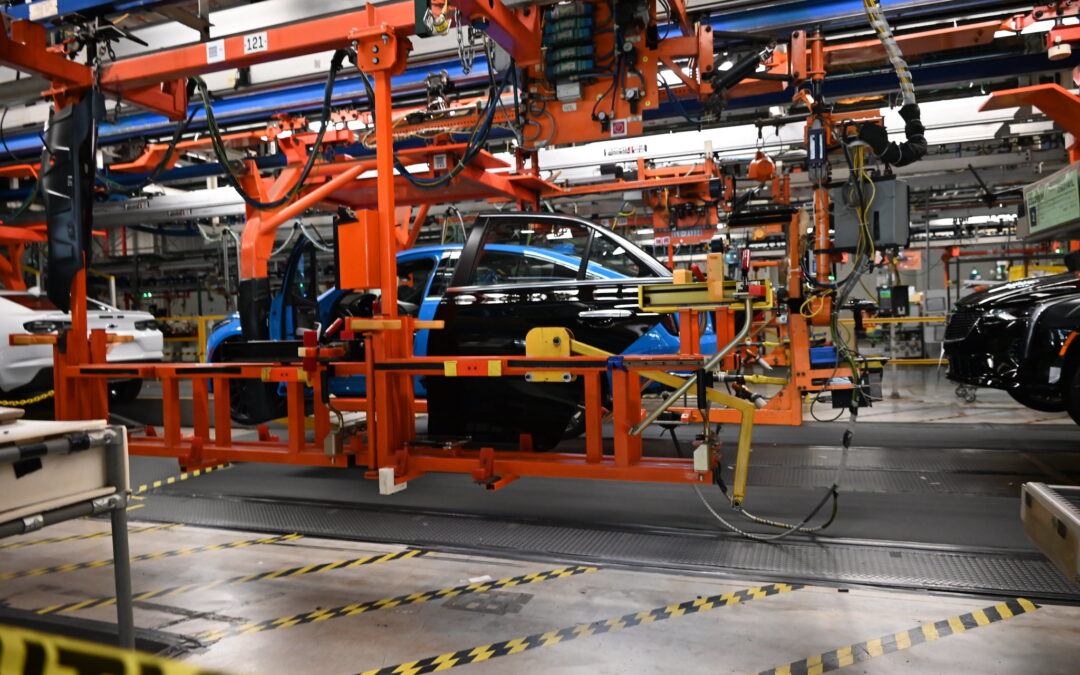
The Federal Government’s Budget Law underscores Puebla’s significant reliance on the automotive sector as a cornerstone of its economic activity. In recent years, foreign investment in Puebla has been driven by four central countries: Germany, Canada, Belgium, and Argentina. However, a noticeable absence of investment from the United States over the past 15 months has created challenges for the state’s export potential and economic diversity.

During the first half of 2024, Puebla attracted $1.048 billion in Foreign Direct Investment (FDI), marking a 9% increase compared to the same period in 2023, according to the Budget Law for Fiscal Year 2025. This positive trend reflects the state’s ongoing efforts to attract foreign investment in Puebla through targeted policies and collaborations. Among the contributors, Germany accounted for a staggering 89% of the total FDI, investing $942 million. This investment primarily supported the operations of the two German automotive factories in Puebla—Volkswagen and Audi—which continue to dominate the state’s economy.

Heavy Focus on Automotive Investments

Germany’s substantial contribution to foreign investment in Puebla during this period primarily stemmed from reinvested profits within the automotive sector. The state government has actively fostered these investments by implementing strategic measures, such as offering attractive tax incentives, launching specialized workforce training programs, and building partnerships with private industry, academia, and civil society organizations. As the Budget Law outlines, these initiatives are designed to enhance the state’s competitiveness in attracting and retaining high-value investments.

However, the heavy reliance on the automotive industry underscores the need for greater diversification. Although the automotive sector is a significant growth driver, this overdependence makes Puebla vulnerable to market fluctuations, trade policy changes, and technological shifts.

Breakdown of Foreign Direct Investment by Industry

The manufacturing sector emerged as the primary recipient of foreign investment in Puebla, receiving $880 million. Within this sector, $489 million—equivalent to 55.5% of the total FDI—was explicitly allocated to producing automotive components. The automotive sector’s dominance highlights its importance and reinforces the call for diversification to ensure long-term economic stability.

Investments in other subsectors were relatively modest but still noteworthy:

  • Primary Metal Industry: $44 million
  • Beverage and Tobacco Industry: $40 million
  • Plastics and Rubber Industry: $26 million
  • Chemical Industry: $4 million

These figures reflect a growing interest in expanding foreign investment in Puebla beyond the automotive sector. While these subsectors currently contribute smaller amounts, they represent growth opportunities that could reduce the state’s reliance on any industry.

Key Investors in Puebla

Germany continues to lead as the largest investor in Puebla, contributing $942 million during the first half of 2024. This investment was overwhelmingly directed toward the automotive sector, further solidifying Germany’s role as a critical partner in Puebla’s economic development. Other countries also contributed, albeit on a much smaller scale:

  • Canada: $27 million
  • Belgium: $26 million
  • Argentina: $23 million

Additional investments came from countries like the United Kingdom ($13.7 million), Spain ($10.2 million), India ($4.2 million), France ($1.79 million), and the Netherlands ($145,000). While these contributions are modest compared to Germany’s, they demonstrate the diversity of nations participating in foreign investment in Puebla.

Countries Ceasing Investments in Puebla

The absence of recent U.S. investments in Puebla is a significant development. Once considered a principal trade partner, the United States has refrained from investing in the state since the first quarter of 2023. This withdrawal amounts to a $153 million reduction in investment over the past 15 months. The decline is attributed to a drop in demand, which has negatively impacted Puebla’s export capabilities and economic growth.

Switzerland and Italy also ceased their investments. Switzerland’s withdrawal totaled $3.39 million, while Italy’s contribution of $33,000 marked the end of its involvement in the state. These developments further emphasize the importance of diversifying foreign investment in Puebla to mitigate the risks associated with overdependence on a few key partners.

The Need for Diversification

Despite its dominance, the state government recognizes that Puebla’s economic future must rely on more than just the automotive industry. While the sector has been instrumental in attracting substantial foreign investment in Puebla, its singular focus leaves the state vulnerable to external shocks. The Budget Law proposes measures to explore opportunities in industries such as metallurgy, beverages, plastics, and chemicals. By fostering growth in these areas, Puebla aims to create a more balanced and sustainable investment portfolio that can withstand market fluctuations and global economic uncertainties.

To achieve this, the state plans to strengthen its infrastructure, improve workforce capabilities in emerging industries, and enhance collaboration between the public and private sectors. These efforts are critical to ensuring that Puebla remains an attractive destination for foreign investment in the coming years.

Summary

Foreign Direct Investment in Puebla reached $1.048 billion in the first half of 2024, a 9% increase from the previous year. Germany played a dominant role, contributing 89% of the total investment, with most of the funds reinvested in its automotive plants, Volkswagen and Audi. Although other countries, such as Canada, Belgium, and Argentina, made smaller contributions, the absence of recent U.S. investment marks a significant shift, impacting the state’s export capabilities.

The Budget Law highlights the critical need to diversify foreign investment in Puebla by promoting growth in other sectors such as metallurgy, beverages, plastics, and chemicals. These efforts aim to reduce the state’s reliance on the automotive industry and create a more resilient and balanced economy for the future.

Competition Between the U.S. and China in Peru

Competition Between the U.S. and China in Peru

A South American country has captured the focus of the world’s two most significant economic powers. Its monetary stability, natural resource wealth, and strategic development projects make it the region’s leading destination for foreign investment. Learn what makes this nation so attractive to global investors.

A Strategic Battleground Between Two Economic Giants

Amid growing rivalry, competition between the U.S. and China in Peru has emerged as a defining feature of their investment strategies. Both powers are vying to become Peru’s principal trading partner, a competition reflected in multibillion-dollar projects focused on infrastructure, energy, and natural resources.

This strategic competition highlights the country’s pivotal role in the region. Its economic and monetary stability has been critical to attracting consistent foreign capital, driving the development of vital infrastructure such as ports, rail networks, and energy projects. These investments enhance regional connectivity and promote sustainable economic growth, placing the country firmly on the map for global investors.

Peru: The Most Attractive Destination for Foreign Investment in South America

Peru has established itself as one of the primary destinations for foreign capital in Latin America. Its strong macroeconomic stability, underpinned by the autonomy of its Central Reserve Bank, has earned the country a reputation as a reliable and low-risk environment for investment.

According to the Institute of Economic and Business Development (IEDEP) of the Lima Chamber of Commerce, the Peruvian sol is recognized as the most stable currency in South America. This monetary stability has been instrumental in maintaining low inflation rates and fostering international trade, two factors critical to attracting long-term investment.

One example of Peru’s investment appeal is the Puerto de Chancay, a project financed by Chinese capital. This state-of-the-art port aims to revolutionize Peru’s logistics capabilities, enhance global trade routes, and position the country as a hub for international commerce. This project and others symbolize the competition between the U.S. and China in Peru, as both nations aim to secure a strategic foothold.

But Peru’s appeal goes far beyond its macroeconomic metrics. The nation boasts abundant natural resources, including significant mineral deposits such as copper, gold, and silver, and a thriving agricultural sector. These resources make Peru a top destination for multinational companies seeking stable, resource-rich markets for long-term projects.

Infrastructure and Sustainability: The Pillars of Foreign Investment

Infrastructure development has been one of the most significant achievements resulting from foreign investment in Peru. Modernization efforts, such as expanding ports, highways, and railways, have improved internal logistics and strengthened Peru’s position in global trade.

The Puerto de Chancay, located on the country’s central coast, exemplifies the strategic importance of these developments. Financed by Chinese companies, this megaproject aims to improve Peru’s connectivity with Asia and beyond. When completed, it is expected to handle millions of tons of cargo annually, becoming a critical node in global supply chains. The project’s significance is further highlighted by the competition between the U.S. and China in Peru, as each seeks to influence key infrastructure initiatives.

Chinese investments in Peru have not been limited to logistics. Over the past decade, Chinese firms have diversified their portfolios, moving into renewable energy, real estate, and high-tech industries. For instance, large-scale solar and wind energy projects are reshaping the nation’s energy landscape, making strides toward a more sustainable future.

On the regulatory front, Peru has established itself as an investor-friendly nation with clear and stable policies encouraging foreign participation. Bilateral agreements between Chinese and Peruvian companies have flourished, building solid relationships that ensure the success of long-term initiatives.

In addition to Chinese investment, the United States has ramped up its economic presence in Peru. American firms have focused on mining, technology, and services sectors, competing head-to-head with Chinese enterprises. This dynamic underscores the competition between the U.S. and China in Peru, driving innovation and contributing to the nation’s economic growth.

Why Peru Is the Most Coveted Investment Destination

Several key factors make Peru the preferred choice for foreign investors, placing it ahead of many regional peers:

Economic and Monetary Stability

Peru’s stable currency, the Peruvian sol, has maintained investor confidence. By keeping inflation low and ensuring a predictable economic environment, the country fosters an ideal setting for long-term investment.

Abundant Natural Resources

Peru is one of the world’s top copper, gold, and silver producers. It also boasts a diverse agricultural sector that includes coffee, avocados, and grapes. These resources attract significant investment in mining and agribusiness, industries poised for growth.

Strategic Infrastructure

Projects like Puerto de Chancay symbolize Peru’s commitment to modernizing its infrastructure. The nation is better positioned to integrate into global supply chains and expand trade partnerships by improving logistics and connectivity.

Global Competition for Influence

The competition between the U.S. and China in Peru ensures a steady flow of foreign capital. This rivalry drives innovation and increases the quality of investments, benefiting Peru’s economy and people.

Favorable Regulatory Environment

Peru’s clear and stable legal framework supports foreign businesses, minimizing bureaucratic obstacles and fostering partnerships. Agreements between Peruvian and foreign firms have led to successful projects across multiple sectors.

A Bright Future for Investment

As Peru continues to capitalize on its natural advantages and strategic positioning, it remains a focal point for foreign investment in Latin America. Its ability to attract Chinese and American capital underscores its value as a regional leader in economic development.

Peru is poised to expand as a global trade hub, leveraging infrastructure improvements, sustainable energy initiatives, and natural resource wealth. For investors seeking a stable and resource-rich environment, Peru is not just a destination—it’s a long-term opportunity.

In conclusion, the competition between the U.S. and China in Peru is a testament to the country’s strategic importance. Its unique combination of economic stability, strategic infrastructure development, abundant natural resources, and a favorable investment climate has positioned Peru as a leading destination for global capital. As modernization continues and international partnerships grow, the competition between the U.S. and China in Peru will likely intensify, further driving the country’s economic development and regional influence. This presents a rare opportunity for investors to engage with a market primed for sustainable growth.

The Richest Country in Latin America in 2024

The Richest Country in Latin America in 2024

Discover which nation now leads the region in prosperity rankings and how it achieved this historic milestone.

A Latin American country has overtaken Uruguay to claim the top spot in the 2024 Prosperity Index, establishing itself as one of the world’s most stable and advanced economies. This development has drawn attention globally, marking a significant regional economic dynamic shift. Here’s a detailed look at the factors that contributed to this ascent and its implications on a global scale.

Which Country Leads Latin America in Wealth and Prosperity?

The 2024 Prosperity Index, published by HelloSafe, evaluates 186 countries across various metrics, including economic stability, human development, income distribution, and social progress. According to this comprehensive analysis, Chile has emerged as the richest country in Latin America, surpassing Uruguay and Panama, now ranking second and third in the region.

Chile secured an impressive score of 43.19, claiming the regional top spot and positioning itself as a global contender alongside economic giants like the United States and China. This achievement underscores Chile’s exceptional economic policies, social advancements, and ability to maintain low inflation while fostering inclusive growth.

How Chile Surpassed Uruguay in the Rankings

Chile’s success can be attributed to its sustained economic growth, which several key factors have fueled:

Economic Diversification

Unlike many economies in Latin America that heavily depend on a single industry or resource, the wealthiest country has actively diversified its export base. While copper remains a significant contributor to its GDP, the government has expanded into renewable energy, agriculture, technology, and services. This diversification has made its economy more resilient to global market fluctuations.

Strong Fiscal Management

Chile’s government has consistently demonstrated prudent fiscal policies, maintaining manageable public debt levels and efficiently allocating resources. These measures have fostered investor confidence, attracted foreign direct investment (FDI), and boosted economic stability.

Advances in Education and Social Development

Significant investments in education and social welfare have played a crucial role in lifting millions out of poverty and improving the quality of life for Chileans. With a high literacy rate and access to quality healthcare, Chile scores exceptionally well on the Human Development Index (HDI), further solidifying its position in the Prosperity Index.

Commitment to Reducing Inequality

Chile has implemented progressive social policies to bridge income gaps and expand opportunities for its population. The country has successfully reduced inequality through targeted programs and initiatives, earning recognition as a regional leader in inclusive growth.

These factors have enabled Chile, the wealthiest country in Latin America, to adapt effectively to global changes while surpassing other regional powerhouses, including Mexico and Brazil.

A Regional Comparison

Uruguay, though now in second place, continues to be a strong performer in terms of social equality, governance, and sustainability. However, its smaller population and slower economic growth relative to Chile have contributed to its slip in the rankings. Panama, ranking third, benefits from its role as a financial hub and the strategic importance of the Panama Canal. Still, challenges such as corruption and income inequality remain barriers to further advancement.

Other Latin American nations, such as Argentina, Brazil, and Mexico, historically considered economic heavyweights, face persistent challenges in areas like political instability, inflation, and uneven economic development. The richest country in Latin America sets itself apart by balancing growth and social progress, serving as a model for other countries in the region.

The Top 20 Richest Countries in the Americas

The 2024 Prosperity Index provides a snapshot of the economic and social standings of the continent’s leading nations. The top 20 countries in the Americas, based on economic performance, social indicators, and human development, are as follows:

  1. United States
  2. Canada
  3. Chile
  4. Uruguay
  5. Panama
  6. Argentina
  7. Brazil
  8. Costa Rica
  9. Mexico
  10. Colombia
  11. Perú
  12. Ecuador
  13. Paraguay
  14. Bolivia
  15. El Salvador
  16. Guatemala
  17. Honduras
  18. Nicaragua
  19. Cuba
  20. Dominican Republic

The Richest Country in Latin America in 2024

Discover which nation now leads the region in prosperity rankings and how it achieved this historic milestone.

A Latin American country has overtaken Uruguay to claim the top spot in the 2024 Prosperity Index, establishing itself as one of the world’s most stable and advanced economies. This development has drawn attention globally, marking a significant regional economic dynamic shift. Here’s a detailed look at the factors that contributed to this ascent and its implications on a global scale.

Which Country Leads Latin America in Wealth and Prosperity?

The 2024 Prosperity Index, published by HelloSafe, evaluates 186 countries across various metrics, including economic stability, human development, income distribution, and social progress. According to this comprehensive analysis, Chile has emerged as the richest country in Latin America, surpassing Uruguay and Panama, now ranking second and third in the region.

Conclusion

Chile’s rise to the top of the Prosperity Index marks a turning point for Latin America. It demonstrates that sustained growth, diversification, and inclusive policies can yield transformative results. While Uruguay and Panama remain strong contenders, the wealthiest country in Latin America stands out for its comprehensive approach to development.

As Latin American nations look to the future, Chile’s success story offers valuable lessons in navigating the complexities of a globalized world while prioritizing the well-being of its citizens.