+1 (520) 780-6269 investment@latamfdi.com
Ecuador Country Risk Investment Challenges: Is It an Impossible Mission?

Ecuador Country Risk Investment Challenges: Is It an Impossible Mission?

Rising Country Risk and Investment Challenges

Due to poor management of the economic and electrical crises, Ecuador’s country risk is considered riskier than countries like Argentina. If the government reduces its country’s risk, the state and private sectors will avoid significant challenges in 2025. Anyone or any company wanting to invest in Ecuador will only do so if they can obtain a return of 20% or more. Likewise, anyone—whether a company or the Ecuadorian government—who wants to issue bonds or raise debt in international markets will have to pay a high interest rate of 20% or more due to the elevated risk.

Ecuador’s Economic Decline and Investment Perception

For this reason, according to Augusto De La Torre, an economist and former chief of the World Bank for Latin America, Ecuador attracts the least foreign direct investment in the region. In 2024, the country is facing a decade of lost economic growth. Due to its political, financial, and legal instability, Ecuador’s risk is seen as high, making the country appear as a risky and unreliable economy. As a result, Ecuador’s country risk is hovering around 1,300 basis points. According to Fausto Ortiz, former Minister of Finance, the external perception is that, amid the economic and electricity crises, more needs to be done to improve the situation.

Country Risk: Ecuador vs. Argentina

During Daniel Noboa’s government (since late November 2023), the country’s average country risk has remained around 1,300 points. In contrast, during the same period, Argentina’s country risk, under Javier Milei, has dropped by nearly two-thirds, from 2,600 points to just under 900. Therefore, as has already been analyzed, Ecuador country risk is currently considered riskier than Argentina’s.

Worsening Fiscal Situation and IMF Projections

“Next year, the fiscal situation will be very serious and almost unmanageable,” recently warned Jaime Carrera, a member of the Fiscal Policy Observatory, about the legacy that the next president will inherit in 2025. Under the current financing agreement with the International Monetary Fund (IMF), the Ecuadorian government was projected to issue bonds in international markets for at least $1.5 billion to $2 billion by 2025 to cover part of its financing needs.

However, the fiscal situation still needs to be resolved despite the VAT hike and the reduction in gasoline subsidies. Additionally, the growing economic crisis, fueled by power outages, has prevented Ecuador from significantly reducing its risk, meaning the country remains outside the ranks of trustworthy borrowers on the international stage.

The Challenge of Raising Funds in International Markets

According to Ortiz, even if Ecuador country risk were to reach Argentina’s level (around 900 points), the cost of raising funds in the external bond markets would prevent any Minister of Finance from pursuing that option, as they would have to pay an interest rate close to 12%. What level of financial cost would be tolerable for issuing Ecuadorian bonds? Ortiz believes it would be 8% or 9%. To achieve this, “our country’s risk would have to be below 500 points, something we will hardly see with the candidates who currently have the greatest chances.”

The Importance of a Clear Economic Plan

Thus, given the lack of proposal and seriousness in the discourse of the presidential candidates, it seems like an impossible mission to significantly reduce Ecuador country risk so that financing—both for the state and the private sector—can flow as needed to boost investment and employment. As Carrera has already pointed out, an economic plan is needed that returns to the roots or foundations of the dollarization process in Ecuador’s early years.

The Dilemma of Borrowing: Multilateral Loans or Debt Swaps?

The question is whether the presidential candidates know the challenge they will face and whether they have actual proposals. If bonds cannot be issued, Ecuador will have to request more loans from multilateral institutions, which, although they offer resources at lower rates, are still expensive to cover for a country like Ecuador with no economic growth. Debt swaps may be done, as the government of Guillermo Lasso carried out, in exchange for the conservation of the Galápagos Islands, but this will not be enough to cover a fiscal deficit of more than $5 billion and arrears of more than $4.5 billion that are expected for 2025.

Political Transitions and Setbacks

In early October 2023, the Ecuadorian risk was above 1,800 points. Still, as soon as the election results were known and Daniel Noboa’s victory over the correísta Luisa González was confirmed, it dropped by 100 points. However, as the elected government began its transition, there were setbacks, such as the appointment of the first Minister of Economy and Noboa’s statements during his first visit to the United States, where he threatened that Ecuador would stop paying its debts if multilateral institutions did not immediately lend money, without conditions. This caused the Ecuador country risk to surpass 2,000 points just days before Noboa took office on November 23, 2023.

Country Risk Trajectory: Rising Again Amid Uncertainty

Only in March 2024, after the approval of the VAT increase to 15%, did the indicator drop below 1,200 points. Since then, there have been no further improvements. The country’s risk is rising again due to investors’ and international banks’ uncertainty about managing the electricity crisis and the growing economic crisis in Ecuador.

Conclusion

Ecuador’s financial situation is facing considerable challenges. Its economic and political instability has led to a high country risk, making it difficult to attract investment and raise debt in international markets. Despite efforts like increasing VAT and reducing fuel subsidies, the fiscal deficit remains significant, and the country is viewed as too risky for investors. The current government still needs to lower the Ecuador country risk significantly. The country can reduce borrowing costs or generate sufficient financing with a clear economic plan or serious reforms. If the situation does not improve, Ecuador will have to rely on multilateral loans or debt swaps, which, though more affordable, still need to be improved to resolve the country’s pressing fiscal needs. Accessing international markets for financing in 2025 looks increasingly likely with drastic changes in policy and leadership.


Brazilian Investment in Peru: Expanding Horizons and New Opportunities

Brazilian Investment in Peru: Expanding Horizons and New Opportunities

Brazil is expanding its investment horizon in Peru, exploring new sectors and opportunities beyond Olmos and Chancay. In recent years, Brazil has consolidated its presence in Peru as one of the leading Latin American investors, ranking third in the region regarding capital invested in the Andean country. From 2003 to the first half of 2024, Brazilian companies have contributed around $3.929 billion to the Peruvian economy through 50 projects executed by 34 companies. However, this dynamic has been affected in recent years due to the corruption scandal known as Lava Jato, which has tarnished the reputation of some major Brazilian companies abroad. To overcome this crisis and reactivate the flow of investments, Brazil and Peru seek to strengthen their trade ties and identify new sectors for investment.

Restructuring Peru-Brazil Trade Relations

Despite a decline in bilateral trade in 2024, business leaders from both countries, supported by the newly created Peru-Brazil Chamber of Commerce (CAMBRAPER), are determined to revitalize their commercial relations. This organization was founded in São Paulo in early 2024 and currently has 50 members, intending to reach 200 members by 2025. The mission of CAMBRAPER is to promote collaboration and improve understanding between Brazilian and Peruvian entrepreneurs, generating new business opportunities and exploring alternative investment sectors.

The trade balance between the two countries reached nearly $5 billion in 2023 but has shown a significant drop in 2024, with an accumulated value of only $3.1 billion through September, representing a 17% decrease compared to the same period the previous year. This reduction is attributed to external factors, such as the devaluation of the Brazilian real against the dollar and other global economic challenges. However, the drop in trade has motivated leaders from both countries to seek new strategies to revitalize economic cooperation, which includes Brazil’s commitment to diversify its investment in non-traditional sectors within Peru.

Traditional Sectors of Brazilian Investment in Peru: Mining and Infrastructure

Historically, Brazilian investment in Peru has been concentrated in key sectors such as mining and infrastructure. These sectors have been desirable to Brazilian investors due to Peru’s abundant natural resources and growing need for infrastructure modernization. This investment includes government projects and collaborations with Brazilian companies to expand strategic infrastructure such as the Chancay Port and the Jorge Chávez International Airport in Lima. These initiatives have enabled Brazil to develop infrastructure that facilitates international trade and improves connectivity actively.

Diversification of Investments: Logistics, Real Estate, Construction, and Technology

Brazilian interest is expanding into areas other than traditional sectors, particularly in response to Peru’s growth opportunities in various industries. Among the sectors attracting significant interest are logistics, real estate, construction, and technology. These areas offer investment opportunities that have been less explored but hold considerable medium—and long-term growth potential.

The logistics sector, for example, is crucial in growing commerce as it facilitates the transportation of goods within Peru and to international markets. With its strategic location on the Pacific coast, Peru is a crucial point for exporting and importing products to other Latin American countries and Asia. Brazilian investors, well aware of the importance of robust logistics infrastructure, see Peru as a viable destination for projects that can improve the transportation and storage of goods.

Meanwhile, the Peruvian real estate sector has experienced steady growth in recent years, driven by sustained demand for housing, office spaces, and commercial properties. The entry of Brazilian investors into this sector could increase supply and raise construction and design standards in the Peruvian market. At the same time, the construction sector, which has benefited from Peru’s sustained economic growth, represents an attractive opportunity for Brazilian companies with extensive experience in infrastructure projects and commercial and industrial buildings.

Finally, technology has emerged as an innovative investment sector, driven by Peru’s growing digitization and the government’s support for digital transformation. Brazilian companies with experience in information technology, telecommunications, and automation could significantly contribute to this sector by promoting adopting digital solutions that enhance competitiveness and efficiency in various industries.

The Growing Interest in Renewable Energy

The renewable energy sector is another area of increasing interest for Brazilian investors in Peru. With extensive experience in hydroelectric and bioenergy generation in their home country, Brazil is well-positioned to offer sustainable solutions in Peru, which also seeks to reduce its dependence on fossil fuels and diversify its energy sources. Wind and solar energy projects have gained momentum in Peru in recent years, and Brazilian investors see these initiatives as an opportunity to apply their expertise in clean energy and contribute to the sustainable development of their neighboring country.

Challenges and Prospects of Brazilian Investment in Peru

Despite the promising opportunities, Brazilian companies wishing to expand into Peru face significant challenges. Logistical difficulties and regulation differences between the two countries can present obstacles, especially in the real estate and infrastructure sectors. Additionally, the volatility in exchange rates, particularly the recent devaluation of the Brazilian real, could affect the profitability of investments.

Political and economic stability in Peru is also a determining factor for investors. Over the years, the country has achieved remarkable economic growth, but its internal political situation has shown fluctuations that sometimes generate uncertainty among foreign investors. Nevertheless, diversifying investments into less traditional and high-demand sectors is an effective strategy to mitigate risks and capitalize on the strengths of the Peruvian market.

Collaboration and Incentives: The Role of Chambers of Commerce and Government Support

Creating the Peru-Brazil Chamber of Commerce (CAMBRAPER) has significantly facilitated Brazilian investment in Peru. The chamber provides a platform for entrepreneurs from both countries to exchange knowledge, explore opportunities, and collaborate on joint projects. In addition, CAMBRAPER has expressed its commitment to reaching 200 members by 2025, signaling a solid expectation of growth in collaboration between the two countries. Government initiatives also support this effort to improve the investment climate and strengthen trade relations.

Future of Commercial Relations and Brazilian Investment in Peru

With projected growth over the next few years, Brazilian investment in Peru aims to expand the Peruvian economy and generate mutual benefits through strategic collaboration in critical sectors. Diversification into industries such as logistics, construction, technology, and renewable energy represents an important step toward a more robust and less mining—and infrastructure-dependent commercial relationship.

In the next 24 to 48 months, Peru and Brazil are expected to continue strengthening their economic ties, leveraging Brazilian expertise and capital to drive growth in high-potential sectors of the Peruvian economy. Bilateral collaboration, supported by institutions like CAMBRAPER and favorable trade and investment policies, points to a future in which both nations can benefit mutually and strengthen their positions in the South American market.

Doing Business in Guatemala: What Companies Should Research

Doing Business in Guatemala: What Companies Should Research

When expanding into new markets, companies must conduct thorough research to ensure they are making an informed decision. This is especially true when considering doing business in Guatemala, which offers significant opportunities and challenges for international investors. Located in Central America, Guatemala has a strategic position for trade, abundant natural resources, and a young, growing workforce. However, like any emerging market, it also presents unique regulatory, political, and economic considerations that businesses must address.

This blog post will review the key factors companies should consider when researching whether to enter the Guatemalan market. These factors include economic stability and inflation, the regulatory environment, taxation, labor laws, political climate, infrastructure, industry opportunities, etc.

Economic Stability and Inflation

Economic stability is the first critical factor to examine when considering doing business in Guatemala. Guatemala has shown moderate economic growth recently, primarily driven by its export industries, particularly agriculture, textiles, and manufacturing. However, companies should remain aware of the country’s inflationary trends, which can fluctuate and impact costs. Inflation in Guatemala has historically hovered around the 3% to 4% range, but it can vary depending on global commodity prices, domestic fiscal policies, and other external factors.

While Guatemala’s economy is relatively stable compared to other Central American nations, companies should monitor economic indicators such as GDP growth, inflation rates, and the value of the local currency (the Guatemalan quetzal) to predict potential risks to profitability and pricing strategies.

Regulatory Environment

The regulatory environment is vital for any company entering a new market, and Guatemala is no exception. Businesses should familiarize themselves with local laws governing business registration, licensing, environmental regulations, and labor practices. The country has made strides in improving its regulatory framework, particularly in simplifying processes for foreign businesses. However, bureaucracy can still be challenging, with some companies reporting slow processing times for permits and licenses.

Foreign companies must also adhere to regulatory requirements related to consumer protection, data privacy, and environmental compliance. In addition, Guatemalan regulations may differ by region, so it’s important to consult with local legal experts to ensure compliance with all applicable rules.

Taxation Regime

Understanding Guatemala’s tax regime is essential for any business considering operations there. Guatemala has a relatively high tax burden for corporations, with the corporate tax rate at 25% of net income. Additional taxes include VAT (value-added tax) at a standard rate of 12% and specific taxes on certain goods and services.

One important factor to consider when doing business in Guatemala is the country’s tax incentives for specific industries. For example, tax exemptions for companies in export-oriented sectors such as textiles, agriculture, and manufacturing could reduce overall tax liabilities. Additionally, businesses operating in free trade zones may enjoy even more favorable tax treatment, including income tax and VAT exemptions.

Labor Market and Laws

A young and growing workforce characterizes the labor market in Guatemala. Approximately 60% of the population is under 30, providing companies with a relatively low-cost labor pool. However, labor laws in Guatemala can be complex and strict. The country has a minimum wage system that varies by industry and region, and businesses must comply with regulations regarding working hours, paid leave, health insurance, and other benefits.

Doing business in Guatemala is affected by a strong labor union presence in specific sectors, particularly agriculture, manufacturing, and transportation. This could affect labor relations and negotiations. Companies entering the market should be prepared for possible unionization efforts and understand the country’s laws on severance pay, dismissal procedures, and workplace safety.

Political Climate and Stability

Guatemala has experienced political instability in the past, marked by corruption scandals, civil unrest, and changes in government. However, over the last decade, the country has shown relative political stability, with peaceful transitions of power and efforts to address issues such as corruption and organized crime. The country’s democratic institutions are generally robust, but political volatility can still pose risks for businesses, mainly about policy changes and shifts in regulatory priorities.

Companies should closely follow the political landscape when considering doing business in Guatemala. Being aware of potential policy shifts—such as changes in trade relations, taxation, or labor laws—can help companies prepare for uncertainty.

Currency Controls and Import/Export Restrictions on Doing Business in Guatemala

Guatemala has a relatively open trade regime, and the government has tried simplifying customs procedures and reducing trade barriers. However, it is essential to understand that Guatemala imposes some import restrictions, particularly on hazardous or environmentally harmful products. Companies must also comply with local regulations related to labeling, packaging, and the certification of imported goods.

Currency controls in Guatemala are minimal, and the country operates with a free-floating exchange rate for its currency, the quetzal. However, businesses must consider potential fluctuations in the exchange rate when planning for international transactions and when repatriating profits back to their home countries.

Infrastructure and Logistics Connectivity

Guatemala’s infrastructure has significantly improved in recent years, but it still needs to catch up to other countries regarding overall logistics efficiency. The road network is generally well-developed, particularly in urban areas, though rural regions may experience logistical challenges. The country has two major international airports—La Aurora International Airport in Guatemala City and Mundo Maya International Airport near the Mexican border—and several seaports.

Despite these improvements, companies should carefully assess the reliability and cost of transportation, especially for goods that need to be exported or imported. The efficiency of customs processes at ports and airports can also impact business operations. Businesses considering large-scale operations in Guatemala should plan for logistics costs and potential delays.

Industry-Specific Opportunities and Challenges for Companies Doing Business in Guatemala

Guatemala presents many opportunities for foreign investors, particularly in agriculture, textiles, manufacturing, and renewable energy. The country is one of the top exporters of agricultural products such as coffee, bananas, and sugar, making it an attractive destination for agribusinesses.

The textile and apparel manufacturing sector also holds great potential due to Guatemala’s preferential access to the U.S. market through trade agreements like CAFTA-DR (Central America-Dominican Republic Free Trade Agreement). The renewable energy sector, including hydroelectric and geothermal energy, is another area of interest, as the country is working to increase its reliance on clean energy sources.

However, each industry presents its challenges. The agricultural sector, for example, can be subject to fluctuations in commodity prices and climate change impacts. Manufacturing businesses may need help with labor shortages and infrastructure inefficiencies. Understanding your industry’s dynamics in Guatemala is crucial before committing significant investments.

Foreign Direct Investment Incentives

Guatemala has several incentives to attract foreign direct investment (FDI), especially in high-priority sectors like manufacturing, agriculture, and technology. The country offers tax exemptions, reduced import duties, and access to special economic zones for foreign investors. Additionally, the Guatemalan government has tried to streamline procedures for FDI by establishing an investor-friendly regulatory framework.

In particular, export Processing Zones (EPZs) offer tax and duty exemptions for foreign businesses focused on exporting goods, making them an attractive option for companies in sectors like textiles and electronics.

Trade Agreements and International Relations

Guatemala is a member of various trade agreements that benefit foreign businesses. As mentioned earlier, the country is part of the CAFTA-DR agreement with the United States and other Central American nations, which provides preferential U.S. market access for certain goods. Guatemala is also a member of the World Trade Organization (WTO), which further facilitates international trade.

Beyond trade agreements, Guatemala maintains strong relations with key trade partners, including Mexico, the United States, and the European Union. Companies entering the market should assess how these trade agreements and diplomatic ties could impact their operations, especially when considering export-oriented business models.

Energy Supply and Costs

Energy costs are significant when doing business in Guatemala, especially for energy-intensive industries. The country has diverse energy matrix includes hydroelectric, geothermal, and fossil fuel-based energy sources. While energy availability is generally stable, businesses should be aware of the higher electricity rates compared to some other Central American countries. Companies in energy-intensive sectors should explore opportunities to tap into renewable energy sources, which are abundant in Guatemala.

Legal System and Dispute Resolution

The Guatemalan legal system is based on civil law, influenced by Spanish and international law. While the country has made strides in improving the legal infrastructure, challenges related to corruption, inefficiency, and a backlog of cases in the judicial system persist. Businesses should consult with local legal counsel to ensure they understand the intricacies of business law, contract enforcement, and dispute resolution.

In a dispute, companies doing business in Guatemala should consider alternative dispute resolution mechanisms such as arbitration, which can offer a quicker and more efficient process than traditional court proceedings.

Intellectual Property Protection Laws

Intellectual property (IP) protection is crucial for businesses entering international markets, particularly in industries that rely on patents, trademarks, and copyrights. Guatemala is a member of the World Intellectual Property Organization (WIPO), with laws in place to protect IP. However, enforcement can be inconsistent, and companies should take proactive measures to register their IP and monitor for potential infringements.

Environmental Regulations

Guatemala is increasingly focused on environmental sustainability, with regulations governing waste management, water use, and emissions. Companies in manufacturing, mining, and agriculture that do business in Guatemala should familiarize themselves with these regulations, as non-compliance can lead to significant fines and reputational damage.

Cultural and Language Considerations

Finally, cultural and language considerations are critical when doing business in Guatemala. Spanish is the official language, and most business transactions are conducted in Spanish. While English is spoken in some business circles, having Spanish-speaking staff or working with local partners can facilitate smoother communication and stronger relationships.

Guatemalans value personal relationships and trust in business, so understanding local customs and building rapport is essential for success. Be prepared for a slower, relationship-driven negotiation process than you might encounter in more transactional cultures.

Conclusion

Doing business in Guatemala can be a rewarding experience for companies that thoroughly research and plan their entry strategy. With its growing economy, strategic location, and favorable trade agreements, Guatemala presents significant opportunities across various sectors. However, businesses must also navigate challenges related to regulation, labor laws, infrastructure, and political stability. By understanding these considerations, companies can make informed decisions and position themselves for long-term success in this dynamic market.

The Dominican Republic will Develop a Logistics Hub through Public-Private Partnerships

The Dominican Republic will Develop a Logistics Hub through Public-Private Partnerships

Manuel García Troncoso, president of Dominican Week in Spain, highlighted the importance of collaboration between the public and private sectors to boost logistical projects such as logistics hubs. During the Dominican Week activities, the Palacio Santoña hosted a panel discussion titled “Public-Private Collaboration in the Development of a Logistics Hub.”

In his welcoming speech, Manuel García Troncoso emphasized the importance of cooperation between the public and private sectors to strengthen logistics projects like logistics hubs. “In an increasingly interconnected world,” he stated, “logistics hubs do not only connect, they also enhance the competitiveness of countries.” The event focused on how public-private partnerships can drive the development of logistics hubs, positioning the Dominican Republic as a key player in global logistics. As part of this vision, the Dominican Republic will develop a logistics hub that could significantly enhance its role in international trade.

Dominican Republic’s Strategic Position for Logistics

Given its strategic proximity to major markets across the Americas and Europe, the Dominican Republic has significant opportunities to position itself as a logistical epicenter. “The collaborative public-private model is crucial, as it allows the creation of long-term employment opportunities, development, and the attraction of foreign investment,” García Troncoso emphasized. The president of the Dominican Week also noted that, in a highly globalized world, developing e fficient logistics hubswill improve the country’s global competitiveness, attracting business and trade from around the world. In this context, the Dominican Republic will establish a logistics hub to optimize trade flows and attract global logistics operators.

The day’s discussions focused on how these public-private alliances could be leveraged to improve logistical efficiency, reduce costs, and ultimately make Dominican businesses more competitive globally. “We hope that everything shared here will inspire new collaborations between our country and Spain,” García Troncoso declared before introducing Daniel Peña, Deputy Director of the General Directorate of Customs of the Dominican Republic.

Positioning the Dominican Republic as a Logistics Hub

Daniel Peña emphasized the national importance of positioning the Dominican Republic as a logistics hub. “This is a national goal,” he said. “The President of the Republic spoke about this possibility even before assuming his first term, and today, we are working to consolidate the country as a logistics hub, given that we have the necessary conditions to do so.” Peña pointed out that the Dominican Republic is emerging as a new regional economic axis beyond tourism and free zones, playing a critical role in global trade. According to the Logistics Performance Index (LPI), the country ranks first in delivery efficiency in package handling, with the lowest air freight costs in South America and the Caribbean, connecting the Americas and Europe. The Dominican Republic is the second-best connected country in Latin America, behind only Mexico, reaching 170 destinations worldwide. The Dominican Republic will develop a logistics hub to capitalize on its strategic location and connectivity.

Dominican Republic’s Port and Airport Efficiency

The country’s port efficiency is another strength. The Dominican Republic ranks fourth in efficiency among medium-sized ports globally, making it one of the most attractive destinations for shipping companies. Thanks to the proximity of its ports and airports to major commercial zones, the Dominican Republic stands out as the only country in the region with such a strategic advantage. This proximity enhances its appeal as a logistics hub, allowing companies to move goods rapidly and efficiently across the globe. As part of its broader logistical strategy, the Dominican Republic will develop a logistics hub that integrates its ports, airports, and free zones to streamline the movement of goods.

In 2021, the Dominican Republic modernized its 70-year-old Customs Law, and today, it boasts the most advanced legal framework for logistics in the region. This reform is complemented by the Maritime Commerce Law of 2023 and the Logistics Centers Law of 2024, which have modernized the country’s logistics landscape. One of the most successful initiatives has been the “24-Hour Dispatch” program, which enables the quick clearance of goods from the point of origin. Since its launch, the program has successfully processed 70,000 containers in under 24 hours, benefiting 8,000 importers through process automation and using X-rays for inspections.

Dominican Republic’s Relations with Spain

Spain is the Dominican Republic’s primary European trading partner. Daniel Peña emphasized that the country has transformed its customs culture, adopting a service-oriented approach, attracting numerous companies to establish their operations in the Dominican Republic. “We want to continue fostering relationships with Spain and other international partners to boost trade and investment,” Peña said. He noted that the Dominican Republic’s efficient logistics infrastructure has made it an ideal location for international businesses looking to tap into the Latin American market. As the Dominican Republic develops its logistics hub, such partnerships will be critical in expanding its reach and boosting trade.

The Role of Free Zones in the Dominican Republic

Johannes Kelner, Deputy Minister of Free Zones, emphasized the potential of the country’s free trade zones, which allow businesses to access markets of over 900 million consumers across the United States, the European Union, Central America, and the Caribbean. These zones enable the Dominican Republic to serve as a key distribution and manufacturing center. “Trade in free zones represents 68% of the country’s total exports,” Kelner pointed out. The free zones are a critical component of the Dominican Republic’s strategy to become a prominent logistics hub, offering attractive incentives and infrastructure to international businesses. As these zones grow, the Dominican Republic will develop a logistics hub as a central node for manufacturing and distribution.

Panel Discussion: Public-Private Cooperation as the Key to Success

The expert panel, moderated by Angélica Noboa, a partner at Russin, Vecchi & Heredia Bonetti law firm, included Daniel Peña, Johannes Kelner, Mauricio Ramírez (CEO of Rannnick), and Guillermo Alba (president of NODO). The panelists discussed the importance of public-private collaboration, the development of infrastructure, and the government’s priority of putting the importer at the center of the logistics chain. The participants also highlighted how an efficient logistics infrastructure, enhanced by strategic public-private partnerships, can make the Dominican Republic an even more competitive logistics hub. The Dominican Republic will develop a logistics hub that aligns with these goals, helping to create a seamless environment for international trade.

Mauricio Ramírez highlighted the Dominican Republic’s strength in managing goods and its proximity to major markets. “Companies can ship products to the Dominican Republic without tariffs for 18 months,” he explained. Additionally, the country receives more than 4,000 vessels annually and operates 24 shipping lines. “Connecting the Dominican Republic faster and more efficiently with the world is one of the main goals of the logistics hub we are developing,” Ramírez concluded.

Developing Infrastructure: Ports, Airports, and the Future of Logistics Hubs

Infrastructure development, such as ports and airports, remains a key priority. One example is the Punta Cana International Airport, which is developing a new cargo distribution center and a free trade zone dedicated to manufacturing, logistics, and technological processes. This new infrastructure aims to enhance the Dominican Republic’s capacity to serve as a logistics hub, ensuring faster processing of goods and greater efficiency in international trade. The Dominican Republic will develop a logistics hub based on its port and airport infrastructure advantages.

Lessons from Europe: PLAZA as a Model for Logistics Hubs

The event concluded with remarks from Pedro Sas, manager of Aragón Plataforma Logística (PLAZA), who highlighted the role of PLAZA, Europe’s largest logistics platform, as a model for developing logistics hubs. Sas shared valuable insights into how PLAZA has become a leading logistics hub in Europe and how the Dominican Republic can adopt similar strategies to build its logistics capabilities. “The key is to ensure that logistics infrastructure is well integrated with the global supply chain,” Sas noted, emphasizing the importance of technological innovation and efficient operations to make any logistics hub globally competitive. As such, the Dominican Republic will develop a logistics hub that integrates these global best practices to ensure its success.

The Future of the Dominican Republic as a Leading Logistics Hub

As the Dominican Republic continues to develop its logistics infrastructure and strengthen public-private partnerships, it will establish a logistics hub poised to become a leading player in the region. With advanced infrastructure, strategic location, and a growing focus on efficiency, the country has the potential to become a key player in global trade. The continued development of its logistics capabilities and open business climate will make the Dominican Republic an increasingly important hub for trade, manufacturing, and distribution in the Americas and beyond. The Dominican Republic will develop a logistics hub supporting this vision and position the country as a gateway for international commerce.

The Dominican Republic is working to establish itself as a global logistics hub through public-private partnerships to enhance its trade infrastructure. With its strategic location between the Americas and Europe, efficient ports and airports, and modernized legal framework, the country is well-positioned to improve logistics and attract international investment. Developing logistics hubs will optimize trade flows, reduce costs, and boost the country’s competitiveness on the world stage. Key initiatives include modernizing customs laws, expanding free trade zones, and infrastructure projects like a new cargo distribution center at Punta Cana International Airport. These efforts and insights from European models like PLAZA aim to transform the Dominican Republic into a leading logistics center, enhancing its role in global commerce.

Guatemala Inaugurates Largest Gas Plant in Latin America

Guatemala Inaugurates Largest Gas Plant in Latin America

On Tuesday, November 5, 2024, Guatemala’s president, Bernardo Arévalo, attended the grand inauguration of what is set to become the largest gas plant in Latin America. Located in the municipality of Palín, in the department of Escuintla, this cutting-edge facility marks a significant step forward in the country’s energy sector. It underscores Guatemala’s growing importance as a regional hub for foreign investment.

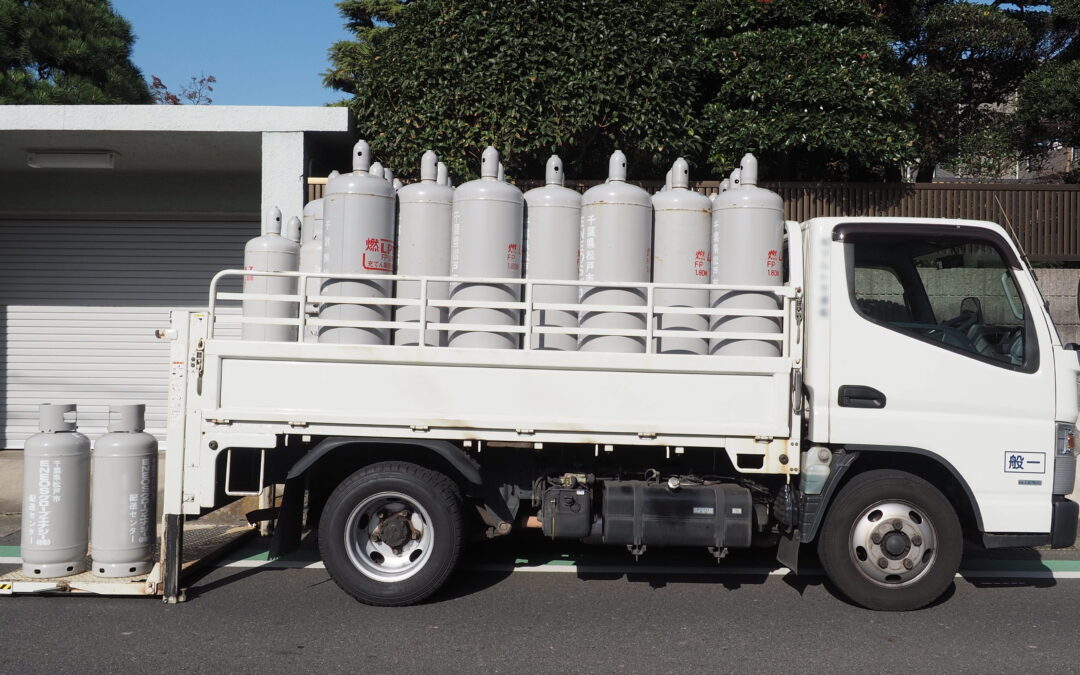
With an initial investment of $45 million, this project is part of a broader initiative backed by international energy companies, namely Tomza Internacional and Tropigas, both of which are leaders in the LPG market in Central America. The plant is designed primarily for storing and distributing liquefied petroleum gas. This key energy source is widely used across various industries, agriculture, and commercial enterprises in Guatemala and neighboring countries. The largest gas plant in Latin America will play a central role in meeting the growing demand for LPG across the region.

The new facility is expected to bring about significant benefits not only in terms of energy supply but also in terms of technology. It will be one of the most modern in Latin America, featuring state-of-the-art storage tanks and advanced distribution systems that use the latest technology in the industry. These tanks are fully automated, providing high levels of safety, efficiency, and reliability, which is crucial for meeting the growing demand for LPG in the region. As the largest gas plant in Latin America, it sets a new benchmark for innovation and operational excellence in the energy sector.

This plant will contribute to a more sustainable and environmentally friendly energy future as part of the country’s strategy to modernize its energy infrastructure and reduce its reliance on other less sustainable energy sources. Using LPG as a cleaner and more efficient energy alternative is critical to reducing Guatemala’s carbon footprint while ensuring a more stable and affordable energy supply for homes and businesses. The largest gas plant in Latin America will thus play a pivotal role in advancing these environmental goals.

Establishing this gas plant in Palín is not just a monumental leap for the local energy sector. Still, it also signals a broader shift toward promoting renewable and cleaner energy sources in the region. In the face of global challenges such as climate change and rising energy costs, expanding access to LPG represents a pivotal step in building a more resilient and sustainable energy system. As the largest gas plant in Latin America, it also highlights Guatemala’s growing leadership in the region’s shift toward cleaner energy alternatives.

Foreign Investment and Economic Growth

This inauguration is part of a broader trend in Guatemala, where foreign direct investment (FDI) has steadily increased in recent years. According to Gabriela García, the Minister of Economy, between January and June of this year, Guatemala attracted $803 million in FDI. This investment is crucial for the country’s economic development, as it provides much-needed capital and fosters technological innovation, job creation, and economic diversification.

The positive impact of foreign investment in Guatemala has been evident in several sectors. Just recently, one of the most important investments during the first half of the year was opening a new Walmart store in the municipality of Mixco. The store is expected to serve the population of Condado Naranjo and nearby areas. The new store represents a significant boost to the retail sector and reflects the growing consumer market in the country.

In addition to the retail sector, the country has seen investments in various industries, including textiles. On October 17, President Arévalo was present at the inauguration of a new textile factory in Fraijanes, built by the Spanish company Nextil. This factory, which represents an investment of 309 million quetzals (approximately $40 million), is expected to create hundreds of new jobs and strengthen Guatemala’s position as a leading textile manufacturing hub in Latin America.

Guatemala’s emphasis on attracting foreign investment has played a vital role in the country’s overall economic growth and stability. The government has focused on creating a favorable business environment by improving infrastructure, streamlining regulations, and fostering partnerships with international companies. This strategy is helping to position Guatemala as a gateway for investment in Central America, making it an increasingly attractive destination for foreign companies looking to expand their operations in the region.

The Strategic Importance of Energy Infrastructure

The inauguration of the largest gas plant in Latin America in Palín also highlights the growing importance of energy infrastructure in the region. Latin America, as a whole, has long been dependent on fossil fuels and other traditional energy sources. Still, there is a strong push toward diversification and incorporating cleaner and more sustainable options. This LPG plant will play an essential role in that shift by providing a reliable source of energy that can be used across various sectors, from manufacturing to agriculture.

One of the significant benefits of liquefied petroleum gas (LPG) is its versatility and ease of distribution. Unlike other forms of energy, LPG can be transported and stored relatively easily, making it an ideal energy source for regions like Guatemala, which are working to expand their energy networks and improve energy access. The new facility will help address this issue by ensuring that LPG is available to urban and rural communities, helping drive further economic growth and social development.

Completing this project is also expected to foster greater regional cooperation regarding energy distribution, as Guatemala could become a key supplier of LPG to neighboring countries. This could improve regional energy security, promote trade, and stimulate further investment in the energy sector. As the largest gas plant in Latin America, this facility will undoubtedly enhance Guatemala’s position as a regional leader in energy production and distribution.

Conclusion

The opening of the largest gas plant in Latin America represents a significant milestone for Guatemala as it continues to position itself as a leader in the Central American energy market. With a $45 million initial investment, advanced technology, and a focus on sustainable energy, the new plant will help to secure a more reliable and environmentally friendly energy future for Guatemala and the region. It is one of many recent signs of economic growth driven by foreign investment, innovation, and the country’s commitment to modernizing its infrastructure. As Guatemala continues to attract international interest, it is clearly on track to become a key player in the global energy and economic markets.

The Economy of Peru: Stability and Investment Opportunities

The Economy of Peru: Stability and Investment Opportunities

The economy of Peru is stable and full of investment opportunities. Its favorable legal framework, abundant natural resources, and ambitious project portfolio point to a promising future for the country. Over recent decades, Peru has emerged as one of the most stable economies in the region, noted for its economic growth, low inflation, and fiscal balance. After Paraguay and Uruguay, the country is projected to be the third fastest-growing economy in the region, with a predicted growth rate of 3% for 2024. Unlike its regional peers, the economy of Peru is expected to sustain similar growth in 2025, making it an attractive destination for foreign investment.

Economic Stability and Growth

The macroeconomic stability of the economy of Peru is reflected in a low inflation rate of 2.6%, the second lowest in the region after Ecuador. This inflation control boosts purchasing power and promotes private consumption, thus supporting economic growth. Another critical factor is Peru’s low public debt, which stands at 33.2% of GDP in 2024, significantly lower than its Pacific Alliance neighbors: Chile (41%), Mexico (50%), and Colombia (58%). This prudent management of public debt positions Peru as a regional leader in this area, enhancing investor confidence.

International Reserves and Credit Rating

Peru’s Net International Reserves (NIR) amount to USD 80.365 billion as of September 2024, surpassing its regional counterparts. By measuring international reserves in months of imports, Peru’s economy leads with 17.5 months, followed by Brazil with 16.6 months and Uruguay with 15.5 months, while other countries like Colombia and Venezuela have 11.7 and 8.1 months, respectively. This high level of reserves helps maintain exchange rate stability, which, in turn, reduces volatility against external shocks.

Additionally, in September 2024, the annualized fiscal deficit held steady at 4.0%, consistent with levels seen since May, primarily due to increased non-financial expenses by the general government. Despite this, the rolling fiscal deficit is expected to decrease to around 3.0% by year-end. Among countries with a BBB credit rating according to Fitch Ratings, such as the Philippines, Hungary, and Italy, Peru shows a higher fiscal deficit than the average. However, in terms of public debt as a percentage of GDP, the economy of Peru remains well below the average for similarly rated countries, highlighting its prudent public debt management and allowing the country to maintain a strong position despite fiscal challenges.

Thanks to this economic strength, Peru has retained one of the highest credit ratings in the region. Moody’s has reaffirmed Peru’s sovereign rating at “Baa1” with a “stable” outlook. Likewise, Standard & Poor’s maintained its BBB+ rating, and Fitch Ratings rated it as BBB. These ratings reflect Peru’s ability to meet its financial commitments, supported by prudent economic management that has kept the economy of Peru in a prominent position within international markets.

2024 Investment Project Portfolio

Peru’s economy has solidified itself as an attractive destination for foreign investment due to its macroeconomic stability, abundance of natural resources, and favorable legal framework. Mining remains a crucial sector, drawing numerous international investors interested in tapping into Peru’s natural wealth. Beyond mining, Peru’s economy has diversified into sectors like Agriculture, Manufacturing, and Services.

Peru’s legal framework for foreign investment is noteworthy. It guarantees equal treatment for domestic and foreign investors. Additionally, the country has signed multiple free trade agreements with economies worldwide, facilitating access to international markets and offering tariff advantages.

According to the 2024 Investment Project Portfolio published by the Lima Chamber of Commerce, 1,652 megaprojects with a total investment of USD 194.396 billion have been identified. This study includes projects equal to or greater than USD 10 million in pending investment in the Mining, Hydrocarbons, Electricity, and Transport sectors.

Mining

The mining sector in Peru is one of the most dynamic, with 70 projects totaling USD 55.5 billion. Of these, 53 are in the construction phase, including 31 copper projects, five gold projects, eight zinc projects, two iron projects, five silver projects, one polymetallic project, and one phosphate project. The remaining 17 projects are in the exploration stage. Investments are concentrated in Cajamarca and Apurímac, with USD 16.4 billion and USD 12 billion, respectively. These projects are operated by private entities under concessions, demonstrating how the economy of Peru continues to offer robust opportunities in mining.

Transportation

The transportation infrastructure includes 430 megaprojects with a pending investment of USD 61.85 billion, encompassing 234 roadways, 31 bridges, 60 paths, 70 highways, 14 airports, 15 ports, and five railways. These investments are managed across projects operated by private entities, Public-Private Partnerships (PPPs), and public works. Roadway investments amount to USD 34.782 billion, with airports receiving USD 3.726 billion. A riverway project costing USD 111 million further reflects a comprehensive approach to improving connectivity and transportation across the economy of Peru.

Hydrocarbons

The hydrocarbons sector features 25 projects valued at USD 10.49 billion, including 14 upstream projects (exploration and production), nine downstream projects (refining and marketing), and two midstream projects (transportation and storage). Most projects are operated by private companies under licenses, particularly in Cusco, Piura, and Loreto, collectively holding USD 5.413 billion. Additionally, two projects will be awarded by ProInversión, with another constructed as a public work, indicating a mix of private and public investment to drive the sector.

Various Sectors

This category includes 1,027 megaprojects in sanitation, health, education, ICT, and retail, with a total investment of USD 51.983 billion. In education, 260 projects are planned at USD 5.15 billion, while health includes 172 projects valued at USD 10.276 billion. Most of these are public works, though private investments and PPPs exist. Much of this investment is concentrated along the coast, particularly in Lima, Ica, and La Libertad, aiming to improve infrastructure and services across key regions in Peru’s economy.

Electricity

The electricity sector includes 100 projects valued at USD 14.572 billion, distributed among 46 hydroelectric plants, 13 interconnections, 15 transmission lines, nine solar plants, one wind farm, and 16 distribution projects. Private entities operate most projects under concessions. Significant investments are located in Arequipa, Cusco, and Huánuco. Furthermore, ProInversión will award four projects, and 13 will be constructed as public works.

Conclusion

In conclusion, Peru’s economic stability, robust legal framework, and extensive portfolio of investment projects make it an increasingly attractive destination for foreign investors. The country’s low inflation, prudent public debt management, and high international reserves offer a resilient foundation that boosts investor confidence and shields against external volatility. With major opportunities spanning mining, transportation, hydrocarbons, electricity, and public infrastructure, Peru leverages its natural resources and promotes diversification across various sectors. This diverse investment landscape, bolstered by favorable trade agreements and equal treatment for foreign investors, underscores Peru’s commitment to sustained economic growth and development. As Peru continues to advance its ambitious infrastructure and sectoral projects, the country stands poised to attract significant capital and foster long-term economic prosperity.