
The Chinese government has ordered state-owned enterprises and private companies to suspend new Chinese investments in Panama until “conditions allow.” Commercial relations between Panama and China will never be the same after this announcement, which was released in response to a Panama court ruling last week that adversely impacted one of China’s primary port operators in the country. This is the most notable strain in relations between China and Panama since diplomatic ties were established and formalized in 2017.
Analysts around the world were quick to react to the news, which was announced late last week. Panama is considered one of the most important hubs for international trade due to its geographic location and the extensive financial and logistics services that operate within its borders. Chinese investment in Panama has totaled multiple billions of dollars in the country over the last decade, furthering diplomatic relations and becoming a major player in many of Panama’s development projects.
The dispute originated after Panama’s Supreme Court of Justice handed down a ruling last week that impacted several concessions held by one of China’s largest port operating conglomerates in the province of Colon, Panama. According to officials in China, the ruling “violates legal certainty” and sets a precedent that could discourage future Chinese investments in Panama, if the “business environment becomes too unpredictable.” Chinese foreign policy officials have publicly stated their disappointment in the decision, citing that recent court rulings put investments at risk because of the ambiguity surrounding Panama’s legal system.
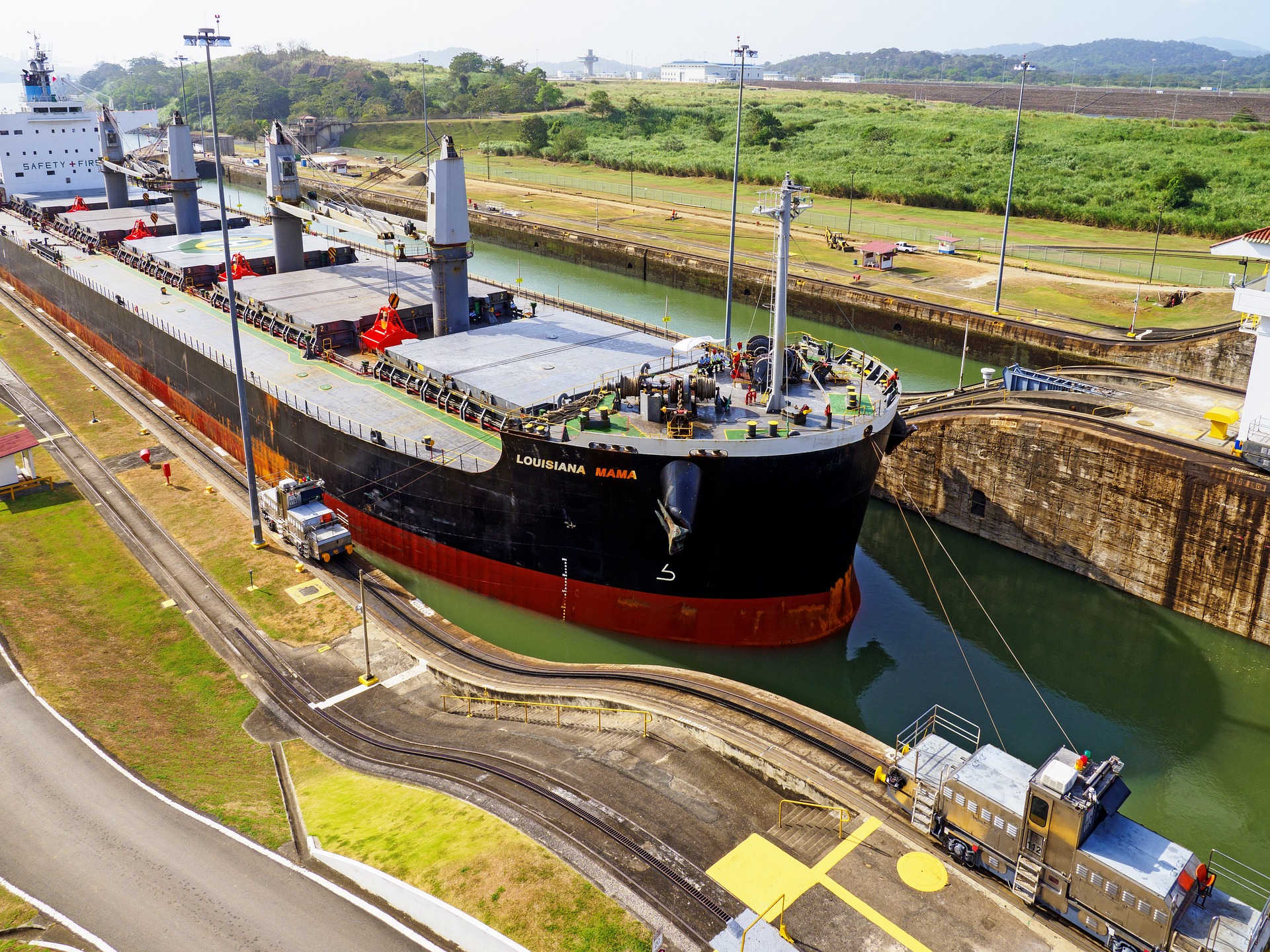
China initially entered the Panamanian market to expand opportunities south of the United States. The country gained access to one of the most important shipping lanes in the world through the Panama Canal. Additionally, Panama’s robust logistics network and telecommunication services made it an easy target for Chinese investment, with projects ranging from port operation to energy and tech development quickly after diplomatic recognition in 2017. China became Panama’s second-biggest trading partner within just a few years.
Projects Suspended
The executive order suspends Chinese investments in Panama, not only in bids on infrastructure projects, but also in strategic agreements being discussed in areas such as:
- Logistics: Expansion of port capacity. China has been directly involved in Panama’s port modernization plans for several years, with a focus on increasing capacity to handle projected traffic through the Panama Canal and larger transshipment projects.
- Energy: Electricity generation and transmission projects where Chinese investors were expected to play a role.
- Technology: Development of smart cities, including data centers and telecoms initiatives.
The suspension of Chinese investments in Panama is particularly detrimental to these areas, as they require long-term planning and often take years to secure financing. This creates a conundrum for Panama as it now questions how rapidly it can replace lost Chinese capital, if at all.
Immediate Damage to Panama’s Economy
While the Chinese investment freeze in Panama is set to last an indefinite amount of time, it’s important to note that Panama’s economy could be damaged in the short term.
- Foreign Direct Investment (FDI): China has been one of the largest consumers of services at the Panama Canal in recent years. China is also deeply integrated into Panama’s efforts to expand its free trade zones and port infrastructure. Any slowdown in FDI can cause foreign investors to reconsider Panama’s business landscape.
- Judicial Reputation: There is an irony to the dispute. On one hand, Panama’s judiciary is considered one of the most reliable in Latin America and upholds its decisions with autonomy. Foreign investors want that kind of stability. But, as China has publicized, there is a fine line between stability and unpredictability that can turn investors away from property rights and contract law.
- Employment: Large-scale infrastructure development will come to a halt until the investment suspension in Panama is lifted. This means construction jobs, engineering consultancies, and other service providers who cater to large project developers could see slowdowns.
China Wants What Comes Next to be Clear-Cut
With globalization at an all-time high, the suspension of Chinese investments in Panama is yet another example of how China wields its economic strength as “soft power.” This power allows China to influence business decisions to be more favorable to Chinese companies operating in foreign countries. It’s unlikely that China will completely pull out of Panama, but it wants to send a message that its investors need to be taken more seriously.
The ball is now in Panama’s court. Will it stand up for the independence of its judicial system, or cave to pressure from one of its largest trading partners? This situation is far from unique. China has had similar issues with Latin American countries trying to exercise their judicial power over Chinese companies operating in their territories.
Only time will tell how this trade dispute unfolds. In the meantime, diplomatic talks are already taking place at the cabinet level to negotiate some form of common ground. World markets are waiting with bated breath. After all, what happens in Panama could set the precedent for how world powers interact with local laws enforced by Latin American countries.