Patagonia once again found itself at the center of one of those debates that mix foreign investment with natural resources and decisions with high political impact. Recently, national authorities began speaking openly about an economic policy matrix that places no restrictions on the sale of lands: Patagonia is open to foreign investment. After that announcement, a businessman of Qatari origin acquired nearly 10,000 hectares with a project that includes luxury hotels and three hydroelectric plants, not to supply power to cities or villages, but exclusively for the facilities themselves.
Portrayed as an energy transition and ecodollar, this project would still be harmful enough to awaken criticism from environmental groups, neighbors, university scientists, and technicians from water and land conservation sectors. Despite their small size compared to the mega-dams built throughout Patagonia in the 20th century, their mere installation in an intact ecosystem of such high value reopened in southern Argentina an unresolved debate: Who owns water? Under what conditions can we intervene in practically virgin territories?
Why is Patagonia Important?
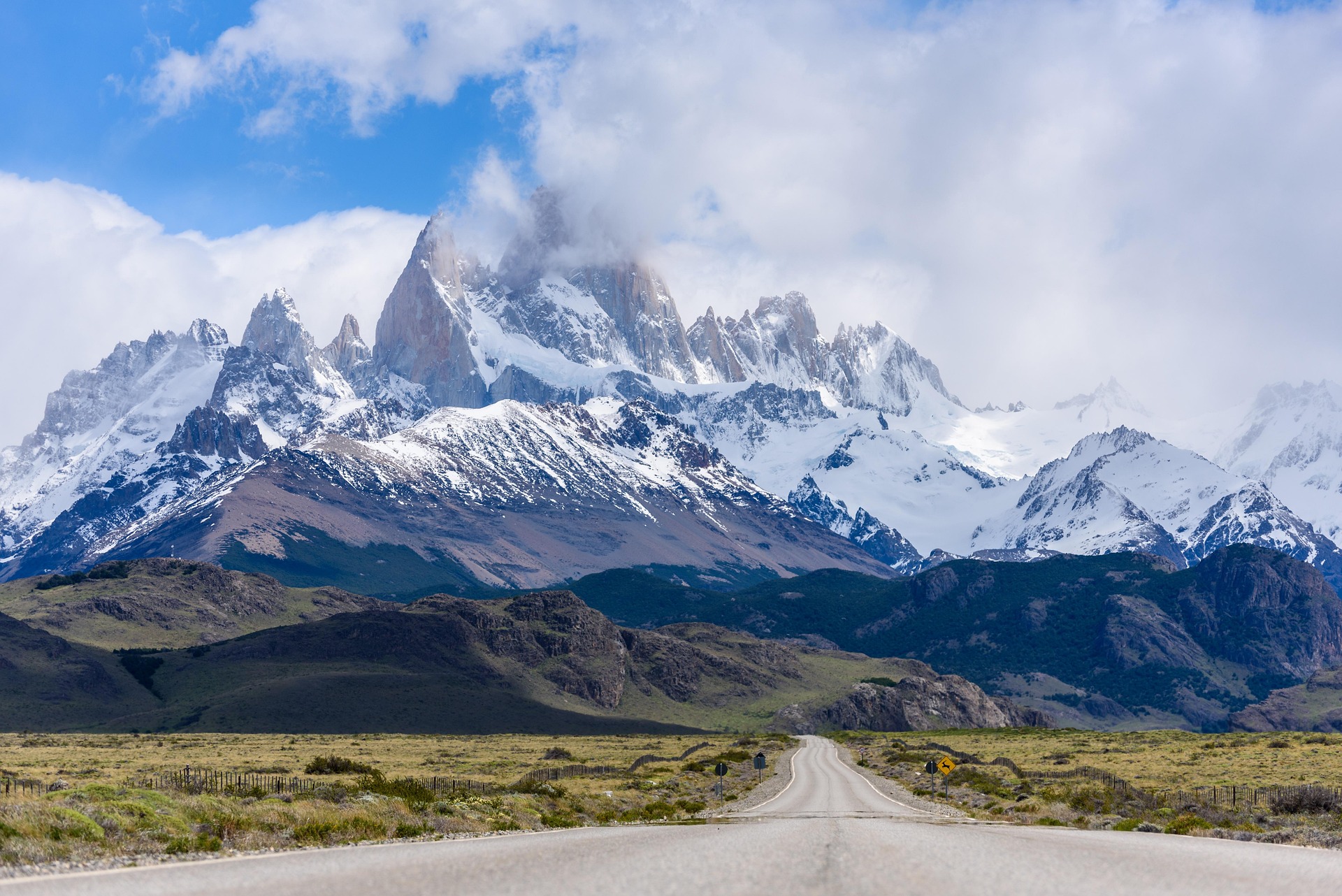
It is worth remembering that Patagonia’s Andean watershed basins are some of the country’s most biodiverse regions, and certainly within the Southern Cone. In those basins are temperate forests native to the place, wetlands known as mallines, unique species of flora and fauna, and rivers whose watersheds store water from rainfall, melting snow in summer, and glacier retreat: everything is connected and works together, regulating water availability, biological diversity, and territorial climates at a watershed level.
Even projects considered to have low impact, experts point out, can cause irreversible consequences when development reaches a certain point.
Changing water regimes, disturbing sediment flow or vegetation patterns can affect fish reproduction downstream, alter water availability, or disconnect wildlife migration routes, among countless other examples. In Patagonia in particular, where flora and fauna have formed and exist today with minimal human intervention and very sparse populations, sensitivity to disturbance could be even greater than in other areas of the country.
For these reasons, concern has arisen over the approval of projects merely because Patagonia is open to foreign investment, regardless of whether they meet basic requirements to ensure that ecosystems will not be altered.
In this sense, the controversy surrounding hydroelectricity is only partly about the buildings themselves. The discomfort is mainly with the type of development model that facilities such as tourist resorts, country clubs, and private lodges portend. Activity of this nature generally requires new infrastructure such as access roads, leveling of hills and slopes, systems for retaining water on flat surfaces, trenches, bridges, and sewage treatment plants. Year after year, these transformations irreversibly alter territories that until very recently were beyond the intensive real estate speculation that unfortunately already affects many places in Argentina.
National Politics Also Factor
Locally, this dispute takes place on a background painted by Argentina’s national government and its management style. Javier Milei’s administration seeks to advance quickly with deregulation policies in several areas. In Patagonia, the Executive is rescuing a project to review a law passed more than ten years ago that regulates the sale of rural properties to foreigners.
That legislation established maximum limits so that no one could acquire unlimited hectares in Argentine territory. This restrictive scenario was applied especially to lands near watersheds, border areas, and food production plots.
According to their own words, officials seek to attract investments, boost development in areas that for decades have been defined as non-productive due to scarce populations, and accelerate productive works that bring resources and activity because Patagonia is open to foreign investment. They justify reviewing limitations to defend entrepreneurship and accuse past governments of committing “capitalist suicide.”
However, voices raised in defense of those restrictions are multiple and powerful. Environmental NGOs, scientists, technical university teams, indigenous peoples, and identities rooted in territory have all shown their disagreement with dismantling the country’s remaining barriers to large-scale foreignization of land.
It is not just about land. Ownership of large rural properties in Patagonia is the doorway to controlling water resources, to mining permits, to hunting tourism, or other business involving native flora and fauna. All assets that once privatized (and possibly exported) become very difficult to monitor and regulate by the State.
Official Direction: A Point of View Worth Considering
The problem with the official discourse is that talking about encouraging investments does not seem to be accompanied by strategies to think about Patagonia in long-term scenarios. For instance, droughts are more recurrent than ever before, devastating wildfires affect forests and open new conflicts around water use each year. All are strongly linked to climate change and pressure on ecosystems.
Facilitating investments in rural land is, according to opponents to the official line, just another message that runs counter to any prevention principle or goal of public goods conservation.
Environmental impact studies are accelerated. Large projects advance as of today without consultation or participation from local communities. Flexibilization rules were announced even before discussions could begin about how the country should approach Patagonia: as a natural reserve whose care the State must guarantee, or as merchandise totally open to global markets.
This is not Just About Patagonia
Beyond specific interests in a business project located on Patagonian hectares, broader issues are at play. The transition to renewable energies, the intense pressure exerted on nature by human activity and appetite for capital dubbed “green” are impacting the debate on development models around the world.
Hydropower is touted as clean energy: true, false, or something in between depends on where, how, and for what purpose it is generated. If those same megawatts will simply provide power to a private tourist facility, can it be considered energy for the common good?
For young people who are increasingly aware of climate and environmental issues, all of the above is much more than what happens with an investor from Qatar or three hydroelectric plants in Patagonia. What is at stake is the development model Argentina will choose for decades to come: unrestricted opening of its territory or sovereignty over land, water, and biodiversity coupled with productive growth.