+1 (520) 780-6269 investment@latamfdi.com
Demand for International Investors in the South of Chile Rises by 28%

Demand for International Investors in the South of Chile Rises by 28%

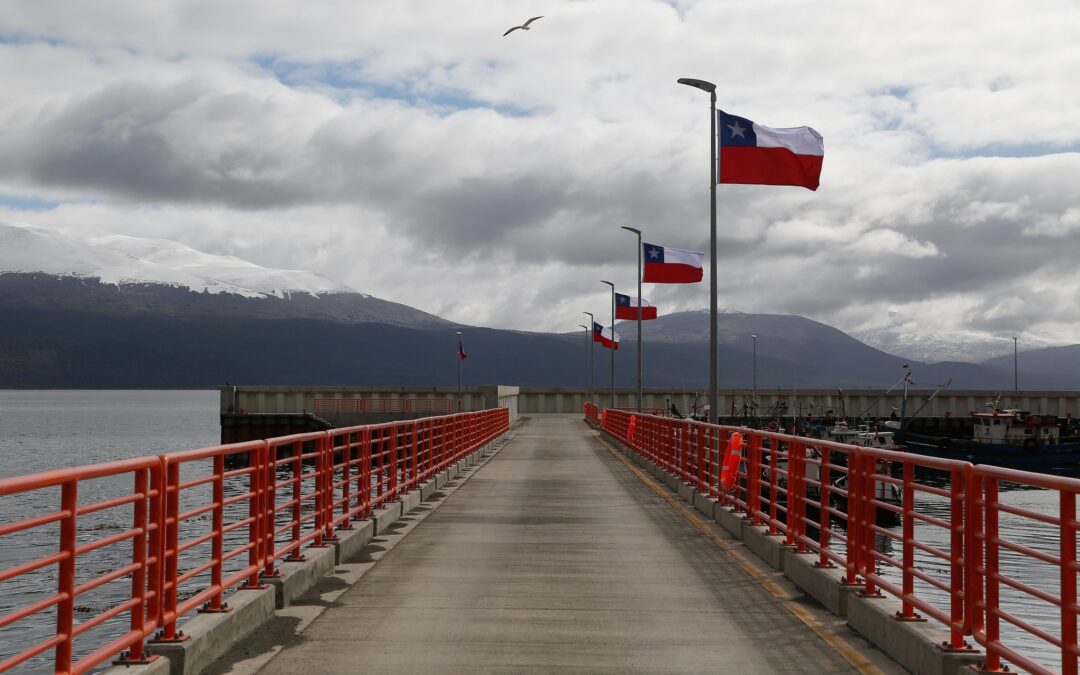
The south of Chile has witnessed a remarkable 28% increase in interest from international investors, a testament to the growing confidence in the region’s political and economic stability. This surge in foreign investment is fueled by Chile’s ambitious drive to lead initiatives in circular and green economies, mainly through projects such as wind farms, solar energy installations, and sustainable land development.

Pioneering Green and Circular Economy Practices

The south of Chile is at the forefront of adopting sustainable practices, revolutionizing resource utilization. One of the most notable examples is using materials to construct environmentally friendly buildings. These innovative practices reduce environmental impact and enhance the region’s appeal to international investors in the south of Chile seeking green investment opportunities.

According to the Central Bank of Chile, the country has solidified its position as a magnet for foreign direct investment (FDI), with an impressive 28% surge in international investor activity in 2024. Much of this growth is attributed to high projections for renewable energy development and sustainability initiatives. Investors are particularly drawn to opportunities that align with Chile’s commitment to green and circular economies, making the south of Chile a focal point for sustainable investment.

The “Green Gold” of the South

On the global stage, the southern region of Chile is often regarded as a “green gold” paradise, rich in pristine natural resources. Camilo González, Operations Manager at Genau Green, describes the area as “a land of abundant, pristine resources—a true haven for real estate investment.” This natural wealth, combined with a strategic focus on sustainability, has made the south of Chile an attractive destination for those seeking to align profitability with environmental stewardship.

The region’s emphasis on renewable energy and sustainable infrastructure has elevated its status among international investors in the south of Chile. Clean energy access enhances residents’ quality of life, fostering technological innovation and positioning the area as a leader in sustainable living.

A Growing Culture of Sustainability

Foreign investors are not the only ones embracing the green investment wave. Many Chileans working for international firms have also absorbed this culture of sustainability, leading to a broader adoption of sustainable practices across industries. As González explains, “This shift has removed barriers and fostered a transparent investment climate, allowing sustainable investments in the south of Chile to flourish.”

The region’s appeal is evident in its ability to attract projects that are not only environmentally responsible but also socially inclusive, creating long-term benefits for local communities and international stakeholders alike.

Challenges Facing the Region

Despite the promising growth, the south of Chile faces significant challenges that could hinder its full potential. Infrastructure limitations and regulatory hurdles remain pressing concerns. Issues such as territorial planning, updates to subdivision laws, and clear guidelines for maritime concession allocations require immediate attention to support the continued influx of international investors in the South of Chile.

Additionally, there is a need for a more efficient project evaluation process. “We need an evaluation system that assesses projects on their merits without political biases or market myths,” says González. “Our efforts in the private sector are focused on addressing these gaps by advancing cutting-edge projects.”

The Path Forward: Unlocking Potential

The future of investment in the south of Chile hinges on creating a supportive regulatory framework and addressing the region’s infrastructure challenges. The region could further enhance its appeal to international investors with the right policies. Collaborative efforts between the public and private sectors will ensure that the south of Chile continues to lead in green innovation while maintaining its natural beauty.

As the demand for green investments grows, the region is uniquely positioned to deliver solutions that meet the dual goals of sustainability and profitability. The continued development of renewable energy projects and advancements in sustainable living infrastructure ensures that the south of Chile remains a beacon for forward-thinking investors.

 A Bright Future for Green Investment

The south of Chile’s commitment to sustainability and innovation continues to attract international investors eager to support projects that balance economic growth with environmental stewardship. This upward trend could sustain itself for years with appropriate regulatory support and an ongoing emphasis on technological advancements. The benefits will not only accrue to investors but also enhance the quality of life for local residents, solidifying the south of Chile’s status as a global leader in sustainable investment.

By addressing current challenges and leveraging its strengths, the south of Chile is poised to remain a top destination for international investors. The region’s unique combination of natural resources, commitment to sustainability, and innovative potential ensures its place as a global hub for green investment.

Over USD 225 Million in Foreign Investment in the Cauca Valley in 2024

Over USD 225 Million in Foreign Investment in the Cauca Valley in 2024

The Cauca Valley (Valle de Cauca) in Colombia has emerged as a significant hub for foreign investment in 2024, attracting approximately $225 million through the investment initiatives of 22 companies spanning various industries. This influx of capital has driven the creation of 2,070 new jobs in the region, according to the latest data collected by Invest Pacific, which was presented during its most recent Board of Directors meeting for 2024. The impressive figures underscore the region’s strategic importance for new investments and reinvestments, with contributions from Brazil, the United States, France, Israel, Mexico, Portugal, the United Kingdom, Sweden, Switzerland, and Venezuela.

Strategic Locations and Sectoral Impact

These investments have primarily “landed” in key areas such as Cali, Palmira, Bugalagrande, Yumbo, and Buga. The sectors benefiting from these inflows include commerce, business process outsourcing (BPO), electrical equipment, pharmaceuticals, logistics, food, construction, and infrastructure. The strategic diversification of industries highlights the Cauca Valley’s growing appeal as a regional business hub. This growth demonstrates the region’s capacity to support diverse industries, fostering a well-rounded economic ecosystem that weathers global economic shifts.

Among the 22 projects established this year, half (11) are concentrated in Cali, which has garnered approximately $110 million in investment. This has resulted in creating 1,816 new jobs for the residents of Cali, a figure that doubles the employment generated in the previous year. Yumbo has also seen significant activity, hosting four projects, followed by Palmira with three, and Buga, Buenaventura, Yotoco, and Bugalagrande with one project each. These investments have boosted local employment and stimulated ancillary sectors such as retail and services, further amplifying their economic impact. The geographic distribution of foreign investment in the Cauca Valley underscores the region’s strategic potential across multiple municipalities, paving the way for sustained development in smaller cities.

Collaborative Efforts Driving Success

“Thanks to the coordinated efforts of the Cauca Valley Government, the municipalities of Cali, Yumbo, and Buga, as well as institutions such as the Cali Chamber of Commerce, ProColombia, and other entities within the institutional ecosystem, Invest Pacific successfully generated 168 new investment opportunities in sectors such as technology, manufacturing, agro-industrial operations, and renewable energies this year. This represents a 58.5% increase compared to 2023,” explained Juan Carlos Castro, Executive Director of Invest Pacific. This significant growth in investment opportunities reflects the concerted efforts of public and private stakeholders to create an enabling environment for businesses.

The collaborative approach has been instrumental in positioning the region as an attractive business destination. Local authorities and international partners have worked hand-in-hand to streamline administrative processes, offer incentives, and provide robust infrastructure, ensuring businesses can operate efficiently. The work undertaken by these institutions has not only facilitated foreign investment in the Cauca Valley but has also showcased the region’s commitment to innovation and sustainability. These partnerships demonstrate how a unified vision can drive economic transformation and make the region a magnet for international capital.

Global Outreach and Promotion Efforts

In 2024, Invest Pacific, which celebrated its 14th anniversary, conducted 18 investment attraction and regional promotion missions across 14 countries spanning three continents. These missions aimed to position the Cauca Valley as a strategic destination for businesses, emphasizing its potential to meet key corporate objectives such as decarbonization. These outreach efforts have been complemented by targeted marketing campaigns and participation in global forums, which have helped to amplify the region’s visibility on the international stage.

“COP16 was a tremendous opportunity to highlight why Cali is the biodiversity capital of Colombia and one of the most biodiverse cities in the world. We showcased the region’s attributes and future potential for biotechnology and decarbonization projects, aiming to make Cali a biodiversity capital, a technology hub, and a carbon-neutral city in Latin America,” remarked Castro. Participation in events like COP16 underscores the region’s commitment to sustainability and enhances its credibility among global investors seeking environmentally responsible opportunities.

The promotion missions also targeted key sectors such as renewable energy, agro-industrial operations, and high-tech manufacturing, aligning with global trends and investor priorities. By tailoring these missions to meet the specific needs of potential investors, Invest Pacific has been able to attract businesses that contribute not only capital but also technology and expertise, driving innovation in the region.

The Four Most Recommended Options for Investing in the Energy Sector in Argentina

The Four Most Recommended Options for Investing in the Energy Sector in Argentina

With significant long-term potential, companies are eager to position themselves strategically and capitalize on Argentina’s abundant resources to expand their export capabilities. Vaca Muerta, once considered merely a promising project, has now materialized into a vital reality. It presents enormous growth and production opportunities for companies and investors willing to harness the wealth of shale oil and gas reserves.

Although Argentina is already an established producer and exporter of hydrocarbons, Portfolio Personal Inversiones (PPI) emphasizes that current production levels “represent

just the tip of the iceberg.” Spanning almost the entirety of Neuquén province and parts of Mendoza, La Pampa, and Río Negro, this geological formation is crucial for the country’s energy development. Vaca Muerta is not just a source of energy but a symbol of Argentina’s ability to leverage its natural resources for sustainable economic growth.

This unique advantage enables Argentina to achieve energy self-sufficiency, shielding it from external shocks and making the energy sector in Argentina an attractive proposition for investors. Global stakeholders are paying close attention to the projections within this key industry, which is steadily becoming one of the pillars of Argentina’s economic growth. Beyond energy production, the sector’s ripple effects extend into job creation, infrastructure development, and increased export revenues, solidifying its role in Argentina’s broader economic strategy.

The Vaca Muerta Effect

According to the Secretariat of Energy, Argentina’s national oil production in October exceeded 734,000 barrels per day—the highest figure in over two decades. However, PPI clarifies that Vaca Muerta has a production capacity of 16 billion barrels of oil and 8.5 trillion cubic meters of gas. Astonishingly, only “3% of the oil and 1% of the gas” in Vaca Muerta’s reserves have been extracted. This untapped potential reinforces the long-term growth prospects of the energy sector in Argentina.

Recognizing this enormous opportunity, PPI has outlined several investment vehicles to capitalize on Vaca Muerta’s expansion. This geological marvel has become a favorite among investors betting on the Merval Stock Exchange. Moreover, under the RIGI (Investment Regime for Hydrocarbon Growth) framework introduced during Javier Milei’s administration, hydrocarbon investments in the region are increasing daily. The policy framework incentivizes foreign and domestic investments by reducing bureaucratic hurdles and providing tax incentives, making Argentina an even more appealing destination for energy sector investments.

The companies operating in Vaca Muerta report robust financials and promising growth forecasts, further fueling investor enthusiasm. These operators deploy advanced extraction technologies and enhance production efficiency to maximize output. As a result, Vaca Muerta is poised to become a global benchmark for shale oil and gas development, solidifying its reputation as a transformative force within the energy sector in Argentina.

Pampa Energía: A Leader in the Energy Sector

Pampa Energía stands out as one of Argentina’s most important energy holdings. The company generates electricity through thermal plants, hydroelectric facilities, and wind farms. Its operations encompass an installed capacity of 5,395 MW, equivalent to 12% of Argentina’s total installed capacity. Beyond electricity generation, Pampa Energía is also heavily involved in oil and gas production, further solidifying its position within the energy sector in Argentina.

According to PPI, Pampa Energía has emerged as one of the principal players in Vaca Muerta, ranking as the third-largest shale gas producer. This success stems from exploiting its El Mangrullo and Sierra Chata fields. Additionally, the company has doubled its natural gas production, propelling its primary blocks into the region’s top ten most productive fields.

One of Pampa Energía’s most compelling assets is Rincón de Aranda, dubbed the company’s new flagship project. Projections indicate that Rincón de Aranda will achieve a production rate of 45,000 barrels of oil per day by 2027. Once fully operational, this project is expected to contribute an additional $700 million annually in EBITDA (Earnings Before Interest, Taxes, Depreciation, and Amortization). This exceptional growth potential underscores why Pampa Energía is a cornerstone of the energy sector in Argentina.

Strategic Investments Fueling Growth

As Vaca Muerta continues to deliver on its promise, opportunities abound for investors seeking a foothold in Argentina’s thriving energy industry. The RIGI policy framework has further streamlined the investment process, enabling companies to scale their operations efficiently. With untapped reserves, cutting-edge technologies, and strong government backing, the energy sector in Argentina is set to remain a lucrative domain for years to come.

Moreover, Argentina’s energy infrastructure is evolving rapidly to accommodate the surge in production. Investments in pipelines, refineries, and export terminals enhance the country’s ability to meet domestic and international demand. For example, currently under construction, the Néstor Kirchner Gas Pipeline will be critical in transporting natural gas from Vaca Muerta to key markets, ensuring seamless connectivity and reducing transportation bottlenecks. This comprehensive approach ensures that Argentina’s energy sector remains competitive globally, attracting foreign and domestic investors.

Additionally, renewable energy projects are gaining traction as Argentina seeks to diversify its energy portfolio. Wind and solar power installations are rising, complementing the country’s hydrocarbon production. These initiatives not only reduce Argentina’s carbon footprint but also align with global trends toward sustainable energy practices, broadening the scope of investment opportunities within the energy sector in Argentina.

The Role of Technology and Innovation

Innovation plays a pivotal role in maximizing Argentina’s energy sector’s potential. Advanced drilling techniques, such as horizontal drilling and hydraulic fracturing, have significantly improved extraction rates in Vaca Muerta. Furthermore, digital technologies, including data analytics and IoT-enabled monitoring systems, enhance operational efficiency and reduce costs. These technological advancements ensure that Argentina remains at the forefront of global energy production trends.

International collaborations and knowledge transfer are also contributing to the sector’s growth. Partnerships with global energy giants bring expertise, capital, and state-of-the-art technologies to Argentina, accelerating the development of its energy infrastructure. These collaborations underscore the strategic importance of Argentina’s energy sector on the world stage.

Expanding Opportunities in Renewable Energy

While Vaca Muerta captures much of the spotlight, Argentina is also a burgeoning player in renewable energy. The country’s commitment to clean energy is evident in its Renewable Energy Plan (RenovAr), which aims to increase the share of renewables in the national energy mix. Wind and solar projects are emerging across provinces such as Buenos Aires, Chubut, and Salta, drawing significant interest from investors focused on sustainability.

For instance, the Parque Eólico Madryn wind farm in Chubut has become one of the largest in South America, with a capacity of 220 MW. Such projects exemplify Argentina’s dual approach to energy development: maximizing its fossil fuel reserves while investing in green energy solutions. This balanced strategy ensures long-term energy security and aligns with global trends emphasizing environmental responsibility.

Investors are also exploring opportunities in bioenergy, particularly in regions with abundant agricultural residues. Integrating bioenergy into Argentina’s energy portfolio diversifies revenue streams and supports rural development by creating jobs and stimulating local economies. These renewable energy initiatives provide a compelling counterpoint to the hydrocarbon-centric narrative, demonstrating Argentina’s energy sector’s versatility and resilience.

Conclusion

The energy sector in Argentina offers unparalleled opportunities for growth and profitability. With Vaca Muerta at the helm, companies like Pampa Energía exemplify the innovation and resilience required to succeed in this dynamic market. As Argentina solidifies its status as an energy powerhouse, the sector promises substantial rewards for those who seize the moment.

From untapped shale reserves to advancements in renewable energy, the energy sector’s diversity ensures a broad spectrum of investment avenues. As government policies continue to favor energy development and infrastructure improvements to enhance market accessibility, Argentina is well-positioned to attract long-term investments. For stakeholders aiming to capitalize on the next wave of global energy demand, the energy sector in Argentina represents a compelling and transformative opportunity.

Brazil Leads in Foreign Direct Investment in Latin America

Brazil Leads in Foreign Direct Investment in Latin America

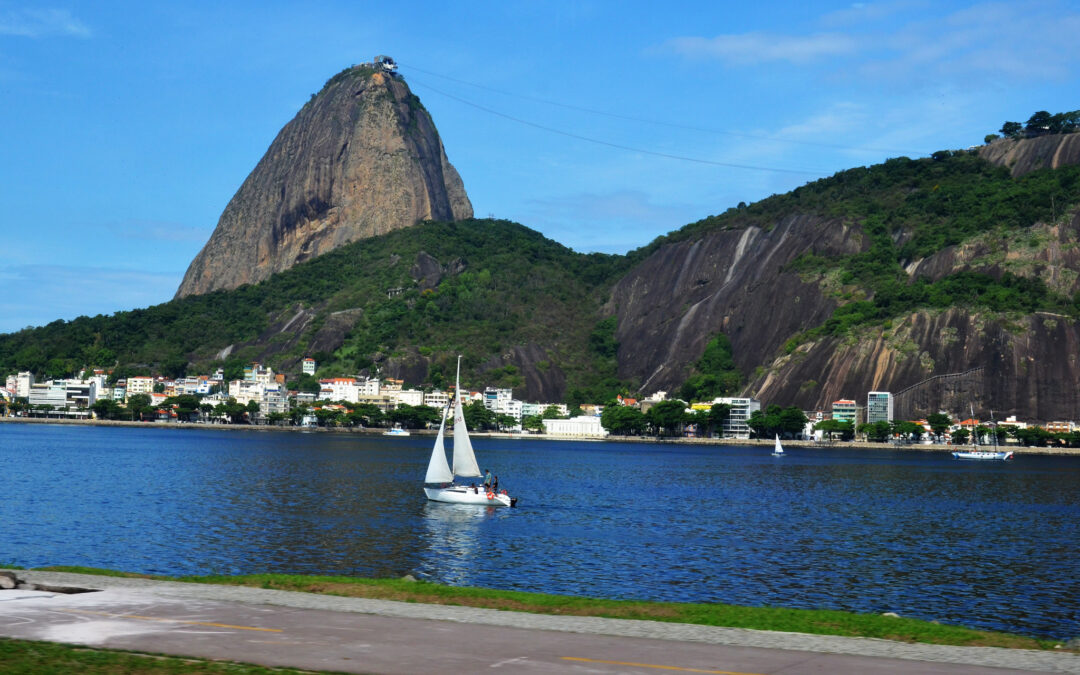
In 2024, Brazil reaffirmed its position as the leading destination for foreign direct investment (FDI) in Latin America, surpassing Mexico. During the first half of the year, Brazil attracted $32.3 billion in FDI, outpacing Mexico, which received $31.1 billion in the same period. The close competition between these two regional powerhouses underscores the increasing relevance of Latin America as a strategic hub for global investment.

A Global Context Favoring Brazil

Brazil’s dominance in attracting FDI exceeds its status as Latin America’s largest economy. The country has adeptly positioned itself within emerging global dynamics, leveraging its role as a key player in the Global South and as a member of the BRICS bloc (Brazil, Russia, India, China, and South Africa). This strategic alignment has given Brazil a competitive edge in attracting international capital.

Rodrigo Bedin de Lima, CEO of ActivTrades Brazil, states, “The rising importance of the Global South and the BRICS bloc is drawing more investments toward Latin America, with Brazil leading as a strategic gateway.” This positioning highlights how Brazil leads in foreign direct investment in Latin America by acting as an essential focal point for multinational companies seeking to expand into emerging markets, bolstered by its diversified economy and growing emphasis on innovation.

Brazil’s Position in the Global FDI Landscape

On a global scale, the United States remained the top recipient of FDI, attracting $153.3 billion during the first half of 2024. Brazil was the second-largest destination globally, with Mexico in third place, marking an improvement for Mexico from fourth place in 2023.

While Brazil and Mexico excel in attracting investment, Brazil’s leadership reflects several inherent strengths. These include its economic stability, extensive infrastructure, and regulatory attractiveness. Mexico benefits from its proximity to the United States and participation in agreements like the USMCA. Nonetheless, Brazil leads in foreign direct investment in Latin America due to its broader global integration, mainly through the BRICS alliance, which allows it to tap into diverse markets and reduce reliance on any single economic partner.

Key Factors Behind Brazil’s Success

Brazil’s ability to attract significant FDI is not a coincidence. A combination of structural, economic, and geopolitical factors has created a highly favorable environment for capital inflows:

Recent Economic Reforms: Brazil has implemented policies to enhance legal stability and increase transparency in financial operations. These reforms have provided investors with greater confidence and predictability.

Competitive Infrastructure: Significant improvements in highways, airports, and ports have enhanced connectivity and reduced logistical costs, making Brazil an attractive option for global supply chains.

A Vast Domestic Market: With over 200 million residents, Brazil boasts a large consumer base with substantial purchasing power, offering businesses an unparalleled opportunity for growth.

Emerging Technology Hub: Cities like Florianópolis are gaining recognition for their innovation ecosystems, attracting technology companies and startups.

Favorable Operating Costs: Despite being a relatively advanced economy within the region, Brazil maintains competitive cost structures, particularly in the technology and financial services sectors.

The Strategic Importance of Florianópolis

Florianópolis, often dubbed the “Silicon Valley of Brazil,” has emerged as a center for technological innovation. With a robust network of tech companies, startups, and universities, the city offers a fertile environment for innovation-driven investments. Its high quality of life and skilled workforce have attracted diverse industries, particularly technology and finance.

For companies like ActivTrades, Florianópolis presents an ideal environment to diversify and scale their operations. Rodrigo Bedin de Lima notes that the city’s ecosystem of forward-thinking professionals is transforming Brazil’s financial landscape, fostering the creation of more dynamic and diversified platforms. This emphasis on innovation is another reason Brazil leads in foreign direct investment in Latin America.

Brazil vs. Mexico: Competition and Challenges

Although Mexico continues to improve its capacity to attract FDI, its competition with Brazil highlights critical differences between their economies. Mexico benefits from its geographical proximity to the United States, a crucial factor in nearshoring, and its active participation in the USMCA. In contrast, Brazil distinguishes itself with economic independence and integration into global markets through the BRICS bloc.

Brazil’s clear and predictable regulatory environment provides a safer landscape for financial operations, mitigating risks for multinational corporations. Combined with its focus on infrastructure development and innovation, these factors have enabled Brazil to remain the primary recipient of FDI in Latin America.

The Future of Foreign Investment in Brazil

Brazil continues to modernize its financial system to attract even more investment. The emergence of additional stock exchanges, such as CSD, A5X, Base Exchange, and BEE4, is expected to diversify the country’s financial market further. This competition indicates the sector’s innovation and offers exciting opportunities for businesses seeking dynamic and competitive financial services.

According to Bedin de Lima, this expanding financial ecosystem reflects Brazil’s resilience and adaptability. By minimizing risks and creating a robust framework for new investments, Brazil is set to maintain its leadership position.

Conclusion

Brazil leads in foreign direct investment in Latin America, showcasing its ability to adapt to global trends and capitalize on internal strengths. The country’s focus on innovation, sustainability, and regional integration has positioned it as a pivotal player in Latin America’s economic development.

While the competition with Mexico remains intense, Brazil’s unique blend of economic and geopolitical advantages ensures its continued dominance. As global markets evolve, Brazil is well-prepared to consolidate its role as a strategic destination for investment, driving growth and innovation in the region.

Invest in Guatemala with Juan Esteban Sanchez

Invest in Guatemala with Juan Esteban Sanchez

Juan Esteban Sanchez
Director 
Invest Guatemala
esanchez@investguatemala.org

LATAM FDI:  Today, Juan Esteban Sánchez, the executive director of Invest Guatemala, is with us. First, I want to welcome you to the podcast. Could you please tell us a little bit about yourself and your organization for our audience?

Juan Esteban Sanchez: Oh, hello, Steve. Thank you very much for this kind invitation. Yes, my name is Juan Esteban Sánchez. I am a Colombian guy just working to attract investment in  Guatemala. I’m an economist, but I also have almost four degrees in financial valuation. I worked in investment banking for nearly 10 to 15 years in Colombia. Then after, I became involved in the investment promotion agencies I was working for ProColumbia as a director of the offices of ProColumbia, the Commercial and Investment Bureau of Colombia in Guatemala, dealing with the bilateral relations between Colombia, El Salvador, Honduras, and Guatemala, but also Belize. Then after, I managed the ProColumbia office in Mexico for two years, one really important market. My last work in ProColumbia was working in India for almost five years, in the business relationship between Colombia, India, and the MENA region, the Arabic countries. After that, I came back to Guatemala, where I married a beautiful lady, and I’m now working as the executive director of the country’s private investment promotional agency, Invest Guatemala.

LATAM FDI: Well, let’s get into some information about investment in Guatemala from the perspective of foreign investors. What are the key advantages of Guatemala compared to the other countries in the region?

Juan Esteban Sanchez: To answer your first question, Invest Guatemala is a private institution that is the umbrella of an initiative that you can call the 2032 vision of Guatemala. It was created by the private sector and is called Guatemala Moving Forward. We, Steve, work at six working tables that try to improve the conditions for foreign companies just to come here to invest in Guatemala. Then, after these six working tables, they are related to human capital conditions, infrastructure, tourism, and agroimpact. It’s named after it. And the more important one is legal certainty. So, in this regard, I aim to create more good quality jobs here. Guatemala has excellent conditions for foreign investors at these levels. The first one is macroeconomic stability. I’ve been working in a promotional agency in the past; you can say that all the countries, Steve, many say that their government has real macroeconomic stability. But Guatemala, for sure, is one of them. The growth in Guatemala has been going on for almost 10 years in a row. We’ve been just growing at nearly 3.5 % in real terms.

The second one is that the exchange rate in Guatemala has been stable for almost 20 years, at around 7.5 quetzales per dollar. It is important to do business with that country for exportation, importation, and even domestic sales. The other one is that Guatemala has been working to create good conditions economic relations other countries. Guatemala has around 15 free trade agreements and 19 reciprocal investment agreements with some interesting countries. Guatemala must be one of the only countries with good diplomatic and commercial relations with Taiwan. And this is important for some companies in the world. The other thing is that Guatemala is just going down the path to get the investment grade. Fitch, Moodys, and Standard & Poor say that Guatemala has the macroeconomic condition to get the investment rate. Still, we have to work on the institutional side of the business to motivate companies to invest in Guatemala. Reinforcement of the law, an investment law, etc. It’s important to highlight that the average age of the population in Guatemala is around 26 years.

This is important because we have a demographic bonus that we need to take advantage of to get companies to invest in Guatemala. It is important for the company that wants to do business here. Why? Because there is a loyal workforce, we also have a population that, in the future, will have new families, buy new homes, and ask for public services. And this is an excellent opportunity for companies that provide services to a population, especially here in Guatemala. The other thing is that it is attractive to invest in Guatemala because it is the northernmost country in Latin America before Mexico. And this is important. Why? Because of the nearshoring strategy that I believe you have been hearing about for the last 20 years, Steven. But what about the conditions to invest in Guatemala? We can create some excellent prospects regarding nearshoring to North America, including Mexico. Okay. Then, there is an interesting point: Guatemala has a significant power generation matrix from renewable sources. Guatemala’s generation power matrix currently generates 60 % of its power from renewable sources.

We have great opportunities for companies that want to invest in Guatemala to pursue excellent business ideas in solar, electric, and hydropower generation.

LATAM FDI: You mentioned Guatemala’s demographic advantages and geography. But what support does Guatemala give to foreign investors in terms of any tax incentives that may exist to create regulatory ease? What investment protection is there to invest in Guatemala?

Juan Esteban Sanchez: This depends on the sector you are in. But Generally, Guatemala has one of the most flexible tax systems in Latin America, Steve. If you want to create a company, that is relatively easy; maybe in one to two weeks, you can create your own company, even for a foreign investor seeking to invest in Guatemala. You can choose if you want to pay, for example, income tax or ISR. It’s ISR in the United States. But you can pay 7% over the total income or select 25 % over your operational gross profit. And this is important because you can choose, and you can play with the costs. But depending on the sector, we have a special regime where you can be a company and settle a plant. You can be in an economic free trade zone. We can say that, yes. You can import, process, and export your product without paying taxes here. So, if you are in a free trade zone here, you can import without paying any tariff from some countries, but also you can export, and then you are not obligated to pay the tax here.

But if you want to sell your product, I’m sorry for the name. For example, you have some excellent conditions for optimizing the VAT in the free trade zone. But again, it depends on the sector you are just working in when you invest in Guatemala. From some country, from some industry, Steve, I would like to tell you that I used to work in investment banking. I was evaluating some energy projects here. If you want to invest in a power generation company that produces less than 5 megawatts, You have zero tax for 10 years. And this is important.

LATAM FDI: That’s significant. You mentioned the demographics again. I’m going to go back to that.

Juan Estaban Sanchez: Yes, go ahead.

LATAM FDI: What does that mean regarding the workforce capabilities and the availability of skilled labor? What workforce can a foreign investor expect to find when seeking to invest in Guatemala?

Juan Esteban Sanchez: I say, Steve, that it’s always important to be optimistic but realistic. We have a challenge because we have tremendous competition from migration. The United States consumes a significant part of Guatemala’s workforce. We have a private and public institution called INTECAP. It’s imperative to have this, Steve. They prepare the people, the young generation, regarding technological skills. If you want to be a carpenter, you can receive training for ITECAP. It’s the base for our workforce. If you get a title from INTECAP, it may require a three-month educational period. In the United States, they are pleased to get these people because they know that people from INTECAP are a quality workforce. So, we have a competition there. We have a challenge in that through INTECAP and universities. We have to prepare the young generation to have the skills for the future needs of international companies that want to invest in Guatemala, and it could be a little bit romantic, Steve, that something important here in terms of the workforce is that these people do outstanding hard work.

They are also really loyal and believe in family. So, we can offer companies looking to invest in Guatemala some excellent conditions in terms of skill. They can stay here and transfer that to the company that is coming here. The other thing is that we may be a country of around 18.4 million people, and around 11 million people can work. So, we can bring many people to the companies there.

LATAM FDI: Well, that’s the human infrastructure. Physical infrastructure is essential to foreign investors as well. What infrastructure developments or improvements are currently happening in Guatemala that would interest foreign direct investors?

Esteban Sanchez: Yes. A month ago, Congress approved a new law on infrastructure. This allows us to create some excellent opportunities for foreign companies to invest in Guatemala to improve the roads, not only the main but also the rural ones. There will be plenty of opportunities for investors and sovereign or private equity funds next year. They can come here to finance new road projects. The other one is that we are trying to help the government create the conditions for the modernization of the airports. In Guatemala, there are only two international airports, one in the capital city and the other in Petén, which is in the far north and close to one of the more important tourist attractions, called Tical. It will be vital if we can work to modernize the small airports, even for local or domestic trips. And I believe there will be outstanding opportunities for the companies abroad to invest in Guatemala.

The other one is between this year and the following year, and we are talking about weeks of difference; we will have two main competitions to increase the power generation metrics here in Guatemala. And the other one is to improve the power transmission system. As a small number here, Steve, Guatemala needs around four 4,500 new kilometers of network to consume or transport the energy we will generate in the next five years. The other one, and I believe there will be some information shortly, is that we will open excellent ports opportunities. Remember that because we have an excellent relationship with Taiwan, we need an investor different from the Chinese. So, it’s a geopolitical opportunity to invest in Guatemala. This is important to know for the companies listening to this podcast.

LATAM FDI: Well, we’ve talked about human infrastructure; we just got through talking about physical infrastructure. Let’s talk about trade infrastructure. How is Guatemala positioned within the Central American region regarding trade agreements, access to regional markets, and logistics networks?

Juan Esteban Sanchez: Sure. Okay. Then again, you can hear Steve for all the investment promotion agencies (IPAs) in the world that my country has the best location. You can listen to that. But it is challenging to sell that point. Because of its proximity to global markets, Guatemala is on the border with Mexico. We are also the biggest economy in Central America, but we have a free trade agreement with all the Central American countries. However, we are also the main gate to some countries in the Caribbean. So, for a company that wants to invest in Guatemala, it is a huge opportunity because of location, tariffs, and proximity to the markets. Talking about our 15 free trade agreements, we can approach almost all the countries in the world. But seriously, the opportunity in terms of commerce is how you can create your company here in order not just to produce but to export to Mexico, the United States, and Canada. And we are working on that. When talking about the new administration of the United States, companies will have a massive opportunity to invest in Guatemala to change the supply from China to Asia, especially to give American companies a chance to have a close source.

To highlight, Steve, if you establish a company in Guatemala, your transit times in Miami may be around three days. But also, if you want to bring some products to Los Angeles, for example, that is excellent marketing here, there’s just seven days. Now, consider that you can export your products and then transport them by road because of the border with Mexico. Significant projects from the Pacific and the Atlantic will bring some train systems that can connect the train system of Mexico. It will be an excellent signal for the investor.

LATAM FDI: Well, as with most podcasts, I have the pleasure of speaking to very interesting and informative people; we’ve covered a lot of information in a relatively short time. Experience has shown in the past that listeners to the podcast often have questions that are related to what they’ve heard. I want to ask participants in the podcast if they would make themselves available to any listeners for questions they might have. Could you share your email address? Could you have their LinkedIn profile on the web page on which the podcast sits? Can people with a desire for more information get in contact with you?

Juan Esteban Sanchez: Absolutely. It would be great to hear what the people are looking for about investing in Guatemala. Remember that, Steve, that through the free trade agreement, we are just capable of bringing some products to almost 1.5 billion consumers in the world. Especially if anyone is interested looking to invest in Guatemala, we are working to increase the opportunities in agribusiness, packaging, BPOs, and pharmaceuticals. Well, pharmaceuticals are very difficult. We will be more than interested in answering and giving the information to any investor who wants us to see Guatemala as a big opportunity. I don’t know if you want me to bring some information about my email or something.

LATAM FDI: Well, what I can do, which I’ll do for expedience, is put a link to your LinkedIn profile on the podcast page in the transcript section.

Juan Esteban Sanchez: Great.

LATAM FDI: I’ll include your email address and a link to Invest Guatemala. Would that be okay?

Juan Esteban Sanchez: It would be great, please.

LATAM FDI: Well, speaking with you today has been a great pleasure. I’ve learned a lot, and I’m sure that people who listen to this podcast will also learn a lot. Thank you for taking part in this discussion.

Juan Esteban Sanchez: Thank you very much, Steve. I’m looking forward to another opportunity to discuss this in the future.

LATAM FDI: Of course. Thank you.

Juan Esteban Sanchez: Thank you very much.