
+1 (520) 780-6269 investment@latamfdi.com
Why Millionaires Are Migrating to Panama: A Top Destination for Global Wealth in Central America

Why Millionaires Are Migrating to Panama: A Top Destination for Global Wealth in Central America

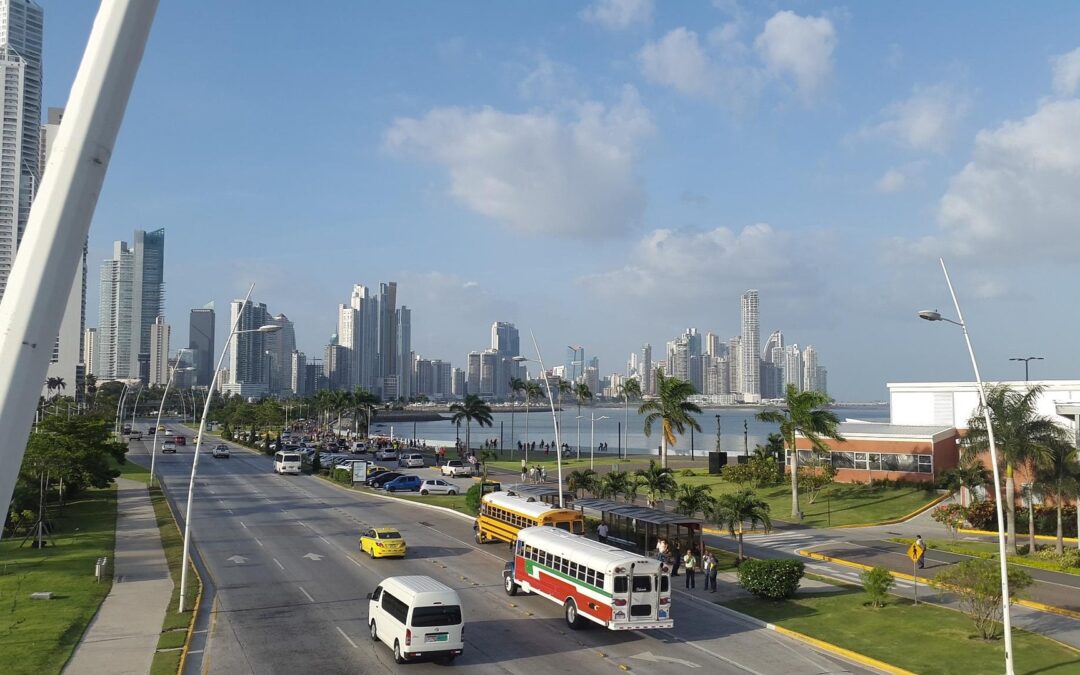
In recent years, there has been a notable trend in Panama, one of the world’s leading countries for global wealth migration. The country has gained increasing popularity among the high-net-worth individual (HNWI) community, as more and more millionaires are migrating to Panama. In fact, Panama has emerged as a leading destination for global capital, not only in the Latin American region but worldwide. The new wave of capital inflow into Panama is driven by the wealthiest individuals from other countries, with the United States of America, Canada, China, and European countries making up the largest share.

This blog post will discuss the top reasons millionaires are migrating to Panama and the benefits of Panama as a global wealth destination. The analysis will be based on data from the latest Millionaire Migration Report from Henley & Partners and New World Wealth.

Record Capital Inflow to Panama

It is no surprise that Panama is one of the world’s leading destinations for global wealth migration. The recent Millionaire Migration Report from Henley & Partners, a global citizenship by investment company, in partnership with New World Wealth, an expert on world wealth data, found that Panama is among the 10 fastest-growing markets for attracting millionaires’ wealth in the world.

According to the report, it is expected that the number of millionaires who relocated to Panama by the end of 2025 will reach around 300. On the other hand, countries like Brazil, Mexico, Colombia, and Argentina are losing the most millionaires, with around 1,200 millionaires leaving Brazil only this year.

What are the Millionaires Moving to Panama?

Millionaires migrating to Panama are mainly from the highest-income countries, including the U.S. and Canada. The largest part of HNWI relocating to Panama each year is over 60%. The other share comes mainly from Asian countries like China and Japan, and from European countries. A relatively small proportion comes from the countries that are now in a state of social and political instability and sometimes economic unpredictability.

The main reason that many of the wealthy from other countries choose Panama is the safety of their assets. The other significant factor is the ability to choose where and when to move, which means that the relocation option is not immediate but instead taken by people who are more likely to plan their finances for the long term.

The other considerations include the fear of fiscal overreach or even expropriation and the need for peace of mind for their wealth and its intergenerational transfer. For the wealthy from other countries,  migrating to Panama is especially attractive due to:

Tax Considerations

The main consideration for millionaires when it comes to their relocation decision is the tax situation in the destination country. In this respect, Panama stands out as it has no inheritance or estate taxes, as opposed to many other jurisdictions around the world.

The lack of these taxes is especially important for older millionaires who want to leave their wealth to their children. In addition to these tax advantages, Panama also has one of the lowest rates of capital gains taxes in the world, which is another factor to consider in terms of optimizing and preserving wealth.

Financial Sector Sophistication

Panama is also a country with a well-developed financial services sector, which includes:

– a well-developed banking system;

– services in trust and estate planning;

– legal services for international clients;

– a mature and stable insurance sector.

For these reasons, the country is an especially attractive destination for the relocation of HNWIs as well as their intergenerational transfer of wealth.

Opportunities for Luxury Living

The other key factor in choosing the best global wealth destination is the lifestyle, especially for those millionaires who are used to first-class living in urban environments. Panama City offers luxurious and modern residences and condominiums, upscale neighborhoods, including Punta Pacifica and Costa del Este, private golf courses, upscale shopping centers, and fine dining options. At the same time, there is a cosmopolitan feel to the city and country in general, as well as beautiful beaches.

The country is also rich in biodiversity, with a tropical climate and eco-tourism options. These aspects of Panama make it a very attractive destination for a variety of millionaires, including those with a lifestyle that has a connection to outdoor living.

Improved Legal and Regulatory Environment

The other notable factor that contributed to the favorable change in Panama’s reputation among global millionaires is the country’s recent efforts to improve its regulatory and legal environment, including, for example, the country being removed from multiple international gray lists related to money laundering and other financial irregularities. The reasons that this change in the perception of Panama can help the country attract and retain global capital include:

– increased confidence of international investors who are more sensitive to these issues, such as legitimacy, long-term stability, and the law;

– efforts by Panama’s government to increase the country’s transparency and improve its institutions, as evidenced by the judicial system’s increased aggressiveness in some high-profile corruption cases.

Another element that can help Panama attract more and retain global capital is the country’s strategic position in the Central American region. The country, and its capital Panama City in particular, offer direct and nonstop flights to most major cities in the U.S. as well as Europe and many other places in Latin America via Tocumen International Airport, often referred to as the “Hub of the Americas.”

The other factor, which, of course, is the Panama Canal, is one of the world’s busiest shipping lanes. The high degree of connectivity and transport infrastructure makes it much easier for the relocated millionaires to manage their other international interests and frequent travel. At the same time, other aspects of Panama’s infrastructure, such as telecommunications, time zone, and the power grid, are also very suitable for highly mobile entrepreneurs and investors, contributing to Panama’s status as one of the leading global wealth destinations for many high-net-worth individuals.

Stability of Panama’s Institutions

It is no secret that many countries in the Latin American region, including some of the wealthiest in the area, like Argentina, Colombia, Brazil, and Mexico, are currently facing challenges in their governance, rule of law, and macroeconomic policy. Panama has found a way to deal with that. While Panama’s government may not be perfect, the government and political system do not have to deal with the significant structural challenges that many other Latin American countries must deal with.

One of the most prominent illustrations of Panama’s institutional strength, at least when compared to its regional peers, is the fact that it does not have a standing army. While this fact often comes as a surprise to many foreigners and visitors to the country, the reality is that this has been one of the most notable factors of Panama’s ability to concentrate on building the capacity and efficiency of its civilian institutions, which now serve the millions of residents of the country, including the newly arrived millionaires and their families.

Panama Attracts $2.4 Billion in Global Wealth

As many high-net-worth individuals from other countries are migrating to Panama, this brings in about $2.4 billion of capital. The reasons that Panama is a global wealth destination include:

– a direct injection of money into the country’s real estate, finance, tourism, and luxury goods markets, which in turn supports local employment and demand for high-end products;

– the capital, tax, and regulatory environment, as well as the ability to facilitate international connections via the Panama Canal and its airports, are often reasons that the wealthiest individuals choose to relocate to Panama.

Panama is the Tenth Growing Destination for Global Millionaire Wealth in the World

There are two countries in Central America that Panama can now be mentioned alongside, including Costa Rica, as leading global wealth havens, which represent an opportunity not only for many local people but also for the region as a whole.

While Costa Rica has a comparative advantage in terms of ecological sustainability and higher quality of life, which works exceptionally well for retirees, Panama is a different type of country. Panama has a strong financial sector infrastructure, a tax environment that is especially beneficial for wealth optimization and its intergenerational transfer, as well as the advantage of great international connectivity. These aspects have already made Panama a global wealth destination for many high-net-worth individuals and is likely only to continue attracting global capital in the years to come.

This is a very strong position for any country to be in, and to have now become one of the world’s leading global wealth havens. Panama City is a magnet for attracting global wealth, and there is every reason to believe that this trend is going to continue in the foreseeable future. This means that the country is likely to remain among the most attractive global wealth havens as more and more HNWIs continue to migrate to Panama for an increased tax optimization potential, as well as for peace of mind for the safety of their wealth and the well-being of their families.

Free Trade Zone Sector in the Dominican Republic Leads National Exports

Free Trade Zone Sector in the Dominican Republic Leads National Exports

Key Takeaways

– Exports from the free trade zone sector in the Dominican Republic hit a record US$4.2799 billion in the first half of 2025 and represent the highest-performing source of foreign exchange.

– In June, shipments abroad from the free trade sector reached $771.96 million, a 2.8% increase over the same month in 2024.

– The top export categories from the DR’s free trade zones are medical/pharmaceutical manufacturing, electronics/electrical equipment, and tobacco and cigar production.

Free Trade Zone Sector in the Dominican Republic Is National Export Leader

The free trade zone sector in the Dominican Republic is one of the country’s most productive, innovative, and globally integrated commercial sectors. During the first six months of 2025, exports under the free zone regime reached a record $4.2799 billion. This is further evidence of its growing importance in the country’s foreign exchange earnings. The free trade sector in the Dominican Republic is also a consistent national export leader. June 2025 exports from free trade zones were $771.96 million, 2.8% above the same month in 2024. The first half of 2025 represents one of the strongest export performances on record.

In recent years, government policies and incentives have also focused on improving the sector’s competitiveness, attracting investment, and diversifying access to international markets.

Dominican Republic’s Free Trade Zone Exports: Composition

The fastest-growing and highest-value export categories from the free trade sector in the Dominican Republic are medical and pharmaceutical products. These items represent a plurality of the total value of DR free zone exports. Other leading export categories from the Dominican Republic’s free trade sector include electrical and electronic equipment, textiles, and agribusiness products.

With a wide range of export products now meeting quality standards and production requirements from the U.S. and EU, DR free trade exports are among the most diversified of any nation in the Caribbean.

Main Countries of Destination for DR Free Trade Exports

In addition to a diversified basket of export products, the free trade zone sector in the Dominican Republic is also regionally and globally integrated. For decades, the United States has been the country’s leading trade partner for Dominican exports and a destination for foreign direct investment. This historical relationship has deepened with trade agreements such as the Dominican Republic-Central America Free Trade Agreement (CAFTA-DR), which eliminated tariffs and simplified customs rules on a variety of goods.

Puerto Rico, the Netherlands, and Haiti are other leading destinations for exports from the free trade sector in the Dominican Republic.

Sector Impact and Government Programs

The Dominican government has invested heavily in creating an enabling environment for export growth in the free trade zone sector. Víctor “Ito” Bisonó, the country’s minister of industry, commerce, and MSMEs, called the DR’s free trade sector a “key generator of foreign exchange and employment.”

He noted that the high volume of exports during the first half of 2025 is “proof of the resilience and productivity of the Dominican manufacturing sector and the success of the public policies implemented to attract investment, enhance competitiveness, and increase access to new markets in the international arena.”

The government’s efforts to attract investment and expand free trade exports are not limited to new economic incentives. In addition to new or updated free trade parks near major ports, airports, and highways, the administration has also emphasized creating a modern infrastructure with the latest in green energy, smart manufacturing, and ESG-compliant operations.

Key Export-Driven Subsectors

Free trade zones in the Dominican Republic are now active in more than 750 companies and across all major export sectors. The most productive subsectors include apparel and textiles, agribusiness and food processing, electrical and electronic components, medical devices and pharmaceuticals, BPO, and information technology services.

Employment and Industrial Zones

Direct employment across the free trade sector in the Dominican Republic is also above 192,000 workers as of the second quarter of 2025. Free trade parks are spread across the entire country and account for over half of the country’s total number of licensed industrial parks.

Industrial and Logistics Hubs

The government’s focus on attracting logistics and manufacturing investment to the Dominican Republic continues with infrastructure upgrades. Industrial parks now in the initial stages of development are near ports, airports, and highways and have high connectivity with companies focused on nearshoring, just-in-time manufacturing, and frequent manufacturing or container shipments.

The Dominican Republic’s seaports, particularly Caucedo and Haina, are among the most modern in the Caribbean. Modernization of Las Américas International Airport and the Northern Corridor are also in progress, providing greater incentives for investors who value streamlined transportation and logistics networks.

Industrial Park Features and Technologies

Industrial park operators have also invested heavily in upgrades to existing sites and the construction of new zones. Sustainable energy sources, smart manufacturing technology, and certified clean-production operations are becoming standard in modern free trade parks to meet global ESG standards.

In addition, new facilities and updated programs in industrial parks are offering more space and resources for R&D, business incubators, vertical farming, and precision agriculture.

Market Challenges and Opportunities

The free trade zone and export sector face several challenges on the national and global stage. International economic contraction, geopolitical risk, and supply chain challenges still have a high degree of uncertainty, and the Dominican Republic’s export-driven sectors must adjust and adapt to the new environment.

Nearshoring to and from the U.S., digital manufacturing, e-commerce fulfillment, and clean tech represent major emerging opportunities for which the Dominican Republic is well-positioned. Geographic proximity to the United States, a modern logistics infrastructure, and a commitment to economic diversification all provide incentives for investors to consider the country as they reassess production and supply chain footprints.

Dominican Republic’s Strategic Vision and Opportunities for Growth

The free trade sector in the Dominican Republic will be one of the cornerstones of the administration’s long-term economic vision. Bisonó has stated that it is part of the country’s industrial, manufacturing, and logistical transformation.

Beyond their current role in generating exports, these industrial parks are expected to become anchors for the country’s efforts to attract high-tech industries and strengthen regional supply chains. Programs like Zona Franca 4.0 are integrating digital technology into free trade operations to ensure competitiveness for the coming phase of global industrialization.

Conclusion: Opportunities in Dominican Republic Free Trade Zone Exports

The performance of the free trade sector in the Dominican Republic during the first half of 2025 and its continued success as the country’s highest-value source of foreign exchange is a reflection of several factors. Improvements in the investment climate, greater international and regional integration of export sectors, and targeted government programs to support this critical sector have contributed to high levels of sustained growth.

Exports from the DR’s free trade zones are also a bellwether for future economic development. The country is on track to strengthen its position as a regional logistics and industrial hub, attract new and existing investors, and drive the next phase of job creation.

Critical Minerals in Peru: An Opportunity for Foreign Direct Investment

Critical Minerals in Peru: An Opportunity for Foreign Direct Investment

Discover how Peru is leveraging its critical minerals to become a frontrunner in the clean energy transition while attracting foreign direct investment.

Peru is a frontrunner in the global race to support the clean and sustainable energy transition.

When the world transitions to clean and sustainable energy, it won’t be able to do so without the help of critical minerals. Peru happens to be rich in them. The country is endowed with strategic inputs for solar panels, batteries for electric vehicles, and wind turbines. This hidden potential of Peruvian raw materials was reported by the Economic Commission for Latin America and the Caribbean (ECLAC) in the recently released 2025 Foreign Direct Investment in Latin America and the Caribbean report, which made this mineral category a potential magnet for FDI in Peru.

Latin America attracts FDI despite a difficult global environment

The ECLAC report 2025 edition of Foreign Direct Investment in Latin America and the Caribbean shows the following trend: the global investment situation was stagnant or declining in 2024 in most regions due to inflation, high interest rates, and geopolitical tensions. By contrast, FDI in Latin America and the Caribbean increased by 7.1% to US$188.962 billion in 2024 from the previous year. In this regional overview, ECLAC pointed out that Peru outperformed with its positive growth: from US$4.339 billion in 2023 to US$6.799 billion in 2024, FDI increased by 57%.

Critical Minerals in Peru are a high priority

The ECLAC study shows that this fresh flow of foreign investment can provide countries in the region with opportunities to transform and place them on a more sustainable and productive growth path. In the case of Peru, the report directly points to critical minerals in Peru. The country has both rich reserves and a stable political and regulatory framework to benefit from rising demand. The fact that Peru has taken a clear position with this resource as the metal and non-metallic mineral most relevant to technological development and production globally is recognized as high priority by the United States.

Peru’s critical minerals are a treasure with global importance

The ECLAC study notes that the country has 10.2% of the world’s proven reserves of copper. In addition, large quantities of lithium, zinc, molybdenum, and graphite are found there, all of which are considered critical minerals (CM) for their essential role in modern technologies and energy systems. In Peru, critical minerals are not only abundant but also geographically well located for easy access to global markets. In addition, as the energy transition takes hold worldwide, demand for many of these minerals is expected to soar. For example, lithium demand is projected to increase as electric vehicles (EVs) flood global markets. Copper demand is needed to supply wire and other components for the green energy boom.

Peru and the United States signed an MoU to work together on Critical Minerals

In May 2024, Peru took an important step in a new era when it signed a memorandum of understanding with the US to strengthen cooperation in the development of critical minerals, previously a US government priority. Under Secretary José Fernández underscored the long-term importance of the agreement, citing a study showing that demand for some strategic minerals will need to grow 100 times by 2050 to meet global climate targets.

Peru’s mining sector continues to attract more foreign investment

The Peruvian Ministry of Energy and Mines (Minem) organizes and promotes the mining sector in Peru. It has a portfolio of 67 major mining projects valued at over US$64.071 billion in the country, with these assets being at different stages of development. These ongoing projects range from those that have completed feasibility studies and have already been approved to those that are currently under construction. Among them are both national and international players. The country also has 84 exploration projects valued at a total of US$1.039 billion that are working to discover new deposits and expand existing reserves.

In the first five months of 2025, Peru recorded mining investment of US$1.845 billion. This represents a growth of 4.7% over the same period in 2024, with investment growth of 39.7% in the category of mining exploration activities and infrastructure investment of 10.6%. The latest investment data for the country’s exploration activities in the mining sector appears to confirm that companies are increasingly interested in critical minerals in Peru to secure long-term supplies.

Peru is creating a pro-investment environment

Peru’s Minem is making a range of policy reforms to provide more predictability and transparency and help the mining sector increase foreign investment. Measures such as streamlined permitting procedures, fiscal incentives, and infrastructure development are all aimed at making the industry a more attractive destination for FDI.

What does ECLAC suggest to take advantage of this opportunity

ECLAC’s recent report doesn’t just point out Peru’s rich endowment of critical minerals and project this bodes well for attracting FDI. The regional agency also provides a series of recommendations to better take advantage of this opportunity. These are:

  • Peru should develop a national strategy that views FDI as a development tool. A long-term vision should be developed with foreign investment serving as one of the engines aligned with the government’s broader national goals, such as job creation, technology transfer, and environmental sustainability.
  • Promote synergies between public and private sectors. Collaboration between government ministries, investors, and local communities is key. It’s not enough to attract investment but to ensure it’s socially and environmentally responsible.
  • Evaluate fiscal and financial incentives. Carefully targeted fiscal and financial incentives, such as tax incentives or reduced royalties, can be a way to attract responsible investors to key areas rich in critical minerals in Peru.
  • Invest in human capital. Peru has a lot of potential to create more value added, so investing in training and skills development, especially technical education and vocational training, can help Peru benefit fully from mining activities.
  • Leverage technology and pro-investment digital tools. Peru can utilize digital tools like blockchain, AI, etc., for supply chain tracking and compliance enforcement in environmental regulations.

IDB: The evidence of the multiplier effect of FDI in the region

The Inter-American Development Bank (IDB) has long studied the multiplier effect of foreign direct investment. Their research shows just how powerful and transformational this new capital can be for recipient economies. For each US dollar invested, as much as US$187 can be generated in additional economic activity across the broader economy. It can also help create one or two more jobs, generate US$2 in incremental exports, and another dollar in domestic investment.

The ECLAC research is the only thing between Peru and this missing US$ and its enormous potential benefits to the country. The think tank’s findings highlight the potential for investments in critical minerals in Peru to catalyze inclusive growth and regional integration. Tax revenues and local jobs come first when mining companies invest and open operations in the country. This includes the supply chains of nearby industries that are also encouraged to do business in the region, from transportation to construction to value-added processing of raw materials.

The energy transition: A geopolitical context for the value of the critical minerals in Peru

The planet’s transition to renewable energy is not only a technological and economic challenge but also a geopolitical one. Countries that sit on large and accessible reserves of critical minerals stand to gain significant influence in this new energy landscape. For Latin America and the Caribbean in general and for Peru in particular, the race to lead the international energy transition is already well underway. To this end, multilateral organizations like ECLAC and IDB can provide technical and financial support. Their research on the value of critical minerals in Peru provides multiple lines of evidence that these institutions will help ensure that this transformation is not only economically profitable but also environmentally sustainable and socially inclusive. In the words of ECLAC, a new model of development emerges: “The relative scarcity of critical minerals and global geopolitical competition present opportunities that, if well harnessed, can transform the economic development of Latin America and the Caribbean.”

Conclusions: Peru’s critical minerals in FDI’s global role

In conclusion, the unique blend of local raw materials, technical know-how, human talent, and fresh FDI flowing into the mining sector. These elements form a strategic mix that can drive long-term sustainable prosperity in Peru, increase regional influence in the global transition. provoke a more active participation in world events and create a green economy for future generations.

Step-by-Step Guide to Establishing a Business in Argentina

Step-by-Step Guide to Establishing a Business in Argentina

Argentina, South America’s second-largest economy, offers a diverse and dynamic market with opportunities across industries such as agriculture, technology, manufacturing, energy, and services. The country’s rich natural resources, educated workforce, and strategic location make it an attractive destination for entrepreneurs and foreign investors. However, navigating the legal, financial, and regulatory landscape requires careful planning. This step-by-step guide provides a comprehensive overview for establishing a business in Argentina, from market research to full operational compliance.

Conduct Market Research and Choose a Business Structure

Before establishing a business in Argentina, it’s essential to analyze the local market. Identify demand for your product or service, research competitors, and assess the economic and regulatory environment of your specific sector. Once the viability of the business has been established, the next step is to choose the appropriate legal structure.

The most common types of business entities in Argentina include:

  • Sociedad de Responsabilidad Limitada (SRL) – Limited Liability Company, suitable for small to medium-sized businesses with fewer shareholders.
  • Sociedad Anónima (SA) – Corporation, typically used for larger businesses or those seeking to raise capital from investors.
  • Sucursal – A branch of a foreign company, subject to specific regulations and reporting requirements.
  • Unipersonal Company (SAU) – Allows a single shareholder to operate a company with limited liability.

Each structure has distinct legal, tax, and administrative implications. Foreign investors generally prefer SRLs or SAs due to their flexibility and credibility.

Name Reservation and Company Formation 

Once you’ve selected the type of company for establishing a business in Argentina, the next step is to reserve the business name. You must submit a name reservation request to the General Inspection of Justice (IGJ), which verifies that the desired company name is not already in use. This step is critical because Argentine authorities strictly enforce naming conventions.

After the name reservation is approved, draft the company’s bylaws (estatutos sociales), which must outline the company’s purpose, shareholder structure, capital contribution, administration, and governance model. These bylaws must be signed by all shareholders and certified by a public notary.

Register with the General Inspection of Justice (IGJ)

The IGJ oversees company incorporation in Buenos Aires and other jurisdictions. Once the bylaws are notarized for establishing a business in Argentina, the documents must be submitted to the IGJ for official registration. These include:

  • Certified copy of the bylaws
  • Identification documents of shareholders and directors
  • Proof of capital contribution (minimum capital for an SA is ARS 100,000)
  • Certificate of name reservation
  • Proof of registered office address

Registration with the IGJ provides legal personality to the business, allowing it to enter into contracts and perform economic activities. Depending on the jurisdiction, the process can take from two to four weeks.

Obtain a Tax Identification Number (CUIT)

After registering the entity for establishing a business in Argentina, you must obtain a tax identification number, known as the Clave Única de Identificación Tributaria (CUIT), from the Federal Administration of Public Revenue (AFIP). The CUIT is necessary for all tax-related transactions, including invoicing, payroll, and filing tax returns.

To obtain a CUIT, you’ll need to provide:

  • Proof of business registration
  • Identification documents of legal representatives
  • A lease agreement or proof of address for the business premises

AFIP also requires businesses to designate a fiscal representative and register a digital tax mailbox, which is used for receiving official communications.

Register for Taxes and Social Security

Once you have a CUIT, you must enroll in relevant tax regimes based on your business activity. This may include:

  • Value Added Tax (IVA) – Applied to the sale of goods and services, currently at a general rate of 21%.
  • Income Tax – Corporate tax rate is generally 35% on net income.
  • Gross Turnover Tax (IIBB) – Levied by provincial governments, the rate depends on the industry and location.
  • Social Security Contributions – Employers must register with the Argentine social security system and make contributions for employees, including retirement, health insurance, and work risk coverage.

Tax compliance in Argentina is complex, and many businesses retain local accountants or tax advisors to ensure full compliance with national and provincial regulations.

Open a Corporate Bank Account

To manage your company’s financial operations, you’ll need to open a corporate bank account to establish a business in Argentina. Local banks require the following documents:

  • Company’s CUIT
  • Proof of company registration with the IGJ
  • Bylaws and identification of authorized signatories
  • Proof of business address

Some banks may require an in-person meeting with company representatives, and due diligence checks are standard, especially for foreign shareholders. Argentina’s central bank enforces currency controls, so foreign exchange and capital repatriation should be considered carefully when choosing a banking partner.

Register with the Employer Registry and Labor Authorities

If your business will employ workers, you must register with the Registro de Empleadores (Employer Registry) and comply with labor regulations. This includes:

  • Obtaining a Libro de Sueldos (Payroll Ledger)
  • Registering employees with AFIP and the Social Security Administration (ANSES)
  • Signing up for workers’ compensation insurance (ART)
  • Ensuring contracts and benefits comply with Argentine labor law

Argentine labor laws are employee-friendly and include strict guidelines for hiring, termination, minimum wages, working hours, paid leave, and collective bargaining agreements. Legal counsel is recommended to avoid non-compliance.

Obtain Sector-Specific Licenses or Permits

Specific industries in Argentina require special permits or authorizations. For example:

  • Food businesses must comply with SENASA (National Food Safety Authority) requirements.
  • Construction and real estate businesses require municipal licenses.
  • Import/export companies must register with the National Registry of Importers and Exporters and may need customs licenses.
  • Permitting requirements vary by province and municipality, so it’s important to consult with local authorities or legal advisors familiar with regional regulations.

Implement Accounting and Record-Keeping Standards

  • There are specific accounting standards and reporting obligations related to establishing a business in Argentina. Businesses must maintain proper records, including:
  • Invoicing books (electronic or manual, depending on company size)
  • Inventory records
  • Tax filings and payments
  • Annual financial statements certified by a public accountant

Larger companies must present financial statements to the IGJ annually. Many firms adopt accounting software compatible with AFIP systems to streamline tax reporting. Hiring a certified accountant (Contador Público) is often essential for compliance.

Consider Investment Incentives and Trade Opportunities

Argentina offers a range of investment incentives, particularly in sectors such as renewable energy, technology, agribusiness, and manufacturing. Examples include:

  • Tax benefits for knowledge economy companies under the Ley de Economía del Conocimiento, which includes software development, R&D, and digital services.
  • Special customs regimes such as temporary import regimes for industrial inputs and capital goods.
  • Provincial incentives, which may include reduced gross income tax rates, real estate tax exemptions, or financing opportunities for businesses in less-developed areas.

Foreign investors should also explore Argentina’s bilateral investment treaties and membership in the Mercosur trade bloc, which offers preferential access to markets in Brazil, Paraguay, and Uruguay.

Comply with Foreign Exchange and Capital Controls

Argentina maintains strict foreign exchange regulations to control capital flight and manage currency stability. Businesses operating in Argentina must:

  • Use the official exchange market for most international transactions.
  • Request authorization from the Central Bank for profit repatriation or dividend payments.
  • Report foreign investments and cross-border transfers as required by local financial regulations.

These controls can impact international operations, so careful financial planning is advised for foreign-owned businesses. Legal and financial advisors with expertise in cross-border finance are helpful in navigating this environment.

Maintain Ongoing Compliance

Establishing a business in Argentina is not a one-time effort. Ongoing compliance includes:

  • Monthly tax filings (IVA, income tax advances, IIBB)
  • Payroll and labor law reporting
  • Annual submission of financial statements
  • Renewal of sector-specific licenses
  • Updating corporate information with the IGJ as needed

Staying compliant with evolving regulations is crucial for long-term success. Partnering with local professionals for legal, accounting, and human resource management ensures that your business remains in good standing with Argentine authorities.

Conclusion

Establishing a business in Argentina requires a comprehensive understanding of its regulatory environment, legal structures, and fiscal obligations. While the process involves several bureaucratic steps, the opportunities in this growing and diverse economy are significant. With proper planning, local support, and a strategic approach, businesses can thrive in Argentina’s dynamic market. Whether entering the agricultural export sector, launching a tech startup, or opening a manufacturing facility, Argentina offers the resources, talent, and regional access to support sustainable growth.

Chile Ranks as the 4th Latin American Country with the Most FDI in 2024

Chile Ranks as the 4th Latin American Country with the Most FDI in 2024

Foreign direct investment (FDI) continues to play a crucial role in shaping the economic landscape of Latin America and the Caribbean. In 2024, the region welcomed US$188.962 billion in FDI inflows, a promising 7.1% increase from the previous year, according to the Foreign Direct Investment in Latin America and the Caribbean 2025 report by the Economic Commission for Latin America and the Caribbean (ECLAC). This surge, however, is accompanied by significant shifts in investment patterns, offering both challenges and opportunities for the region.

Latin America and the Caribbean FDI Inflows

First, despite the encouraging uptick in overall FDI, the proportion of FDI inflows in 2024 to gross fixed capital formation and GDP dropped to 13.7% and 2.8%, respectively, lagging behind the 2010s averages of 16.8% and 3.3%. This suggests that, while the region is attracting investment, it could benefit from even stronger momentum.

Second, Chile emerged as a bright spot in the Latin American and Caribbean economic horizon, ranking as the fourth Latin American country with the most FDI in 2024. Despite facing a year-over-year decline, the Chilean economy’s resilience, political stability, and transparent regulatory framework continue to make it an attractive destination for investors.

FDI in Chile 2024

Chile’s FDI inflows in 2024 amount to US$12.521 billion, down from US$18.377 billion in 2023. However, as a destination for international investment, Chile remains in high demand.

According to ECLAC, a large share of the regional FDI growth came from reinvested earnings of transnational corporations already operating in the region. In other words, Latin America and the Caribbean can count on existing investors to a certain degree. However, there is a decline in the share of new entrants.

Regional growth is also driven by investment project announcements, which grew considerably in 2024. The largest increase was recorded in the hydrocarbons sector, while both the renewable energy and the high-tech sectors declined. These trends are remarkable, given that the two former are vital for Latin America to achieve the transition to green energy and sustainable growth.

Brazil and Mexico Take the Lead

The FDI growth in 2024 was led by Brazil and Mexico, which together accounted for 62% of all FDI that came to the region. Brazil is the biggest Latin American country with the most FDI by absolute numbers: 38% or US$71.070 billion of the entire FDI flows that arrived in Latin America and the Caribbean in 2024.

Mexico also strengthened its position by attracting 24% of all FDI inflows or US$45.337 billion, far outperforming the runner-up Colombia. While this change at the regional leaderboard is modest, Brazil and Mexico’s combined FDI expansion from US$86.927 billion to US$116.407 billion explains the significant increase in the regional average.

Colombia’s FDI is only marginally lower than the previous year’s, but FDI to Argentina decreased from US$24.757 billion in 2023 to US$11.644 billion in 2024, with a relatively steep drop of 53%. This shows once again the importance of a sound and predictable economic policy.

Sectoral Analysis: Manufacturing Overtakes Services

Sectorally, FDI inflows were allocated as follows: manufacturing 43.6%, services 40.3%, and natural resources 16%. This is significant, as it signals a decrease in investments in the services sector, which had been the largest recipient previously.

In this sense, the pandemic recession of 2020 is over. After attracting investment to recover from a sudden stop, the service sector is now losing ground to manufacturing. However, this trend could signal the region’s recovery in the global manufacturing value chain.

Structurally, cross-border mergers and acquisitions are less frequent in the region than greenfield investments, but they tend to account for a larger share of the total FDI. In 2023, 59% of all FDI that went into Latin America and the Caribbean was in the form of greenfield investments, 28% were cross-border mergers and acquisitions, while 13% were investments in associated enterprises.

Outward Investment Surge Led by Translatinas

FDI outflows from Latin America and the Caribbean increased by an impressive 47% to US$53.033 billion in 2023. Brazil was the main source of FDI outflows (46%), although the country’s own FDI outflows declined by 3%. This suggests that other Latin American economies, as well as translatinas, are entering the ranks of multinational corporations at a growing rate.

In 2024, FDI outflows from Latin America and the Caribbean continued to grow by 17%, reaching a historical high of US$62.304 billion. Brazil once again provided the lion’s share, although the total value of FDI outflows originating from the South American country fell by 24% from the previous year. On the whole, this increase in the aggregate FDI outflows by Latin American and Caribbean economies confirms a trend towards the maturation of the region’s business.

Who Invested in Latin America in 2024

The United States continued to be the main source of FDI for Latin America and the Caribbean, accounting for 38% of the total in 2024. This figure, as well as the overall share of FDI originating from North America (49%), increased by 4 percentage points compared to the previous year.

On the contrary, the European Union (EU), excluding Luxembourg and the Netherlands, reduced its share of FDI into the region to 15% in 2024, the lowest since 2012. This drop is likely associated with the subdued economic performance and uncertainty in the EU economy, which forced European firms to look for other investment opportunities elsewhere.

Latin America and the Caribbean became the third-largest source of FDI for the region. Intra-regional investments accounted for 12% of all FDI inflows into Latin America and the Caribbean in 2024, an increase of 8 percentage points compared to the previous year.

Chinese investment continued to remain insignificant: 2% of the total FDI inflows into Latin America and the Caribbean. However, the ECLAC study states that “this data underestimates the overall share of Chinese FDI, which may be considerably higher when taking into account flows passing through intermediate countries or those recorded in non-traditional channels, such as acquisitions of assets, concessions, or infrastructure contracts”.

Mining: Targeting the Minerals of the Energy Transition

In the mining chapter, the report authors focus on the extractive industry’s role in the energy transition, highlighting the main ingredients, which include lithium and copper, both of which Latin America is extremely rich in.

Additionally, Chile, as the 4th Latin American country with the most FDI in 2024, is the largest lithium producer in the world. The authors of the study write that Latin American countries, by embracing and facilitating this transition, can set the stage for a wave of sustainable and productive investment, creating thousands of new jobs and improving living standards for millions.

FDI in Latin America and the Caribbean in 2024: Continuity and Change

The 2024 FDI trends in Latin America and the Caribbean show both continuity and change. Brazil and Mexico continue to be the region’s leaders in attracting FDI, and Chile remains the 4th Latin American country to receive the most FDI from abroad. This is largely due to long-term and geographically diverse investment in sectors related to the energy transition, particularly lithium and copper mining. The region is also diversifying its sources of FDI, and further integrating into global value chains in manufacturing, via greenfield investments and in outward flows through the rise of translatinas. The region’s economic modernization is picking up momentum. With a conducive mix of stability, innovation, and sustainability, Latin America can further enhance its global economic position in the coming years.

Contact Center and BPO Investment in Guatemala Gains Momentum

Contact Center and BPO Investment in Guatemala Gains Momentum

Guatemala Becoming an Outsourcing Destination of Choice

Guatemala is the subject of attention of the outsourcing sector’s international players after it emerged that the companies are evaluating the option of Contact Center and BPO investment in Guatemala. This information was provided by the Guatemalan Association of Exporters (Agexport), whose sources cited in the news have revealed that two firms, IGT Solutions and TSI, are eyeing a capital commitment of US$5 million to US$10 million to set up or expand operations in the Central American nation.

IGT and TSI Contact Center and BPO Investment in Guatemala

Contact center and BPO treasurer Rodrigo de León detailed that, in his organization’s view, businesses in this segment deploy a multimillion-dollar investment when trying to break into the region or expand their footprint. With both companies in the running, Guatemala has solidified its presence in the global contact center and BPO market.

Contact Center and BPO Investment in Guatemala City is on the Agenda

Karla Bolaños, Director of the Office for Productive Investment Support and Competitiveness of the Municipality of Guatemala, shared that the City has 12 firms in the pipeline. “There are also three companies in the Contact Center and BPO area, two of them from the United States and one from India,” she said, confirming that Guatemala is set to host players from a wide range of countries.

The potential contact center and BPO investment in Guatemala is likely to benefit from the activity registered in other segments and will complement the gains that other sectors have been recording in the local market. The Central American country is picking up steam in its mission to host high-added-value services. This is the result of joint actions between public and private agencies, FDI entering the country, and local promotion efforts.

IGT Contact Center and BPO Investment in Guatemala Revenue Data

Guatemala’s contact center and BPO investment is yielding tangible results, as this segment of services was the source of US$737 million in foreign currency earnings in 2024. To date, between January and the end of May 2025, it has already secured US$295 million, according to De León. The growth in investment in the contact center and BPO industry, which currently stands at 3% year-on-year, does not match global expansion, which De León points out has the potential to grow by between 8% and 10%.

On the other hand, when asked about Guatemala’s rate of growth in the future, the official projected that it will match global and regional trends. “Projections for Guatemala in the medium and long term are not different from what is projected for the rest of the world. In Latin America, there is a very high demand for nearshoring and outsourcing,” said De León.

IGT Contact Center and BPO Investment in Guatemala

About IGT

IGT  Solutions is a company dedicated to global customer experience management and delivery, using a combination of support channels: chat, phone, and e-mail, as stated on the company’s official website. The services offered by the business include digital customer experience transformation and data analytics, among others.

As IGT Solutions is considering a Contact Center and BPO investment in Guatemala, the firm seeks to expand its offer of cost-effective, multilingual, and scalable services for its clients.

TSI Contact Center and BPO Investment in Guatemala Overview

TSI is a firm focused on nearstaffing, which means that it works with regional outsourcing talent located near the client, that is, Central America. The company has operations in Nicaragua, Costa Rica, and Panama, and it has set its sights on Guatemala as the logical extension to develop more services and means of delivery in the region. TSI’s approach allows clients to not only cut their overheads but also to enjoy proximity to the time zone and a cultural affinity with local agents in a 24/7 economy.

TSI contact center and BPO Investment in Guatemala also benefit from the fact that it is part of a trend that is growing every year, according to the analysis of the sector’s requirements.

Reasons for Contact Center and BPO Investment in Guatemala

Contact center and BPO investment in Guatemala is fueled by the global nearshoring demand. Nearshoring, as de León detailed, is about companies, mainly from North America, outsourcing their services to nearby nations in a way that is akin to hiring staff, but from a less costly location that is also close in terms of culture and, most importantly, time zones.

De León also said that there was a special interest in Guatemala as a destination for contact center and BPO investment from the United States, Canada, and Spain. He explained that, alongside the rush of external players to enter or expand in Guatemala, there were also local efforts to boost the sector, including the creation of investment groups to develop infrastructure and capabilities.

Contact Center and BPO Investment in Guatemala City: Zones of Special Interest

The primary benefit for BPO and contact centers when choosing where to invest is provided by urban planning and logistics infrastructure. Karla Bolaños has identified five zones as ideal for development: 13, 10, 9, 4, and 12 of Guatemala City. These areas are ideal because they provide:

  • Proximity to public transport, for the ease of mobility of workers.
  • Commercial and service availability
  • Advanced connectivity
  • A pool of skilled workers

Contact Center and BPO Investment in Guatemala: Key Areas

Guatemala is developing the following areas of specialization, as the country matures:

  • Multichannel support.

De León emphasized that the country is specializing in the multichannel customer experience, particularly in the English-to-Spanish segment. It is not just about voice services but also about offering support through chat, social media platforms, or SMS. This specialization in English is very relevant for serving North American markets and more global audiences.

  • Banking and BPO industry’s back-office services.

The segment has also specialized in providing financial services and BPO industry’s back-office operations, such as:

  • Market comparison research
  • Procurement services
  • Logistics and supply management
  • Banking data processing, data administration, and the use of RPA

Contact Center and BPO Investment in Guatemala: Tech Edge

As previously said, Guatemala is also trending in technology-driven services, including automating business operations and the integration of artificial intelligence (AI) to provide even more value-added solutions. “Business processes are being automated and will be automated with more and more voice analytics and artificial intelligence tools to become more agile and to have better quality, lower costs, and greater satisfaction with clients,” said De León. Bolaños also pointed to a growing specialization in areas such as software development, IT services, digital training, and data analytics.

Contact Center and BPO Investment in Guatemala: Sectors Leading Demand

According to De León, when the BPO industry is reviewing possible Contact Center and BPO investment in Guatemala, these are the segments that are more actively seeking to outsource their services and specialize their operations with an external workforce.

  • Retail, in other words, there is a strong interest in outsourcing from multinational brands.
  • Fintech, since the industry is booming, needs this kind of support.
  • Hospitality and health care are sectors that are in expansion and are looking for ways to operate more efficiently.

Contact Center and BPO Investment in Guatemala: Challenges

As it is with all FDI, contact center and BPO investment in Guatemala is not without its share of potential problem areas. The main difficulties for the market’s expansion are:

  • English proficiency gap. In this respect, De León pointed to the lack of English-speaking workers as the main issue. As he said, Guatemala has lost some business to Mexico and Colombia, where it has been much easier to source bilingual staff for voice support. This remains one of the absolute conditions for BPO work, as it is the primary requirement for outsourcing contact center services.
  • Workers’ skills mismatch. Although it was earlier noted that there is a sufficient pool of workers, for the skills and talent to be of high quality, they need to be complemented by solid digital and technological skills. For Bolaños, the ideal employee profile to be able to carry out the kind of work required is:
  1. Age from 18 to 30
  2. Intermediate and advanced levels of English
  3. Advanced digital skills
  4. Orientation in customer service
  5. Soft skills, such as communication, adaptability, and others

Workforce development is a task on the agenda, so that Guatemala can keep pace with the development of world markets and attract more advanced services.

Contact Center and BPO Investment in Guatemala:  The Municipality’s Involvement

The Municipality of Guatemala is also gearing up to promote the city as a destination for BPO and contact center services. Karla Bolaños presented a short guide for how the capital of Guatemala is approaching this task:

  • Actively promoting Guatemala in international trade shows, investment forums, and other FDI-related events
  • Sending delegations and participating in investment missions, trade fairs
  • Working with Guatemala’s embassies, binational chambers, and multilateral organizations

These measures indicate that Guatemala City is primed to complement the national strategy focused on nearshoring that was earlier presented by Agexport and Rodrigo de León, related to Contact Center and BPO investment in Guatemala.

Conclusion: Prospects for Contact Center and BPO Investment in Guatemala

Considering the industry giants already eyeing the country, Contact Center and BPO investment in Guatemala is poised to attract even more players that have been seeking the right Central American country to enter. With a solid foundation in place and a specialization that is becoming more evident, Guatemala has begun to show its potential strengths in the field and is likely to bring in a growing share of FDI that will enable it to advance faster than the industry’s average growth.