
+1 (520) 780-6269 investment@latamfdi.com
Paraguay and El Salvador Crypto Alliance for Latin America

Paraguay and El Salvador Crypto Alliance for Latin America

Paraguay and El Salvador unite to regulate crypto, aiming for security and regional cooperation

Paraguay and El Salvador sealed a crucial pact in a groundbreaking move to regulate digital assets in Latin America. Paraguay’s SEPRELAD and El Salvador’s CNAD are joining forces to strengthen oversight of cryptocurrency providers and other digital assets.

The goal is clear: to combat money laundering and the financing of terrorism, scourges that threaten global financial stability. This agreement is not just an exchange of paperwork; it is a firm commitment to transparency and security. Joint supervision, information sharing, and the use of blockchain technology are the tools both countries will employ to detect illicit operations and unlicensed entities.

The Paraguay and El Salvador crypto alliance is positioned to address these challenges head-on, setting a precedent for other countries in the region. El Salvador, a pioneer in Bitcoin adoption, brings its experience, while Paraguay strengthens its regulatory framework. This collaboration is a step forward in building a safer and more trustworthy crypto ecosystem in the region. The need for international cooperation is evident, and this agreement is an example of how countries can work together to tackle the challenges of the digital era.

Paraguay and El Salvador

While seemingly surprising at first glance, the alliance between El Salvador and Paraguay reveals a convergence of interests in digital assets. Both countries, with distinct economic and political realities, share concerns about the integrity of the financial system and the need to adapt to the digital age.

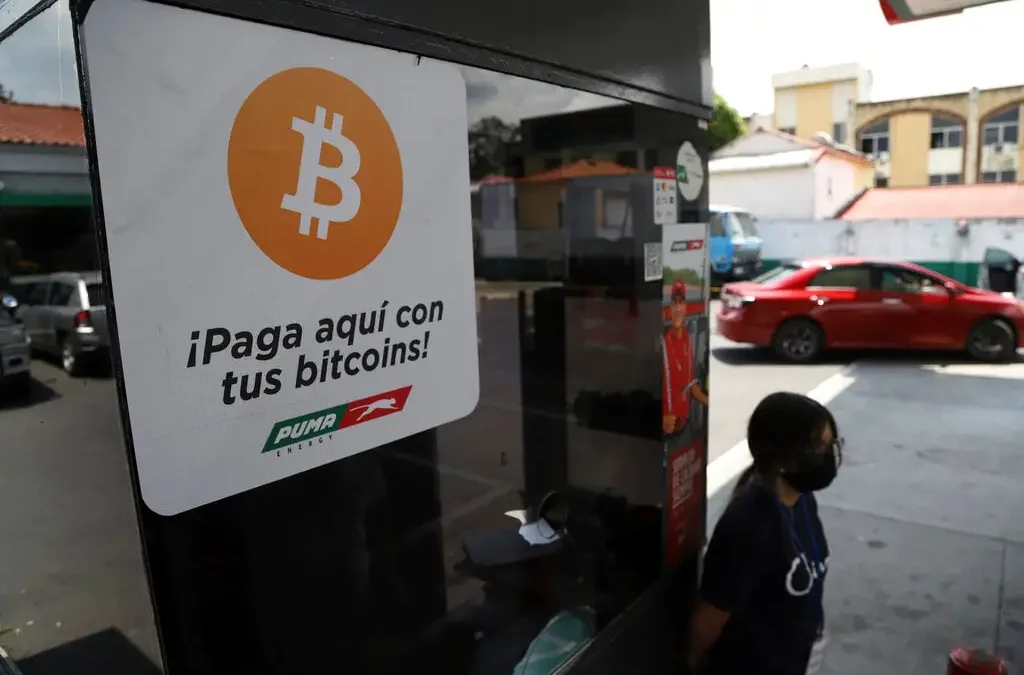
El Salvador, with its bold bet on Bitcoin as legal tender, has become a crypto laboratory on a national scale. Its experience in adopting and regulating digital assets is invaluable for Paraguay, which seeks to strengthen its regulatory framework. On the other hand, Paraguay has a more diversified economy and a more cautious approach, offering a pragmatic perspective and a genuine interest in preventing financial crimes.

Paradoxically, this collaboration is intriguing because of their different approaches to digital assets. With its pioneering spirit, El Salvador pushes the limits of innovation, while Paraguay, with its more conservative stance, seeks to ensure stability and security. This combination of boldness and prudence is essential for building a solid and sustainable crypto ecosystem in the region.

But beyond their differences, both countries share significant similarities. Both emerging economies seek to attract foreign investment and modernize their financial systems. Both recognize the potential of digital assets to drive economic growth and financial inclusion. And both are committed to fighting organized crime and protecting their citizens.

This agreement exemplifies how international cooperation can overcome differences and leverage each country’s strengths. They build a bridge to a more secure and transparent financial future.

The complexity of this agreement lies in the need to balance innovation with regulation. Adopting digital assets presents unique challenges, and cooperation between countries is essential to address them effectively. This agreement is an important step in that direction, but it is only the beginning. The path toward a globally regulated and secure crypto ecosystem is still long and full of obstacles.

However, the willingness of both countries to work together is an encouraging sign. It demonstrates that international cooperation is possible even in an increasingly polarized world. When countries unite to face common challenges, extraordinary results can be achieved.

A Small Step

While significant, the Paraguay and El Salvador crypto alliance is the first step in building a secure and regulated crypto ecosystem in Latin America. The region, with its diversity of economies and legal frameworks, needs a broader network of cooperation agreements to face the challenges of the digital era.

The transnational nature of digital assets demands a coordinated response at the regional level. Financial crimes, such as money laundering and terrorism financing, do not recognize borders, and only close collaboration between countries can ensure their detection and prevention.

It would be ideal for countries like Mexico, Colombia, and Brazil to join this initiative. With their more developed financial markets and growing adoption of cryptocurrency, these economies have a crucial role in regulating the sector.

With its pioneering Fintech Law in the region, Mexico could contribute its experience by creating innovative regulatory frameworks. With its focus on financial inclusion and the promotion of blockchain technology, Colombia could bring its strategic vision. Brazil, with its vast market and growing interest in digital assets, could lead the adoption of standards and best practices.

Incorporating these countries would strengthen regional cooperation and send a clear message to the world: Latin America is committed to building a secure, transparent, and responsible crypto ecosystem.

Creating a network of regional cooperation agreements would enable information exchange and best practices, harmonization of regulations, and implementation of joint technological tools. This would facilitate the detection of illicit operations, the prevention of financial crimes, and the protection of investors.

Furthermore, increased regional cooperation would promote innovation and the development of the crypto sector. By creating a transparent and predictable regulatory environment, countries would attract foreign investment and foster the creation of new businesses and projects.

Conclusion

This agreement between El Salvador and Paraguay is a beacon of hope in a sea of uncertainty. It reminds us that cooperation, even between disparate nations, can forge a path toward a safer and more promising financial future. The key lies in the willingness to learn, adapt, build together, and overcome separating barriers.

The Paraguay and El Salvador crypto alliance represents the beginning of a transformative journey that could reshape how digital assets are regulated across the region, setting a new standard for cooperation and transparency in the financial world.

Foreign Direct Investment: Addressing Underemployment and Promoting Global Mobility in Latin America

Foreign Direct Investment: Addressing Underemployment and Promoting Global Mobility in Latin America

Latin America holds significant economic opportunities but faces major challenges

Latin America hosts several of the most promising economic regions globally through Costa Rica’s sustainable technological advancements and Chile’s expanding banking industry. The region’s economic vibrancy faces a significant obstacle to sustainable growth due to the common occurrence of informal labor and underemployment. Businesses entering Latin American markets face challenges in understanding local employment regulations and managing talent shortages. The Inter-American Development Bank reports that although about 70% of Latin America’s working-age population maintains employment, the quality of their jobs presents an urgent concern. Numerous workers find themselves stuck in informal job roles because they do not receive adequate wages, benefits, and job security needed to escape poverty.

Foreign Direct Investment acts as a driving force for both job creation and economic expansion.

Foreign direct investment (FDI) is essential to tackle employment challenges and enables companies to strengthen their international operations. Total FDI inflows to the region decreased by 9% compared to the previous year, but several countries exhibited positive investment activity. During the first nine months of 2024, Mexico recorded $35.7 billion in FDI, marking an 8.5% increase from the same period in 2023. According to Latinometrics, several Latin American nations experienced remarkable FDI growth in the past year: Foreign investment grew by 57% in Argentina, Costa Rica saw a 28% increase, and Chile experienced 19% investment growth.

Experts forecast that Latin America’s abundant natural resources, competitive labor costs, and skilled workforce will enable FDI to sustain regional growth while improving mobility in Latin America. Given the expansion of businesses, enhancing mobility in Latin America is crucial so workers can access cross-border employment opportunities.

According to Jaime Bustamante, Regional Director of Business Development for Mauve Group in Latin America, FDI generates employment opportunities and industry growth while training local workers for essential positions. Current findings show that Latin Americans depend more on smartphones to conduct financial transactions and find work opportunities. The situation indicates that Latin America needs investments to create jobs in technology sectors while providing relevant training to improve mobility in Latin America.

Bridging the Skills Gap Through FDI

FDI stands out because it supports workforce training initiatives that help close the skills gap through professional development. Through their investments in the manufacturing, technology, and services sectors, multinational companies provide financial capital and share essential technical expertise with local workers in Latin America. The training process offers workers the necessary skills to reduce underemployment by improving their competitiveness in global and local markets. Investments in strengthening mobility in Latin America allow employees to access improved regional job opportunities.

Structured workforce training investments allow companies to prepare local employees to meet industry standards adequately. Businesses and workers gain from improved productivity and sustained economic stability.

Navigating Labor Regulations in Latin America

Foreign companies entering the Latin American market encounter significant challenges in understanding labor regulations despite the advantages of FDI. Due to their particularly complex labor laws, businesses from abroad find operating in Mexico and Brazil challenging. Bustamante points out that the tax season in Mexico starts on March 31 for corporate entities, creating more operational complexity for businesses there. Brazil’s tax season opens on March 17 and demands detailed payroll oversight and rigorous compliance with employment contracts.

Non-compliance with these regulations exposes businesses to legal penalties, financial losses, and reputational harm. Multinational businesses engage with Employer of Record (EOR) services to maintain compliance and facilitate mobility in Latin America.

Employer of Record Services Provide Essential Support for Businesses to Manage Compliance Requirements

Foreign businesses can manage hiring procedures and payroll operations through Employer of Record (EOR) services while ensuring compliance with contracts and legal requirements. An Employer of Record (EOR) is a local legal entity that handles employment-related tasks for foreign companies while ensuring adherence to national labor regulations.

Businesses can drive expansion and growth when they partner with organizations that manage administrative and regulatory tasks for them. Using an EOR’s professional knowledge, companies can efficiently set up operations while hiring the best talent without issues and minimizing legal risks, leading to better operational mobility in Latin America.

Overcoming Global Mobility Barriers in Latin America

Companies investing in Latin America face labor difficulties and unique challenges related to global mobility. The Mauve Group’s 2024 research found that 90.8% of foreign professionals moving to Brazil, Mexico, and Colombia did not understand local regulations before relocating. Upon arrival, 69.3% of expatriates felt “completely unprepared” to manage bureaucratic obstacles. The figures demonstrate that expert assistance is essential for successful business expansion and employee movement throughout Latin America.

Foreign businesses and expatriates face potential delays and operational setbacks when they lack sufficient preparation. Companies can overcome these difficulties by establishing pre-departure training programs, legal advisory services, and relocation support systems to ensure foreign employees experience a seamless transition.

Case Study: Brazil-China FDI Partnership

The active bilateral investment relationship between Brazil and China is a recent example demonstrating how FDI boosts economic growth alongside global mobility. Although located far apart with different cultural backgrounds, enterprises from each nation have established profitable economic partnerships.

According to Bustamante, Brazilian agricultural firms have achieved market penetration within China through FDI utilization, driving trade growth and innovation. Chinese manufacturers have taken advantage of Brazil’s sizable workforce and consumer population to produce mutually beneficial outcomes for both countries.

Firms must not hesitate to expand internationally because regulatory or cultural differences should not dissuade them. The right strategic direction enables businesses to surpass challenges and seize international growth possibilities while advancing business movement in Latin America.

Conclusion: The Impact of FDI on Employment Trends in Latin America

Foreign direct investment is a strong mechanism to diminish underemployment levels while increasing economic growth rates and global mobility throughout Latin America. Through job creation, industry innovation, and skills training, FDI enables local economies to join the international market. Foreign firms must actively manage regulatory hurdles and workforce mobility barriers to fully exploit these advantages.

Multinational companies can successfully expand into Latin America through partnerships with Employer of Record services and strategic investment opportunities while maintaining compliance and operational efficiency. Foreign investors need a supportive business environment in the region to maintain economic growth, workforce stability, and improved mobility in Latin America.

The Most Appealing Investment Destinations in Latin America

The Most Appealing Investment Destinations in Latin America

The Global Opportunity Index 2025 places Mexico behind Chile, Uruguay, and Costa Rica regarding foreign direct investment attractiveness. Mexico maintains regional significance, and its ranking exposes its advantages and challenges within the global investment environment.

The Global Opportunity Index 2025 from the Milken Institute identifies Mexico as the fourth most appealing economy for foreign investors in Latin America. The nation’s extensive trade agreements give it prominence for trade openness, yet investor confidence suffers from persistent security and governance concerns. Despite facing several challenges, Mexico is one of Latin America’s top investment destinations for businesses to access North American markets.

Strengths Driving Mexico’s Investment Appeal

The report shows that 48.9% of foreign direct investment (FDI) for emerging and developing economies flowed to Latin America and the Caribbean in 2023. Mexico stands out as one of the top beneficiaries of this trend because of its strategic location and commercial ties with the United States and Canada under the USMCA. The research shows how Mexico draws investments in essential sectors, including automotive manufacturing and semiconductor production. Mexico has reinforced its role as a nearshoring destination by attracting companies that want to move production operations nearer North American markets.

Mexico’s business environment is supported by a vast network of free trade agreements that enable investors to enter multiple international markets. Mexico maintains over 14 trade agreements with over 50 countries, including crucial markets like the European Union, Japan, and Latin American regions. Mexico’s extensive trade network bridges businesses that want to expand globally while maintaining cost-effective operational standards. The trade agreements establish Mexico as one of Latin America’s top investment destinations in Latin America for companies seeking a platform that supports diversified exporting opportunities.

The skilled labor force in Mexico is another vital element that enhances its appeal to businesses. The Milken Institute report reveals Mexico’s growing number of STEM graduates and its leading position in technical education compared to some Asian economies. The increase in educated professionals has strengthened aerospace, IT services, and high-value manufacturing sectors, boosting investor trust.

Challenges Impacting Investment

Despite its many advantages, Mexico’s investment appeal encounters obstacles. Investors consider security a significant concern because organized crime and infrastructure risks impact supply chain operations in certain regions. Due to bureaucratic inefficiencies and unpredictable regulatory conditions, foreign businesses have become more cautious about expanding in Mexico.

Mexico remains lower on the index because of institutional weaknesses and rule-of-law concerns. Although Mexico has substantially improved its regulatory systems, contract enforcement problems, legal transparency deficiencies, and corruption continue to hinder long-term investment projects.

Political instability remains a significant influence on investor sentiment. Government interventions and policy changes in critical industries, including energy, generate doubts about regulatory consistency. Market stability and investor confidence suffered due to policy reversals faced by foreign firms operating within the renewable energy and hydrocarbon sectors. Mexico’s fundamental economic strength is its status as a top investment destination in Latin America, specifically for industrial and export-oriented businesses.

Mexico’s Global Ranking and Regional Position

According to the Global Opportunity Index 2025, Mexico ranks 62nd among 116 evaluated countries worldwide. The index evaluates the performance of economies across five major areas: It evaluates economies based on business perception and economic fundamentals while also considering financial services institutional frameworks and international norms and policies.

Mexico maintains consistent performance across multiple sectors, placing it between 61st and 65th in rankings and indicating a trustworthy and balanced business climate compared to neighboring economies. The current ranking shows that additional reforms are essential to build investor trust and maintain long-term financial stability.

Latin America’s Top Investment Destinations

The Global Opportunity Index 2025 lists Chile as the top destination for foreign investment capital in Latin America, followed by Uruguay and Costa Rica. The other top investment destinations in Latin America are:

  • Mexico
  • Peru
  • Brazil
  • Colombia
  • Panama
  • Dominican Republic

Political stability, strong institutional frameworks, and lower perceived risk make Chile, Uruguay, and Costa Rica rank above Mexico as desirable investment destinations in Latin America. These nations maintain high FDI inflows because of their welcoming investment policies, effective governmental operations, and supportive business regulations.

Expert Insights on Mexico’s Investment Landscape

Maggie Switek from Milken Institute states that Mexico’s numerous trade agreements, such as the USMCA, and accords with Europe and Asian nations like Japan make it an attractive destination for international capital. According to her analysis, Mexico’s most potent competitive edge is its labor force.

According to Switek, the country has significantly increased its number of STEM field graduates in recent years to above that of some Asian nations. The focus on education and workforce development has established Mexico as an essential participant in sectors that demand high-skilled workers, such as artificial intelligence, data analytics, and biotechnology.

Future Outlook for Investment in Mexico

A sustained focus on structural issues will enable Mexico to establish itself as a prime investment location in the future. The sustainability of foreign capital inflows depends critically on strengthening legal governance, improving security conditions, and enhancing investment in infrastructure.

Companies continue to relocate operations near North America to Mexico to benefit from its low-cost labor force while reducing supply chain disruptions. The steady growth of fintech and e-commerce sectors in the digital transformation era creates fresh investment possibilities for those who want to take advantage of the country’s shifting business environment.

Mexico’s investment environment contains challenges, but its strategic location, skilled workforce, and extensive trade partnerships create a solid foundation for growth. Mexico’s economic standing and security improvements through policy implementation will help it maintain foreign investment interests and secure its position as one of the leading investment destinations in Latin America.

Negotiations Begin to Modernize the Uruguay and Canada Investment Agreement

Negotiations Begin to Modernize the Uruguay and Canada Investment Agreement

Uruguay and Canada have officially begun negotiations to modernize their investment agreement, which has been in force since 1999. This agreement aims to provide legal certainty to investors from both nations, ensuring a stable and predictable framework for bilateral trade and investment. However, as the global economic landscape has evolved significantly over the past two decades, both countries have recognized the need to update the agreement to reflect modern economic priorities, environmental considerations, and best practices in investment governance.

Background and Purpose of the Uruguay and Canada Investment Agreement

The Uruguay and Canada Investment Agreement is a treaty designed to protect and promote foreign investments between the two countries by establishing clear rules regarding investment treatment. Such agreements typically ensure that investors from one country receive fair and equitable treatment, protection from expropriation without compensation, and access to dispute resolution mechanisms in the event of a conflict.

Since its first implementation in 1999, the current agreement has facilitated increased trade and investment flows. However, with growing concerns about environmental sustainability, labor rights, and inclusive economic growth, both nations believe that an updated agreement is necessary to reflect the realities of today’s global economy. The modernization effort seeks to align the deal with international best practices in environmental protection, corporate social responsibility, and inclusive economic policies.

Uruguay’s Perspective: Strengthening Legal Certainty and Sustainability

Uruguay, known for its stable economy and strong institutional framework, views the modernization of the Uruguay and Canada Investment Agreement as an opportunity to attract more foreign direct investment (FDI) while reinforcing its commitment to sustainability.

According to Juan Labraga, Director of Trade Policy Advisory at Uruguay’s Ministry of Economy and Finance, the updated agreement will help provide greater legal certainty for foreign investors, ensuring that Uruguay remains an attractive destination for Canadian businesses seeking to expand in Latin America. The revised investment agreement is expected to offer transparent and predictable regulations that encourage long-term investments while upholding advanced public health and environmental protection standards.

Uruguay has made significant progress in sustainable development, with ambitious policies on renewable energy, environmental conservation, and social equity. The government intends to ensure that the updated agreement reflects these priorities by incorporating clauses that promote green investments, ethical business practices, and respect for labor rights.

Canada’s Objectives: Diversification and Inclusive Growth

For Canada, modernizing the Uruguay and Canada Investment Agreement aligns with its broader economic strategy of diversifying trade and investment partnerships across the Americas. Canada has long emphasized the importance of strengthening economic cooperation within the Western Hemisphere and reducing reliance on traditional trading partners such as the United States and the European Union.

In recent years, Canada has updated its FIPA model to promote inclusive economic growth, sustainable investment, and corporate accountability. The revised approach ensures that the benefits of trade and investment are distributed more equitably among all sectors of society, including women, Indigenous peoples, and small and medium-sized enterprises (SMEs).

Canada’s government recognizes that foreign investment agreements must go beyond traditional trade protections and include provisions that safeguard workers’ rights, promote gender equality, and encourage responsible business practices. By incorporating these principles into the new Uruguay and Canada Investment Agreement, Canada hopes to create a rules-based investment environment that is both stable and socially responsible.

Bilateral Trade and Investment Relations

Trade between Uruguay and Canada has been relatively modest compared to Canada’s more extensive trade relationships. However, the modernization of the agreement presents an opportunity to deepen economic ties and encourage more significant Canadian investment in Uruguay’s key sectors, such as agriculture, renewable energy, and technology.

Agriculture: Uruguay is a major exporter of beef, soybeans, and dairy products, which are highly valued in international markets, including Canada. With an updated agreement, Canadian companies could have new incentives to increase agricultural trade and investment in Uruguay.

Renewable Energy: Uruguay has become a global leader in wind and solar energy production, attracting interest from international investors. Under the revised agreement, Canadian companies specializing in clean energy could benefit from new investment protections and incentives.

Technology and Innovation: Uruguay’s growing tech sector has also gained international attention, with many startups and software companies expanding into global markets. A modernized Uruguay and Canada Investment Agreement could encourage Canadian venture capital firms and tech companies to explore new opportunities in Uruguay.

Similarly, Uruguayan investors could take advantage of Canada’s dynamic economy and innovation ecosystem, particularly in fintech, artificial intelligence, and sustainable resource management.

The Evolution of Investment Agreements

Modernizing the Uruguay and Canada Investment Agreement reflects a broader global trend toward more progressive and responsible investment agreements. Traditional investment treaties have often been criticized for failing to account for environmental and social concerns, focusing primarily on investor protections at the expense of labor rights, environmental standards, and national policy space.

In response to these concerns, many countries—including Canada—have revised their investment agreement models to include stronger environmental safeguards, commitments to corporate social responsibility, and mechanisms to resolve disputes fairly and transparently.

By incorporating these modern principles, the revised investment agreement will strengthen bilateral trade relations and serve as a model for future regional investment agreements.

Next Steps in Negotiations

Negotiations between Uruguay and Canada should incorporate international best practices in investment governance, sustainability, and labor rights. The updated Uruguay and Canada Investment Agreement will likely include provisions related to:

Environmental Protection: Ensuring that investments do not harm the environment and that companies follow sustainable business practices.

Public Health Standards: Protecting national policies on public health, pharmaceuticals, and food safety while maintaining investor confidence.

Labor Rights: Strengthening protections for workers’ rights, fair wages, and safe working conditions in both countries.

Investment Dispute Resolution: Improving mechanisms for settling disputes between investors and governments, ensuring fair and transparent arbitration procedures.

Inclusivity and Economic Equity: Encouraging investment projects that benefit women, Indigenous communities, and SMEs, ensuring that trade growth is shared across society.

Conclusion: A Forward-Looking Investment Framework

The modernization of the Uruguay and Canada Investment Agreement represents a commitment by both governments to enhance economic cooperation while addressing contemporary global challenges. The updated agreement is expected to create a stronger and more resilient investment relationship between the two nations by incorporating progressive sustainability principles, inclusivity, and responsible business conduct.

As negotiations progress, Uruguay and Canada have the opportunity to set a new benchmark for investment agreements in the region, demonstrating that trade and investment can be both profitable and socially responsible. The outcome of these discussions will not only shape the future of the Uruguay and Canada Investment Agreements but also serve as a blueprint for modern investment agreements worldwide.

Tourism Investment in Baja California Sur Breaks Record, Surpasses Quintana Roo

Tourism Investment in Baja California Sur Breaks Record, Surpasses Quintana Roo

The Ministry of Tourism has reported that tourism investment in Baja California Sur has reached an unprecedented level, attracting an impressive $1.036 billion in foreign capital in 2024. This remarkable figure accounts for 32% of the national total, solidifying Baja California Sur’s position as Mexico’s top recipient of foreign direct investment (FDI) in the tourism sector. By achieving this milestone, the state has officially surpassed Quintana Roo, which secured $786 million, representing 27.4% of Mexico’s total FDI in tourism.

According to a report on foreign direct investment in Tourism (IEDT) presented by the Ministry of Tourism (Sectur) of the Government of Mexico, tourism investment in Baja California Sur has reached new heights, allowing the state to overtake Quintana Roo. Quintana Roo was historically considered the tourism powerhouse of Mexico due to the immense popularity of Cancún, Playa del Carmen, and Tulum. However, Baja California Sur’s economic growth, real estate expansion, and luxury tourism development have propelled it to the forefront of the industry.

The latest figures indicate that Baja California Sur continues to experience robust economic expansion, driven primarily by the sustained growth of Los Cabos—one of Mexico’s most exclusive travel destinations. The region has consistently maintained an annual growth rate of 10% to 12% in the number of hotel rooms, reflecting high demand and continuous interest from international investors and hospitality brands.

Los Cabos: The Center of Tourism Investment Growth

Since the COVID-19 pandemic severely impacted the global tourism industry, Los Cabos has demonstrated an impressive recovery and growth trajectory, solidifying itself as one of Mexico’s most resilient and in-demand destinations. Tourism investment in Baja California Sur has been particularly concentrated in Los Cabos, with investors focusing on luxury developments, real estate projects, and high-end hospitality ventures.

Los Cabos’ strategic location, pristine beaches, world-class golf courses, and vibrant real estate market have made it a hotspot for luxury tourism and foreign capital inflows. In the past few years, some of the world’s most prestigious hotel brands have invested significantly in the region, further elevating its status as a premier vacation and investment hub.

Notably, hospitality giants such as Four Seasons, St. Regis, and Park Hyatt have launched large-scale hotel and resort projects in Los Cabos, with individual investments exceeding $100 million. These high-profile developments have expanded Los Cabos’ accommodation offerings and reinforced its reputation as a top-tier luxury tourism destination.

Currently, Los Cabos boasts more than 85 hotel groups, collectively offering around 18,500 rooms, of which 3,000 belong to the luxury segment. This high concentration of high-end accommodations is a testament to the region’s ability to attract affluent travelers seeking exclusivity, privacy, and bespoke experiences.

Luxury Tourism and High-End Experiences

A major driving force behind the surge in tourism investment in Baja California Sur is the region’s ability to attract high-spending international travelers. Unlike other Mexican tourism destinations, which primarily cater to budget-conscious or mid-range travelers, Los Cabos has positioned itself as a premium market, attracting elite visitors willing to pay for top-tier accommodations and services.

One of the most significant indicators of this luxury positioning is the average daily room rate in Los Cabos. Unlike many other tourist destinations in Mexico, where hotel prices are affordable to mid-range travelers, Los Cabos stands out with an average nightly rate exceeding $1,000. This premium pricing reflects both the destination’s exclusivity and the willingness of high-net-worth travelers to pay for top-tier experiences.

Beyond its five-star accommodations, Los Cabos is renowned for its golf courses, yachting scene, deep-sea fishing, and adventure tourism. Some of the most prestigious golf courses in the region have been designed by legendary players such as Jack Nicklaus and Greg Norman, making the destination a favorite among golf enthusiasts worldwide.

Additionally, Los Cabos hosts annual international events, including fishing tournaments, culinary festivals, and music festivals, contributing to its reputation as a global tourism hotspot. These high-profile events and the continuous tourism investment in Baja California Sur further solidify Los Cabos’ position as one of Mexico’s premier luxury travel destinations.

Global Recognition and Industry Accolades

Los Cabos continues to receive global recognition from prestigious travel and tourism organizations. It has been prominently featured in top global travel rankings, including those published by TripAdvisor, Forbes, and Travel + Leisure. These platforms have consistently praised Los Cabos’ world-class hospitality, breathtaking landscapes, and exceptional luxury experiences.

Additionally, Los Cabos is a key member of the Virtuoso luxury travel network, an exclusive consortium of high-end travel agencies specializing in bespoke luxury experiences. This affiliation has played a pivotal role in attracting elite travelers who seek unique and high-quality vacation experiences.

With its continued global recognition and strong performance in the luxury tourism sector, tourism investment in Baja California Sur is expected to remain on an upward trajectory in the coming years.

The Future of Tourism Investment in Baja California Sur

As foreign direct investment in tourism continues to flow into Baja California Sur, the region is set to maintain its rapid growth and development. Investors are increasingly focusing on sustainable and eco-friendly tourism projects, ensuring that the region’s natural beauty is preserved while meeting the demands of the high-end market.

New resort developments incorporate green technologies, energy-efficient systems, and water conservation measures, highlighting the region’s commitment to sustainability. This emphasis on environmental responsibility is expected to attract eco-conscious travelers and investors, further boosting tourism investment in Baja California Sur.

The real estate sector in Los Cabos is also booming, with an increasing number of luxury residential communities, private estates, and vacation rentals being developed. The demand for beachfront properties and exclusive gated communities is rising, particularly among North American and European investors looking to capitalize on Baja California Sur’s economic expansion.

With a solid tourism foundation, continuous investment, and a strong focus on sustainability, Baja California Sur is well on its way to cementing its status as Mexico’s leading luxury tourism destination. As it continues to attract high-end travelers and visionary investors, the state is poised to surpass even traditional hotspots like Cancún and the Riviera Maya in the coming years.

The future of tourism investment in Baja California Sur looks brighter than ever as the region continues to evolve, innovate, and expand its high-end tourism offerings. With a strong commitment to luxury, sustainability, and world-class hospitality, Baja California Sur is set to redefine the landscape of tourism investment in Mexico, securing its position as the country’s premier tourism and investment hub.

Colombia Assumes the Pro Tempore Presidency of the Pacific Alliance, and ProColombia Will Lead the Joint Promotion of Trade, Investment, and Tourism in 2025

Colombia Assumes the Pro Tempore Presidency of the Pacific Alliance, and ProColombia Will Lead the Joint Promotion of Trade, Investment, and Tourism in 2025

As of March 5, 2025, Colombia assumes the Pro Tempore Presidency of the Pacific Alliance, a regional integration mechanism composed of Chile, Colombia, Mexico, and Peru, to foster the free movement of goods, services, capital, and people. This responsibility falls on ProColombia, the entity in charge of promoting foreign trade, foreign investment, and tourism in the country.

Within this framework, ProColombia will lead the Pacific Alliance’s Technical Group of Promotion Agencies (GTAP), which includes ProChile, Chile’s National Tourism Service (Sernatur), Mexico’s Ministry of Economy and Ministry of Tourism, and PromPerú. This group plays a key role in consolidating joint strategies to strengthen the region’s competitiveness in international markets and position the four countries as a dynamic and attractive economic bloc for investors.

A Strategic Leadership to Strengthen Regional Integration

The Pro Tempore Presidency of the Pacific Alliance, held for one year, presents a unique opportunity to build upon previous efforts and advance new initiatives that enhance cooperation among member countries. On this occasion, Colombia has outlined an ambitious roadmap to capitalize on trade, investment, and tourism synergies, focusing on digital transformation, sustainability, and the internationalization of micro, small, and medium-sized enterprises (MSMEs).

Luis José González Hollman, ProColombia’s Manager of International Affairs and Government Relations, officially took over the GTAP presidency from ProChile and Sernatur, acknowledging Chile’s crucial role in promoting trade and investment during its tenure. Under Chilean leadership, significant progress was made, including the organization of the XI Business Macro-Roundtable and the XI LAB4+ Entrepreneurship and Innovation Forum and the approval of a project under the Pacific Alliance Cooperation Fund aimed at strengthening sustainable internationalization capacities for the bloc’s tourism destinations.

Key Objectives for 2025

Carmen Caballero, President of ProColombia, emphasized that the new Pro Tempore Presidency of the Pacific Alliance comes with a structured work plan developed in consensus with the promotion agencies of all four countries. This plan includes 20 joint promotional actions focused on three fundamental pillars: exports, investment, and tourism.

Trade Promotion and Strengthening the Business Sector

In the commercial sphere, the XII Business Macro-Roundtable of the Pacific Alliance will focus on the HORECA sector (Hotels, Restaurants, and Cafés), a strategic industry that connects the four countries’ exportable supply with the growing regional tourism industry. This event will bring together hundreds of companies from the food, beverage, hospitality, and gastronomy supply sectors, allowing them to access new markets and strengthen their supply chains.

Additionally, the XII edition of the LAB4+ Entrepreneurship and Innovation Forum will serve as a key platform for promoting technology-based service trade and fostering innovation in the region. This forum will allow startups and tech-based companies to present their solutions to investors and potential clients, facilitating their growth and internationalization.

Another strategic focus will be digital skills training for businesses within the bloc. A training plan on artificial intelligence applied to internationalization will be developed in collaboration with Microsoft to bring MSMEs closer to disruptive technologies that can enhance their global competitiveness.

Attraction of Foreign Direct Investment

Regarding investment, ProColombia will lead the update and promotion of the Pro Tempore Presidency of the Pacific Alliance’s portfolio of opportunities, with a special emphasis on energy infrastructure projects. This aligns with the national strategies of the four countries to drive the energy transition and promote more sustainable development.

Business forums and trade missions will be organized to attract foreign capital to strategic sectors such as renewable energy, technology, advanced manufacturing, and tourism. Additionally, cooperation with investment funds and multilateral organizations will be strengthened to facilitate the financing of high-impact regional projects.

Boosting Tourism as an Economic Growth Engine

The VIII Pacific Alliance Tourism Macro-Roundtable will be one of the key events to enhance the flow of travelers within the bloc and position the region as an attractive destination in strategic markets such as China. This gathering will bring tour operators, travel agencies, and airlines together to generate new business opportunities and facilitate commercializing tourism products.

A business tourism strategy will also be implemented to position the four countries as ideal destinations for conventions and international events. This initiative will leverage existing infrastructure in the bloc’s major cities and attract high-value travelers.

Another fundamental aspect will be sustainability, a cross-cutting theme in all tourism promotional actions. Initiatives for responsible tourism will be promoted to support the conservation of the region’s natural and cultural heritage and strengthen the offering of experiences based on biodiversity and local communities.

Commitment to Sustainability and Digitalization

One of the most notable aspects of Colombia’s Pro Tempore Presidency of the Pacific Alliance will be its focus on productive transformation and the digitalization of economic processes. The Pacific Alliance aims to position itself as a leader in implementing technological solutions for the internationalization of its companies, leveraging tools such as artificial intelligence, data analytics, and digital trade platforms.

Likewise, sustainability will be a core pillar in all promotion strategies. The four countries reaffirmed their commitment to responsible industry development, promoting more efficient production models aligned with the United Nations’ Sustainable Development Goals (SDGs).

Towards a More Competitive and Innovative Pacific Alliance

Colombia’s leadership in the Pro Tempore Presidency of the Pacific Alliance is crucial for regional integration. Post-pandemic economic recovery and global challenges call for greater cooperation among member countries to strengthen their economies and attract new business opportunities.

“This year will be fundamental in positioning the Pacific Alliance as a global benchmark for effective integration, innovation, and economic and social development. We reaffirm our commitment to leading this process efficiently, creatively, and collaboratively to continue to drive business growth, strengthening regional production chains, and attracting new business opportunities for the bloc,” concluded Carmen Caballero.

With this Pro Tempore Presidency of the Pacific Alliance, Colombia takes on the challenge of consolidating the alliance as a key player in international trade, investment, and tourism, promoting innovative strategies that drive sustainable development and the bloc’s competitiveness on the global stage.