+1 (520) 780-6269 investment@latamfdi.com
What is the New Development Bank of BRICS, and What Benefits Could It Bring to Uruguay?

What is the New Development Bank of BRICS, and What Benefits Could It Bring to Uruguay?

The BRICS bloc—comprising Brazil, Russia, India, China, and South Africa—represents 46% of the global population and 36% of the world’s GDP. As members of the G-20, these nations have become pivotal players in shaping the global economic landscape. The New Development Bank of BRICS, established to provide alternative financing to global institutions like the International Monetary Fund (IMF) and the World Bank, is a cornerstone of this group’s collaborative efforts.

Recently, Dilma Rousseff, the president of the New Development Bank of BRICS and former president of Brazil, officially invited Uruguay’s president-elect, Yamandú Orsi, for the country to join this international financial institution. This proposal could signify a transformative moment for Uruguay’s foreign relations, offering opportunities for broader international collaboration and access to critical financial resources.

Uruguay’s Path to Joining the NDB

Uruguay’s relationship with the New Development Bank of BRICS is not new. In 2021, the NDB’s Board of Governors approved Uruguay’s membership application. However, procedural delays under President Luis Lacalle Pou’s administration prevented formal integration. Rousseff has reiterated the strategic importance of including Uruguay in the bank’s framework, emphasizing the value Uruguay’s participation would bring to regional and international development initiatives.

With the upcoming presidency of Yamandú Orsi, the opportunity to formalize Uruguay’s membership in the NDB could take center stage. Rousseff has encouraged the completion of institutional approval processes necessary for the nation to join. If successful, Uruguay would join the original BRICS members and newly added nations such as Egypt, the United Arab Emirates, and Algeria, which have recently expanded the bloc’s global reach.

Implications of Uruguay’s Membership in the NDB

Uruguay’s integration into the New Development Bank of BRICS would allow the country to diversify its financial and diplomatic partnerships. Membership would connect Uruguay with emerging economies across multiple continents, fostering collaboration with major players like China and India while deepening ties with regional neighbors like Brazil. This diversification holds immense potential, particularly as Uruguay seeks to position itself as a competitive player in global markets.

One of the most significant advantages of joining the NDB is access to financing for development projects. In 2021, Uruguay’s Minister of Economy and Finance, Azucena Arbeleche, described the potential membership as “a great opportunity for cooperation.” Through the NDB, Uruguay could secure funding for large-scale infrastructure projects, renewable energy initiatives, and technological advancements. This is particularly critical in a global economic climate where access to capital remains a pressing challenge for many smaller economies.

The Role and Evolution of the NDB

The New Development Bank of BRICS was conceived during the Fifth BRICS Summit in 2013 as a direct response to the limitations of traditional financial institutions like the IMF and World Bank. These organizations often impose stringent conditions on loans, which can constrain the autonomy of borrowing nations. In contrast, the NDB offers more flexible terms tailored to the developmental priorities of its members.

With its headquarters in Shanghai, China, the bank has steadily expanded its scope and influence. Initially focused on its founding BRICS members, the NDB has grown to include additional nations from diverse regions. The bank primarily funds infrastructure and sustainable development projects, helping countries address critical needs such as transportation, energy, and digital connectivity.

The New Development Bank of BRICS also serves as a stabilizing force during financial crises. Providing timely and targeted support helps member states weather economic shocks while maintaining their developmental trajectories. This function aligns with the NDB’s mission to foster equitable growth and reduce reliance on Western-dominated financial institutions.

Strategic Opportunities for Uruguay’s Development

Uruguay’s potential membership in the New Development Bank of BRICS could open doors to transformative investments in strategic sectors. Infrastructure development, a key area of focus for the NDB, could receive a significant boost. Enhanced transportation networks, modernized ports, and improved digital connectivity would strengthen Uruguay’s internal capabilities and bolster its position as a regional trade hub.

Renewable energy is another area from which Uruguay stands to benefit. The country has already made significant strides in wind and solar energy, establishing itself as a leader in sustainable practices. NDB financing could accelerate these efforts, enabling Uruguay to achieve greater energy independence and environmental sustainability.

Moreover, access to NDB resources could support Uruguay’s burgeoning technology sector. Innovation and digital transformation investments would enhance competitiveness, creating new opportunities for economic growth and job creation. The potential for collaboration with other BRICS nations in these areas further amplifies membership benefits.

In conclusion, Uruguay’s inclusion in the New Development Bank of BRICS could be a pivotal step in diversifying its economic partnerships, securing vital financial resources, and positioning itself as a key player in global development. By joining this growing network of emerging economies, Uruguay could unlock new opportunities for growth, innovation, and sustainable progress.

Twelve New Multinational Headquarters Established Under the SEM Regime in Panama in 2024

Twelve New Multinational Headquarters Established Under the SEM Regime in Panama in 2024

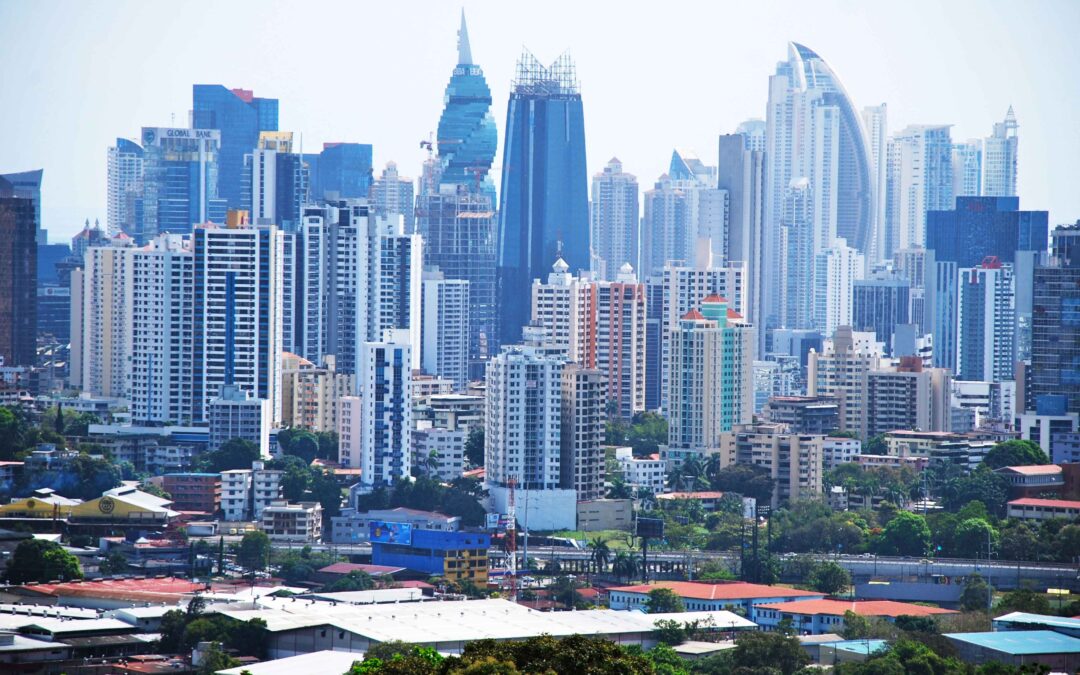
2024 marked a significant milestone for Panama, welcoming twelve new multinational companies under the Special Regime for Multinational Company Headquarters (SEM). This influx of foreign investment totals $24.2 million, projecting substantial economic diversification and job creation across the country. These developments highlight Panama’s ongoing efforts to position itself as a strategic business hub in the region.

Strengthening Panama’s Position as a Regional Business Center

According to the Minister of Commerce and Industries, Julio Moltó, adding these new companies reinforces Panama’s reputation as a competitive and appealing location for international business operations. “With the incorporation of new multinational companies under the SEM regime in Panama, the country continues establishing itself as a strategic business center in the region. We will continue working to enhance the investment climate and attract more businesses to maintain sustained growth and boost our global competitiveness.”

The SEM Licensing Process and Economic Outlook for 2025

These licenses were recently approved during the latest meeting of the SEM Licensing Commission, chaired by Deputy Minister of Foreign Trade Carlos Arturo Hoyos. The commission’s proactive approach has set the stage for an even more robust 2025, with expectations for an increase in the number of companies joining the SEM regime in Panama. Deputy Minister Hoyos emphasized that this anticipated growth would further amplify the positive impacts on Panama’s labor market and export capacity.

Attracting High-Value Sectors: Technology, Agroindustry, and Manufacturing

The twelve companies established in 2024 represent diverse high-value sectors, including technology, agroindustry, and manufacturing. These industries are pivotal to adding value to Panama’s economy by fostering innovation, creating quality jobs, and encouraging the transfer of cutting-edge technologies.

Seven of the twelve multinational companies initiated their operations within five months of the new government’s tenure. This swift integration highlights the administration’s commitment to streamlining business processes and fostering an environment conducive to foreign investment under the SEM regime in Panama.

Notable New Entrants: Hisense and CMI Alimentos Global

Two prominent multinational corporations, Hisense and CMI Alimentos Global, stand out among Panama’s latest entrants to the SEM regime. Together, these companies have pledged an investment of $2,257,400 to establish their regional operational centers in Panama.

Hisense: Expanding Footprint in Latin America and Asia

Hisense, a globally recognized brand specializing in appliances and electronics, has chosen Panama as its regional headquarters to expand its footprint in Latin America and Asia. Headquartered in China, Hisense operates in over 179 countries, offering a wide range of products known for their innovation and quality. The decision to establish operations in Panama underscores the country’s strategic geographic location, facilitating efficient distribution to multiple international markets.

CMI Alimentos Global: A Regional Agroindustrial Powerhouse

CMI Alimentos Global, one of Central America’s leading agroindustrial corporations, has also set up a hub in Panama. This facility will oversee operations in 14 countries spanning North America, Central America, the Caribbean, and Europe. With over twenty well-known brands in its portfolio, CMI Alimentos Global plans to leverage Panama’s advanced infrastructure and strategic location to strengthen its distribution channels and expand its influence in international markets.

The Strategic Role of the SEM Regime

The SEM regime in Panama, established to attract multinational companies, offers a range of fiscal and operational incentives designed to make Panama a desirable location for regional headquarters. These benefits include tax exemptions, streamlined administrative processes, and access to a skilled workforce, making it easier for companies to integrate into the local and regional economy.

Beyond the immediate financial gains, the SEM regime in Panama plays a critical role in diversifying Panama’s economic base. By attracting companies in various high-value industries, the regime promotes the creation of quality employment opportunities, fosters the transfer of advanced technology, and enhances the country’s overall competitiveness.

A Promising Future for Foreign Investment in Panama

As Panama continues strengthening its regional business hub position, establishing these twelve multinational companies is only the beginning. With many companies expressing interest in the SEM regime, the government focuses on improving infrastructure, ensuring political and economic stability, and maintaining its investor-friendly policies.

In 2025, Panama aims to build on the momentum of 2024 by further increasing the number of multinational companies operating under the SEM regime. This growth is expected to result in more significant economic benefits, including an expanded labor market, enhanced export capabilities, and continued diversification of the country’s economy.

Conclusion: Panama’s Role as a Strategic Gateway

Panama’s strategic geographic location and robust SEM regime make it an ideal gateway for multinational corporations seeking to expand their operations in Latin America and beyond. By fostering a favorable investment climate and offering comprehensive support to businesses, Panama is well-positioned to attract even more foreign investment, ensuring sustained economic growth and solidifying its role as a key player in the global business landscape.

The Dominican Republic and Honduras Strengthened Trade Relations, Building a Strategic Bridge in 2024

The Dominican Republic and Honduras Strengthened Trade Relations, Building a Strategic Bridge in 2024

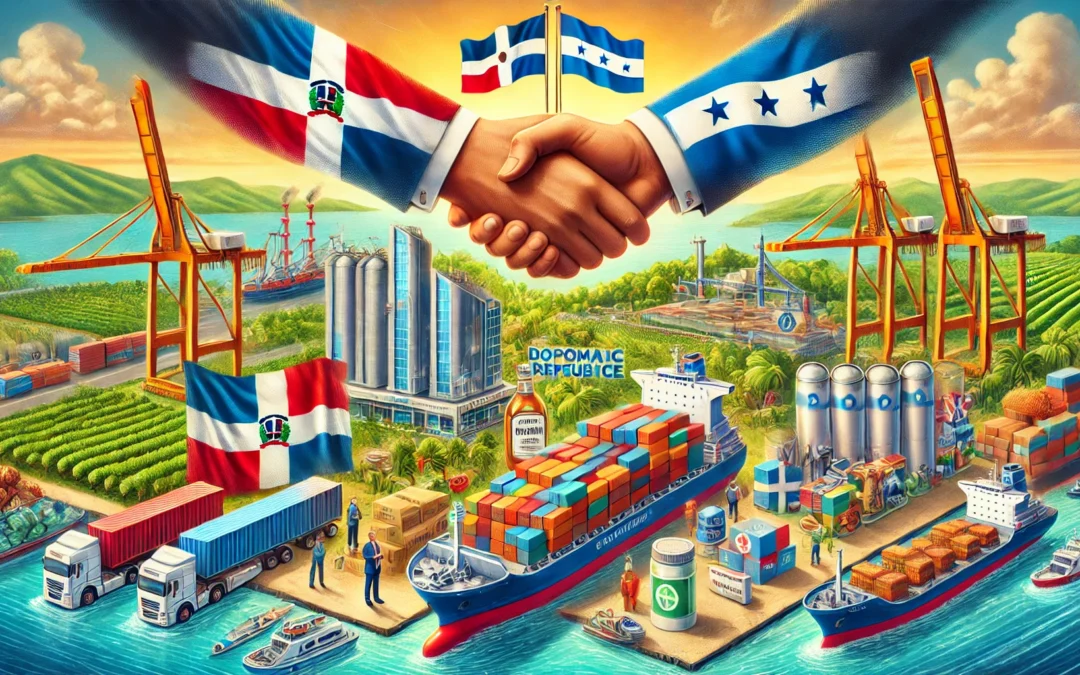
Throughout 2024, the Dominican Republic and Honduras strengthened trade relations, establishing a strategic bridge that benefits both nations. This strengthening of ties has facilitated the entry of various Dominican products into the Honduran market, including rum, tobacco, pharmaceuticals, and medical supplies. Additionally, it has spurred foreign investment in key sectors, fostering mutual economic growth and collaboration.

This remarkable progress is attributed to the vision of President Luis Abinader, who has prioritized strengthening trade and cooperation with other nations, supported by Foreign Minister Roberto Álvarez. Their leadership has been instrumental in positioning the Dominican Republic as a key player in regional trade dynamics.

Luis García, the Dominican ambassador to Honduras, is pivotal in this process. His leadership has played a critical role in promoting the Dominican Republic’s commercial interests and solidifying these bilateral relations. García’s proactive approach has opened new doors for collaboration, fostering dialogue between business leaders and authorities from both countries. His efforts have underscored the importance of diplomacy in achieving sustainable economic partnerships.

“This commercial expansion promotes economic exchange and strengthens bilateral ties, fostering mutual development and opening new opportunities for entrepreneurs and investors. The Dominican Republic and Honduras strengthened trade relations, demonstrating that international cooperation is essential for growth and economic sustainability,” states an official communiqué.

Expanding Bilateral Cooperation

The Dominican Republic and Honduras strengthened trade relations by going beyond immediate economic benefits to signify a broader strategy to enhance regional integration. The two nations have worked closely to identify complementary sectors where collaboration can yield maximum benefits. For instance, while the Dominican Republic is known for its robust production of high-quality rum and tobacco, Honduras has a thriving textile and agricultural sector, creating opportunities for trade diversification.

Efforts to streamline logistics and reduce trade barriers have been central to this partnership. Both countries have invested in improving their port and transportation infrastructure, ensuring that goods flow efficiently and cost-effectively. Additionally, bilateral agreements have been drafted to reduce tariffs and promote investment, particularly in emerging industries such as renewable energy, technology, and tourism.

The Role of Diplomacy in Economic Growth

Ambassador Luis García’s leadership exemplifies how diplomacy can drive tangible economic outcomes. García has facilitated numerous trade missions, forums, and business matchmaking events by engaging with Honduran officials and private sector leaders. These initiatives have introduced Dominican products to the Honduran market and attracted Honduran investors to explore opportunities in the Dominican Republic.

García’s efforts align with President Abinader’s broader vision of transforming the Dominican Republic into a regional hub for trade and investment. This vision is supported by targeted policies to enhance the nation’s global competitiveness, including tax incentives, simplified business regulations, and investments in critical infrastructure such as ports and free trade zones.

Shared Benefits and Future Prospects

The Dominican Republic and Honduras strengthened trade relations, resulting in far-reaching implications for regional development. Increased trade and investment activity have led to job creation in both countries, particularly in the manufacturing, logistics, and retail sectors. Moreover, the emphasis on collaboration rather than competition has set a precedent for other regional nations.

Both countries are exploring opportunities to collaborate in education, technology transfer, and sustainable development. Joint initiatives to promote innovation and entrepreneurship are being discussed, which could further diversify their economic ties and strengthen their global standing.

Conclusion

In 2024, the Dominican Republic and Honduras strengthened trade relations, creating a strategic bridge that promotes mutual economic growth and regional integration. This partnership, driven by President Luis Abinader and Foreign Minister Roberto Álvarez, has facilitated the entry of Dominican products like rum, tobacco, and pharmaceuticals into the Honduran market while attracting foreign investment to both nations. Dominican Ambassador Luis García is key to this success, whose proactive diplomacy has fostered business collaboration and reduced trade barriers. The bilateral relationship emphasizes streamlined logistics, infrastructure improvements, and agreements to promote emerging industries like renewable energy, technology, and tourism. This collaboration has created jobs and set a regional precedent for economic cooperation. Looking ahead, both nations aim to expand into education, technology transfer, and sustainable development, diversifying their economic ties and strengthening their global presence.

Nayib Bukele’s War on Gangs Sparks Tourism and Investment Boom in El Salvador

Nayib Bukele’s War on Gangs Sparks Tourism and Investment Boom in El Salvador

El Salvador Rises as a Global Tourism Leader

According to the UN World Tourism Organization (UNWTO), El Salvador has become the fourth-fastest-growing country in terms of tourist arrivals.

Nayib Bukele’s firm measures have left a lasting mark on El Salvador. His zero-tolerance approach to gang violence has triggered a tourism and investment boom in El Salvador, drawing foreign direct investment and hosting 20 international surfing tournaments on its pristine beaches with striking waves.

“In 2023, El Salvador became the fourth-fastest-growing country globally in tourist arrivals, with a 40% increase compared to 2019,” the UNWTO revealed.

Record-Breaking Foreign Direct Investment

El Salvador experienced a significant foreign direct investment (FDI) surge in 2023, growing 344% to $760 million. According to the organization led by Zurab Pololikashvili, this figure surpasses the country’s annual average of $466 million in international investments over the past two decades.

The tourism and investment boom in El Salvador comes amidst complex national and international dynamics bolstered by a zero-tolerance security strategy to enhance safety throughout the Central American nation.

A Safer El Salvador Under Bukele’s Leadership

Since March 2022, the Salvadoran government has implemented the Territorial Control Plan and a state of emergency to pacify cities and communities while curbing gang warfare.

According to the UNWTO, Bukele’s strict measures reduced the homicide rate from 103 per 100,000 inhabitants in 2015 to 2.4 in 2023, making it one of the lowest in Latin America and the Caribbean.

Additionally, El Salvador now boasts the lowest rates of theft and assault in Latin America and is considered the safest country in Central America.

A Positive Ripple Effect on Tourism and Investment

The multilateral organization promoting global tourism policies stated, “This transformation has bolstered public confidence, improved the nation’s global image, and captured the attention of international markets and investors. “

The tourism and investment boom in El Salvador is evident in the arrival of over 3.4 million international visitors in 2023 and the development of 35 tourism-related projects across the country.

When Nayib Bukele assumed office in 2019, more than 1.8 million foreign travelers visited the country by air or car. This figure rose significantly, with 2.5 million tourists recorded in 2023.

El Salvador continued this positive trend during the first half of 2024, with a 26% increase in tourist arrivals compared to the same period in 2023.

International Visitors Boost Economic Growth

Four out of every ten visitors to El Salvador’s beaches are from the United States, while 23% come from Guatemala and 15% from Honduras. These tourists typically stay two to three weeks, experiencing firsthand the benefits of Bukele’s leadership.

International visitors contributed $1.877 billion to the Salvadoran economy, more than double the amount of foreign direct investment and twice the reserves allocated to Bitcoin investments.

Bitcoin Investments: A Controversial but Profitable Gamble

Economic and political analysts have criticized Bitcoin investments and Bukele’s zero-tolerance policy. Nevertheless, both strategies have yielded substantial gains for El Salvador.

According to ActivTrader, a platform by ActivTrades, the country achieved a 127% profit on Bitcoin investments between January and December 18, 2024. The capitalization of Bitcoin investments increased from $261.7 million at the start of 2024 to $594.5 million by December.

A Promising Future for El Salvador

“Today, we can proudly affirm that our nation has achieved unprecedented stability and security in the region, a profound transformation that repositions us as a society and allows us to offer competitive incentives, thereby strengthening our business climate for international investments,” declared President Nayib Bukele.

He emphasized that El Salvador’s tourism and investment boom has cemented the country’s position as a destination for growth and opportunity.

“We are a dollarized country with controlled inflation rates and a strategic location in the heart of the Americas,” Bukele stated.

These conditions and a young, committed talent pool create a competitive edge, making El Salvador an ideal environment for innovative and profitable tourism projects. As Bukele continues his leadership, El Salvador stands as a beacon of stability, security, and economic growth in the region.

Conclusion

The tourism and investment boom in El Salvador has redefined the nation’s trajectory, turning it into a global beacon of progress and opportunity. Under Nayib Bukele’s bold leadership, El Salvador has transitioned from a region overshadowed by gang violence to a thriving hub of security, innovation, and economic growth. The drastic reduction in crime rates and strategic initiatives like the Territorial Control Plan and the state of emergency have enhanced public confidence and drawn international acclaim.

This newfound stability has increased tourist arrivals and attracted record-breaking levels of foreign direct investment, fueling growth across diverse sectors. With pristine beaches hosting world-class surfing events and a young, dynamic workforce poised to drive the economy forward, El Salvador offers an unmatched combination of natural beauty, strategic advantages, and a secure environment. President Bukele’s vision for a dollarized economy, competitive incentives, and innovative ventures like Bitcoin investments have further solidified the country’s position on the global stage. As El Salvador continues to capitalize on its momentum, the tourism and investment boom in El Salvador marks the dawn of a new era, showcasing the nation’s ability to thrive and inspire amidst transformative change.

Demand for International Investors in the South of Chile Rises by 28%

Demand for International Investors in the South of Chile Rises by 28%

The south of Chile has witnessed a remarkable 28% increase in interest from international investors, a testament to the growing confidence in the region’s political and economic stability. This surge in foreign investment is fueled by Chile’s ambitious drive to lead initiatives in circular and green economies, mainly through projects such as wind farms, solar energy installations, and sustainable land development.

Pioneering Green and Circular Economy Practices

The south of Chile is at the forefront of adopting sustainable practices, revolutionizing resource utilization. One of the most notable examples is using materials to construct environmentally friendly buildings. These innovative practices reduce environmental impact and enhance the region’s appeal to international investors in the south of Chile seeking green investment opportunities.

According to the Central Bank of Chile, the country has solidified its position as a magnet for foreign direct investment (FDI), with an impressive 28% surge in international investor activity in 2024. Much of this growth is attributed to high projections for renewable energy development and sustainability initiatives. Investors are particularly drawn to opportunities that align with Chile’s commitment to green and circular economies, making the south of Chile a focal point for sustainable investment.

The “Green Gold” of the South

On the global stage, the southern region of Chile is often regarded as a “green gold” paradise, rich in pristine natural resources. Camilo González, Operations Manager at Genau Green, describes the area as “a land of abundant, pristine resources—a true haven for real estate investment.” This natural wealth, combined with a strategic focus on sustainability, has made the south of Chile an attractive destination for those seeking to align profitability with environmental stewardship.

The region’s emphasis on renewable energy and sustainable infrastructure has elevated its status among international investors in the south of Chile. Clean energy access enhances residents’ quality of life, fostering technological innovation and positioning the area as a leader in sustainable living.

A Growing Culture of Sustainability

Foreign investors are not the only ones embracing the green investment wave. Many Chileans working for international firms have also absorbed this culture of sustainability, leading to a broader adoption of sustainable practices across industries. As González explains, “This shift has removed barriers and fostered a transparent investment climate, allowing sustainable investments in the south of Chile to flourish.”

The region’s appeal is evident in its ability to attract projects that are not only environmentally responsible but also socially inclusive, creating long-term benefits for local communities and international stakeholders alike.

Challenges Facing the Region

Despite the promising growth, the south of Chile faces significant challenges that could hinder its full potential. Infrastructure limitations and regulatory hurdles remain pressing concerns. Issues such as territorial planning, updates to subdivision laws, and clear guidelines for maritime concession allocations require immediate attention to support the continued influx of international investors in the South of Chile.

Additionally, there is a need for a more efficient project evaluation process. “We need an evaluation system that assesses projects on their merits without political biases or market myths,” says González. “Our efforts in the private sector are focused on addressing these gaps by advancing cutting-edge projects.”

The Path Forward: Unlocking Potential

The future of investment in the south of Chile hinges on creating a supportive regulatory framework and addressing the region’s infrastructure challenges. The region could further enhance its appeal to international investors with the right policies. Collaborative efforts between the public and private sectors will ensure that the south of Chile continues to lead in green innovation while maintaining its natural beauty.

As the demand for green investments grows, the region is uniquely positioned to deliver solutions that meet the dual goals of sustainability and profitability. The continued development of renewable energy projects and advancements in sustainable living infrastructure ensures that the south of Chile remains a beacon for forward-thinking investors.

 A Bright Future for Green Investment

The south of Chile’s commitment to sustainability and innovation continues to attract international investors eager to support projects that balance economic growth with environmental stewardship. This upward trend could sustain itself for years with appropriate regulatory support and an ongoing emphasis on technological advancements. The benefits will not only accrue to investors but also enhance the quality of life for local residents, solidifying the south of Chile’s status as a global leader in sustainable investment.

By addressing current challenges and leveraging its strengths, the south of Chile is poised to remain a top destination for international investors. The region’s unique combination of natural resources, commitment to sustainability, and innovative potential ensures its place as a global hub for green investment.

Over USD 225 Million in Foreign Investment in the Cauca Valley in 2024

Over USD 225 Million in Foreign Investment in the Cauca Valley in 2024

The Cauca Valley (Valle de Cauca) in Colombia has emerged as a significant hub for foreign investment in 2024, attracting approximately $225 million through the investment initiatives of 22 companies spanning various industries. This influx of capital has driven the creation of 2,070 new jobs in the region, according to the latest data collected by Invest Pacific, which was presented during its most recent Board of Directors meeting for 2024. The impressive figures underscore the region’s strategic importance for new investments and reinvestments, with contributions from Brazil, the United States, France, Israel, Mexico, Portugal, the United Kingdom, Sweden, Switzerland, and Venezuela.

Strategic Locations and Sectoral Impact

These investments have primarily “landed” in key areas such as Cali, Palmira, Bugalagrande, Yumbo, and Buga. The sectors benefiting from these inflows include commerce, business process outsourcing (BPO), electrical equipment, pharmaceuticals, logistics, food, construction, and infrastructure. The strategic diversification of industries highlights the Cauca Valley’s growing appeal as a regional business hub. This growth demonstrates the region’s capacity to support diverse industries, fostering a well-rounded economic ecosystem that weathers global economic shifts.

Among the 22 projects established this year, half (11) are concentrated in Cali, which has garnered approximately $110 million in investment. This has resulted in creating 1,816 new jobs for the residents of Cali, a figure that doubles the employment generated in the previous year. Yumbo has also seen significant activity, hosting four projects, followed by Palmira with three, and Buga, Buenaventura, Yotoco, and Bugalagrande with one project each. These investments have boosted local employment and stimulated ancillary sectors such as retail and services, further amplifying their economic impact. The geographic distribution of foreign investment in the Cauca Valley underscores the region’s strategic potential across multiple municipalities, paving the way for sustained development in smaller cities.

Collaborative Efforts Driving Success

“Thanks to the coordinated efforts of the Cauca Valley Government, the municipalities of Cali, Yumbo, and Buga, as well as institutions such as the Cali Chamber of Commerce, ProColombia, and other entities within the institutional ecosystem, Invest Pacific successfully generated 168 new investment opportunities in sectors such as technology, manufacturing, agro-industrial operations, and renewable energies this year. This represents a 58.5% increase compared to 2023,” explained Juan Carlos Castro, Executive Director of Invest Pacific. This significant growth in investment opportunities reflects the concerted efforts of public and private stakeholders to create an enabling environment for businesses.

The collaborative approach has been instrumental in positioning the region as an attractive business destination. Local authorities and international partners have worked hand-in-hand to streamline administrative processes, offer incentives, and provide robust infrastructure, ensuring businesses can operate efficiently. The work undertaken by these institutions has not only facilitated foreign investment in the Cauca Valley but has also showcased the region’s commitment to innovation and sustainability. These partnerships demonstrate how a unified vision can drive economic transformation and make the region a magnet for international capital.

Global Outreach and Promotion Efforts

In 2024, Invest Pacific, which celebrated its 14th anniversary, conducted 18 investment attraction and regional promotion missions across 14 countries spanning three continents. These missions aimed to position the Cauca Valley as a strategic destination for businesses, emphasizing its potential to meet key corporate objectives such as decarbonization. These outreach efforts have been complemented by targeted marketing campaigns and participation in global forums, which have helped to amplify the region’s visibility on the international stage.

“COP16 was a tremendous opportunity to highlight why Cali is the biodiversity capital of Colombia and one of the most biodiverse cities in the world. We showcased the region’s attributes and future potential for biotechnology and decarbonization projects, aiming to make Cali a biodiversity capital, a technology hub, and a carbon-neutral city in Latin America,” remarked Castro. Participation in events like COP16 underscores the region’s commitment to sustainability and enhances its credibility among global investors seeking environmentally responsible opportunities.

The promotion missions also targeted key sectors such as renewable energy, agro-industrial operations, and high-tech manufacturing, aligning with global trends and investor priorities. By tailoring these missions to meet the specific needs of potential investors, Invest Pacific has been able to attract businesses that contribute not only capital but also technology and expertise, driving innovation in the region.