+1 (520) 780-6269 investment@latamfdi.com
Nayib Bukele, Javier Milei, and Elon Musk: Shaping the Future of Technology in Latin America

Nayib Bukele, Javier Milei, and Elon Musk: Shaping the Future of Technology in Latin America

Recently, significant meetings were held between Latin American leaders and one of the most influential figures in the tech industry, Elon Musk. Nayib Bukele, President of El Salvador, and Javier Milei, President of Argentina, have met with the entrepreneur to discuss critical issues such as artificial intelligence (AI), technological investment, and the economic future of their respective countries. These meetings, set against the backdrop of a growing relationship between technology and politics in Latin America, raise expectations of potential collaborations that could transform the future of technology in Latin America.

Latin America has long struggled with issues such as economic instability, high levels of inequality, and inadequate infrastructure. As countries like El Salvador and Argentina look toward innovation and technology as modernization tools, leaders realize the role that visionary figures like Elon Musk can play in accelerating these efforts. The engagement of Musk in these nations represents a significant shift, not only in the political and economic landscape but also in how the region positions itself within the global technological arena, which is pivotal for the future of technology in Latin America.

Bukele and Musk: Shared Innovation and Vision

On September 20, 2024, in a more than two-hour meeting, Bukele met with Elon Musk at Tesla’s Gigafactory in Austin, Texas. Both leaders focused their conversation on artificial intelligence and its impact on the future of humanity. Musk hailed Bukele as an extraordinary leader, while the Salvadoran president praised the visionary capabilities of the tech magnate, describing him as “one of the great minds of our time.” This encounter strengthened the bond between the two, which had already been evident through their interactions on social media.

For Bukele, whose presidency has been marked by bold economic reforms and an embrace of Bitcoin as legal tender, his relationship with Musk is a testament to his vision of a digital-first economy. El Salvador has positioned itself as a leader in cryptocurrency adoption, aligning with Musk’s interests in blockchain technology and decentralized finance. The possibility of future technological collaborations between El Salvador and Tesla opens a new era of innovation in Central American countries, with AI and sustainability at the heart of the conversation. Such partnerships could become foundational in shaping the future of technology in Latin America, covering areas like renewable energy projects and AI-driven advancements in public services.

Bukele’s regional influence could expand through these agreements, positioning El Salvador as a technological benchmark in Latin America. If successful, these collaborations could serve as a model for other countries in the region looking to modernize their economies through cutting-edge technology. This would profoundly impact the future of technology in Latin America, where advancements in AI and blockchain could spark further economic growth and sustainability initiatives.

Milei and Musk: Capitalism and Technology as Allies

On May 6, 2024, Javier Milei, the newly elected president of Argentina, also met with Elon Musk, this time at the 27th Global Conference of the Milken Institute in Beverly Hills, California. This was their second meeting in less than a month, following Milei’s visit to Tesla’s Texas plants in April. During the conference, Musk urged investors to look towards Argentina, describing the country as a “land of opportunity” and suggesting that under Milei’s leadership, Argentina could become “the new Rome of the 21st century.”

For Milei, this praise from Musk reflects his economic agenda, which is rooted in a free-market capitalist approach with minimal government interference. Milei’s bold stance on reducing the size of the state, privatizing sectors, and eliminating central bank operations has been controversial. Still, it has also attracted significant international attention, including from Musk. The Argentine leader believes that aligning with tech moguls like Musk will bring much-needed foreign investment into Argentina’s struggling economy. Technological advancements in AI and blockchain may very well be part of the future of technology in Latin America, where Argentina could emerge as a hub for innovation and entrepreneurship.

Milei’s vision goes beyond mere technological investment. His emphasis on AI, blockchain, and renewable energy as drivers of economic growth positions Argentina as a potential hub for tech startups and innovation. The nation’s rich history of producing talented engineers and scientists bolsters this potential, further enhancing the future of technology in Latin America. Milei hopes to transform Argentina into a leading player in the digital and AI revolutions by fostering an environment where global tech leaders like Musk are encouraged to invest. This ambition aligns with the broader goal of shaping the future of technology in Latin America and setting Argentina on a path toward sustainable economic development.

Convergence of Leadership in Latin America

The meetings between Bukele and Milei with Musk highlight a mutual interest between Latin American leaders and tech entrepreneurs in areas such as AI, sustainable investment, and their nations’ economic future. Additionally, these discussions reflect a shift in Latin American politics toward greater openness to technology and innovation. Leaders like Bukele and Milei see technology as a critical driver of the future of technology in Latin America. They are keen to work with innovators like Musk to achieve their national goals.

The implications of these meetings extend beyond El Salvador and Argentina. As Latin America grapples with global economic uncertainty and internal challenges, embracing technology and innovation could catalyze broader regional transformation. With Musk’s influence and resources, Latin American countries may consider technology a solution to long-standing problems such as unemployment, poverty, and inadequate infrastructure. These developments will directly impact the future of technology in Latin America, transforming how nations approach economic growth and technological innovation.

Bukele and Milei are expected to continue strengthening their ties with Musk in the coming months, as the Salvadoran president is set to visit Argentina at the end of September to discuss security issues. Bukele’s hardline security measures have earned him both praise and criticism, but they have also been effective in reducing gang violence and crime in El Salvador. The synergy between these leaders may open the door to a new era of cooperation in the region, where technology and transformative leadership will play a key role in shaping the future of technology in Latin America.

Final Reflection

The meetings of Nayib Bukele and Javier Milei with Elon Musk underscore the importance of technology and investment for Latin America’s future. Both presidents see Musk as a source of innovation and a strategic partner who can help transform their respective countries. As artificial intelligence and technological investment gain ground in Latin American politics, the region is preparing for a future in which visionary leaders and innovative minds will play a crucial role in the future of technology in Latin America.

Bukele, Milei, and Musk are positioning Latin America to break new ground in technological development through their collaborations. With figures like Musk guiding investment and innovation, the region has the potential to become a leader in AI, blockchain, renewable energy, and other transformative technologies. These efforts will significantly shape the future of technology in Latin America, becoming a beacon of innovation and economic prosperity.

Moody’s Maintains Uruguayan Credit Rating Two Notches Above Investment Grade

Moody’s Maintains Uruguayan Credit Rating Two Notches Above Investment Grade

To understand Uruguay’s economic situation and the significance of the upcoming October referendum on pension funds, it’s essential to consider the broader elements shaping the Uruguayan credit rating and financial stability. Moody’s decision to maintain Uruguay’s credit rating at Baa1 in its latest report is part of a broader narrative that underscores the country’s solid fiscal and monetary policies in recent years. The agency’s outlook remains stable due to Uruguay’s robust institutional framework, political and social stability, and its record of maintaining economic growth. Yet, the looming October referendum has introduced uncertainties that could affect Uruguayan credit rating, especially in the eyes of international investors and credit rating agencies.

Uruguay’s public debt is already higher than the average for countries with similar credit ratings. The country’s debt-to-GDP ratio stood at approximately 60% in 2023, raising concerns about long-term fiscal sustainability. Moody’s report notes that continued economic growth, driven by steady foreign direct investment (FDI) inflows, has helped manage this debt burden. Still, any weakening in fiscal discipline or deviation from current policy frameworks could trigger a downgrade in Uruguayan credit rating.

The Impact of Pension Reform on Uruguay’s Economy

The upcoming referendum is about private pension funds and the direction of Uruguay’s economic and social policies. The proposal to eliminate Administradoras de Fondos de Ahorro Previsional (AFAPs), which manage a significant portion of private pension funds, is particularly controversial. Established in the mid-1990s as part of a broader pension reform, AFAPs allow individuals to contribute to private pension plans, giving them an alternative to the public system.

Proponents of the referendum, led by the PIT-CNT labor union, argue that eliminating AFAPs would strengthen Uruguay’s social security system by removing private-sector involvement. They believe the public pension system could function more efficiently without private funds. However, critics, including many economists, argue that eliminating private pension funds would increase the financial burden on the state, complicate fiscal policy, and drive up public spending. The aging population of Uruguay presents a particular challenge, as the country is already facing demographic shifts that will strain the social security system in the coming years.

President Luis Lacalle Pou’s government has pushed reforms to extend the individual pension system and raise the retirement age, aiming to make Uruguay’s pension system more sustainable in the long term. His administration’s opposition to the referendum stems from fears that the rollback of AFAPs and other pension reforms will exacerbate the country’s fiscal challenges. Moody’s has noted that pension system changes are crucial for the country’s long-term fiscal health, and any reversal could heighten economic vulnerabilities, further affecting Uruguayan credit rating.

Concerns from the Business and Financial Sectors

Uruguay’s business and financial communities have largely opposed the referendum, fearing its approval would introduce instability in its financial markets. Uruguay’s pension funds, managed by AFAPs, are invested in local assets, including government bonds, which help support the country’s financial ecosystem. A sudden elimination of these funds could destabilize local markets and disrupt public debt financing, negatively impacting Uruguayan credit rating.

Michael Heydt of Canada’s DBRS rating agency echoed these concerns, suggesting that a successful referendum could have “disruptive” effects on the financial markets. Uruguayan credit rating is closely tied to its ability to attract foreign investment and maintain macroeconomic stability. A shift in the pension system that increases the government’s liabilities would inevitably lead to higher public debt, which could push credit rating agencies to revise their outlooks.

The Role of Political Stability

One of the critical factors underpinning Uruguay’s positive credit rating is its solid political institutions. The country has long been considered a beacon of democracy in Latin America, with peaceful transfers of power and a commitment to the rule of law. This political stability provides a level of predictability that international investors value. Moody’s and other rating agencies have highlighted that despite disagreements between political parties, Uruguay’s leaders have typically been committed to maintaining macroeconomic stability, which supports Uruguayan credit rating.

However, the October elections and referendum could test this political consensus. The Frente Amplio, a left-wing opposition party, has historically favored a more significant role for the state in social and economic matters. Although the party has not fully endorsed PIT-CNT’s pension reform proposal, its stance has created divisions within the broader left-wing coalition. If the referendum passes, it could signal a shift towards more populist policies that prioritize short-term gains over long-term fiscal sustainability, further jeopardizing Uruguayan credit rating.

Moody’s and other credit rating agencies are closely watching the political developments surrounding the referendum. As noted by economist Aldo Lema, the referendum’s outcome will likely influence future assessments of Uruguayan credit rating. Any erosion of Uruguay’s fiscal and monetary policy frameworks could trigger a downgrade, especially if the new policies lead to higher public spending and increased debt.

The Referendum’s Potential Impact on International Credibility

One of Uruguay’s most significant economic assets is the international perception of it as a stable, investment-friendly country. According to President Lacalle Pou, the country’s low-risk premium—the lowest in its history—has helped attract foreign direct investment and secure favorable terms in international debt markets. However, this credibility is contingent on the government’s ability to maintain fiscal discipline and implement sound economic policies.

The referendum on private pension funds poses a risk to this credibility. If passed, it could signal to international markets that Uruguay is moving away from market-friendly reforms. Credit rating agencies like Moody’s have clarified that any weakening of fiscal discipline or deviation from the current monetary policy framework could result in a downgrade. This would raise Uruguay’s borrowing costs and deter foreign investors, who might see the country as a riskier proposition, further harming Uruguayan credit rating.

Broader Economic Challenges

In addition to the pension reform debate, Uruguay faces broader economic challenges that could affect its credit rating. The country’s economy is vulnerable to external shocks, particularly climate-related events. Uruguay has a significant agricultural sector, susceptible to droughts and other environmental risks. These climate-related shocks can directly impact economic growth and fiscal outcomes, as noted in Moody’s report.

Additionally, Uruguay’s reliance on commodity exports, particularly beef and soybeans, makes it vulnerable to fluctuations in global commodity prices. While the country has diversified its economy in recent years, it remains dependent on these critical exports for a significant portion of its GDP.

Conclusion

The October referendum in Uruguay is more than a vote on pension funds; it is a referendum on the country’s economic future. Moody’s decision to maintain Uruguayan credit rating at Baa1 reflects confidence in the country’s institutions and current economic policies. Still, the agency has clarified that the referendum’s outcome could lead to a downgrade. If Uruguay shifts towards policies that increase public spending and undermine fiscal discipline, its international credibility could suffer, with significant long-term consequences for its economy. As the country approaches its national elections, the stakes have never been higher, with Uruguayan credit rating under scrutiny.

Who will benefit from these new mining projects in Peru?

Who will benefit from these new mining projects in Peru?

Peru’s mining sector, one of the main pillars of its economy, is set to receive a significant boost following the announcement by the Minister of Energy and Mines (Minem), Rómulo Mucho. In a recent high-profile event, Mucho revealed that the government has secured an investment of $4.082 billion to develop three new mining projects in Peru across the regions of Arequipa, Ica, and Apurímac. These projects aim to capitalize on Peru’s abundant mineral resources while promoting economic growth, generating employment, and increasing national mining output.

The announcement was made at the “Innovation and Sustainability: The New Era of Mining in Peru” conference, where much of the discussion centered around the future trajectory of the country’s mining industry. With mining being a significant driver of Peru’s GDP, accounting for about 10% of the national output and nearly 60% of total exports, this investment stands to fortify the country’s position as one of the world’s leading producers of copper, gold, and other essential minerals through new mining projects in the country.

Projects Receiving Multi-Million Dollar Investments: Zafranal, Pampa del Pongo, and Trapiche

At the core of this investment package are three high-priority mining projects in Peru: Zafranal, Pampa del Pongo, and Trapiche. All three are currently at different stages of development. These projects will provide Peru with a steady revenue stream and are expected to create thousands of jobs in the construction, mining, and related industries.

Zafranal: Copper Mining in Arequipa

The Zafranal project in the Arequipa region is one of the first expected to break ground in 2025. Zafranal is primarily a copper mining project with a projected lifespan of 19 years. Currently in its feasibility phase, the project is poised to significantly increase the country’s copper output, which is critical given that copper is one of Peru’s most significant export commodities. This is among the most impactful mining projects due to the global demand for copper driven by the renewable energy and electric vehicle industries.

Pampa del Pongo: Iron Extraction on the Rise

Pampa del Pongo, located between the Ica and Arequipa regions, will also benefit from the $4.082 billion investment. With a lifespan of 21.5 years, the project focuses on iron extraction. It is currently in the feasibility phase and is expected to begin construction in 2025. This project is part of the broader effort to diversify mining projects in Peru, boosting iron production and positioning the country to meet growing global iron demand.

Trapiche: Copper Development in Apurímac

The third major project under this investment package is the Trapiche mine in the Apurímac region. Trapiche will focus on open-pit copper extraction, representing an investment of $1.038 billion. As one of the upcoming mining projects, Trapiche is particularly notable for its significant job creation potential—during its construction phase, it is expected to generate over 2,200 jobs.

Current Mining Projects Already Underway

In addition to these three upcoming mining projects in Peru, the Minister of Energy and Mines also updated six other ventures currently under construction. With a combined investment value of $4.458 billion, these projects further enhance Peru’s position in the global mining landscape and ensure long-term sustainability for the sector.

Projects like San Gabriel in Moquegua, which focuses on gold and silver extraction, and Toromocho Expansion Phase II in Junín emphasize the country’s broad scope of mining projects, which cater to a diverse array of mineral resources.

Employment and Economic Impact

The construction phases of these new mining projects in Peru will generate tens of thousands of jobs across the mining regions, from skilled positions to labor opportunities. These projects will also have long-term economic benefits, such as sustained employment, local government revenues, and improvements in regional infrastructure. As a result, regions like Arequipa, Ica, and Apurímac will experience significant economic growth, positioning themselves as critical contributors to the country’s mining output.

Looking Ahead: Sustainability in Mining

Peru’s commitment to sustainability in the mining industry was highlighted at the “Innovation and Sustainability: The New Era of Mining in Peru” conference. These upcoming mining projects in Peru will integrate new technologies and efficient practices to minimize environmental impact, ensuring the country’s natural resources are responsibly managed.

The multi-billion dollar investment in Peru’s mining sector underscores the country’s vital role in the global supply chain for essential minerals like copper and iron. These mining projects in Peru—Zafranal, Pampa del Pongo, and Trapiche—will enhance Peru’s economic standing, generate thousands of jobs, improve infrastructure, and foster long-term regional development. The projected benefits, including increased mining output, rising exports, and new foreign investments, ensure that Peru remains a critical global mineral production player. Additionally, these projects are expected to contribute to poverty alleviation and economic growth in regions like Arequipa, Ica, and Apurímac, which have long relied on mining as a primary source of income.

Equally important is the emphasis on sustainability and innovation in these mining projects in Peru. Integrating environmentally friendly technologies and practices reflects the sector’s commitment to mitigating its ecological impact, aligning with the growing global demand for more responsible resource extraction. By incorporating these forward-looking approaches, Peru’s mining sector satisfies international sustainability standards and opens the door to new opportunities in green technologies, renewable energy, and electric vehicles—industries heavily dependent on minerals like copper. As the world increasingly pivots toward greener solutions, Peru’s mining projects intersect with economic growth and environmental stewardship. Looking ahead, the country’s focus on sustainable development, combined with its rich mineral reserves, positions Peru to continue thriving in the evolving global market for years to come.

How will the judicial reform in Mexico affect the country’s economy?

How will the judicial reform in Mexico affect the country’s economy?

The recent judicial reform in Mexico, which allows for the popular election of judges, has raised significant concerns about the country’s economic stability and growth prospects. Experts and analysts warn that this unprecedented change could negatively impact the business environment and investment outlook, adding uncertainty to the complex economic landscape.

The approval of this unprecedented reform has placed Mexico’s economy on a challenging path. It is now the first country to elect all its judges by popular vote. This significant shift has prompted warnings from credit rating agencies like Moody’s and business leaders, who fear the amendment could undermine the balance of powers, weaken institutions, and ultimately harm the country’s financial health.

Outgoing President Andrés Manuel López Obrador, who has championed judicial reform in Mexico to combat corruption, has downplayed these concerns, highlighting the record levels of foreign investment attracted during his administration. However, the constitutional change raises critical questions about the future of Mexico’s investment, trade, and economic growth.

What Are Investors Afraid Of?

The central fear among investors is that the judicial reform in Mexico could weaken the independence of the judiciary. Moody’s report warns that the reform could politicize court rulings, particularly at the Supreme Court level, and compromise the legal system’s ability to counterbalance the executive and legislative branches. Investors are deeply concerned that judges, subject to election, may prioritize decisions that appeal to voters rather than those grounded in the rule of law. This concern is especially poignant in light of previous judicial decisions that blocked radical legislative changes, such as those aimed at increasing state control of the energy sector.

If judges begin to issue rulings that align with popular opinion rather than legal precedent, it could lead to a significant loss of investor confidence. The potential for a weakened judiciary to erode legal protections for businesses is one of the key risks posed by the judicial reform in Mexico, and it needs to be addressed urgently.

How Will It Impact Trade?

The judicial reform in Mexico could also have significant implications for trade, particularly with the United States and Canada under the USMCA agreement. Mexico’s foreign trade is heavily concentrated with these two partners, with goods worth approximately $750 billion exchanged in 2023. The legal framework governing this trade could be altered if judges focus more on voter preferences rather than strict adherence to Mexican law and international agreements.

This reform is critical, as the USMCA is due for review in 2026. The scheduled review was already expected to be contentious, and the addition of the judicial reform in Mexico further complicates the situation, making Mexico more vulnerable to potential trade disputes.

What Does It Mean for Nearshoring?

The rise of nearshoring, where companies relocate manufacturing and supply chains closer to the U.S. market, has been seen as a significant growth opportunity for Mexico. However, experts warn that the judicial reform in Mexico could hinder future nearshoring investments. Moody’s highlights the potential negative impact on legal certainty, which is critical for companies considering nearshoring. While the flow of investment into Mexico may not halt entirely, the reform could make boardrooms more cautious and less enthusiastic about committing capital to the country.

The legal uncertainties introduced by Mexico’s judicial reform will likely be an additional risk for businesses already navigating global supply chain challenges. This could ultimately slow the pace of nearshoring investments critical for Mexico’s long-term economic growth.

Will It Slow Growth?

Regarding broader economic growth, the judicial reform in Mexico could have serious consequences. Investment, trade, and business confidence are interconnected, and potential damage in these areas could slow Mexico’s GDP growth. Mexico’s central bank has already lowered its growth forecasts for this year from 2.4% to 1.5% and from 1.5% to 1.2% for 2025. Some analysts, like Gabriela Siller of BASE Bank, warn that the judicial reform in Mexico could lead to long-term stagnation or even a recession.

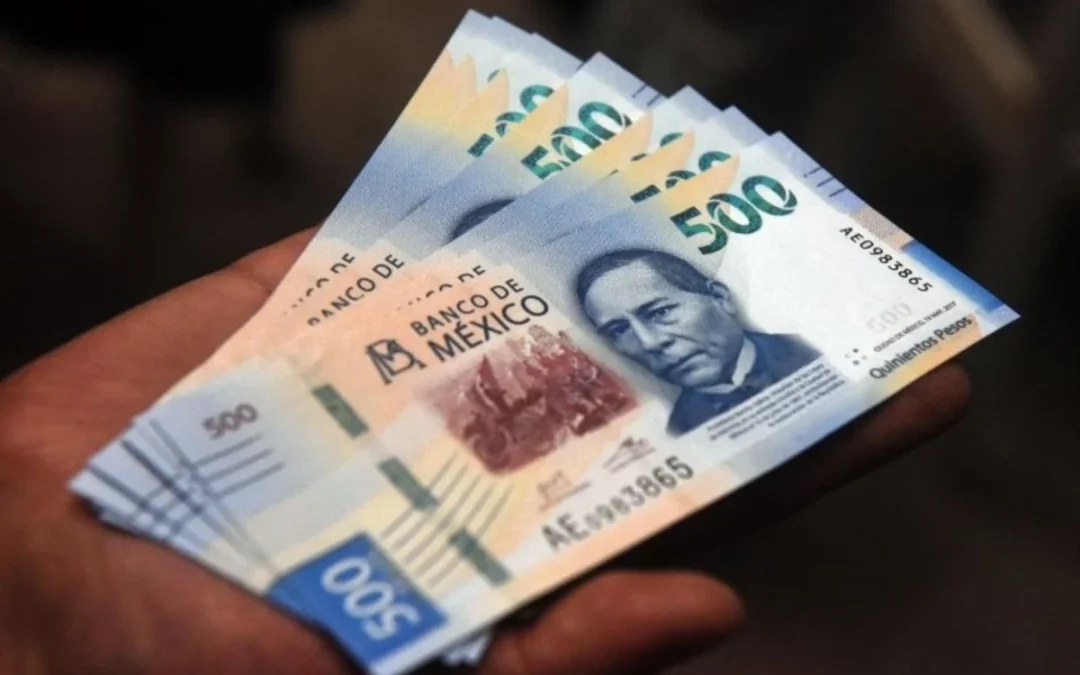
The peso’s reaction to the reform offers a glimpse into the financial market’s concerns, with the currency hitting a two-year low before rebounding. Oxford Economics suggests that while the reform may not immediately affect growth, it will likely cool private investment, which could drop by as much as 12%, further dragging down GDP expectations after 2025.

In conclusion, the judicial reform in Mexico introduces significant risks to the country’s investment climate, trade relationships, and overall economic growth. While the full impact of the reform will take time to materialize, there is little doubt that it has already created an atmosphere of uncertainty that could deter investment and slow Mexico’s economic momentum.

In conclusion, the judicial reform in Mexico presents profound challenges for the nation’s economic trajectory. By shifting the judiciary to a popular election system, the reform risks politicizing court decisions, weakening the legal system’s independence, and eroding investor confidence. Judicial rulings could reflect voter preferences rather than the rule of law, introducing significant uncertainty for businesses, particularly those already navigating Mexico’s complex regulatory landscape. This shift could negatively affect industries like nearshoring, which depend on legal stability to make long-term investments. Moreover, the reform’s timing amid the upcoming USMCA review exacerbates concerns about Mexico’s ability to maintain strong trade relations with its North American partners. In this context, businesses may adopt a more cautious approach, reassessing their plans for growth and expansion in Mexico. While President López Obrador emphasizes the administration’s achievements in attracting record levels of foreign investment, the judicial reform could slow or even reverse this trend, potentially leading to reduced private investment, weaker GDP growth, and a more volatile economic outlook. Ultimately, the judicial reform in Mexico may affect whether the country can navigate these risks and sustain its long-term growth, as well as its ability to reassure investors of its commitment to a stable and impartial legal framework.

Renault Santa Isabel plant investment of $350 million to Manufacture Pickups

Renault Santa Isabel plant investment of $350 million to Manufacture Pickups

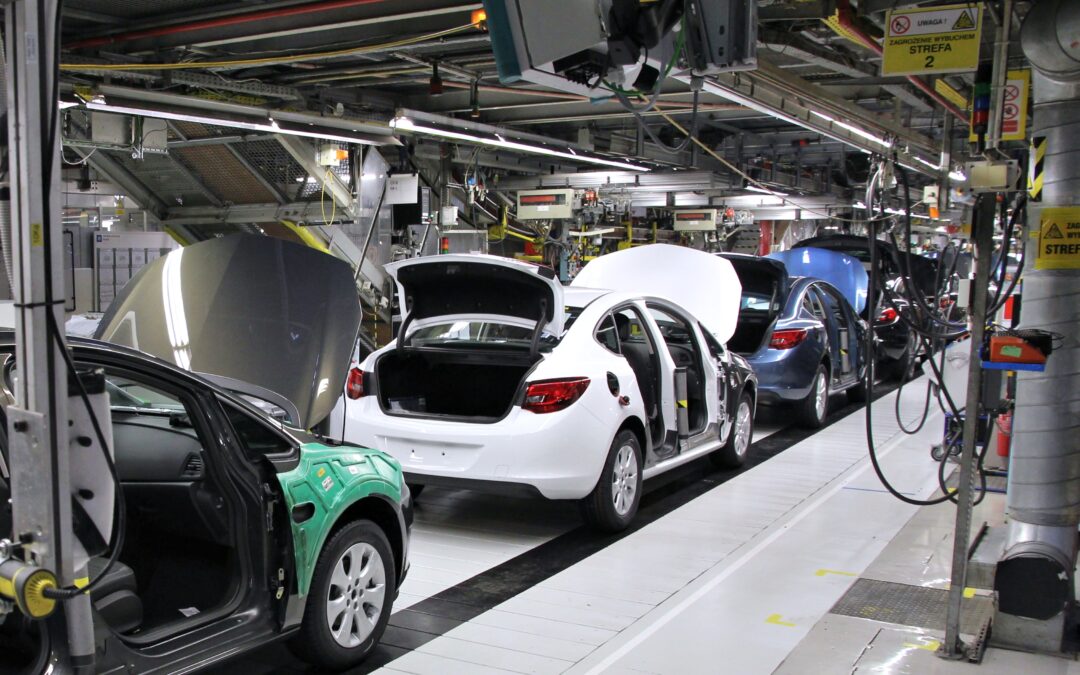
Renault has made a significant move by announcing a $350 million investment in its Santa Isabel plant in Córdoba, Argentina. The automaker will fund the production of a new half-ton pickup truck, a model manufactured exclusively at this facility—nowhere else in the world. This ambitious project reinforces Renault’s deep commitment to the Latin American market, particularly Argentina, which has been a critical player in the brand’s regional strategy for years. The Renault Santa Isabel plant investment reflects this ongoing dedication.

The newly announced pickup project may also be included in the framework of Argentina’s RIGI (Regimen de Incentivo a la Inversión y Exportaciones). Should this happen, it could lead to an even more significant investment, mainly through developing a hybrid model that would further enhance the company’s position in the growing eco-friendly automotive sector. The sizeable investment shows the company’s strategic vision, aligning with Argentina’s push to modernize its industrial base while promoting sustainability.

Production Focused on Export

Renault plans to export 70% of the vehicles produced at the Córdoba plant, while the remaining 30% will be destined for the domestic Argentine market. The high percentage of exports highlights Renault’s strategic importance as a manufacturing hub for Renault to invest in the Córdoba Plant in the region. This move strengthens the country’s role in the company’s global supply chain and boosts Argentina’s export capabilities, particularly in the automotive sector. The significant investment bolsters this strategy by focusing on international market demands.

Renault’s investment in the Córdoba Plant demonstrates confidence in Argentina’s industrial capabilities. Over the years, Argentina has solidified its reputation as a reliable automotive manufacturing center thanks to its skilled workforce, robust supply chain, and improving infrastructure. Renault’s investment reaffirms Argentina’s pivotal role in the global automotive industry by selecting the Santa Isabel plant as the sole production site.

Key Players Involved in the Announcement

Renault Latin America’s CEO, Luiz Fernando Pedrucci, and the president and managing director of Renault Argentina, Pablo Sibilla, delivered the announcement during a meeting with key government officials, including Argentina’s Minister of Economy, Luis Caputo, Secretary of Trade and Industry Pablo Lavigne, and Córdoba’s Lieutenant Governor, Myrian Prunotto. This meeting underscores the close relationship between Renault and the Argentine government and the public sector’s commitment to supporting significant foreign investments, such as the Renault Santa Isabel plant investment, that boost local industry and create jobs.

During the meeting, Pablo Sibilla noted that although Renault’s decision to invest in the Córdoba Plant had been planned before possibly incorporating it into the RIGI framework, Renault is actively collaborating with Minister Caputo’s team to apply the project to this initiative. If successful, the inclusion in RIGI could accelerate the hybridization of the platform, allowing Renault to produce an eco-friendlier version of the pickup truck—a key consideration in the company’s broader sustainability strategy and the Renault Santa Isabel plant investment.

Job Creation and Economic Impact

Job creation is one of the most immediate and tangible benefits of Renault’s investment. The project is expected to generate 850 direct jobs at the Santa Isabel plant and an additional 4,000 indirect jobs across various industries in Argentina. Renault’s investment will substantially impact the local economy, particularly in Córdoba, a province with a rich history in the automotive industry.

The investment will also contribute to Argentina’s GDP growth, especially in the industrial and export sectors. As the country continues to recover from economic challenges exacerbated by the COVID-19 pandemic, foreign direct investments (FDI) like this significant investment provide a much-needed stimulus. The ripple effects of the Renault Santa Isabel plant investment will likely benefit local suppliers, parts manufacturers, and service providers, creating a multiplier effect that strengthens the entire automotive ecosystem in the region.

Production Capacity and Ambitious Goals

The initial goal for the Santa Isabel plant is to produce 60,000 units per year. However, Luiz Fernando Pedrucci revealed that Renault hopes to increase production to 100,000 units annually if Renault’s investment in the Córdoba Plant is incorporated into the RIGI framework. This production level would firmly position the Córdoba facility as one of Renault’s most important manufacturing hubs worldwide. It also aligns with Pedrucci’s aspiration to see the new pickup rank among Argentina’s top three best-selling models. Renault’s investment in Santa Isabel will be instrumental in achieving these production targets.

This expansion of production capacity would also enable Renault to meet growing demand in both local and international markets. The company is betting on the rising popularity of pickup trucks in Latin America, where rugged, versatile vehicles are in high demand, particularly in industries like agriculture, construction, and logistics. The Renault Santa Isabel plant investment in Córdoba positions the company to capitalize on this trend and capture significant market share.

Tax Environment and Industry Competitiveness

Another critical factor influencing Renault’s expansion plans is Argentina’s evolving tax environment. Sibilla highlighted the challenges with Argentina’s current export tax, which stands at 20%, compared to Brazil’s 10% and Mexico’s 0%. However, Argentina has been working on deregulating and simplifying its tax regime, a process that Renault hopes will yield positive results within the next year. The Renault Santa Isabel plant investment could benefit from these tax adjustments, enhancing the company’s competitiveness globally and increasing production volumes.

In the increasingly competitive global automotive market, cost efficiency is paramount. This investment could allow the company to offer more competitive pricing for its vehicles, particularly in Latin America, where cost-conscious consumers are always looking for the best value.

Renault’s Broader Strategy for Latin America

Renault’s investment in Córdoba, Argentina, is not an isolated event; it is part of the company’s broader strategy to strengthen its presence in Latin America. Petrucci emphasized that the Renault Santa Isabel plant investment is the most significant project in Renault’s history in the region, marking an important milestone in the company’s evolution. The decision to manufacture a new half-ton pickup in Argentina aligns with Renault’s global transformation plan, known as the International Game Plan, which focuses on innovation, sustainability, and market expansion.

Latin America remains a crucial market for Renault, and the investment in the Renault Santa Isabel plant reflects its confidence in the region’s growth potential. By manufacturing a model tailored to local needs and preferences, Renault is positioning itself to become a leader in the Latin American automotive market while contributing to the region’s industrial development.

How many foreign countries have investments in Honduran maquiladoras?

How many foreign countries have investments in Honduran maquiladoras?

The maquiladora sector in Honduras has become a vital driver of the country’s economic development, attracting a broad range of foreign investment. According to a recent report from the Honduran Association of Maquiladoras (AHM), companies from 34 countries are now operating in Honduran maquiladoras. This significant foreign presence is helping to fuel growth, particularly in the textile, electronics, and services industries. The United States is the largest investor in this sector, with 87 Honduran maquiladora companies. Still, the breadth of countries involved spans five continents, showcasing the global appeal of Honduras as a destination for manufacturing investment.

The Honduran maquiladora industry is a significant recipient of foreign direct investment (FDI). This sector has proven attractive due to various factors, including competitive labor costs, strategic location, and favorable trade agreements like the Central America Free Trade Agreement (CAFTA-DR). These advantages have lured companies from various industries, including electronics, textiles, and services, to operate in Honduran maquiladoras. According to the AHM, as of June 2024, 342 companies were operating within the Honduran maquiladora sector, with 164 of these being nationally owned. This demonstrates a significant local involvement, but the bulk of foreign investment comes from diverse countries.

Top Foreign Investors in Honduras’ Maquiladora Sector

The AHM report reveals that of the 34 countries investing in the Honduran maquiladora industry, eight countries account for the most significant number of companies. These top investors include:

The United States: The leading investor with 87 companies, U.S. capital dominates the Honduran maquiladora sector. This is primarily due to Honduras’s proximity to the United States and the ability of U.S. companies to take advantage of free trade agreements like CAFTA-DR, which allows for tariff-free imports and exports of goods manufactured in the country.

Canada: With 13 companies, Canada is another major player. Canadian investment is notable in the textile and electronics sectors, where the Honduran maquiladora industry excels.

South Korea: Represented by 12 companies, South Korea’s involvement is mainly focused on the electronics sector, given the country’s strength in technology and electronics manufacturing.

El Salvador and Guatemala: These Central American neighbors are also significant investors, with ten companies from El Salvador and nine from Guatemala operating Honduran maquiladoras. The shared geographical location allows these countries to benefit from logistical advantages in supply chains.

Germany: With eight companies operating in the Honduran maquiladora sector, Germany brings in high-tech investments, especially in electronics and advanced manufacturing.

Mexico and Panama: Mexico contributes seven companies, and Panama five, showcasing their growing interest in Honduras’ manufacturing capabilities. Notably, Mexican capital is showing increasing interest in large-scale investments, particularly in sectors catering to domestic and U.S. markets.

Expanding Investor Base

While the top eight countries account for many Honduran maquiladora companies, significant investments come from other countries. China, for instance, has established a growing presence with four companies. Meanwhile, Ecuador, Hong Kong, and Switzerland each have three companies. Luxembourg, Nicaragua, Spain, Denmark, England, the Netherlands, Peru, and Tunisia have two companies.

Interestingly, the list also includes countries with a single company operating in Honduran maquiladoras, such as Austria, Barbados, Belgium, Brazil, Colombia, France, India, Israel, Jamaica, New Zealand, Norway, Sri Lanka, Taiwan, and Venezuela. This diversity reflects the global confidence in Honduran maquiladoras as a manufacturing hub where companies from across the world find favorable conditions for investment.

Sectors Attracting Foreign Investment

The Honduran maquiladora sector is primarily concentrated in a few key industries. The manufacturing industry leads the way, with 139 companies operating in this sector. This includes textiles, traditionally the backbone of the Honduran maquiladora industry, and other types of manufacturing, including electronics and automotive parts.

The commercial sector is the second largest in the number of companies, with 98 firms engaged in various commercial activities. These companies often act as suppliers or distributors for more extensive manufacturing operations, contributing to the overall efficiency of the supply chain.

Textiles are significant in the Honduran maquiladora industry, with 23 companies specializing in clothing and garment manufacturing. The country’s access to raw materials and low production costs make it a popular destination for international apparel brands looking to produce goods for export.

In addition to textiles and manufacturing, the services sector has grown significantly. Twenty-three service-oriented companies operate in Honduran maquiladoras, offering various business process outsourcing (BPO) services, including customer service, IT support, and financial services. This diversification is crucial for the future growth of the Honduran maquiladora industry, as it allows the country to reduce its dependence on traditional manufacturing sectors.

Other notable investment areas include industrial parks, with 17 companies, and electronic services, with 12 firms. The electronics sector has increased recently, with many companies producing parts for smartphones, computers, and other electronic devices. This sector is desirable to investors due to the increasing global demand for electronics.

Economic Impact

The Honduran maquiladora industry has had a significant economic impact on Honduras. As of July 2024, maquiladora exports totaled $3.1439 billion, according to the Central Bank of Honduras (BCH). Of this, $2.3009 billion came from clothing and textiles, demonstrating the enduring importance of the textile industry to the Honduran economy. Additionally, $843 million came from electrical parts, underscoring the growing role of the electronics sector.

Diversifying Honduran maquiladora exports significantly reduces the country’s reliance on any industry or market. By expanding into electronics and services, Honduras has attracted new types of foreign investment and created jobs in sectors expected to grow in the coming years.

Future Outlook

The president of the Honduran Association of Maquiladoras, Mario Canahuati, is optimistic about the future of the Honduran maquiladora sector. He pointed out that Mexican companies are particularly interested in large-scale investments in Honduran maquiladoras. According to Canahuati, three companies are investing around $1 billion in the country, with most of this capital coming from the United States and China.

This influx of investment is expected to transform the Honduran maquiladora industry, allowing it to continue growing and diversifying in the years ahead. Honduras’s strategic location, competitive labor costs, and favorable trade agreements make it a prime destination for foreign companies looking to establish manufacturing operations in Central America.

In conclusion, the Honduran maquiladora sector is not only one of the largest recipients of foreign direct investment in the country but also a vital component of its economic development. With 34 countries actively investing and operating within the sector, it is clear that Honduras is firmly positioned as a global player in manufacturing and export. As the country continues to attract new investment from around the world, the future of the Honduran maquiladora industry looks bright.