+1 (520) 780-6269 investment@latamfdi.com
The Dominican Republic and El Salvador signed an agreement to strengthen cooperation in hydrocarbons

The Dominican Republic and El Salvador signed an agreement to strengthen cooperation in hydrocarbons

Establishing closer ties for technological exchange and shared expertise

In an essential step towards sustainable energy development, the Dominican Republic and El Salvador recently signed a landmark cooperation agreement to explore and exploit hydrocarbons. The deal was formalized at the IX Energy Week, a significant event organized by the Latin American Energy Organization (Olade) in Paraguay. This collaboration marks a significant milestone for both countries as they work to optimize the management of their natural resources and promote responsible mining practices. This partnership also reflects both nations’ shared commitment to sustainable growth in the energy sector, a goal they see as increasingly urgent in today’s climate-conscious world.

The agreement was signed by Joel Santos, the Dominican Republic’s Minister of Energy and Mines, and Daniel Álvarez Camp, President of El Salvador’s Lempa River Hydroelectric Executive Commission. Both leaders underscored the significance of this partnership as a foundation for improving resource exploration and extraction practices. The scope of this cooperation goes beyond just hydrocarbons; it also includes geothermal energy, underscoring a broader vision for diversified and sustainable energy development. As part of the ceremony, the Dominican Republic and El Salvador signed an agreement highlighting the importance of these shared efforts for enhancing institutional capacity and regulatory frameworks within the energy sector.

Joel Santos highlighted that this agreement is a chance for the Dominican Republic to strengthen bilateral relations and expand its capabilities through joint efforts with El Salvador. “The exchange of knowledge and experiences we will generate with El Salvador is fundamental,” said Santos, “to implement actions that respect and protect biodiversity while promoting the sustainable development of our economies.” With the Dominican Republic and El Salvador signing an agreement, both countries anticipate that this partnership will create improved policies and processes that harmonize economic advancement with environmental stewardship.

 Scope of the Agreement: Building a Framework for Sustainable Resource Management

The agreement sets forth a clear framework for the exchange of knowledge and best practices, especially in the planning and execution of tenders for hydrocarbon exploration and exploitation. This includes organizing specialized workshops to develop proposals for essential documents and processes related to permits and authorizations. Such initiatives reflect both countries’ dedication to strengthening their institutional approaches to energy resource management while maintaining stringent regulatory standards. The Dominican Republic and El Salvador signed an agreement that enhances their capabilities and provides a template for future regional cooperation on sustainable energy practices.

Both nations are committed to sharing knowledge on environmental and social impact assessments as part of the cooperation. This aspect of the agreement ensures that any activities conducted in hydrocarbon exploration and exploitation will be approached responsibly and sustainably, with due regard for the environmental and societal implications. Additionally, the collaboration focuses on geothermal energy, a potentially invaluable resource that holds promise for both countries. The Dominican Republic and El Salvador signed an agreement recognizing geothermal energy as an alternative to fossil fuels, offering a cleaner, renewable solution to meet growing energy needs.

Mutual Commitments and Future Actions: A Sustainable Path Forward

To ensure the partnership’s success, the Dominican Republic and El Salvador have committed to developing specific programs and work plans within this Cooperation Agreement. These initiatives aim to meet the established goals and advance comprehensive, sustainable development in their respective energy sectors. By signing an agreement, the Dominican Republic and El Salvador are setting in motion a collaborative approach that will see continuous exchanges of technical expertise, project assessments, and policy discussions.

The signing of this agreement signifies a critical juncture in the bilateral relationship between the Dominican Republic and El Salvador. By uniting their efforts, the two nations aim to tackle the unique challenges the hydrocarbon industry poses, particularly in light of climate change and the urgent need for sustainable energy sources. The Dominican Republic and El Salvador signed an agreement to promote cooperation and explore innovative energy solutions aligned with global environmental goals. Through this partnership, both countries aspire to lay the groundwork for technology transfer, infrastructure improvements, and expanded energy access that benefits their citizens and economies.

A Model for Regional Cooperation and Sustainable Development

Beyond its immediate benefits for the energy sectors of both countries, this agreement may serve as a model for other Latin American nations. The Dominican Republic and El Salvador signed an agreement with the potential to inspire further regional cooperation in sustainable energy. The partnership is a clear example of how neighboring countries can leverage their collective resources and expertise to pursue shared goals, especially in fields as critical as energy management and environmental sustainability.

As energy demand grows in Latin America and climate considerations increasingly inform policy decisions, it is evident that cross-border partnerships like this one will play a pivotal role in shaping the region’s future. The Dominican Republic and El Salvador signed an agreement that addresses current energy needs and anticipates the next wave of energy solutions. This agreement could encourage other Latin American nations to engage in similar collaborative ventures, laying the foundation for a more connected, resilient regional energy network.

In summary, the partnership between the Dominican Republic and El Salvador represents a significant leap forward in sustainable energy practices within Latin America. The Dominican Republic and El Salvador signed an agreement that commits both nations to work closely on projects that protect the environment while fostering economic growth. With a focus on sustainable practices in hydrocarbon and geothermal energy, this agreement opens new avenues for technological and infrastructure advancements, paving the way for a promising future in resource management aligned with global environmental standards.

Guide to Doing Business in Ecuador: Key Considerations for Companies

Guide to Doing Business in Ecuador: Key Considerations for Companies

Ecuador offers a dynamic and evolving environment for international businesses. Its rich resources, strategic location along the Pacific coast, and favorable trade agreements with the Andean Community and other nations have piqued the interest of foreign investors. However, successfully doing business in Ecuador necessitates a deep understanding of the country’s unique political, economic, and regulatory landscape. This guide delves into the essential factors companies should thoroughly research before venturing into this promising market.

Economic Stability and Inflation

One of the first considerations for companies looking into doing business in Ecuador is the country’s economic stability. Ecuador uses the U.S. dollar as its official currency, contributing to monetary stability, reduced inflation, and greater predictability in the financial system. Nevertheless, inflation, though generally moderate, can be influenced by external factors such as oil prices, as oil exports are significant to Ecuador’s economy. Monitoring global oil trends and the government’s economic policies is essential to assessing potential inflation and economic growth impacts.

Regulatory Environment

Ecuador’s regulatory environment is characterized by its relatively complex framework, which can vary by industry. Foreign companies should be aware of sector-specific regulations, particularly in mining, telecommunications, and agriculture, where the government often applies additional oversight. Ecuador has sought to simplify some business registration processes, but navigating regulations can still be challenging. For smooth operations, consulting with local legal experts or business advisors who can clarify regulatory requirements for doing business in Ecuador and ensure compliance with local laws is often recommended.

Taxation Regime

Comprehending Ecuador’s taxation regime is a critical aspect for foreign businesses. The country imposes a corporate income tax rate of 25%, with a 3% surcharge for companies with significant local revenues. VAT is set at 12%, though some goods and services, including exports, may be exempt or subject to reduced rates. Ecuador also has a dividend tax levied at 10% on distributed dividends to non-resident shareholders. It’s equally important for companies to explore any tax incentives or exemptions that may apply to specific sectors, such as renewable energy or tourism, as they can lead to significant savings.

Labor Market and Laws

Ecuador’s labor market is governed by laws prioritizing employee rights, offering comprehensive protections around wages, working hours, and termination processes. Hiring local employees requires understanding the regulations surrounding severance, social security contributions, and paid leave. Foreign companies should also be aware of Ecuador’s “preferential hiring” policies, which encourage the employment of Ecuadorian citizens over expatriates, though work visas are available for specialized skills. Labor unions are active in many industries, making it essential to approach labor relations carefully when doing business in Ecuador.

Political Climate and Stability

Ecuador has experienced shifts in its political landscape, which can impact the business environment. Recent administrations have shown a mix of openness to foreign investment and regulatory caution, especially in strategic sectors. Changes in leadership or policy can affect market stability, so companies should stay informed of political developments and understand their potential implications. Developing contingency plans to adapt to potential policy shifts is prudent for companies considering long-term operations in Ecuador.

Currency Controls and Import/Export Restrictions

Ecuador’s dollarized economy means minimal currency controls compared to some neighboring countries. However, restrictions exist in specific industries, particularly import-heavy operations, subject to licensing and additional customs requirements. Additionally, companies in Ecuador should review any tariffs or restrictions that may apply to their products, as some imports face tariffs to protect local industries. Compliance with these controls is essential to avoid delays and ensure uninterrupted operations.

Infrastructure and Logistics Connectivity

Ecuador has made significant investments in improving its infrastructure, particularly in roadways and ports, which benefit industries reliant on logistics. The Port of Guayaquil is a central hub that connects Pacific and Atlantic routes. While these improvements facilitate trade and distribution, challenges still must be addressed in more remote regions, where road quality and logistics connectivity can be limited. Companies doing business in Ecuador should assess the infrastructure specific to their target market and determine the feasibility of transportation options for efficient supply chain management.

Industry-Specific Opportunities and Challenges

Ecuador offers various industry opportunities, including agriculture, mining, renewable energy, and tourism. The country is a leading exporter of bananas, flowers, and seafood, making it a prime location for agricultural investments. Mining and renewable energy sectors are also attractive, though they require navigating additional regulatory scrutiny and environmental considerations. Each industry has its regulatory nuances, so companies should conduct thorough research to understand specific challenges and potential incentives related to their industry.

Foreign Direct Investment (FDI) Incentives

The Ecuadorian government provides various incentives to attract FDI, particularly in priority sectors such as manufacturing, technology, and energy. These incentives may include tax holidays, reduced customs duties, and investment protection guarantees. The Organic Code for Production, Trade, and Investment outlines the primary incentives for foreign investors, but these can change based on government policy shifts. Understanding available FDI incentives can make doing business in Ecuador more financially viable, especially in high-potential sectors like renewable energy and sustainable agriculture.

Trade Agreements and International Relations

Ecuador is a member of the Andean Community and holds trade agreements with multiple countries, including the European Union, allowing preferential access to key markets. The government is also exploring new trade agreements to expand market access. Leveraging these agreements for companies doing business in Ecuador can offer significant competitive advantages, including reduced tariffs and streamlined export procedures. Understanding the terms of relevant trade agreements is essential to maximizing the benefits of Ecuador’s international partnerships.

Energy Supply and Costs

Energy availability and costs can significantly impact operating expenses for businesses in Ecuador. Hydropower accounts for most of Ecuador’s electricity generation, providing an affordable and renewable energy source. However, energy costs can vary depending on location and demand, with remote areas sometimes facing higher rates or supply challenges. For energy-intensive industries, assessing the reliability and cost of energy supplies is crucial before doing business in Ecuador to ensure financial feasibility.

Legal System and Dispute Resolution

Ecuador’s legal system is based on civil law, with established business contracts and dispute resolution protocols. The country sometimes allows foreign arbitration, particularly in international business disputes. However, companies should be aware that the Ecuadorian legal system can be slow, and enforcement can sometimes be inconsistent. Many companies doing business in Ecuador opt for arbitration clauses to minimize the risks of lengthy litigation and ensure fair resolution.

Intellectual Property Protection Laws

Intellectual property (IP) protection in Ecuador is governed by the Intellectual Property Law, which adheres to international standards under the TRIPS agreement. However, enforcement of IP rights can vary, and some foreign businesses have encountered challenges related to counterfeiting. Companies entering the Ecuadorian market should proactively register their trademarks and patents and safeguard IP rights. Partnering with local IP legal experts can provide added protection and help mitigate risks.

Environmental Regulation

Environmental regulation is increasingly important for Ecuadorian businesses, especially those in agriculture, mining, and energy. The government enforces strict environmental standards, requiring businesses to undergo environmental impact assessments and comply with conservation guidelines. Ecuador’s Constitution recognizes the rights of nature, a unique legal principle that grants ecosystems certain legal protections. Businesses should carefully evaluate the environmental requirements relevant to their industry to ensure compliance and align with sustainable practices.

Market Demand and Competition

Ecuador’s market offers varied demand across sectors, driven by a growing middle class and increasing urbanization. Consumer goods, technology, and healthcare products are in demand, while tourism has rebounded with interest in eco-tourism. However, competition in Ecuador is mixed; while some sectors, like retail, face significant competition, others, like high-tech services, are less saturated. Companies doing business in Ecuador should conduct market research to understand demand trends and identify key competitors in their industry.

Cultural and Language Considerations

Ecuador has a rich cultural heritage, with Spanish as the official language. While business interactions generally follow formal practices, understanding local customs and demonstrating cultural respect can positively impact business relationships. Ecuadorians value relationships and personal interactions, so building trust with local partners, suppliers, and customers is essential. Adapting to local cultural norms for companies doing business in Ecuador can facilitate smoother negotiations and foster long-term partnerships.

Conclusion

Ecuador offers substantial opportunities for foreign investors across various industries, from agriculture and renewable energy to tourism and technology. However, doing business in Ecuador requires a thorough understanding of its economic landscape, regulatory environment, and cultural context. By addressing these essential considerations, companies can better navigate the complexities of the Ecuadorian market, leverage available incentives, and achieve sustainable success in this diverse and evolving economy.

Mexico’s Readiness to Build Satellites: the Mexican Space Agency (AEM)

Mexico’s Readiness to Build Satellites: the Mexican Space Agency (AEM)

In anticipation of the Senate’s approval of the Space Law, Mexico stands on the threshold of a significant leap in satellite construction. According to Salvador Landeros Ayala, Director General of the Mexican Space Agency (AEM), the nation is now well-positioned to build satellites domestically, with the capability and expertise in developing small satellites and nanosatellites. This expertise has already facilitated the launch of several Mexican satellites into space, showcasing the country’s growing potential in this area.

Speaking at the International Forum on Space and Satellite Communication organized by the Federal Telecommunications Institute (IFT), Landeros emphasized that Mexico’s existing official regulations, combined with adherence to international standards, have enabled it to advance in the field of satellite construction. “We must keep strengthening this possibility, as other countries with similar profiles are already building their own satellites. This effort addresses internal needs and creates an avenue to export Mexican technology,” stated Landeros.

Expanding Satellite Technology for Domestic and International Markets

With the support of the Mexican Space Agency, Mexico is actively building capabilities to establish a comprehensive satellite industry that encompasses not only satellite development but also the broader technological infrastructure required to support it. This includes creating terminals and ground stations, critical components of terrestrial segments in satellite communication systems. In terms of space exploration, Mexico has already joined the Artemis space program, which aims to return humanity to the Moon by 2026 with plans for prolonged stays and eventually creating lunar villages as a stepping stone toward Mars. “The Moon is not the final destination; Mars is,” Landeros added, emphasizing the long-term vision shared by the Mexican Space Agency.

Positioning Mexico as a Strategic Player in the Global Space Industry

According to Landeros, recent discussions in various global space forums, including the celebration of World Space Week, have highlighted the theme “The Moon, Gateway to the Stars.” Over the next decade, approximately 250 missions are projected to reach the Moon, driving significant technological and industrial advancements worldwide. Mexico’s geographical location offers unique advantages for constructing launch facilities and establishing spaceports, aligning with the increasing demand for satellite launches. Landeros suggested that by 2030, there could be as many as 100,000 satellites orbiting the Earth, creating vast economic opportunities.

Substantial investments in space technology are essential for Mexico to tap into these prospects fully. Landeros highlighted that Mexico has a globally recognized strength in its skilled human capital, which is critical to supporting the growth of the Mexican Space Agency and developing the required satellite infrastructure. With the right investment and policy support, Mexico can become a key player in the satellite industry, meeting domestic demands and expanding into international markets.

Legal and Regulatory Framework for Mexico’s Space Development

Outer space has been designated a priority area for Mexico’s national development, as reflected in recent constitutional reforms to articles 28 and 73. These amendments aim to regulate activities related to space exploration, satellite communications, Earth observation, rockets, launch bases, and even space debris management. In 2023, the Mexican Chamber of Deputies approved the reform to the Space Law with overwhelming support, passing it with 462 votes in favor, none opposed, and 25 abstentions. The proposed law is now awaiting approval in the Senate, where it aims to institutionalize space activities further, prioritize the peaceful use of outer space, and establish regulatory oversight over all satellite communication and Earth observation operations.

Landeros expressed confidence that the Senate will soon approve the law, which would officially prioritize space-related activities and ensure the safe and responsible use of space. By establishing a robust legal framework, the Mexican Space Agency hopes to attract investments and partnerships that can drive growth in areas like satellite technology, Earth observation, and even deep space exploration. This legal backing would be a significant step toward positioning Mexico as a global space technology provider, and it would support the Mexican Space Agency’s goal to nurture Mexico’s space capabilities on an international scale.

The Role of Space Technology in Industrial Development

Landeros emphasized that space technology acts as a catalyst for industrial development. Globally, the space economy is currently valued at around $400 billion. However, its indirect economic impact is estimated to be much larger due to its multiplier effect, potentially reaching as high as $3 trillion. This surge in economic potential underscores why Mexico cannot afford to exclude itself from these opportunities as it seeks to become a player in the global space race.

The Mexican Space Agency is working to promote what is known globally as the “Three G’s”: geography, gender, and generations. Geography ensures that every country can participate in space ventures, regardless of location. Gender diversity is another focus, as there is a strong push to include more women in the space industry. The third “G,” generations, highlights the importance of engaging younger generations, ensuring that the future of space exploration includes opportunities for emerging talent. According to the Mexican Space Agency, space exploration and technology represent peace, prosperity, and progress for humanity.

Space as an Inspiration for Future Innovation and Discovery

Landeros described space as a source of inspiration for scientists, young people, and innovators alike. It drives the creation of new technologies, opens up new markets, and enables commerce. The Mexican Space Agency envisions space as a tool to connect the world, protect the planet, and unlock the mysteries of the universe. Space initiatives encourage a sense of wonder and discovery that can drive innovation across multiple sectors, contributing to the development of sustainable technologies and global collaboration.

“The ultimate destiny of humanity is the stars,” concluded Landeros, highlighting the ambitious aspirations of the Mexican Space Agency. As Mexico prepares for a future in which it plays an active role in space, the support of legislative and financial institutions and international partnerships will be vital. Today’s groundwork will ensure that Mexico’s contributions to satellite technology and space exploration will be felt in the coming decades.

By focusing on the expansion of the Mexican Space Agency and prioritizing investments in satellite technology, Mexico is positioning itself at the forefront of space-related advancements. With the anticipated approval of the Space Law and the continued development of Mexico’s technical infrastructure, the country stands ready to be a significant player in the space economy, contributing to the global pursuit of knowledge, innovation, and sustainable progress in space exploration.

Modernizing Brazilian Airports: 130 Facilities to be Upgraded Nationwide

Modernizing Brazilian Airports: 130 Facilities to be Upgraded Nationwide

Brazil has announced its most extensive airport investment program to date, aimed at modernizing Brazilian airports to meet the growing demands of both domestic and international travelers. Over the next five years, the government plans to expand and revitalize 130 airport terminals nationwide in a move expected to boost regional connectivity, support economic development, and address longstanding infrastructure gaps. In an interview with CNN Brazil, Silvio Costa Filho, Brazil’s Minister of Ports and Airports, shared insights into this ambitious program, highlighting its broad scope and critical role in fostering economic growth through improved transport networks.

An Unprecedented Investment in Brazilian Airport Infrastructure

The Brazilian government’s airport investment program is the largest in the country’s history in terms of the scale and financial resources involved. This transformative initiative, which Costa Filho explained will include a combination of public and private investments, focuses on three primary objectives: constructing new regional airports, substantially upgrading existing facilities, and creating a more efficient and modernized national airport network. The initiative is seen as a critical step toward modernizing Brazilian airports to meet the demands of an increasingly mobile population while also making Brazil a more attractive destination for international tourism and business.

Regional Airport Construction and Development

One of the modernization program’s most crucial elements is the emphasis on regional airports, which are essential for enhancing air connectivity across Brazil’s vast territory. Brazil has dozens of small regional airports operating under concession agreements. According to Costa Filho, the government plans to upgrade at least 30 airports through improved facilities, expanded terminals, and more frequent and reliable services. This approach aligns with modernized Brazilian airports to create a better comprehensive transport network for urban and remote areas, providing faster access to economic and social hubs.

Additionally, the state-run airport operator Infraero is working on projects to develop 20 new airports, with a flagship project underway for the future Olímpia International Airport, set to serve northern São Paulo state. This new facility will enhance São Paulo’s air connectivity and support tourism and commerce in this rapidly developing region. This part of the investment program highlights the government’s recognition that modernizing Brazilian airports can catalyze regional economic development, promoting new economic opportunities in areas that are currently underserved.

Expanding Connectivity Through 80 New Projects Nationwide

In addition to developing new airports, the program includes extensive modernization and expansion efforts at 80 existing airports across Brazil. Much of this work will be done through private-sector partnerships under concession agreements. By involving private operators, the government aims to accelerate the pace of modernization while leveraging industry expertise in airport management and technology. The overarching objective is to establish a network that can keep pace with Brazil’s growing demand for air travel, particularly in regions where tourism and agricultural industries are expanding.

This regional expansion strategy also reflects Brazil’s broader goal of using transportation infrastructure as a vehicle for economic inclusion. Many of these projects aim to improve accessibility in remote areas, ensuring that even small communities benefit from the nationwide effort to modernize Brazilian airports. By providing reliable air links to these regions, the government hopes to open up new opportunities for business, tourism, and essential services, making air travel more accessible to a more significant segment of the population.

Modernizing Major Hubs: São Paulo and Rio de Janeiro Airports

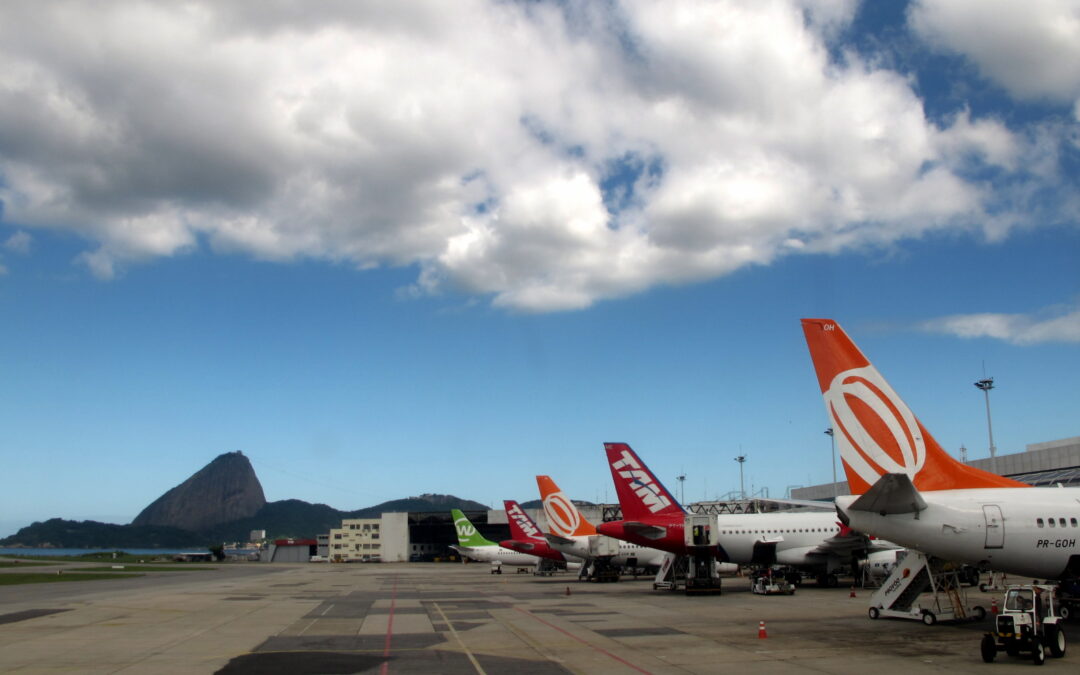
In addition to regional improvements, Brazil’s two most significant metropolitan areas, São Paulo and Rio de Janeiro, will receive substantial investments to upgrade their primary airports. São Paulo-Guarulhos International Airport (GRU), which handles approximately 70% of Brazil’s international arrivals, is set to undergo a significant transformation to enhance passenger experience and bolster security measures. The new administration of GRU has already outlined a comprehensive modernization plan, including expanded terminal facilities, updated security systems, and improvements in customer service infrastructure, all aimed at modernizing Brazilian airports to provide a world-class experience for travelers.

Similarly, Congonhas Airport (CGH), São Paulo’s second busiest airport, is set to benefit from a sizable investment by the Spanish airport operator Aena. With an investment of 2 billion reais (around USD 350 million), Aena will focus on passenger comfort, modernized amenities, and streamlined airport operations. These improvements will help ensure that Congonhas can serve as a seamless, efficient transit point for millions of travelers annually.

For Rio de Janeiro, the government is committed to expanding the capacities of both Galeão (GIG) and Santos-Dumont (SDU) airports. While Costa Filho declined to provide specific details, he confirmed that discussions are underway with multiple stakeholders to ensure that the airports’ facilities and services meet international standards. These improvements in São Paulo and Rio de Janeiro, Brazil’s leading economic and cultural centers, will play a pivotal role in supporting the modernization of Brazilian airports and strengthening Brazil’s position as a global tourism and business destination.

Supporting Tourism and Agriculture through Airport Modernization

One of the central goals of Brazil’s airport modernization program is to foster tourism growth, particularly by increasing domestic flight routes to underserved regions. Brazil’s rich natural and cultural landscapes make it an attractive tourist destination, but limited infrastructure has traditionally hindered access to many areas. By modernizing Brazilian airports, the government hopes to stimulate tourism and drive new economic activity in emerging tourist regions. Improved airport facilities and expanded flight options are expected to boost international and domestic visitor numbers, supporting Brazil’s tourism industry.

In addition to tourism, the program also aims to meet the needs of Brazil’s agricultural sector, particularly in the country’s interior. Many of Brazil’s rural areas, where agricultural production is concentrated, need more transportation infrastructure, which can hinder the efficient transport of goods. Developing new airports in these areas will facilitate faster, more reliable transport links for Brazil’s agricultural exports, significantly contributing to the national economy. By modernizing Brazilian airports in these regions, the government is not only improving accessibility but also supporting the country’s economic backbone.

Addressing Infrastructure Gaps Exposed by the Pandemic

The COVID-19 pandemic highlighted several infrastructure weaknesses, particularly in Brazil’s remote areas, where access to healthcare services was severely limited. In the Amazon region, where geographical challenges and limited transport options create barriers to timely medical assistance, the government has prioritized the construction of at least ten new airfields. These new facilities will improve regional access to essential services and provide emergency response capabilities that were previously unavailable in these remote areas. The government hopes to strengthen the national infrastructure network and improve resilience against future crises by modernizing Brazilian airports in underserved regions.

Moving Forward: Brazil’s Vision for a Modernized Airport Network

This unprecedented investment program signals Brazil’s commitment to modernizing airports as part of a broader strategy to build a more integrated, accessible, and resilient transport network. The program aims to set a new standard for airport infrastructure in Latin America by upgrading facilities, enhancing passenger services, and expanding connectivity. As Costa Filho emphasized, this initiative will play a key role in driving economic growth, supporting the tourism and agriculture sectors, and ensuring that all Brazilians benefit from improved access to transportation.

With details of the complete program expected by year-end, the Brazilian government’s efforts to modernize its airport infrastructure underscore a long-term vision of creating a world-class transport system that is both inclusive and sustainable.

Uruguay Reaffirms Its Leadership in Intellectual Property Rights in Latin America

Uruguay Reaffirms Its Leadership in Intellectual Property Rights in Latin America

Uruguay has once again established itself as a regional leader in the International Property Rights Index (IPRI), ranking first in Latin America and 25th worldwide. This recognition comes from a report by the Center for Development Studies (CED), in collaboration with the Fraser Institute, which evaluates each country’s legal environment, physical property rights, and intellectual property rights.

The IPRI, a measure of a country’s ability to protect property rights, is a crucial aspect of socioeconomic development. In the 2024 report, Uruguay’s overall score of 6.4 out of 10, a one-point increase from the previous year and a four-place jump in the global ranking, is a clear sign of progress. This improvement underscores Uruguay’s strengthening institutions and its commitment to a stable legal environment, making it a beacon of hope for intellectual property rights in Latin America.

Uruguay’s performance in the IPRI is particularly impressive in the Legal and Political Environment (LP) category, where it scored 7.5 points, placing 19th globally. This indicator, which measures factors such as government transparency, political stability, and judicial effectiveness, is a testament to Uruguay’s commitment to ensuring the security of property rights. The report’s revelation that Uruguay improved its performance in this area by 10% is a clear sign of the country’s progress in institutional quality and its ability to attract foreign investment

Uruguay’s progress is internal and reflected in its international perception. The country is increasingly seen as a reliable investment destination, a fact underscored by a spokesperson for the CED. This confidence is built on Uruguay’s institutional stability and respect for the rule of law, making it a model of transparency and effective governance in Latin America, especially in a context where other countries in the region face political and economic challenges.

Physical and Intellectual Property Rights: Areas for Improvement

In addition to its leadership in the legal environment, the IPRI report evaluates Uruguay in the categories of Physical Property Rights (PPR) and Intellectual Property Rights (IPR). The country scored 6 points in physical property rights, ranking 35th worldwide. This aspect pertains to the protection of physical assets, such as land and property, and mechanisms to resolve disputes in this area. While Uruguay shows strength in this category, it continues to face challenges compared to developed countries, where physical property rights are even more robust.

Regarding intellectual property rights, a vital element in attracting tech and creative industries, Uruguay scored 6.2 points, achieving the 44th position in the global ranking. Intellectual property rights in Latin America are essential for fostering innovation and attracting companies in the technology and creative sectors. While the country has shown progress, further improvement is needed to keep pace with global standards and ensure more robust protection of intellectual property rights, especially in the digital era.

Uruguay’s leadership in intellectual property rights in Latin America is particularly notable compared to other countries in the region. The 2024 report surpassed Chile, which ranks 38th with a score of 5.9, and Costa Rica, which holds the 39th position with 5.8 points. Countries like Panama, Brazil, and Argentina also rank below Uruguay, highlighting the gap in the region’s commitment to property rights security. This privileged position allows Uruguay to stand out as an attractive destination for international investment, particularly compared to other Latin American economies facing more significant challenges in ensuring legal certainty for intellectual property rights.

Uruguay: A Model for Sustainable Development

The growth in property rights protection in Uruguay strengthens its appeal for foreign investment and drives internal economic development. Protecting property rights, including intellectual property rights in Latin America, is essential to creating an environment where individuals and businesses can thrive. According to the CED, Uruguay’s property rights index has shown an upward trend over the last 15 years, primarily driven by improvements in the legal and political environment.

Moreover, legal certainty in property rights directly impacts the country’s sustainable development, encouraging investment in critical sectors such as infrastructure, technology, and agriculture, which are crucial to the Uruguayan economy. “Protecting property rights ensures that resources are used efficiently and that investors have confidence in the country’s future,” stated the CED in its report on intellectual property rights in Latin America.

Despite these significant advancements, Uruguay still faces physical and intellectual property rights challenges. Improvement in these areas will be crucial to maintaining its position in the IPRI and advancing toward higher global rankings. With the growing digitalization of the economy, strengthening intellectual property rights will be essential to attracting innovative companies and protecting the work of Uruguayan creators.

Greater collaboration with international organizations and countries leading in intellectual property rights is essential to exchange experiences and enhance local practices. According to the CED, improving intellectual property laws and implementing advanced technologies to protect physical property rights are areas where Uruguay can innovate and strengthen its regulatory framework.

Uruguay’s performance in the 2024 International Property Rights Index confirms its leadership in intellectual property rights in Latin America and highlights its commitment to legal security and institutional stability. With a leading position in the region and a favorable business environment, the country continues to be a reference in intellectual property rights in Latin America. However, improving physical and intellectual property rights is fundamental to sustaining this growth and consolidating its position globally.

Conclusion

Uruguay’s rise to the top in intellectual property rights within Latin America underscores its dedication to creating a secure and transparent environment for local and foreign investors. As demonstrated by its performance in the International Property Rights Index, Uruguay’s strength lies in its solid legal and political framework, which is a bedrock for economic stability and growth. This institutional robustness attracts foreign capital and fosters a favorable climate for innovation, allowing industries like technology and agriculture to flourish. However, for Uruguay to maintain its leadership and further enhance its global standing, it must address ongoing physical and intellectual property rights challenges. Strengthening protections, particularly in an increasingly digital economy context, will be vital in keeping pace with global standards and ensuring comprehensive coverage for intellectual property assets. Uruguay can bolster its regulatory framework and remain competitive in an evolving global market by collaborating with international organizations and adopting best practices from countries that excel in property rights. As Uruguay advances its commitment to legal certainty and innovation, it sets a standard for other Latin American countries, highlighting the crucial role of stable governance and effective property rights protections in sustainable economic development. Moving forward, Uruguay’s focus on these enhancements will be instrumental in solidifying its reputation as a model of institutional reliability and sustaining its growth trajectory within Latin America and beyond.

A Comprehensive Guide to Doing Business in Honduras

A Comprehensive Guide to Doing Business in Honduras

Honduras, positioned as a gateway between North and South America, offers a unique blend of strategic location, workforce availability, and access to diverse markets. Companies considering doing business in Honduras should carefully assess various factors influencing its economic and operational environment. This guide provides an overview of the primary considerations for establishing and running a successful business in Honduras.

Economic Stability and Inflation

Economic stability is not just a factor but a crucial strategic consideration for businesses in any market. Honduras has experienced moderate economic growth in recent years, bolstered by its agricultural and manufacturing sectors. However, knowing the latest inflation trends is not enough. Businesses should actively assess and project how economic fluctuations could influence their operations. This proactive approach and consulting financial analysts can provide valuable insights and help companies make informed decisions.

Regulatory Environment

While improving, the regulatory environment in Honduras still presents significant challenges for foreign companies. Understanding and navigating the country’s regulatory framework, which includes legal requirements for business registration, operational permits, and environmental compliance, is not just important but crucial. While Honduras has taken strides to simplify business regulations, some industries may face additional requirements. Companies should be prepared for the necessary steps to acquire licenses, understand the country’s trade regulations, and ensure compliance with Honduran laws to avoid legal complications. This caution and thorough preparation can help companies navigate the regulatory landscape more effectively.

Taxation Regime

Understanding the taxation regime is essential for managing costs effectively. Honduras imposes taxes on income, value-added goods, and services. The corporate tax rate is generally around 25%, with additional taxes applicable depending on the nature of the business. Companies must be prepared to navigate the tax structure, as compliance with tax regulations is critical to maintaining a favorable business standing. Engaging with local tax experts or consultants can be advantageous when doing business in Honduras, as they can offer guidance on tax obligations, exemptions, and deductions that may apply to specific sectors.

Labor Market and Laws

A young, eager workforce characterizes the labor market in Honduras, but companies must understand local labor laws. The country has specific regulations around minimum wage, working hours, overtime pay, and employee rights. Businesses should be mindful of the labor code to avoid potential disputes. Labor unions are also prevalent in certain sectors, and companies should be prepared for collective bargaining. Companies with a presence in Honduras will benefit from staying informed about labor legislation updates and ensuring compliance with all regulations.

Political Climate and Stability

Honduras has a complex political landscape that can impact the business environment. While the government encourages foreign investment, changes in administration can result in shifts in policy priorities. Businesses should closely monitor political developments and evaluate how these changes may affect their operations. Establishing a presence in Honduras may require navigating political considerations, particularly for industries closely tied to government regulations or services. Partnering with local advisors is often beneficial for staying attuned to the political climate when doing business in Honduras.

Currency Controls and Import/Export Restrictions

Honduras operates with the Lempira (HNL) as its currency. While currency conversion is relatively stable, businesses must understand any restrictions on currency exchange and repatriation of profits. Currency controls may occasionally impact operations and financial planning. Additionally, companies must familiarize themselves with import and export restrictions. Specific goods may face tariffs, quotas, or regulations affecting sourcing and distribution strategies. Companies should ensure compliance with customs regulations to prevent delays or penalties, an essential aspect of doing business in the country.

Infrastructure and Logistics Connectivity

Honduras has invested in infrastructure, especially in roads, ports, and airports, which are crucial for businesses with supply chain needs. However, some areas still lack adequate connectivity, potentially impacting logistics efficiency. The port of Puerto Cortés, one of the most important in Central America, provides valuable access for import and export activities. Businesses should assess the transportation network and logistics infrastructure to determine whether it aligns with their needs, as it can significantly impact operational costs and delivery times when conducting business in Honduras.

Industry-Specific Opportunities and Challenges

Honduras offers sector-specific opportunities, particularly in manufacturing, textiles, and agriculture. The country has a strong position in the apparel sector, owing to its proximity to the U.S. and competitive labor costs. Agribusinesses benefit from favorable conditions for crops like coffee, bananas, and palm oil. However, industries also face challenges, such as competition and market saturation. A market analysis is recommended for any company exploring doing business in Honduras, as understanding sector-specific trends is essential for identifying potential growth areas and challenges.

Foreign Direct Investment (FDI) Incentives

Honduras has introduced a range of FDI incentives to attract international businesses. Special Economic Zones (ZEDEs) offer benefits such as tax exemptions, reduced duties, and flexible labor regulations. These incentives can be highly advantageous, especially for industries like manufacturing and logistics. Companies should investigate whether they qualify for these benefits, as FDI incentives can significantly reduce operational costs and enhance profitability. When doing business in Honduras, understanding the available FDI incentives can substantially affect financial planning.

Trade Agreements and International Relations

Honduras participates in various trade agreements that facilitate access to international markets. The Central American Free Trade Agreement (CAFTA-DR) with the United States is particularly beneficial, providing tariff-free access to U.S. markets for specific products. Additionally, Honduras is a member of the Central American Integration System (SICA), which promotes regional cooperation and trade. Companies considering establishing a presence in Honduras should evaluate these trade agreements to leverage tariff reductions and streamlined export processes for their goods.

Energy Supply and Costs

Energy availability and costs are crucial for industries with high energy demands. Honduras relies on a mix of hydropower, thermal, and renewable energy sources. However, businesses may encounter fluctuations in energy costs and potential power shortages in certain regions. Companies should assess their energy requirements and explore partnerships with local energy providers. Understanding the local energy landscape is essential for energy-intensive sectors to ensure reliable and cost-effective power supply when doing business in Honduras.

Legal System and Dispute Resolution

Honduras’s legal system is based on civil law, and foreign businesses may encounter challenges navigating its legal framework. Resolving business disputes can be time-consuming, so companies should familiarize themselves with local laws and dispute-resolution methods. Arbitration is commonly used for commercial disputes, providing an alternative to lengthy court processes. It is advisable for businesses doing business in Honduras to engage legal professionals who can offer guidance on contracts, dispute resolution, and other legal matters.

Intellectual Property Protection Laws

Protecting intellectual property (IP) is essential for businesses across industries. Honduras has established IP laws, but enforcement can vary, and counterfeiting remains a concern in some sectors. Companies should take proactive measures, such as registering trademarks and patents, to safeguard their IP assets. Engaging a local IP attorney can help ensure compliance with Honduran regulations and provide guidance on IP protection strategies, which are critical when doing business in Honduras.

Environmental Regulation

Environmental sustainability is becoming increasingly important, with the government implementing regulations to reduce environmental impact. Businesses in manufacturing, agriculture, and energy sectors should be aware of these regulations, as compliance may require adopting sustainable practices. Companies should assess their environmental responsibilities to ensure they meet regulatory standards. When doing business in Honduras, understanding environmental requirements can help companies align with local laws and global sustainability goals.

Market Demand and Competition

Market demand varies by industry, and companies should conduct thorough market research to gauge local consumer preferences and demand trends. In Honduras, consumer goods, electronics, and telecommunications sectors have shown promising growth. Additionally, competition from local and international companies can be a significant consideration. Companies should evaluate market saturation levels, consumer behavior, and competitors to make informed decisions about their business strategy. Tailoring products and services to local needs is essential for successful market entry in Honduras.

Cultural and Language Considerations

Understanding cultural nuances is fundamental for establishing solid relationships with customers, employees, and business partners. Spanish is the primary language in Honduras, and companies are encouraged to employ bilingual staff for smoother communication. Additionally, understanding business etiquette and social customs can positively impact interactions with local stakeholders. When doing business in Honduras, respecting cultural differences can help build trust and foster effective partnerships, contributing to the overall success of the venture.

Conclusion

Thorough research and strategic planning are crucial for companies considering doing business in Honduras. Understanding the country’s economic conditions, regulatory landscape, labor market, and cultural context can help companies better navigate the complexities of operating in Honduras. This guide outlines the key areas companies should explore to ensure a successful and sustainable presence in the Honduran market. From regulatory compliance and labor laws to market demand and cultural insights, each factor is integral to achieving a rewarding experience when doing business in Honduras.