
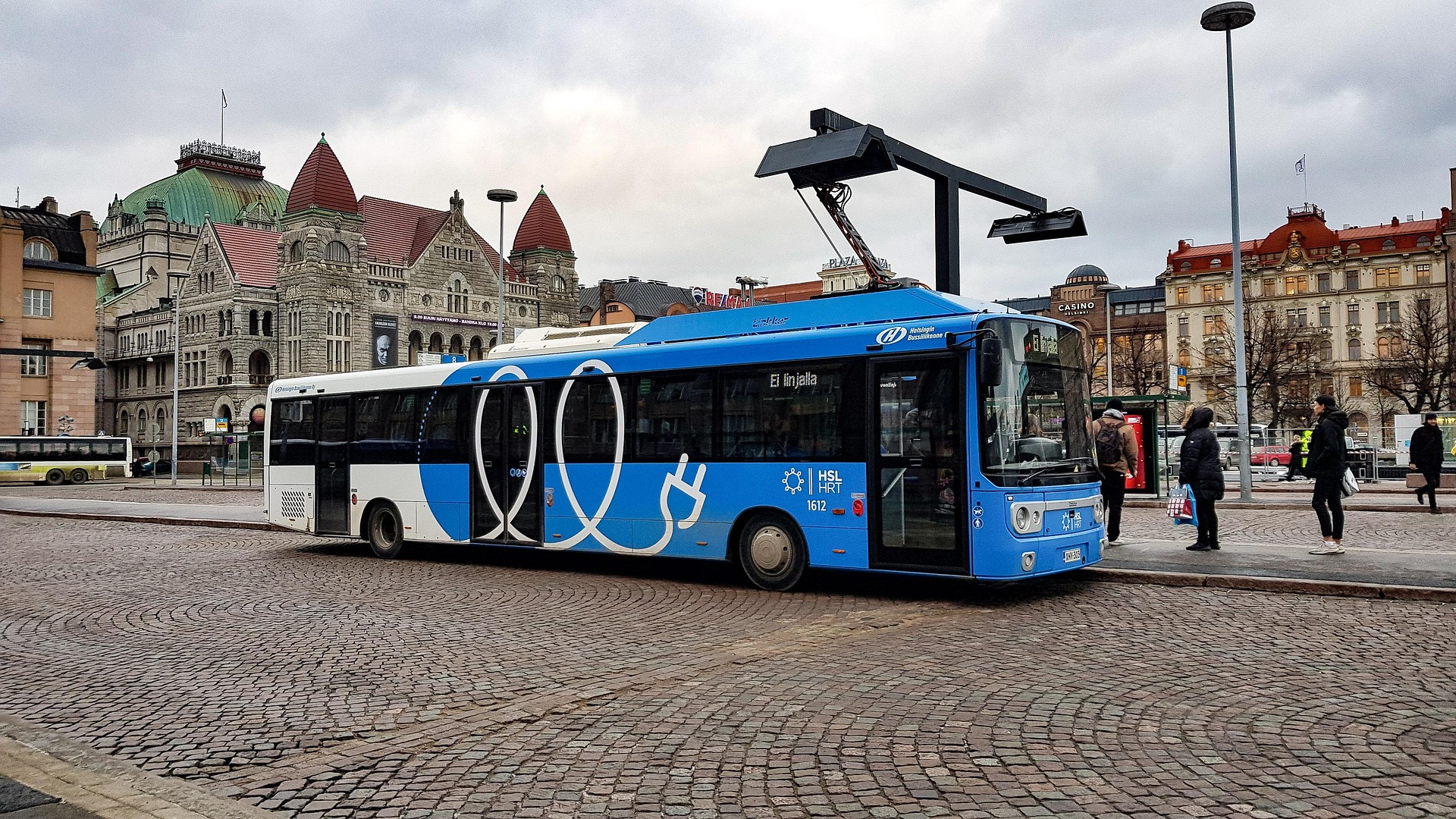
Mexico continues to attract foreign investment for electric mobility. Just last week, two U.S.-based companies announced that they will be investing nearly half a billion dollars in electric vehicle charging infrastructure and electric buses throughout central Mexico.
The companies that will be developing the electric mobility project are Invisible Urban Charging Inc. (IUC) and ATX Smart Mobility. For both companies, Mexico presents an opportunity to grow their electric mobility services throughout Latin America.
The announcement continues several recent efforts to invest in electric mobility in Mexico. Electric vehicles are gaining popularity throughout Latin America’s second-largest economy as demand for cleaner transportation solutions grows in Mexico City and other large metropolitan areas.
The Investor-Owned Companies
Two American companies have announced plans to invest approximately $500 million USD in Mexican electric mobility, starting with electric buses and charging infrastructure in and around the Bajío region.
Headquartered in Atlanta, Invisible Urban Charging Inc. will provide financial assistance and hardware for the charging portion of the project. ATX Smart Mobility, a Miami-based tech company, will implement artificial intelligence technology to manage how the buses move about city streets.
Together, the companies say they will install 38 electric charging stations and 140 electric buses throughout Mexico. Officials from both companies added that they hope to break ground within the next few months.
IUC provides a combination of financing and hardware for its charging stations. The Georgia-based company focuses on cities looking to add scalable charging infrastructure.
Some of IUC’s primary responsibilities include:
- Financing charging station installations
- Supplying hardware for charging stations
- Installing and maintaining software to run charging stations
Software provided by IUC allows EV drivers to find nearby charging stations through a mobile application. Station operators and business owners can also track energy usage and station utilization.
Jake Bezzant, co-founder and CEO of Invisible Urban Charging, said in a statement that his company is looking toward Mexico as a beachhead into the Latin American market for electric mobility solutions.
“In particular, we’re initially focused on commercial electric vehicle fleets such as buses and delivery vehicles,” Bezzant stated. “Once you put in that infrastructure for commercial vehicles, you then allow for ease of adoption for consumers.”
AI Will Power Smarter Transportation
ATX Smart Mobility’s electric buses will run on technology designed to create a smarter transportation network. Using artificial intelligence, the company’s software will allow officials to:
- Optimize route efficiency for electric buses
- Increase the energy efficiency of buses
- Schedule vehicle charging
- Analyze city transportation needs
ATX Smart Mobility says its intelligent routing software will help municipal leaders get the most out of their electric bus purchases by maximizing efficiencies and reducing energy costs. Routing isn’t the only service that will be powered by AI, however.
“Routing is one piece of the puzzle,” said a company spokesperson. “Electric buses require smart maintenance and charging schedules, predictive analysis, and real-time data to truly transform transportation.”
CBRE To Help Build Out Charging Infrastructure
International commercial real estate services company CBRE Group will also help develop locations for charging stations.
The services CBRE will provide to the charging network include:
- Determining ideal charging station locations
- Assisting with charging station installation
- Maintenance and operations for stations
CBRE will use its data and analytics platform to determine where to recommend installing charging stations. This platform will take into consideration population density, traffic patterns, and nearby business districts.
Where will the charging stations be located?
Initial installations will be made throughout central Mexico, including:
- Mexico City
- State of Mexico
- Puebla
- Querétaro
Why central Mexico? As previously mentioned, the Bajío region alone has attracted new passenger and commercial vehicle manufacturers to areas such as Querétaro. The proliferation of automotive manufacturing will continue, but the demand for EV chargers is not yet meeting expectations.
“There are approximately 280 vehicles per charger in Mexico,” said an ATX Smart Mobility executive. “We believe that an ideal ratio is somewhere around 40 vehicles per charger.”
Electric mobility in Mexico is attractive to investors because the demand is there. Mexico’s urban population is growing every year, putting a strain on public transportation and commercial transportation fleets. At the same time, the nation is building up its automotive manufacturing sector to support new electric vehicle market entrants such as:
- BYD
- Geely
The environmental benefits of replacing gas-guzzling buses with electric alternatives are obvious. Increasing the adoption of electric passenger vehicles in Mexico also requires building out a network of chargers. Projects such as this aim to do just that.
Electrifying Mexico’s Transportation Network
Electric mobility in Mexico can have lasting impacts on the country’s economy and environment. It:
- Helps increase the adoption of EVs by making charging more accessible
- Could help reduce emissions with electric buses
- Helps grow Mexico’s EV economy by bringing in new investment from the United States
- Creates jobs across multiple sectors (charging infrastructure, software, transportation, etc.)
Global automotive manufacturers are already sensing an opportunity in Mexico. Domestic manufacturers such as Zacua are following in the footsteps of established EV brands, giving consumers even more reason to purchase electric cars.
Conclusion
Mexico has the opportunity to join countries such as China and the United States as one of the global leaders in electric mobility. Supporting global efforts to electrify transportation, companies such as Invisible Urban Charging and ATX Smart Mobility are taking steps to attract more international investment to Mexico.
ATX’s executive concluded: “Latin America has an opportunity to leapfrog right to the newest and most innovative transportation technologies. We’re just getting started.”