
A High-Profile Meeting at Mar-a-Lago Sparks Optimism in Honduras
Upon returning from his Florida meeting with former President Donald Trump at Mar-a-Lago late last week, Honduran President Nasry “Tito” Asfura shared that he expects the United States will help his nation strengthen economic ties, particularly through private investment in Honduras. As the world watched the meeting between Trump and Asfura, policymakers, Honduran business leaders, and members of the Honduran diaspora shared optimism about the bilateral meeting’s results and implications.
Sources familiar with the meeting confirmed that Asfura and Trump met for close to an hour, double the scheduled time. Both leaders reportedly spent significant time discussing ways to improve bilateral relations between Honduras and the United States. Sources close to President Asfura expressed that the atmosphere during the meeting was productive, with both leaders developing political and personal chemistry.
Top topics of conversation reportedly included trade, foreign direct investment (FDI), and migration
Sources from Honduras’s official delegation said that trade, foreign direct investment (FDI), and migration were central topics of conversation between Asfura and Trump. Honduras depends heavily on the U.S. for imports and exports and on remittances from Hondurans living in the United States.
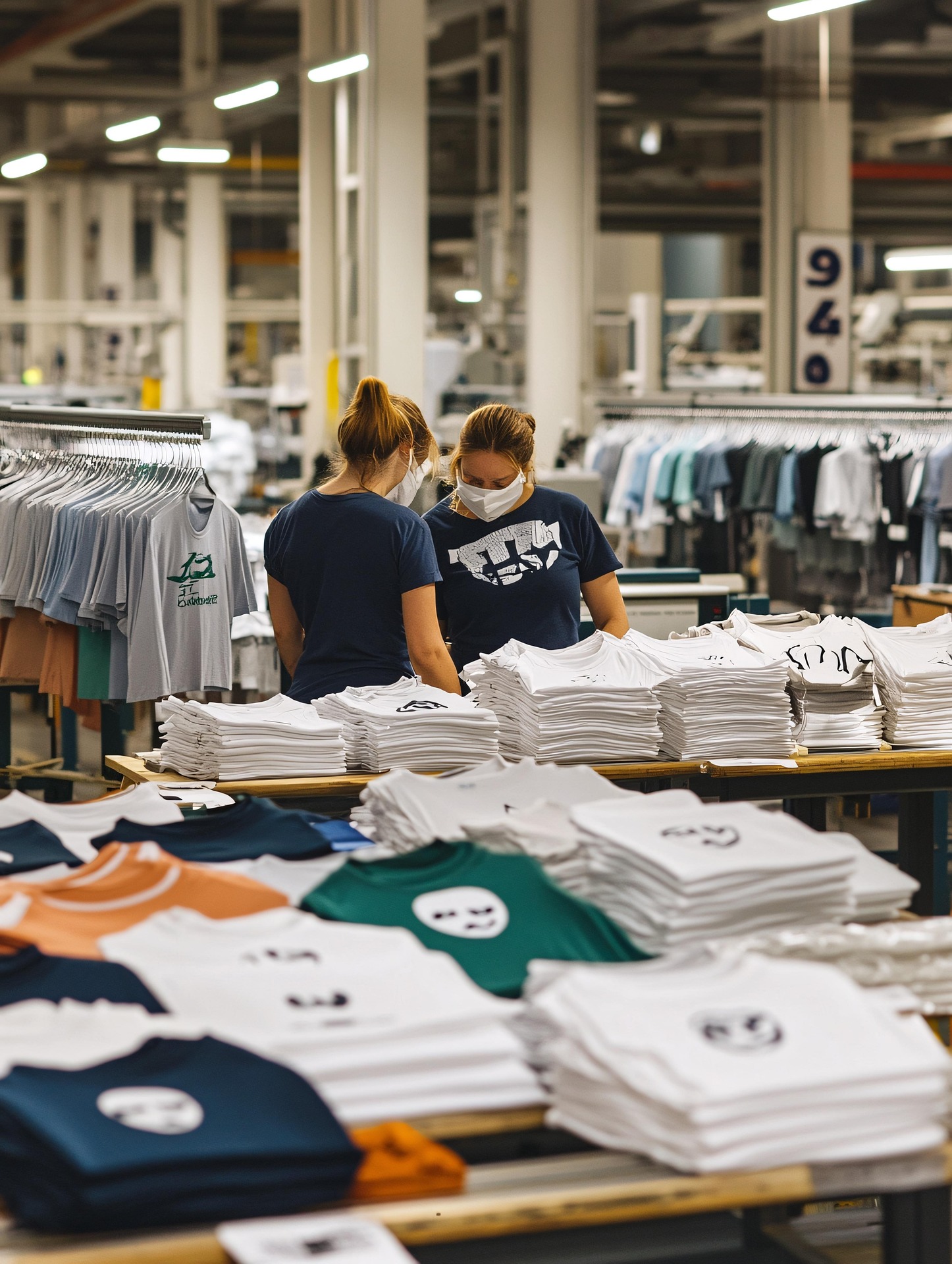
Trade deals were top of mind for both leaders. Officials in Asfura’s delegation said they discussed reducing tariffs and increasing export opportunities for Honduran-made products into the U.S. Honduras currently exports significant amounts of agricultural, textiles, and manufactured goods to the United States. Honduran exports benefit from preferential tariff treatment with the United States. Experts believe that tariff reductions and the furtherance of trade could bolster Honduras’s export economy.
Private investment in Honduras was another likely focus of the meeting between Asfura and Trump. Asfura reportedly told Trump that Honduras offers a competitive nearshoring opportunity for the United States due to its geographic proximity, low labor costs, and membership in free trade agreements. He went on to highlight Honduras’s industrial parks and maquiladora sector and growing interest from firms looking to invest in renewables, logistics, and manufacturing. Strengthening political ties between Honduras and the United States could create the confidence U.S. investors need to increase private investment in Honduras.
Migration was another expected topic of conversation. Sources familiar with the meeting say both leaders agreed that growing the Honduran economy and providing more jobs will help decrease irregular migration. Both leaders have expressed interest in expanding collaboration on workforce development, joint investment in migrant sending communities, and pathways for legal labor migration.
Reaction among Hondurans and Honduran Americans has been mixed
Images and video footage of the private meeting circulated quickly through Honduras and social media among Honduran diaspora populations across the United States and Latin America. Local news outlets published stories focusing on the symbolic importance of the meeting.
Outside Mar-a-Lago, Hondurans waving Honduran flags gathered to celebrate the successful meeting. On social media, people reposted news coverage of the meeting and shared their hopes for new private investment in Honduras.
Before boarding the plane to Florida, President Asfura posted a message of confidence to his social media accounts: “Today is a good day for Honduras. In God’s name and with Him, everything is going to turn out well today. Honduras, we are going to be fine!” The tweet was shared widely across Honduras.
U.S. Honduras relationship critical for economic growth
The Honduran economy depends on strong ties with the United States. The U.S. is Honduras’s largest trading partner, a major source of FDI, and is home to millions of Honduran emigrants who send home billions of dollars to their families in Honduras each year. In fact, remittances make up one of the highest percentages of GDP when compared to other Latin American countries.
Because of this close relationship, any development on trade or migration will have real impacts on the Honduran economy and the pockets of Hondurans. Business leaders watched the meeting closely, hopeful for signals that economic policy may open doors for greater private investment in Honduras.
Analysts also noted that Asfura is setting himself up for geopolitical success by pivoting Honduras closer to the United States. As global companies look to diversify their supply chains and nearshore production, Latin American and Caribbean countries are competing for those investments. By strengthening ties with the U.S., Honduras can position itself as a leader in regional manufacturing and increase its chances of securing multinational investment.
Foreign investment could signal opportunities for growth and stability in Honduras
Growing U.S. interest in Honduras has business leaders and politicians hopeful that they can quicken the pace of reforms needed to open Honduras for private investment. These reforms include reducing red tape for investors, improving physical and digital infrastructure, and cracking down on corruption.
For investors, partnerships with the United States send a signal that the country has stable economic policies and a rule of law that make Honduras a safe place to do business. If U.S. leaders advocate for private investment in Honduras, investors may begin to look more closely at sectors like manufacturing, agriculture, renewable energy, tourism, and logistics for business opportunities.
Honduras’s strategic location in Central America also provides an advantageous platform for regional distribution hubs and export-led manufacturing. Global companies are looking to nearshore production to diversify their supply chains. Honduras could benefit from new investment if it positions itself as a leader in these sectors.
Migration can only be curbed through economic development and opportunity
Honduras continues to face the consequences of high migration rates to the United States. Many Hondurans leave their homes in search of economic opportunity and better wages. Asfura has made economic development through job creation a top priority for his administration.
Addressing the root causes of migration through foreign direct investment and expanding exports can help create jobs at home in Honduras. The U.S. and Honduras could expand cooperation on creating economic opportunities in Honduras through vocational training programs, infrastructure development, supporting small businesses, and more.
Remittances are the lifeline for thousands of Honduran families. However, migration is not a long-term solution to Honduras’s economic challenges. Families want to stay in Honduras and not feel forced to leave to support their children. The talks between Trump and Asfura at Mar-a-Lago may be the first step to combining smart enforcement with economic development and pathways for legal migration.