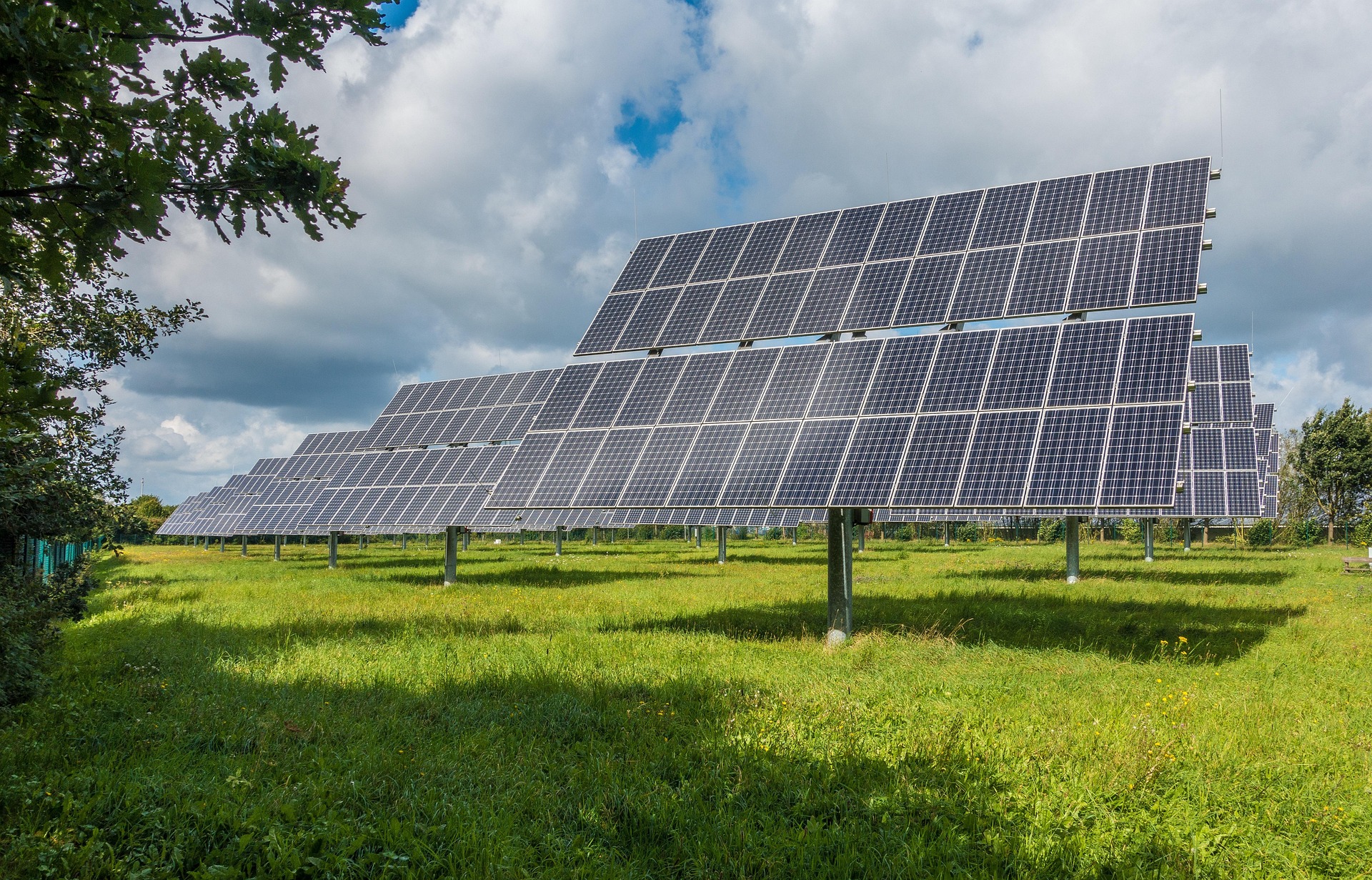
Peru is on the cusp of a turning point in the generation of clean power. No longer content to merely advocate for sustainability, the Andean nation is opening its doors to investors, aligning its institutions, and developing a mid-term road map that will make renewable energy investment in Peru a priority. Guided by PromPerú and working in coordination with the Executive Branch, the South American country is eager to attract foreign investment for solar projects in its southern and northern deserts, wind parks on its resource-rich coast, geothermal projects in the Andean corridor, and biomass in the Amazon jungle. The government estimates that with a steady flow of projects, Peru could see its economic growth rate reach or exceed 4.5% in the medium term, while also providing reliable and lower-carbon power to industries that require it. In short, the country is building a strategy to make renewable energy investment in Peru attractive for local developers and international investors alike.
A strategy with an international outlook
Daniel Ignacio Córdova Espinoza, Investment Promotion Director at PromPerú, said the Peruvian government is shifting its strategy from passive promotion to targeted engagement. “We are applying a very proactive approach to identify companies operating in these markets and give them detailed information about the investment opportunities that exist in Peru,” he said during the Future Energy Summit (FES) in Chile. Córdova was making his remarks while PromPerú was unveiling its plan to accelerate foreign capital inflows into Peru, which is steadily making the transition toward a cleaner and more diversified energy matrix. The promotional strategy involves more than conferences and marketing brochures. Personalized outreach to interested firms, technical briefings, and investor support mechanisms that accompany projects from exploration through completion are also key parts of this push to attract international capital. Peru also has a stable macroeconomic and political climate with a social will to decarbonize its energy mix; plus, the growing demand for electricity that has been driven by mining activity, industry, new housing projects, and general urbanization processes. Institutionally speaking, this programmatic coordination now involves several government agencies, including the Office of the Prime Minister, the Ministry of Energy and Mines, the Ministry of Foreign Trade and Tourism, ProInversión, and PromPerú, which are all working together to make renewable energy investment in Peru a success.
What’s driving international interest in renewable energy investment in Peru?
When it comes to renewable energy investment in Peru, investors are looking for three key factors: resource quality, grid connection, and regulatory certainty. Peru scores well on the first two. The country is blessed with some of the best solar irradiation levels on the continent, particularly in the south. The wind corridors along its Pacific coast offer high and consistent wind speeds. Volcanic activity in the southern and central-south regions means there is still untapped geothermal potential. Biomass projects that combine agricultural and forestry residues to produce electricity also have the added benefit of bringing new power to remote communities and reducing waste. Peru’s electric grid is more interconnected than it used to be, and significant investment in new transmission lines is helping bring resource-rich but previously isolated regions closer to urban centers. Meanwhile, the government is actively seeking partnerships between private developers and local communities, not only to make sure projects bring direct employment, training, and new public services, but also to ensure that these projects are seen as an opportunity for shared prosperity. This social dimension is already shaping the way renewable energy investment in Peru is seen by companies that understand the need for long-term projects to generate visible benefits.
Growth projections require regulatory agility
As Peru’s economy continues to grow at just over 3% today, with some estimates suggesting it may exceed 4.5% once reforms and incentive programs start bearing fruit, there is also the implication of growing demand for electricity. Growing demand means the need for storage systems capable of providing additional stability when the sun sets or wind gusts diminish. But here is the rub, according to Córdova Espinoza. Promotion is moving very quickly, and regulation has not always kept up with it. Law 32,249, which is now serving as a sort of provisional framework for energy-storage regulation, is a positive step, but still leaves a lot of room for improvement. Developers are asking for clear permitting procedures, standard rules for integrating new projects onto the grid, and clear timelines to reduce financial risk. The need to coordinate transmission planning with the grid operator is also critical. It makes more sense for policymakers to plan power lines according to where new renewable projects are expected to go, rather than retrofitting the grid later. Córdova Espinoza also spoke of the need to revive private power-purchase agreements (PPAs), which are contracts between companies and developers for the purchase of energy generated by a given plant over a specified period of time. Private PPAs are common in Latin America and provide a way for developers to secure financing for their projects while also hedging against exposure to market volatility.
Community, environment, and shared prosperity
Behind the macroeconomic numbers are communities and regions of Peru that will feel real change as projects are implemented. Solar plants in the south of the country, for instance, are creating jobs for technicians, electricians, welders, engineers, and other skilled professionals. Wind generation, meanwhile, generates local tax revenue that municipalities use to improve public roads, water systems, and schools. Developers are also dedicating more time to pre-project consultations with local communities, where they talk about land use, cultural heritage, and environmental safeguards. These discussions may not be easy, but they can help ensure that renewable energy investment in Peru is not seen as something happening from the outside, but as a shared endeavor with tangible benefits. Standards are also being raised on the environmental side, with impact assessments increasingly calling for wildlife protection plans, soil preservation strategies and post-construction monitoring to ensure ecosystems are not being harmed.
Chile, Argentina, and the competition for regional markets
Peru is well aware of its competition for clean-energy dollars, particularly from neighbors Chile and Argentina, which have already signed contracts worth billions of dollars. But by playing up its resource potential, by expanding the certainty it can offer to investors, and by streamlining permitting procedures, the South American country also hopes to attract projects that could otherwise go to other markets. Although Peru is a later starter than some regional countries in terms of renewable energy investment, its advantage will be to learn from their mistakes. Avoiding an overly complex auction system and minimizing bureaucratic red tape would be positive first steps. There is also room to encourage innovation, whether in the form of hybrid generation/storage plants or other novel technologies. Demand is already on the horizon. Mining companies need to decarbonize their operations, urban areas need more dependable electricity, and export-oriented industries are also under pressure to clean up their supply chains. All of these trends are converging to make renewable energy investment in Peru a priority over the next decade.
A cautious but ultimately optimistic view
Peru’s energy transition is not a foregone conclusion, and obstacles remain, including those related to regulatory bottlenecks and global financial volatility. But the direction of travel is clear, and what the country is doing now — tying together policy, promotion, and infrastructure — signals to investors that it is serious. As Córdova Espinoza put it, “Demand will be there. What needs to happen now is to clear the regulatory path to make that change easier.” If reforms continue to move quickly and if communities continue to feel the benefits of these programs, Peru could end up being one of South America’s clearest success stories in the clean power field. The benefits would be not only economic, but also make for a more resilient energy system that is able to support industry and innovation, and which can also power a more sustainable future for generations to come.