+1 (520) 780-6269 investment@latamfdi.com
How the Canal benefits the economy of Panama

How the Canal benefits the economy of Panama

With 109 years of operation, the Panama Canal has recorded record numbers in recent years.

Taking advantage of its geographical position, the Canal has modified international trade, saving time, distance, and costs in the maritime transport of finished products and raw materials between different countries since its inauguration on August 15, 1914.

This monumental engineering work connects 180 maritime routes, reaching 1,920 ports in 170 countries worldwide, where approximately 5% of world maritime trade was transited in 2024.

The figures on the Canal

Through its 82 kilometers of length, the Panama Canal connects the Atlantic and Pacific oceans. It has contributed to the Panamanian economy of US$ 20.7 billion during the last 25 years of being in Panamanian hands.

The Panama Canal’s handover to Panama in 1999 significantly boosted the country’s economy. Here’s a breakdown of its contributions:

  • Direct economic impact: The Canal generates revenue through tolls paid by ships using the waterway. This income directly contributes to Panama’s government budget.
  • Indirect and induced impacts: The Canal’s activity creates a ripple effect throughout the Panamanian economy. It spurs related industries like logistics, shipping services, and canal maintenance, creating jobs and increasing economic activity.
  • Expansion project: The major Panama Canal expansion project undertaken between 2007 and 2016 further bolstered the economy. Construction activities created significant demand for materials and labor, stimulating growth.

Furthermore, it delivered a contribution of US$ 2.5 billion to the National Treasury through surpluses, rights per ton of transit, and payment for services provided by the State during fiscal year 2022.

This waterway contributed  US$2.5 billion to the treasury for fiscal year 2023, thanks to a budget estimated at US$4,652.0 million.

The impact on the economy of Panama

It can be observed that the Panama Canal significantly impacts the economy of Panama in three main ways:

  • As a source of export of services, where the income received comes from the users of the Canal, for this reason, they form part of the economy’s total exports and constitute a fundamental source of essential resources for economic growth, job creation, the flow of investments, the acquisition and adaptation of new technologies and the training of human resources.
  • The Panama Canal facilitates various additional economic activities (shipping companies, fuel terminals, etc.)
  • It supports other services and export activities in the transit zone (free zones, banks, etc.).

Unleash Your Growth Potential:
Attract Foreign Direct Investment (FDI)

Learn how our proven strategies bring international capital to your organization. Schedule a free consultation today to discuss your unique needs and discover how we can unlock your growth potential. 

Facts about the Panama Canal

The first ship to cross the Panama Canal was the American ship Ancón in 1914. Its passage meant the official opening of the maritime Canal.

Fifty-six thousand three hundred and seven workers participated in the construction of the Canal, the majority coming from the Antilles, Europe, and North America. In the excavation, around 270,000 cubic yards of earth were extracted, the material used to build the Amador military fort, the town of Balboa, and the breakwater on Naos Island.

The cost of the canal toll depends on the weight of the boat and the number of passengers. The cheapest toll was paid in 1928 by Richard Halliburton, the only man to swim across the 49 miles (80 kilometers) of the Canal. The feat took him 14 days. He paid 36 cents on the dollar, equivalent to his 63 kilos of weight.

On average, it takes a ship between 8 and 10 hours to pass through the Panama Canal. First, the ship waits its turn at the entrance and then enters until it stops through the locks that use the force of gravity to fill and empty themselves with fresh water, thus allowing ships to pass through the isthmus.

The Panama Canal is a route some cruise chains offer between September and April. The crossing allows travelers to observe the operation of the Canal. They can observe the hydraulic locks that lift the boat, descend, and continue sailing through this magnificent architectural work that drives the economy of Panama.

What’s Coming

In addition to the initiatives for a new water resource management system, in 2023, the Panama Canal was committed to maintenance programs, which include infrastructure such as the Panamax locks that have been operating for more than 100 years, as well as floating equipment, such as tugboats that support the daily operation of the Canal.

Furthermore, in the future, the Canal anticipates focusing on increasing its organizational agility and moving toward new, improved, and digitized processes. These changes will bring greater operational efficiency at all levels.

Indeed, the development of the Canal goes hand in hand with the development of the country’s imports and exports and the economy of Panama.

In conclusion, the Panama Canal is a testament to human ingenuity and engineering prowess. It transcends its role as a mere waterway to become a linchpin of global trade and a cornerstone of Panama’s economy. With over a century of operation, it continues facilitating the flow of goods and services between the Atlantic and Pacific oceans, driving economic growth, job creation, and technological advancement within Panama and beyond. As the Canal embraces modernization initiatives and commits to maintenance programs, it positions itself for continued relevance and efficiency in the ever-evolving landscape of international commerce. The Panama Canal’s journey undoubtedly mirrors Panama’s, intertwined with the nation’s past, present, and future aspirations for prosperity and development.

Don't Miss Out: Limited Spots Available for Free FDI Strategy Sessions

Foreign Direct Investment can fuel your organization's success. But competition is fierce. Secure your spot today for a free, no-obligation consultation with our FDI experts. Learn how to attract global investment and take your business to the next level.


Mercosur-EU Agreement: Balancing Progress and Political Dynamics

Mercosur-EU Agreement: Balancing Progress and Political Dynamics

This blog post explores the complex trajectory of the Mercosur-EU agreement, considering the main challenges, the politics involved, and the impact on global commercial relations.

On an initiative considered crucial for international relations and institutions, Mercosur and the European Union countries prepare for a meeting at the end of April to preserve the progress made in recent rounds of negotiations for the long and complex free trade agreement they are considering. This partnership, which has been in place since 1999, faces a delicate moment, according to experts and international trade authorities.

What are the main points of tension in the Mercosur-EU agreement?

The arrival of Rupert Schlegelmich, the European Commission’s trade director, in Brasilia during this period is a sign of the importance and urgency that the issue demands from both sides. However, the prospects for finalizing the agreement in 2024 may be minimal. Significant political events influence this circumstance in the territories of the parties involved, such as the European Parliament elections and the end of Ursula  Von Der Leyen’s mandate.

Progress and obstacles in negotiations

Both blocks recognize significant advances that can be disregarded within the scope of conversations between the two parties. Notable examples include discussions on government purchases requested by Brazil’s president, Luis Ignacio Lula da Silva, which are now approaching a satisfactory resolution. However, the new EU anti-deforestation law and policy represent a considerable challenge, directly threatening exports of critical products from Mercosur countries.

How can political changes in Argentina affect the agreement?

The political dynamics in Argentina, with the presence of the new president, Javier Milei, suggest a more receptive stance towards the agreement, contrasting with the Alberto Fernández era. That change is seen as a facilitator in negotiations, offering a new perspective on the conflict that involves the interests of protectionists and liberalists within the political and economic spectrum of the countries involved.

Unleash Your Growth Potential:
Attract Foreign Direct Investment (FDI)

Learn how our proven strategies bring international capital to your organization. Schedule a free consultation today to discuss your unique needs and discover how we can unlock your growth potential. 

European Vision Union on the agreement

In a recent visit to Brazil, French President Emmanuel Macron classified the 2019 agreement as “terrible, ” reflecting the tense discussion that still occurs among the Union European members. Even so, Brazilian authorities remain optimistic, considering the possibility of overcoming these obstacles after the electoral and administrative events in the EU.

What is the future of the Mercosur-EU agreement?

  • Analysis of the influence of elections in the European Parliament and Von Der Leyen’s possible second term.
  • Strategies for maintaining progress achieved and avoiding a throwback in the negotiations on the Mercosur-EU
  • Impact of political changes in Argentina and other Mercosur countries.
  • Adjustments and commitments are necessary to resolve the impasse over the new law and EU anti-deforestation policy.
  • The vision and position of key EU countries, such as France, Ireland, and Poland, towards the Mercosur-EU agreement.

The meeting between Mercosur and the Union European Union at the end of this month brings with it the chance to “freeze” the significant advances made so far, establishing one path towards resuming negotiations soon. The complexity of discussions and interests involved requires all parties’ care, patience, and strategy, outlining a scenario of uncertainty and possibilities promising for both blocks’ economies.

In conclusion, the trajectory of the Mercosur-EU agreement epitomizes the intricate dance between progress and political dynamics in international relations. While both blocs acknowledge substantial advancements in negotiations, challenges loom large, notably the EU’s anti-deforestation law and policy directly impact Mercosur’s key exports. Moreover, shifting political landscapes, such as the rise of Javier Milei in Argentina and internal discord within the European Union, add layers of complexity to the path forward.

Ultimately, the Mercosur-EU agreement stands at a crossroads, with the potential to either stagnate or progress. It demands a delicate balance of interests, commitments, and foresight from all stakeholders, underscoring the complexity of global trade negotiations. While uncertainties abound, the promise of economic benefits for both blocs emphasizes the imperative of continued engagement and perseverance in pursuing a mutually beneficial accord.

Don't Miss Out: Limited Spots Available for Free FDI Strategy Sessions

Foreign Direct Investment can fuel your organization's success. But competition is fierce. Secure your spot today for a free, no-obligation consultation with our FDI experts. Learn how to attract global investment and take your business to the next level.
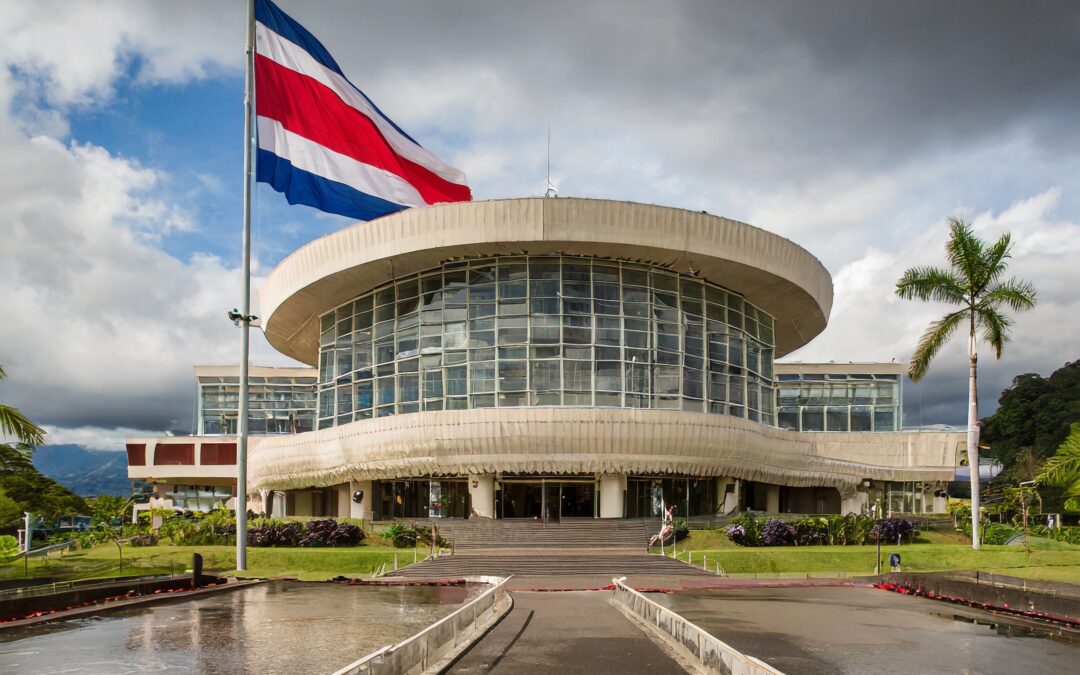
Tax advantages in Brazil have been increased to attract more investment

Tax advantages in Brazil have been increased to attract more investment

Brazil, one of Latam’s first and most prominent markets for international investors, has decided to boost the tax advantages it offers companies. The Brazilian government intends to increase national and foreign capital capture by its economy. Foreign Direct Investment (FDI) fell 36% year over year in September 2023 to 52.7 billion dollars, which has generated concern for the government of Luis Ignacio Lula da Silva. Even so, the Latin American regional giant continues to be the country that attracts the most investments in the area.

New tax advantages in Brazil aimed at boosting FDI

The new tax incentives in Brazil, announced by Brazil’s Vice President Geraldo Alckmin at the beginning of 2024, are part of a plan by President Luiz Ignácio Lula da Silva to “reindustrialize” the largest Latin American economy, whose industrial production remains below pre-pandemic levels and is 18% lower than its ‘peak’ in 2011. Alckmin recently highlighted, “These new tax incentives in Brazil will attract investments. Our problem is low investment and low productivity. We have to act to increase both.”

The program aims to provide companies with tax benefits to buy new machinery and invest in transportation, encouraging ‘green’ projects such as electric and flexible fuel vehicles, renewable energy, and biofuels. Alckmin highlighted that the first measure establishes a program that reduces income taxes applied to transportation companies so that they invest in new technologies, as well as research and development. It will provide benefits of $721.34 million in 2024 and gradually increase to $4.1 billion in 2028.

Future projects and tax advantages in Brazil

The second measure consists of a bill sent to Congress that proposes 3.4 billion Brazilian reais in tax benefits for companies to renew their machinery. The initiative will also have a second phase. The government expects revenue losses linked to new tax advantages in Brazil to be offset by import taxes, including those on electric vehicles brought from abroad.

The measures come when Brazil is witnessing a reduction in foreign direct investment, which fell 36% between January and November 2023. Capital participation fell by 22.8%, while loan operations granted by parent companies to their subsidiaries or affiliates plummeted by 85% during the same period. However, in November 2023, FDI registered an encouraging increase of 2.6% compared to the same month in 2022, to $7.78 billion. At the end of November 2023, FDI totaled 57.7 billion, equivalent to 2.68% of GDP.

According to financial market forecasts, the Brazilian economy grew around 3% in 2023, where a sharp slowdown is expected in 2024. GDP expansion is expected to be limited to 1.5%. According to the latest ECLAC report, Brazil will lower the pace of economic expansion from 3% to 1.6%, while the IMF projects growth of 1.5% this year. The  Organization for Economic Co-operation and Development (OECD) foresees an expansion of 1.8% and the Brazilian Treasury of 2.2%. The GDP of South America’s biggest economy grew 2.9% in 2022, following the 5% rebound in 2021 (its most significant advance in 11 years) that followed the 3.9% GDP drop in 2020 due to COVID-19. Before the pandemic, Brazil had several years of weakness: GDP fell 3.8% in 2015 and 3.6% in 2016. Conversely, it grew 1.3% in 2017 and 2018 and 1.1% in 2019.

Unleash Your Growth Potential:
Attract Foreign Direct Investment (FDI)

Learn how our proven strategies bring international capital to your organization. Schedule a free consultation today to discuss your unique needs and discover how we can unlock your growth potential. 

Reigniting Industrial Growth is the goal

In conclusion, recently implemented tax advantages in Brazil underscore a strategic shift towards bolstering domestic and foreign investment in its economy. The proactive measures, spearheaded by Vice President Geraldo Alckmin and backed by President Luiz Inácio Lula da Silva, aim to reignite industrial growth. This measure is particularly crucial as the nation continues to grapple with post-pandemic economic recovery. By incentivizing companies to invest in modernizing machinery and embracing sustainable technologies, such as electric vehicles and renewable energy, Brazil demonstrates a commitment to fostering innovation and environmental stewardship while simultaneously stimulating economic activity.

The outlined tax advantages in Brazil encourage immediate investments in crucial sectors like transportation and signal a broader commitment to positioning Brazil as a competitive destination for global capital. By alleviating the tax burden on companies undertaking strategic investments, Brazil seeks to address the twin challenges of low investment and productivity, laying the groundwork for sustained economic expansion in the years ahead. Moreover, the government’s forward-looking approach, as evidenced by the phased implementation of tax incentives, reflects a nuanced understanding of the evolving needs of the economy and the imperative of long-term planning.

Amid concerns over Brazil’s recent decline in foreign direct investment (FDI), these initiatives represent a timely response to the evolving economic landscape, aiming to reverse the trend and bolster the nation’s attractiveness as an investment destination. While economic forecasts suggest a tempered growth outlook for the near term, the concerted efforts to leverage tax advantages in Brazil underscore a proactive stance towards revitalizing economic dynamism and fostering inclusive development. As Brazil navigates the complexities of a post-pandemic world, implementing targeted tax incentives emerges as a pivotal tool in driving sustainable growth and realizing the nation’s full economic potential.

Don't Miss Out: Limited Spots Available for Free FDI Strategy Sessions

Foreign Direct Investment can fuel your organization's success. But competition is fierce. Secure your spot today for a free, no-obligation consultation with our FDI experts. Learn how to attract global investment and take your business to the next level.
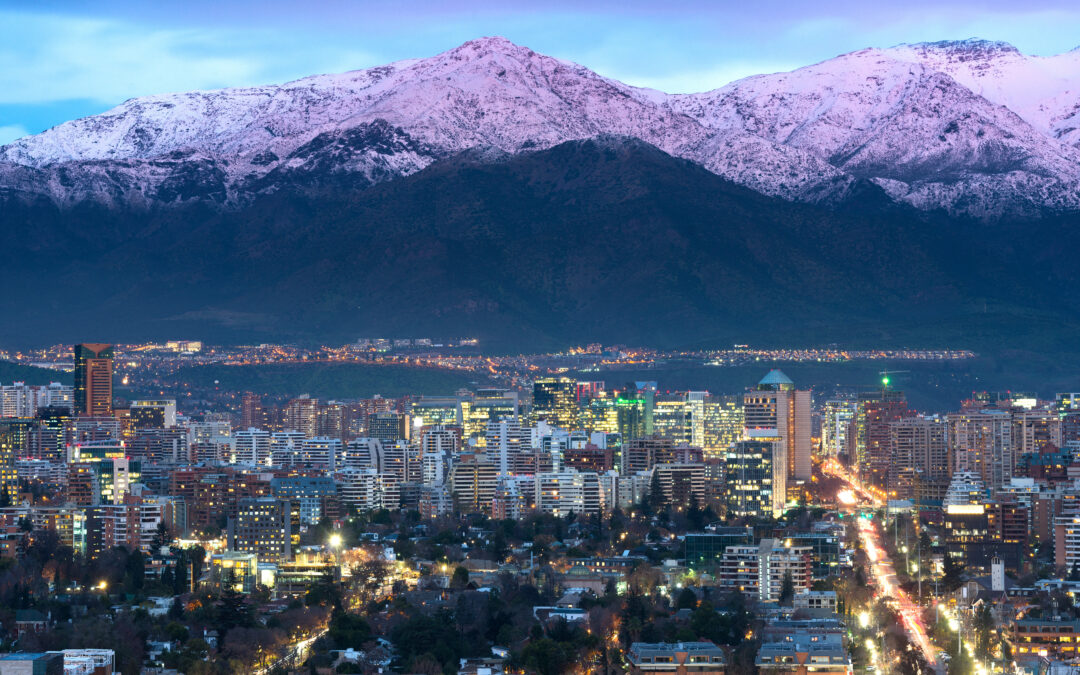
Companies are interested in investing in the Interoceanic Corridor of the Isthmus of Tehuantepec project

Companies are interested in investing in the Interoceanic Corridor of the Isthmus of Tehuantepec project

The Interoceanic Corridor of the Isthmus of Tehuantepec plans an ambitious 2 billion Mexican pesos investment in the first two years.

The Tehuantepec Isthmus Corridor project, one of the most important works of the current Mexican federal administration, has aroused the interest of 90 companies from various sectors to invest and establish themselves. This information is from a group of businessmen actively promoting the project.

Proistmo is promoting the Tehuantepec Isthmus Corridor project

Elena Achar, Director of Public Affairs and Communication at ProIstmo (an organization actively promoting the project), recently asserted that there is certainty regarding the plans to execute the Interoceanic Corridor of the Isthmus of Tehuantepec project. They state, “The eyes of the world are focused on the Isthmus of Tehuantepec Corridor; no one says no to it. In this project, uncertainty has no place. What there is is certainty. We want to completely eliminate that word because, in this project, certainty prevails. The investment  will indeed arrive, and we want the project to be well-planned and organized,” said

The Interoceanic Corridor of the Isthmus of Tehuantepec (CIIT) is a Mexican initiative that covers ten development poles, two strategic ports (Salina Cruz and Coatzacoalcos), and an extension of 303 km, and with which, according to the organization, it plans to have a positive economic impact in the south-southeast of the country.

The Interoceanic Corridor is focused on manufacturing and the movement of merchandise between the Pacific Ocean and the Atlantic Ocean through the isthmus, employing railways, ports, airports, and highways.

This project, which seeks to stand out in technology and innovation, inclusion of communities, and growth, is presented as a comprehensive solution for international investors, added ProIstmo.

“In America, there are only three isthmuses: the Interoceanic Corridor, the Panama Canal, and finally, the one in Nicaragua, which has never been launched, but it is there,” Armando González, VP, commented at a recent press conference on ProIstmo operations.

Although the idea is familiar, the current approach seeks to generate employability, consider industrial vocations, and promote sustainable development, addressing the lack of investment in onshoring in the southeast of Mexico, as stated by the project’s promoters.

With a focus on nearshoring and onshoring, the Interoceanic Corridor of the Isthmus of Tehuantepec project aims to boost the industry, strengthen the area, and catalyze communities’ well-being.

Unleash Your Growth Potential:
Attract Foreign Direct Investment (FDI)

Learn how our proven strategies bring international capital to your organization. Schedule a free consultation today to discuss your unique needs and discover how we can unlock your growth potential. 

One of the main goals is to create employment opportunities in Southeast Mexico

According to Armando González, VP of Operations at ProIstmo, there are 10 “poles of well-being development,” which seek to detonate economic zones, bring industry, and, above all, create employment opportunities in the region,” he stated.

The development poles are fundamental pillars that generate the conditions to change international logistics through technology, innovation, and inclusion.

The spokespersons revealed that Veracruz occupies third place in creating human talent nationwide and seeks to retain and attract international talent to consolidate itself as an engine of development, especially in places like Texitepec. In addition, they recalled that Asia is the largest supplier of raw materials, and the United States is the largest consumer, so these countries are emerging as key partners to strengthen the commercial relationship with North America.

The objectives of the Interoceanic Corridor of the Isthmus of Tehuantepec project include job creation, national and foreign investment, increased profitability, tax benefits, and solid economic outcomes.

With 11 industrial sectors, among which are pharmaceuticals, high technology in healthcare, agro-industrial activities, and logistics, the project aims to develop the area with almost 2 billion pesos in a couple of years to attract the first industries and demonstrate the benefits of settling in the centers of Tehuantepec.

The project’s promoters assured that the most relevant challenge is the creation of a comprehensive ecosystem that plays a crucial role in the success of the Interoceanic Corridor, consolidating it as an integral solution in the geopolitical and economic panorama of Mexico. The first two years will focus on infrastructure, laying the foundation for long-term sustainable development.

Figures from the Texistepec Well-Being Development Pole project

The plan provides for allocating at least 60 percent of the investment in development in the first two years of activity, reaching the figure of 1.86 billion pesos.

The investment in the development of the environment, specifically for the construction, equipment, and maintenance of the region’s local infrastructure, will amount to up to 15 million pesos.

The profitability of 262 hectares is contemplated with a focus on social benefits, covering sustainable projects and the educational and pharmaceutical sectors.

For investment in construction with an efficiency of 70% and 183 profitable hectares built, the  Tehuantepec Isthmus Corridor project will allocate 14 billion pesos.

The Interoceanic Corridor of the Isthmus of Tehuantepec emerges as a beacon of opportunity, drawing the attention of 90 companies across various industries to invest in its development. With a clear focus on urbanization and infrastructure, the project aims to enhance industrial growth and prioritize the well-being of local communities. Backed by a comprehensive vision encompassing technology, innovation, and inclusivity, the corridor is poised to redefine international logistics while catalyzing economic prosperity in the south-southeast region of Mexico. As the project progresses, it promises to unlock new avenues for job creation, investment, and sustainable development, solidifying its position as a transformative force in Mexico’s economic landscape.

Don't Miss Out: Limited Spots Available for Free FDI Strategy Sessions

Foreign Direct Investment can fuel your organization's success. But competition is fierce. Secure your spot today for a free, no-obligation consultation with our FDI experts. Learn how to attract global investment and take your business to the next level.

Invest in Peru: Key Variables for Success

Invest in Peru: Key Variables for Success

Peru is a land of opportunity for business investors, boasting natural resources, a growing market, and a favorable regulatory environment. However, to make informed decisions to invest in Peru, it’s essential to consider several significant variables that can influence the success and sustainability of ventures in the country. From economic and political stability to infrastructure and cultural nuances, each factor plays a crucial role in shaping the country’s business landscape. This comprehensive guide will delve into the main variables businesses intending to invest in Peru should carefully consider.

Economic Stability

Economic stability serves as the cornerstone of any successful investment venture. Peru has demonstrated remarkable economic resilience in recent years, with sustained GDP growth of approximately 2.5% driven by primary sectors and services and prudent fiscal management. Investors should monitor critical indicators such as inflation rates, GDP growth, and fiscal deficit to gauge the country’s overall economic health. Additionally, companies that seek to invest in Peru should consider the country’s reliance on commodity exports. This applies, in particular, to minerals like copper and gold. This can provide insights into potential risks associated with fluctuations in global commodity prices.

Political Stability and Governance

Political stability and effective governance are imperative for creating an environment conducive to business investment. Peru has made significant strides in strengthening its democratic institutions and fostering political stability. However, investors should remain vigilant of political unrest or policy changes that may impact business operations. Evaluating the government’s commitment to regulatory transparency, the rule of law, and the protection of property rights is essential for mitigating political risks.

Peru has made strides towards improving regulatory transparency, rule of law, and property rights protection, but challenges still need to be solved. Here’s a breakdown:

  • Regulatory Transparency

Improvements: Peru has implemented online platforms for accessing regulations and streamlined business registration processes.

Challenges: Bureaucracy and a complex legal system can still create hurdles for businesses navigating regulations.

  • Rule of Law

Improvements: Democratic institutions exist, but recent political instability highlights ongoing challenges.

Challenges: Corruption remains a concern, and enforcement of laws can be uneven.

  • Property Rights Protection:

Improvements: Legal frameworks for property rights are generally established, but weaknesses exist in enforcement mechanisms.

Challenges: Land titling disputes, particularly in rural areas, can create uncertainty for investors.

Market Size and Potential

Peru’s population of over 32 million presents a sizable consumer market with significant growth potential for companies that seek to invest in Peru. Moreover, the country’s expanding middle class and increasing urbanization contribute to rising consumer demand across various sectors. Understanding consumer preferences, purchasing power, and market trends can help investors identify lucrative opportunities and tailor their offerings to meet the needs of Peruvian consumers.

Infrastructure

Investment in infrastructure is critical for driving economic development and facilitating business operations. Peru has considerably invested in improving its transportation networks, energy infrastructure, and telecommunications systems. However, challenges such as inadequate road connectivity, limited access to reliable electricity, and gaps in digital infrastructure persist, particularly in rural areas. Investors should assess the adequacy of infrastructure in their target regions and consider potential bottlenecks that may affect supply chains and logistics.

Unleash Your Growth Potential:
Attract Foreign Direct Investment (FDI)

Learn how our proven strategies bring international capital to your organization. Schedule a free consultation today to discuss your unique needs and discover how we can unlock your growth potential. 

Infrastructure

Investment in infrastructure is critical for driving economic development and facilitating business operations. Peru has considerably invested in improving its transportation networks, energy infrastructure, and telecommunications systems. However, challenges such as inadequate road connectivity, limited access to reliable electricity, and gaps in digital infrastructure persist, particularly in rural areas. Investors should assess the adequacy of infrastructure in their target regions and consider potential bottlenecks that may affect supply chains and logistics.

Labor Force

A skilled and productive workforce is essential for business success. Peru boasts a relatively young and educated labor force, offering a diverse talent pool across various industries. However, educational attainment and technical skills disparities exist between urban and rural areas. Additionally, labor regulations and union dynamics can influence labor costs and workforce flexibility.

The Peruvian government offers several worker training programs to improve employability and foster a skilled workforce. Here’s a breakdown of some key initiatives:

  • National Employability Programme (Programa Nacional de Empleo)

This program, created by merging Impulsa Perú and Jóvenes Productivos programs, targets individuals aged 15 and above who face unemployment, underemployment, or social vulnerability.

It provides three primary services:

Technical and vocational training: Equips participants with practical skills relevant to the labor market.

Support for self-employment: Offers guidance and resources for individuals seeking to start their businesses.

Certification of labor skills: Recognizes and validates existing abilities acquired through work experience.

  • Jóvenes a la Obra (Youth at Work) Program:

This program specifically focuses on young people aged 15-29 from low-income backgrounds.

It offers training in high-demand technical skills, career guidance, and job placement assistance.

  • Capacitación Laboral (Job Training):

Provided through programs like Jóvenes Productivos and Impulsa Perú, “Capacitación Laboral” emphasizes practical skill acquisition for job seekers and employed workers.

It often includes workshops on resume writing and job interview preparation.

  • Additional Considerations:

Ministry of Labor and Employment Promotion (Ministerio de Trabajo y Promoción del Empleo – MTPE): The MTPE plays a central role in overseeing and implementing various worker training programs. Their website (https://www.gob.pe/mtpe) can be a valuable resource for staying updated on current programs and eligibility requirements.

Program Availability: The specific programs and their availability may vary depending on region and target demographics.

Private Training Providers: Alongside government initiatives, numerous private institutions offer various training programs in Peru.

Conducting thorough research on local labor market conditions and labor laws is crucial for effectively managing human capital and deciding to invest in Peru.

Regulatory Environment

Navigating the regulatory landscape in Peru is paramount for ensuring compliance and minimizing legal risks. The country has implemented several reforms to streamline business regulations and promote investment to motivate individuals and companies to invest in Peru. However, bureaucratic inefficiencies, complex licensing procedures, and inconsistencies in regulatory enforcement remain challenges for some investors. Engaging with legal experts and local advisors can help navigate regulatory hurdles and ensure regulatory compliance throughout the decision-making process for investing in Peru.

Trade Policy and Natural Resources

Peru’s open trade policies and abundant natural resources present opportunities for export-oriented businesses. The country has entered numerous free trade agreements, providing preferential access to key markets worldwide. Peru has the following free trade agreements:

1 Multilateral Agreement: World Trade Organization (WTO)

1 Regional Trade Agreement: Andean Community of Nations (CAN)

18 Free Trade Agreements: Across Asia-Pacific, Europe, North America, Central America, South America, and the Pacific Alliance.

1 Partial Trade Agreement: Cuba

Furthermore, Peru’s diverse natural resource endowment, including minerals, agriculture, and renewable energy sources, offers scope for investment across various sectors. Understanding trade agreements, tariff structures, and resource availability is essential for formulating effective market entry strategies.

Exchange Rate Stability

Exchange rate fluctuations can impact the cost of doing business and affect profitability. Companies that invest in Peru transact business in the sol. This currency has experienced relative stability in recent years, supported by prudent monetary policies and foreign exchange reserves. However, investors should monitor macroeconomic indicators and external factors influencing exchange rate dynamics, such as global economic trends and commodity prices. Implementing hedging strategies and diversifying currency exposures can help mitigate exchange rate risks.

Regional Integration

Participation in regional integration initiatives can enhance market access and facilitate cross-border trade for companies that invest in Peru. The country is a member of various regional organizations, including the Pacific Alliance and the Andean Community, which promote economic cooperation and integration among member states. Leveraging regional integration frameworks can unlock market expansion and diversification opportunities, enabling businesses to tap into larger consumer markets beyond Peru’s borders.

Social and Cultural Factors

Understanding social and cultural dynamics is essential for building trust, fostering relationships, and navigating business environments effectively. Those who invest in Peru will find that the country represents a culturally diverse nation with a rich heritage shaped by indigenous traditions, colonial influences, and modern multiculturalism. Respect for local customs, languages, and social norms can enhance business interactions and contribute to long-term success. Furthermore, engaging with local communities and stakeholders in a socially responsible manner can help build goodwill and mitigate reputational risks.

Investing in Peru offers tremendous opportunities for businesses seeking growth and expansion in Latin America. However,  to invest in Peru, individuals and companies must navigate the complexities of the country’s business landscape. This requires careful consideration of various factors, ranging from economic and political stability to infrastructure, labor force, regulatory environment, and cultural nuances. By conducting thorough due diligence, leveraging local expertise, and adopting a strategic approach, investors can capitalize on the country’s potential and achieve sustainable success in the dynamic Peruvian market.


Don't Miss Out: Limited Spots Available for Free FDI Strategy Sessions

Foreign Direct Investment can fuel your organization's success. But competition is fierce. Secure your spot today for a free, no-obligation consultation with our FDI experts. Learn how to attract global investment and take your business to the next level.