
+1 (520) 780-6269 investment@latamfdi.com
Panama Technology Hub Continues to Grow

Panama Technology Hub Continues to Grow

The Country Strengthens Its Role in the Region’s Digital Transformation

Panama is steadily consolidating its position as a major player in the Latin American technology scene. Thanks to its strategic location, modern infrastructure, and business-friendly environment, the country is rapidly becoming a Panama technology hub for innovation and digital development.

This week, the Panamanian company Coderland announced a strategic alliance with the international firm Izertis, further solidifying Panama’s standing as an emerging technology hub. As part of this agreement, Izertis has acquired a 50% equity stake in Coderland, opening a new chapter of growth for both companies and Panama’s digital ecosystem.

A Strategic Alliance with Regional Impact

Coderland, a company specializing in software development, is headquartered at the renowned City of Knowledge, an innovation campus that hosts businesses, universities, and research centers. It also operates work centers in Guatemala and El Salvador, positioning itself as a key regional player.

Coderland can expand its operations, open new production centers across Central America, and attract more tech talent through the new alliance. This will enhance its ability to provide higher-quality services to clients across Latin America, where demand for digital solutions continues to grow.

“This alliance allows us to grow, improve our services, and attract the best professionals in the region,” said Jorge Rubia Antúnez, Coderland’s representative. Through this strategy, the company aims to increase its workforce and enhance its portfolio of digital solutions for sectors such as banking, telecommunications, retail, and public services.

Who is Izertis?

Izertis is a Spanish technology consulting firm that offers services in digital transformation, artificial intelligence, blockchain, cybersecurity, and software development. With a presence in the United States, Mexico, Colombia, and several European countries, Izertis has experienced rapid growth in recent years and is now making a strong push into Latin America as part of its international expansion strategy.

The integration with Coderland will allow Izertis to broaden its operational base and tap into Panama’s local talent pool to develop new projects. According to Pablo Martín, CEO of Izertis, “This alliance gives us flexibility and access to highly skilled professionals. Moreover, Panama is a strategic point for our expansion.”

The Spanish company sees Panama as an ideal location to centralize operations that can support clients across Latin America and other emerging markets, thanks to its connectivity, economic stability, and commitment to digital transformation. It also recognizes the enormous potential of the Panama technology hub to fuel innovation and deliver cutting-edge solutions throughout the region.

Benefits for Panama: More Jobs, More Investment, More Opportunities

The alliance between Coderland and Izertis will benefit the companies involved and boost Panama’s tech ecosystem overall. The collaboration is expected to create more high-quality jobs, new opportunities for local software developers, and an increase in foreign direct investment in the country.

For young Panamanians seeking a career in technology, alliances like this represent an opportunity to receive training, gain international experience, and work on high-impact projects without leaving the country. Additionally, the arrival of new investments may stimulate the creation of startups, foster technological entrepreneurship, and further energize the national economy.

This alliance will also strengthen the City of Knowledge, where Coderland is based. The scientific and business campus continues to attract tech companies seeking a collaborative environment and a vibrant ecosystem of innovation, research, and development, further enhancing the reputation of the Panama technology hub. 

Coderland: A Panamanian Success Story

Coderland has positioned itself as one of the most important technology companies in the region. Last year, it reported revenues exceeding €9 million, reflecting its constant growth and ability to adapt to a rapidly evolving market.

Its business model, based on distributed talent, tailor-made projects, and high-quality service, has been key to its success. Thanks to its regional approach, it has built multicultural work teams and offered solutions tailored to the realities of different markets.

Through its alliance with Izertis, Coderland will gain access to more financial, technological, and commercial resources, which will accelerate its growth and strengthen its presence across Latin America. Furthermore, it can integrate global best practices in project management, process innovation, and developing new digital products.

Panama: A Growing Technology Hub

The growth of Coderland and its new strategic alliance reflects Panama’s momentum as a technology hub. Increasingly, international companies are choosing to establish operational centers, innovation labs, and digital services hubs in the country.

The Panamanian government has also promoted initiatives to foster economic digitalization, improve connectivity, and attract investment in high-tech sectors. Training programs in programming, artificial intelligence, and cybersecurity aim to prepare the workforce for the demands of the digital economy.

Moreover, Panama’s geographic location, macroeconomic stability, and world-class logistics infrastructure—including the Panama Canal, ports, and Tocumen International Airport—make it an ideal destination for tech companies looking to access Latin American and global markets.

A Promising Future

The alliance between Coderland and Izertis marks an essential milestone for Panama’s technology ecosystem. It strengthens a local company and signals that the country is ready to lead in Latin America’s digital transformation.

With more talent, investment, and innovation, Panama is cementing its position as a strategic destination for technological development. All signs suggest that this is only the beginning of a success story that promises to continue growing in the years to come.

Exploring Industrial Parks in Colombia: Infrastructure, Labor, and Investment Conditions

Exploring Industrial Parks in Colombia: Infrastructure, Labor, and Investment Conditions

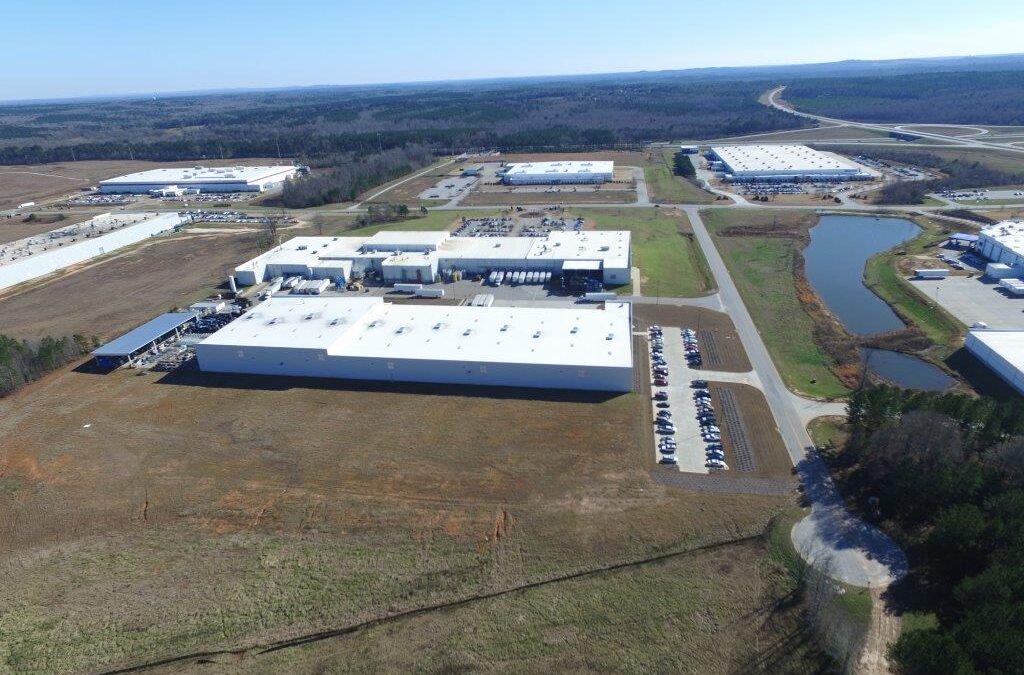
Colombia has emerged as a strategic destination for industrial development, with its network of modern industrial parks playing a central role in attracting manufacturing, logistics, and service companies. These parks are located in key cities such as Bogotá, Medellín, Barranquilla, Cali, and Cartagena, offering global investors access to domestic and regional markets through robust transportation infrastructure, favorable tax policies, and an increasingly skilled labor force. This overview examines Colombia’s most prominent industrial parks, focusing on critical operational factors such as infrastructure quality, labor dynamics, regulatory environment, costs, and business clusters.

Strategic Location and Access to Markets

Colombia’s location on the northern tip of South America bridges North and South American markets, with access to the Pacific and Atlantic Oceans. The most active industrial parks in Colombia are located near major cities and seaports:

  • Zona Franca Bogotá: Located near El Dorado International Airport, this park provides direct access to air freight and the Bogotá consumer market. It’s ideal for companies with high-value exports.
  • Zona Franca del Pacífico (near Cali): It is near the Port of Buenaventura and has road networks connecting southwestern Colombia and Ecuador.
  • Zona Franca de Barranquilla: Strategically positioned on the Caribbean coast, it benefits from access to U.S. and Central American markets through maritime routes.
  • Zona Franca La Candelaria (Cartagena): It is near Colombia’s central petrochemical hub and port infrastructure, making it particularly suitable for the energy and chemical industries.

Each park is near major labor pools and suppliers, reinforcing Colombia’s regional integration and supply chain resilience.

Transportation, Utilities, and Connectivity

Colombia has invested significantly in road networks (e.g., the 4G highway program), intermodal terminals, and airport infrastructure. Key industrial parks benefit from:

  • Paved highway access to ports and major cities.
  • Colombia has fiber optic internet and mobile coverage, and is ranked as one of Latin America’s most digitally connected countries.
  • Reliable energy and water services, with parks like Zona Franca del Pacífico boasting uninterrupted power backed by local hydropower sources.
  • Telecommunications infrastructure, including 4G and expanding 5G networks in urban-industrial areas.

These infrastructure upgrades support industrial activities, particularly high-tech manufacturing, logistics, and service-based operations.

Labor Availability, Cost, and Training

Colombia has a relatively young and urbanized workforce, with over 70% of the population living in cities. Labor availability is strongest in metropolitan areas, such as Bogotá (population approximately 8 million), Medellín (approximately 2.5 million), and Cali (approximately 2.3 million). Industrial parks tap into these urban labor pools and attract workers from surrounding regions.

Average monthly wages for manufacturing workers range from US $300 to US $500, depending on their skill level and region.

Labor law requires a 48-hour workweek, mandatory social security contributions, and severance pay. Overtime, night work, and holiday shifts incur additional premiums.

Union activity exists, but it is generally more concentrated in the public sector. In manufacturing, collective bargaining is present but does not dominate employer-employee relations.

Access to technical training is robust. SENA (Servicio Nacional de Aprendizaje) offers free vocational training tailored to employer needs, which is present in most industrial regions.

Colombia’s labor structure enables firms to access low— to mid-cost labor and opportunities for skills upgrading through government-backed programs.

Tax Incentives and Regulatory Environment

Industrial parks in Colombia, particularly those with free trade zone (zona franca) status, offer significant regulatory and fiscal benefits:

  • Income tax reduction from 35% to 20% for companies located in free trade zones.
  • No VAT or customs duties on imported raw materials, capital goods, or intermediate goods used for export.
  • VAT exemptions for software and IT services produced within these zones.
  • Simplified import/export procedures and customs inspections within park boundaries.

Colombia has steadily improved its Ease of Doing Business score regarding business regulation thanks to streamlined company registration, improved access to credit, and investment protection mechanisms. Foreign companies may repatriate profits freely and are allowed 100% ownership in most sectors.

However, environmental regulations—such as licensing for emissions, water usage, and solid waste—are strictly enforced, especially for manufacturing sectors with high environmental impact. Parks typically support tenants with compliance through in-house environmental departments or external consultants.

Lease Costs, Operating Expenses, and Utilities

Industrial parks in Colombia typically offer Class A and B industrial facilities, including warehouses, build-to-suit plants, and logistics platforms. Average monthly lease costs vary by location and property type:

  • Bogotá and Medellín: USD 4–6/m²
  • Cali and Barranquilla: USD 3–4.50/m²
  • Cartagena (premium port zone): USD 4.50–6/m²

Construction costs for new industrial buildings average USD 500–700/m², with higher-end facilities reaching USD 900/m² for custom build-outs.

Operating expenses include:

  • Waste management: USD 0.20–0.50/m²/month
  • Facility management: USD 0.40–0.80/m²/month
  • Security services: Typically included, but may add USD 0.30–0.70/m²/month depending on surveillance level
  • Utilities such as electricity and water are billed at competitive regional rates, with average industrial electricity prices ranging from USD 0.12 to 0.15/kWh.

Logistics and Freight Costs

Colombia’s logistics performance is improving, particularly with the expansion of its intermodal and port infrastructure. Average freight costs for domestic road transport range from USD 0.08 to $ 0.12 per ton/km, depending on the route and carrier.

  • From Bogotá to Port of Buenaventura (via Cali): Approx. USD 1,000–1,200 per 20-ton truck.
  • From Medellín to Cartagena: Approx. USD 900–1,100 per full truckload.
  • Export container rates from Cartagena to Miami: ~USD 2,000–2,400 per 40-foot container (as of early 2025, varies by contract and volume).

Companies in industrial parks near seaports, such as Cartagena, Barranquilla, and Buenaventura, benefit from lower last-mile delivery costs to export terminals. They can leverage Colombia’s free trade agreements (FTAs) with the U.S., the EU, and the Pacific Alliance.

Tenant Mix, Cluster Benefits, and Global Track Record

Each of the leading industrial parks in Colombia features a diverse tenant base and offers cluster advantages:

  • Zona Franca Bogotá houses over 400 companies, including international firms in electronics, pharma, and logistics. It’s part of a broader innovation ecosystem in the Bogotá-Sabana corridor.
  • Zona Franca del Pacífico supports agro-industrial and light manufacturing firms and is part of the Valle del Cauca cluster, with synergies in food processing and packaging.
  • Zona Franca La Candelaria in Cartagena focuses heavily on chemicals and petrochemicals, with key anchors including Ecopetrol and Reficar.
  • Ruta N in Medellín and the adjacent industrial districts form a tech and manufacturing cluster that has attracted companies like Hewlett-Packard and Rockwell Automation.

Colombia’s industrial parks have supported expanding companies such as Johnson & Johnson, Bayer, Nestlé, and Unilever. Their presence helps develop value chains, improve supplier quality, and create employment clusters, particularly in the life sciences, electronics, and processed food industries.

Environmental Considerations

While Colombia supports industrial development, it upholds a strict environmental code. Parks must comply with:

  • Environmental impact assessments (EIA) before new construction
  • Wastewater discharge standards and emission controls
  • Reforestation or environmental offsets in some regions

Many parks offer ISO 14001-certified infrastructure and waste treatment facilities, reducing tenant compliance costs and timelines.

Conclusion

Industrial parks in Colombia are key platforms for foreign and domestic manufacturers looking to expand within Latin America. They combine geographic advantages, strong infrastructure, skilled labor, and compelling fiscal incentives. Whether located inland near major cities or in port cities with international shipping access, these parks offer scalability, cost-efficiency, and logistical connectivity. With growing cluster ecosystems and government support for export-driven industries, industrial parks in Colombia are increasingly attractive to global firms seeking stable, competitive, and well-serviced production bases.

As Colombia continues to enhance its investment climate and infrastructure, industrial parks will play an even greater role in its industrial and economic future.

World Bank Cuts Uruguayan Growth Rate for the Next Two Years

World Bank Cuts Uruguayan Growth Rate for the Next Two Years

A Dimmer Outlook for Uruguay’s Economic Expansion

The World Bank has revised its economic forecast for Uruguay, projecting a more subdued trajectory over the next two years. In line with recent updates from the International Monetary Fund (IMF), the World Bank’s latest economic outlook highlights growing concern over the Uruguayan growth rate due to external and domestic challenges.

In its most recent update to the Global Economic Prospects report, released Tuesday, the World Bank adjusted Uruguay’s expected gross domestic product (GDP) growth downward for 2025 and 2026. The new forecasts suggest that the country will grow by 2.3% in 2025 and then slow to 2.2% in 2026. These numbers represent a drop from the previously projected rate of 2.6% for both years, which was issued earlier in the year.

This downgrade aligns closely with the IMF’s latest assessment. As of April 23, 2025, the IMF reduced Uruguay’s 2025 growth projection from 3% to 2.8%. While slightly more optimistic than the World Bank’s forecast, the IMF’s move underscores the mounting headwinds facing the small but economically stable South American nation.

Regional Trends and Comparative Growth

The revision of the Uruguayan growth rate comes amid a wider reassessment of growth prospects across Latin America and the Caribbean. While Uruguay has long been viewed as one of the region’s most stable economies, it is not immune to the broader dynamics shaping global trade, consumption, and investment trends.

According to the World Bank, regional growth in Latin America is expected to reach just 2.1% in 2025. This figure, although modest, is buoyed by expectations of a strong rebound in Argentina, which is forecasted to grow by an impressive 5.5% in 2025 and 4.5% in 2026. This Argentine resurgence is primarily attributed to aggressive economic restructuring policies and stabilization measures undertaken in recent years.

In contrast, other large regional economies, including Brazil, Mexico, and Colombia, are expected to experience more tepid growth. Structural bottlenecks, high inflation, and fiscal pressures remain significant obstacles to sustained growth.

Domestic Sentiment and Analyst Reactions

The World Bank’s lower growth projections for Uruguay have fallen short of expectations held by domestic analysts. According to the most recent survey by the Central Bank of Uruguay (BCU), the average growth forecast for 2025 stood at 2.5%. This is higher than the World Bank’s 2.3% projection, indicating that local economists may have a more favorable view of the country’s internal fundamentals.

Nonetheless, some analysts have acknowledged that mounting external pressures—from global monetary tightening to trade volatility—may begin to weigh more heavily on Uruguay’s growth rate in the coming quarters.

An Uncertain Global and Regional Environment

The outlook for Uruguay, and indeed much of Latin America, is being shaped by a confluence of external uncertainties. The uneven global recovery from the COVID-19 pandemic and subsequent geopolitical disruptions are chief among these. While consumption drove growth across much of the region in 2024, countries like Argentina and Chile saw their economic performance hinge more heavily on external trade.

At the same time, output growth among Uruguay’s primary trading partners remained lackluster. The G7 economies, for instance, are projected to grow by only 1.2% in 2025, reflecting economic deceleration in the United States and continued stagnation in parts of Europe. Meanwhile, economic growth in China—a major importer of Latin American commodities—is expected to remain subdued, adding another layer of complexity for countries dependent on export-driven revenue.

These global factors are critical to understanding the recalibrated Uruguayan growth rate, as Uruguay’s economy is closely integrated with international markets through agriculture, energy exports, and financial services.

Trade Policy and Nearshoring Shifts

The World Bank’s report further emphasized that rising global trade policy uncertainty significantly shapes the economic prospects for Uruguay and its neighbors. The report notes that the trade policy uncertainty index has increased and remains persistently above pre-2015 levels.

Much of this uncertainty stems from protectionist policies and the evolution of global supply chains. Major economies such as the United States, the European Union, and China have either implemented or are considering new tariffs and non-tariff barriers, which could impact Uruguay’s export competitiveness.

Additionally, the nearshoring trend—where companies relocate their supply chains closer to their home markets—could realign trade and investment flows across the Western Hemisphere. While this could create new opportunities for countries like Mexico and Costa Rica, Uruguay might face challenges if multinational firms shift attention away from South America’s Southern Cone.

Weather, Infrastructure, and Other Risks

Beyond international concerns, Uruguay also faces domestic risks that could affect the Uruguayan growth rate. Agriculture remains a vital component of the nation’s economy, and adverse weather patterns, including prolonged droughts or floods, can disrupt production and exports.

Infrastructure limitations, particularly transport and logistics, could hinder growth if not addressed through targeted investment. Additionally, while Uruguay has a reputation for political stability and institutional strength, it must continue to modernize its regulatory framework and attract foreign direct investment (FDI) to maintain its competitiveness.

Policy Responses and Future Prospects

In response to these evolving challenges, Uruguayan policymakers will likely consider a range of measures to stimulate economic activity. These include reforms to improve labor market flexibility, public-private partnerships for infrastructure, and enhanced incentives for technology and innovation sectors.

The country’s renewable energy sector, one of the most advanced in Latin America, also presents an opportunity for sustainable long-term growth. By leveraging green energy assets and expanding digital services, Uruguay could strengthen its resilience against external shocks and secure a more favorable Uruguayan growth rate over the next decade.

Conclusion

Although Uruguay continues to enjoy relative economic and political stability, the revised forecasts from the World Bank and the IMF underscore a period of caution and recalibration. The downward revision of the Uruguayan growth rate for 2025 and 2026 reflects broader uncertainties in global markets, trade policy, and regional vulnerabilities.

Uruguay must adapt to a rapidly changing international landscape while reinforcing its domestic strengths. How well it navigates this transitional period will determine whether it can regain momentum and achieve higher, more inclusive growth in the years ahead.

The Future of the Paraguayan Maquila Industry

The Future of the Paraguayan Maquila Industry

A Quarter Century of Growth and Development

For the past 25 years, Paraguay has maintained a robust and forward-looking maquila regime, established under Law 1064 of 1997, “On the Export Maquiladora Industry,” and further regulated by Decree 9585 of 2000. This legal framework has provided a solid foundation for the country’s export-oriented manufacturing model. Known locally as the Maquila Regime, the system was designed to promote foreign investment, industrial activity, and economic development by facilitating the establishment and operation of maquiladora companies in Paraguay.

The maquila model in Paraguay refers to an investment regime in which foreign companies or Paraguayan firms primarily process goods or services for export. These goods are value-added within Paraguay, which increases their international competitiveness and contributes significantly to the local economy. In doing so, the maquila regime has proven to be a cornerstone of the country’s broader development strategy.

Maquila as a Catalyst for Economic Diversification

Since its inception, the maquila regime has become an effective and strategic tool for diversifying Paraguay’s economic base, which has traditionally relied on agricultural exports, particularly soybeans. While agriculture will continue to be a major contributor to GDP, the future of the Paraguayan Maquila industry lies in its capacity to balance the national economic portfolio and shield it from the volatility associated with global commodity prices and climatic disruptions.

Today, Paraguay’s maquila sector is a growing contributor to national exports. In 2024 alone, the sector closed the year with exports totaling $1.15 billion, representing approximately 50% of the country’s soybean exports —a remarkable milestone underscoring its increasing relevance.

Job Creation and Workforce Development

One of the most compelling features of the maquila industry is its job creation potential. Currently, the sector provides approximately 32,500 direct jobs, many of which offer on-the-job training and opportunities for skill development. For a country like Paraguay, where the population is predominantly young, this represents a vital opportunity to channel youthful energy into productive economic activities.

The future of the Paraguayan maquila industry will heavily depend on the country’s ability to cultivate a well-trained, dynamic workforce. This requires joint efforts by the public and private sectors to invest in education, technical training, and policies that foster innovation. Workforce development programs must be tailored to meet the evolving needs of an industry that is becoming increasingly tech-driven.

Fiscal Incentives and Competitive Advantages

Paraguay’s maquila sector benefits from a series of attractive fiscal incentives, making it highly competitive in the region. These include tax exemptions, a single-tax system (with a flat 1% tax on value-added), tariff elimination on imported inputs, and duty-free repatriation of profits. These features create a business-friendly environment that has drawn the attention of investors from diverse sectors, including automotive, textiles, electronics, and services.

Yet, the long-term future of the Paraguayan maquila industry will also depend on continued institutional support and regulatory stability. Investors seek predictability, and a consistent legal and policy framework will play a critical role in encouraging sustained foreign direct investment (FDI).

The Role of Energy and Industrial Hubs

Paraguay is blessed with abundant, renewable hydroelectric energy from the Itaipú and Yacyretá dams. This clean energy resource reduces manufacturers’ production costs and aligns Paraguay with the global shift toward sustainable production. Paraguay’s energy matrix becomes a strategic asset as the world increasingly prioritizes low-carbon and eco-friendly supply chains.

Leveraging these energy advantages, Paraguay has the potential to evolve into a significant industrial hub in South America. The maquila sector serves as a vital stepping stone toward this goal. The future of the Paraguayan Maquila industry must be aligned with broader national objectives to enhance infrastructure, improve logistics networks, and develop industrial parks that can accommodate larger, more complex manufacturing operations.

Exploring New Markets and Innovation

At its recent 25th anniversary celebration, the Paraguayan Chamber of Maquiladora Companies (CEMAP), under the leadership of President Carina Daher, emphasized the importance of expanding into new international markets and investing in technological innovation. These twin goals are crucial for securing the long-term competitiveness of Paraguayan-made products.

To achieve this, greater emphasis must be placed on market diversification strategies and quality certification systems that meet international standards. The public sector can support this through export promotion programs, bilateral trade agreements, and diplomatic efforts to open new commercial opportunities.

Incorporating new technologies, particularly Artificial Intelligence (AI), into maquila operations is another frontier. AI can improve supply chain efficiency, streamline production processes, and enhance product quality. This makes it imperative for government-led training programs to include AI literacy and digital skills development as core components. Indeed, the future of the Paraguayan Maquila industry may be defined as much by its ability to embrace innovation as by its cost competitiveness.

Policy Support and Social Responsibility

Government support will be essential in fostering a favorable environment for the maquila sector. Beyond tax incentives, the state must develop and implement policies that support inclusive industrial growth, focusing on job creation, environmental responsibility, and technological readiness.

Additionally, the social role of the maquila industry must not be underestimated. It offers stable employment opportunities, particularly in regions with limited formal job creation. For many Paraguayans, maquila jobs represent a gateway to financial stability and upward mobility. Therefore, protecting and growing this sector contributes to economic and social development.

A Vision for the Future

Looking forward, Paraguay stands at a strategic crossroads. It has the opportunity to build on the successes of the past 25 years and move toward a more industrialized and diversified economy. The maquila sector is uniquely positioned to lead this transformation. But for this to happen, visionary leadership, proactive policymaking, and collaborative action from all stakeholders must occur.

If these elements come together, the future of the Paraguayan Maquila industry could serve as a model for other emerging economies seeking to balance industrial growth with social inclusion and sustainability.

Conclusion

The maquila industry in Paraguay is more than just an export mechanism—it is a key pillar of national development, offering a viable path toward industrialization, job creation, and global economic integration. With the right investments in training, innovation, and infrastructure, the future of the Paraguayan Maquila industry looks promising. However, continued success will depend on how well the country navigates emerging challenges and leverages its strengths to build a resilient, forward-looking manufacturing sector.

Volvo Investment in Mexico to Grow with New Plant

Volvo Investment in Mexico to Grow with New Plant

A Strategic Boost to the Automotive Sector

Volvo is showing its strong long-term dedication to North America by expanding its operations in Mexico with a significant new investment. The Volvo investment in Mexico will rise from $700 million to $1 billion when it builds an advanced truck manufacturing facility in Ciénega de Flores, Nuevo León. Mexico emerges as a crucial automotive supply chain center following confirmation by the Secretary of Economy Marcelo Ebrard.

This development symbolizes a decisive turning point for Mexico’s automotive sector beyond its economic investment. The establishment of this new plant signifies an important achievement that will strengthen industrial production while making a major impact on the regional economy and society.

Focus on Freight Trucks for North America

Volvo’s upcoming Nuevo León site will focus its production on freight trucks which serve as essential components for logistics and trade throughout North America. The facility set to launch operations in 2026 will produce 25,000 units annually. This facility will exceed Volvo’s production levels at Canadian plants, which demonstrates Mexico’s strong position as a manufacturing hub.

The plant’s strategic positioning near the U.S. border makes it the perfect location to supply customers across the U.S., Mexico, and Latin America. The Volvo investment in Mexico helps achieve its objectives of improved efficiency and market proximity while enhancing supply chain resilience.

The Project Will Drive Economic Development and Employment Opportunities

The project delivers quick and noticeable benefits through its ability to create jobs. The anticipated operation of the plant will create around 2,500 direct positions alongside thousands more indirect jobs in supply chain and service-related industries. The rise in employment will generate a chain reaction throughout the local economy that will drive the need for more housing, transportation and educational services.

The surrounding municipalities, including Ciénega de Flores, are expected to experience a rapid expansion of infrastructure development. The new workforce and industrial activities require local governments to make investments in roads, utilities, and public services. The Volvo investment in Mexico generates additional benefits for urban planning and regional development through these progressive developments.

Leveraging Mexico’s Competitive Advantages

Due to increased protectionism with the U.S. as a key player and sustainable development trends, Volvo has made a decision that reflects shifts in global automotive strategies. Mexico stands out as an attractive industrial investment destination within this framework.

Several factors contribute to this favorable outlook. The United States-Mexico-Canada Agreement (USMCA) combined with skilled labor availability and geographic closeness to the U.S. market positions Mexico as an attractive manufacturing destination. The decision of Volvo investment in Mexico was made based on competitive advantages that enable adherence to USMCA rules of origin while eliminating costly tariffs.

Driving Sustainability in Manufacturing

Volvo follows the trend of making sustainability a fundamental aspect of corporate strategy. The company has declared that its new Nuevo León facility will target LEED Gold environmental certification, which represents a worldwide standard for sustainable building design and operation.

The manufacturing facility will incorporate design elements to lower energy use and emissions while implementing green materials and technologies. Volvo incorporates sustainability into its fundamental operations to meet regulatory standards and consumer demand for eco-friendly products. The Volvo investment in Mexico demonstrates its dual focus on economic profitability and environmental stewardship.

This Announcement Signifies Volvo’s Belief in Mexico’s Economic Stability and Future Market Potential

The Volvo announcement shows strong belief in Mexico’s future economic stability and market potential from a geopolitical and financial standpoint. The recent years have seen global investors voice their worries about changing trade patterns and increasing risks in operations. Mexico has shown resilience and adaptability by preserving strong trade partnerships and upgrading its industrial infrastructure.

The Volvo investment in Mexico validates the country’s standing as a dependable and progressive partner for international businesses. Mexico stands to gain from nearshoring trends that push firms to move production nearer to significant consumer markets.

Mexico Presents a Compelling Approach for Future Regional Investment Initiatives

The expansion plans of Volvo in Nuevo León may act as a strategic model for foreign companies aiming to diversify their manufacturing locations. Mexico delivers logistical benefits along with skilled workforce and cost-effective production while providing unmatched trade advantages that other regions cannot replicate.

Volvo’s dedication to sustainable practices and social responsibility establishes a leading example of corporate conduct within the region. The Volvo investment in Mexico demonstrates how multinational corporations can synchronize their profit objectives with wide-ranging social and ecological goals to facilitate equitable and sustainable development.

Strengthening Volvo’s Competitive Edge

From a business strategy perspective, the newly established plant enhances Volvo’s stability and presence in North America. Regional production enables the company to fulfill market demand more efficiently while minimizing shipping duration and adhering to USMCA local content regulations.

Volvo’s move allows the company to reduce potential overseas manufacturing challenges like trade tariffs as well as logistical delays and political instability. The Volvo investment in Mexico enables the company to enhance both agility and cost-efficiency by producing closer to its main customer base, which are vital elements in the automotive industry’s competitive environment.

Looking Ahead

As operations are set to begin in 2026 the massive investment generates growing anticipation about its wider effects. The impacts of this initiative on regional growth and labor market trends together with sustainable manufacturing practices in Mexico will be monitored by industry analysts and government officials as well as business leaders.

The project stands to launch high-tech and eco-friendly manufacturing in northern Mexico while strengthening Mexico’s status as a leading automotive nation. The Volvo investment in Mexico represents more than just an industrial facility because it showcases the nation’s ability to compete internationally while evolving and achieving success.