+1 (520) 780-6269 investment@latamfdi.com
World Bank: Economic Growth in Peru Has the Potential to Reach Nearly 6% Annually

World Bank: Economic Growth in Peru Has the Potential to Reach Nearly 6% Annually

In a global scenario where the energy transition is on the agenda of governments and the private sector, Peru plays a key role that it can leverage for its development. “The potential is enormous for this country,” emphasized Issam Abousleiman, the World Bank’s Country Director for Bolivia, Chile, Ecuador, and Peru, during his participation in the 35th CIES Research Seminar, titled “Challenges and Perspectives for Peru and Latin America: Investment, Sustainability, and Social Cohesion.”

He noted that Peru’s economic growth potential is not 2.5%. “For us, it is nearly 6% annually, with additional growth drivers that are not yet utilized. However, necessary reforms are needed in the short, medium, and long term,” he highlighted in his presentation, “Accelerating Growth and Boosting Investments,” at the event organized by the Economic and Social Research Consortium (CIES).

“There are critical sectors for diversification, such as the digital economy, tourism, and mining; there is still much potential in the agricultural sector. These are highly significant growth drivers,” he underscored, emphasizing their relevance to economic growth in Peru.

He also stressed that decentralized growth plays a vital role in the country—a process that needs to be fully implemented, as it is currently incomplete and requires modernization. Proper decentralization could further boost economic growth in Peru by ensuring equitable development across regions.

Projects

Additionally, he highlighted that the mining sector has a pipeline of mining projects representing investments of $50 billion, and Peru can benefit from the global energy transition that demands copper. Abousleiman stated that an internal energy transition in Peru needs to be implemented and will contribute to its economic growth.

“There is so much potential that requires reforms. We hope that now, with the pandemic behind us, the government can focus on the necessary reforms,” he stressed.

Regarding decentralization, he pointed out the need to train regions, work on reforms for their implementation, and generate fiscal self-sufficiency in these regions so that the rest of the country can develop. Addressing these issues is critical for unlocking sustained economic growth in Peru.

A Crucial Agenda

In the panel “Challenges for the Peruvian Economy in 2025 in the Global Context,” Abousleiman stated that “Peru now has a great opportunity” for development. However, it must address a crucial agenda focusing on key areas such as infrastructure, education, competition regulation, productivity, and tax policy to achieve this.

“We will release a new report early next year stating that Peru needs 64 years to reach high-income country status without major reforms. However, with reforms, this timeframe could be reduced to 20 years,” the World Bank economist emphasized.

In this regard, he specified three structural issues that need attention: increasing productivity, reducing persistent territorial disparities, and improving the country’s institutional framework, which has deteriorated over the last 15 years. Tackling these structural issues will be fundamental to sustaining long-term economic growth in Peru.

Projects on Hold

Moreover, he noted that the work carried out by the World Bank, the Inter-American Development Bank (IDB), and the Development Bank of Latin America and the Caribbean (CAF) shows that 40% of public projects in the country remain unfinished.

“This represents a tremendous cost. These projects should accelerate growth but must also boost productivity,” he emphasized.

He stated that the World Bank, in collaboration with the IDB and CAF, is supporting Peru’s Ministry of Economy and Finance (MEF) with recommendations, including public-private partnerships (PPPs), to make the public investment system in Peru more efficient. Such measures are vital to driving economic growth in Peru.

However, he noted that while efforts are being made to improve public investment, private investment remains the most crucial for the country as it accounts for 90% of jobs, 70% of production, and 75% of investment.

“Where will most jobs and growth come from if the private sector does not function well? This is a very important issue for the country,” he stressed.

He added that nearly $60 billion per year is needed to close the infrastructure gap alone, and this will not come from the public sector, which does not have these funds. He also emphasized the critical role of private investment in the economy, emphasizing that strengthening private investment frameworks is key to sustaining economic growth in Peru.

Macroeconomic Fundamentals

For his part, Guillermo Díaz, CAF’s Country Economist for Peru and Chile, highlighted Peru’s economic resilience in facing external shocks, thanks to its strong macroeconomic fundamentals. However, he warned, “These are not set in stone and therefore need to be protected, as they can erode.”

“This was achieved through sound and appropriate monetary and fiscal policies over the past two and a half decades, which allowed for an average annual growth rate of 4.5% over the last 25 years—a track record that very few countries can claim,” he said.

“We must recognize that private investment is the main driver of growth and formal job creation in the country. Peru must restore the investment climate that previously fostered such growth,” Díaz added.

He also emphasized Peru’s opportunities in the energy transition. “There can be no green transition without copper, and we have copper,” he stated. These opportunities underscore the importance of strategic planning for economic growth in Peru.

Foreign Investment

Tomás Lopes-Teixeira, IDB’s representative in Peru, pointed out that in addition to its macroeconomic fundamentals, Peru has opportunities for “external investment shocks” in transportation infrastructure, including ports, integration routes, and the new Jorge Chávez International Airport, which will better connect Peru to the world.

He also highlighted the need to improve the low productivity of micro and small enterprises (SMEs), promote financial inclusion, conserve the Amazon, and strengthen public safety.

Additionally, he underlined the importance of Peru’s critical minerals, such as copper and others, for electric vehicles and lithium batteries. “Peru has an opportunity to integrate into the world as a major leader and hub for the energy transition,” Lopes-Teixeira noted, further linking these developments to the broader context of economic growth in Peru.

Regional Focus

Renowned economist Jeffrey Sachs, Director of the Center for Sustainable Development at Columbia University in the United States, also participated in the 35th CIES Seminar with his presentation, “Facing the Challenges of Sustainable Development in Peru and Latin America.”

Sachs emphasized that Peru’s approach to development should adopt a regional or continental focus. “A basic challenge for Peru, or any country, is that advancing sustainable development requires a regional, even continental, approach,” he said.

He also noted that Mercosur “cannot remain a group of five countries east of the Andes. It must establish stronger Latin American regional cooperation with a future-oriented vision.”

Sachs further stressed that regional cooperation in Latin America should focus on renewable energy sources, such as wind and hydroelectric power while ensuring the conservation of the Amazon.

Meanwhile, Liliana Rojas-Suárez, Senior Researcher and Director of the Latam Initiative at the Center for Global Development, highlighted in her keynote speech that international investors perceive Peru as a country that has managed to control high levels of inflation, providing security and confidence in its monetary policy.

“Despite experiencing hyperinflation in the early 1990s, Peru is now a country where no one doubts its ability to control inflation. This credibility is significant,” Rojas-Suárez stated.

Key Data

Peruvian exports are expected to reach $70.3 billion by the end of 2024, representing an 8.8% increase compared to 2023, driven by mining, agriculture, and fishing, according to the Lima Chamber of Commerce (CCL). Exports totaled $60.2 billion from January to October this year, 14.5% higher than the same period in 2023, according to the Ministry of Foreign Trade and Tourism (Mincetur). This increase is attributed to higher export volumes (6.4%) and improved prices (7.9%), with notable growth in the fishing (26.6%), agricultural (23.3%), and metallic mining (15%) sectors.

In conclusion, the discussions and insights from the 35th CIES Research Seminar highlight Peru’s tremendous economic growth opportunities. With untapped potential across sectors like mining, agriculture, tourism, and the digital economy, combined with critical resources for the global energy transition, Peru is well-positioned to leverage its strengths for sustained development. However, achieving nearly 6% annual growth will require strategic reforms in infrastructure, education, public and private investment efficiency, and regional decentralization. By addressing these challenges and fostering a robust investment climate, Peru can transform its economy, accelerate progress toward high-income status, and cement its role as a leader in Latin America’s sustainable development.
The 8 Investments That Shaped the Salvadoran Economy in 2024

The 8 Investments That Shaped the Salvadoran Economy in 2024

In 2024, Salvadoran and multinational companies maintained their investments in El Salvador. Some were announced to begin in 2025, while others completed their projects for immediate implementation. Salvadoran and multinational companies maintained their investments in El Salvador in 2024, with high expectations for better growth in the coming years. These investments played a crucial role in shaping the Salvadoran economy in 2024, marking a year of achievements and challenges.

Although the country remained the least attractive for foreign investment compared to its regional peers, the announced and completed projects demonstrated the determination of major corporations to continue driving the Salvadoran economy in 2024 and creating jobs. According to data from the Central Reserve Bank, foreign direct investment (FDI) inflows in the third quarter of 2024 were positive, amounting to $225.37 million. However, the cumulative total for the three quarters showed that 2024 was unfavorable for investments. Between January and September 2023, the country received $532.35 million, but during the same period in 2024, this figure dropped to a cumulative $387.44 million.

This decline is primarily due to a $33.6 million outflow of funds reported by the Central Reserve Bank in the second quarter of 2024. Economist Otto Rodríguez noted that although the country has improved its international image, investment has yet to arrive in full force because urgent measures against corruption and clear signals in favor of transparency are still needed. Nonetheless, the projects completed or announced this year underscore ongoing efforts to strengthen the Salvadoran economy in 2024 and beyond.

Below is a list of at least eight investments revealed this year. Some were announced to start in 2025, such as the new real estate developer Sforma, which has already laid the foundation stone for an apartment building involving a $45 million investment. Others were inaugurated this year, although they began in previous years, such as Agrisal, which opened Plaza Mundo Usulután, a new shopping mall in the eastern part of the country.

In 2025, business owners expressed enthusiasm for investing, motivated by more favorable laws and the hope of an economic recovery in the United States. This could also benefit the Salvadoran economy in 2024 as various sectors laid the groundwork for future growth.

New Shopping Mall in the East

Agrisal opened Plaza Mundo in the city of Usulután, a new shopping mall aimed at boosting the economy in the eastern region. According to Eduardo Quiñónez, president of Agrisal, the mall’s construction, which took just over a year, generated between 1,500 and 2,000 jobs. Now that it is operational, it is expected to create another 1,000 jobs for residents. The project represented an investment of $52 million, funded through an investment fund with participation from over 30 investors. In October, Agrisal announced a $30 million investment to construct an apartment complex in Soyapango. This project includes 288 two- and three-bedroom apartments distributed across three nine-story towers and a fourth building for parking spaces.

Increased Production with a Major Investment

Grupo Bimbo announced the construction of a new production plant to strengthen its presence in the Salvadoran market while consolidating its trade ties between Mexico and El Salvador. The plant involves a $200 million investment, with the first phase set to begin operations in the first quarter of 2025. The construction phase is expected to generate 150 jobs, while the fully operational plant is projected to create approximately 650 direct jobs. This project exemplifies how multinational investments have directly contributed to enhancing the Salvadoran economy in 2024 and setting the stage for sustained growth.

Fourth Location in the Country

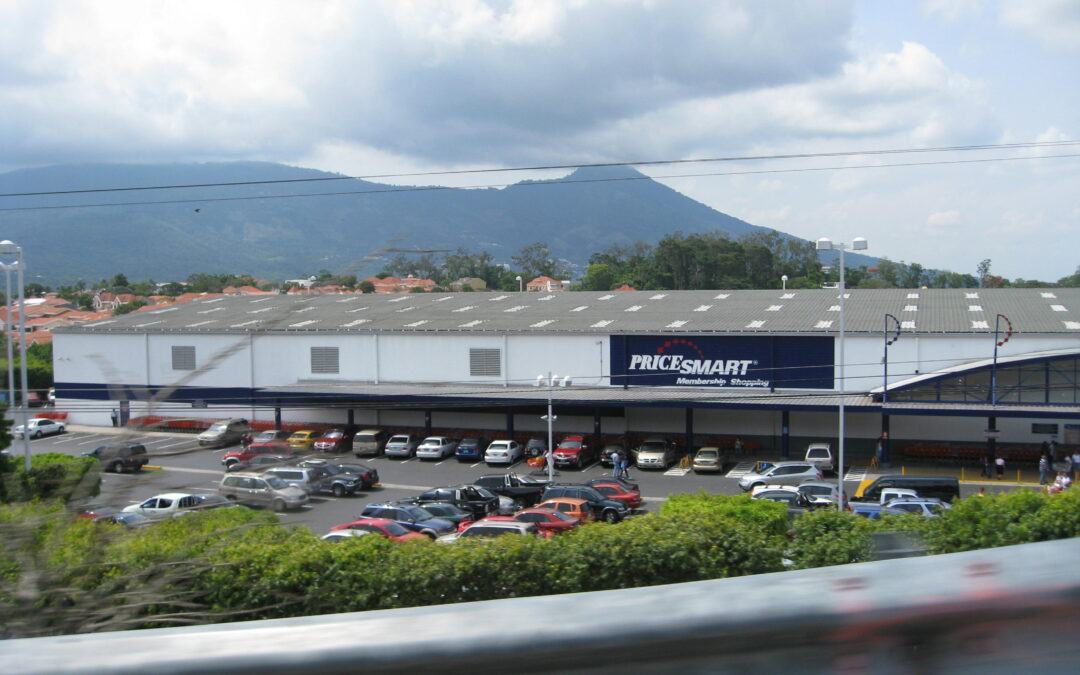
The U.S.-based company PriceSmart opened its fourth shopping center in Santa Ana with a $20 million investment. This new membership-based shopping center joins 54 other facilities operated by the company in 13 countries worldwide. The investment also led to the hiring of 110 people. Officials from the U.S. Embassy in El Salvador attended the opening of the new location.

Expanded Production Capacity

The Salvadoran mattress company Indufoam invested $5 million to expand its production facilities, aiming to boost production capacity and increase exports. The plant spans 90,000 square meters, but the investment adds another 5,000 square meters. The company plans to invest an additional $2 million next year to expand its distribution center further. Guatemala, Nicaragua, Morocco, and South Africa are key markets for the company. These expansions highlight private-sector contributions to the Salvadoran economy in 2024 and its diversification efforts.

Luxury Hotel Chain Arrives in El Salvador

The luxury chain JW Marriott will open its first hotel in El Salvador through Real Hotel & Resorts, which already operates two similar hotels in Costa Rica and Colombia. The new hotel will be located in the Multiplaza shopping center, with construction set to begin in the second quarter of 2025. Although the investment amount has not yet been disclosed, the infrastructure is expected to enhance commerce and tourism for business and leisure. The hotel, slated for completion in 2028, will feature 186 rooms and a 16-story building designed by the prestigious architecture firm CallisonRTKL.

New Distribution Center

The multinational food and beverage company Nestlé invested $10 million in a new distribution center in Nejapa (San Salvador), expanding its storage capacity and streamlining its logistics operations. This facility is the fourth-largest plant in the region. It will handle over 17,000 tons of products annually, including well-known brands such as Maggi, Nido, La Lechera, Klim, Nescafé, and Nespresso.

Real Estate Offerings in Greater San Salvador

The new developer Sforma launched its real estate investments with the groundbreaking of the Origin apartment building, which will become the tallest building in Antiguo Cuscatlán, in the La Libertad Este district, one of the most valuable areas in Greater San Salvador. The project includes 105 apartments across 24 floors, targeting the upper-middle to high-income segment. The developer has sold 80% of the apartments, with an initial investment of $45 million.

Infrastructure for Services

Telus International El Salvador inaugurated its fourth operations center in El Salvador, capable of accommodating over 3,400 workspaces in response to the growing demand for talent and the company’s regional expansion. The new tower, spanning 19,350 square meters across nine production floors, is located in the Las Cascadas shopping center in Antiguo Cuscatlán and involved a $29.2 million investment. It features 910 parking spaces, eight elevators for 15 passengers, a boardroom on the 16th floor with a 360° view, and terraces on the seventh, tenth, and fourteenth floors.

In 2024, El Salvador saw a mix of significant investments from Salvadoran and multinational companies, some completed and operational, while others are set to begin in 2025. Despite a decline in foreign direct investment compared to the previous year, key projects demonstrated ongoing efforts to boost the Salvadoran economy in 2024 and job creation. Notable investments included Agrisal’s Plaza Mundo Usulután shopping mall and apartment complex, Grupo Bimbo’s new production plant, and PriceSmart’s fourth shopping center in Santa Ana. Indufoam expanded its production capacity, while Nestlé established a new distribution center. Luxury hotel chain JW Marriott announced its entry into El Salvador, and real estate developer Sforma broke ground on the Origin apartment building. Additionally, Telus International opened its fourth operations center to meet regional demand. These projects, totaling hundreds of millions of dollars, highlight opportunities for economic growth despite challenges in attracting foreign capital.

What Trends Will Drive the Panamanian Logistics Sector in 2025?

What Trends Will Drive the Panamanian Logistics Sector in 2025?

The Panamanian logistics sector is undergoing a transformative period, influenced by factors such as the dominance of the Chinese market, the rapid adoption of digitization, technological advancements, and the global push for sustainability. The socio-economic stability expected in Panama by 2025 will be pivotal for freight agents and logistics providers as they develop dynamic strategies to expand their operations and cater to evolving global demands. Panama’s potential to solidify its position as a regional logistics hub, leveraging its strategic location and world-class infrastructure, presents significant opportunities for growth and innovation in the sector.

Socio-Economic Stability: A Catalyst for Growth

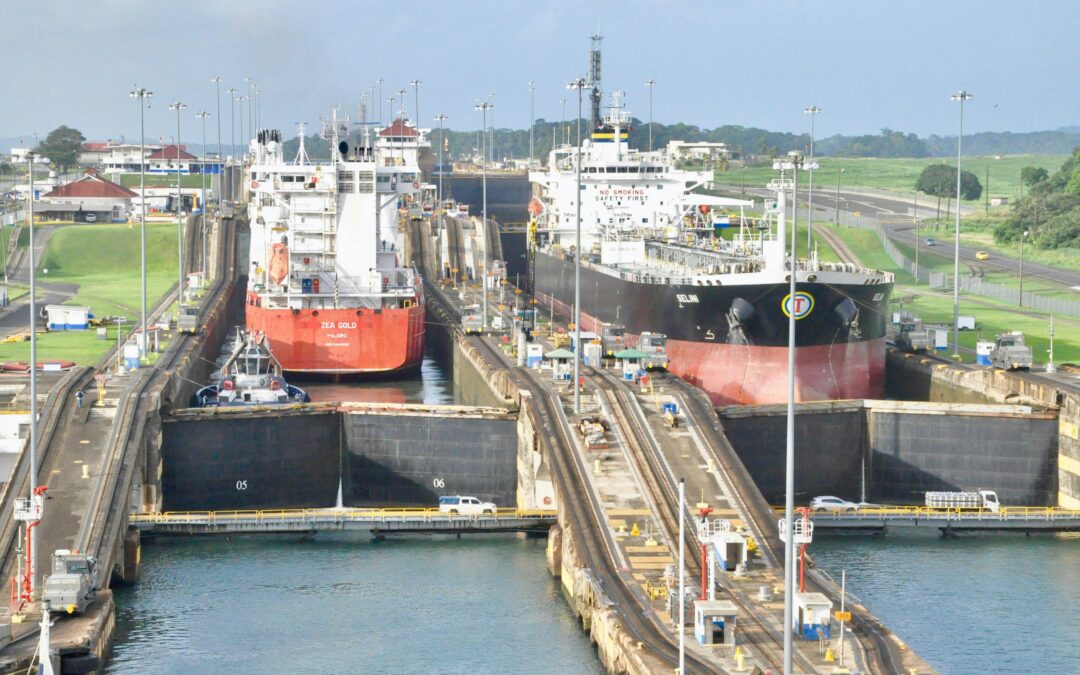
According to the World Bank, Panama is recognized as a logistical and financial epicenter in Latin America. Its strategic location, connecting the Atlantic and Pacific Oceans via the Panama Canal, positions it as a critical player in global trade. In 2025, the country is projected to experience accelerated economic growth if it continues to attract foreign investment. The Chamber of Commerce, Industry, and Agriculture of Panama (CCIAP) highlights that the logistics sector contributes $8.364 billion to the national economy, accounting for 11.4% of the Gross Domestic Product (GDP). These figures underscore the sector’s importance as a cornerstone of Panama’s economic stability and growth trajectory.

Experts from Interborders foresee 2025 as a year characterized by national stability, technological advancement, and enhanced collaboration among supply chain stakeholders. These elements are expected to create new opportunities for optimizing logistics operations, positioning Panama as a leading hub for international trade in the Americas. As businesses increasingly seek resilient and efficient supply chain solutions, Panama’s logistical capabilities stand to gain greater prominence on the global stage.

Key Factors Driving the Panamanian Logistics Sector in 2025

The Influence of the Chinese Market and U.S. Presidential Elections is one factor.

The evolving dynamics of global trade, shaped by the influence of the Chinese market and geopolitical events such as the U.S. presidential elections, will likely have far-reaching implications for Panama’s logistics sector. China’s role as a dominant trading partner and investor in Latin America underscores the need for Panama to maintain strong trade relations with Asian markets. Meanwhile, the outcome of the U.S. elections could redefine trade policies and economic partnerships, potentially creating new opportunities or challenges for Panama. Amid these uncertainties, Panama’s stability offers a reliable foundation for growth and innovation, ensuring its logistics sector remains adaptable to shifting global dynamics.

Transparency and Collaboration in the Supply Chain

The relationship between suppliers, operators, and retailers continues to evolve, emphasizing the need for greater transparency and collaboration. While organic collaboration is inherent in the supply chain, there is a pressing need to strengthen cooperation and streamline communication among sector stakeholders. This includes adopting advanced information management systems to enhance decision-making processes, reduce inefficiencies, and maximize operational efficiency. As supply chains become increasingly complex, transparency will play a crucial role in fostering trust and ensuring the seamless flow of goods and services across borders.

Embracing Technology and Digitization

Technological innovation is set to revolutionize the Panamanian logistics sector in 2025. Adopting cutting-edge technologies such as Blockchain and Artificial Intelligence (AI) will be pivotal in optimizing operations, enhancing transparency, and increasing supply chain visibility. These technologies reduce fraud and improve the accuracy of data sharing and forecasting, enabling more efficient inventory management and route planning.

Panamanian ports are already leading the charge in automation by implementing advanced systems to streamline container handling processes and improve overall efficiency. Integrating Internet of Things (IoT) devices and real-time tracking solutions further enhances operational capabilities, providing stakeholders with actionable insights and enabling more responsive supply chain management. As technology continues to reshape the logistics landscape, Panama can leverage these advancements to maintain its competitive edge.

Sustainability in Logistics Practices

Sustainability is emerging as a critical priority for the logistics industry, driven by growing environmental awareness and the need to address climate change. In 2025, sustainable logistics practices will be central to shaping the sector’s future. Freight transportation is undergoing a green transformation, with initiatives to reduce carbon emissions, energy consumption, and waste generation. Panama’s commitment to sustainability is evident in its promotion of alternative fuels, implementation of emission reduction programs, and optimization of cargo-handling routes to minimize environmental impact.

By adopting eco-friendly practices, logistics providers in Panama contribute to global sustainability goals and enhance their brand reputation and competitiveness. Experts emphasize that successful logistics operations go beyond merely offering services; they involve identifying clients’ needs and designing tailored, environmentally conscious solutions. This approach fosters trust and strengthens brand loyalty, setting a high standard for the industry.

Challenges Facing the Sector

Despite its solid foundation, Panama’s logistics sector faces several challenges that must be addressed to unlock its full potential. Infrastructure modernization and ongoing investment are critical to ensuring Panama remains a top choice for international trade. Upgrading ports, transportation networks, and warehousing facilities is essential to meet the growing demands of global commerce.

Additionally, developing specialized professionals within the logistics industry is a pressing need. Educational initiatives and training programs to equip the workforce with advanced skills will be vital in sustaining the sector’s growth. Simplifying customs procedures and harmonizing regional regulations are equally crucial for enhancing Panama’s competitiveness in the global logistics market. Streamlined processes will reduce delays, lower costs, and improve the overall efficiency of supply chain operations.

Conclusion

The Panamanian logistics sector is poised for significant growth in 2025, driven by socio-economic stability, technological innovation, and a commitment to sustainability. As global trade dynamics evolve, Panama’s strategic location and robust infrastructure position it as a vital hub for international commerce. By addressing challenges and capitalizing on emerging opportunities, the sector can strengthen its role as a cornerstone of Panama’s economy and a leader in the global logistics landscape. With collaborative efforts from stakeholders and continued investment in modernization, Panama is set to redefine the future of logistics in the region and beyond.

In 2025, Economic Growth in the Dominican Republic Will Face Challenges but Ends 2024 on a High Note

In 2025, Economic Growth in the Dominican Republic Will Face Challenges but Ends 2024 on a High Note

The Dominican Republic concludes 2024 with remarkable achievements, consolidating its status as a potential leader in economic growth in the Dominican Republic and regional economic performance. With a projected GDP growth of 5.1% and macroeconomic stability, it is a key player in driving Latin America’s economic expansion. However, the Dominican Republic will face challenges in 2025 tied to global economic dynamics, such as the slowdown of major economies and geopolitical tensions, which could impact trade and the availability of essential inputs. To sustain its growth, the country must rely on its robust performance in tourism, remittances, and free trade zone activities.

Tourism: A Key Driver of Growth

Tourism continues to be a cornerstone of economic growth in the Dominican Republic, closing 2024 with historic achievements by surpassing 10 million visitors, combining arrivals by air and sea. This unparalleled growth reflects the nation’s ability to capitalize on the global tourism recovery. In 2025, market diversification strategies are expected to sustain double-digit growth, generate employment, and strengthen productive linkages. However, the Dominican Republic will face challenges in maintaining this momentum amid global economic uncertainty and shifting travel patterns.

Remittances: A Pillar of Economic Stability

Remittances have significantly bolstered the domestic economy, reaching nearly USD 10 billion in 2024. These flows directly enhance consumption and investment in recipient communities, proving vital for economic growth in the Dominican Republic. However, 2025 projections indicate that the Dominican Republic will face challenges tied to the economic performance of the United States, the primary source of these funds, and potential changes in migration policies. Sustaining remittance growth will require careful monitoring of external factors.

Free Trade Zone Manufacturing: Growth Opportunities and Strategic Needs

The free trade zone manufacturing sector has been bright in 2024, recording growth exceeding 6.5% and attracting foreign direct investment (FDI) surpassing USD 4.5 billion. This sector is pivotal to economic growth in the Dominican Republic, serving as a magnet for companies seeking supply chain diversification. Nevertheless, the Dominican Republic will face challenges in energy sustainability and workforce development, both critical to maintaining competitiveness. Addressing these structural issues will be essential for unlocking the sector’s full potential in 2025.

Inflation, Political Stability, and Public Policy

Inflation stability in 2024, with an interannual rate of 3.18%, has positioned the Dominican Republic among the region’s most stable economies. This stability is a testament to prudent policies supporting economic growth in the Dominican Republic. However, sustaining this performance amidst global volatility in commodity prices and potential adjustments in international interest rates will require proactive measures. The reelection of the current administration provides a foundation for public policies aimed at productive diversification, financial inclusion, and infrastructure development.

Economic Performance and Sectoral Growth

From January to September 2024, real GDP grew by 5.1%, supported by effective monetary and fiscal policies. This growth has been consistent with international forecasts and underscores the Dominican Republic’s leadership in economic growth in the Dominican Republic and the wider region.

Key growth sectors included financial services (7.9%), hotels, bars, and restaurants (6.3%), transportation and storage (5.9%), and manufacturing in free trade zones (6.5%). Local manufacturing and agriculture also expanded by 4.1%. Conversely, the mining sector experienced a negative variation of -6.1%, highlighting the uneven growth across industries. Despite these successes, the Dominican Republic will face challenges sustaining sectoral momentum against shifting global market dynamics.

Tourism and SMEs: Drivers of Inclusive Growth

In tourism, the Dominican Republic welcomed over 9 million visitors by October 2024, with projections indicating continued strength in 2025. October alone saw a 155% increase in cruise ship visitors compared to 2019, reinforcing the sector’s transformative potential.

Meanwhile, micro, small, and medium enterprises (MSMEs), which account for 32% of GDP and 61.6% of the workforce, remain vital to economic growth in the Dominican Republic. Recent monetary board resolutions aim to provide RD 2 billion in funding to support MSMEs, addressing credit access issues for acquiring inputs, expanding operations, and modernizing equipment. However, the Dominican Republic will face challenges scaling these efforts to ensure broader financial inclusion and resilience across the sector.

A Promising but Uncertain Future

While the Dominican Republic concludes 2024 with significant economic achievements, the outlook for 2025 is shaped by both opportunities and risks. The nation’s ability to navigate global economic uncertainty, sustain tourism and remittance growth, and address structural challenges in key industries will determine its trajectory. As economic growth in the Dominican Republic will face challenges ahead, strategic planning and leveraging its established strengths will be critical to maintaining its regional leadership in economic performance.

Looking Ahead: Navigating Challenges to Sustain Growth

As the Dominican Republic steps into 2025, its ability to navigate a complex global landscape will be critical in shaping its economic future. Building on the solid foundation in 2024, the country must prioritize resilience and adaptability to address emerging challenges. Tourism will remain a cornerstone of economic growth in the Dominican Republic, but targeted efforts to diversify source markets, enhance infrastructure, and invest in eco-tourism will be essential for maintaining momentum amid global economic fluctuations.

Similarly, remittances, which have become a pillar of economic stability, require strategic measures to mitigate the risks of external dependency, particularly on the U.S. economy. Policymakers must explore avenues to strengthen domestic investment opportunities for remittance flows, fostering local entrepreneurship and economic empowerment.

The free trade zone manufacturing sector holds immense potential for further expansion, but energy sustainability and workforce development will be decisive factors in maintaining competitiveness. Focusing on renewable energy initiatives and vocational training programs can address these gaps while aligning with global sustainability trends. Meanwhile, inflation management will require proactive measures to buffer against external shocks, such as volatile commodity prices and shifting interest rates, ensuring continued economic stability.

The Dominican Republic’s efforts to support micro, small, and medium enterprises (MSMEs) through improved access to credit and modernization funding will play a pivotal role in fostering inclusive growth. These initiatives must scale effectively to reach underserved sectors and regions, enabling broader participation in economic development.

Tesla in Argentina: Which City Could Become the EV Maker’s South American Hub?

Tesla in Argentina: Which City Could Become the EV Maker’s South American Hub?

With its eyes on the future, this city is gearing up to become the epicenter of Tesla’s electric revolution in Latin America. Tesla’s arrival in Argentina seems closer than ever, with Zárate—a key city in the province of Buenos Aires—taking center stage. Offering unprecedented tax exemptions and backed by global leaders like Elon Musk, this locale aims to position itself as the new heart of electromobility in Latin America.

Zárate: A Growing Industrial Hub

Strategically located in northern Buenos Aires Province, Zárate is already home to automotive industry giants such as Toyota and Mercedes-Benz Trucks and Buses, whose large-scale production is projected for 2026. With Tesla’s interest, the city is poised for an even more significant leap.

The industrial base of Zárate is robust, with well-established supply chains and a skilled workforce that supports advanced manufacturing. The city’s proximity to major ports and transportation routes further strengthens its appeal. These logistical advantages make it an ideal location for Tesla to establish a Gigafactory and tap into the growing demand for electric vehicles (EVs) across Latin America.

Local mayor Marcelo Matzkin has spearheaded efforts to make Zárate a magnet for cutting-edge automotive companies. His proposal includes 20 years of tax exemptions for companies producing electric vehicles, auto parts, and charging infrastructure.

“In Zárate, any company looking to set up operations for electric vehicle production will pay no taxes for two decades. We’re waiting for you, Elon Musk,” Matzkin announced on the social media platform X, directly addressing the entrepreneur. This ambitious plan underscores Zárate’s readiness to host Tesla in Argentina and solidify its position as a hub for innovation and sustainability.

Political Backing

Tesla’s potential entry into Argentina is not just a local initiative but also a result of President Javier Milei’s strategic efforts. Over the past year, Milei has held crucial meetings with Musk, including a recent one in New York, solidifying the magnate’s interest in Argentina’s market and its potential for electromobility.

Milei’s administration has prioritized reducing bureaucratic hurdles and implementing investor-friendly policies. These efforts align with Musk’s vision of creating a seamless pathway for Tesla’s expansion. The president’s proactive approach has further enhanced Argentina’s reputation as an attractive destination for global companies.

Musk has expressed his enthusiasm publicly. “My companies are actively seeking ways to invest in Argentina,” the entrepreneur has repeatedly stated, encouraging other global investors to view the country as a strategic destination. This sentiment, coupled with Milei’s libertarian policies, has created a conducive environment for Tesla to thrive in Argentina.

A Strategic Opportunity for Tesla

Renowned globally for its innovation in the electric sector, Tesla sees a unique opportunity in Argentina. The country boasts one of the world’s largest lithium reserves—a critical resource for battery manufacturing. These abundant raw materials give Argentina a competitive edge in the EV industry. By establishing operations in Zárate, Tesla could significantly reduce supply chain costs and ensure a steady flow of lithium for its battery production.

Moreover, the tax relief policies promoted by Milei’s administration provide additional incentives for Tesla in Argentina. The government’s commitment to fostering sustainable industries aligns perfectly with Tesla’s mission of accelerating the world’s transition to sustainable energy.

Establishing a Gigafactory in Zárate would boost the local economy and create employment opportunities for the community. An estimated 75% of the workforce would be sourced locally, ensuring that the benefits of this investment are widely distributed. Beyond job creation, Tesla’s presence could inspire the development of ancillary industries, further strengthening the region’s economic ecosystem.

Zárate’s Competitive Edge

Zárate offers all the prerequisites for Tesla to establish a regional production hub. In addition to its strategic location near ports and transportation routes, the city has a solid industrial base and a local government eager to support technological development. The tax exemption model also includes construction and licensing fees, eliminating initial costs that often hinder foreign investment. These factors collectively position Zárate as the frontrunner for hosting Tesla in Argentina.

Its commitment to sustainability further enhances the city’s growing reputation as an industrial hub. Local authorities have introduced initiatives to promote green energy and reduce carbon footprints, aligning with Tesla’s core values. By choosing Zárate, Tesla would gain operational advantages and strengthen its brand image as a leader in sustainable innovation.

International Context

Elon Musk has shown alignment with Javier Milei’s libertarian policies. Milei has been praised for his efforts to reduce public spending and streamline regulations, creating an environment conducive to foreign investment. Musk said, “Argentina is experiencing significant prosperity thanks to Milei’s administration.”

International figures such as recently reelected U.S. President Donald Trump have supported Milei. This global backing strengthens Argentina’s position as a reliable destination for large-scale investments. Such endorsements enhance the credibility of Argentina’s economic policies and increase its attractiveness to international corporations.

Although Tesla has yet to make an official announcement, the prospect of a Gigafactory in Zárate marks a turning point for the country’s automotive industry. The city has already proven its ability to host significant projects, and with Musk’s interest, it could become a benchmark for technology and sustainability.

What Does This Mean for Argentina?

Tesla’s arrival would spur economic development and position Argentina as a regional leader in electric vehicle production. This move could open doors to new investments, strengthen the labor market, and place the country at the forefront of the transition to sustainable mobility.

Manufacturing in South America: Opportunities Across the Region

Manufacturing in South America: Opportunities Across the Region

Manufacturing in South America presents many opportunities for businesses seeking to establish or expand regional operations. With diverse economies, strategic locations, and various incentives, South America offers distinct advantages for manufacturers. This blog explores manufacturing potential in South America by examining key countries: Argentina, Brazil, Chile, Colombia, Ecuador, Paraguay, Peru, and Uruguay. We evaluate critical factors such as location and accessibility, workforce availability, industrial real estate, costs, and scalability.

Argentina: A Strong Manufacturing Tradition

Argentina has long been a leader in South America’s manufacturing sector. Its central location in the Southern Cone provides excellent connectivity to regional markets. Major industrial hubs like Buenos Aires and Rosario boast well-developed infrastructure and access to global shipping routes.

Workforce and Infrastructure: Argentina has a skilled and semi-skilled labor force supported by a strong technical education system. Industrial parks in key cities provide ready-to-use facilities for new entrants.

Incentives and Costs: The government offers tax benefits in Free Trade Zones (FTZs), and while labor costs are moderate, high inflation can impact operational costs.

Future Growth: Argentina’s emphasis on renewable energy and innovation in sectors like automotive and food processing suggests significant growth potential for manufacturing in South America.

Brazil: The Industrial Giant

Brazil is South America’s largest economy and a manufacturing powerhouse. Its vast size and population of over 200 million make it an attractive market and production base.

Location and Connectivity: Brazil’s proximity to Atlantic shipping lanes and its network of highways and railways support efficient logistics. Industrial clusters are concentrated in São Paulo, Rio de Janeiro, and Minas Gerais.

Costs and Workforce: Labor costs in Brazil are higher than other countries in the region, but the availability of skilled workers offsets this challenge. Energy costs, particularly hydropower, are relatively low.

Scalability: Brazil’s robust domestic demand ensures scalability, making it a cornerstone of manufacturing in South America.

Chile: Innovation in Niche Sectors

Chile’s stable economy and open trade policies make it a prime destination for niche manufacturing sectors, such as electronics, pharmaceuticals, and mining equipment.

Infrastructure and Incentives: Excellent port facilities and a stable regulatory environment attract foreign investors. The government’s incentives, especially in the northern regions, encourage industrial development.

Costs and Risks: While operational costs are higher due to limited labor availability, Chile’s low corruption levels and business-friendly policies mitigate risks.

Future Outlook: With increasing investments in green technologies, Chile is positioning itself as a leader in sustainable manufacturing in South America.

Colombia: A Rising Nearshoring Hub

Colombia’s strategic location and proactive trade agreements with the U.S. and other countries enhance its appeal for nearshoring opportunities.

Workforce and Costs: Colombia offers a young, growing workforce with competitive labor costs. Industrial real estate in cities like Bogotá and Medellín is affordable and accessible.

Connectivity: Proximity to the Pacific and Atlantic Oceans allows for flexible supply chain options. However, improvements in internal transportation infrastructure are needed.

Growth Prospects: With growing foreign investment, Colombia is rapidly becoming a top destination for manufacturing in South America.

Ecuador: Potential Amid Emerging Growth

Ecuador is an emerging player with significant manufacturing potential. Its dollarized economy provides stability for foreign investors.

Incentives and Accessibility: Special Economic Zones (SEZs) offer tax breaks and streamlined import-export procedures. Ports in Guayaquil and Manta support regional trade.

Workforce and Costs: A relatively low-cost workforce and improving infrastructure make Ecuador competitive, though regulatory complexities remain challenging.

Future Growth: Energy and transport infrastructure investment is expected to bolster Ecuador’s standing in South American manufacturing.

Paraguay: A Low-Cost Alternative

Paraguay has carved out a niche as a low-cost manufacturing hub, particularly in the automotive and textile industries.

Incentives and Costs: Generous tax incentives and low energy costs, driven by hydropower, make Paraguay one of the most affordable options in the region.

Infrastructure: Though improving, Paraguay’s logistics infrastructure requires further development to enhance connectivity.

Growth Potential: With its strategic location between Argentina and Brazil, Paraguay is well-positioned for growth in manufacturing in South America

Peru: Expanding Industrial Horizons

Peru’s growing economy and strategic location on the Pacific coast make it an appealing option for manufacturers targeting Asian and North American markets.

Workforce and Real Estate: Lima’s young and rapidly urbanizing population ensures a steady supply of workers, and industrial real estate is competitive.

Incentives and Costs: The government incentivizes textiles, food processing, and mining-related industries. However, logistical costs remain a concern.

Future Outlook: Peru’s focus on free trade and infrastructure development will enhance its role in South America’s manufacturing sector.

Uruguay: A Stable Business Environment

Uruguay’s stable political and economic environment makes it a favorite among foreign investors.

Connectivity and Infrastructure: Excellent port facilities in Montevideo and seamless trade links with neighboring countries support efficient logistics.

Workforce and Costs: Uruguay has a well-educated workforce, though labor costs are higher than its neighbors.

Scalability and Growth: Uruguay, a hub for high-value-added industries, offers significant potential for sustainable manufacturing in South America.

Conclusion

Manufacturing in South America presents many opportunities for businesses to establish or expand operations. Each country offers distinct advantages, from Argentina’s manufacturing tradition and Brazil’s scalability to Chile’s innovation in green technologies and Uruguay’s stability. While regulatory complexities, infrastructure gaps, and varying costs exist, the region’s strategic locations, workforce diversity, and financial incentives create an environment ripe for industrial growth. South America is a region worth exploring for manufacturers aiming to thrive in dynamic and emerging markets.