
+1 (520) 780-6269 investment@latamfdi.com
How many foreign countries have investments in Honduran maquiladoras?

How many foreign countries have investments in Honduran maquiladoras?

The maquiladora sector in Honduras has become a vital driver of the country’s economic development, attracting a broad range of foreign investment. According to a recent report from the Honduran Association of Maquiladoras (AHM), companies from 34 countries are now operating in Honduran maquiladoras. This significant foreign presence is helping to fuel growth, particularly in the textile, electronics, and services industries. The United States is the largest investor in this sector, with 87 Honduran maquiladora companies. Still, the breadth of countries involved spans five continents, showcasing the global appeal of Honduras as a destination for manufacturing investment.

The Honduran maquiladora industry is a significant recipient of foreign direct investment (FDI). This sector has proven attractive due to various factors, including competitive labor costs, strategic location, and favorable trade agreements like the Central America Free Trade Agreement (CAFTA-DR). These advantages have lured companies from various industries, including electronics, textiles, and services, to operate in Honduran maquiladoras. According to the AHM, as of June 2024, 342 companies were operating within the Honduran maquiladora sector, with 164 of these being nationally owned. This demonstrates a significant local involvement, but the bulk of foreign investment comes from diverse countries.

Top Foreign Investors in Honduras’ Maquiladora Sector

The AHM report reveals that of the 34 countries investing in the Honduran maquiladora industry, eight countries account for the most significant number of companies. These top investors include:

The United States: The leading investor with 87 companies, U.S. capital dominates the Honduran maquiladora sector. This is primarily due to Honduras’s proximity to the United States and the ability of U.S. companies to take advantage of free trade agreements like CAFTA-DR, which allows for tariff-free imports and exports of goods manufactured in the country.

Canada: With 13 companies, Canada is another major player. Canadian investment is notable in the textile and electronics sectors, where the Honduran maquiladora industry excels.

South Korea: Represented by 12 companies, South Korea’s involvement is mainly focused on the electronics sector, given the country’s strength in technology and electronics manufacturing.

El Salvador and Guatemala: These Central American neighbors are also significant investors, with ten companies from El Salvador and nine from Guatemala operating Honduran maquiladoras. The shared geographical location allows these countries to benefit from logistical advantages in supply chains.

Germany: With eight companies operating in the Honduran maquiladora sector, Germany brings in high-tech investments, especially in electronics and advanced manufacturing.

Mexico and Panama: Mexico contributes seven companies, and Panama five, showcasing their growing interest in Honduras’ manufacturing capabilities. Notably, Mexican capital is showing increasing interest in large-scale investments, particularly in sectors catering to domestic and U.S. markets.

Expanding Investor Base

While the top eight countries account for many Honduran maquiladora companies, significant investments come from other countries. China, for instance, has established a growing presence with four companies. Meanwhile, Ecuador, Hong Kong, and Switzerland each have three companies. Luxembourg, Nicaragua, Spain, Denmark, England, the Netherlands, Peru, and Tunisia have two companies.

Interestingly, the list also includes countries with a single company operating in Honduran maquiladoras, such as Austria, Barbados, Belgium, Brazil, Colombia, France, India, Israel, Jamaica, New Zealand, Norway, Sri Lanka, Taiwan, and Venezuela. This diversity reflects the global confidence in Honduran maquiladoras as a manufacturing hub where companies from across the world find favorable conditions for investment.

Sectors Attracting Foreign Investment

The Honduran maquiladora sector is primarily concentrated in a few key industries. The manufacturing industry leads the way, with 139 companies operating in this sector. This includes textiles, traditionally the backbone of the Honduran maquiladora industry, and other types of manufacturing, including electronics and automotive parts.

The commercial sector is the second largest in the number of companies, with 98 firms engaged in various commercial activities. These companies often act as suppliers or distributors for more extensive manufacturing operations, contributing to the overall efficiency of the supply chain.

Textiles are significant in the Honduran maquiladora industry, with 23 companies specializing in clothing and garment manufacturing. The country’s access to raw materials and low production costs make it a popular destination for international apparel brands looking to produce goods for export.

In addition to textiles and manufacturing, the services sector has grown significantly. Twenty-three service-oriented companies operate in Honduran maquiladoras, offering various business process outsourcing (BPO) services, including customer service, IT support, and financial services. This diversification is crucial for the future growth of the Honduran maquiladora industry, as it allows the country to reduce its dependence on traditional manufacturing sectors.

Other notable investment areas include industrial parks, with 17 companies, and electronic services, with 12 firms. The electronics sector has increased recently, with many companies producing parts for smartphones, computers, and other electronic devices. This sector is desirable to investors due to the increasing global demand for electronics.

Economic Impact

The Honduran maquiladora industry has had a significant economic impact on Honduras. As of July 2024, maquiladora exports totaled $3.1439 billion, according to the Central Bank of Honduras (BCH). Of this, $2.3009 billion came from clothing and textiles, demonstrating the enduring importance of the textile industry to the Honduran economy. Additionally, $843 million came from electrical parts, underscoring the growing role of the electronics sector.

Diversifying Honduran maquiladora exports significantly reduces the country’s reliance on any industry or market. By expanding into electronics and services, Honduras has attracted new types of foreign investment and created jobs in sectors expected to grow in the coming years.

Future Outlook

The president of the Honduran Association of Maquiladoras, Mario Canahuati, is optimistic about the future of the Honduran maquiladora sector. He pointed out that Mexican companies are particularly interested in large-scale investments in Honduran maquiladoras. According to Canahuati, three companies are investing around $1 billion in the country, with most of this capital coming from the United States and China.

This influx of investment is expected to transform the Honduran maquiladora industry, allowing it to continue growing and diversifying in the years ahead. Honduras’s strategic location, competitive labor costs, and favorable trade agreements make it a prime destination for foreign companies looking to establish manufacturing operations in Central America.

In conclusion, the Honduran maquiladora sector is not only one of the largest recipients of foreign direct investment in the country but also a vital component of its economic development. With 34 countries actively investing and operating within the sector, it is clear that Honduras is firmly positioned as a global player in manufacturing and export. As the country continues to attract new investment from around the world, the future of the Honduran maquiladora industry looks bright.

China and the United States Compete for Coveted Foreign Investment in Peru and Brazil

China and the United States Compete for Coveted Foreign Investment in Peru and Brazil

Peru and Brazil have emerged as two of the most coveted South American countries for foreign investment, attracting attention from China and the United States. Each country offers distinct advantages that appeal to these global powers, from economic profiles and abundant resources to their geopolitical importance. These nations have positioned themselves as vital points for international capital and technological innovation, playing a pivotal role in shaping the future of South America’s economic landscape.

Peru: A Beacon of Macroeconomic Stability and Investment Appeal

In recent years, investment in the two countries has surged, with Peru, in particular, standing out as a leading destination. The country’s macroeconomic stability, bolstered by a robust regulatory framework and rich natural resources, has helped solidify its position as a regional leader in South America. This stability provides a secure environment for foreign investors, especially in critical sectors such as mining, energy, agriculture, and infrastructure.

Peru’s economic resilience, demonstrated through consistent growth and prudent fiscal policies, has made it an attractive choice for foreign capital. Since 2023, foreign investment in Peru and Brazil has been especially noteworthy, with significant capital inflows in Peru’s mining and energy sectors. A report by the Institute of Economics and Business Development (IEDEP) of the Lima Chamber of Commerce indicated that investor confidence in the Peruvian currency reached unprecedented levels in 2024, adding to the country’s appeal as a strategic hub for international capital.

Key institutional pillars, particularly the independence of the Central Reserve Bank of Peru, have driven Peru’s ability to attract foreign investment. This institution’s sound monetary policies have effectively managed inflationary pressures, providing a stable economic environment where foreign investors feel confident. This focus on macroeconomic stability, coupled with strong governance in financial markets, ensures that Peru remains a top choice for both short-term and long-term foreign investments.

Peru has also gained attention for its ambitious infrastructure and energy projects. Foreign investment has led to the rapid development of Peru’s renewable energy sector. China, in particular, has played a leading role in this transformation, leveraging its experience in large-scale infrastructure projects to support Peru’s modernization efforts. Chinese investments in renewable energy projects are helping Peru diversify its energy matrix and move toward a more sustainable future.

China’s influence extends beyond the energy sector. Chinese companies have also contributed significantly to Peru’s infrastructure development, focusing on transportation and urban growth. With cities experiencing rapid expansion, Peru has turned to foreign investment to help meet the growing demand for housing and modern urban infrastructure. The collaboration between Peru and China in these areas has the potential to accelerate the country’s modernization and drive long-term economic growth.

Brazil: A Strategic Draw for Global Powers

While Peru has distinguished itself as a stable and reliable destination for international capital, Brazil’s sheer size, wealth of natural resources, and expanding domestic market have made it another prime focus for foreign investment. With more than 210 million inhabitants, Brazil offers multinationals access to a vast and growing middle class, presenting numerous opportunities for consumer-driven sectors.

Brazil’s natural resources—from agriculture to energy—provide multiple avenues for foreign investment. China has shown interest in Brazil’s agricultural sector, making substantial investments in soybeans, meat production, and other vital commodities. This relationship is mutually beneficial, as Brazil receives significant capital inflows while China secures critical resources to meet its growing food security needs. Brazil’s prominence as one of the world’s largest food producers makes it a crucial partner in China in securing agricultural commodities.

In addition to agriculture, Brazil’s energy sector has also attracted other substantial investments. With its vast offshore oil reserves and growing potential in renewable energy, Brazil presents ample opportunities for global powers seeking to diversify their energy portfolios. China’s Belt and Road Initiative (BRI) plays a crucial role in enhancing its presence in Latin America, with investments in Brazil’s energy and infrastructure sectors helping to strengthen trade ties and economic integration.

Similarly, the United States has sought to deepen its ties with Brazil, mainly in innovation and technology. As Brazil modernizes its infrastructure, technology, telecommunications, and retail sectors have experienced significant growth. U.S. companies have capitalized on these trends, investing heavily in Brazil’s burgeoning tech industry. The U.S. private sector sees opportunities to contribute to Brazil’s sustainability initiatives and digital transformation, with American expertise playing a pivotal role in shaping the country’s modernization efforts.

Brazil’s infrastructure needs are another focal point for foreign investment. The country has launched several initiatives to modernize its transportation, energy, and telecommunications networks, which are essential for supporting long-term economic growth. With their extensive experience in infrastructure development, U.S. companies view Brazil as an ideal partner for collaboration in these areas. Additionally, China’s involvement in Brazil’s infrastructure projects, primarily through the BRI, highlights the geopolitical significance of foreign investment in Peru and Brazil.

Peru and China’s Strategic Infrastructure Investments

In Peru, efforts to collaborate with China on large-scale infrastructure projects have marked a pivotal moment for foreign investment in Peru and Brazil. A binational meeting organized by the Construction and Engineering Guild of the Lima Chamber of Commerce, with support from the Chinese Embassy, focused on strengthening ties between the two countries. Renewable energy and urban infrastructure development were critical focus areas, with China poised to play a leading role in supporting Peru’s energy diversification goals.

Among the most ambitious projects under foreign investment in Peru and Brazil is the development of the Port of Chancay, which aims to transform Peru’s maritime trade capabilities. This initiative, backed by Chinese capital, will modernize the port, enhancing Peru’s export competitiveness and positioning the country as a significant player in international trade. The Port of Chancay will link Latin America and Asia, reinforcing Peru’s strategic importance in global trade routes.

Another critical infrastructure initiative is the New Central Highway, which improves connectivity between Peru’s coastal regions and its mountainous interior. This project, a significant component of foreign investment in Peru and Brazil, will facilitate the transportation of goods and people, reduce travel times, and improve the efficiency of Peru’s logistics network. Enhanced infrastructure is critical for attracting foreign investment and supporting the country’s long-term economic growth.

Conclusion: The Global Powers’ Tug of War in South America

Peru and Brazil have firmly established themselves as two of the most sought-after countries for foreign investment in Peru and Brazil. Both nations leverage their unique economic strengths, natural resources, and strategic importance to draw significant investments from global powers like China and the United States. While Peru’s macroeconomic stability and infrastructure projects make it a safe bet for foreign capital, Brazil’s vast market potential and focus on sustainable energy and agriculture continue to capture the attention of multinational corporations.

As China and the United States continue to vie for influence in these two countries, foreign investment in Peru and Brazil will play a crucial role in shaping the economic future of South America. The importance of these investments is expected to grow in the coming years, with both Peru and Brazil serving as crucial battlegrounds for the world’s leading economies as they seek to expand their global footprint in Latin America.

President Nayib Bukele is Drawing Investors’ Attention to Foreign Investment in El Salvador

President Nayib Bukele is Drawing Investors’ Attention to Foreign Investment in El Salvador

El Salvador, a Central American nation known for its stunning landscapes and rich cultural heritage, is making headlines for tourism and its burgeoning economic potential across various sectors. Recent Central Reserve Bank (BCR) reports highlight a remarkable turnaround in foreign investment in El Salvador, showcasing the country’s growing appeal as an investment destination. In the first quarter of 2024, the country experienced a commendable eight percent increase in foreign direct investment (FDI), signaling a positive economic confidence and growth shift.

Surge in Foreign Investment in El Salvador

The Salvadoran economy, which struggled with low FDI levels in 2023, has seen a significant boost in foreign investment in El Salvador. In the first three months of 2024, El Salvador attracted $176.3 million in foreign direct investment. This represents a substantial $14.33 million increase from the $161.96 million reported during the same period in 2023. This increase is not just a numerical improvement; it reflects a broader trend of renewed interest and confidence in El Salvador’s economic stability and growth prospects.

Douglas Rodríguez, President of the BCR, attributed this boost primarily to reinvested earnings and capital contributions. After a period of economic contraction, the manufacturing sector emerged as a significant beneficiary of this investment influx. The manufacturing industry received $154.1 million in the first quarter, followed closely by the commerce sector with $119.1 million. These figures illustrate how foreign investment in El Salvador catalyzes growth and expansion in key economic areas, contributing to a more diversified and robust economic landscape.

Investment Areas and Opportunities

In particular, El Salvador’s manufacturing sector presents several promising foreign investment areas. Historically, textiles and apparel have been fundamental to the country’s economy. With its strategic location, favorable trade agreements, and well-developed infrastructure, El Salvador is an ideal hub for garment manufacturing. The sector benefits from increasing global demand for high-quality, ethically produced garments, enhancing its appeal to investors looking for growth opportunities.

Manufacturing Sector: Beyond textiles and apparel, electronic and electrical equipment manufacturing is another sector poised for significant growth. With a skilled workforce and increasing government support for technological advancements, this area presents substantial investment opportunities. El Salvador’s commitment to fostering technological innovation and supporting manufacturing infrastructure provides a strong foundation for growth in this sector.

Automotive Industry: The global shift towards electric vehicles drives growth in the auto parts industry, presenting substantial opportunities for foreign investment in El Salvador. As automotive electronics become more complex, the demand for high-quality auto parts rises. With its developing industrial base, El Salvador is well-positioned to capitalize on this trend, offering investors a chance to be part of the evolving automotive sector.

Food and Beverage Processing: The food and beverage processing sector in El Salvador also shows considerable potential. Driven by increasing demand for locally and internationally processed and packaged foods, this sector is expanding rapidly. Investment in food and beverage processing aligns with global consumer trends and leverages El Salvador’s agricultural strengths and growing consumer market.

Sustainable Manufacturing: Sustainable manufacturing and green technologies are gaining traction as investors increasingly prioritize environmental sustainability. El Salvador’s initiatives to promote eco-friendly practices and reduce carbon footprints support the growth of this sector. Investments in green technologies and sustainable manufacturing processes contribute to environmental goals and align with global sustainability trends.

Major Investors and Their Impact

The first quarter of 2024 saw diverse contributions from international investors, highlighting El Salvador’s growing appeal on the global stage. Spain emerged as the leading investor, injecting $97.2 million (55.1%) into the Salvadoran economy. The United States followed with over $69.04 million (39.1%), and Mexico made a notable contribution of $42.8 million (24.3%). Other countries such as the Bahamas ($22.12 million), Guatemala ($14.37 million), Switzerland ($12.16 million), the Netherlands ($10.40 million), and the Cayman Islands ($8.59 million) also played significant roles in this investment surge.

This diverse investor base underscores El Salvador’s attractiveness as an investment destination. The influx of capital from various international sources reflects the country’s growing importance in the global economic landscape and its potential as a hub for diverse economic activities. The surge in foreign investment in El Salvador showcases the country’s growing role on the global stage.

Potential Investment Sectors

Several sectors in El Salvador offer substantial opportunities for direct foreign investment:

Renewable Energy: El Salvador’s commitment to sustainability positions the renewable energy sector as a standout investment opportunity. The country boasts abundant natural resources, including solar, wind, and geothermal. Supported by government incentives to foster growth in this sector, renewable energy offers a promising avenue for investors interested in contributing to environmental sustainability while capitalizing on emerging energy markets.

Tourism: Tourism remains a vibrant sector with significant investment potential. El Salvador’s rich cultural heritage, archaeological sites, beautiful beaches, and national parks present opportunities for developing ecotourism, adventure tourism, and high-end hotel infrastructure. The country’s diverse attractions make it an appealing destination for investors looking to build and enhance the tourism industry.

Agribusiness: The agribusiness sector, encompassing coffee, sugar, cocoa, and advanced agricultural technology, leverages El Salvador’s fertile land and favorable climate. This sector presents opportunities for investment in traditional and innovative farming practices, capitalizing on the country’s agricultural strengths and market potential.

Information and Communication Technology (ICT): The ICT sector is expanding rapidly, with new opportunities emerging in financial services, including banking, insurance, fintech, and cryptocurrencies. Following the groundbreaking adoption of Bitcoin as legal tender, El Salvador is positioning itself as a hub for digital and financial innovations, attracting investors interested in the intersection of technology and finance.

Conclusion

The rise in foreign investment in El Salvador highlights a positive and encouraging trajectory for the country’s economic development. As it continues to diversify and expand its economic activities, El Salvador presents a dynamic and attractive landscape for investors. With its strategic location, favorable trade agreements, and growing sectors, the country is poised to become a key player in the Central American economic arena, offering a wealth of opportunities for those looking to invest in a burgeoning market.

The Colombian Caribbean commercial hub is critical to the country’s logistics

The Colombian Caribbean commercial hub is critical to the country’s logistics

The Colombian Caribbean is consolidating itself as a commercial hub thanks to its modern port infrastructure and the attraction of investments.

Traditionally known for its tourist appeal and rich culture, the Colombian Caribbean commercial hub is emerging as a decisive player in the national economy. Its strategic location and the modernization of its port and logistics infrastructure have made it a key point for attracting investments and developing industrial projects.

With its strategic ports like Cartagena, Santa Marta, and Barranquilla, the Caribbean region is cementing its role as the country’s main entry and exit point for goods. Recent infrastructure advancements, such as the expansion of the Panama Canal and the modernization of the Palermo port in Barranquilla, have increased cargo and storage capacity, allowing for the handling of up to 780,000 tons of cargo annually and an additional 120,000 tons in vertical silos for grain, further solidifying its status as a commercial hub.

Furthermore, Barranquilla has gained international recognition for its rapid growth in attracting foreign direct investment. According to FDI Intelligence magazine, the city ranked among the top one hundred globally for investment attraction growth. It holds the third position in Latin America and the Caribbean, reflecting its appeal as a Colombian Caribbean commercial hub and business platform for international markets.

Strategic investments driving regional development

In terms of investment, the Department of Atlántico has witnessed significant initiatives to attract investment and promote the expansion of key sectors such as food and beverages, renewable energy, and the circular economy—all sectors that contribute to the growth of the Colombian commercial hub.

ProBarranquilla, as a development agency, has led investment missions that have connected local companies with fourteen potential national and international investors. The success of these missions is reflected in the arrival of projects that seek to take advantage of Barranquilla’s strategic location and free trade zone regime, which offers favorable conditions for business expansion and optimization of commercial activities within the Colombian Caribbean commercial hub.

In 2023, Barranquilla attracted over six hundred million dollars in investments, surpassing the previous year’s results by 130%. This figure and the creation of more than 2,200 jobs highlights the region’s potential as an industrial development hub, especially for projects with an export profile, strengthening its role as a Colombian Caribbean commercial hub.

Economic diversification and sustainability

One key to the commercial hub’s competitive growth has been its ability to diversify its economy and align its projects with global sustainability trends. The region has demonstrated a strong commitment to investing in renewable energy, with projects like the wind farms in La Guajira standing out. These initiatives contribute to the country’s energy security and respond to the growing global demand for clean energy.

This sustainable approach is also reflected in investments in the circular economy, a sector that increasingly attracts companies seeking to minimize their environmental impact. These initiatives foster the region’s economic development and position the Colombian Caribbean commercial hub as a model for sustainable development in the Latin American context.

The Colombian commercial hub continues to position itself as a key player in Colombia’s economic competitiveness. Regional integration, driven by strategic investments, modernized infrastructure, and a focus on sustainability, has allowed the region to stand out as a global logistics and commercial hub. Although it still faces challenges, the Caribbean is on an upward trajectory, playing an increasingly vital role in the national economy.

Examples of growth in the Colombian Caribbean

When examining this growth in recent years, three significant projects stand out:

Expansion of the Port of Cartagena: The Port of Cartagena, one of the most important in Colombia, has undergone significant expansion and modernization in recent years. This expansion includes the construction of new terminals and the implementation of advanced technology for cargo handling. As a result, the port has increased its capacity and efficiency, attracted major shipping companies and become a key point for international trade. Its strategic location in the Caribbean region facilitates access to global markets, consolidating its role as an essential node in the Colombian Caribbean commercial hub.

Development of Barranquilla Airport: The Ernesto Cortissoz International Airport in Barranquilla has undergone significant infrastructure improvements, including terminal expansion and the modernization of its services. These improvements have increased capacity for cargo handling and passenger transport, facilitating more efficient access to national and international markets. Strengthening air connectivity has made Barranquilla a strategic point for companies looking to optimize their logistics and commercial operations, further boosting this commercial hub.

In conclusion, the Colombian Caribbean commercial hub rapidly evolved into a key logistics and commercial hub, underpinned by its strategic location, robust infrastructure, and increasing foreign investment. With major projects like the expansion of the Port of Cartagena and the modernization of Barranquilla’s airport, the region is positioned to serve as a vital gateway for international trade. Coupled with a focus on economic diversification and sustainability, the Caribbean’s growth enhances Colombia’s global competitiveness and sets a precedent for regional development. As investments continue to pour in, the Colombian Caribbean commercial hub is poised to play an even more significant role in shaping the future of the country’s economy.

The Impact of Foreign Investment in Sonora: Driving Growth in Manufacturing, Energy, and Mining

The Impact of Foreign Investment in Sonora: Driving Growth in Manufacturing, Energy, and Mining

Sonora has made significant strides in attracting foreign investment, positioning itself as a leading state for economic development in Mexico. Last year, it ranked as the second state nationwide with the highest foreign investment, positively impacting job creation and economic growth. This trend is expected to continue, according to Juventivo Félix Lugo, president of the National Chamber of Commerce (Canaco) in Hermosillo, who highlighted the importance of foreign direct investment for the region’s commerce and services sector. He expressed optimism that the state’s economic momentum will persist over the next three years, with the continued success of the Sonora Plan contributing to further growth.

Recent Investments in Sonora’s Manufacturing Sector

Sonora’s manufacturing sector has played a vital role in driving this growth. The state has become a significant hub for the aerospace, automotive, electronics, and mining industries. In recent years, significant foreign investment has been made in the state’s advanced manufacturing, with several global companies establishing or expanding their regional operations.

One of the most notable developments is the influx of foreign investment in the Sonoran aerospace industry. The state is home to one of Mexico’s most significant aerospace clusters, with over 50 companies operating in the region. These include major international players such as Bombardier, Safran, and Honeywell, who chose Sonora for its strategic location, skilled workforce, and competitive costs. The state’s proximity to the U.S. border and its well-developed infrastructure make it an attractive destination for aerospace companies seeking to optimize their supply chains and reduce transportation costs.

The automotive industry has also seen substantial growth in Sonora, particularly in producing components for electric vehicles (EVs). With the global shift towards cleaner energy and sustainable transportation, Sonora has become a focal point for companies looking to invest in the EV market. Recent foreign investment in Sonora has resulted in thousands of jobs and the development of new production facilities, further boosting the local economy. Companies such as Ford, Bosch, and Lear Corporation have expanded their operations in the state, leveraging Sonora’s skilled labor force and favorable business environment.

Sonora’s Role in Renewable Energy Development

In addition to its growing manufacturing sector, Sonora is emerging as a leader in renewable energy development. The state is rich in natural resources, particularly solar energy, and has become a key player in Mexico’s efforts to transition to cleaner energy sources. The state government has actively promoted foreign investment in Sonora’s renewable energy projects, offering incentives to companies committed to sustainability.

One of the most significant projects in this regard is the construction of large-scale solar farms. For instance, the Puerto Libertad Solar Plant is one of Latin America’s most important solar power projects, with the capacity to generate up to 404 megawatts of electricity. This project alone has attracted considerable foreign investment in Sonora and has the potential to supply clean energy to thousands of homes and businesses in the region. Additionally, the Sonora Plan includes ambitious goals for increasing renewable energy capacity, focusing on reducing carbon emissions and promoting energy efficiency.

The renewable energy sector contributes to the state’s environmental sustainability and creates new job opportunities for engineering, construction, and maintenance. This influx of green jobs is expected to continue as more companies invest in Sonoran renewable energy projects.

Mining Industry’s Contribution to Sonora’s Economy

Sonora has long been recognized for its mining industry, which has significantly contributed to the state’s economy. The region is known for its rich deposits of copper, gold, silver, and other valuable minerals, and it has attracted significant the state’s sector. The state is the top producer of copper in Mexico, and its mining sector is expected to see continued growth due to rising global demand for metals used in electronics and renewable energy technologies.

Recent foreign investment in Sonora has focused on modernizing extraction techniques and improving environmental sustainability. Mining companies operating in the region are increasingly adopting advanced technologies to reduce their ecological footprint, such as water recycling systems and energy-efficient machinery. This focus on sustainability has made Sonora a more attractive destination for environmentally conscious investors, further boosting foreign investment in Sonora.

Moreover, the mining industry has created many employment opportunities in the region, from engineers and geologists to laborers and support staff. The economic benefits of mining extend beyond direct job creation, as the industry supports a network of suppliers, transportation companies, and service providers, contributing to the state’s overall economic growth.

The Sonora Plan: A Roadmap for Future Growth

The Sonora Plan, a driving force behind the state’s economic progress, aims to foster further growth across key industries. The plan includes strategies for improving infrastructure, promoting innovation, and enhancing workforce development. It also emphasizes the importance of creating a business-friendly environment encouraging domestic and foreign investment in Sonora.

One key component of the Sonora Plan is the development of industrial parks and logistics hubs that facilitate the efficient movement of goods and materials. These infrastructure improvements are critical for attracting new businesses to the region and supporting the growth of existing industries. The state government works closely with private investors and international companies to ensure Sonora remains competitive globally.

Furthermore, the Sonora Plan strongly emphasizes education and workforce development. By partnering with local universities and technical institutes, the state is working to ensure its workforce is equipped with the skills needed to meet the demands of modern industries. This focus on education and training has made Sonora an attractive destination for companies seeking highly skilled labor.

Conclusion

Sonora’s commercial and manufacturing sectors are thriving, thanks in large part to the state’s ability to attract foreign investment in Sonora. With its strategic location, strong infrastructure, and skilled workforce, Sonora has become a hub for aerospace, automotive, and renewable energy industries. The Sonora Plan has been instrumental in driving this growth, providing a roadmap for continued economic development. As the state continues to invest in infrastructure, workforce development, and sustainability, it is well-positioned to maintain its status as a leading destination for foreign investment in Sonora.

Nearshoring is Not Just for Mexico: Brazil, Chile, and Colombia Stand Out for Their Potential for Foreign Investment in Latin America

Nearshoring is Not Just for Mexico: Brazil, Chile, and Colombia Stand Out for Their Potential for Foreign Investment in Latin America

In recent years, nearshoring has emerged as a critical trend in global trade, driven in part by the pandemic. While much of the focus has been on Mexico due to its proximity to the United States, other Latin American countries such as Brazil, Chile, and Colombia also position themselves as attractive destinations for foreign investment in Latin America. According to JLL Global Consulting Services, the trend of nearshoring requires the development of hubs that offer logistical advantages and favorable economic and business conditions. These emerging markets could reshape the nearshoring landscape in Latin American foreign investment.

Mexico: The Main Beneficiary of Nearshoring

Nearshoring, a business strategy in which companies move production closer to their home countries, has significantly benefited Mexico. The country’s proximity to the U.S. and deep integration into North American logistics and manufacturing make it a prime destination for nearshoring initiatives. According to a JLL study, “Mexico has been the main beneficiary, placing its cities in a league of their own compared to other Latin American countries and Southeast Asia.”

Mexico’s strategic location, large economy, and established infrastructure make it a strong candidate for companies seeking to optimize their supply chains. The country acts as a hub for exports and a robust internal market. In addition to its manufacturing capacity, Mexico offers the advantage of cultural and economic alignment with the U.S., further enhancing its role as a nearshoring destination. However, Mexico is not the only Latin American country that can benefit from foreign investment in Latin America.

Brazil: The South American Giant

Due to its size, population, and economic prowess, Brazil is often called a continent within a continent. As the largest economy in Latin America, Brazil boasts a strong logistics network, a vast labor market, and a history of manufacturing. It has long been a global player in the agriculture, automotive, and technology sectors and is increasingly seen as a prime candidate for foreign investment in Latin America.

JLL’s analysis highlights Brazil’s potential, noting that nearshoring could boost its manufacturing exports by billions of dollars. However, given the country’s already well-established industrial base, the overall impact on its exports may not be as dramatic as in other countries. São Paulo, the country’s financial and industrial hub, is singled out as a critical destination for Latin American foreign investment. The city’s track record in attracting international businesses, strong logistics performance, and highly skilled labor force make it a pivotal player in Brazil’s nearshoring prospects.

Moreover, Brazil’s size and infrastructure development are significant advantages. In recent years, the country has invested heavily in transportation, ports, and highways, positioning itself as a logistics powerhouse in the region. Its role in global trade, particularly in the agricultural and manufacturing sectors, further underscores Brazil’s importance in foreign investment in Latin America.

Colombia: A Growing Industrial Base

While Colombia’s economy has traditionally been more focused on raw materials, the nearshoring trend offers the country an opportunity to diversify and expand its industrial base. According to JLL, Colombia could leverage nearshoring to create thousands of jobs in manufacturing, logistics, and administrative services, thus enhancing its role in foreign investment in Latin America.

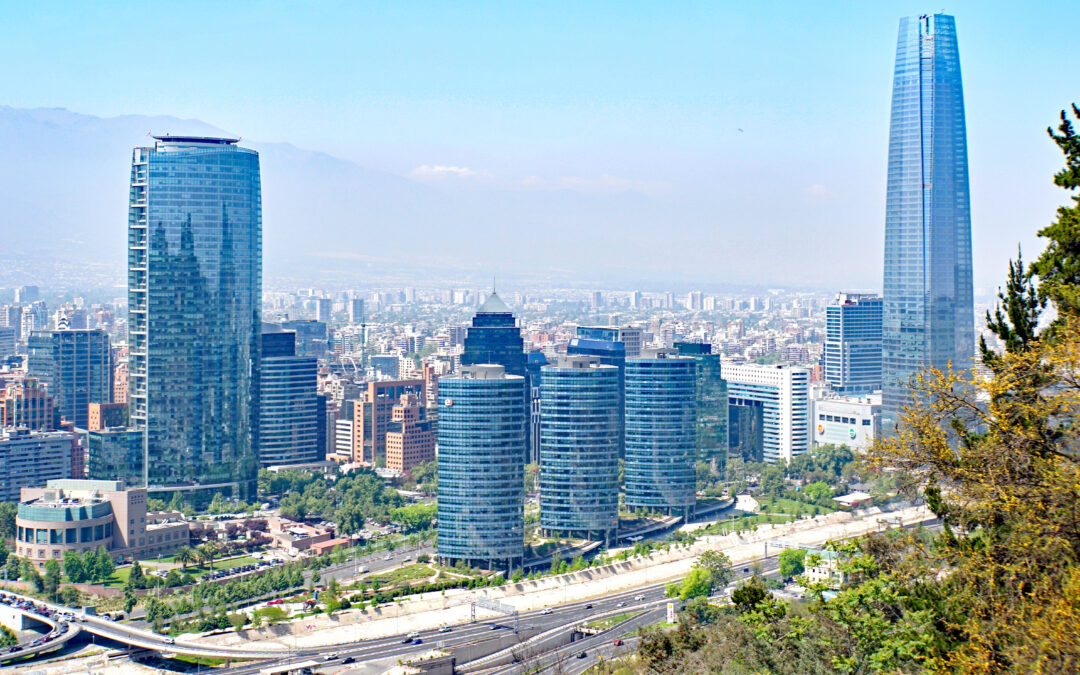
Colombia can potentially attract significant foreign investment in Latin America, particularly in cities like Bogotá and Medellín. These urban centers benefit from a well-qualified labor force, competitive operating costs, and improving infrastructure. Bogotá, the country’s capital, is emerging as a business hub, with many multinational companies operating in the city. Medellín, once known for its turbulent past, has transformed into a center of innovation, technology, and manufacturing.

Colombia’s currency devaluation against the U.S. dollar also makes the country an attractive destination for Latin American foreign investment. Lower wages and a relatively skilled labor force provide cost advantages that can help international businesses reduce operational expenses. As Colombia continues to improve its business environment, it is likely to see increased interest from companies looking to nearshore their operations.

Chile: A Stable Business Environment

Chile has long been recognized for its political and economic stability, making it a prime destination for foreign investment in Latin America. JLL’s study points out that Chile offers one of Latin America’s most favorable business environments thanks to its transparency, low credit risk, and streamlined business procedures. The country’s commitment to democracy, rule of law, and fiscal responsibility has made it an attractive market for international companies.

Chile’s small but highly educated population and its reputation for transparency and good governance enhance its appeal as a nearshoring destination. The country is known for its ease of doing business and offers investors a clear legal framework, competitive tax incentives, and access to a stable economy. These factors position Chile as a strategic hub for companies looking to serve both Latin American and global markets through foreign investment in Latin America.

Conclusion: A Diversified Nearshoring Landscape

While Mexico remains the primary beneficiary of nearshoring, other Latin American countries such as Brazil, Chile, Colombia, and Costa Rica increasingly position themselves as attractive destinations for foreign investment in Latin America. Each country offers unique advantages, from Brazil’s economic scale and logistics potential to Chile’s stability and transparency, Colombia’s growing industrial base, and Costa Rica’s dynamic business ecosystem.

As nearshoring continues to evolve, these countries will likely see increased interest from companies looking to optimize their supply chains, reduce costs, and tap into new markets. By investing in infrastructure, improving business environments, and offering competitive incentives, Latin American nations can further strengthen their positions in the global landscape of Latin American foreign investment.