
Energy and Mining Coordination Secretary Daniel González: “We Are Going to Decide in the Summer of 2026”. Here Are the Projects Approved So Far.
Summary: The government of Javier Milei is considering extending the deadline for companies to enroll in Argentina’s large investment incentive regime (RIGI) for private-sector projects by one year, given the ongoing interest shown by companies. This decision will be taken in the summer. In the event that the libertarian government does not extend the deadline, the period for submitting projects for approval will close in July 2026.
Daniel González, the national secretary of Energy and Mining Coordination, has stated that the large investment incentive regime has received more than 27 applications in the energy and mining sector. He has also added that there are other projects currently in the preparation stage.
The Decision to Extend Should Be Made This Summer
“There hasn’t been a formal discussion about an extension yet, but the decision should be taken this summer, as the regime ends in July 2026. I would personally recommend an extension, as it is the kind of economic model we are aiming to achieve: with no export taxes, fewer taxes, and with a streamlined bureaucracy,” the national secretary said.
At the moment, the companies have two years from when the regime went into effect to enroll. Nevertheless, the national government can extend the deadline once for a period of up to one year after the initial deadline.
In case the government decides to extend the scheme for large investments, companies will be able to submit projects until July 2027. After that date, the possibility of benefiting from the economic perks of the legislation will close.
Large Investment Incentive Regime in Argentina
The large investment incentive regime in Argentina is currently seen as a flagship of the pro-market measures promoted by the Milei government. An extension of the deadline would provide a greater level of certainty to investors who are structuring long-term capital-intensive projects.
So far, there are nine approved projects, including the multipurpose port project in Timbúes, Santa Fe. The total accumulated investment reached USD 24.8 billion, according to data from the Ministry of Economy.
Key features of RIGI that have made it so attractive to foreign companies are the reduction of the corporate income tax rate from 35% to 25%, the elimination of export duties, the ability to credit VAT in the pre-operational phase and the recognition of international arbitration in case of legal disputes. These characteristics have strengthened the attractiveness of the large investment incentive regime in Argentina as a framework for capital-intensive projects.
Approved Projects
- YPF: The state-owned energy company is building a solar park, El Quemado, in the province of Mendoza. The USD 211 million project will be developed in two phases: the first will have a capacity of 200 MW, while the second phase will increase it by another 105 MW.
- YPF, Pan American Energy (PAE), Vista, Pampa Energía, Pluspetrol, Chevron, and Shell: The Vaca Muerta Sur Project is estimated to require an initial investment of USD 2.486 billion, which could increase up to USD 3 billion. Infrastructure will be built in Neuquén and Río Negro with the goal of doubling Argentina’s oil exports over the next two years. This pipeline system would support oil exports of up to 700,000 barrels per day, the equivalent of USD 17 billion at USD 68 per barrel.
- Southern Energy (Pan American Energy (PAE) and Golar LNG): The companies will place a floating liquefaction unit in the Gulf of San Matías, Río Negro, with a view to producing liquefied natural gas (LNG). The investment is estimated at USD 2.9 billion over the next decade and USD 6.878 billion over the 20-year life of the project.
- Rio Tinto: The multinational has announced a new investment of USD 2.724 billion to expand the Rincón Lithium project in the province of Salta. This project includes the construction of a new plant and the expansion of the current capacity to produce battery-grade lithium to 60,000 tons a year.
- Sidersa: The company will make a new investment of USD 296 million in a state-of-the-art steel plant to produce up to 360,000 tons of long steel products a year in San Nicolás, Buenos Aires Province. The goal of the project is to produce “green” steel by using innovative and more environmentally friendly technologies. This investment would create more than 300 direct jobs and 4,000 indirect ones.
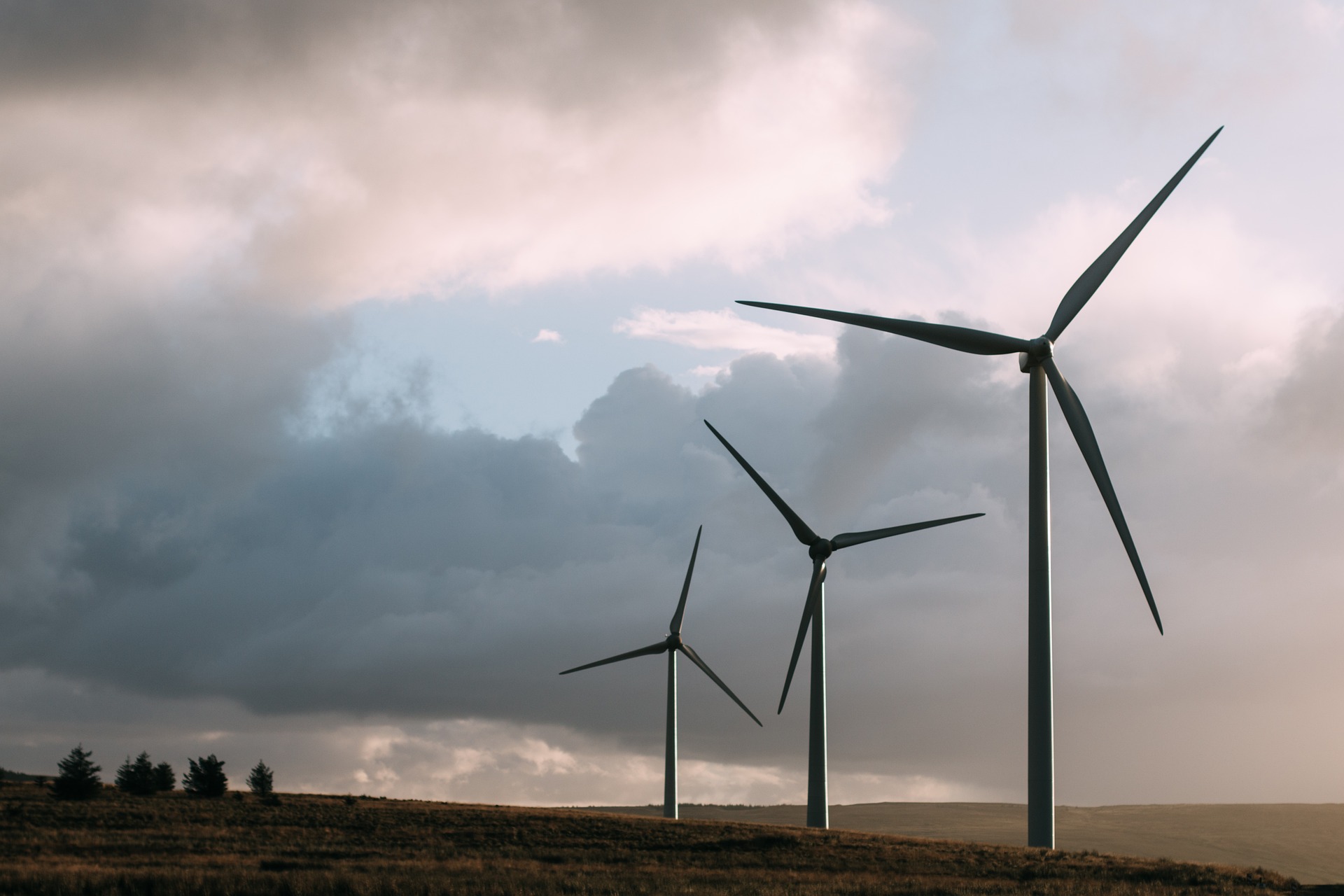
- PCR and Acindar: These companies will build a new wind farm in Olavarría, which will require an investment of USD 255 million.
- Galán Lithium: The Hombre Muerto Oeste (HMW) project, in Catamarca, needs an investment of USD 217 million to produce high-quality lithium chloride. By 2029, associated exports are expected to reach USD 180 million a year.
- Los Azules Project: Led by McEwen Copper, the Los Azules copper exploration and mining project is located in San Juan. The estimated investment required for this project is USD 2.672 billion.
- Timbúes: A multipurpose port will be built in Santa Fe with a new investment of USD 277 million. The project will have storage capacity for fertilizers, iron ore, steel products, grains, and fuels.
Conclusion
As the Milei government considers whether to extend the RIGI enrollment period by a year, the sheer size and number of approved projects illustrate the increasing relevance of the regime on the country’s investment agenda. With close to USD 25 billion already committed across energy, mining, infrastructure, and industrial development, the large investment incentive regime in Argentina is fast becoming a cornerstone of the administration’s strategy to attract long-term capital and double export capacity in a two-year horizon. An extension into 2027 would provide both local and international companies more time to structure complex high-value projects and could potentially broaden Argentina’s strategic investment pipeline. Whether the deadline gets extended or not, the projects already approved so far signal a renewed confidence in the economic direction of Argentina and a clear bet on the sectors that can drive the country’s sustained growth in the coming years.